Russia has looted thousands of Ukrainian cultural objects in the war. Finding them is a challenge
Russia has looted thousands of Ukrainian cultural objects in the war. Finding them is a challenge
The ongoing conflict in Ukraine has unveiled a devastating secondary front: the systematic looting and destruction of the nation's cultural heritage. Reports from the Ground indicate that Russian forces have successfully seized tens of thousands of artifacts, ranging from ancient Scythian gold to contemporary artworks, often transporting them across borders into occupied territories or Russia itself. This cultural erasure is not merely a byproduct of war but appears to be a calculated effort to undermine Ukrainian identity and history. As museum directors return to liberated cities only to find empty shelves and ransacked archives, the scale of the loss becomes increasingly clear, creating a monumental task for international investigators and cultural preservationists who must now track these stolen treasures across a fragmented and hostile landscape.
Russia has looted thousands of Ukrainian cultural objects in the war, creating a crisis for global heritage. Finding these items is a significant challenge because Russian forces frequently destroy inventory books and documentation during their retreat, making it nearly impossible to establish a definitive list of what has been taken. Furthermore, the incorporation of seized Ukrainian museums into Russia's national catalog complicates legal recovery efforts under international law. Experts warn that without comprehensive digital archives, many of these artifacts may be lost to the black market or hidden in private collections for decades.
The Magnitude of Cultural Theft in Occupied Ukraine
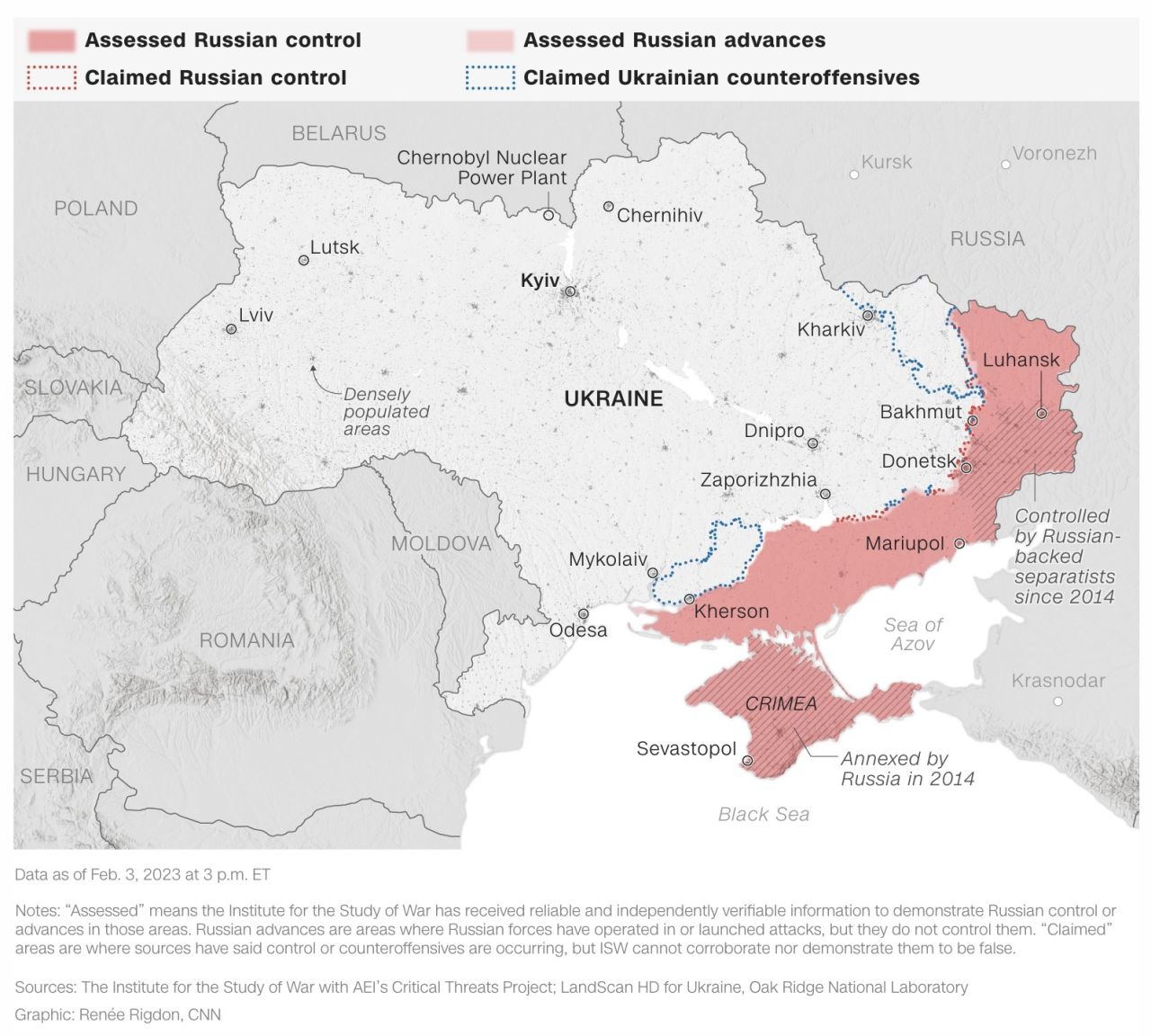
The scale of the looting is unprecedented in modern European history. Since the full-scale invasion began in early 2022, the Ukrainian Ministry of Culture has documented damage or destruction to over 1,700 cultural heritage sites. However, the physical destruction of buildings is only half the story. In cities like Kherson and Mariupol, the removal of museum collections was organized and thorough. In Kherson alone, an estimated 10,000 pieces of art vanished from the regional museum. These were not random acts of theft by individual soldiers but coordinated operations involving trucks and specialized personnel. The "evacuation" of these items, as described by Russian-installed officials, is viewed by the international community as a blatant violation of the 1954 Hague Convention for the Protection of Cultural Property in the Event of Armed Conflict.
The loss extends beyond paintings. It includes archaeological finds from the Scythian and Sarmatian periods, rare manuscripts, and religious icons that have served as the bedrock of Ukrainian spiritual life for centuries. Because many of these objects were never fully digitized or cataloged in international databases, their disappearance creates a vacuum in the historical record. Investigators are now playing a high-stakes game of catch-up, trying to document what was there before the memory of it fades or the evidence is suppressed.
The Kherson Case: A Rare Digital Success Story
While most of the country struggles with missing records, the Kherson Art Museum offers a glimmer of hope due to the foresight of its director, Alina Dotsenko. Years before the invasion, Dotsenko insisted on photographing and digitizing the museum's entire collection. When Russian forces occupied the city, she managed to hide the hard drives containing this archive. Upon liberation, these digital records became the primary evidence for prosecutors and Interpol. This archive allows for the tracking of specific works that were seen being loaded onto trucks and moved toward Crimea.
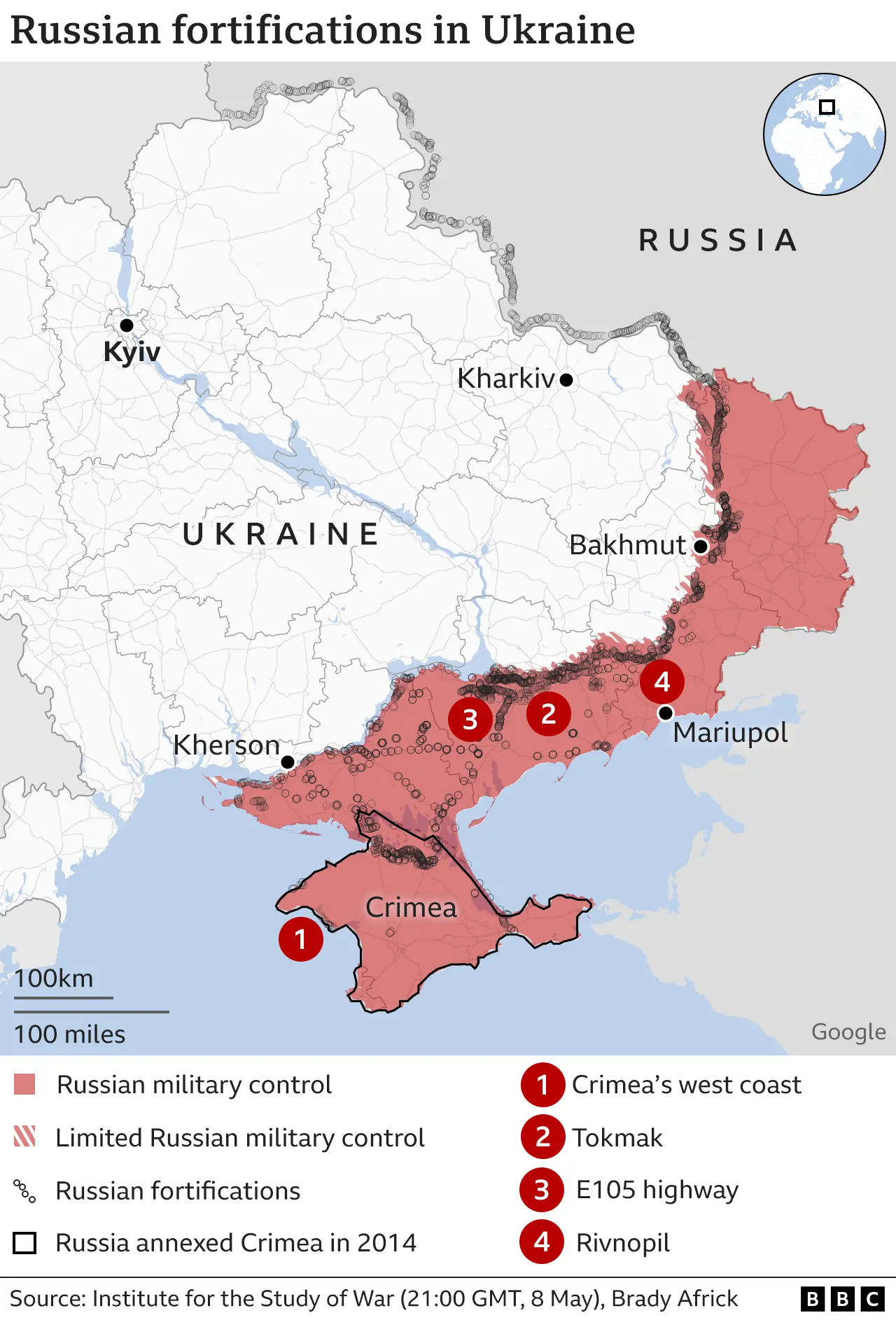
However, Kherson remains an outlier. In many other regions, particularly those occupied since 2014 like Donetsk and Luhansk, original documentation has been lost or intentionally destroyed. The removal of inventory books is a common tactic used by occupying forces to prevent the rightful owners from proving what they once possessed. Without a paper trail, the legal hurdle for restitution becomes nearly insurmountable in international courts.
Legal Hurdles and the Russian National Catalog
Russia has taken steps to formalize its possession of stolen Ukrainian heritage. In 2023, the Russian government amended its legislation to incorporate 77 Ukrainian museums located in occupied regions into its own national catalog. This move is more than just symbolic; it creates a domestic legal shield that prohibits the return of these works. By claiming these items as part of the Russian state's property, Moscow is effectively attempting to "legalize" war trophies.
International law, specifically the Rome Statute, classifies the destruction or seizure of cultural property as a war crime. Ukrainian prosecutors are currently handling dozens of criminal proceedings related to cultural crimes. However, enforcing these laws requires the cooperation of the state in possession of the objects. As long as Russia remains outside the jurisdiction of these claims or continues to ignore international rulings, the physical return of the objects remains a distant prospect.
| Region/Category | Estimated Impact/Loss |
|---|---|
| Kherson Art Museum | Over 10,000 artworks looted |
| Cultural Heritage Sites | 1,707+ sites damaged or destroyed |
| Museum Objects in Occupied Zones | Over 2.1 million items at risk |
| Confirmed Looted Items (Retaken Territory) | 35,000+ documented pieces |
Tracing the Black Market and Open-Source Intelligence
As the war continues, many of the smaller, less famous looted items are expected to surface on the international black market. To combat this, investigators are turning to open-source intelligence (OSINT). This involves monitoring online auction sites, social media posts by soldiers, and propaganda videos released by Russian media that might inadvertently show museum galleries in the background. Organizations like the Art Loss Register are working closely with Ukrainian authorities to flag suspicious items before they can be sold to unsuspecting collectors.
The challenge with OSINT is the labor-intensive nature of the work. Every photo must be geolocated and cross-referenced with pre-war catalogs, which, as established, are often missing. Furthermore, the most valuable pieces—like the Scythian gold—are unlikely to appear on eBay. They are more likely to be held in state-run Russian museums or traded among high-level oligarchs who can afford to keep them out of the public eye for generations.
The Role of International Organizations and UNESCO
UNESCO has been active in monitoring the situation via satellite imagery, providing "before and after" assessments of cultural sites. However, UNESCO's power is primarily soft power; it can condemn, document, and provide technical assistance, but it cannot physically retrieve stolen items. The agency has placed various sites under "enhanced protection," which is the highest level of international legal immunity, but this has not stopped the shelling of historic centers like Odesa or the looting of Mariupol's treasures.
Other bodies, such as the International Council of Museums (ICOM), have published "Emergency Red Lists" for Ukraine. These lists help customs officials and art dealers identify categories of objects that are particularly vulnerable to illicit trafficking. By educating the global art market on what Ukrainian artifacts look like—such as specific types of Byzantine icons or prehistoric stone stelae—these organizations aim to make it "too hot" for looters to sell their plunder.
Digitalization as a Tool for Future Restitution
Ukraine's Ministry of Culture has identified digitalization as a top priority for 2025 and beyond. The logic is simple: you cannot claim what you cannot prove you owned. New initiatives are underway to create 3D scans of monuments and high-resolution digital twins of museum collections. This serves two purposes. First, it preserves the visual and historical data of an object even if the physical item is destroyed. Second, it provides a permanent, immutable record that can be used in future legal battles for restitution.
Projects like the "Museum of Stolen Art" are already creating virtual galleries of missing works. These digital spaces allow the public to interact with Ukraine's lost heritage, keeping the memory of these objects alive. While a digital copy can never replace an original 18th-century painting, it ensures that the cultural narrative remains in Ukrainian hands rather than being rewritten by the occupier.
The Human Cost of Cultural Erasure
It is important to remember that the looting of museums is not just a loss of objects, but an attack on the people who identify with them. In international law, cultural heritage is increasingly viewed through the lens of human rights. The destruction of a community's heritage is a direct threat to their collective memory and dignity. For Ukrainians, these artifacts are symbols of their resilience and distinct national identity, which is precisely why they have been targeted.
The war has also taken a heavy toll on the people who protect these items. Scores of museum curators, librarians, and historians have been killed since the invasion began. Others have been forced to flee, often carrying heavy catalogs and hard drives through checkpoints at great personal risk. Their bravery is the only reason we have any record at all of the treasures currently sitting in Russian vaults.
Accountability and the Path Forward
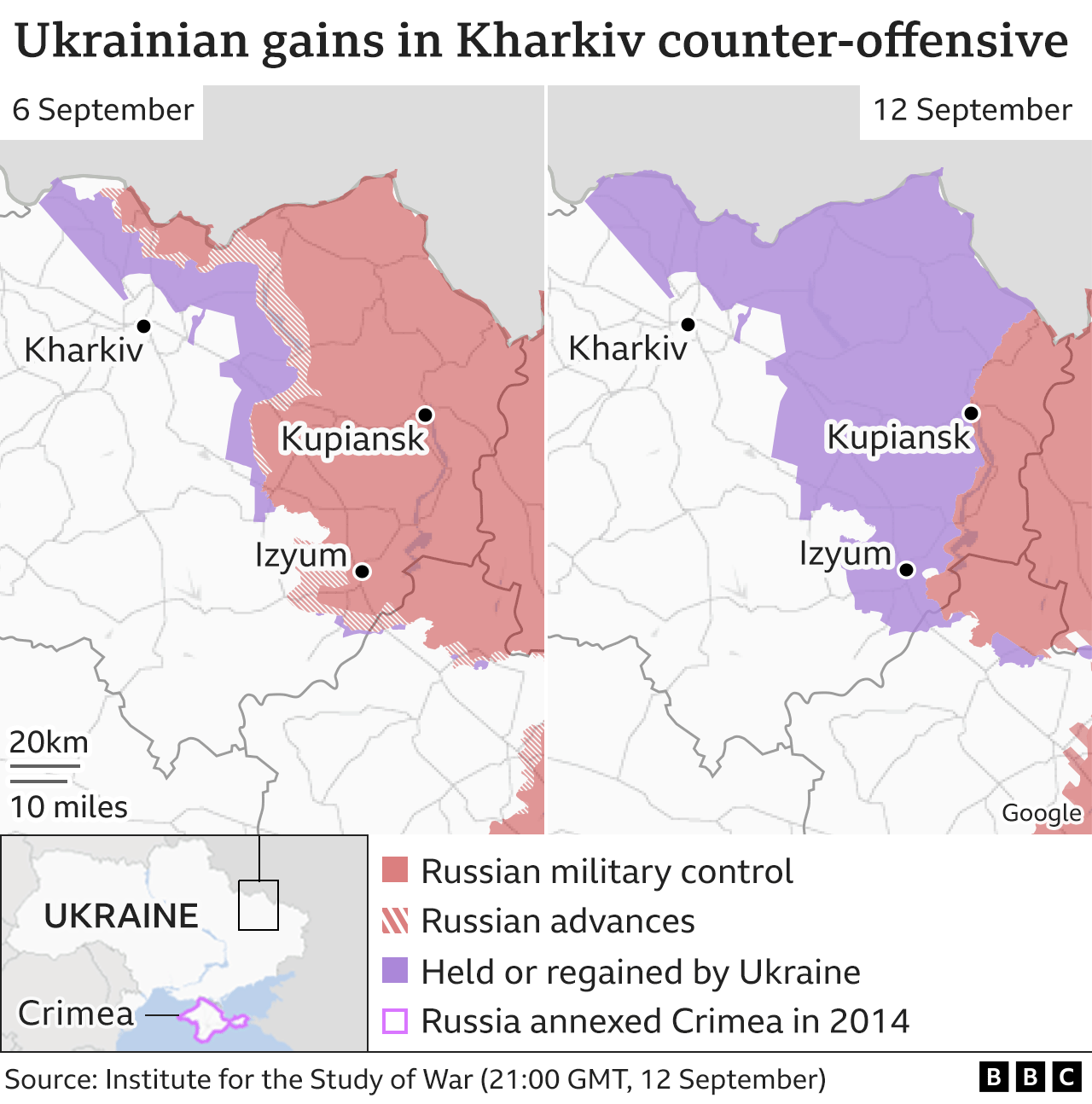
The path to recovery will be long and arduous. Historical precedents, such as the recovery of art looted by the Nazis during World War II, suggest that the process of restitution can take decades. However, a recent ruling in Poland provides a small victory: a court ruled that a Russian national could be extradited to Ukraine for conducting illegal excavations in Crimea. This sets a vital precedent that cultural theft will be prosecuted as a serious crime.
For the thousands of objects still missing, the focus remains on documentation and international pressure. As Ukraine continues to retake territory, the discovery of ransacked institutions will likely continue. The global community must remain vigilant, ensuring that the "blood art" of this conflict does not find a home in the galleries or private collections of the West. Only by maintaining a clear, documented record can Ukraine hope to one day bring its heritage home.
Conclusion
The systematic looting of Ukrainian cultural objects by Russia represents one of the most significant challenges to global heritage in the 21st century. While the task of finding and recovering these items is hindered by destroyed records and legal barriers created by the Kremlin, the resilience of Ukrainian curators and the advancement of digital forensics offer a path forward. The battle for Ukraine's soul is being fought not just on the front lines, but in the archives and museum storerooms where history is preserved. Restoring these treasures is not just a matter of art history; it is a fundamental requirement for justice and the preservation of a nation's identity.
Frequently Asked Questions
While the exact number is unknown due to missing records, officials have confirmed that over 35,000 museum items have been looted from retaken territories, with over 2.1 million objects remaining at risk in occupied zones.
Russian forces often destroy inventory books and museum documentation during their retreat. Additionally, many collections were never digitized before the war, leaving no visual record for investigators to use.
Under international law, including the 1954 Hague Convention and the Rome Statute, the seizure of cultural property during war is a war crime. However, Russia has integrated these objects into its own national catalog to block their return.
Investigators use open-source intelligence (OSINT), satellite imagery, and digital archives created before the war. New efforts focus on 3D scanning and creating "digital twins" of remaining collections.
Restitution is a long process that can take decades. It requires international legal pressure, the tracking of items on the black market, and potentially future diplomatic agreements once the conflict ends.
Russia has looted thousands of Ukrainian cultural objects in the war. Finding them is a challenge
Russia has looted thousands of Ukrainian cultural objects in the war. Finding them is a challenge Wallpapers
Collection of russia has looted thousands of ukrainian cultural objects in the war. finding them is a challenge wallpapers for your desktop and mobile devices.

Beautiful Russia Has Looted Thousands Of Ukrainian Cultural Objects In The War. Finding Them Is A Challenge Moment Collection
Experience the crisp clarity of this stunning russia has looted thousands of ukrainian cultural objects in the war. finding them is a challenge image, available in high resolution for all your screens.
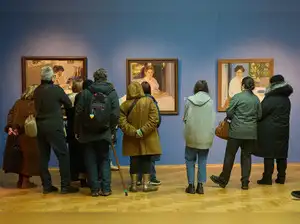
Lush Russia Has Looted Thousands Of Ukrainian Cultural Objects In The War. Finding Them Is A Challenge Design for Your Screen
This gorgeous russia has looted thousands of ukrainian cultural objects in the war. finding them is a challenge photo offers a breathtaking view, making it a perfect choice for your next wallpaper.

Lush Russia Has Looted Thousands Of Ukrainian Cultural Objects In The War. Finding Them Is A Challenge Scene for Your Screen
This gorgeous russia has looted thousands of ukrainian cultural objects in the war. finding them is a challenge photo offers a breathtaking view, making it a perfect choice for your next wallpaper.

Lush Russia Has Looted Thousands Of Ukrainian Cultural Objects In The War. Finding Them Is A Challenge View Illustration
A captivating russia has looted thousands of ukrainian cultural objects in the war. finding them is a challenge scene that brings tranquility and beauty to any device.
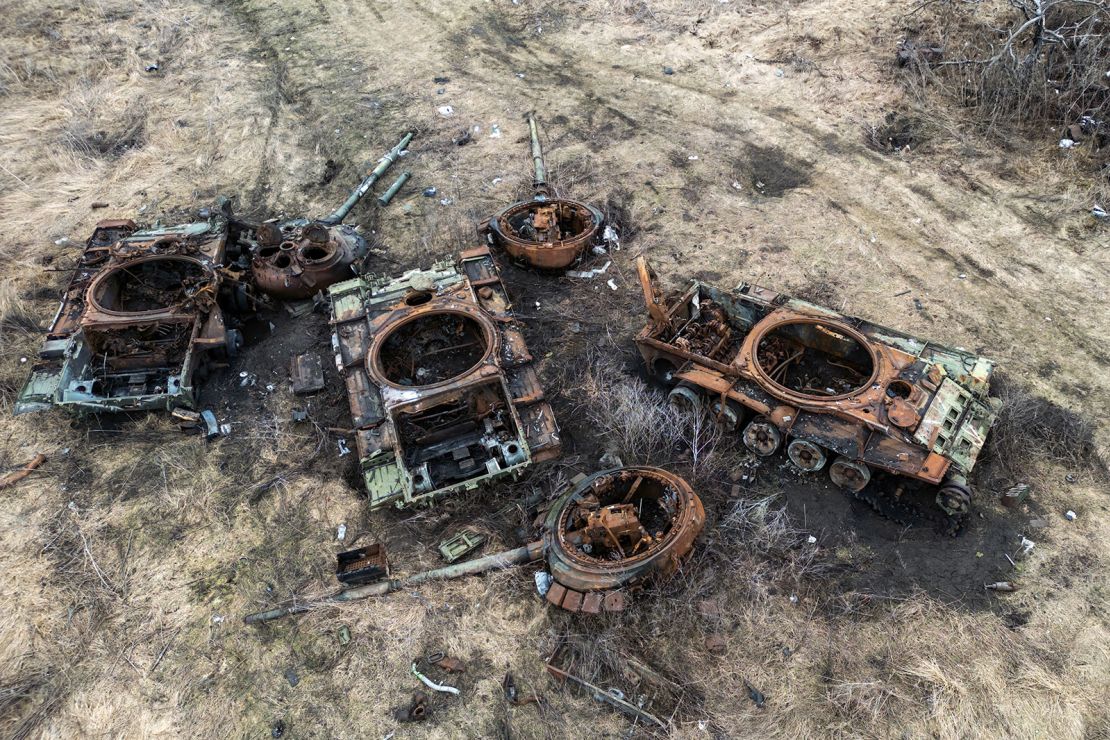
Exquisite Russia Has Looted Thousands Of Ukrainian Cultural Objects In The War. Finding Them Is A Challenge Landscape in HD
A captivating russia has looted thousands of ukrainian cultural objects in the war. finding them is a challenge scene that brings tranquility and beauty to any device.
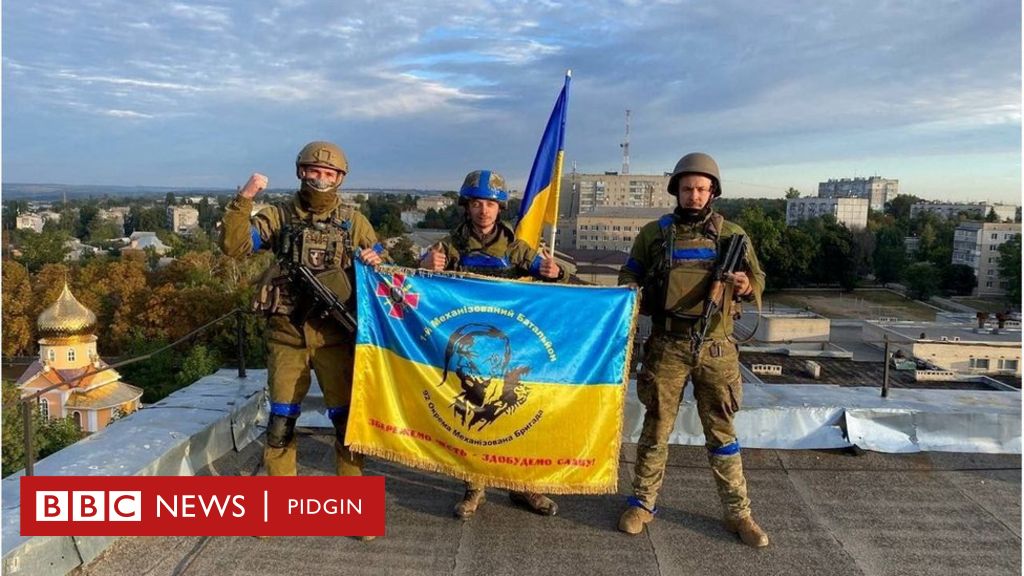
Crisp Russia Has Looted Thousands Of Ukrainian Cultural Objects In The War. Finding Them Is A Challenge Background for Your Screen
Find inspiration with this unique russia has looted thousands of ukrainian cultural objects in the war. finding them is a challenge illustration, crafted to provide a fresh look for your background.

Mesmerizing Russia Has Looted Thousands Of Ukrainian Cultural Objects In The War. Finding Them Is A Challenge Design for Desktop
Experience the crisp clarity of this stunning russia has looted thousands of ukrainian cultural objects in the war. finding them is a challenge image, available in high resolution for all your screens.
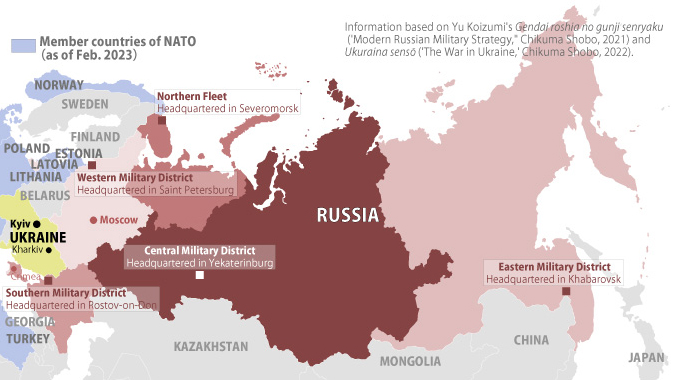
Mesmerizing Russia Has Looted Thousands Of Ukrainian Cultural Objects In The War. Finding Them Is A Challenge Background Illustration
Transform your screen with this vivid russia has looted thousands of ukrainian cultural objects in the war. finding them is a challenge artwork, a true masterpiece of digital design.
Serene Russia Has Looted Thousands Of Ukrainian Cultural Objects In The War. Finding Them Is A Challenge Photo for Mobile
Discover an amazing russia has looted thousands of ukrainian cultural objects in the war. finding them is a challenge background image, ideal for personalizing your devices with vibrant colors and intricate designs.

High-Quality Russia Has Looted Thousands Of Ukrainian Cultural Objects In The War. Finding Them Is A Challenge Scene Photography
Discover an amazing russia has looted thousands of ukrainian cultural objects in the war. finding them is a challenge background image, ideal for personalizing your devices with vibrant colors and intricate designs.

Crisp Russia Has Looted Thousands Of Ukrainian Cultural Objects In The War. Finding Them Is A Challenge Design Concept
Immerse yourself in the stunning details of this beautiful russia has looted thousands of ukrainian cultural objects in the war. finding them is a challenge wallpaper, designed for a captivating visual experience.

Gorgeous Russia Has Looted Thousands Of Ukrainian Cultural Objects In The War. Finding Them Is A Challenge Background for Mobile
A captivating russia has looted thousands of ukrainian cultural objects in the war. finding them is a challenge scene that brings tranquility and beauty to any device.
Mesmerizing Russia Has Looted Thousands Of Ukrainian Cultural Objects In The War. Finding Them Is A Challenge Scene for Mobile
Transform your screen with this vivid russia has looted thousands of ukrainian cultural objects in the war. finding them is a challenge artwork, a true masterpiece of digital design.

Vivid Russia Has Looted Thousands Of Ukrainian Cultural Objects In The War. Finding Them Is A Challenge Photo Digital Art
Explore this high-quality russia has looted thousands of ukrainian cultural objects in the war. finding them is a challenge image, perfect for enhancing your desktop or mobile wallpaper.
Artistic Russia Has Looted Thousands Of Ukrainian Cultural Objects In The War. Finding Them Is A Challenge Artwork for Mobile
A captivating russia has looted thousands of ukrainian cultural objects in the war. finding them is a challenge scene that brings tranquility and beauty to any device.
Vivid Russia Has Looted Thousands Of Ukrainian Cultural Objects In The War. Finding Them Is A Challenge Artwork in 4K
Transform your screen with this vivid russia has looted thousands of ukrainian cultural objects in the war. finding them is a challenge artwork, a true masterpiece of digital design.
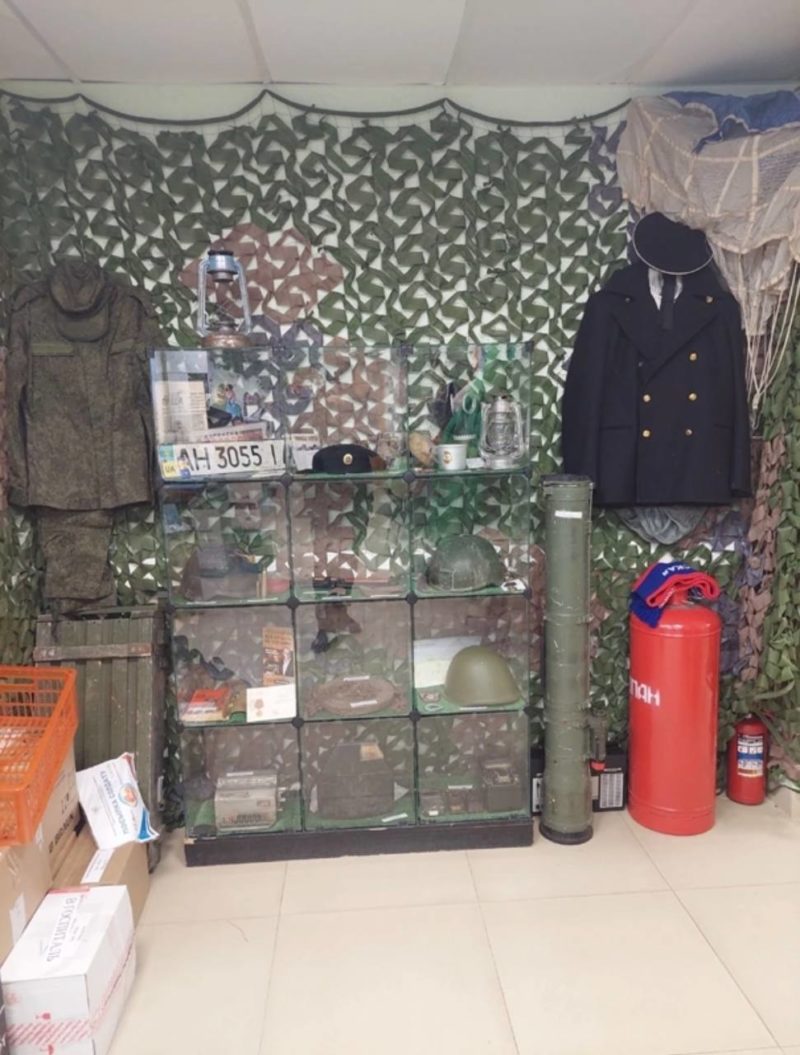
Spectacular Russia Has Looted Thousands Of Ukrainian Cultural Objects In The War. Finding Them Is A Challenge Landscape Collection
Immerse yourself in the stunning details of this beautiful russia has looted thousands of ukrainian cultural objects in the war. finding them is a challenge wallpaper, designed for a captivating visual experience.
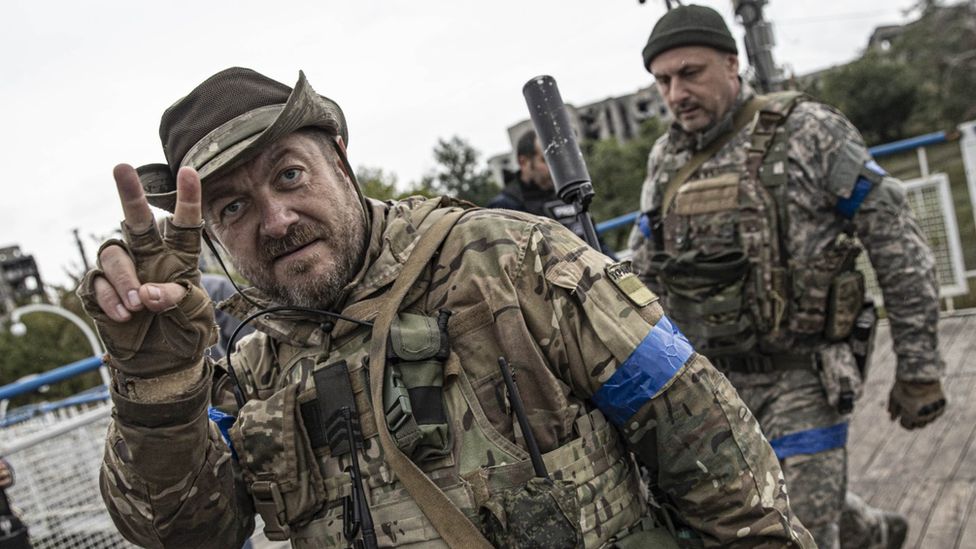
High-Quality Russia Has Looted Thousands Of Ukrainian Cultural Objects In The War. Finding Them Is A Challenge Picture Art
Experience the crisp clarity of this stunning russia has looted thousands of ukrainian cultural objects in the war. finding them is a challenge image, available in high resolution for all your screens.

Stunning Russia Has Looted Thousands Of Ukrainian Cultural Objects In The War. Finding Them Is A Challenge Wallpaper for Desktop
Immerse yourself in the stunning details of this beautiful russia has looted thousands of ukrainian cultural objects in the war. finding them is a challenge wallpaper, designed for a captivating visual experience.

Amazing Russia Has Looted Thousands Of Ukrainian Cultural Objects In The War. Finding Them Is A Challenge Photo Nature
Experience the crisp clarity of this stunning russia has looted thousands of ukrainian cultural objects in the war. finding them is a challenge image, available in high resolution for all your screens.
Download these russia has looted thousands of ukrainian cultural objects in the war. finding them is a challenge wallpapers for free and use them on your desktop or mobile devices.