Russian European Union
Russian European Union
The geopolitical landscape of Europe has undergone a seismic shift following the landmark 2026 Hungarian elections, where the landslide victory of Péter Magyar’s Tisza party ended the sixteen-year reign of Viktor Orbán. This political earthquake has profound implications for the Russian European Union dynamic, as Moscow loses its most reliable ally within the bloc. For years, Hungary served as a strategic foothold for the Kremlin, frequently using its veto power to dilute sanctions and stall military aid to Ukraine. Now, as the new Hungarian government signals a pivot back toward European integration and NATO solidarity, the Russian European Union relationship faces an unprecedented era of isolation and structural decoupling. The Kremlin’s decision to categorize Hungary as an unfriendly country marks the end of special treatment for Budapest, signaling that the bridge between Moscow and Brussels has effectively collapsed.
The Russian European Union relationship is currently defined by a complete breakdown of diplomatic, economic, and energy interdependence following the 2022 invasion of Ukraine. With the 2026 ousting of Viktor Orbán in Hungary, Russia has lost its primary strategic partner within the EU Council, leading to a faster implementation of the 20th sanctions package and the unblocking of massive financial aid for Ukraine. The EU is now aggressively moving toward a total energy decoupling, aiming to end all Russian oil and gas imports by 2027, while Moscow pivots its economic focus toward China and Asia. This shift represents the final transition of Russia from a strategic partner to a strategic problem for the European continent.
The Fall of the Kremlin’s Last Ally in the EU
For over a decade, Viktor Orbán was the outlier of European politics, maintaining a warm relationship with Vladimir Putin even as the rest of the bloc turned cold. His defeat in April 2026 is a major strategic blow to Moscow. Orbán’s Hungary was instrumental in slowing down the European Union’s response to Russian aggression, often holding critical aid packages for Ukraine hostage in exchange for domestic concessions or the unfreezing of EU funds. With Péter Magyar now leading a supermajority in the Hungarian parliament, the Kremlin can no longer rely on Budapest to act as its "Trojan Horse" in Brussels.
The reaction from Moscow has been one of calculated distance. Kremlin spokesperson Dmitry Peskov’s statement that "we were never friends with Orbán" mirrors the rhetoric used after the fall of other former partners. By labeling Hungary as "unfriendly," Russia is acknowledging that the unique channel of influence it once enjoyed within the EU has been severed. This political transition in Budapest removes the final major internal obstacle to a unified EU foreign policy against Russian interests.
Geopolitical Decoupling and the End of Interdependence
For thirty years, the foundation of the Russian European Union relationship was built on the idea of "change through trade." Energy interdependence was seen as a guarantee for peace. However, the full-scale invasion of Ukraine in 2022 shattered this post-Cold War security order. What was once a mutually beneficial arrangement has now been fully "securitized." Every cubic meter of gas and every barrel of oil is now viewed through the lens of national security rather than economic opportunity.
The European Union has systematically dismantled its reliance on Russian hydrocarbons. While some Central and Eastern European countries remain temporarily dependent due to infrastructure limitations, the collective goal of total independence by 2027 is now being pursued with renewed vigor. This decoupling is not just about energy; it extends to finance, technology, and transport. The suspension of Russia’s "Most-Favored-Nation" status within the WTO framework further underscores that the EU no longer views Russia as a legitimate economic partner.
The Impact of the 90 Billion Euro Ukraine Loan
One of the most immediate consequences of the political shift in Hungary is the unblocking of a critical 90 billion euro interest-free loan to Ukraine. This funding, which had been stalled by the previous Hungarian administration, is designed to provide Ukraine with the sustainable financial resources needed to procure military equipment and rebuild infrastructure destroyed by Russian attacks. The release of these funds signals to the Kremlin that the EU’s resolve is strengthening, not weakening, over time.
European leaders, including NATO’s Mark Rutte, have emphasized that this loan is essential for Ukraine’s long-term defense. It provides a multi-year horizon for support, moving beyond the month-to-month uncertainty that characterized earlier aid efforts. For the Russian European Union dynamic, this signifies that the EU is prepared for a long-term containment strategy, treating the defense of Ukraine as a core European security priority.
| Strategic Change Category | Impact on Russian-EU Relations |
|---|---|
| Political Leadership | Loss of Hungarian veto power under Péter Magyar. |
| Energy Dependence | Targeted end to all Russian gas/oil imports by 2027. |
| Economic Status | Russia classified as an "unfriendly country" by the EU. |
| Financial Support | Unblocking of 90 billion euro loan for Ukraine. |
Sanctions and the Structural Weakening of Russia
The European Union has moved through nearly twenty rounds of sanctions, each designed to degrade the Kremlin’s industrial base and its ability to fund the war effort. These measures are no longer just reactive; they are transformative. By cutting off access to high-end technology and machinery, the EU is effectively de-industrializing parts of the Russian economy that rely on Western components. This has forced Moscow into a deeper and more lopsided dependency on China.
Internal EU unity on sanctions has been surprisingly resilient despite the economic costs. While inflation and energy prices initially spiked, the long-term trend shows a continent that is adjusting to a "new normal" without Russia. The focus has shifted toward enforcing existing sanctions and preventing circumvention through third countries, ensuring that the economic pressure remains constant.
Energy Sovereignty: From Dependence to Diversification
The energy map of Europe is being redrawn. Countries like Germany, which once imported over 60% of their gas from Russia, have built LNG terminals in record time and secured alternative supplies from Norway, Qatar, and the United States. The 2026 political shift in Hungary is expected to accelerate its own diversification efforts. Although Hungary still relies on Russia for 80% of its gas and oil, the new government has expressed a pragmatic interest in reducing this vulnerability.
The "energy weapon" that the Kremlin once wielded over Europe has largely been neutralized. While higher prices remain a challenge for European industry, the political leverage that came with gas supplies has evaporated. The EU is now focusing on the "Green Deal" not just as a climate initiative, but as a path to strategic autonomy, ensuring that no single external supplier can again hold the continent's economy hostage.
The Rise of Central and Eastern European Influence
The center of gravity in the European Union’s foreign policy has moved eastward. Capitals like Warsaw, Helsinki, Prague, and now a reformed Budapest are defining the bloc's stance on Russia. These nations, which have historical experience with Russian aggression, are no longer the junior partners in the discussion. Their "hawkish" view has become the standard European position.
This shift has led to a more muscular EU geopolitical stance. The union is now building its sphere of influence in the Baltic and Black Sea regions, treating EU enlargement as a strategic necessity rather than a purely technical process. The eventual accession of Ukraine and Moldova into the EU is now seen as the final step in creating a secure and democratic barrier against Russian expansionism.
Internal Security and Countering Hybrid Warfare
The Russian European Union conflict is being fought not only on the battlefields of Ukraine but also within the digital and political spheres of EU member states. Disinformation campaigns, cyber-attacks, and the funding of extremist political parties have been part of the Kremlin's "hybrid warfare" strategy for years. The goal was to divide the EU from within by exploiting domestic grievances like migration and economic inequality.
In response, the EU has significantly bolstered its internal security mechanisms. The East StratCom Task Force and other monitoring bodies are now more active in tracking and exposing Russian interference. The defeat of Orbán—who was a central figure in the narrative of "illiberal democracy"—is a major setback for this strategy. European citizens have shown that while they may have frustrations with Brussels, they are increasingly wary of leaders who align themselves with Moscow.
The Long-Term Outlook for Russia in Europe
Looking ahead, the Russian European Union relationship is likely to remain hostile for the foreseeable future. Even if the active conflict in Ukraine were to reach a ceasefire, the structural changes made by the EU—the new energy infrastructure, the redirected trade routes, and the strengthened defense commitments—are permanent. There is no "going back" to the status quo of 2021.
Russia will remain a geographical neighbor, but it is no longer a strategic partner. The EU is building a future where it is an autonomous power capable of resisting external coercion. For Russia, this means a long-term isolation from its most lucrative and technologically advanced market, forcing it into a role as a junior partner to Asian powers and significantly limiting its influence on the European continent.
FAQ
What is the current state of Russia-EU relations?
Relations are at an all-time low. Most cooperation has been suspended, and the EU has implemented extensive sanctions following the 2022 invasion of Ukraine. Diplomatic ties are minimal, focused primarily on crisis management.
How did the 2026 Hungarian election affect the EU's Russia policy?
The victory of Péter Magyar ended Viktor Orbán’s 16-year pro-Russian stance. This allowed the EU to unblock 90 billion euros in aid for Ukraine and move forward with the 20th round of sanctions without a Hungarian veto.
When does the EU plan to stop using Russian energy?
The European Union aims to end all dependence on Russian fossil fuels (oil and gas) by the end of 2027 through its REPowerEU plan and increased use of renewable energy and LNG.
What are the "Common Spaces" in EU-Russia relations?
Previously, there were four common spaces for cooperation: economy; freedom, security, and justice; external security; and research and education. All of these have been effectively frozen or abandoned since 2022.
Can Russia still export agricultural products to the EU?
Yes, EU sanctions generally exclude agricultural and food products to ensure global food security. However, logistical and financial restrictions often make this trade difficult in practice.
Conclusion
The Russian European Union relationship has transitioned from one of ambitious integration to a state of permanent confrontation. The 2026 political shift in Hungary was the final piece of the puzzle, removing the last major internal obstacle to a unified European front. As the EU achieves energy sovereignty and Ukraine receives the long-term financial backing it needs, the Kremlin’s influence over the continent continues to fade. The era of interdependence is over, replaced by a new geopolitical reality where Russia is isolated from its Western neighbors, and Europe emerges as a more unified and autonomous global power. The bridge between Moscow and the West hasn't just been burned; it has been entirely removed, leaving a strategic void that will likely define the continent for decades to come.
Russian European Union
Russian European Union Wallpapers
Collection of russian european union wallpapers for your desktop and mobile devices.
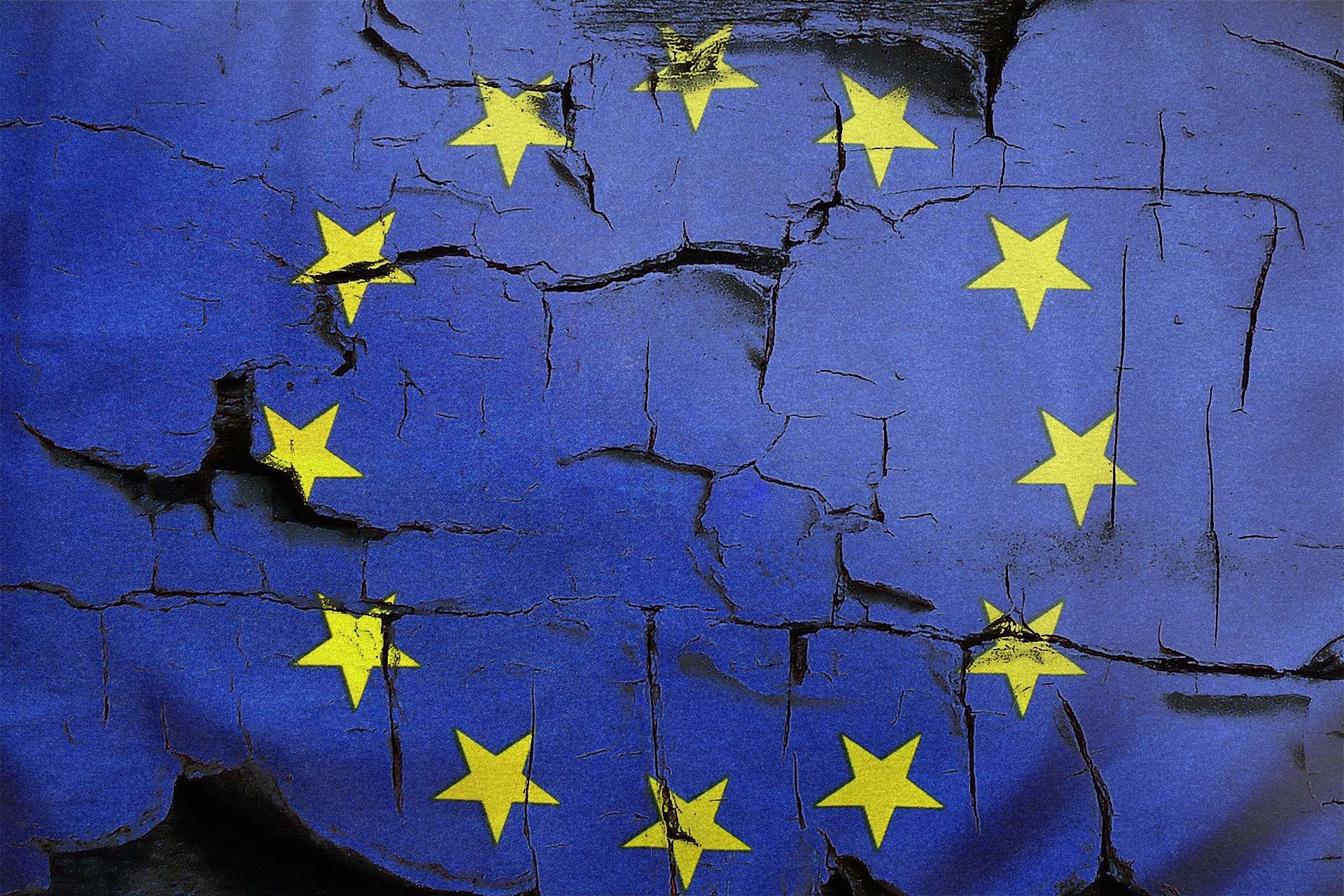
Vibrant Russian European Union Landscape Nature
Experience the crisp clarity of this stunning russian european union image, available in high resolution for all your screens.
Amazing Russian European Union Photo Collection
Explore this high-quality russian european union image, perfect for enhancing your desktop or mobile wallpaper.
Beautiful Russian European Union Capture Photography
Explore this high-quality russian european union image, perfect for enhancing your desktop or mobile wallpaper.
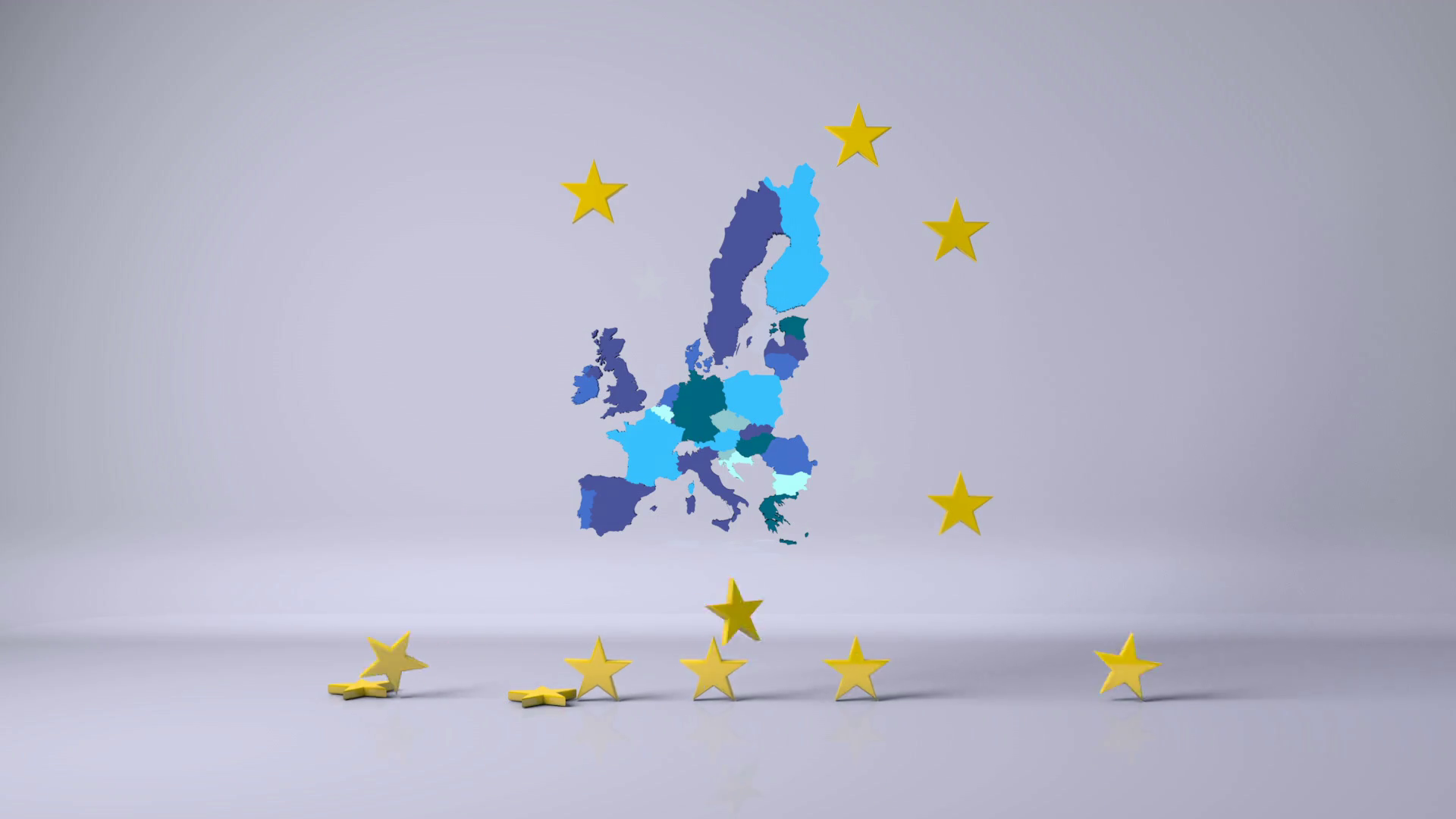
Stunning Russian European Union Artwork for Desktop
A captivating russian european union scene that brings tranquility and beauty to any device.
Gorgeous Russian European Union Moment in HD
Find inspiration with this unique russian european union illustration, crafted to provide a fresh look for your background.
Crisp Russian European Union Capture Illustration
Find inspiration with this unique russian european union illustration, crafted to provide a fresh look for your background.
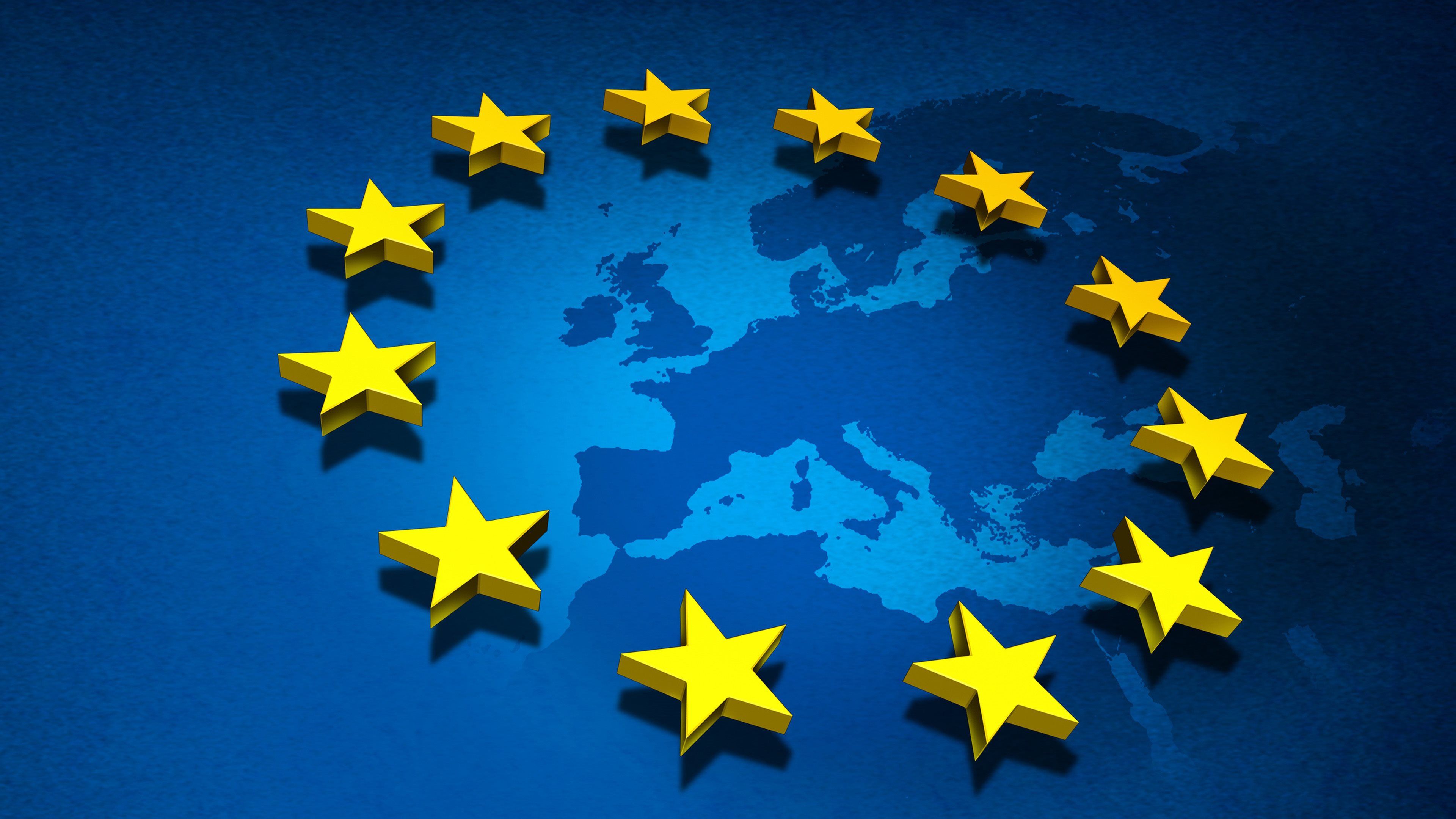
Artistic Russian European Union Image Photography
A captivating russian european union scene that brings tranquility and beauty to any device.
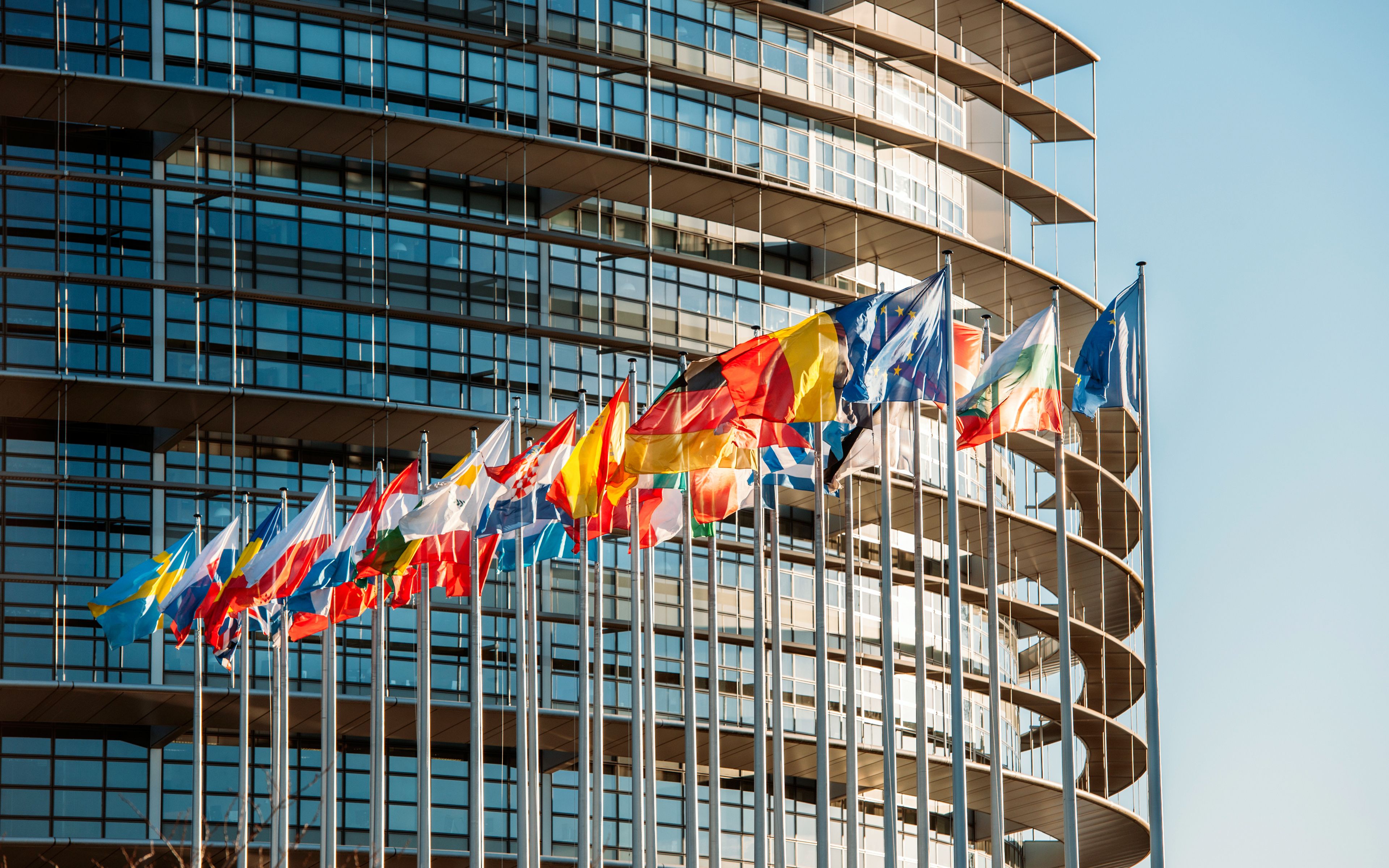
Captivating Russian European Union View in 4K
Find inspiration with this unique russian european union illustration, crafted to provide a fresh look for your background.
Amazing Russian European Union Capture in HD
Explore this high-quality russian european union image, perfect for enhancing your desktop or mobile wallpaper.
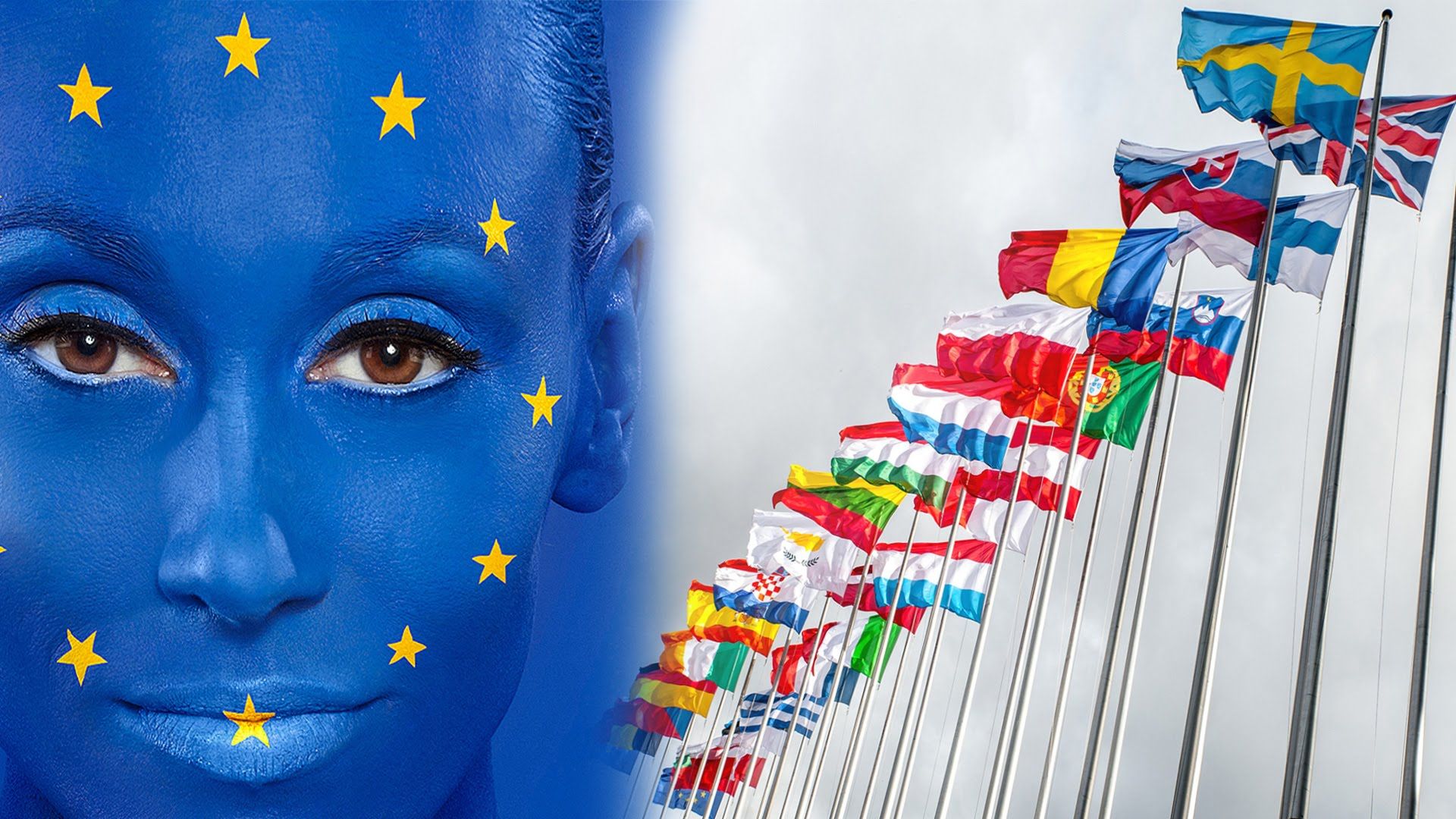
Stunning Russian European Union Image Concept
Immerse yourself in the stunning details of this beautiful russian european union wallpaper, designed for a captivating visual experience.
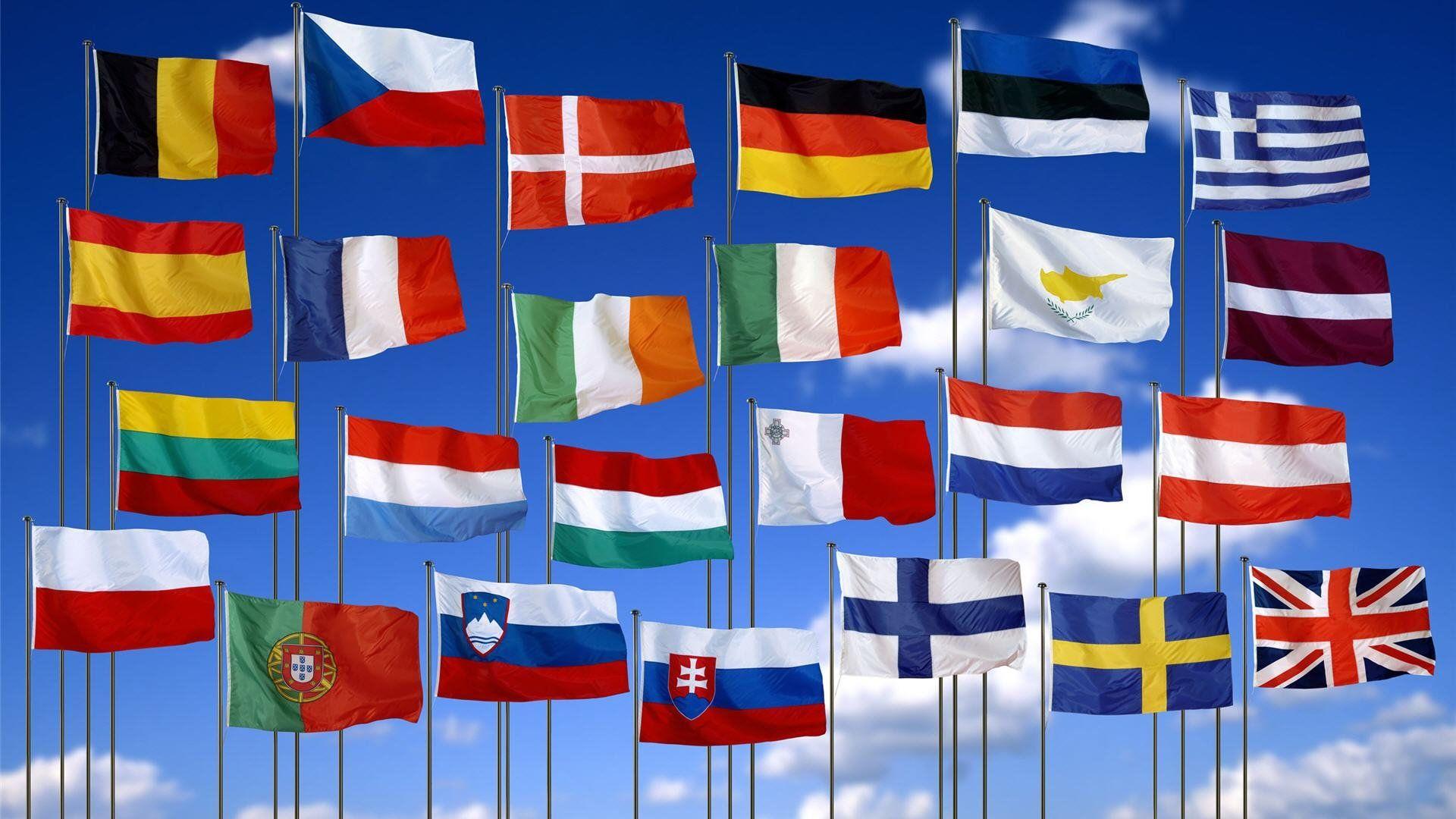
Captivating Russian European Union Photo Nature
A captivating russian european union scene that brings tranquility and beauty to any device.
Stunning Russian European Union Moment Digital Art
This gorgeous russian european union photo offers a breathtaking view, making it a perfect choice for your next wallpaper.
Vibrant Russian European Union Image for Mobile
Transform your screen with this vivid russian european union artwork, a true masterpiece of digital design.
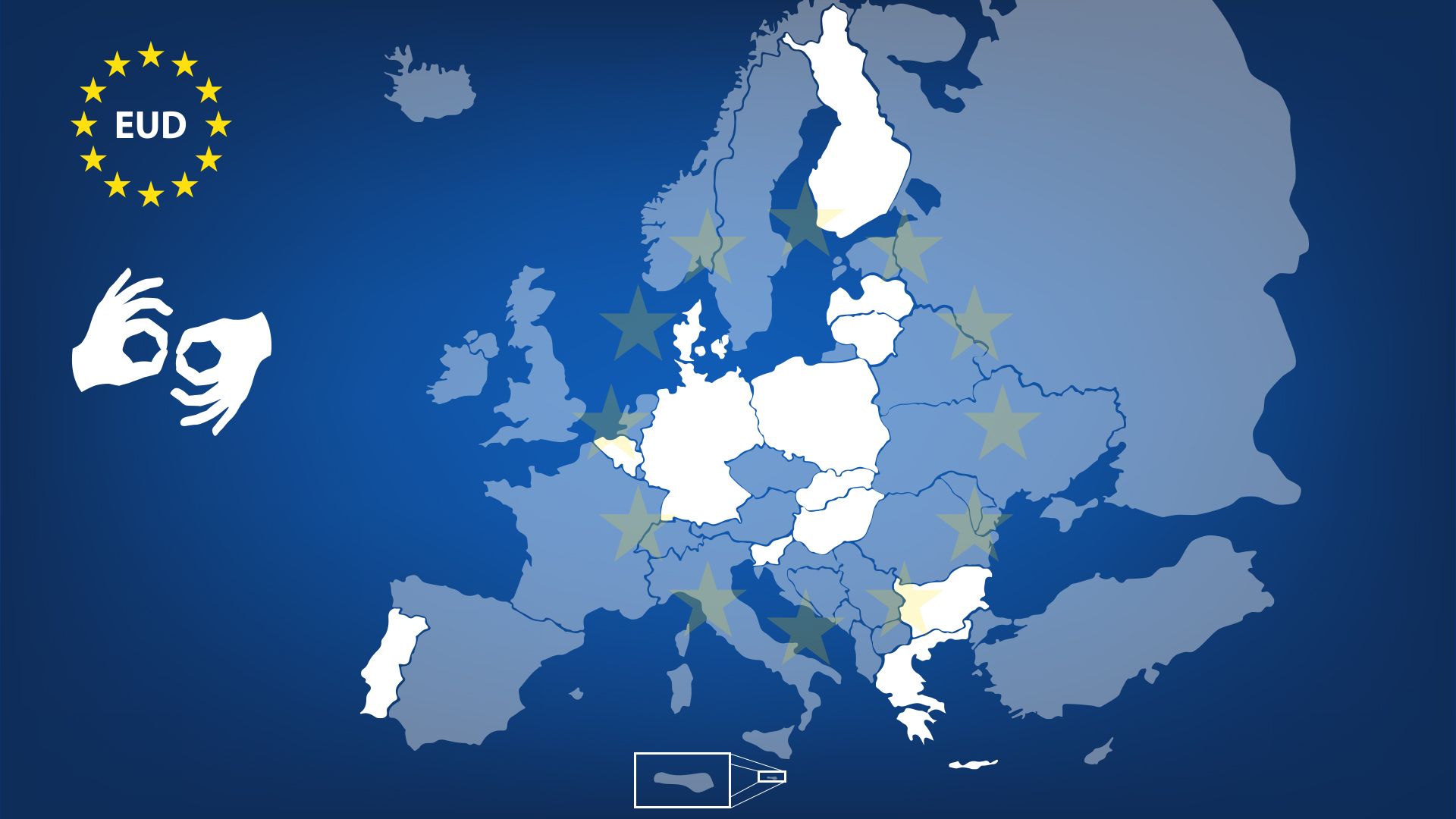
Crisp Russian European Union Wallpaper Collection
A captivating russian european union scene that brings tranquility and beauty to any device.
Amazing Russian European Union Design Photography
Experience the crisp clarity of this stunning russian european union image, available in high resolution for all your screens.
Breathtaking Russian European Union Artwork Photography
Explore this high-quality russian european union image, perfect for enhancing your desktop or mobile wallpaper.
Serene Russian European Union Moment Nature
Explore this high-quality russian european union image, perfect for enhancing your desktop or mobile wallpaper.
High-Quality Russian European Union Artwork in HD
Experience the crisp clarity of this stunning russian european union image, available in high resolution for all your screens.
Vibrant Russian European Union Capture for Your Screen
Transform your screen with this vivid russian european union artwork, a true masterpiece of digital design.
Serene Russian European Union Artwork Collection
Explore this high-quality russian european union image, perfect for enhancing your desktop or mobile wallpaper.
Download these russian european union wallpapers for free and use them on your desktop or mobile devices.