Scientists identify bat coronavirus capable of entering human cells
Scientists identify bat coronavirus capable of entering human cells
In a groundbreaking discovery that has sent ripples through the global scientific community, researchers have identified a new bat coronavirus in East Africa with the potential to infect humans. This finding, published in the prestigious journal Nature, highlights the ongoing risk of zoonotic spillover events where pathogens jump from animals to people. By utilizing advanced computational modeling and laboratory screening, the international team of experts has successfully pinpointed the specific cellular gateway this virus uses, providing a vital head start in pandemic preparedness and the development of future medical countermeasures.
Scientists have identified an East African bat coronavirus, known as Cardioderma cor coronavirus (CcCoV) KY43, which is capable of entering human cells by binding to a previously unknown receptor called CEACAM6. While field evidence in Kenya suggests the virus has not yet spilled over into local human populations, the discovery that alphacoronaviruses can exploit a wider variety of human receptors than previously thought challenges existing assumptions and emphasizes the need for intensified global surveillance of bat-borne pathogens to prevent future pandemics.
The Discovery of CcCoV-KY43 in Heart-Nosed Bats
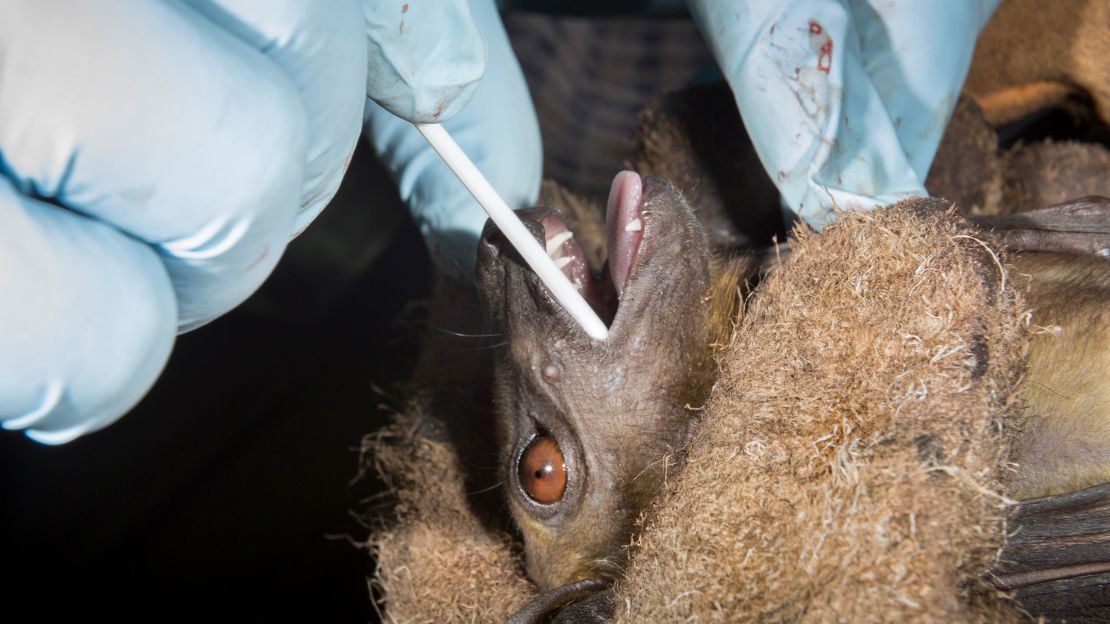
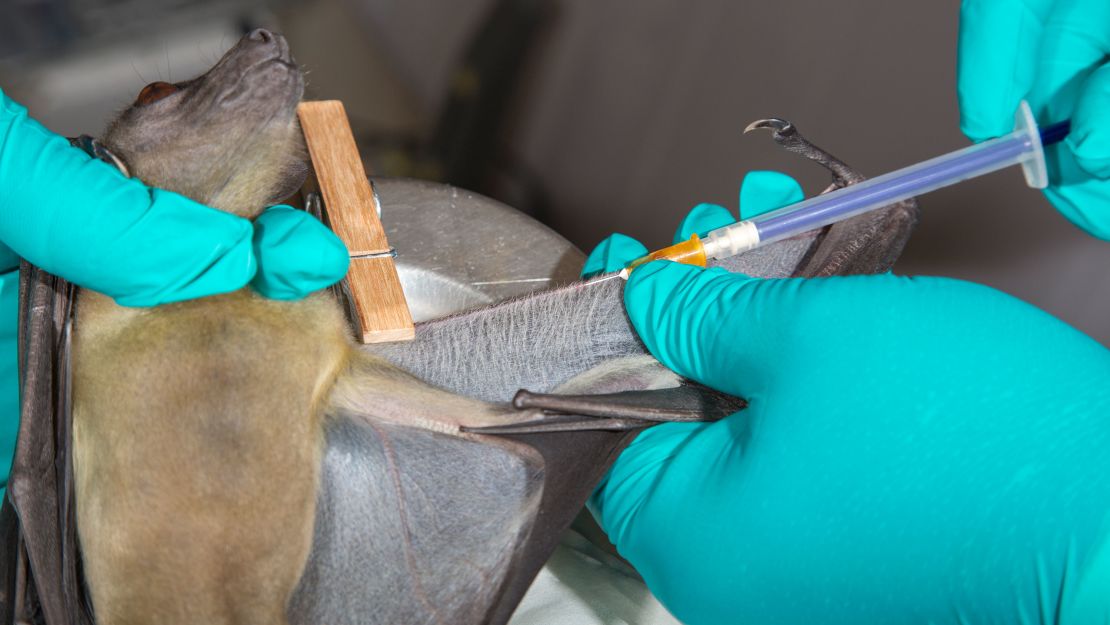
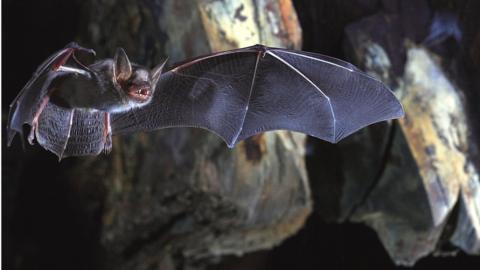
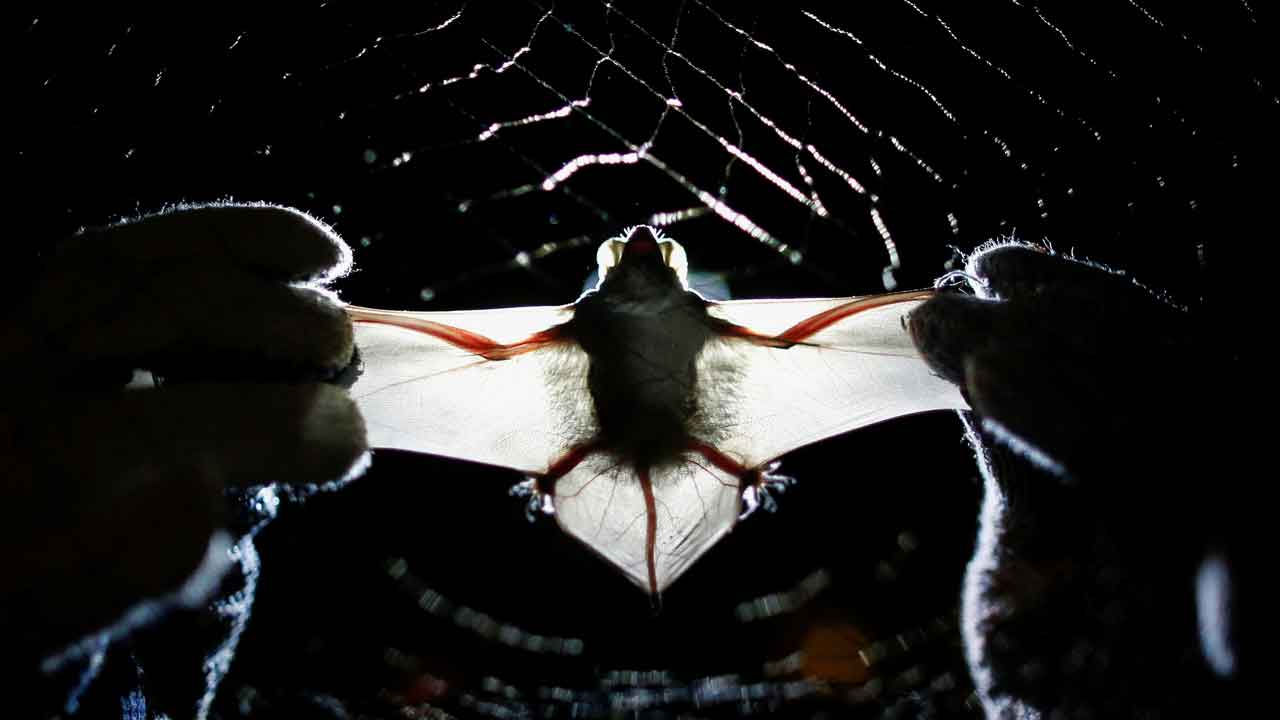
The virus at the center of this study, CcCoV-KY43, was originally isolated from heart-nosed bats (Cardioderma cor) in Kenya. These bats are an ecologically significant species found across eastern Africa, from Sudan to Tanzania. Until this research, CcCoV-KY43 was considered an orphan virus—one whose genetic sequence was known but whose biological behavior and potential to infect humans remained a mystery. The study transformed this understanding by demonstrating that the virus's spike protein is uniquely adapted to interact with human biology.
Unlike many previous studies that focused on betacoronaviruses like SARS-CoV-2 (the cause of COVID-19), this research delved into the relatively understudied alphacoronavirus group. This discovery proves that the potential for zoonotic threats is not limited to a single lineage of coronaviruses. The international team, comprising experts from The Pirbright Institute, the University of Cambridge, the University of York, and Kenyan research institutions, has highlighted that East Africa is a critical region for monitoring emerging infectious diseases.
Unveiling CEACAM6: A New Gateway for Infection
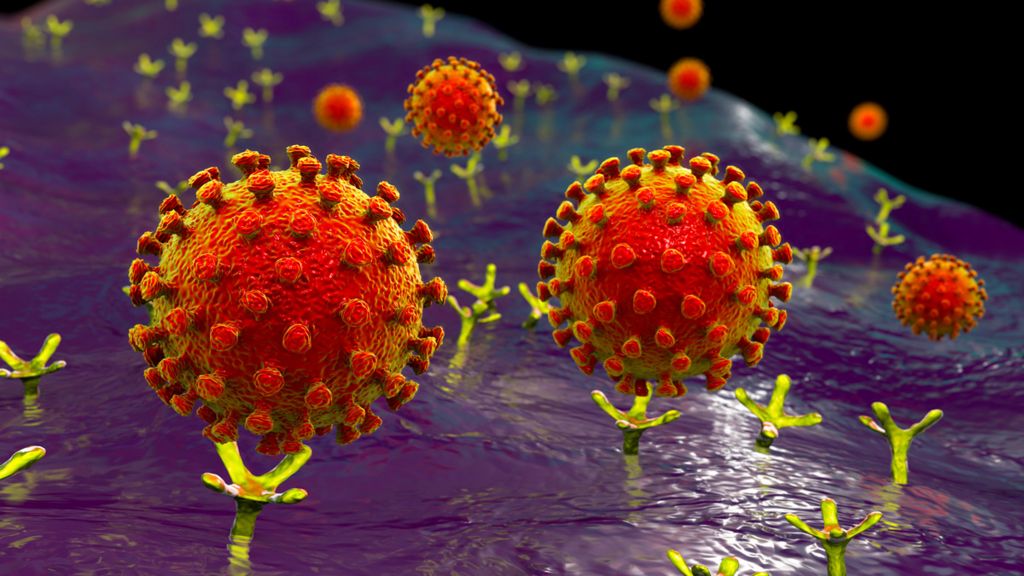
For a virus to infect a host, it must first gain entry into cells. This process is often described as a lock-and-key mechanism, where the viral spike protein acts as the key and a host cell receptor serves as the lock. Historically, scientists believed that alphacoronaviruses were limited in the types of receptors they could use. However, the identification of CEACAM6 as a receptor for CcCoV-KY43 has completely upended this assumption.
CEACAM6 is a glycoprotein found on the surface of various human cells, including those in the lungs. It is often over-expressed in certain types of cancers, where it plays a role in cell signaling and tumor progression. The fact that a bat virus can exploit this specific protein suggests a high level of evolutionary flexibility. This finding underscores the importance of screening for a broader range of receptors when assessing the pandemic risk of animal viruses, rather than focusing solely on well-known targets like ACE2.
Advanced Methodology: Screening Without Live Viruses
One of the most remarkable aspects of this study is the methodology employed. The researchers did not need to work with live, infectious viruses to make their discovery. Instead, they utilized a public genetic database called Genbank to select and synthesize 40 different alphacoronavirus spike proteins. These spikes were then incorporated into lab-safe pseudoviruses—engineered particles that mimic the entry mechanism of a virus but cannot replicate or cause disease.
These pseudoviruses were screened against a vast library of human cell surface proteins. This high-throughput approach allowed the team to narrow down thousands of potential interactions to the specific match between CcCoV-KY43 and CEACAM6. This technique represents a safer, more efficient way to conduct biosurveillance, enabling scientists to identify potential threats in a controlled laboratory environment before a natural spillover occurs.
Assessing the Current Risk to Human Populations
While the laboratory findings are significant, the researchers also conducted field studies to determine if the virus had already made the leap to humans. They examined blood samples from over 300 residents living near bat-sampling sites in Kenya. Crucially, the tests found no evidence of widespread infection or significant antibody responses to the virus in the local population.
This suggests that while the virus has the mechanical ability to enter human cells, other factors—such as efficient human-to-human transmission, immune evasion, or specific exposure routes—have not yet aligned to cause an outbreak. However, scientists warn that this does not mean the risk is zero. The "potential for the virus to jump is there," and continuous monitoring of these bat populations is essential to detect any changes in the virus's behavior or prevalence.
| Key Research Aspect | Details and Significance |
|---|---|
| Virus Name | Cardioderma cor coronavirus (CcCoV) KY43 |
| Host Species | Heart-nosed bat (Cardioderma cor) |
| Human Receptor | CEACAM6 (Carcinoembryonic Antigen-Related Cell Adhesion Molecule 6) |
| Primary Location | East Africa (Kenya, Sudan, Tanzania) |
| Research Focus | Alphacoronavirus entry mechanisms and zoonotic potential |
| Scientific Impact | Identifies a previously unknown pathway for coronavirus infection |
Challenging the Status Quo in Virology
The study's findings have profound implications for how we understand the evolutionary history of coronaviruses. Traditionally, much of the research and funding in virology has been directed toward betacoronaviruses because of their association with high-profile outbreaks like SARS and MERS. Alphacoronaviruses were often viewed as causing only mild illnesses in humans, such as the common cold.
By proving that an alphacoronavirus can utilize a novel receptor to enter human cells, this research demonstrates that we cannot afford to ignore any segment of the coronavirus family. It suggests that these viruses are much more diverse in their host-entry strategies than previously recognized. This shift in perspective is vital for developing broad-spectrum antivirals and vaccines that could protect against a wider array of potential pathogens.
The Role of International Collaboration in Global Health
This discovery was only possible through a massive international effort, combining the expertise of scientists from the UK and Kenya. Funded largely by the UK Research and Innovation's Biotechnology and Biological Sciences Research Council (BBSRC) and Kenya’s National Research Fund, the project exemplifies how global partnerships can enhance biosurveillance capabilities.
The collaboration allowed for a multi-disciplinary approach, integrating computational modeling, structural biology, and field epidemiology. Researchers from the University of Cambridge solved the atomic structure of the spike protein-receptor binding, while the KEMRI-Wellcome Trust Research Programme facilitated the essential field studies in Kenya. Such partnerships are the backbone of modern pandemic preparedness, ensuring that resources and knowledge are shared across borders to tackle global health threats.
Future Implications for Vaccine and Antiviral Development
Identifying the "lock" (CEACAM6) and the "key" (CcCoV-KY43 spike) provides a roadmap for future medical research. Knowing the exact point of entry allows scientists to begin designing molecules that can block this interaction. This could lead to the development of prophylactic treatments or vaccines specifically targeting the pathways used by this family of viruses.
Furthermore, the study provides a blueprint for identifying other potential zoonotic spillover events before they emerge. By proactively screening animal viruses against human receptor libraries, the global health community can transition from a reactive stance—responding to outbreaks after they happen—to a proactive one. This "smart" surveillance approach is a critical component of the "One Health" strategy, which recognizes the interconnectedness of human, animal, and environmental health.
Strengthening Surveillance in High-Risk Regions
The discovery of CcCoV-KY43 in East Africa serves as a reminder that emerging disease hotspots exist worldwide. While much attention has been paid to Southeast Asia, this research highlights the urgent need for intensified surveillance in Africa. The region's rich biodiversity, including numerous bat species, coupled with increasing human-wildlife interaction, creates a unique environment for zoonotic transmission.
Investing in local research capacity and infrastructure in these regions is paramount. By empowering local scientists and public health officials with the tools to monitor their own wildlife reservoirs, the international community can create a more robust global early warning system. Understanding the prevalence of these viruses in their natural hosts is the first step in preventing the next pandemic.
FAQ
What is the name of the new bat coronavirus identified?
The virus is known as Cardioderma cor coronavirus (CcCoV) KY43, or simply CcCoV-KY43.
How does CcCoV-KY43 enter human cells?
The virus uses its spike protein to bind to a human cell surface protein called CEACAM6, which acts as a receptor for entry into the cell.
Has this virus already started infecting humans?
Current testing of human populations in Kenya shows no evidence of widespread infection or spillover, suggesting the risk of human-to-human transmission is currently low.
Why is this discovery important for pandemic preparedness?
It identifies a new pathway for infection and shows that alphacoronaviruses have a greater potential to jump to humans than previously thought, allowing scientists to develop vaccines and treatments in advance.
What bat species carries this virus?
The virus is found in heart-nosed bats (Cardioderma cor), which are native to East Africa.
Conclusion
The identification of the CcCoV-KY43 bat coronavirus and its ability to exploit the human CEACAM6 receptor marks a significant milestone in virology and global health security. This research not only expands our understanding of how coronaviruses interact with human cells but also provides a vital framework for proactive biosurveillance. While there is no immediate evidence of a human outbreak, the "mechanical potential" for spillover serves as a clarion call for continued vigilance and investment in fundamental science. By staying one step ahead of these hidden threats through international collaboration and advanced technology, humanity can better prepare for and potentially prevent the next global health crisis.
Scientists identify bat coronavirus capable of entering human cells
Scientists identify bat coronavirus capable of entering human cells Wallpapers
Collection of scientists identify bat coronavirus capable of entering human cells wallpapers for your desktop and mobile devices.
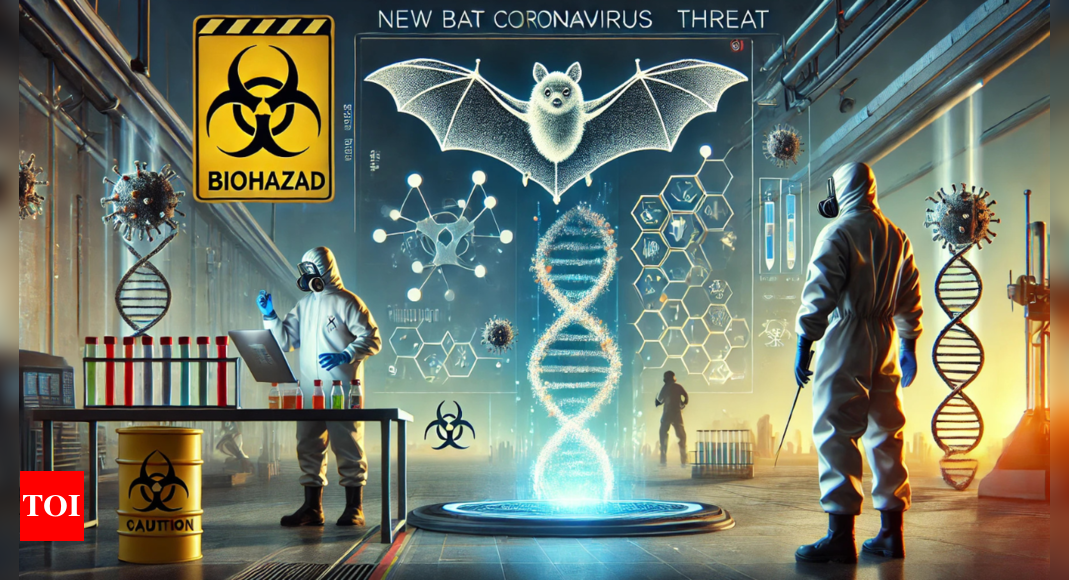
Spectacular Scientists Identify Bat Coronavirus Capable Of Entering Human Cells Scene in 4K
Find inspiration with this unique scientists identify bat coronavirus capable of entering human cells illustration, crafted to provide a fresh look for your background.
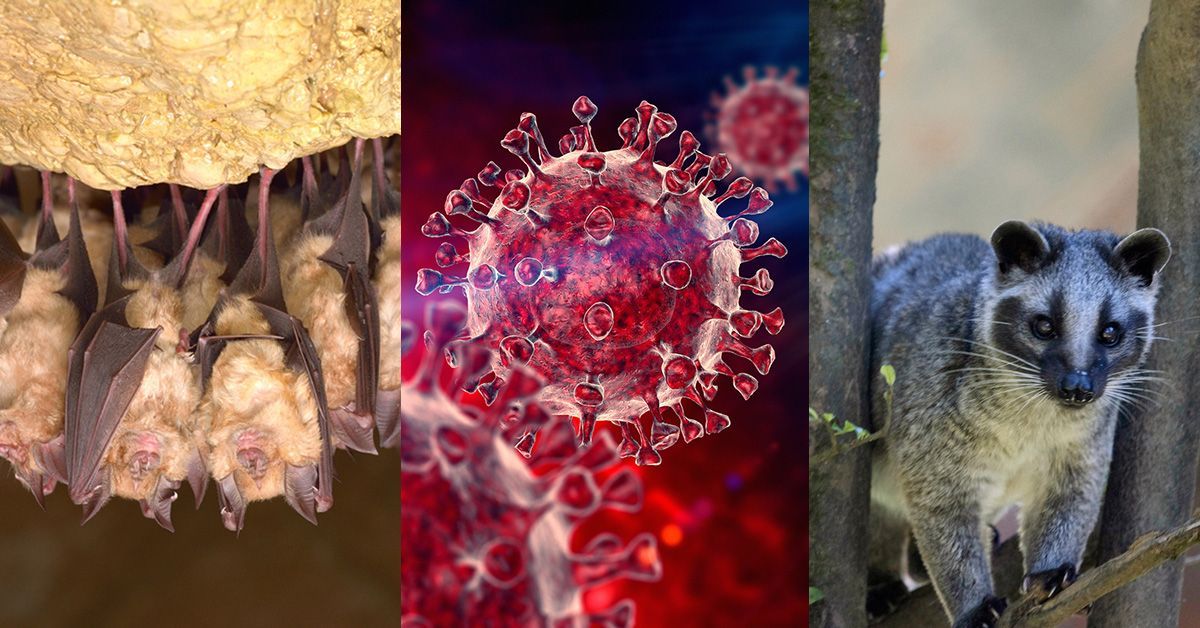
Spectacular Scientists Identify Bat Coronavirus Capable Of Entering Human Cells Artwork Concept
This gorgeous scientists identify bat coronavirus capable of entering human cells photo offers a breathtaking view, making it a perfect choice for your next wallpaper.
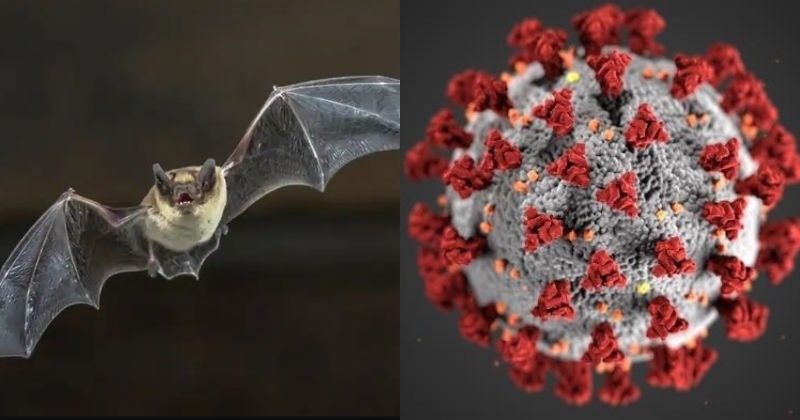
Breathtaking Scientists Identify Bat Coronavirus Capable Of Entering Human Cells Design for Desktop
Experience the crisp clarity of this stunning scientists identify bat coronavirus capable of entering human cells image, available in high resolution for all your screens.
Amazing Scientists Identify Bat Coronavirus Capable Of Entering Human Cells View Collection
Explore this high-quality scientists identify bat coronavirus capable of entering human cells image, perfect for enhancing your desktop or mobile wallpaper.

Artistic Scientists Identify Bat Coronavirus Capable Of Entering Human Cells Capture Art
A captivating scientists identify bat coronavirus capable of entering human cells scene that brings tranquility and beauty to any device.

Gorgeous Scientists Identify Bat Coronavirus Capable Of Entering Human Cells Design Photography
A captivating scientists identify bat coronavirus capable of entering human cells scene that brings tranquility and beauty to any device.
Mesmerizing Scientists Identify Bat Coronavirus Capable Of Entering Human Cells Background in 4K
Discover an amazing scientists identify bat coronavirus capable of entering human cells background image, ideal for personalizing your devices with vibrant colors and intricate designs.

Stunning Scientists Identify Bat Coronavirus Capable Of Entering Human Cells Abstract for Your Screen
This gorgeous scientists identify bat coronavirus capable of entering human cells photo offers a breathtaking view, making it a perfect choice for your next wallpaper.
Vibrant Scientists Identify Bat Coronavirus Capable Of Entering Human Cells Background Collection
Discover an amazing scientists identify bat coronavirus capable of entering human cells background image, ideal for personalizing your devices with vibrant colors and intricate designs.

Vivid Scientists Identify Bat Coronavirus Capable Of Entering Human Cells Design in 4K
Discover an amazing scientists identify bat coronavirus capable of entering human cells background image, ideal for personalizing your devices with vibrant colors and intricate designs.
Artistic Scientists Identify Bat Coronavirus Capable Of Entering Human Cells Picture Photography
A captivating scientists identify bat coronavirus capable of entering human cells scene that brings tranquility and beauty to any device.

Beautiful Scientists Identify Bat Coronavirus Capable Of Entering Human Cells Capture Digital Art
Discover an amazing scientists identify bat coronavirus capable of entering human cells background image, ideal for personalizing your devices with vibrant colors and intricate designs.

Vibrant Scientists Identify Bat Coronavirus Capable Of Entering Human Cells Background for Mobile
Transform your screen with this vivid scientists identify bat coronavirus capable of entering human cells artwork, a true masterpiece of digital design.
High-Quality Scientists Identify Bat Coronavirus Capable Of Entering Human Cells Scene Concept
Experience the crisp clarity of this stunning scientists identify bat coronavirus capable of entering human cells image, available in high resolution for all your screens.
Gorgeous Scientists Identify Bat Coronavirus Capable Of Entering Human Cells Moment for Desktop
Immerse yourself in the stunning details of this beautiful scientists identify bat coronavirus capable of entering human cells wallpaper, designed for a captivating visual experience.
Vivid Scientists Identify Bat Coronavirus Capable Of Entering Human Cells Photo in HD
Experience the crisp clarity of this stunning scientists identify bat coronavirus capable of entering human cells image, available in high resolution for all your screens.

Stunning Scientists Identify Bat Coronavirus Capable Of Entering Human Cells Picture Digital Art
This gorgeous scientists identify bat coronavirus capable of entering human cells photo offers a breathtaking view, making it a perfect choice for your next wallpaper.
Crisp Scientists Identify Bat Coronavirus Capable Of Entering Human Cells Landscape Collection
A captivating scientists identify bat coronavirus capable of entering human cells scene that brings tranquility and beauty to any device.
Beautiful Scientists Identify Bat Coronavirus Capable Of Entering Human Cells Artwork Illustration
Transform your screen with this vivid scientists identify bat coronavirus capable of entering human cells artwork, a true masterpiece of digital design.
Dynamic Scientists Identify Bat Coronavirus Capable Of Entering Human Cells Scene Nature
A captivating scientists identify bat coronavirus capable of entering human cells scene that brings tranquility and beauty to any device.
Download these scientists identify bat coronavirus capable of entering human cells wallpapers for free and use them on your desktop or mobile devices.