Solar isn’t the answer – so what is?
Solar isn’t the answer – so what is?
The global push toward renewable energy has placed solar panels at the forefront of the green revolution, with millions of rooftops and vast desert expanses now shimmering with silicon cells. Solar energy has seen a staggering 90 percent drop in costs since 2010, making it one of the cheapest ways to generate electricity in human history. However, as power grids across the United States and Europe struggle to integrate this fluctuating source of power, a sobering reality is setting in: solar alone cannot sustain a modern, industrial society. The limitations of intermittency, the massive land requirements for utility-scale farms, and the environmental toll of manufacturing and disposing of panels have led energy experts to look beyond the sun for a more balanced and resilient solution. The primary reason why solar isn’t the answer as a standalone solution is its inherent intermittency and the associated costs of long-term energy storage. While solar panels are highly efficient during peak daylight hours, they produce zero electricity at night or during heavy cloud cover, creating a supply-demand gap known as the Duck Curve. To ensure a stable and reliable 24/7 energy supply, solar must be complemented by a diversified portfolio of baseload and dispatchable power sources such as nuclear, geothermal, and wind energy, alongside significant advancements in battery technology and grid infrastructure.The Intermittency Problem and the Duck Curve
The most significant hurdle for solar energy is that it is not dispatchable. Unlike natural gas or coal plants, which can be dialed up or down by operators based on real-time demand, solar depends entirely on the weather and the time of day. This creates the infamous Duck Curve problem in regions like California. During the day, solar production is so high that prices can turn negative, forcing plants to shut down to avoid overloading the grid. However, as the sun sets and people return home to turn on lights and appliances, solar production drops to zero just as demand peaks. This mismatch requires a massive amount of "peaker" plants—usually fossil fuel-based—to stay on standby, ready to jump in at a moment's notice. This redundancy increases the overall system cost for consumers and prevents solar from fully replacing carbon-intensive sources. Without a way to bridge this gap, solar remains a fuel-saver rather than a replacement for the entire energy system.The Massive Land Use and Biodiversity Challenge
While a single nuclear power plant or a natural gas facility can provide massive amounts of power from a small footprint, solar energy is incredibly land-intensive. To generate the same amount of electricity as traditional plants, solar farms require up to 75 times more space. This leads to significant geographic limitations. The sunniest places are often far from the major cities and industrial hubs that need the power, requiring the construction of thousands of miles of expensive new transmission lines. Furthermore, the conversion of wildlands into solar arrays has raised concerns among conservationists. In the American Southwest, large-scale solar projects have been criticized for disrupting desert ecosystems, threatening endangered species, and removing native vegetation. As the world aims for net-zero, the conflict between expanding renewable energy and preserving biodiversity is becoming a central theme in the energy debate.Nuclear Energy: The Reliable Baseload Hero
For many energy experts, the most logical successor to fossil fuels—and the necessary partner to renewables—is nuclear energy. Unlike solar, nuclear power provides a continuous, carbon-free "baseload" of electricity that operates 24 hours a day, regardless of weather conditions. It has one of the highest capacity factors of any energy source, meaning it is running at full power nearly all the time. Modern nuclear technology, including Small Modular Reactors (SMRs), aims to address historical concerns about safety and cost. These smaller plants can be manufactured in factories and shipped to locations, making them easier to finance and integrate into existing grids. By providing the steady power that solar cannot, nuclear energy offers a pathway to a fully decarbonized grid that doesn't rely on the fluctuations of the sun.Wind Power: The Perfect Partner for Sunlight
While solar panels work best in the heat of the day, wind energy often peaks at night and during the winter months, making it a natural complement to solar. Wind turbines can be installed on land or offshore, where wind speeds are higher and more consistent. In areas like the Great Plains or the North Sea, wind provides a massive resource that can keep the lights on when solar production is low. Offshore wind, in particular, is gaining traction because it is closer to coastal population centers and faces fewer land-use conflicts. However, wind energy faces its own set of challenges, including auditory and visual impacts, and the risk it poses to migratory birds. When combined with solar, however, the two sources can significantly reduce the amount of back-up storage required.Geothermal Energy: Tapping into the Earth’s Constant Heat
Often referred to as the "forgotten" renewable, geothermal energy harnesses the natural heat from within the Earth. Unlike solar and wind, geothermal is truly sustainable and provides constant energy. It is less constrained by shifting weather patterns and offers a minimal environmental footprint once the facility is built. New technologies like Enhanced Geothermal Systems (EGS) are currently being developed to allow geothermal plants to be built in locations previously thought unsuitable. By drilling deeper into the Earth’s crust to access heat, we could potentially unlock an endless supply of clean, reliable energy that solves the intermittency issues plaguing the solar industry.Hydroelectric and Tidal Power: Leveraging the Power of Water
Hydropower is one of the oldest and most established forms of renewable energy. It is highly stable and can act as a battery for the grid; "pumped hydro" allows operators to store excess solar energy by pumping water to an uphill reservoir, then releasing it through turbines when the sun goes down. Tidal and wave energy represent the next frontier in water-based power. Because the tides are controlled by the moon, they are 100 percent predictable, offering a level of reliability that solar can never match. While the technology for tidal energy is still maturing and faces high initial costs, its potential to provide consistent power to coastal regions is a vital piece of the energy puzzle.New Innovations: Solar Wood and Thermophotovoltaics
Researchers are not giving up on solar; instead, they are reinventing it. One exciting development is "solar wood," a modified balsa wood capable of capturing and storing solar energy to generate electricity even in the absence of light. By incorporating phase-change materials that store thermal energy as they melt, this smart wood can power generators after the sun has set. Another innovation is thermophotovoltaics, which converts heat—not just visible light—into electricity. This could allow solar systems to operate at more than 50 percent efficiency, a massive leap from the current 20 percent. These technological breakthroughs suggest that while traditional solar panels might not be the final answer, the next generation of light-harvesting technology could play a much larger role.| Energy Source | Key Advantage Over Solar |
|---|---|
| Nuclear Power | Provides continuous 24/7 baseload energy with zero emissions. |
| Geothermal | Independent of weather and occupies very little land area. |
| Wind Energy | Often peaks at night and during storms when solar is inactive. |
| Hydroelectric | Highly stable and can serve as massive energy storage (Pumped Hydro). |
The Environmental Impact of Manufacturing and Disposal
We cannot ignore the carbon footprint of "clean" energy. The production of solar panels and the lithium-ion batteries needed to store their energy requires intensive mining for raw materials like silicon, lithium, cobalt, and rare earth metals. These processes are often powered by fossil fuels and can lead to habitat destruction and water pollution in developing nations. Furthermore, solar panels have a lifespan of about 20 to 25 years. As the first generation of mass-produced panels reaches its end-of-life, the world faces a looming waste crisis. Recycling these components is complex and currently more expensive than sending them to a landfill. A truly sustainable energy answer must consider the entire lifecycle of the technology, not just the emissions during operation.The Need for a Diversified Energy Portfolio
If solar isn’t the total answer, the real solution lies in diversification. Relying on a single source of energy creates vulnerability, whether it's a supply chain disruption or a long-term weather event like a "wind drought." A resilient grid requires a mix of technologies that complement each other’s strengths and weaknesses. By integrating a base of nuclear and geothermal energy, supplemented by wind and solar, and supported by long-term storage and a smarter, more flexible grid, we can create a system that is both clean and reliable. This holistic approach reduces the need for massive overbuilding of any single source and ensures that energy remains affordable for the general public.Conclusion
The transition away from fossil fuels is the defining challenge of our time, but we must be realistic about the tools we use to get there. Solar energy is a magnificent achievement of human ingenuity, but its limitations in timing, land use, and storage mean it cannot be the sole answer. To power the future—including the massive energy demands of Artificial Intelligence and global industrialization—we must embrace a "portfolio" approach. By combining the strengths of nuclear, wind, geothermal, and hydroelectric power with emerging energy innovations, we can build a sustainable world that is not at the mercy of the setting sun. The answer isn't just one thing; it's everything, working together in a balanced, intelligent, and diverse energy ecosystem.Frequently Asked Questions
Is solar energy becoming obsolete?
No, solar energy is not becoming obsolete. It remains a critical part of the renewable energy mix. However, it is being recognized as a partial solution that requires support from other sources to provide 24/7 reliability.
Why is energy storage such a problem for solar?
Current battery technology, like lithium-ion, is expensive and generally only stores enough energy for a few hours. Storing enough solar energy to power a grid through several days of cloudy weather is currently not economically or physically feasible on a large scale.
What is the cleanest alternative to solar?
Nuclear energy and geothermal energy are often considered the cleanest "baseload" alternatives. Nuclear provides high power output with zero emissions, while geothermal offers a constant energy supply with a very small geographic footprint.
Does wind energy work better than solar?
Wind energy is not necessarily "better," but it is different. It can generate power at night and during storms, which are times when solar panels are inactive. The two technologies work best when used together.
Can we have a 100% renewable grid?
While many cities and states have goals for 100% renewables, most experts agree that this would require a massive overbuilding of capacity and a revolution in long-term storage technology. Most realistic paths to net-zero include a mix of renewables and nuclear power.
Solar isn’t the answer – so what is?
Solar isn’t the answer – so what is? Wallpapers
Collection of solar isn’t the answer – so what is? wallpapers for your desktop and mobile devices.
Breathtaking Solar Isn’t The Answer – So What Is? Design Photography
Explore this high-quality solar isn’t the answer – so what is? image, perfect for enhancing your desktop or mobile wallpaper.
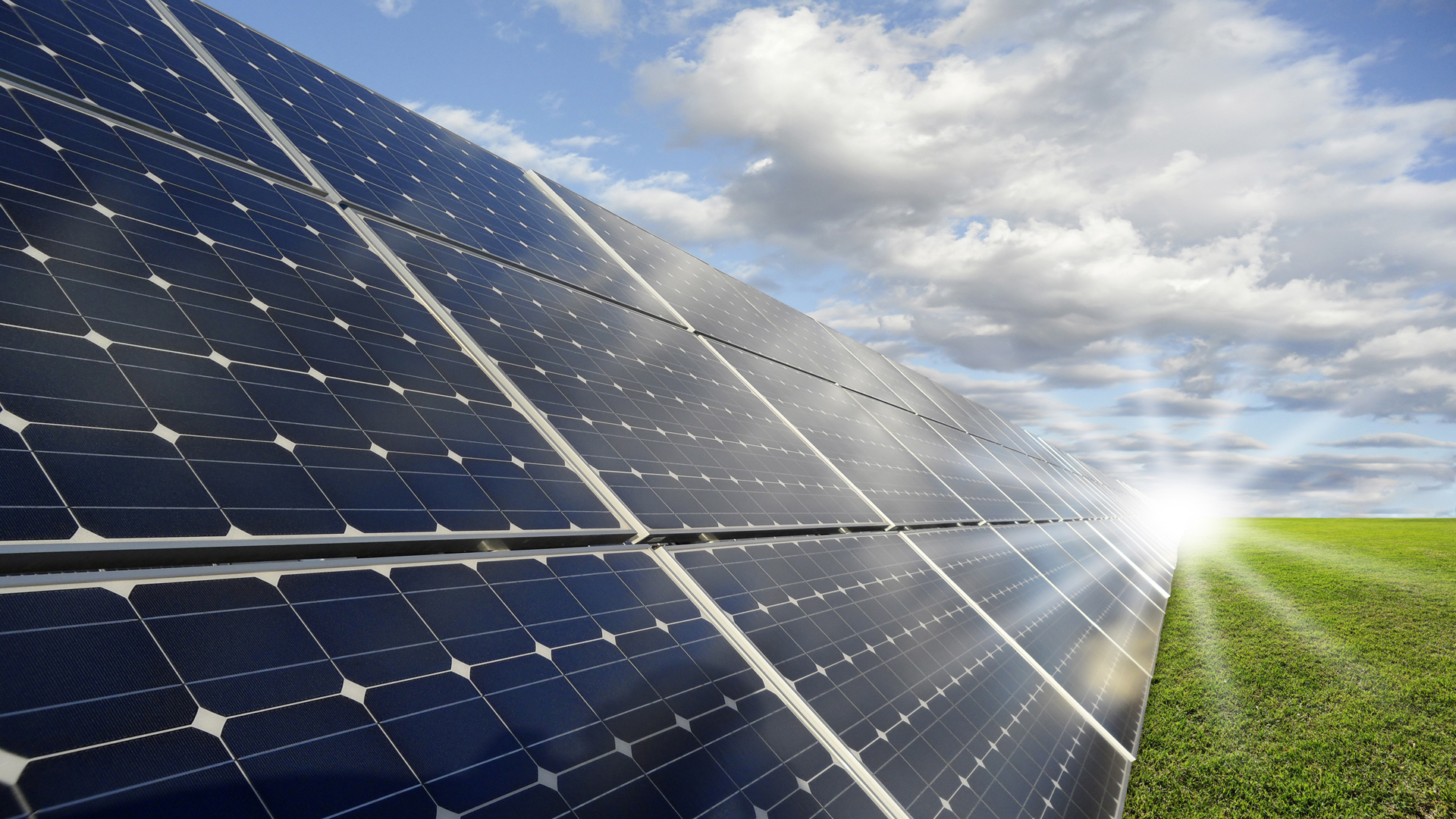
Beautiful Solar Isn’t The Answer – So What Is? View in HD
Transform your screen with this vivid solar isn’t the answer – so what is? artwork, a true masterpiece of digital design.
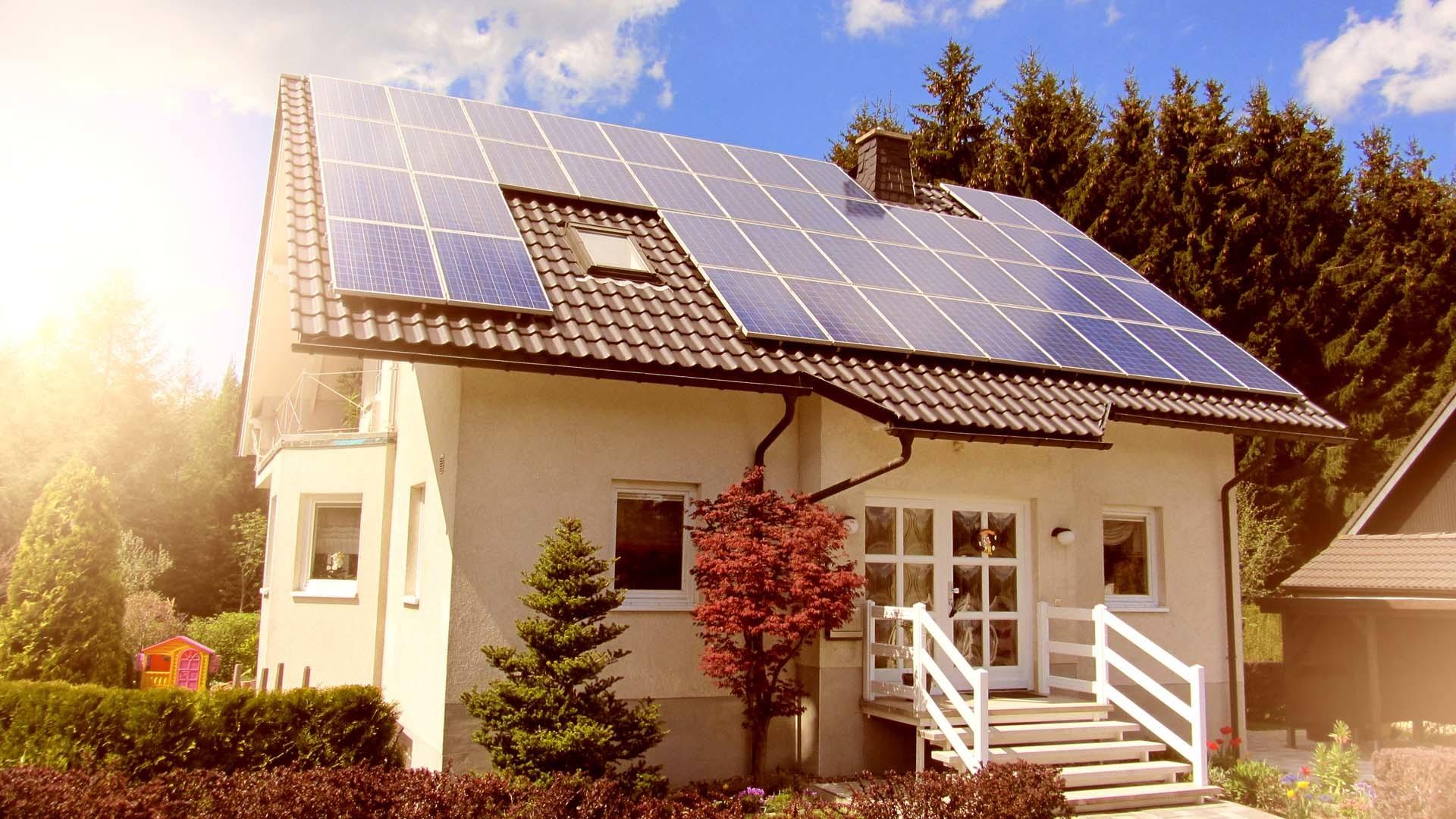
Captivating Solar Isn’t The Answer – So What Is? Background Digital Art
Find inspiration with this unique solar isn’t the answer – so what is? illustration, crafted to provide a fresh look for your background.
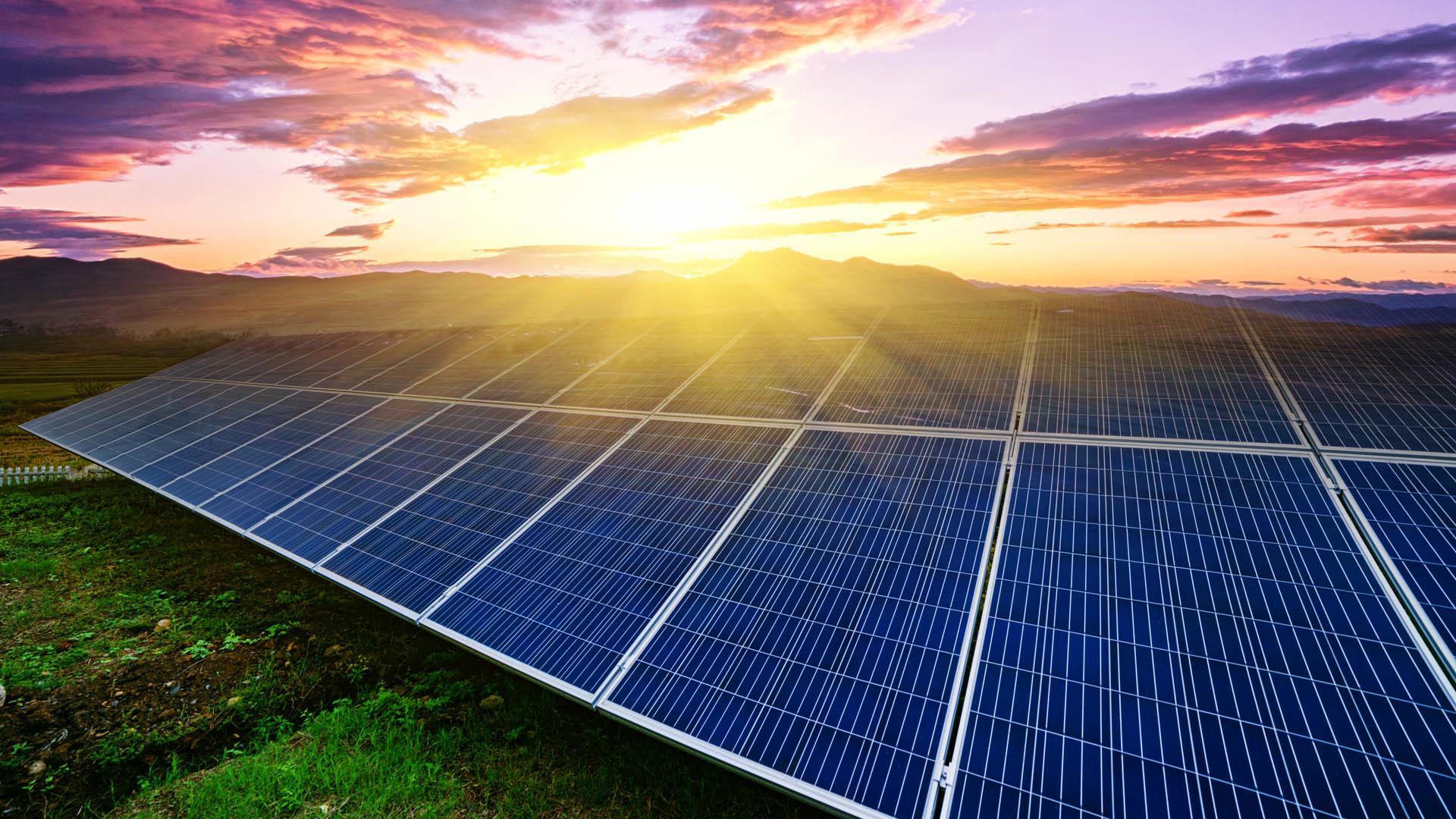
Breathtaking Solar Isn’t The Answer – So What Is? Image Nature
Transform your screen with this vivid solar isn’t the answer – so what is? artwork, a true masterpiece of digital design.
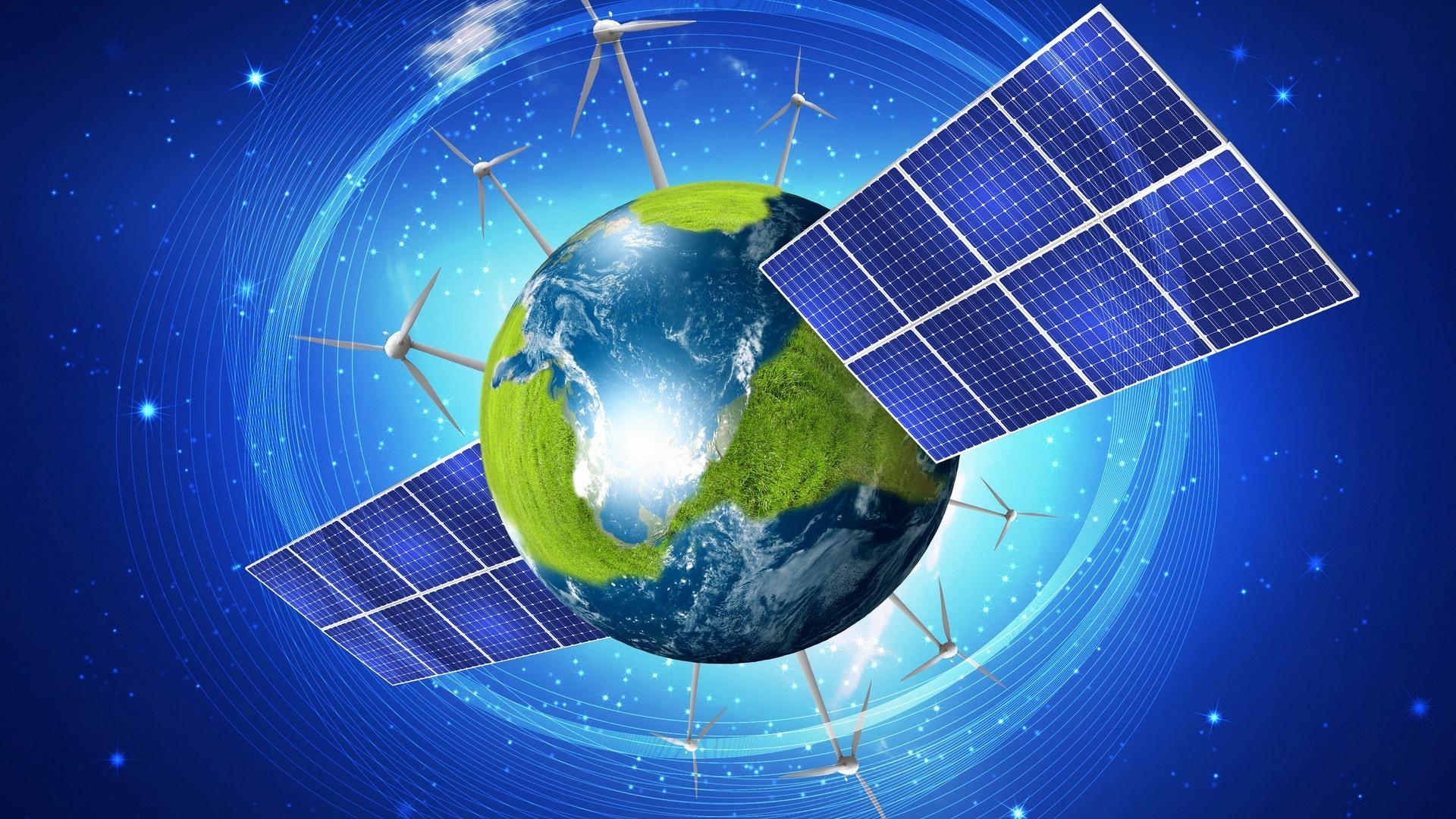
Crisp Solar Isn’t The Answer – So What Is? Abstract Photography
Find inspiration with this unique solar isn’t the answer – so what is? illustration, crafted to provide a fresh look for your background.
Gorgeous Solar Isn’t The Answer – So What Is? View in 4K
A captivating solar isn’t the answer – so what is? scene that brings tranquility and beauty to any device.
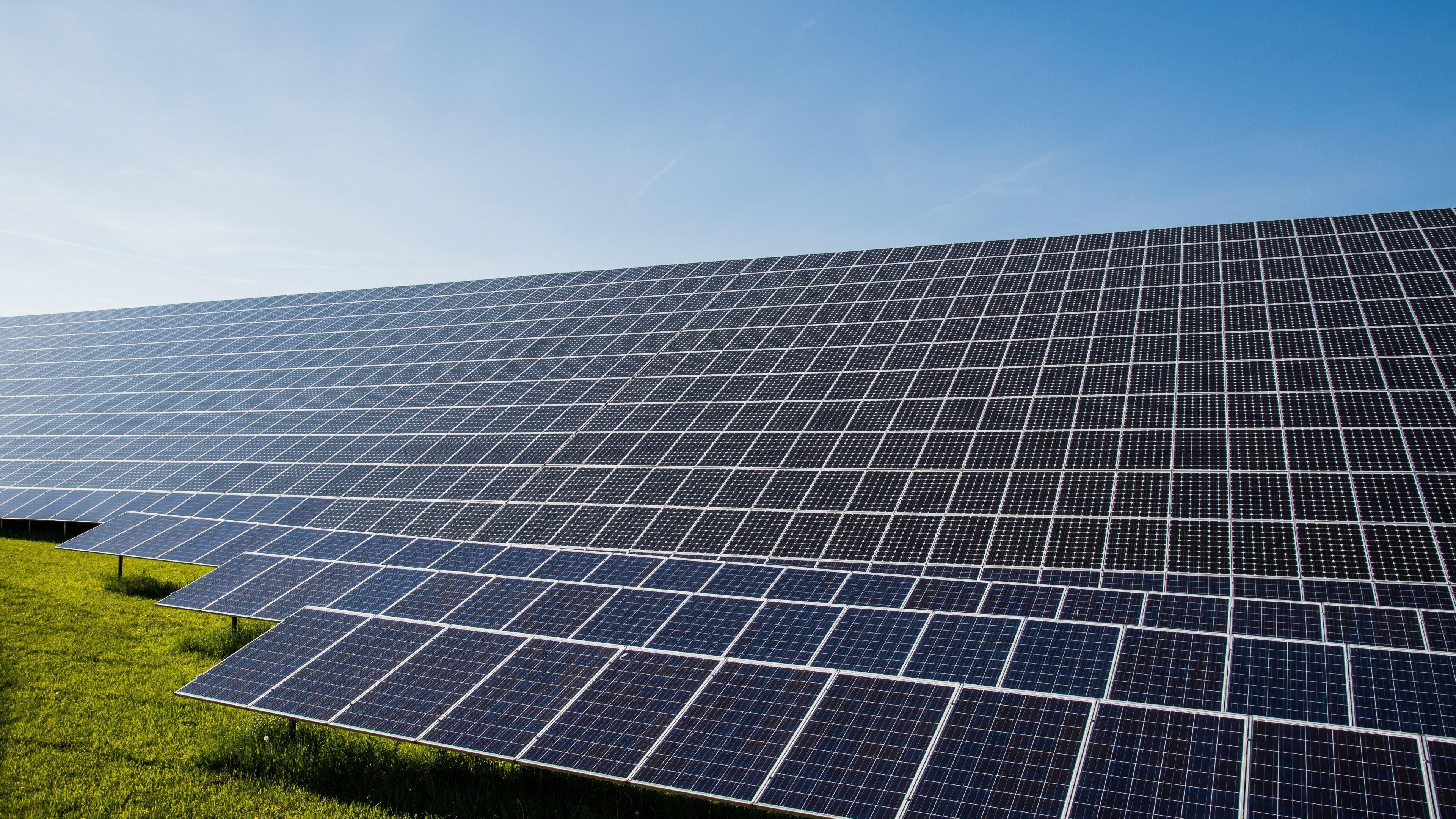
Amazing Solar Isn’t The Answer – So What Is? Background for Mobile
Discover an amazing solar isn’t the answer – so what is? background image, ideal for personalizing your devices with vibrant colors and intricate designs.
Vibrant Solar Isn’t The Answer – So What Is? Design in HD
Experience the crisp clarity of this stunning solar isn’t the answer – so what is? image, available in high resolution for all your screens.
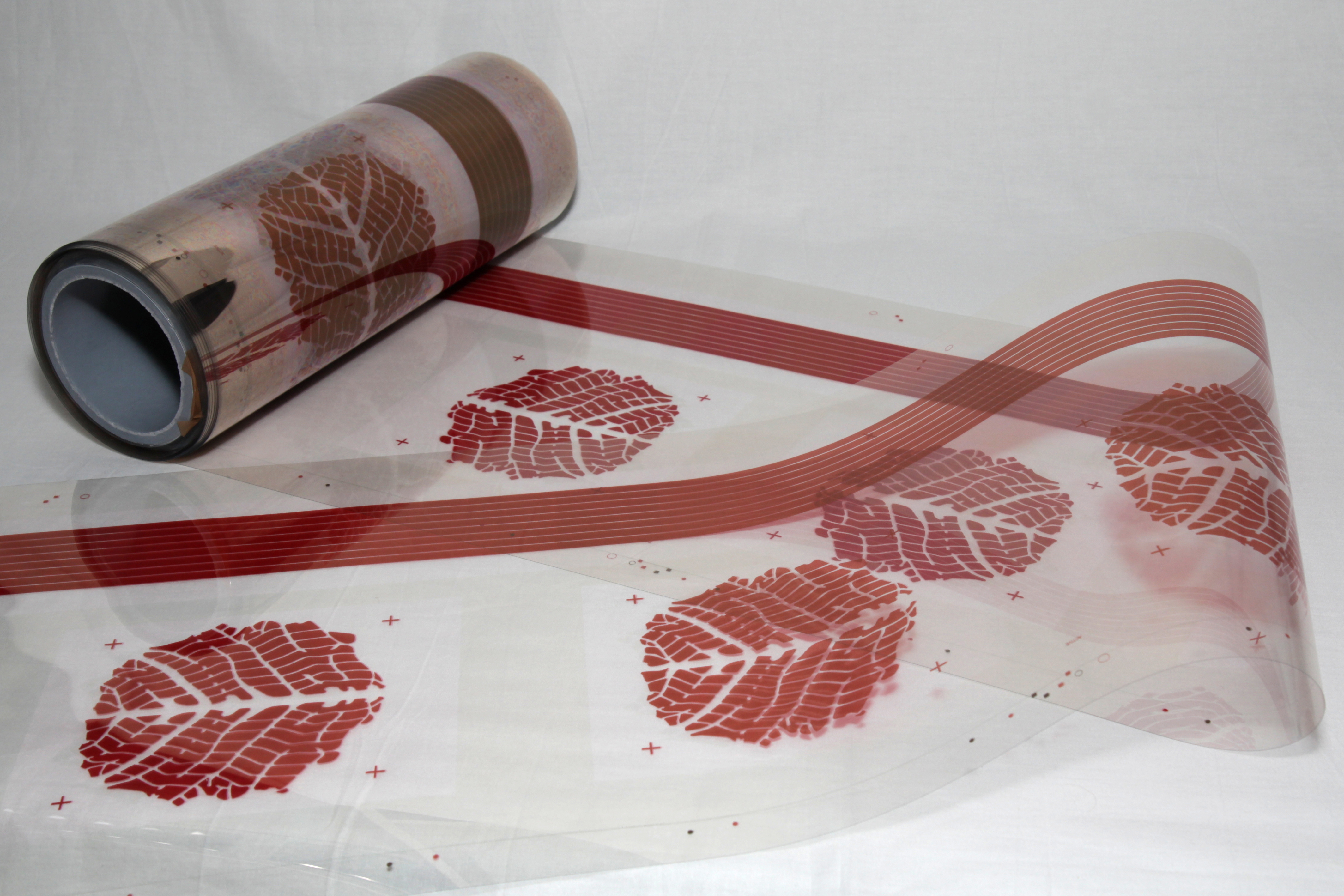
Vibrant Solar Isn’t The Answer – So What Is? Picture Digital Art
Discover an amazing solar isn’t the answer – so what is? background image, ideal for personalizing your devices with vibrant colors and intricate designs.
Dynamic Solar Isn’t The Answer – So What Is? Wallpaper in HD
Find inspiration with this unique solar isn’t the answer – so what is? illustration, crafted to provide a fresh look for your background.

Vivid Solar Isn’t The Answer – So What Is? Wallpaper Illustration
Transform your screen with this vivid solar isn’t the answer – so what is? artwork, a true masterpiece of digital design.

Crisp Solar Isn’t The Answer – So What Is? Moment for Your Screen
Find inspiration with this unique solar isn’t the answer – so what is? illustration, crafted to provide a fresh look for your background.
Vibrant Solar Isn’t The Answer – So What Is? Picture in HD
Experience the crisp clarity of this stunning solar isn’t the answer – so what is? image, available in high resolution for all your screens.

Beautiful Solar Isn’t The Answer – So What Is? Background Digital Art
Discover an amazing solar isn’t the answer – so what is? background image, ideal for personalizing your devices with vibrant colors and intricate designs.

Detailed Solar Isn’t The Answer – So What Is? Wallpaper Collection
Transform your screen with this vivid solar isn’t the answer – so what is? artwork, a true masterpiece of digital design.

Exquisite Solar Isn’t The Answer – So What Is? Wallpaper Digital Art
Immerse yourself in the stunning details of this beautiful solar isn’t the answer – so what is? wallpaper, designed for a captivating visual experience.

Amazing Solar Isn’t The Answer – So What Is? Image for Desktop
Explore this high-quality solar isn’t the answer – so what is? image, perfect for enhancing your desktop or mobile wallpaper.

Serene Solar Isn’t The Answer – So What Is? Image Photography
Discover an amazing solar isn’t the answer – so what is? background image, ideal for personalizing your devices with vibrant colors and intricate designs.
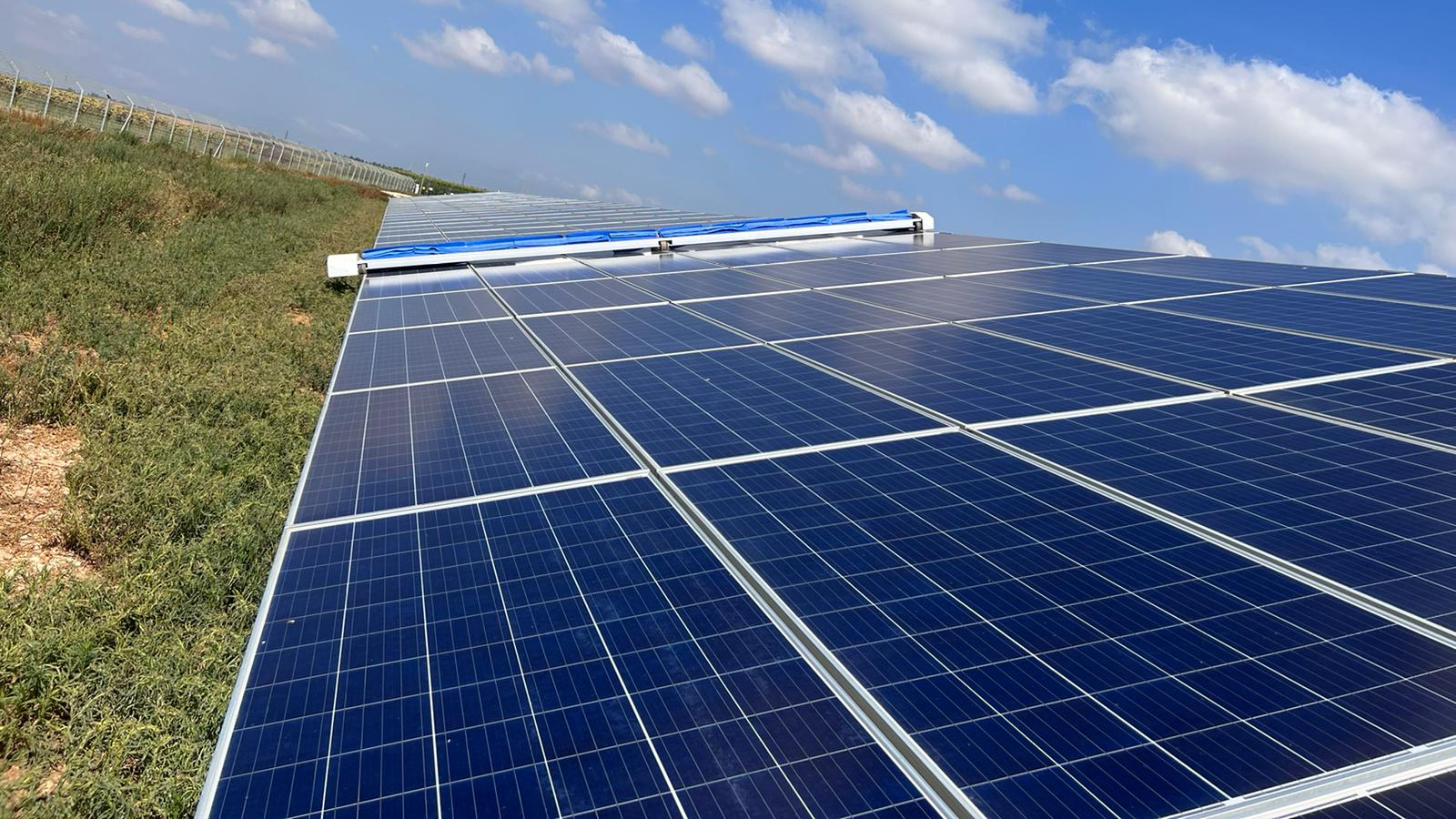
Breathtaking Solar Isn’t The Answer – So What Is? View Concept
Experience the crisp clarity of this stunning solar isn’t the answer – so what is? image, available in high resolution for all your screens.
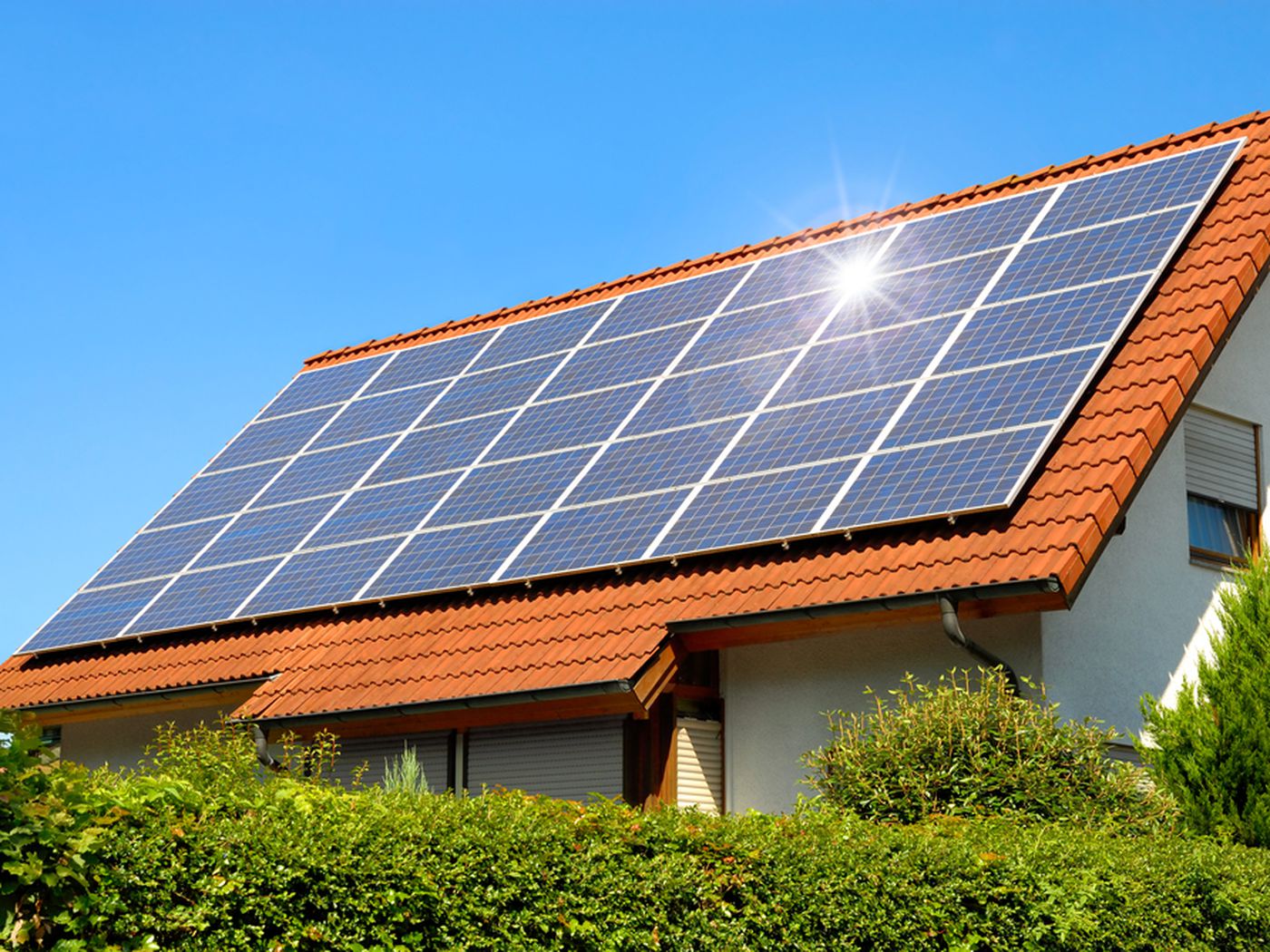
Spectacular Solar Isn’t The Answer – So What Is? Artwork for Your Screen
Immerse yourself in the stunning details of this beautiful solar isn’t the answer – so what is? wallpaper, designed for a captivating visual experience.
Download these solar isn’t the answer – so what is? wallpapers for free and use them on your desktop or mobile devices.