Taliban Sets Conditions For Participation In Doha Meeting
Taliban Sets Conditions For Participation In Doha Meeting
The geopolitical landscape of Central Asia remains in a state of flux as the international community grapples with the complexities of engaging with the de facto authorities in Afghanistan. Recent diplomatic efforts have centered on the series of United Nations-led talks in Qatar, where the Taliban sets conditions for participation in Doha meeting sessions. These conditions, ranging from formal recognition to the exclusion of civil society voices, have created a significant impasse between the Islamic Emirate of Afghanistan and global stakeholders. Understanding these demands is crucial for analyzing the future of Afghan diplomacy and the potential for regional stability.
The Taliban sets conditions for participation in Doha meeting by demanding official recognition as the legitimate government of Afghanistan, the exclusion of Afghan civil society and women's rights activists from the talks, and the removal of UN special envoys. Furthermore, they insist that the agenda be restricted to technical issues like narcotics control and private sector growth, while leaving human rights and inclusive governance as internal matters.
The Evolution of the Doha Talks and Taliban Engagement
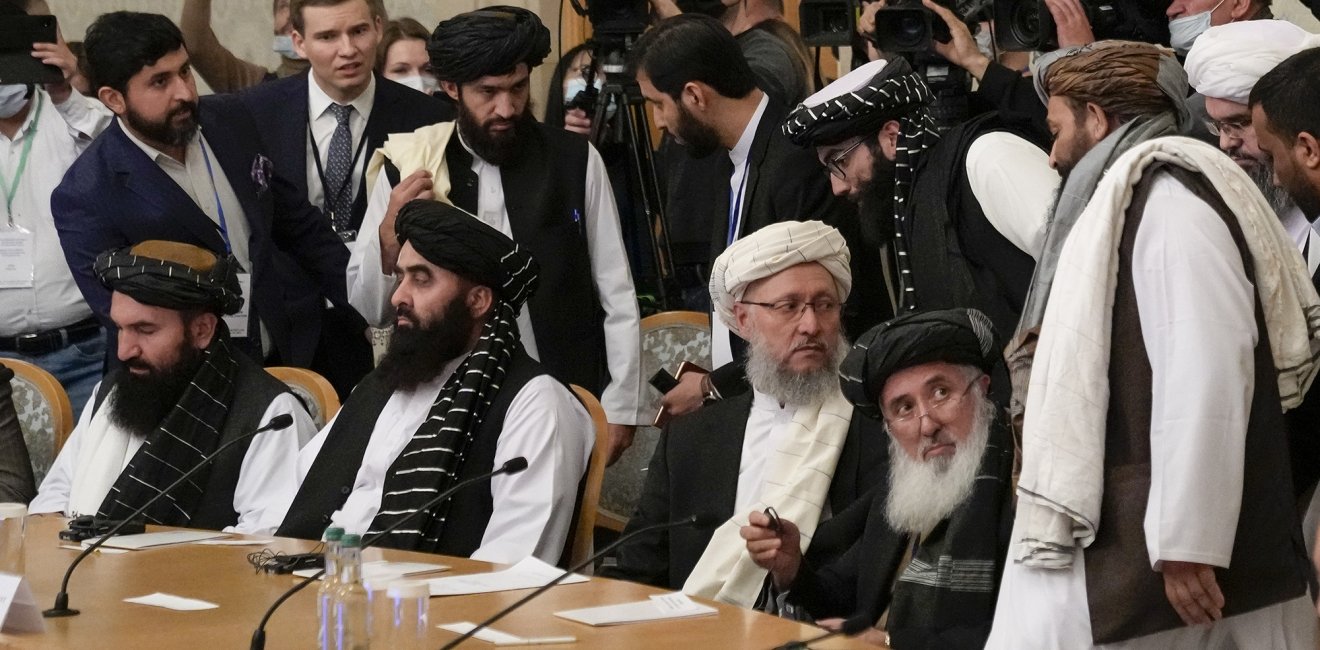
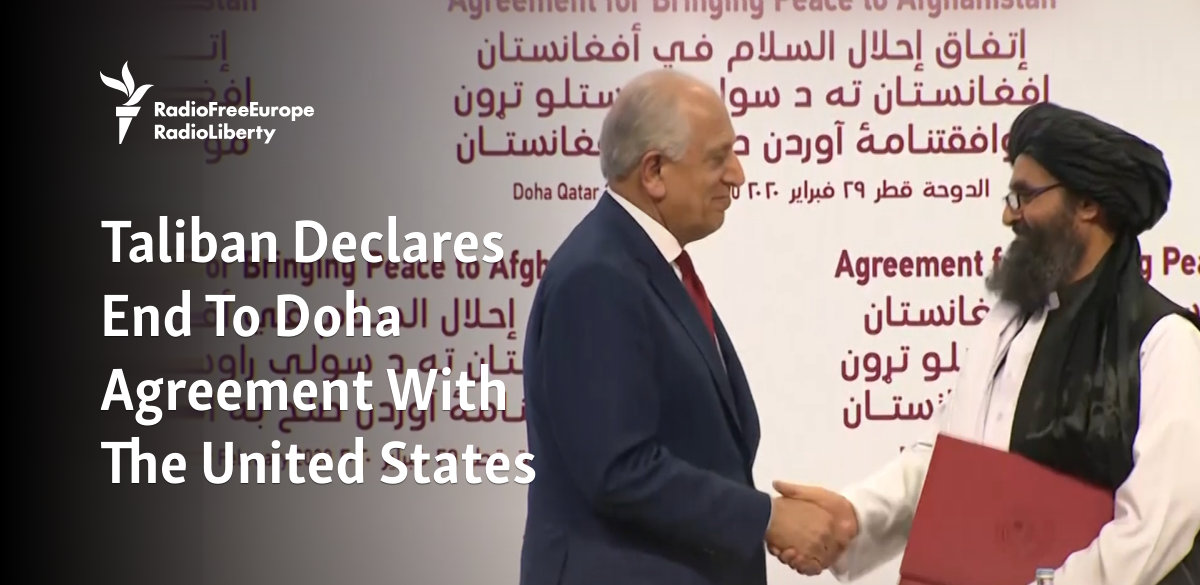
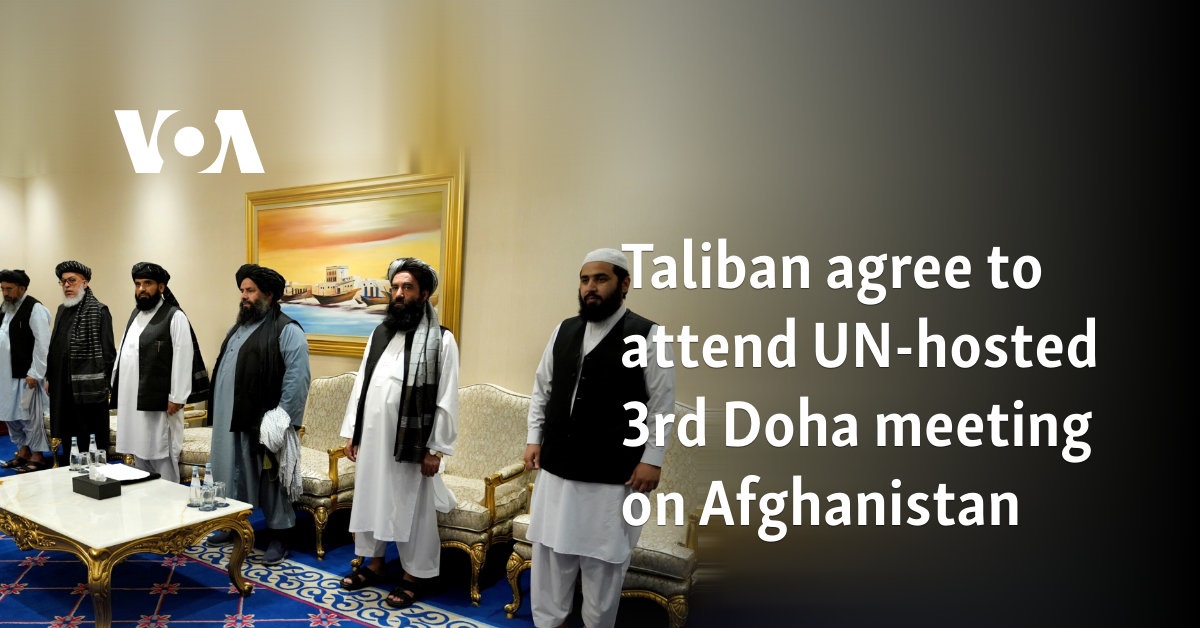
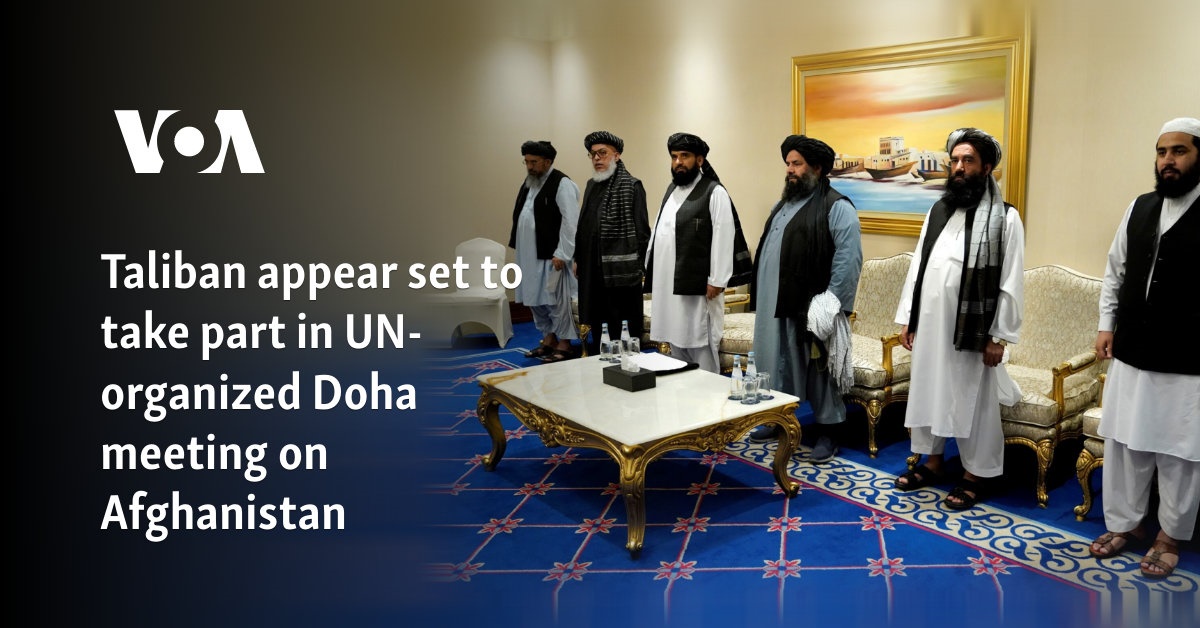
The Doha process has become the primary theater for international engagement with the Taliban since their return to power in August 2021. Originally established as a venue for the 2020 U.S.-Taliban peace agreement, the meetings have evolved into a broader UN-sponsored effort to coordinate international strategy. However, the path to a consistent dialogue has been marred by frequent boycotts and rigid stances. In the first and second iterations of these talks, the Taliban remained largely absent, citing the failure of organizers to meet their specific criteria for attendance. It was only by the third meeting that a delegation appeared, but only after significant concessions were made by the United Nations regarding the guest list and the topics of discussion.
For the Taliban, Doha represents more than just a meeting place; it is a platform to assert their sovereignty. Their participation is often leveraged to prove to a domestic audience that they are being treated as equals by the world's major powers. Conversely, for the UN, the challenge remains how to bring the group to the table without appearing to grant the formal recognition that the international community has collectively withheld due to the group's restrictive policies on women and minorities.
Core Demands: Recognition and the UN Seat
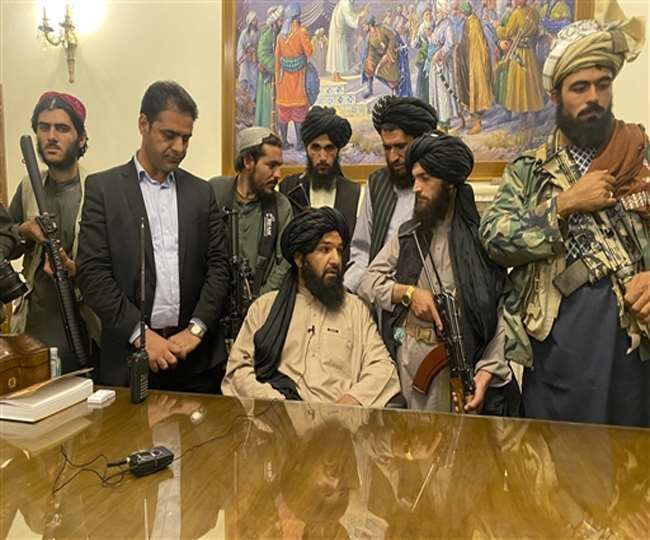
Central to the conditions set by the Taliban is the quest for legitimacy. For years, the group has demanded that the United Nations grant them Afghanistan's seat in the General Assembly, which is currently held by representatives of the former Republic. They argue that as the sole authority exercising control over the entire territory of Afghanistan, they are the only rightful representatives of the Afghan people. This demand for recognition is not merely symbolic; it would unlock frozen assets, restore diplomatic immunity for their leaders, and normalize trade relations that are currently hampered by sanctions.
During the preparations for the Doha 3 meeting, sources indicated that the Taliban viewed their presence as conditional on being treated as the "official" government. While the UN Secretary-General Antonio Guterres has maintained that participation does not equal recognition, the Taliban's PR machine frequently frames these meetings as a step toward international acceptance. The group remains steadfast that any dialogue that ignores their status as a sovereign state is a violation of international norms and their own principles.
The Exclusion of Civil Society and Women's Rights
Perhaps the most controversial condition set by the Taliban for their participation in Doha is the demand that Afghan civil society members, particularly women's rights activists, be excluded from the official proceedings. The Taliban have consistently labeled human rights issues, especially those concerning female education and employment, as "internal matters" rooted in their interpretation of Islamic law. They view the inclusion of domestic critics in international forums as an attempt by foreign powers to interfere in their domestic policy and undermine their authority.
In early 2024, the UN faced immense backlash for appearing to cave to these demands. By holding the main sessions exclusively with the Taliban and special envoys, and relegating civil society to separate "side meetings," the UN was accused of sidelining the very people most affected by Taliban policies. This strategy was seen as a major concession to the Taliban's refusal to sit at the same table as women activists, highlighting the difficult trade-offs the international community faces in trying to maintain a channel for humanitarian and security dialogue.
Opposition to the UN Special Envoy Appointment
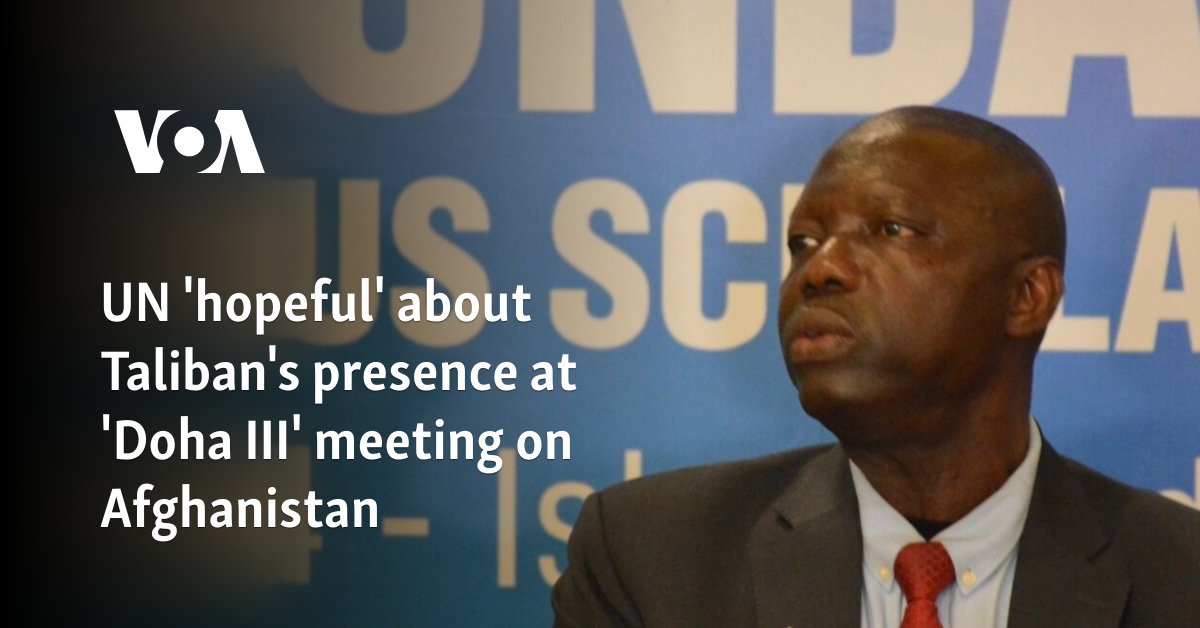
Another sticking point in the negotiations is the Taliban's vocal opposition to the appointment of a new UN special envoy for Afghanistan. The UN, backed by the United States and several European nations, proposed an envoy to coordinate international engagement and push for a roadmap toward a more inclusive government. The Taliban, however, argue that such an appointment is unnecessary because the UN Assistance Mission in Afghanistan (UNAMA) already exists in Kabul.
The group views a special envoy as a mechanism for imposing Western political models on Afghanistan. They have repeatedly stated that they will only cooperate with international bodies that respect their "independence and Islamic values." By setting the rejection of an envoy as a condition for participation, the Taliban successfully delayed the process, as the agenda for the third Doha meeting notably omitted the discussion of a new envoy role to ensure the Kabul delegation would attend.
| Taliban Condition | International Response |
|---|---|
| Exclusion of Civil Society | Partially accepted for Doha 3 main sessions |
| Official State Recognition | Universally denied by UN and major powers |
| UN Special Envoy Removal | Agenda delayed; position remains vacant |
| Agenda limited to Economy/Drugs | Largely adopted for recent technical talks |
Economic Interests: Frozen Assets and Sanctions
The Taliban's willingness to engage in Doha is heavily driven by Afghanistan's dire economic situation. Since 2021, the country has faced a liquidity crisis, exacerbated by the freezing of approximately $7 billion in central bank reserves held in the United States. A primary condition for the Taliban's ongoing cooperation is the discussion of these financial restrictions. They seek the lifting of sanctions that prevent Afghan banks from connecting to the global SWIFT system, arguing that these measures punish ordinary citizens rather than the leadership.
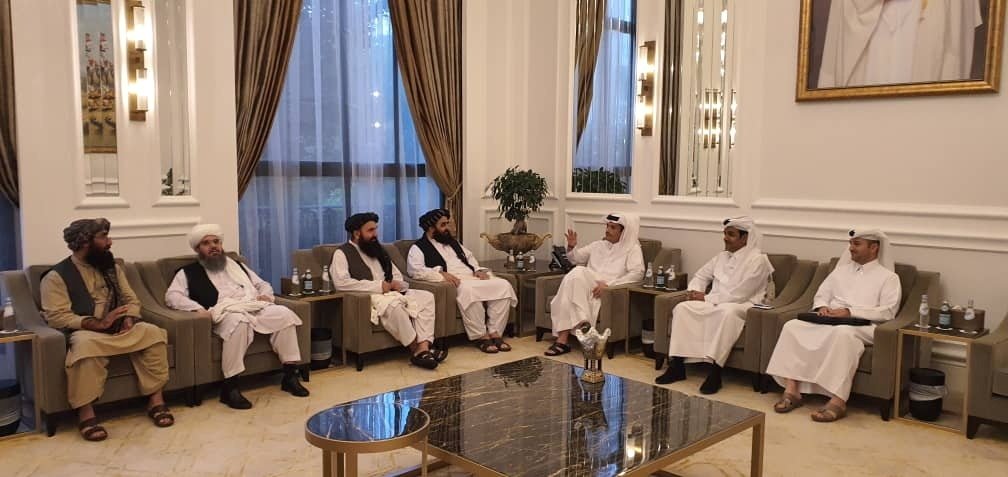
In Doha, the Taliban delegation, which included experts in banking and narcotics, focused heavily on the private sector. They aimed to secure commitments for technical assistance and investment, particularly in agriculture and mining. By making the economy a central pillar of the talks, the Taliban attempted to shift the focus away from their human rights record, presenting themselves as pragmatic administrators focused on national reconstruction and poverty alleviation.
Counter-Narcotics and Regional Security Cooperation
Security and drug eradication are the two areas where the Taliban feel they have the most leverage. They have set conditions that international aid and recognition should follow their successful implementation of a poppy cultivation ban. Since the ban was enacted, the group has sought "alternative livelihoods" for farmers, essentially asking the international community to fund the transition away from the opium trade. They argue that since they have fulfilled a long-standing international demand by reducing poppy output, the world is now obligated to support Afghanistan's economic stability.
Furthermore, the Taliban utilize the threat of regional instability to set their terms. They insist that the fight against ISIS-K (Islamic State Khorasan Province) is their responsibility alone and reject foreign military intervention or "over-the-horizon" counter-terrorism operations. By positioning themselves as the only viable bulwark against regional terrorism, they demand that the international community engage with them on security matters without attaching "unrelated" strings regarding domestic social policies.
The Dilemma of the International Community
The conditions set by the Taliban place the United Nations and donor nations in a profound moral and strategic dilemma. On one hand, refusing to meet the Taliban's terms leads to a total breakdown in communication, which can hinder the delivery of life-saving humanitarian aid and leave the international community in the dark regarding security threats. On the other hand, acceding to demands—such as the exclusion of women from the table—is seen as a betrayal of universal human rights and a normalization of "gender apartheid."
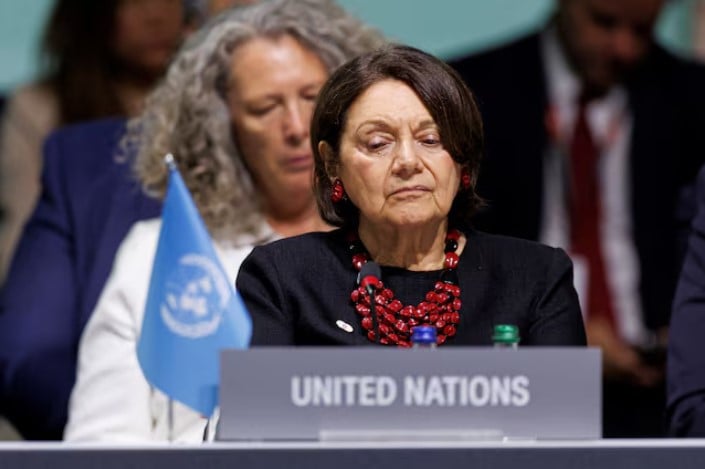
Diplomats from countries like Canada and Norway have expressed disappointment at the compromises made to ensure Taliban attendance. They argue that the success of the Doha meetings should not be measured simply by whether the Taliban show up, but by whether the talks actually move the needle on human rights and inclusive governance. As the Taliban continues to set rigid conditions, the "new normal" in Afghan diplomacy appears to be one of transactional engagement where principles are frequently traded for the sake of maintaining a seat at the table.
Geopolitical Players and the Shifting Balance of Power
The Doha meetings also highlight the differing approaches of regional and Western powers. Countries like China, Russia, Iran, and Pakistan have moved toward a more pragmatic relationship with the Taliban, often supporting their calls for the lifting of sanctions and the return of frozen assets. These regional neighbors are primarily concerned with border security, refugees, and trade, and are often more willing to bypass human rights conditions to achieve stability.
The Taliban have skillfully played these regional interests against the more principled stance of the West. By setting conditions that favor regional cooperation, they hope to create a bloc of support that eventually forces the UN's hand regarding formal recognition. This shifting balance of power suggests that the future of the Doha process will depend heavily on whether the West can maintain a unified front or if the Taliban's "piecemeal" approach to diplomacy will eventually break the international consensus on non-recognition.
The Impact of Taliban Conditions on the Afghan Population
Ultimately, the results of the Taliban's conditions for the Doha talks are felt most acutely by the Afghan people. When the Taliban successfully excludes civil society from the conversation, millions of Afghans lose their voice on the world stage. The focus on technical and economic issues, while important for survival, often ignores the systemic persecution of women and ethnic minorities. The "wait-and-see" approach of the international community, dictated by the push and pull of these diplomatic conditions, means that for many, life under the de facto authorities continues without any clear roadmap for the restoration of basic freedoms.
The Taliban's insistence that rights are an internal matter effectively walls off the country from international legal oversight. As long as they can successfully set conditions that limit the scope of international scrutiny, the prospects for a truly inclusive and rights-respecting Afghan state remain dim. The Doha process, intended to bring peace and integration, risks becoming a tool for the consolidation of authoritarian rule if the international community continues to prioritize participation over progress.
FAQ: Understanding the Doha Negotiations
The Taliban primarily demand to be recognized as the sole official representatives of Afghanistan, the exclusion of civil society and women from the main sessions, and the removal of topics like human rights and girls' education from the official agenda.
The Taliban argue that the existing UNAMA office in Kabul is sufficient for communication and that a special envoy is a tool for foreign interference intended to impose Western-style governance on Afghanistan.
For the "Doha 3" meeting in June 2024, the UN did not include Afghan women or civil society representatives in the main sessions with the Taliban, citing the need for the de facto authorities to be present, though they held separate side meetings with those groups later.
The Doha Accord refers to the 2020 agreement between the United States and the Taliban that paved the way for the withdrawal of NATO forces from Afghanistan in exchange for Taliban counter-terrorism commitments.
The Taliban are demanding the release of approximately $7 billion in frozen assets held in the U.S. and the lifting of banking sanctions to help stabilize the Afghan economy and promote private sector growth.
Conclusion
The ongoing saga of the Doha meetings underscores the massive rift between the Taliban's vision for Afghanistan and the expectations of the international community. By setting stringent conditions for their participation, the Taliban have successfully navigated the diplomatic waters to secure engagement on their own terms, often at the expense of human rights and inclusive representation. While these talks provide a necessary channel for addressing economic collapse and security threats, they also risk entrenching a regime that continues to systematicallly marginalize a significant portion of its own population. As the world moves forward, the challenge will be to find a balance that addresses the urgent needs of the Afghan people without surrendering the fundamental principles of equality and justice that the United Nations is sworn to uphold. The path through Doha remains a precarious one, where every concession made to bring the Taliban to the table carries heavy consequences for the future of Afghanistan.
Taliban Sets Conditions For Participation In Doha Meeting
Taliban Sets Conditions For Participation In Doha Meeting Wallpapers
Collection of taliban sets conditions for participation in doha meeting wallpapers for your desktop and mobile devices.

Mesmerizing Taliban Sets Conditions For Participation In Doha Meeting Wallpaper in 4K
Transform your screen with this vivid taliban sets conditions for participation in doha meeting artwork, a true masterpiece of digital design.
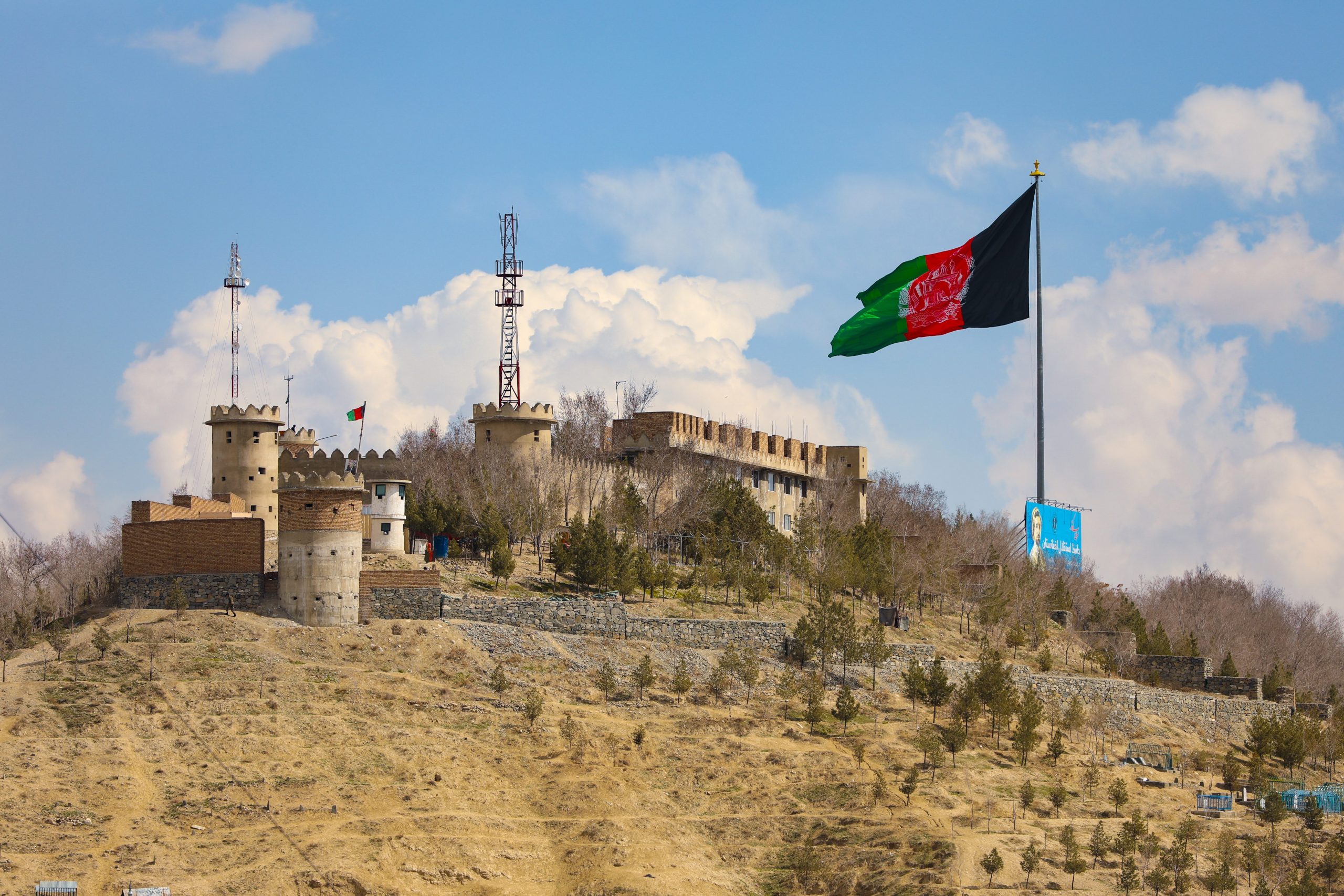
High-Quality Taliban Sets Conditions For Participation In Doha Meeting Moment in HD
Explore this high-quality taliban sets conditions for participation in doha meeting image, perfect for enhancing your desktop or mobile wallpaper.

Crisp Taliban Sets Conditions For Participation In Doha Meeting Artwork Photography
This gorgeous taliban sets conditions for participation in doha meeting photo offers a breathtaking view, making it a perfect choice for your next wallpaper.
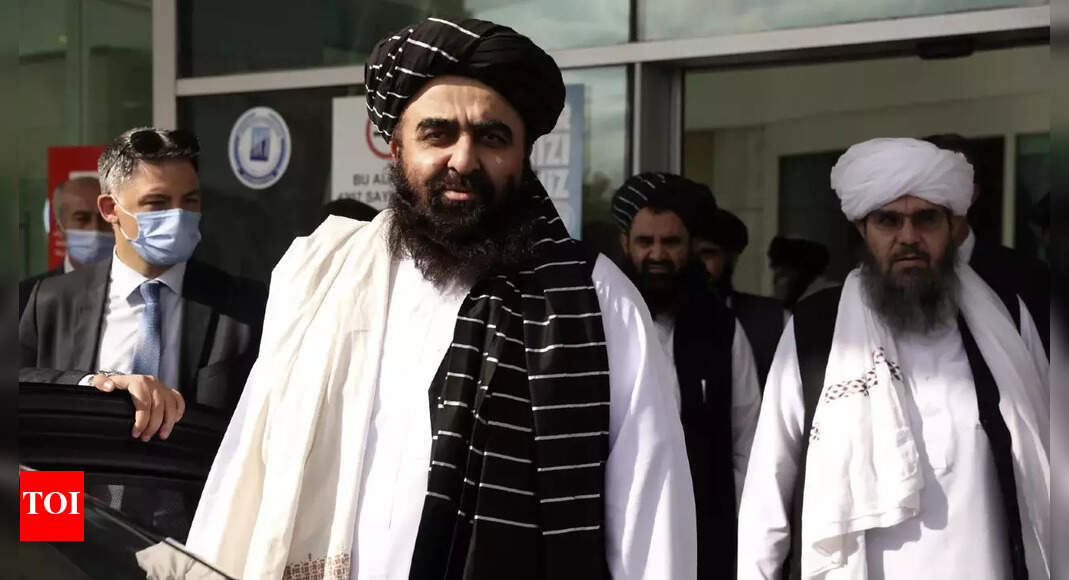
Crisp Taliban Sets Conditions For Participation In Doha Meeting Landscape for Your Screen
This gorgeous taliban sets conditions for participation in doha meeting photo offers a breathtaking view, making it a perfect choice for your next wallpaper.

Breathtaking Taliban Sets Conditions For Participation In Doha Meeting Wallpaper Illustration
Explore this high-quality taliban sets conditions for participation in doha meeting image, perfect for enhancing your desktop or mobile wallpaper.
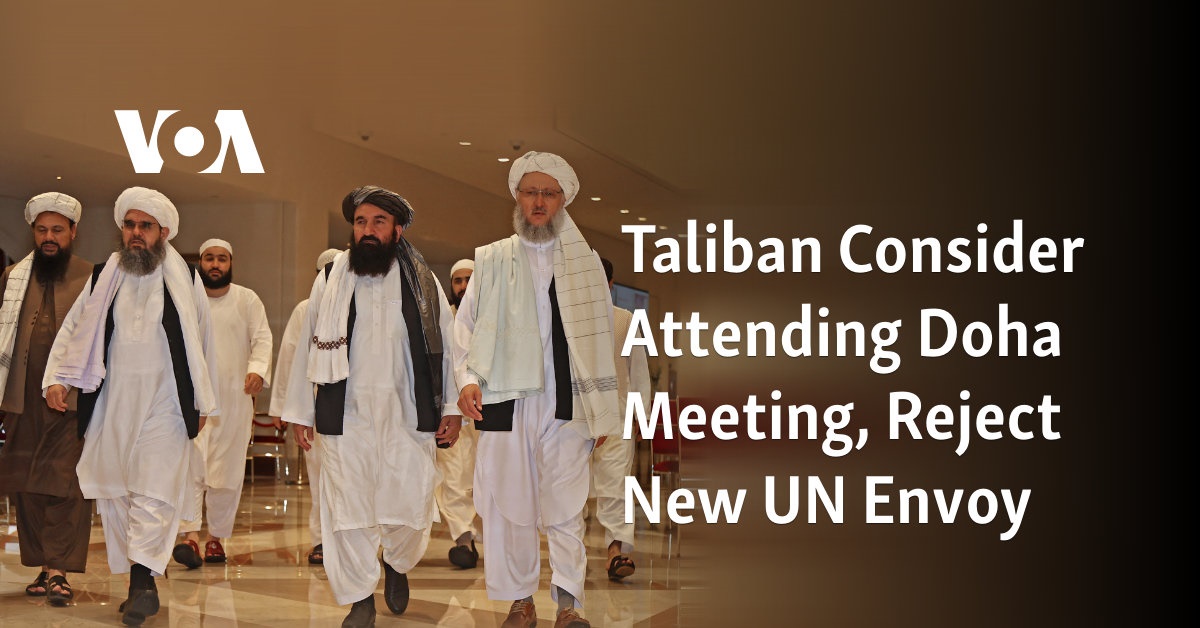
Serene Taliban Sets Conditions For Participation In Doha Meeting Abstract Concept
Discover an amazing taliban sets conditions for participation in doha meeting background image, ideal for personalizing your devices with vibrant colors and intricate designs.

Detailed Taliban Sets Conditions For Participation In Doha Meeting Abstract Photography
Discover an amazing taliban sets conditions for participation in doha meeting background image, ideal for personalizing your devices with vibrant colors and intricate designs.

Captivating Taliban Sets Conditions For Participation In Doha Meeting Moment in HD
Immerse yourself in the stunning details of this beautiful taliban sets conditions for participation in doha meeting wallpaper, designed for a captivating visual experience.
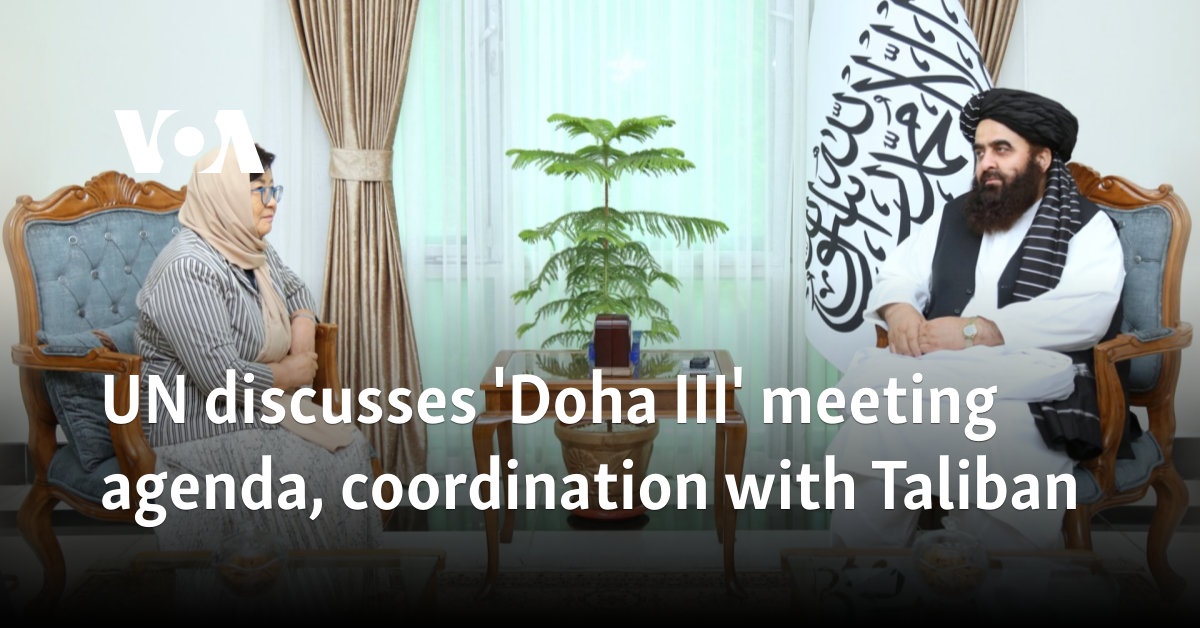
Gorgeous Taliban Sets Conditions For Participation In Doha Meeting Image Photography
A captivating taliban sets conditions for participation in doha meeting scene that brings tranquility and beauty to any device.
Gorgeous Taliban Sets Conditions For Participation In Doha Meeting Scene in 4K
Find inspiration with this unique taliban sets conditions for participation in doha meeting illustration, crafted to provide a fresh look for your background.

Spectacular Taliban Sets Conditions For Participation In Doha Meeting Photo Photography
Immerse yourself in the stunning details of this beautiful taliban sets conditions for participation in doha meeting wallpaper, designed for a captivating visual experience.

Artistic Taliban Sets Conditions For Participation In Doha Meeting Background Digital Art
Find inspiration with this unique taliban sets conditions for participation in doha meeting illustration, crafted to provide a fresh look for your background.
Vivid Taliban Sets Conditions For Participation In Doha Meeting Picture Digital Art
Discover an amazing taliban sets conditions for participation in doha meeting background image, ideal for personalizing your devices with vibrant colors and intricate designs.
Crisp Taliban Sets Conditions For Participation In Doha Meeting View Nature
A captivating taliban sets conditions for participation in doha meeting scene that brings tranquility and beauty to any device.

Serene Taliban Sets Conditions For Participation In Doha Meeting Image for Desktop
Transform your screen with this vivid taliban sets conditions for participation in doha meeting artwork, a true masterpiece of digital design.
Dynamic Taliban Sets Conditions For Participation In Doha Meeting Wallpaper for Desktop
Find inspiration with this unique taliban sets conditions for participation in doha meeting illustration, crafted to provide a fresh look for your background.
Amazing Taliban Sets Conditions For Participation In Doha Meeting Scene Illustration
Discover an amazing taliban sets conditions for participation in doha meeting background image, ideal for personalizing your devices with vibrant colors and intricate designs.
Beautiful Taliban Sets Conditions For Participation In Doha Meeting Landscape Concept
Transform your screen with this vivid taliban sets conditions for participation in doha meeting artwork, a true masterpiece of digital design.
High-Quality Taliban Sets Conditions For Participation In Doha Meeting Abstract in HD
Explore this high-quality taliban sets conditions for participation in doha meeting image, perfect for enhancing your desktop or mobile wallpaper.
Vivid Taliban Sets Conditions For Participation In Doha Meeting Wallpaper Collection
Explore this high-quality taliban sets conditions for participation in doha meeting image, perfect for enhancing your desktop or mobile wallpaper.
Download these taliban sets conditions for participation in doha meeting wallpapers for free and use them on your desktop or mobile devices.