Texas can require public schools to display the Ten Commandments in classrooms, US appeals court rules
Texas can require public schools to display the Ten Commandments in classrooms, US appeals court rules
In a historic and far-reaching decision that marks a significant shift in the legal landscape of religious expression in education, the U.S. Court of Appeals for the 5th Circuit ruled on April 21, 2026, that the state of Texas has the legal authority to require its public schools to display the Ten Commandments in every classroom. This landmark ruling, which came in a 12-6 vote from the full New Orleans-based court, effectively lifts previous blocks on Senate Bill 10, a controversial piece of legislation designed to reintroduce religious texts into the public square. Proponents of the law hailed the decision as a victory for moral clarity and historical acknowledgment, while civil liberties advocates warned that the ruling undermines the fundamental separation of church and state, potentially setting the stage for a definitive battle at the U.S. Supreme Court.
The U.S. 5th Circuit Court of Appeals has officially upheld Texas Senate Bill 10, ruling that requiring public schools to display the Ten Commandments does not violate the First Amendment's Establishment Clause. The court's majority opinion argued that the displays serve a historical and educational purpose rather than acting as "engines of coercive indoctrination." This decision reverses a lower court's preliminary injunction and impacts thousands of classrooms across Texas, signaling a major win for conservative efforts to integrate religious heritage into the state's educational framework.
Understanding the 5th Circuit's Landmark Decision
The decision by the 5th Circuit Court of Appeals represents one of the most significant developments in religious liberty litigation in recent decades. By a margin of 12 to 6, the en banc court determined that the presence of the Ten Commandments on classroom walls does not constitute a state-mandated religious exercise. The majority opinion focused heavily on the historical significance of the Decalogue, suggesting that the text has played a foundational role in the development of American law and ethics.
For decades, the legal standard for such displays was governed by the 1980 Supreme Court case Stone v. Graham, which struck down a similar Kentucky law. However, the 5th Circuit's recent ruling reflects a changing judicial philosophy that prioritizes historical tradition over the strict "Lemon Test" that previously dominated Establishment Clause jurisprudence. The judges in the majority argued that because the law does not force students to pray, believe, or even read the posters, it does not cross the line into unconstitutional coercion.
The dissenters on the court, however, voiced sharp criticism. They argued that the classroom environment is inherently coercive for children, who are a "captive audience." They maintained that the state is effectively taking a side in religious matters, which the First Amendment was specifically designed to prevent. This internal rift within the 5th Circuit highlights the deep philosophical divisions regarding the role of religion in modern American public life.
The Legal Framework of Texas Senate Bill 10
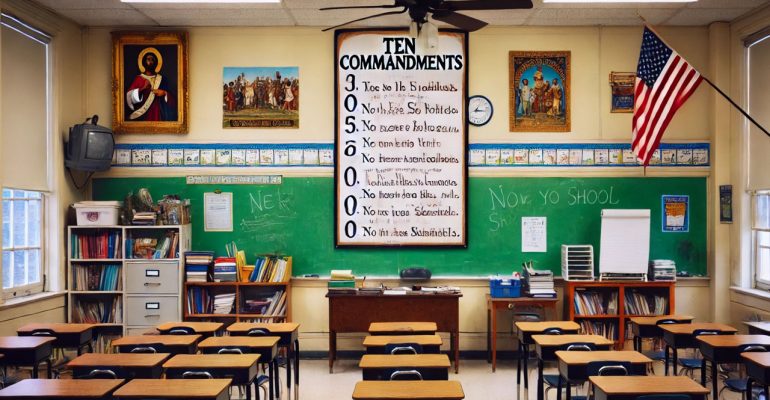
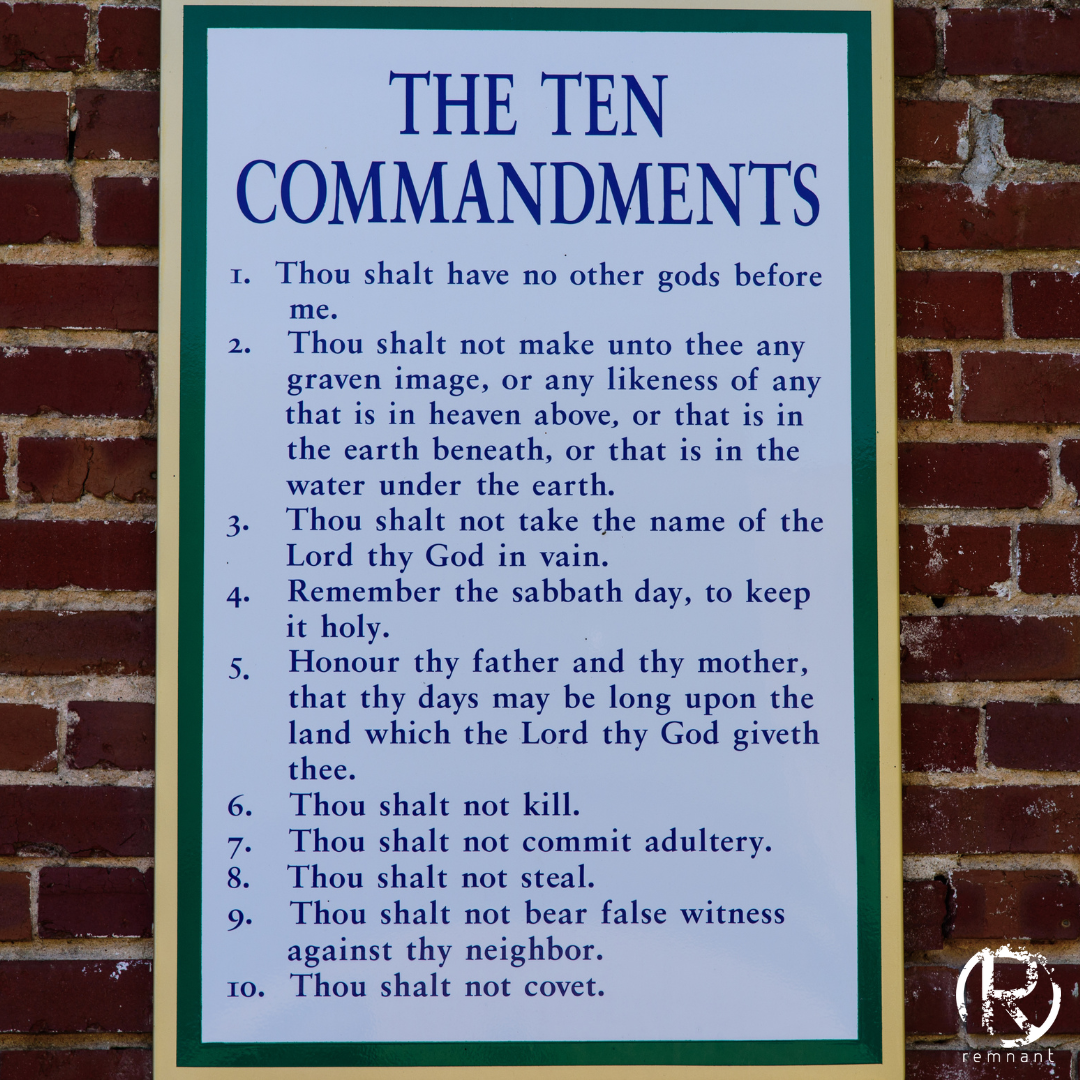
Texas Senate Bill 10 (SB 10) was passed by the Texas Legislature in 2025 with strong support from the state's Republican leadership. The law is specific in its requirements, leaving little room for interpretation by local school districts. According to the statute, every public elementary and secondary school classroom must display a "durable poster or framed copy" of the Ten Commandments. The law even specifies the physical dimensions of the display, requiring them to be at least 16 inches wide and 20 inches tall.
One of the unique aspects of SB 10 is how it addresses funding. The law does not mandate that schools use public funds to purchase the displays. Instead, it requires schools to accept and display posters that are privately donated. If a school does not receive a donation, it may use its own funds, but the primary mechanism is intended to be community-driven. This provision was likely included to shield the law from claims that it improperly uses taxpayer money to promote religion.
The text required by the law is a specific version of the Ten Commandments, which has also been a point of contention. Critics argue that by choosing a particular translation or version, the state is favoring one religious tradition over others—specifically Protestantism over Catholic, Jewish, or other interpretations of the Decalogue. The 5th Circuit, however, brushed aside these concerns, focusing instead on the "passive" nature of the display.
Arguments for the Historical Foundation Perspective
Supporters of the ruling, including Texas Attorney General Ken Paxton, argue that the Ten Commandments are more than just religious text; they are a cornerstone of Western civilization and American law. From this perspective, the Decalogue provides a moral compass that has influenced the drafting of the U.S. Constitution and the legal codes of many states. By displaying them in classrooms, schools are providing students with context for the "moral clarity" that built the nation.
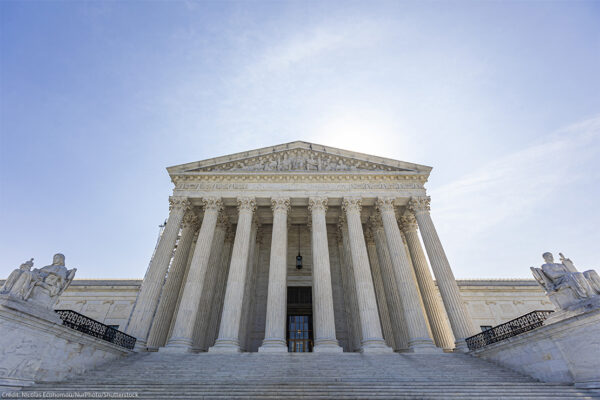
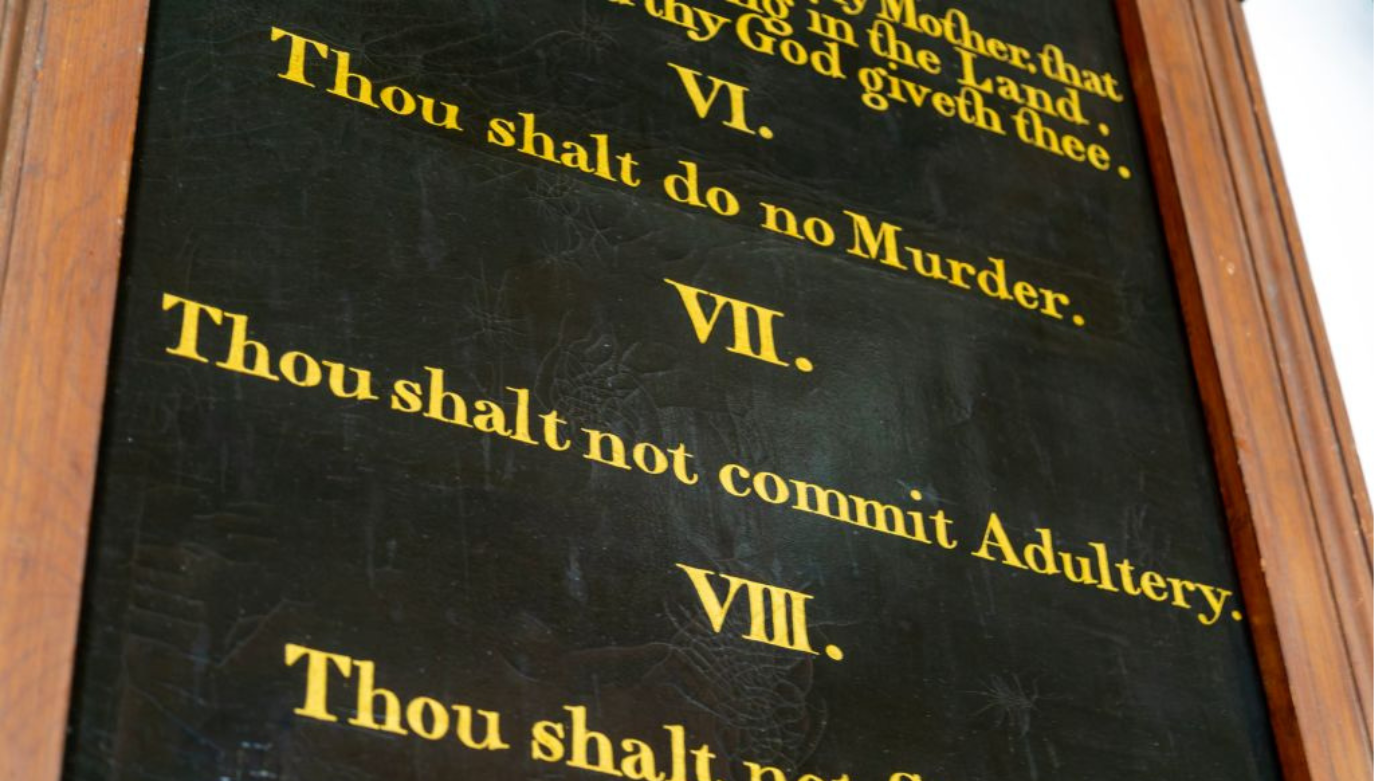
The argument for "historical foundation" suggests that excluding the Ten Commandments from the educational environment is an act of "hostility" toward religion, rather than neutrality. Proponents point to the fact that the Supreme Court itself features depictions of Moses and the Ten Commandments in its own architecture. They contend that if the highest court in the land can acknowledge this history, public schools should be allowed to do the same.
Furthermore, backers of SB 10 argue that the posters serve a secular educational purpose by sparking conversations about history, ethics, and the development of legal systems. They believe that students should be exposed to the documents and ideas that shaped their society, and that the Ten Commandments are an inseparable part of that narrative.
Opposition from Civil Liberties and Multifaith Groups
On the other side of the debate, a coalition of civil liberties organizations, including the ACLU and Americans United for Separation of Church and State, has condemned the ruling as a "trampling" of religious freedom. These groups argue that the state's role is to remain neutral in religious matters, allowing families to decide how and when their children are introduced to religious doctrines. By mandating the display, they believe Texas is engaging in "state-sponsored evangelism."
Multifaith groups have also expressed concern, noting that the law alienates students who belong to minority faiths or who come from non-religious backgrounds. For a Jewish, Muslim, Hindu, or atheist student, the constant presence of a state-mandated religious poster can create a sense of being an "outsider" in their own school. Critics argue that this leads to ostracization and can even fuel bullying, as it signals that the government favors one specific set of beliefs.
The opposition also highlights the "captive audience" doctrine. Unlike an adult choosing to enter a government building where a monument might be displayed, children are legally required to attend school. In this environment, they are subjected to the state's chosen message for hours every day. Legal experts opposing the law argue that this creates a subtle but powerful form of psychological coercion that the 5th Circuit failed to account for.
| Feature of the Ruling | Details and Implications |
|---|---|
| Court and Vote Count | U.S. 5th Circuit Court of Appeals (En Banc); 12-6 Decision |
| Primary Legal Justification | The displays are historical and traditional, not "coercive indoctrination." |
| Display Requirements | Minimum 16"x20" posters; must be conspicuous in every classroom. |
| Funding Mechanism | Mandatory acceptance of donated posters; public funds are optional. |
| Previous Legal Status | Reverses a lower court injunction that blocked the law in late 2025. |
The Impact on Public Education and Student Experience
As the ruling takes effect, school districts across Texas are preparing for the logistical and cultural impact of SB 10. For many rural districts that have long supported the measure, the posters will likely be welcomed with little fanfare. However, in major urban centers like Austin, Dallas, and Houston, the implementation is expected to be met with protests and further local litigation. The ruling effectively forces every teacher in the state to have a religious document on their wall, regardless of their own personal beliefs or the diversity of their students.
Educators have expressed mixed feelings about the requirement. Some feel that it provides a necessary moral framework for students in an increasingly chaotic world. Others are concerned about the potential for conflict. If a student asks a teacher about the meaning of the commandments, how should the teacher respond without violating other neutrality policies? The 5th Circuit's ruling suggests that teachers are not "commanded to proselytize," but it leaves a gray area for daily classroom interactions.
From the student perspective, the impact is subjective. While some may find the posters unobtrusive, others may see them as a constant reminder of state-endorsed religion. The psychological effect of these symbols in a place of learning is at the heart of the legal battle. Social scientists have long debated how environmental cues influence the development of identity and the feeling of inclusion in public institutions.
Comparing Texas SB 10 and Louisiana HB 71
Texas is not alone in this legislative push. Louisiana passed a very similar law, House Bill 71, in 2024. The two laws are often discussed together because they represent a coordinated effort by conservative lawmakers across the South to challenge long-standing interpretations of the Establishment Clause. The 5th Circuit has been the primary battleground for both, as it has jurisdiction over both states.
Interestingly, the 5th Circuit's handling of the Louisiana case in early 2026 provided a roadmap for the Texas decision. In the Louisiana case, the court ruled that challenges to the law were "premature" because the posters had not yet been physically placed. In the Texas case, however, the court went further, ruling on the actual constitutionality of the mandate itself. This suggests that the court is moving toward a full-throated defense of these types of displays.
Both laws require a specific version of the Ten Commandments and both emphasize the historical nature of the text. However, Texas's SB 10 is noted for its more rigid physical requirements for the posters. The alignment of these two states in the 5th Circuit creates a powerful legal precedent that other states, such as Oklahoma and Arkansas, are already looking to follow as they consider similar legislation.
Potential Path to the U.S. Supreme Court
Most legal experts agree that the 5th Circuit's ruling is a direct invitation for the U.S. Supreme Court to weigh in. Since the 5th Circuit's decision creates a significant departure from older precedents like Stone v. Graham, there is a clear "split" in how the law is being applied across the country. The Supreme Court typically takes up cases of such magnitude, especially when they involve fundamental constitutional rights.
The current conservative majority on the Supreme Court has shown a willingness to revisit and overturn established precedents regarding religion. The 2022 decision in Kennedy v. Bremerton School District, which upheld a football coach's right to pray on the field, signaled that the court is moving toward a more accommodationist view of religion in schools. Many believe that the Supreme Court will use the Texas case to officially retire the Lemon Test and establish a new "history and tradition" standard for the entire nation.
If the Supreme Court upholds the 5th Circuit's ruling, it could open the door for a wave of similar laws across dozens of states. This would represent the most significant change in the relationship between religion and public education in nearly 50 years. Conversely, if the court strikes it down, it would reaffirm the strict separation of church and state, likely ending this specific legislative trend for the foreseeable future.
The Evolving Interpretation of the Establishment Clause
The Texas ruling is a symptom of a larger evolution in constitutional law. For much of the 20th century, the Establishment Clause was interpreted as a "wall of separation" that prohibited almost any government endorsement of religion. This view was based on the idea that in a pluralistic society, the government must remain strictly neutral to protect the rights of all citizens, including those with no faith.
In recent years, however, a "traditionalist" interpretation has gained ground. This view holds that the Establishment Clause was only intended to prevent the creation of an official state church, not to scrub all religious references from the public square. Proponents of this view argue that as long as the government does not "coerce" individuals into religious practice through force of law or penalty, it is free to acknowledge and even honor the nation's religious heritage.
The 5th Circuit's decision is a clear victory for this traditionalist view. By defining "coercion" narrowly—as direct pressure to engage in worship—the court has significantly lowered the bar for what the government can do. This shift has profound implications not just for schools, but for all government interactions with religion, from legislative prayer to public holiday displays and the use of public funds for religious charities.
FAQ Section
Frequently Asked Questions
- Does this ruling apply to all schools in the United States? No, the ruling currently only applies to states within the 5th Circuit's jurisdiction, primarily Texas, Louisiana, and Mississippi. However, it sets a precedent that other circuits may follow or that the Supreme Court may eventually apply nationwide.
- Are schools required to use taxpayer money for the posters? No. Texas SB 10 requires schools to accept and display donated posters. While they may use their own funds if they choose, the law's design emphasizes private donations to fulfill the requirement.
- Can students or teachers be punished for ignoring the posters? The court's ruling specifically states that the law "punishes no one who rejects the Ten Commandments." Students are not required to read, recite, or affirm them, and teachers are not required to teach them as religious truth.
- What version of the Ten Commandments must be displayed? The law mandates a specific version of the text that is commonly associated with Protestant traditions. This has been a point of legal contention for families from Catholic, Jewish, and other backgrounds.
- Is this the final word on the law? Likely not. Civil rights groups have already indicated their intention to appeal the decision to the U.S. Supreme Court, which will have the final say on whether the law is constitutional.
Conclusion
The 5th Circuit's ruling in favor of Texas Senate Bill 10 marks a pivotal moment in the ongoing debate over the role of religion in American public schools. By upholding the requirement to display the Ten Commandments, the court has signaled a significant departure from late-20th-century legal standards and embraced a more traditionalist view of the Establishment Clause. While supporters celebrate this as a return to the nation's moral and historical roots, opponents see it as a dangerous erosion of the protections that ensure religious freedom for all citizens. As this case likely moves toward the Supreme Court, the ultimate outcome will define the educational environment for millions of students and clarify the boundary between church and state for the next generation. For now, Texas classrooms are set to become a visible frontline in America's enduring "culture wars," with ancient texts serving as a catalyst for modern constitutional debate.
Texas can require public schools to display the Ten Commandments in classrooms, US appeals court rules
Texas can require public schools to display the Ten Commandments in classrooms, US appeals court rules Wallpapers
Collection of texas can require public schools to display the ten commandments in classrooms, us appeals court rules wallpapers for your desktop and mobile devices.

Crisp Texas Can Require Public Schools To Display The Ten Commandments In Classrooms, Us Appeals Court Rules Design Concept
A captivating texas can require public schools to display the ten commandments in classrooms, us appeals court rules scene that brings tranquility and beauty to any device.
Captivating Texas Can Require Public Schools To Display The Ten Commandments In Classrooms, Us Appeals Court Rules Capture in 4K
Immerse yourself in the stunning details of this beautiful texas can require public schools to display the ten commandments in classrooms, us appeals court rules wallpaper, designed for a captivating visual experience.
Spectacular Texas Can Require Public Schools To Display The Ten Commandments In Classrooms, Us Appeals Court Rules Scene Illustration
Find inspiration with this unique texas can require public schools to display the ten commandments in classrooms, us appeals court rules illustration, crafted to provide a fresh look for your background.
Spectacular Texas Can Require Public Schools To Display The Ten Commandments In Classrooms, Us Appeals Court Rules Landscape in 4K
Find inspiration with this unique texas can require public schools to display the ten commandments in classrooms, us appeals court rules illustration, crafted to provide a fresh look for your background.
Crisp Texas Can Require Public Schools To Display The Ten Commandments In Classrooms, Us Appeals Court Rules Artwork Illustration
Immerse yourself in the stunning details of this beautiful texas can require public schools to display the ten commandments in classrooms, us appeals court rules wallpaper, designed for a captivating visual experience.
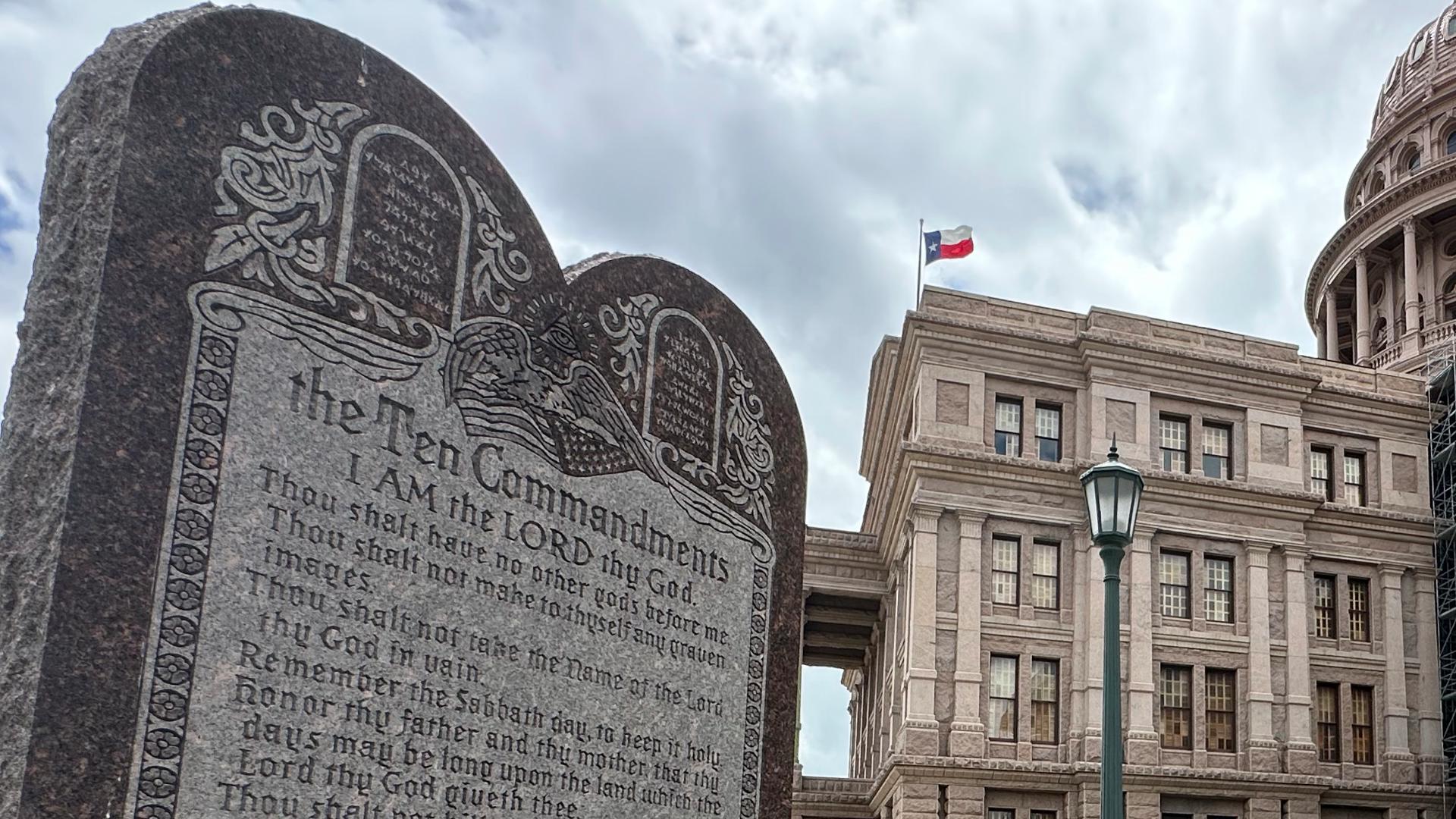
Detailed Texas Can Require Public Schools To Display The Ten Commandments In Classrooms, Us Appeals Court Rules Artwork Illustration
Discover an amazing texas can require public schools to display the ten commandments in classrooms, us appeals court rules background image, ideal for personalizing your devices with vibrant colors and intricate designs.
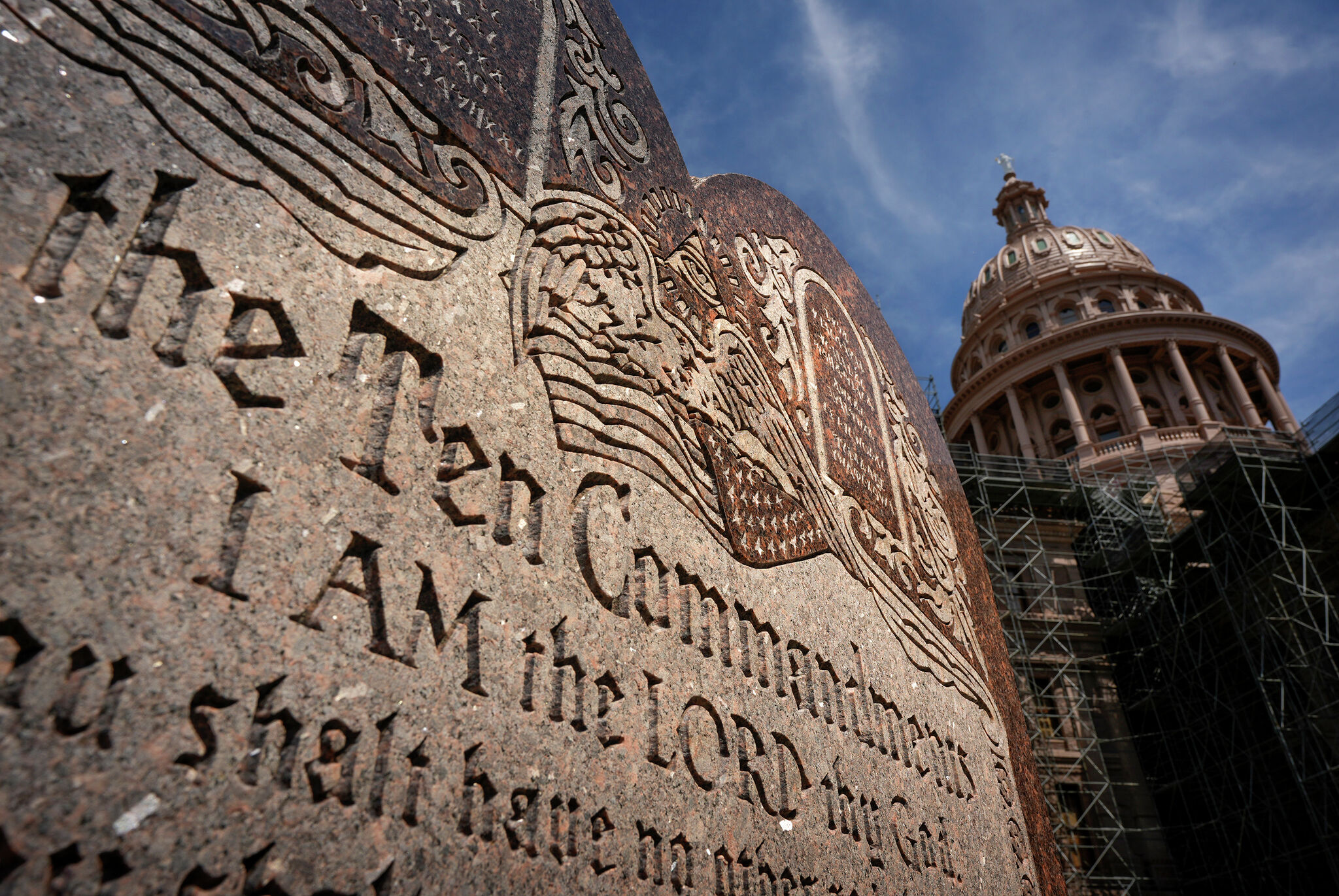
Lush Texas Can Require Public Schools To Display The Ten Commandments In Classrooms, Us Appeals Court Rules Design in 4K
Immerse yourself in the stunning details of this beautiful texas can require public schools to display the ten commandments in classrooms, us appeals court rules wallpaper, designed for a captivating visual experience.
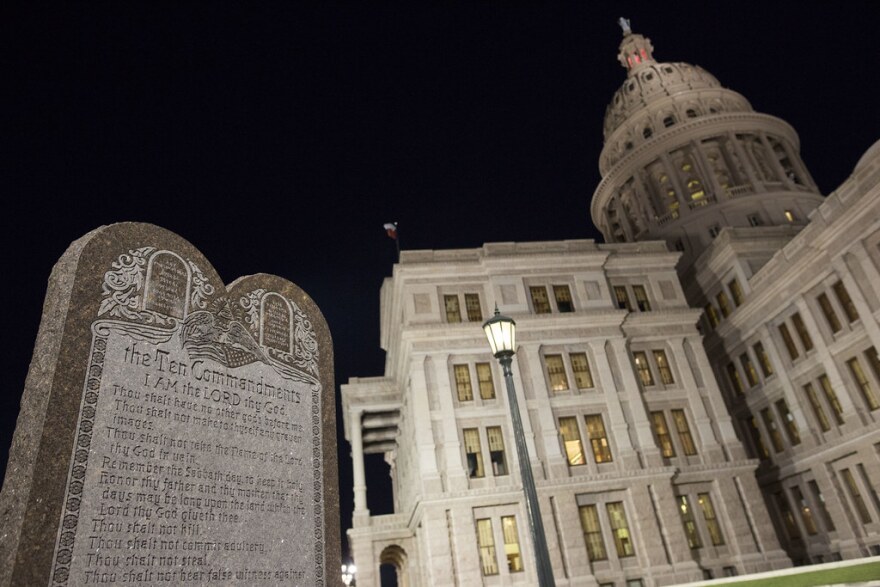
Beautiful Texas Can Require Public Schools To Display The Ten Commandments In Classrooms, Us Appeals Court Rules Artwork in 4K
Discover an amazing texas can require public schools to display the ten commandments in classrooms, us appeals court rules background image, ideal for personalizing your devices with vibrant colors and intricate designs.
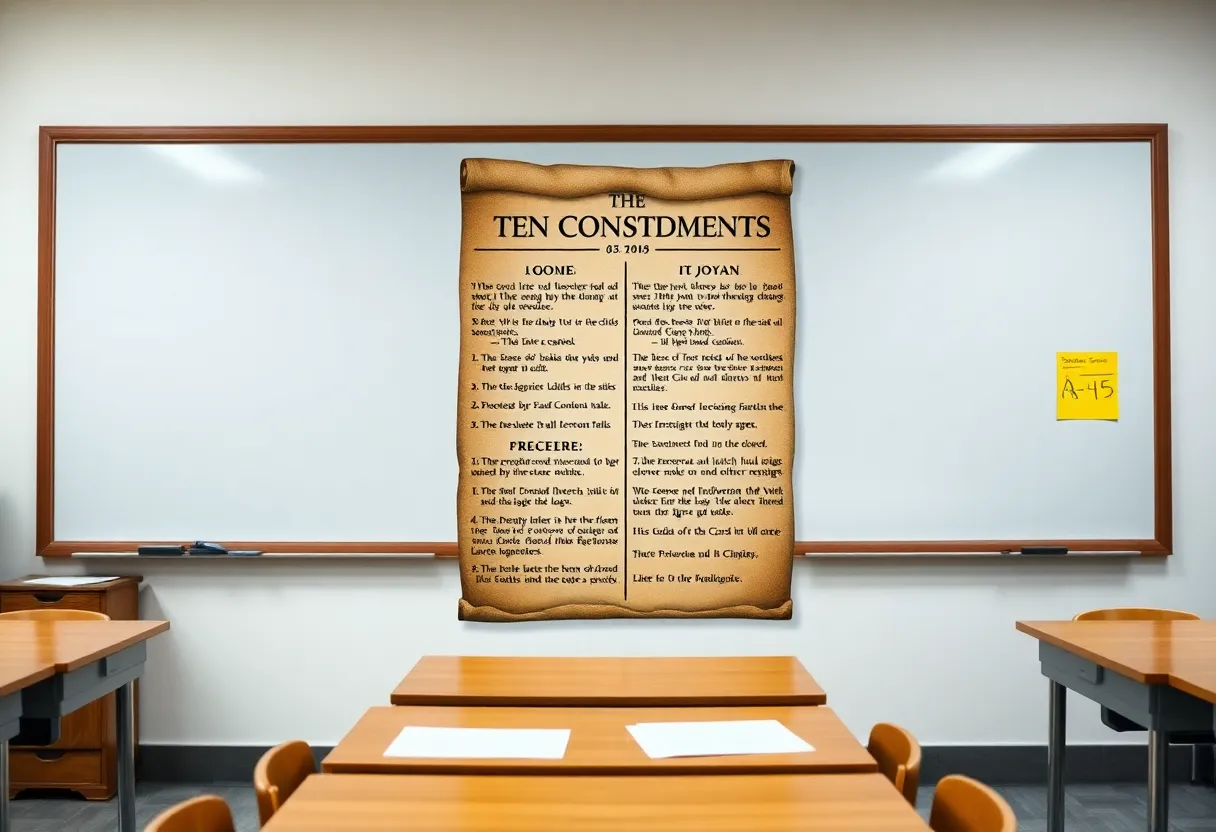
Vibrant Texas Can Require Public Schools To Display The Ten Commandments In Classrooms, Us Appeals Court Rules Image Photography
Explore this high-quality texas can require public schools to display the ten commandments in classrooms, us appeals court rules image, perfect for enhancing your desktop or mobile wallpaper.
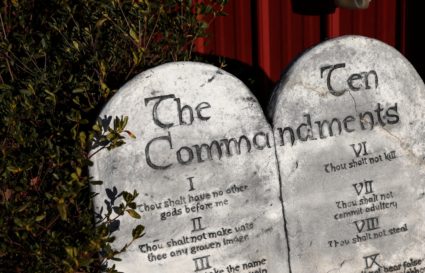
Artistic Texas Can Require Public Schools To Display The Ten Commandments In Classrooms, Us Appeals Court Rules Wallpaper Concept
A captivating texas can require public schools to display the ten commandments in classrooms, us appeals court rules scene that brings tranquility and beauty to any device.

Vivid Texas Can Require Public Schools To Display The Ten Commandments In Classrooms, Us Appeals Court Rules Image Art
Experience the crisp clarity of this stunning texas can require public schools to display the ten commandments in classrooms, us appeals court rules image, available in high resolution for all your screens.

Crisp Texas Can Require Public Schools To Display The Ten Commandments In Classrooms, Us Appeals Court Rules Photo Collection
A captivating texas can require public schools to display the ten commandments in classrooms, us appeals court rules scene that brings tranquility and beauty to any device.
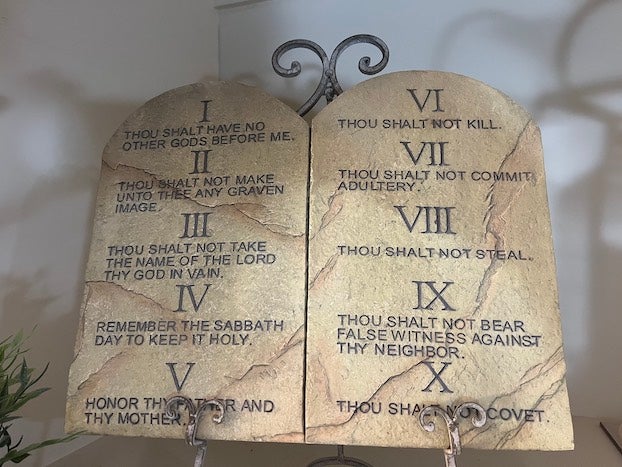
Spectacular Texas Can Require Public Schools To Display The Ten Commandments In Classrooms, Us Appeals Court Rules Wallpaper Digital Art
This gorgeous texas can require public schools to display the ten commandments in classrooms, us appeals court rules photo offers a breathtaking view, making it a perfect choice for your next wallpaper.

Gorgeous Texas Can Require Public Schools To Display The Ten Commandments In Classrooms, Us Appeals Court Rules Scene Collection
Find inspiration with this unique texas can require public schools to display the ten commandments in classrooms, us appeals court rules illustration, crafted to provide a fresh look for your background.
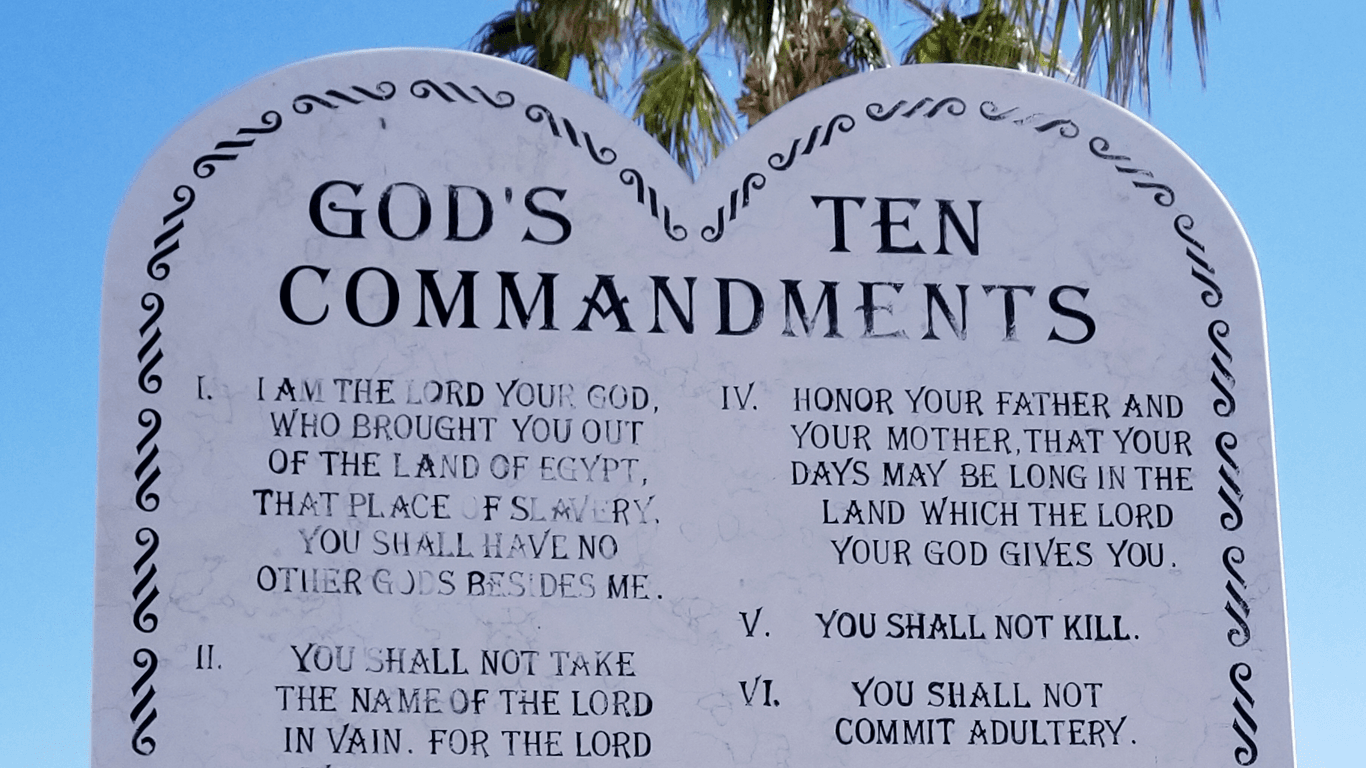
Gorgeous Texas Can Require Public Schools To Display The Ten Commandments In Classrooms, Us Appeals Court Rules Wallpaper for Mobile
A captivating texas can require public schools to display the ten commandments in classrooms, us appeals court rules scene that brings tranquility and beauty to any device.
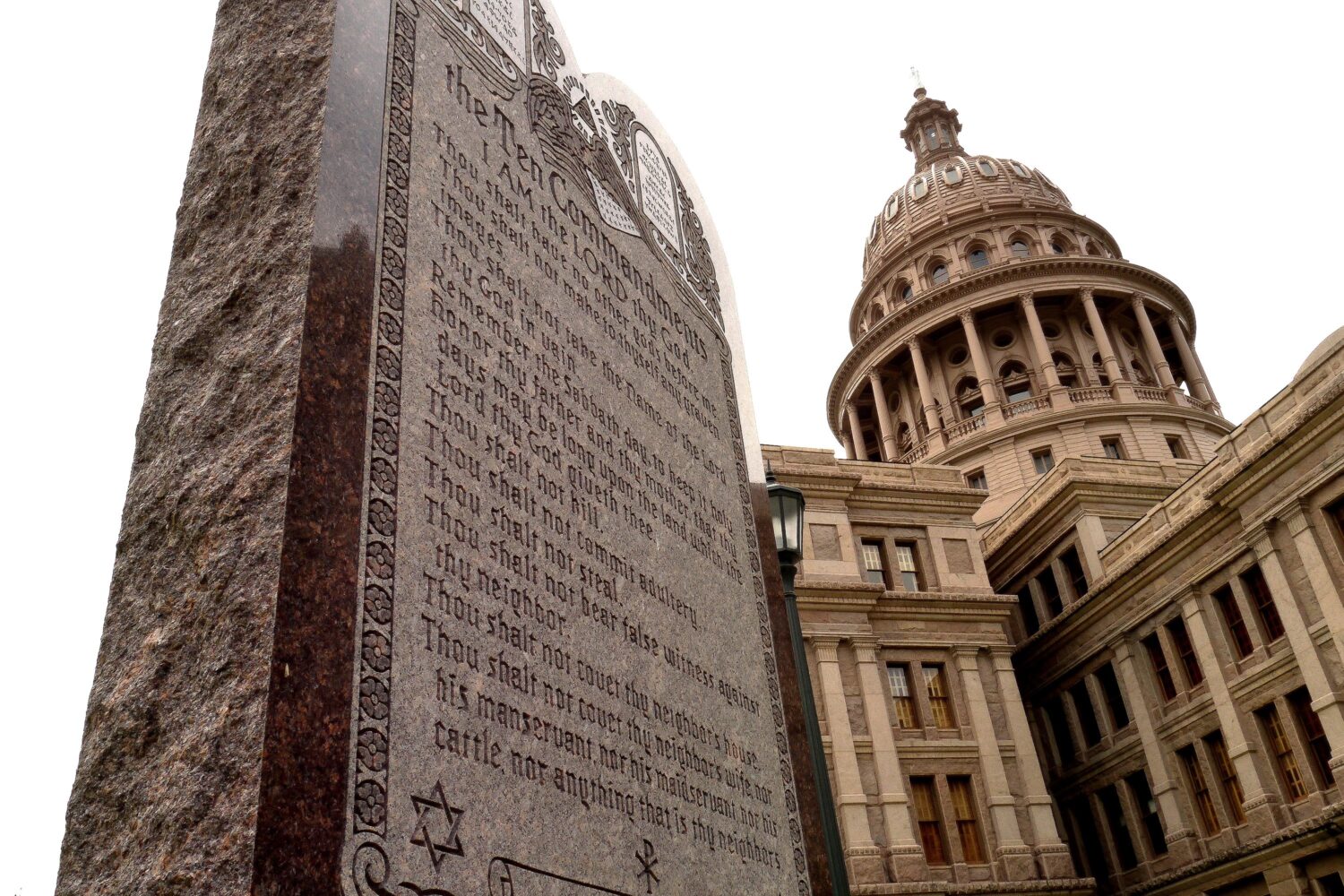
Stunning Texas Can Require Public Schools To Display The Ten Commandments In Classrooms, Us Appeals Court Rules Capture Nature
A captivating texas can require public schools to display the ten commandments in classrooms, us appeals court rules scene that brings tranquility and beauty to any device.

Detailed Texas Can Require Public Schools To Display The Ten Commandments In Classrooms, Us Appeals Court Rules Wallpaper Digital Art
Experience the crisp clarity of this stunning texas can require public schools to display the ten commandments in classrooms, us appeals court rules image, available in high resolution for all your screens.
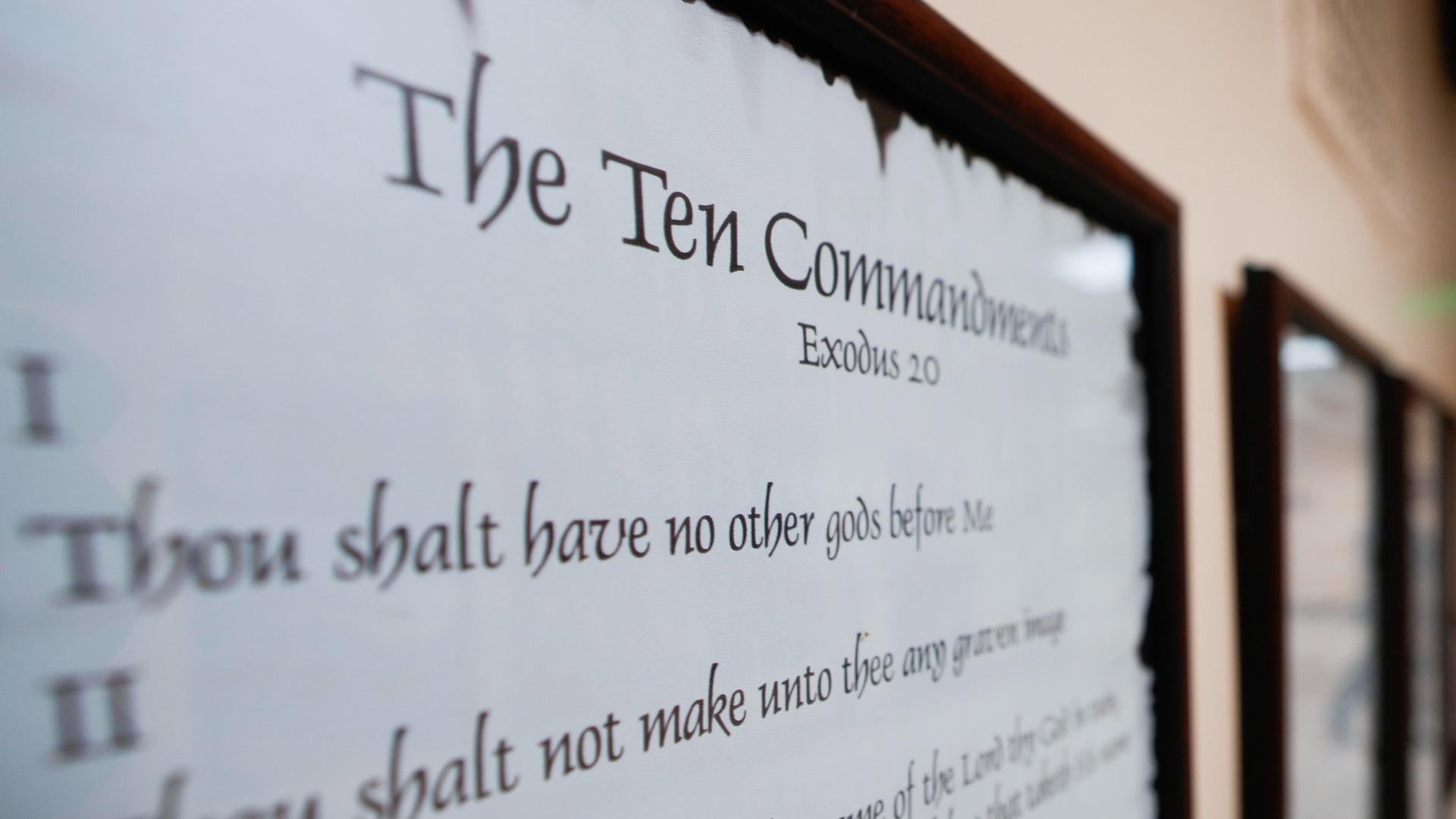
Lush Texas Can Require Public Schools To Display The Ten Commandments In Classrooms, Us Appeals Court Rules View Concept
This gorgeous texas can require public schools to display the ten commandments in classrooms, us appeals court rules photo offers a breathtaking view, making it a perfect choice for your next wallpaper.
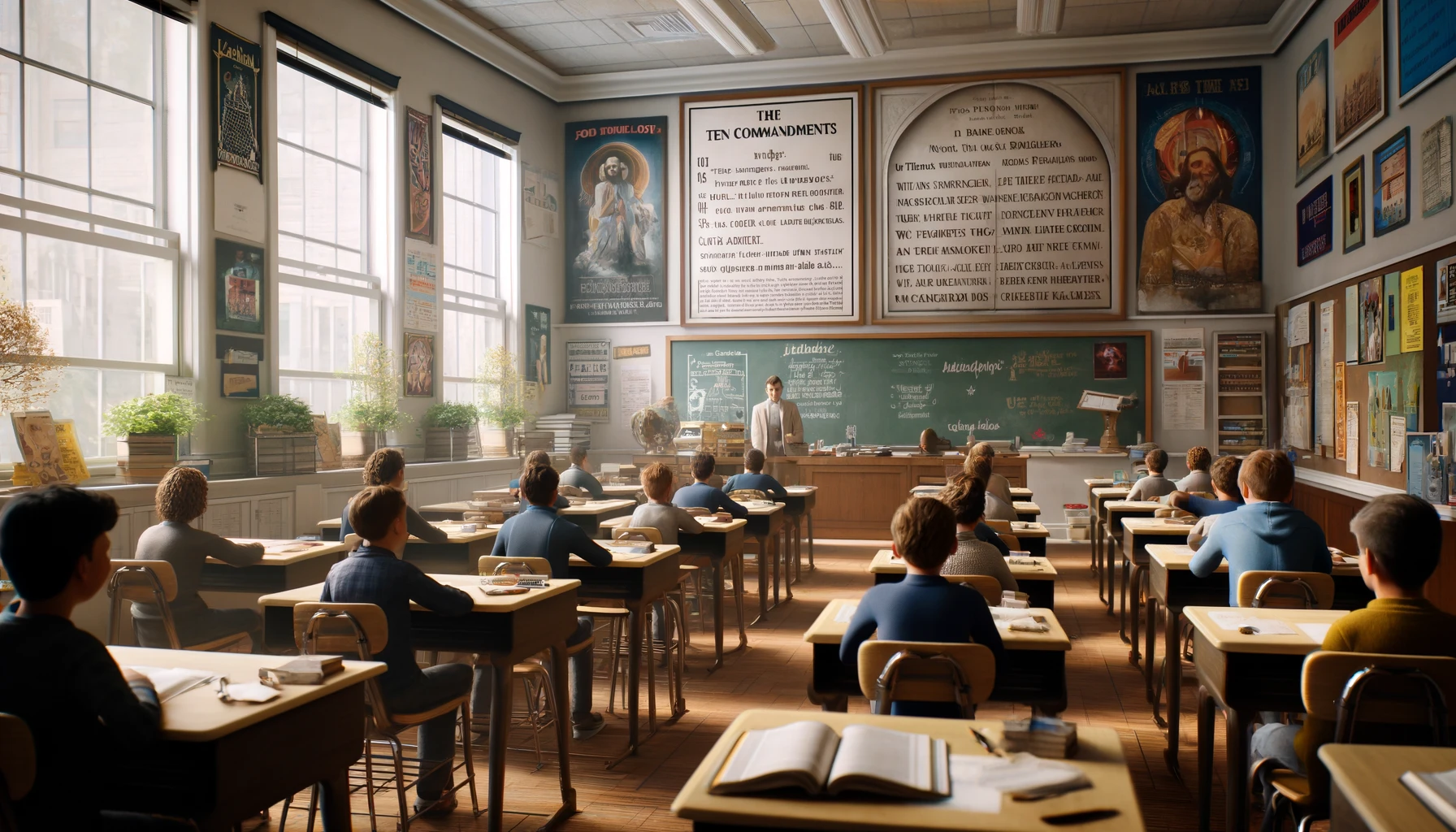
Amazing Texas Can Require Public Schools To Display The Ten Commandments In Classrooms, Us Appeals Court Rules Abstract Collection
Experience the crisp clarity of this stunning texas can require public schools to display the ten commandments in classrooms, us appeals court rules image, available in high resolution for all your screens.

Stunning Texas Can Require Public Schools To Display The Ten Commandments In Classrooms, Us Appeals Court Rules Photo Photography
This gorgeous texas can require public schools to display the ten commandments in classrooms, us appeals court rules photo offers a breathtaking view, making it a perfect choice for your next wallpaper.
Download these texas can require public schools to display the ten commandments in classrooms, us appeals court rules wallpapers for free and use them on your desktop or mobile devices.