The infrastructure NZ can’t afford to keep
The infrastructure NZ can’t afford to keep
New Zealand is currently grappling with a staggering infrastructure deficit that threatens to undermine the nation’s economic stability and standard of living. For decades, the country has relied on a model of public funding that is now reaching its breaking point, leaving a trail of leaky hospitals, crumbling schools, and congested roads. As the total cost to fix and maintain the nation’s assets swells toward a projected $1 trillion over the next thirty years, policymakers and citizens alike are facing a hard truth: there is a growing list of infrastructure projects and existing assets that the current fiscal framework simply cannot sustain. From aging water pipes to under-maintained regional networks, the gap between what New Zealanders expect and what the government can afford to deliver has never been wider. This crisis is not just about building new things; it is about the long-term sustainability of the assets we already have and the difficult choices required to prevent a total systemic failure.
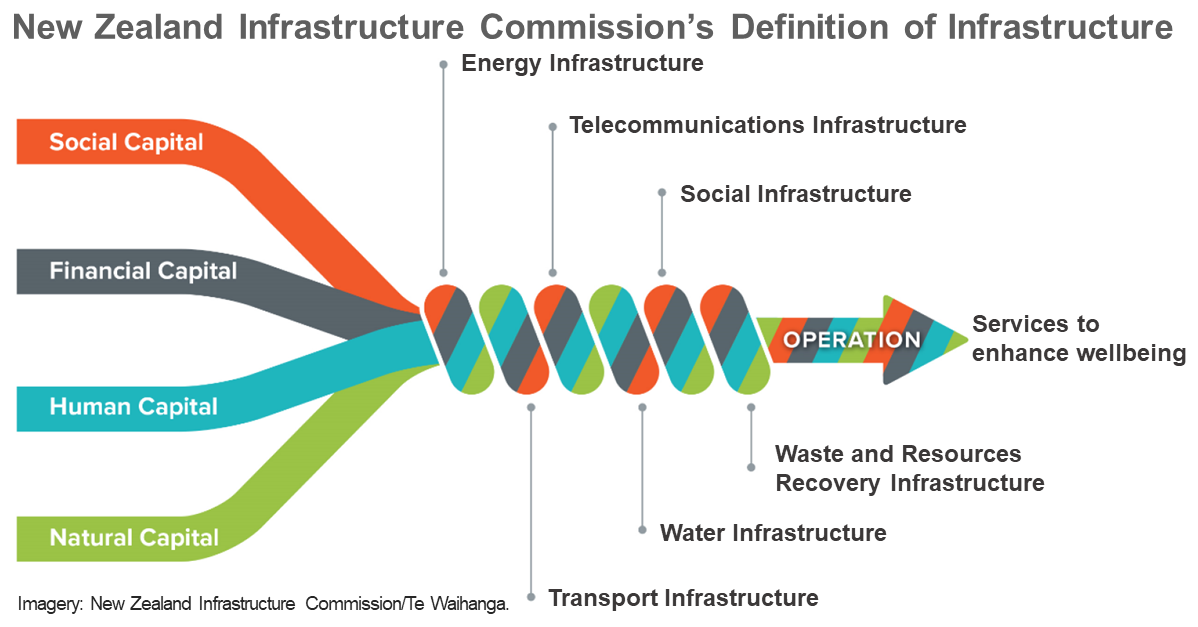
The infrastructure NZ can’t afford to keep refers to the massive backlog of aging assets—estimated at a $210 billion deficit—that require more funding for maintenance and renewals than the current tax and rate base can provide. With the New Zealand Infrastructure Commission identifying that $60 should be spent on maintenance for every $40 spent on new builds, the nation is struggling to manage a "long tail" of costs associated with schools, hospitals, and transport networks. Without a shift toward private investment, user-pays models, and asset recycling, New Zealand faces a future where critical services may fail due to a lack of sustainable funding and efficient asset management.
The Trillion-Dollar Challenge: Quantifying the Deficit
The scale of New Zealand’s infrastructure problem is almost difficult to comprehend. Recent data from the New Zealand Infrastructure Commission, Te Waihanga, suggests that the country faces a historical deficit of approximately $104 billion. However, this is only the starting point. When accounting for future demand, climate change adaptation, and the necessary upgrades to meet modern standards, the total bill over the next three decades is estimated to exceed $1 trillion. This figure represents more than just a "to-do list"; it is a financial burden that the public sector cannot shoulder alone. Currently, public investment sits at about 5.5% of GDP, and nearly doubling this would be required to close the gap—a move that is fiscally unpalatable for both central and local governments.
The "infrastructure NZ can’t afford to keep" concept stems from the realization that every new asset built comes with a long-term commitment to maintenance. For years, New Zealand has focused on the excitement of new projects while neglecting the "boring" work of renewals. This has led to a situation where nearly 60% of all infrastructure investment should ideally be going toward renewals just to keep current assets functioning. Because this hasn't happened, the country is now faced with assets that are failing prematurely, leading to emergency repairs that cost significantly more than planned maintenance.
The Maintenance Gap: Why Renewals are Falling Behind
A critical issue highlighted by experts is the imbalance between new builds and asset management. New Zealand ranks fourth to last in the OECD for asset management practices. This means that many government agencies and local councils don't just lack the money to fix their assets; in some cases, they don't even have accurate registers of what they own or what condition those assets are in. This lack of data leads to "blind" decision-making, where maintenance is deferred until a pipe bursts or a bridge becomes unsafe.
The Infrastructure Commission estimates that for every $40 spent on new infrastructure, the nation should be investing $60 in maintenance and renewals. In practice, the reverse is often true. The result is "leaky" infrastructure—not just in the literal sense of water pipes losing 20-30% of their volume before reaching consumers, but also in schools with failing roofs, mouldy police stations, and hospitals that are no longer fit for modern clinical standards. This deferred maintenance creates a vicious cycle where assets deteriorate faster, requiring even more expensive replacements earlier than planned.
Water Infrastructure: A Glaring Example of Underinvestment
Perhaps no sector illustrates the crisis better than water. For decades, water services have been funded through local government rates, which have often been kept artificially low to appease voters. This has resulted in a massive underinvestment in wastewater, stormwater, and drinking water networks. We are now seeing the consequences: boil-water notices in major tourist hubs, wastewater overflows into harbors during rain events, and a total investment requirement for water services estimated between $120 billion and $180 billion over the next 30 years.
The "Local Water Done Well" program is the government’s current attempt to address this, focusing on lifting investment and putting downward pressure on costs. However, the reality remains that the sheer volume of work required is staggering. Without implementing water metering and user-pays models—which help manage demand and provide a dedicated revenue stream—many councils will find that their water infrastructure is simply something they "can’t afford to keep" in its current state of disrepair.
Transport and the High Cost of "Bespoke-ism"
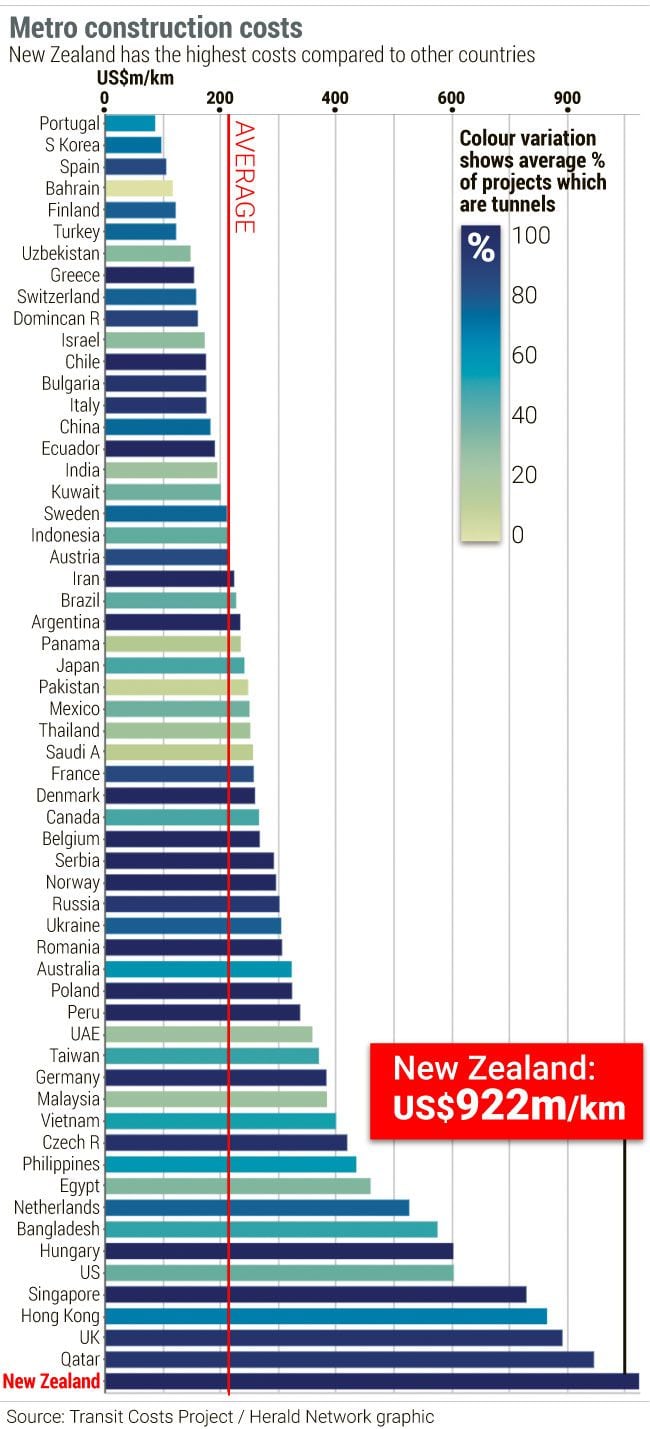
New Zealand’s transport network is another area where costs are skyrocketing. The government has identified 17 Roads of National Significance (RONS) as high-priority projects, but the funding gap for transport remains immense. One reason for these high costs is "bespoke-ism"—the tendency to design every project, bridge, and intersection as a unique, one-off engineering feat rather than using standardized designs. This lacks the efficiency of scale found in countries that build infrastructure more affordably.
Furthermore, New Zealand’s geography and small, dispersed population make infrastructure inherently more expensive per person than in more densely populated nations. We have a population similar to Greater Sydney but spread over an area 21 times larger. This means we have more kilometers of road and pipe per taxpayer to maintain. When you add the high cost of consenting—which wastes an estimated $1.3 billion annually due to regulatory complexity—it becomes clear why our transport infrastructure is becoming a financial black hole.
| Infrastructure Sector | Estimated 30-Year Investment Need |
|---|---|
| Water Services (Wastewater, Stormwater, Drinking) | $120 - $180 Billion |
| Transport (Roads, Rail, Public Transit) | $100+ Billion |
| Health Infrastructure (Hospitals and Clinics) | $115 Billion |
| Energy (Electrification and Renewables) | $50 Billion |
The Role of Private Capital and Asset Recycling
Given that the government cannot fund its way out of this deficit using taxes alone, the conversation is shifting toward private capital. Models like Public-Private Partnerships (PPPs) and asset recycling are being discussed as essential tools. Asset recycling involves leasing or selling government-owned commercial assets—such as stakes in energy companies or property services—and reinvesting those funds into new, critical infrastructure like hospitals or schools. This model has been used successfully in Australia to fund massive metro projects without increasing government debt.
However, there is significant political and public resistance to these models in New Zealand. Critics often view asset recycling as "selling the family silver," while others worry that private involvement in infrastructure will lead to higher costs for users. Yet, the alternative is a worsening deficit. As Finance Minister Nicola Willis has noted, the government cannot borrow more without risking the nation's fiscal stability, and it cannot raise taxes without stifling economic growth. Private capital provides a way to bring forward projects that would otherwise be delayed for decades.
Consenting Red Tape: The Billion-Dollar Barrier
New Zealand’s regulatory system is one of the biggest hurdles to affordable infrastructure. We have over 1,100 different land-use zones across 67 authorities, compared to a country like Japan which has only 13 zones for a much larger population. The process of getting a consent for an infrastructure project is often onerous, costly, and time-consuming. Research shows that consenting costs average 5.5% of total project costs, and for smaller maintenance projects, this can rise to 16%.
The government's introduction of "Fast-track Approvals" is aimed at cutting through this red tape, but the structural issues within the Resource Management Act (RMA) remain. Every year, New Zealand wastes over a billion dollars just on the process of getting permission to build. This "regulatory tax" makes our infrastructure even more unaffordable and is a key reason why we get less "bang for our buck" compared to our OECD peers.
Climate Change and Resilience: Adding to the Bill
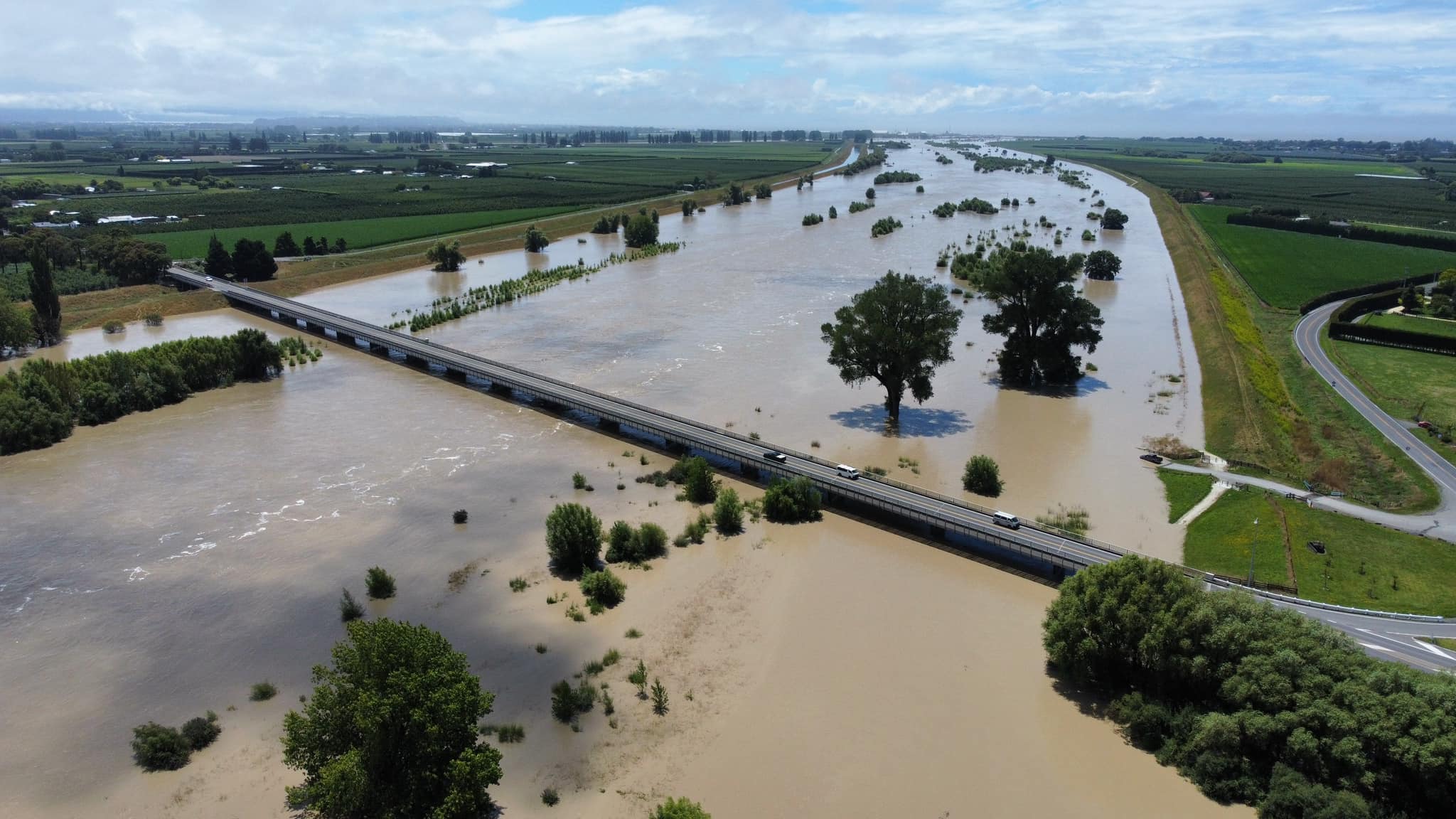
As if the existing deficit wasn't enough, climate change is adding billions of dollars in "must-spend" costs. Extreme weather events, such as Cyclone Gabrielle, have shown how vulnerable New Zealand’s infrastructure is. Rebuilding resilient roading networks and protecting coastal assets from sea-level rise is estimated to cost tens of billions of dollars. This is investment that doesn't necessarily "grow" the economy; it simply prevents it from shrinking due to disasters.
The "infrastructure NZ can’t afford to keep" in this context refers to assets located in high-risk zones that may eventually need to be abandoned or "managed retreated." The cost of protecting every coastal road or low-lying pipe network is simply too high. Hard decisions will need to be made about which communities and assets can be saved and which must be decommissioned as the environment changes.
A National Infrastructure Plan: Moving Toward a Solution
To address these challenges, the government is working on a 30-year National Infrastructure Plan. The goal is to move away from short-term, three-year political cycles and toward a long-term, coordinated strategy. This plan seeks to prioritize projects based on actual need and economic return rather than political gain. It also emphasizes the need for better asset management, standardized procurement, and a shift toward "user-pays" mechanisms where appropriate.
The plan acknowledges that New Zealanders must have a frank discussion about how we pay for the services we use. Whether through tolls, congestion charging, or water meters, the "free" model of infrastructure is no longer viable. If we want world-class hospitals and pothole-free roads, we must be prepared to fund them sustainably. The National Infrastructure Plan is the first step in creating a transparent pipeline of work that gives the construction sector the confidence to invest in the skills and machinery needed to deliver these massive projects.
FAQ
How big is New Zealand's infrastructure deficit?
The current infrastructure deficit is estimated at approximately $104 billion, but the total cost to address all needs over the next 30 years is projected to exceed $1 trillion.
What is asset recycling in the context of NZ infrastructure?
Asset recycling involves the government selling or leasing existing commercial assets (like electricity company stakes) and using the proceeds to fund new, high-priority infrastructure projects like hospitals and schools.
Why is infrastructure so expensive to build in New Zealand?
High costs are driven by a complex consenting system, a small and dispersed population, geologically challenging terrain, and a lack of standardized project designs.
What are the Roads of National Significance (RONS)?
RONS are a group of 17 high-priority roading projects identified by the government as essential for economic growth and regional connectivity.
How much should be spent on maintenance versus new projects?
The Infrastructure Commission suggests that for every $40 spent on new infrastructure, $60 should be allocated to maintenance and renewals to ensure long-term sustainability.
Conclusion
The infrastructure NZ can’t afford to keep is a looming crisis born from decades of neglect and a refusal to face the financial realities of asset management. As the nation stares down a $1 trillion bill, the traditional reliance on government funding is proving insufficient. The path forward requires a fundamental shift in how New Zealand plans, funds, and maintains its essential services. This includes embracing private capital, streamlining the regulatory maze of the RMA, and accepting that users must contribute more directly to the infrastructure they consume. Without these changes, the "infrastructure deficit" will move from a line item in a report to a daily reality of failing pipes, closed bridges, and a declining quality of life for all New Zealanders. The time for "thinking" is now; the time for delivery must follow immediately.
The infrastructure NZ can’t afford to keep
The infrastructure NZ can’t afford to keep Wallpapers
Collection of the infrastructure nz can’t afford to keep wallpapers for your desktop and mobile devices.

Crisp The Infrastructure Nz Can’t Afford To Keep Capture Photography
Find inspiration with this unique the infrastructure nz can’t afford to keep illustration, crafted to provide a fresh look for your background.

Vibrant The Infrastructure Nz Can’t Afford To Keep Design Illustration
Discover an amazing the infrastructure nz can’t afford to keep background image, ideal for personalizing your devices with vibrant colors and intricate designs.
Breathtaking The Infrastructure Nz Can’t Afford To Keep Image Illustration
Transform your screen with this vivid the infrastructure nz can’t afford to keep artwork, a true masterpiece of digital design.

Crisp The Infrastructure Nz Can’t Afford To Keep Design Art
Find inspiration with this unique the infrastructure nz can’t afford to keep illustration, crafted to provide a fresh look for your background.
Spectacular The Infrastructure Nz Can’t Afford To Keep Design in HD
This gorgeous the infrastructure nz can’t afford to keep photo offers a breathtaking view, making it a perfect choice for your next wallpaper.

Amazing The Infrastructure Nz Can’t Afford To Keep Abstract in 4K
Explore this high-quality the infrastructure nz can’t afford to keep image, perfect for enhancing your desktop or mobile wallpaper.
Detailed The Infrastructure Nz Can’t Afford To Keep Design for Your Screen
Discover an amazing the infrastructure nz can’t afford to keep background image, ideal for personalizing your devices with vibrant colors and intricate designs.

Vivid The Infrastructure Nz Can’t Afford To Keep Capture Collection
Discover an amazing the infrastructure nz can’t afford to keep background image, ideal for personalizing your devices with vibrant colors and intricate designs.

Vibrant The Infrastructure Nz Can’t Afford To Keep View for Your Screen
Explore this high-quality the infrastructure nz can’t afford to keep image, perfect for enhancing your desktop or mobile wallpaper.

Dynamic The Infrastructure Nz Can’t Afford To Keep Artwork in 4K
A captivating the infrastructure nz can’t afford to keep scene that brings tranquility and beauty to any device.

Breathtaking The Infrastructure Nz Can’t Afford To Keep Capture Photography
Transform your screen with this vivid the infrastructure nz can’t afford to keep artwork, a true masterpiece of digital design.

Vibrant The Infrastructure Nz Can’t Afford To Keep Background Nature
Discover an amazing the infrastructure nz can’t afford to keep background image, ideal for personalizing your devices with vibrant colors and intricate designs.

Spectacular The Infrastructure Nz Can’t Afford To Keep Wallpaper Collection
Immerse yourself in the stunning details of this beautiful the infrastructure nz can’t afford to keep wallpaper, designed for a captivating visual experience.

Dynamic The Infrastructure Nz Can’t Afford To Keep Background for Your Screen
Immerse yourself in the stunning details of this beautiful the infrastructure nz can’t afford to keep wallpaper, designed for a captivating visual experience.
Crisp The Infrastructure Nz Can’t Afford To Keep View in HD
Immerse yourself in the stunning details of this beautiful the infrastructure nz can’t afford to keep wallpaper, designed for a captivating visual experience.
Amazing The Infrastructure Nz Can’t Afford To Keep Picture for Desktop
Discover an amazing the infrastructure nz can’t afford to keep background image, ideal for personalizing your devices with vibrant colors and intricate designs.

Amazing The Infrastructure Nz Can’t Afford To Keep Wallpaper for Desktop
Explore this high-quality the infrastructure nz can’t afford to keep image, perfect for enhancing your desktop or mobile wallpaper.
Crisp The Infrastructure Nz Can’t Afford To Keep Background Art
A captivating the infrastructure nz can’t afford to keep scene that brings tranquility and beauty to any device.
High-Quality The Infrastructure Nz Can’t Afford To Keep Moment Illustration
Transform your screen with this vivid the infrastructure nz can’t afford to keep artwork, a true masterpiece of digital design.
Vivid The Infrastructure Nz Can’t Afford To Keep Artwork Photography
Explore this high-quality the infrastructure nz can’t afford to keep image, perfect for enhancing your desktop or mobile wallpaper.
Download these the infrastructure nz can’t afford to keep wallpapers for free and use them on your desktop or mobile devices.