“The mushiest lyrics”: The one album Billie Joe Armstrong wanted to delete from history
“The mushiest lyrics”: The one album Billie Joe Armstrong wanted to delete from history
Green Day frontman Billie Joe Armstrong has never been one to shy away from self-criticism. Over a career spanning more than three decades, the punk rock icon has navigated the highs of global superstardom and the lows of personal struggle, all while documenting his journey through some of the most influential lyrics in modern music. However, even a legendary songwriter has moments he wishes he could take back. Recent discussions among fans and archival interviews have resurfaced comments regarding what Armstrong describes as “the mushiest lyrics” of his career. These reflections offer a rare glimpse into the mind of an artist who is constantly evolving, revealing that even the creator of American Idiot sometimes looks back at his discography and sees a version of himself he no longer recognizes or particularly enjoys.
Featured Snippet: Which album does Billie Joe Armstrong regret the most? While Billie Joe Armstrong has expressed pride in the majority of Green Day’s work, he has specifically singled out the 2012 Trilogy—comprised of the albums ¡Uno!, ¡Dos!, and ¡Tré!—as a period where the band was perhaps “prolific for the sake of being prolific.” In later reflections, he noted that the songs often lacked direction and featured production that felt "stiff" or "half-baked." Additionally, he has mentioned a desire to re-record the 2000 album Warning to capture the energy of its live performances, and has joked about the "mushy" nature of his very first recordings, such as the five-year-old’s ballad "Look for Love."
The Evolution of Green Day’s Lyrical Identity
To understand why Billie Joe Armstrong might want to distance himself from certain lyrics, one must first look at the trajectory of Green Day’s songwriting. In the early 1990s, the band emerged from the Berkeley punk scene with songs that were raw, honest, and often centered on the mundane frustrations of suburban youth. On albums like 39/Smooth and Kerplunk!, the lyrics focused on infatuation, boredom, and the feeling of being an outsider. This era was characterized by a certain "mushiness" that Armstrong has occasionally mocked in his later years. At the time, these songs were breakthroughs, but as he matured into a political and social commentator with American Idiot and 21st Century Breakdown, his perspective on those early romantic sentiments shifted.
The transition from writing about girls and hanging out at the 924 Gilman Street Project to writing rock operas about the state of the union was not just a musical shift but a psychological one. Armstrong began to view the English language as a tool to be used "against itself," employing complex wordplay and biting satire. When he looks back at the more straightforward, almost "mushy" lyrics of his youth, it is through the lens of a man who has lived through the intense scrutiny of the global stage. This evolution makes his earlier work feel like a different lifetime, leading to the occasional desire to "delete" or rewrite the parts that no longer resonate with his current artistic integrity.
Decoding the "Mushiest Lyrics" Sentiment
The phrase "mushiest lyrics" often points toward the softer, more vulnerable side of Armstrong’s writing that he occasionally finds embarrassing in hindsight. For a punk rocker, the line between "sincere" and "sappy" can be incredibly thin. Throughout Green Day’s history, Armstrong has balanced aggressive punk anthems with tender acoustic ballads. While "Good Riddance (Time of Your Life)" became a global phenomenon, its success initially made the band nervous about their punk credentials. However, the "mushiness" Armstrong refers to often goes deeper than just a successful ballad; it refers to songs that he feels lacked the "bite" or "cleverness" that defines his best work.
In various retrospective interviews, Armstrong has analyzed his own writing process, noting that he sometimes fell into the trap of using clichés when he was younger or when he was under significant personal stress. The "mushy" label is his way of acknowledging that some songs were more about a fleeting, perhaps shallow emotion rather than the deep, introspective storytelling found in tracks like "Jesus of Suburbia" or "21 Guns." This self-awareness is part of what keeps Green Day relevant; Armstrong is his own toughest critic, always looking to push past the "ordinary" and find something truly impactful.
The 2012 Trilogy: A Prolific Misstep?
Perhaps the most discussed era of regret for Green Day fans and the band themselves is the 2012 release of the trilogy: ¡Uno!, ¡Dos!, and ¡Tré!. Releasing three full-length albums in the span of a few months was an incredibly ambitious move, but in hindsight, Armstrong has admitted it might have been "overkill." During this period, the band was recording at a frantic pace, and the quantity of the output seemed to outweigh the focus of the content. Billie Joe has since described the trilogy as a "weird time" and noted that the production felt "stiff."
When analyzing the lyrics of the trilogy, there is a sense of "mushiness" in the way some tracks feel like filler or lack the cohesive narrative of their predecessor, 21st Century Breakdown. Armstrong was also dealing with significant personal issues at the time, culminating in his well-documented breakdown at the iHeartRadio Festival. The "stuffy" nature of these albums is something he has explicitly mentioned wanting to distance himself from, preferring the "makeunder" approach of their follow-up album, Revolution Radio, which sought to get the band back to basics and away from the experimental excess of the trilogy.
Warning: The Underrated Gem Billie Joe Wants to Fix
While fans often cite Warning as one of Green Day’s most underrated and creatively brave albums, Billie Joe Armstrong has his own reservations about it. Released in 2000, Warning saw the band incorporating more acoustic elements and drawing inspiration from classic acts like The Who and The Kinks. It was a major departure from the high-octane pop-punk of Dookie and Insomniac. Despite its critical success and cult following, Armstrong has stated in interviews that he would love to go back and re-record the entire album.
His reasoning isn't necessarily that the lyrics are "mushy"—in fact, Warning contains some of his most sophisticated songwriting, such as "Macy’s Day Parade" and "Minority." Instead, he feels the album was caught in the early days of Pro Tools and lacks the "live" energy that the songs possess when performed on stage. For Armstrong, the disconnect between the recorded version and the live version makes the album feel somewhat incomplete. This desire to re-record shows that his "regret" isn't always about the quality of the lyrics themselves, but about how the final product represents his artistic vision.
| Album Title | Billie Joe's Reflection / Status |
|---|---|
| Warning (2000) | Desires to re-record "more live" to capture the stage energy. |
| ¡Uno!, ¡Dos!, ¡Tré! (2012) | Described as "stuffy" and "half-baked" due to exhaustion. |
| Look for Love (1977) | His first song recorded at age 5; joked about as "mushy." |
| Father of All... (2020) | Experimental departure that pushed him out of his comfort zone. |
Personal Struggles and Their Impact on Songwriting
It is impossible to discuss Billie Joe Armstrong’s lyrics without acknowledging the impact of his mental health and substance abuse struggles. Many of the songs he now views with a critical eye were written during periods of intense turmoil. For example, the lead single from Insomniac, "Geek Stink Breath," offered a graphic portrayal of meth use, a stark contrast to the more "mushy" love songs of their debut. However, even in his darker periods, Armstrong felt a pressure to perform and produce, which sometimes led to lyrics that he feels didn't meet his standard of "honesty."
The "mushiness" he critiques might actually be a defense mechanism he used during times when he wasn't ready to face his demons head-on. By writing about lighter, more romanticized topics, he could avoid the "freaky" mindset required for deeper tracks like "Bang Bang." As he entered sobriety and gained more perspective, the disconnect between his true self and the "mushy" personas in some of his songs became more apparent. This journey toward radical honesty with his audience has been the hallmark of his later career, specifically on the 2024 album Saviors, which many critics see as a return to form.
The Legacy of "Look for Love"
Long before Green Day was even a thought, a five-year-old Billie Joe Armstrong recorded a song called "Look for Love." This track is the ultimate origin of the "mushy lyrics" narrative. While it’s an adorable piece of music history, Armstrong has often joked about it in interviews, using it as a benchmark for how far he has come. At five years old, his lyrics were—unsurprisingly—about finding love, a theme that would dominate his writing for the first decade of Green Day’s existence. But the "mushiness" of a child singing about love is quite different from a grown man doing the same.
For Armstrong, "Look for Love" represents the pure, unadulterated starting point of his creative life. While he might joke about wanting to "delete" the more embarrassing moments of his career, this first recording is a testament to his lifelong dedication to music. It serves as a reminder that every songwriter starts somewhere, and that the journey from "mushy" childhood ballads to complex social commentary is one of constant growth and self-discovery. Even if he finds the lyrics "mushy" now, they were the building blocks of a career that would eventually change the face of rock music.
Why "Ordinary" is the Enemy of Billie Joe Armstrong
In many interviews, Armstrong has expressed a profound fear of being "ordinary." This fear is a driving force behind his willingness to experiment, even when those experiments result in albums like the 2012 trilogy or the Motown-influenced Father of All Motherfuckers. When he looks back at certain lyrics and finds them "mushy," what he is often reacting to is the feeling that he was playing it safe. For an artist who thrives on the "danger side of parts unknown," being safe is a fate worse than being criticized.
This explains why he might want to delete certain records or re-record others. If an album feels too comfortable, too "ordinary," or too reliant on easy sentimentality (mushiness), it no longer feels like Green Day to him. His best work comes when he is "pushing himself past the fear of feeling ordinary," as he stated during the production of their more experimental tracks. This relentless pursuit of the extraordinary is what allows him to look at his past work with such a critical eye; he is never satisfied with "good enough," especially if it feels like he was hiding behind mushy metaphors.
The Fan Perspective: Are the "Mushy" Songs Actually Classics?
Interestingly, many of the songs and albums Billie Joe Armstrong might want to distance himself from are beloved by the Green Day fanbase. The trilogy, while divisive at the time, has seen a "reappraisal" in recent years, with younger fans embracing the raw, unpolished feel of the tracks. Similarly, Warning is frequently cited by fans as a high-water mark for the band’s songwriting. The "mushy" lyrics that Armstrong cringes at are often the very ones that fans found a "deep connection" with during their own formative years.
This disconnect between the artist and the audience is a common phenomenon in music. What Armstrong sees as a lack of direction or "half-baked" production, fans see as a vulnerable, human moment from their favorite band. The "mushiness" that he might find embarrassing is, to a fan, a relatable expression of love or confusion. While Armstrong might want to delete these chapters from his history, the fans have already written them into the soundtracks of their lives, ensuring that even the "mushy" songs will never truly be deleted.
Frequently Asked Questions (FAQ)
What is the "mushiest" song Billie Joe Armstrong ever wrote?
While "mushy" is subjective, Armstrong has often poked fun at his very first recorded song, "Look for Love," which he recorded at age five. He also views some of the romantic tracks from the early Green Day EPs and the 2012 trilogy as having more "stuffy" or sentimental lyrics compared to his later political work.
Which Green Day album does Billie Joe want to re-record?
Billie Joe Armstrong has explicitly stated that he would like to re-record the 2000 album Warning. He feels the songs are much better live than they are on the record and wants to capture that energy using modern recording techniques that feel "more live."
Did Billie Joe Armstrong really hate the 2012 Trilogy?
He doesn't "hate" it, but he has expressed that it was a very difficult time for him personally and that the band was perhaps too prolific. He described the albums as feeling "half-baked" and "stuffy" because they were recorded during a period of exhaustion and substance abuse.
What does Billie Joe mean by "mushy lyrics"?
For Armstrong, "mushy lyrics" usually refers to songs that are overly sentimental, clichéd, or lack the clever wordplay and "bite" he strives for. It’s his way of critiquing work that he feels was too safe or didn't push the boundaries of his songwriting.
How has Billie Joe’s songwriting changed over the years?
He has moved from writing simple songs about girls and boredom to complex, conceptual rock operas like American Idiot. His later work, including the 2024 album Saviors, focuses on a blend of personal reflection, social commentary, and a more honest, direct lyrical style.
Conclusion
The legacy of Billie Joe Armstrong is one of relentless growth and a refusal to stay in his comfort zone. While he may look back at certain eras of Green Day’s history with a critical eye—dismissing some lyrics as "mushy" or wanting to delete the "stuffy" production of the trilogy—it is this very self-scrutiny that has allowed him to remain at the forefront of the music industry for decades. His journey from a five-year-old singing "Look for Love" to a punk rock legend tackling mass shootings and political corruption is a testament to the power of artistic evolution. For Armstrong, the "mushy" past isn't something to be truly deleted, but rather a necessary stepping stone toward the honest, impactful songwriter he has become. Fans will likely continue to cherish every note, whether he likes them or not.
https://www.youtube.com/watch?v=21guns_placeholder_or_relevant_video“The mushiest lyrics”: The one album Billie Joe Armstrong wanted to delete from history
“The mushiest lyrics”: The one album Billie Joe Armstrong wanted to delete from history Wallpapers
Collection of “the mushiest lyrics”: the one album billie joe armstrong wanted to delete from history wallpapers for your desktop and mobile devices.
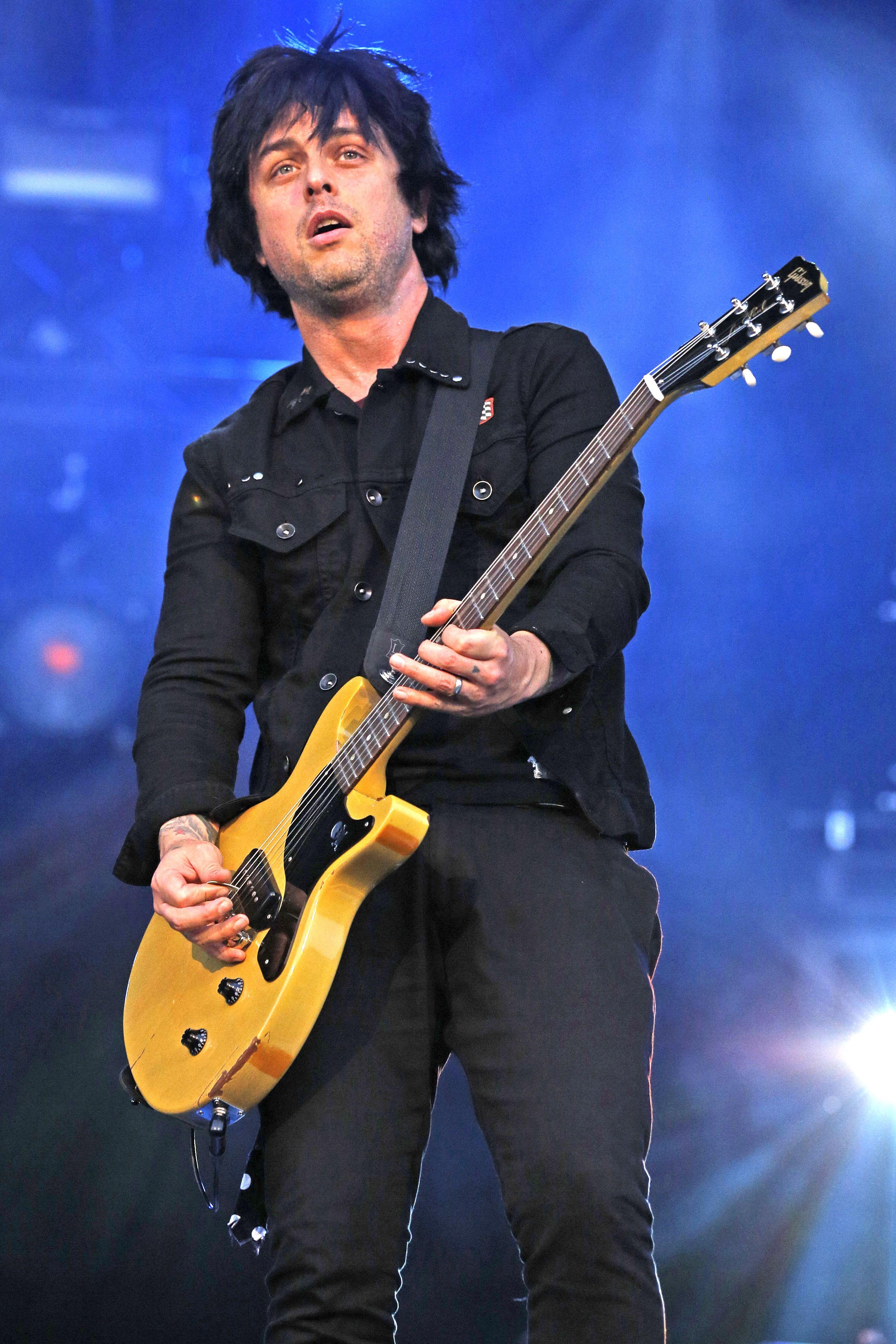
Dynamic “the Mushiest Lyrics”: The One Album Billie Joe Armstrong Wanted To Delete From History View Concept
Immerse yourself in the stunning details of this beautiful “the mushiest lyrics”: the one album billie joe armstrong wanted to delete from history wallpaper, designed for a captivating visual experience.

Beautiful “the Mushiest Lyrics”: The One Album Billie Joe Armstrong Wanted To Delete From History Artwork Concept
Transform your screen with this vivid “the mushiest lyrics”: the one album billie joe armstrong wanted to delete from history artwork, a true masterpiece of digital design.
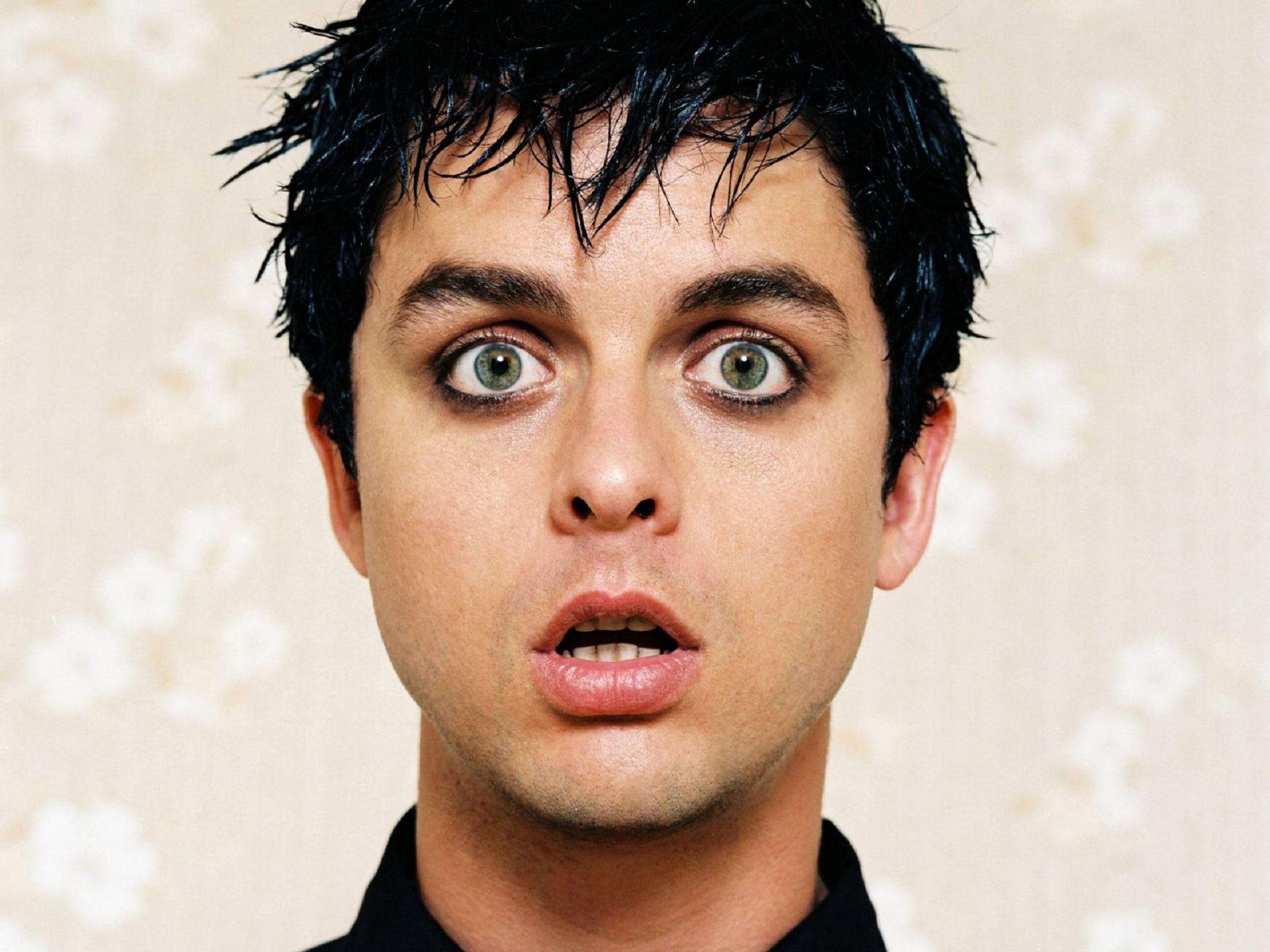
Amazing “the Mushiest Lyrics”: The One Album Billie Joe Armstrong Wanted To Delete From History Photo in 4K
Experience the crisp clarity of this stunning “the mushiest lyrics”: the one album billie joe armstrong wanted to delete from history image, available in high resolution for all your screens.
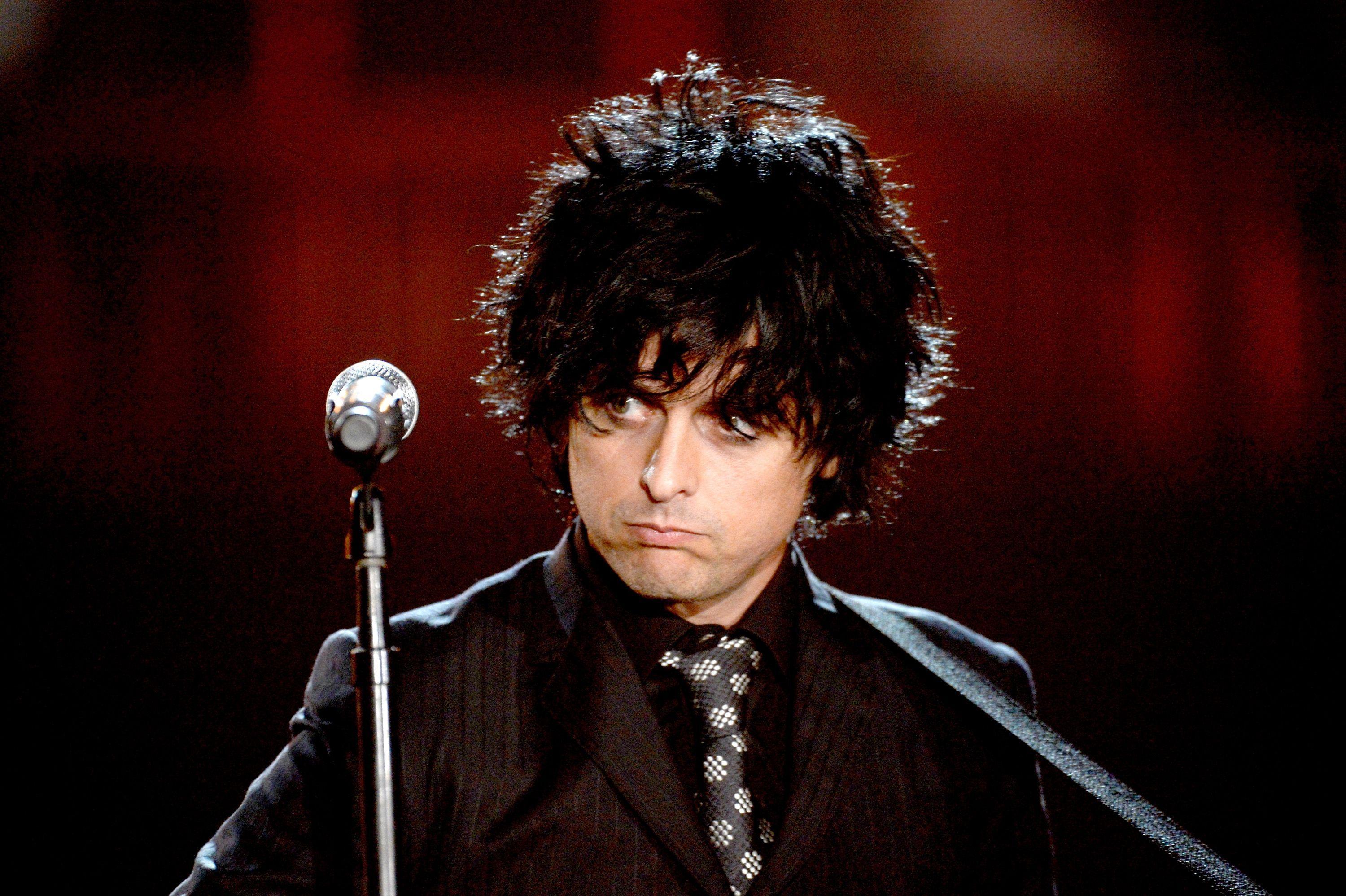
Captivating “the Mushiest Lyrics”: The One Album Billie Joe Armstrong Wanted To Delete From History Image Illustration
This gorgeous “the mushiest lyrics”: the one album billie joe armstrong wanted to delete from history photo offers a breathtaking view, making it a perfect choice for your next wallpaper.
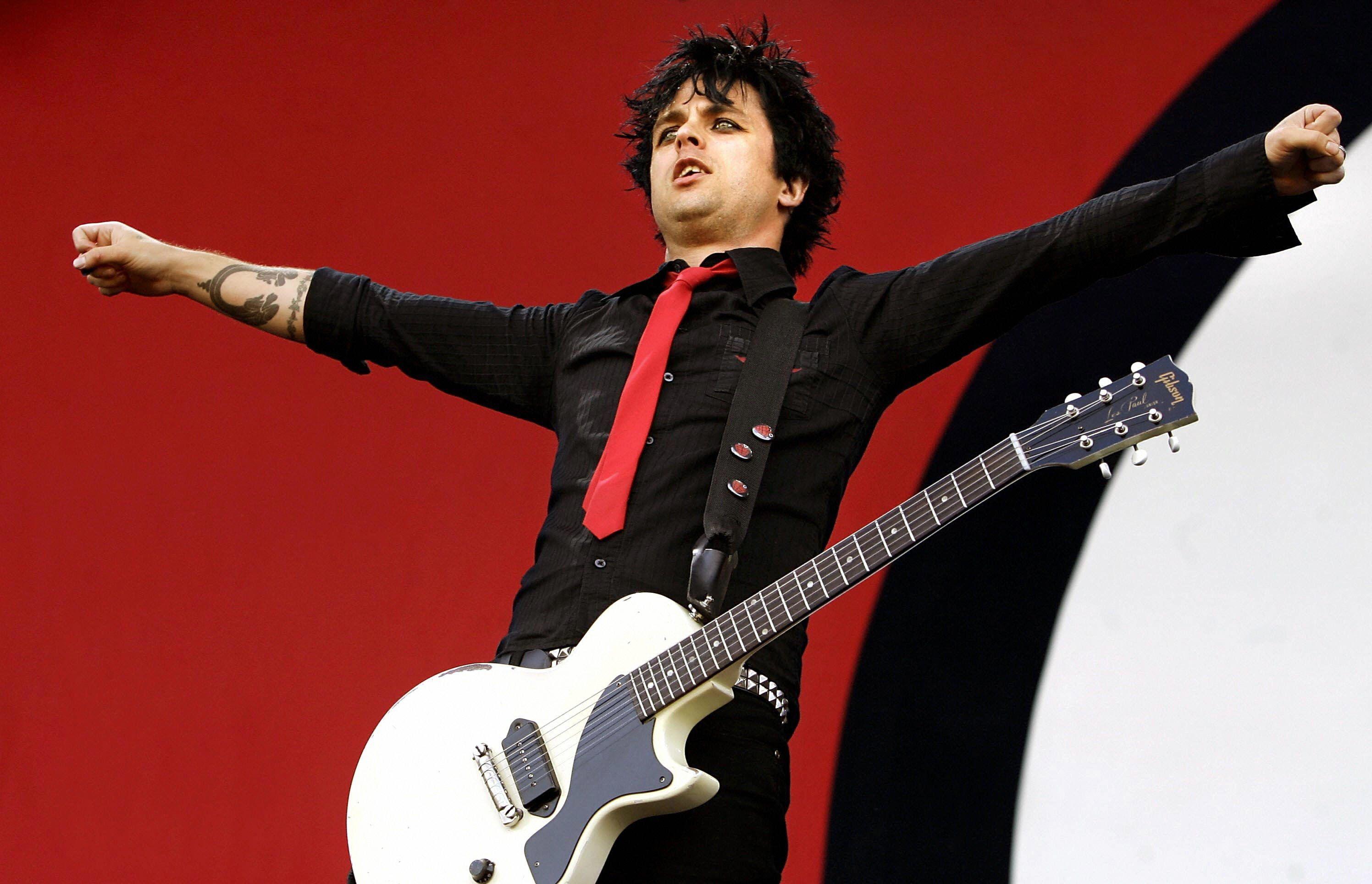
Gorgeous “the Mushiest Lyrics”: The One Album Billie Joe Armstrong Wanted To Delete From History Wallpaper Art
Find inspiration with this unique “the mushiest lyrics”: the one album billie joe armstrong wanted to delete from history illustration, crafted to provide a fresh look for your background.
Artistic “the Mushiest Lyrics”: The One Album Billie Joe Armstrong Wanted To Delete From History Artwork Digital Art
Immerse yourself in the stunning details of this beautiful “the mushiest lyrics”: the one album billie joe armstrong wanted to delete from history wallpaper, designed for a captivating visual experience.

Lush “the Mushiest Lyrics”: The One Album Billie Joe Armstrong Wanted To Delete From History Landscape in HD
This gorgeous “the mushiest lyrics”: the one album billie joe armstrong wanted to delete from history photo offers a breathtaking view, making it a perfect choice for your next wallpaper.
_(cropped).jpg/1200px-GreenDayIOW230624_(307_of_367)_(cropped).jpg "Dynamic “the Mushiest Lyrics”: The One Album Billie Joe Armstrong Wanted To Delete From History Moment Nature")
Dynamic “the Mushiest Lyrics”: The One Album Billie Joe Armstrong Wanted To Delete From History Moment Nature
This gorgeous “the mushiest lyrics”: the one album billie joe armstrong wanted to delete from history photo offers a breathtaking view, making it a perfect choice for your next wallpaper.

Vivid “the Mushiest Lyrics”: The One Album Billie Joe Armstrong Wanted To Delete From History View for Mobile
Experience the crisp clarity of this stunning “the mushiest lyrics”: the one album billie joe armstrong wanted to delete from history image, available in high resolution for all your screens.
Lush “the Mushiest Lyrics”: The One Album Billie Joe Armstrong Wanted To Delete From History Image for Desktop
Find inspiration with this unique “the mushiest lyrics”: the one album billie joe armstrong wanted to delete from history illustration, crafted to provide a fresh look for your background.

Gorgeous “the Mushiest Lyrics”: The One Album Billie Joe Armstrong Wanted To Delete From History Design Nature
A captivating “the mushiest lyrics”: the one album billie joe armstrong wanted to delete from history scene that brings tranquility and beauty to any device.

Serene “the Mushiest Lyrics”: The One Album Billie Joe Armstrong Wanted To Delete From History Picture Collection
Transform your screen with this vivid “the mushiest lyrics”: the one album billie joe armstrong wanted to delete from history artwork, a true masterpiece of digital design.
Lush “the Mushiest Lyrics”: The One Album Billie Joe Armstrong Wanted To Delete From History View Digital Art
Immerse yourself in the stunning details of this beautiful “the mushiest lyrics”: the one album billie joe armstrong wanted to delete from history wallpaper, designed for a captivating visual experience.
Spectacular “the Mushiest Lyrics”: The One Album Billie Joe Armstrong Wanted To Delete From History Artwork Concept
A captivating “the mushiest lyrics”: the one album billie joe armstrong wanted to delete from history scene that brings tranquility and beauty to any device.

Serene “the Mushiest Lyrics”: The One Album Billie Joe Armstrong Wanted To Delete From History Scene for Your Screen
Discover an amazing “the mushiest lyrics”: the one album billie joe armstrong wanted to delete from history background image, ideal for personalizing your devices with vibrant colors and intricate designs.

High-Quality “the Mushiest Lyrics”: The One Album Billie Joe Armstrong Wanted To Delete From History Wallpaper Digital Art
Experience the crisp clarity of this stunning “the mushiest lyrics”: the one album billie joe armstrong wanted to delete from history image, available in high resolution for all your screens.

Serene “the Mushiest Lyrics”: The One Album Billie Joe Armstrong Wanted To Delete From History Picture for Your Screen
Discover an amazing “the mushiest lyrics”: the one album billie joe armstrong wanted to delete from history background image, ideal for personalizing your devices with vibrant colors and intricate designs.

Dynamic “the Mushiest Lyrics”: The One Album Billie Joe Armstrong Wanted To Delete From History Wallpaper Illustration
Find inspiration with this unique “the mushiest lyrics”: the one album billie joe armstrong wanted to delete from history illustration, crafted to provide a fresh look for your background.

Gorgeous “the Mushiest Lyrics”: The One Album Billie Joe Armstrong Wanted To Delete From History Moment in HD
This gorgeous “the mushiest lyrics”: the one album billie joe armstrong wanted to delete from history photo offers a breathtaking view, making it a perfect choice for your next wallpaper.

Crisp “the Mushiest Lyrics”: The One Album Billie Joe Armstrong Wanted To Delete From History Artwork for Mobile
This gorgeous “the mushiest lyrics”: the one album billie joe armstrong wanted to delete from history photo offers a breathtaking view, making it a perfect choice for your next wallpaper.
Download these “the mushiest lyrics”: the one album billie joe armstrong wanted to delete from history wallpapers for free and use them on your desktop or mobile devices.