The thorny issues facing F1 over racing, qualifying and safety
The thorny issues facing F1 over racing, qualifying and safety
The 2026 Formula 1 season has arrived with a mixture of technological wonder and deep-seated anxiety. As the sport embarks on its most ambitious regulatory overhaul in history, the community finds itself at a crossroads during an unexpected five-week April break. While the new hybrid power units and sustainable fuels were designed to future-proof the series, the reality on the track has sparked a firestorm of debate among drivers, engineers, and fans. From the cancellation of races in West Asia due to regional instability to the technical "paradox" of energy management, the sport is currently wrestling with existential questions that threaten to overshadow the competitive spectacle. This period of reflection, forced by the gap between the Japanese Grand Prix and the upcoming Miami event, has become a critical window for the FIA and stakeholders to address the growing pains of a new era that many fear is losing its racing DNA.
The primary challenges facing Formula 1 today center on the 50/50 power split between internal combustion and electrical energy, which has forced drivers into a "lift and coast" style of racing that many find underwhelming. Safety has also surged to the top of the agenda following high-speed incidents that exposed dangerous velocity differentials between cars in different energy modes. Furthermore, the qualifying format, once a pure test of raw speed, has become a complex game of battery conservation, leading to calls for immediate surgical adjustments to the technical regulations to ensure the sport remains the pinnacle of motor racing.
The 2026 Regulation Overhaul: A Double-Edged Sword
The 2026 regulations were billed as the most sweeping changes in Formula 1 history. The core of this transition is the power unit, which now generates nearly 1,000 horsepower with a significantly increased reliance on electrical energy. The removal of the MGU-H (Motor Generator Unit - Heat) was a strategic move to attract new manufacturers like Audi and simplify the technology for newcomers like Red Bull Powertrains, who have partnered with Ford. However, this simplification has introduced a new layer of complexity in how power is deployed and recovered during a single lap.
While the focus on sustainability and 100% advanced sustainable fuels is a massive win for F1’s corporate image and environmental goals, the physical manifestation of these rules has been polarizing. The cars are now lighter and feature "nimble" aerodynamic profiles, but the power delivery is no longer a linear surge. Drivers have described the experience as frustrating, with the car's computer systems often dictating when and where power is available, rather than the driver’s right foot. This shift has led to a fundamental question: has the pursuit of technical relevance come at the cost of the raw, visceral racing that fans adore?
Energy Management: Why 'Lift and Coast' is Frustrating Drivers
One of the most vocal critics of the new energy management system is three-time world champion Max Verstappen, who famously compared the 2026 cars to a game of "Mario Kart." The reliance on the battery means that drivers cannot push at 100% for an entire lap. Instead, they must engage in "lift and coast" tactics—easing off the accelerator before corners to harvest energy. This is not just a strategic choice for the final laps of a race; it has become a necessity for almost every lap, even in qualifying.
Lando Norris and Charles Leclerc have echoed these sentiments, noting that the "human element" of finding the limit in high-speed corners is being replaced by the need to manage a battery percentage. At circuits like Suzuka, where corners like Degner One were traditionally high-commitment zones, drivers are now forced to "roll" through the turn to ensure they have enough charge for the following straight. This "super clipping"—where the battery stops providing deployment at the end of a straight—results in a dramatic drop in top speed, making the cars look and feel sluggish to the drivers. Norris described the sensation of watching his speed drop by over 50 km/h on a straightaway as "gut-wrenching."
Safety Concerns: Lessons from the Oliver Bearman Crash
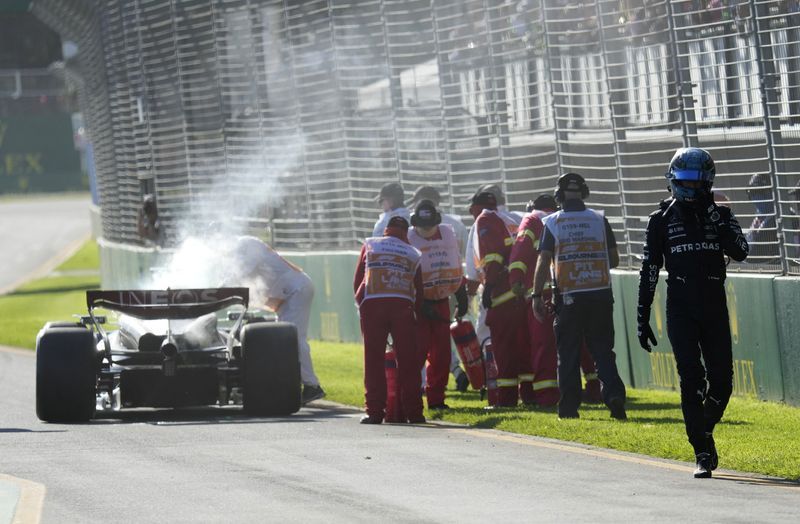
The technical frustrations reached a boiling point at the Japanese Grand Prix when Haas driver Oliver Bearman suffered a frightening crash. The incident was a direct consequence of the 2026 energy rules. Bearman was in a "boost mode" lap, while Alpine's Franco Colapinto was in an "energy-saving" mode. The resulting speed differential between the two cars was estimated at nearly 50 km/h. This "speed gap" on a high-speed section of the track left Bearman with little time to react, leading to a loss of control and a heavy impact with the barriers.
The paddock's reaction was swift and somber. McLaren team principal Andrea Stella emphasized that safety issues, particularly the risks associated with the "lift and coast" of a car ahead, must be the top priority. The concern is that if a driver lifts unexpectedly to save energy while a following car is in full deployment mode, the closing speeds could lead to catastrophic accidents. The FIA has been urged to look at the "dangerous" nature of these closing speeds before the season resumes in Miami, with some suggesting that without changes, "a driver could die."
The Speed Differential Paradox: Risking Lives on the Straights
The "stalling" of cars on long straights is perhaps the most visible flaw in the current technical framework. In previous eras, a Formula 1 car reached its maximum velocity just before the braking zone. Today, because of energy depletion, the car may hit its peak halfway down a straight and then lose significant speed as the battery cuts out. This creates a "moving chicane" effect. If one car has managed its energy better than the one in front, the overtaking maneuver becomes "accidental" and lacks the tactical skill previously required.
This paradox is not just a performance issue but a massive safety hazard. Drivers have reported concerns about cars "stalling" on straights while desperately searching for battery recharging. The FIA's technical delegates have admitted that the goal is to eliminate this paradox and restore the sensation of a genuine sprint. The challenge lies in balancing the 350kW electrical output with the 400kW from the internal combustion engine without making the cars too heavy or the systems too complex for the drivers to manage manually.
Qualifying Under Fire: Is the 'Knockout' Format Still Fit for Purpose?
Qualifying has historically been the most exciting part of an F1 weekend—the "glory lap" where drivers take the ultimate risk. However, the 2026 rules have turned Q3 into a "dud" for many observers. Because the cars cannot maintain peak power for a full qualifying lap, the times are often slower than expected, and the "limit of grip" is rarely explored. Charles Leclerc lamented that the era of qualifying battles determined purely by driver bravery and speed has been derailed by an overemphasis on energy management algorithms.
There are now discussions about reverting to older formats or introducing a "sprint" qualifying style for the main event to ensure that the fastest driver is truly rewarded. Some proposals involve relaxing the active aero rules during qualifying to allow for lower drag throughout the lap, thereby reducing the strain on the battery. The goal of the upcoming April 9th meeting is to find a way to return control to the drivers and their machines, refocusing the Saturday action on skill rather than computer-generated energy thresholds.
| Technical Aspect | 2026 Regulation Challenge |
|---|---|
| Power Distribution | 50/50 ICE to Electric split causes rapid battery depletion. |
| Driving Style | Mandatory 'Lift and Coast' reduces high-speed cornering commitment. |
| Top Speed | 'Super clipping' causes 50km/h+ speed drops on long straights. |
| Safety | Extreme speed differentials between cars in different energy modes. |
| Aerodynamics | Active Aero complexity and its impact on energy harvesting. |
The Role of Active Aerodynamics in the Future of F1
To combat the drag issues and battery limitations, the 2026 cars feature sophisticated Active Aerodynamics. The cars can adjust the angle of both front and rear wings in real-time. In corners, the flaps stay shut to maximize downforce and grip (Z-mode). On straights, they flatten out to reduce drag and boost speed (X-mode). While this sounds like a solution to the "stalling" problem, it has added another layer of work for the drivers who already feel overwhelmed by the cockpit controls.
One "unconventional" proposal currently being studied by the FIA is to allow drivers to use active aero freely during qualifying. This would mean less battery power is needed to overcome drag, allowing the cars to accelerate more naturally. However, teams are hesitant to introduce more variables into an already complex season. The Red Bull camp, led by Verstappen, has argued that the battery power often deploys automatically based on proximity to other cars, rather than being under driver control, which goes against the "DNA" of the sport.
Driver Psychology: Managing Pressure in a High-Stakes Environment
The mental toll on drivers in this new era cannot be underestimated. Beyond the physical strain of G-forces, the cognitive load has increased exponentially. A modern F1 driver must process vast amounts of data in real-time, making split-second decisions about energy deployment, wing angles, and engine modes while racing at 300 km/h. This "mental fitness" has become just as critical as physical endurance. Drivers like George Russell have noted that the new rules require a different type of intelligence—one that balances aggression with calculated conservation.
The fear of high-speed failure also plays a role. Following the Bearman incident, drivers are more aware than ever of the risks posed by the technical quirks of the 2026 units. Managing the emotions of frustration and disappointment when a computer glitch or energy threshold limits their performance is a constant battle. Visualization and mental rehearsal are now standard tools for drivers to prepare for the "Mario Kart" style of racing, where a single miscalculation in energy harvesting can leave them vulnerable to an "accidental" overtake.
Stakeholder Meetings: Finding Surgical Adjustments Before Miami
The April 9th meeting between the FIA, FOM, and team principals is being hailed as one of the most important technical summits in recent years. The paddock has shifted from "panic to patience," but the demand for "surgical adjustments" remains. One proposed fix is to boost the super clipping limit from 250 kilowatts to 350 kilowatts to match the lift-and-coast recovery, which would equalize the power curve and reduce the "stalling" effect on straights.
Another idea involves cutting the maximum energy storage from eight megajoules to six megajoules. While this sounds counterintuitive, it would force a more even distribution of energy use, preventing the extreme "boost then bust" cycles currently seen. The FIA is also considering increasing the contribution from the internal combustion engine, shifting the 400kW/350kW split slightly back toward the engine. Whatever the outcome, the community agrees that the sport cannot ignore the warning signs exposed in the first three races of the season. The "DNA" of Formula 1—raw speed, driver bravery, and safety—must be preserved.
Frequently Asked Questions
Q1: Why is the 2026 F1 qualifying format being criticized?
A1: Drivers and fans feel it has become a game of energy management rather than a test of raw speed. The "lift and coast" requirements prevent drivers from pushing to the absolute limit, making Q3 feel less exciting.
Q2: What was the cause of Oliver Bearman's crash at Suzuka?
A2: The crash was linked to a significant speed differential (approx. 50 km/h) between Bearman's car in boost mode and another car in energy-saving mode, which created a dangerous closing speed on a high-speed section of the track.
Q3: Will DRS still exist in Formula 1 after 2026?
A3: DRS in its current form is being replaced by Active Aero and "Overtake Mode." Drivers can use low-drag modes on every lap, but "Overtake Mode" provides extra electrical energy when within one second of the car in front.
Q4: What is 'super clipping' in the context of 2026 F1 rules?
A4: Super clipping refers to the point where the battery stops deploying power at the end of a straight, causing the car's top speed to drop significantly while the driver is still at full throttle.
Q5: What are the main proposed solutions to the 2026 racing issues?
A5: Proposals include increasing the clipping limit, adjusting the ICE-to-electric power ratio, simplifying active aero rules for qualifying, and reducing energy storage to smooth out the power delivery curve.
Conclusion
Formula 1 is currently navigating a turbulent period as it attempts to balance the demands of modern technology with the core values of competitive racing. The "thorny issues" of the 2026 regulations—ranging from the safety risks of speed differentials to the technical boredom of battery-dominated qualifying—are not insurmountable, but they require urgent and decisive action. As the paddock prepares for the Miami Grand Prix, the focus remains on the April 9th summit, where "surgical adjustments" could determine whether this new era is remembered for its innovation or its inability to let the best drivers truly race. The fans, much like the drivers, are waiting for a return to raw speed and meaningful competition, where the winner is decided by skill on the track, not by an algorithm in the survival cell.
The thorny issues facing F1 over racing, qualifying and safety
The thorny issues facing F1 over racing, qualifying and safety Wallpapers
Collection of the thorny issues facing f1 over racing, qualifying and safety wallpapers for your desktop and mobile devices.
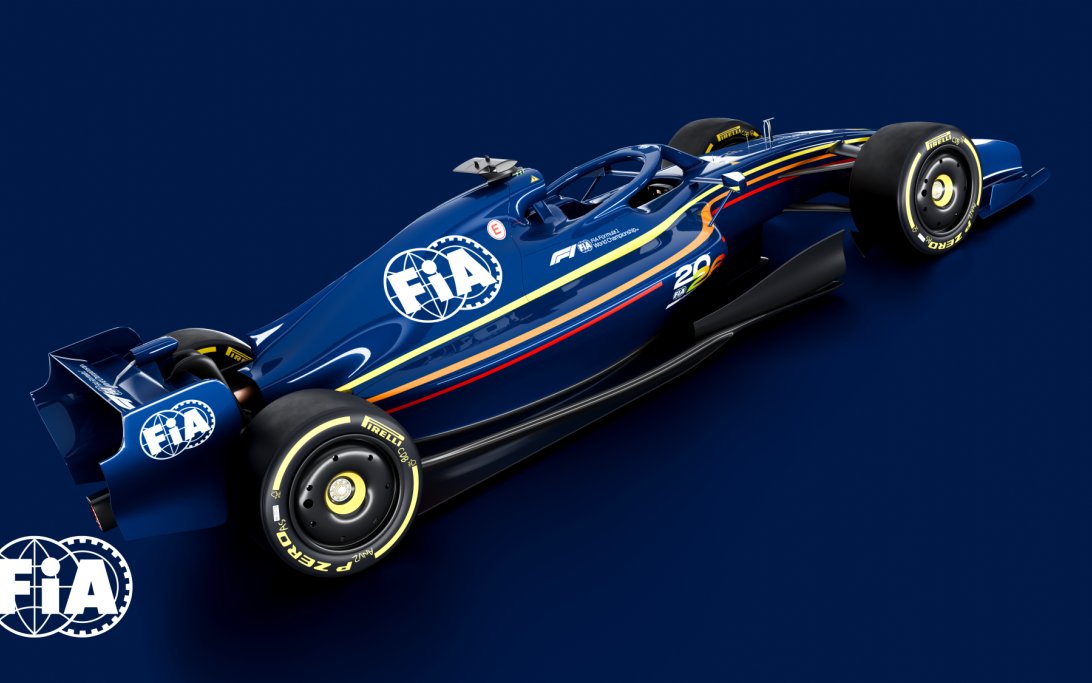
Vibrant The Thorny Issues Facing F1 Over Racing, Qualifying And Safety Artwork Concept
Explore this high-quality the thorny issues facing f1 over racing, qualifying and safety image, perfect for enhancing your desktop or mobile wallpaper.
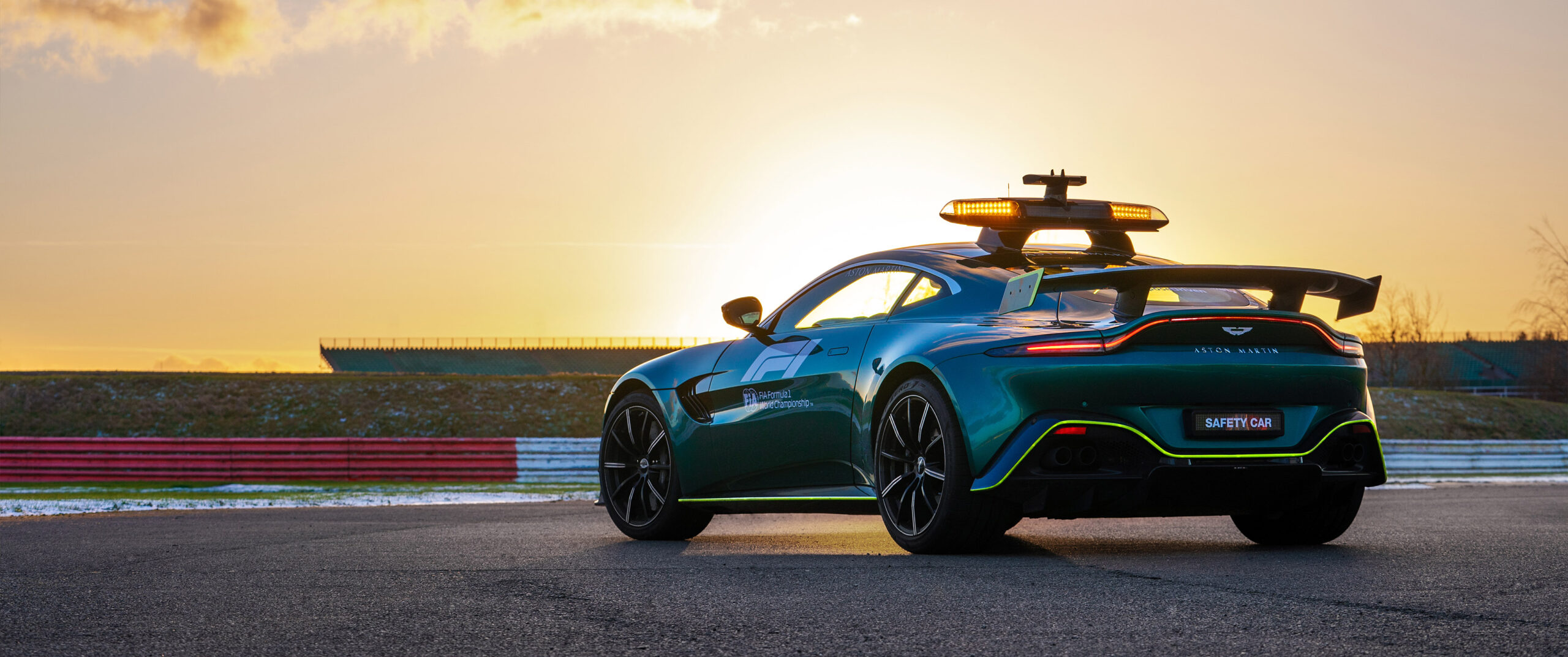
Crisp The Thorny Issues Facing F1 Over Racing, Qualifying And Safety View in 4K
A captivating the thorny issues facing f1 over racing, qualifying and safety scene that brings tranquility and beauty to any device.

Serene The Thorny Issues Facing F1 Over Racing, Qualifying And Safety Landscape in 4K
Explore this high-quality the thorny issues facing f1 over racing, qualifying and safety image, perfect for enhancing your desktop or mobile wallpaper.
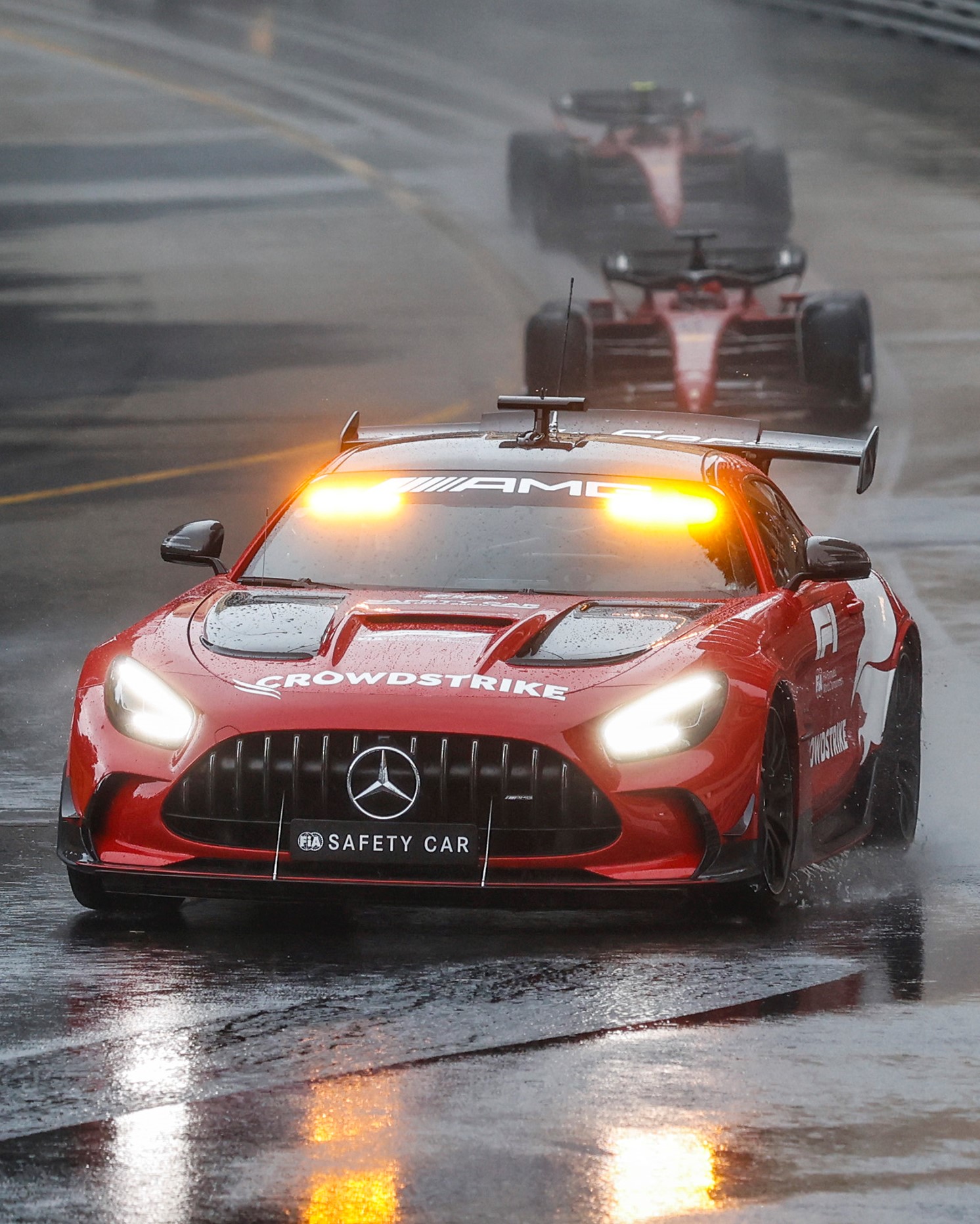
High-Quality The Thorny Issues Facing F1 Over Racing, Qualifying And Safety Abstract for Your Screen
Explore this high-quality the thorny issues facing f1 over racing, qualifying and safety image, perfect for enhancing your desktop or mobile wallpaper.
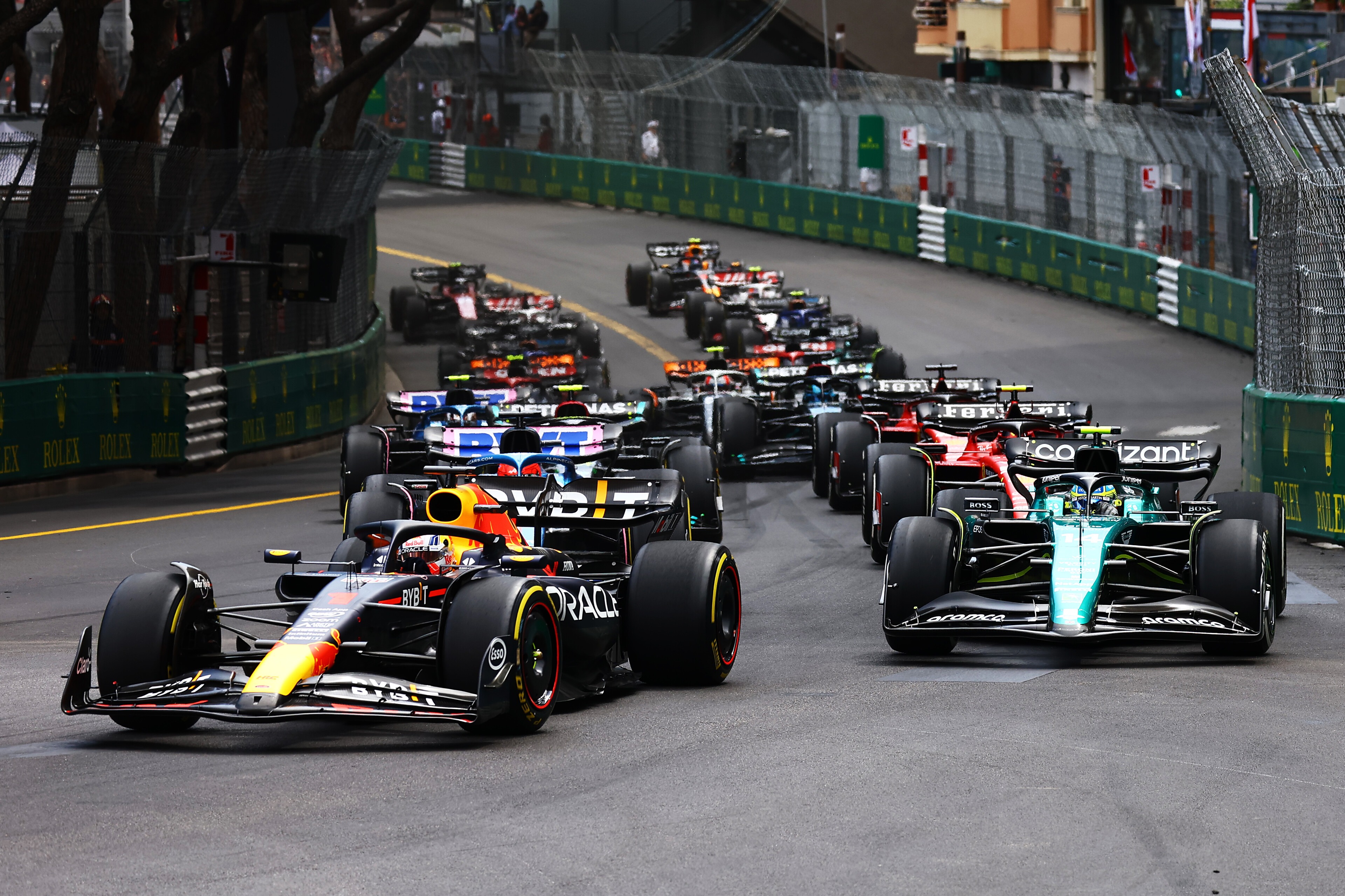
Lush The Thorny Issues Facing F1 Over Racing, Qualifying And Safety Scene Concept
This gorgeous the thorny issues facing f1 over racing, qualifying and safety photo offers a breathtaking view, making it a perfect choice for your next wallpaper.
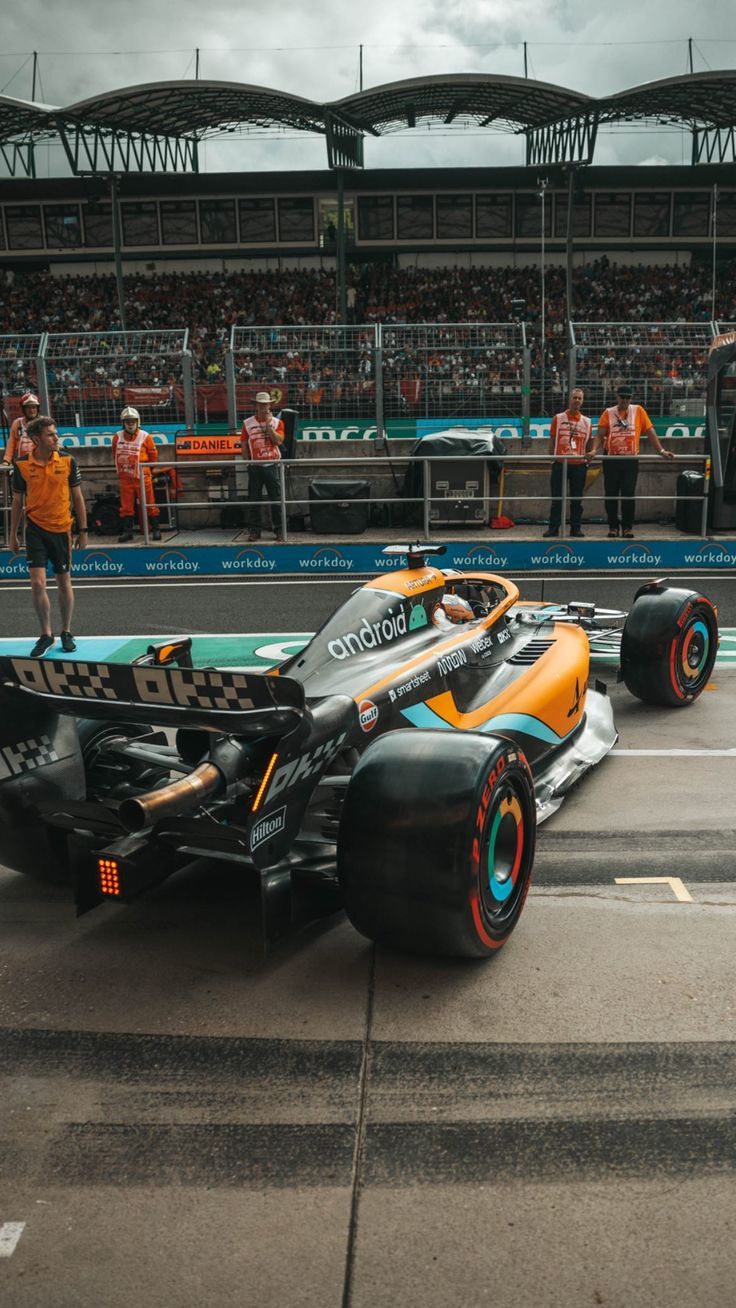
Detailed The Thorny Issues Facing F1 Over Racing, Qualifying And Safety Photo Digital Art
Experience the crisp clarity of this stunning the thorny issues facing f1 over racing, qualifying and safety image, available in high resolution for all your screens.
Dynamic The Thorny Issues Facing F1 Over Racing, Qualifying And Safety Wallpaper Art
A captivating the thorny issues facing f1 over racing, qualifying and safety scene that brings tranquility and beauty to any device.
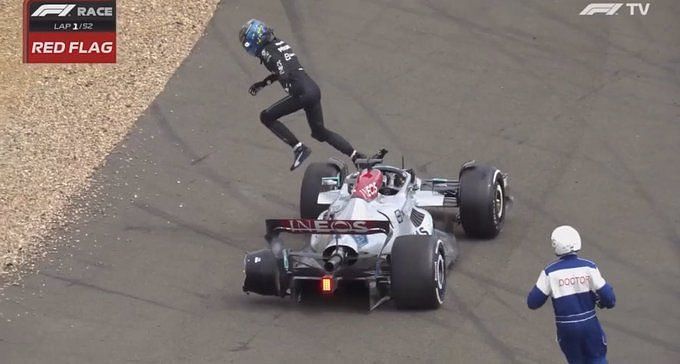
Beautiful The Thorny Issues Facing F1 Over Racing, Qualifying And Safety Moment for Mobile
Explore this high-quality the thorny issues facing f1 over racing, qualifying and safety image, perfect for enhancing your desktop or mobile wallpaper.
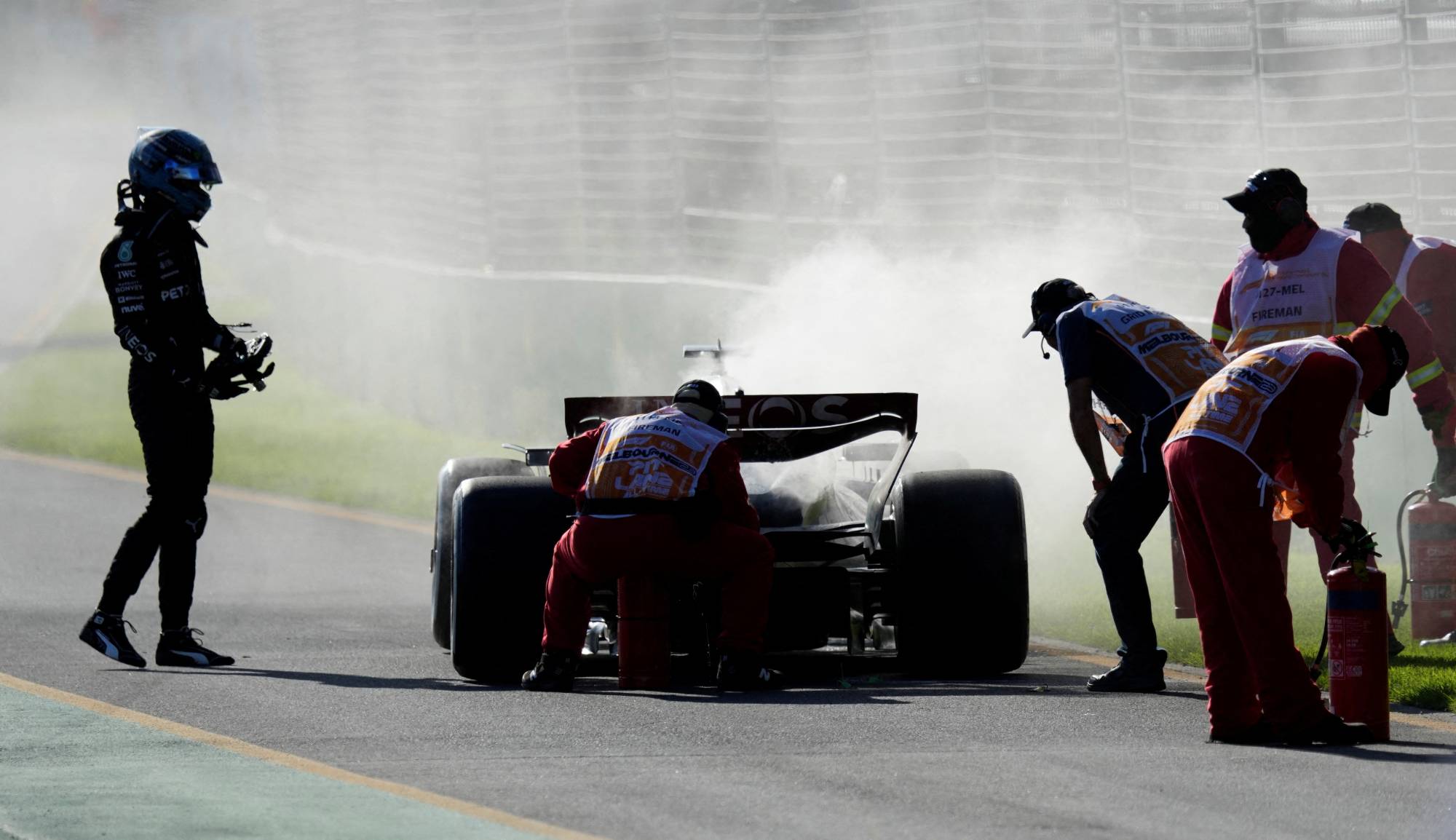
Detailed The Thorny Issues Facing F1 Over Racing, Qualifying And Safety Landscape Concept
Discover an amazing the thorny issues facing f1 over racing, qualifying and safety background image, ideal for personalizing your devices with vibrant colors and intricate designs.
Spectacular The Thorny Issues Facing F1 Over Racing, Qualifying And Safety Capture Nature
This gorgeous the thorny issues facing f1 over racing, qualifying and safety photo offers a breathtaking view, making it a perfect choice for your next wallpaper.

Dynamic The Thorny Issues Facing F1 Over Racing, Qualifying And Safety Picture in 4K
A captivating the thorny issues facing f1 over racing, qualifying and safety scene that brings tranquility and beauty to any device.
Serene The Thorny Issues Facing F1 Over Racing, Qualifying And Safety Capture Collection
Experience the crisp clarity of this stunning the thorny issues facing f1 over racing, qualifying and safety image, available in high resolution for all your screens.
Artistic The Thorny Issues Facing F1 Over Racing, Qualifying And Safety Landscape for Mobile
A captivating the thorny issues facing f1 over racing, qualifying and safety scene that brings tranquility and beauty to any device.
Stunning The Thorny Issues Facing F1 Over Racing, Qualifying And Safety Picture for Your Screen
Immerse yourself in the stunning details of this beautiful the thorny issues facing f1 over racing, qualifying and safety wallpaper, designed for a captivating visual experience.
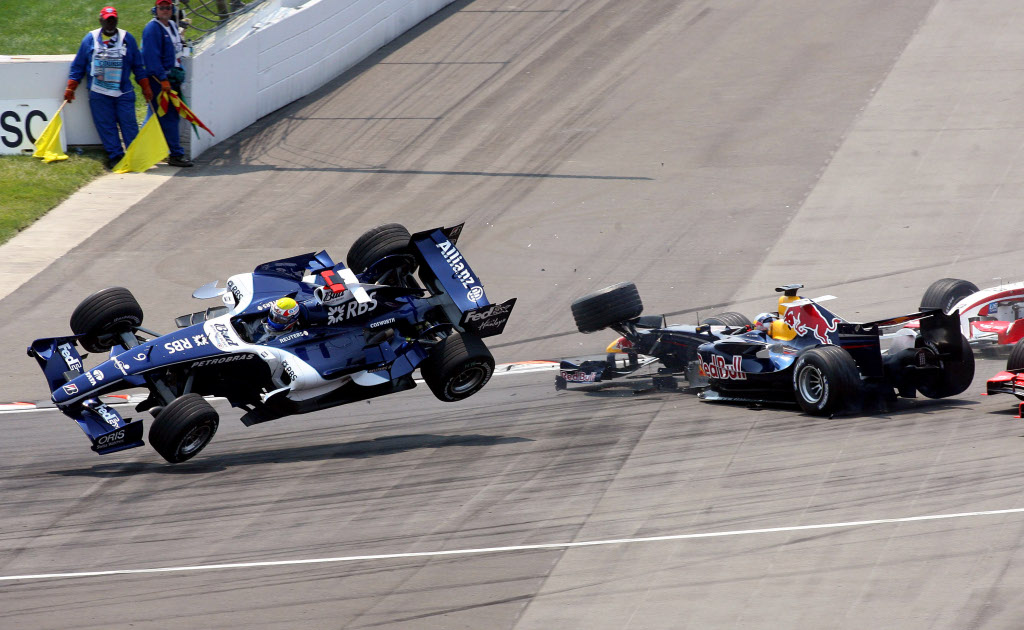
Breathtaking The Thorny Issues Facing F1 Over Racing, Qualifying And Safety Scene for Your Screen
Transform your screen with this vivid the thorny issues facing f1 over racing, qualifying and safety artwork, a true masterpiece of digital design.
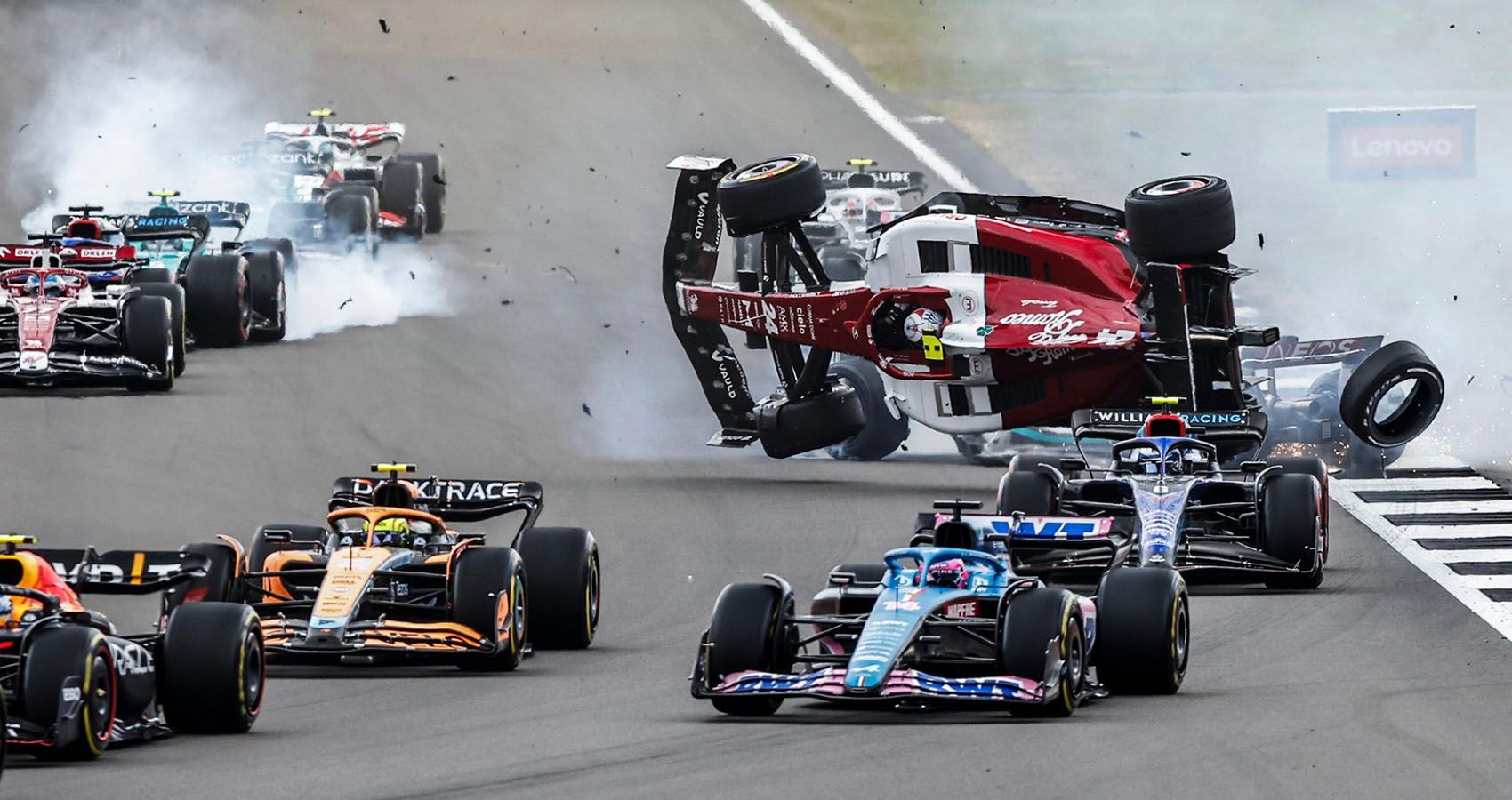
Detailed The Thorny Issues Facing F1 Over Racing, Qualifying And Safety Landscape for Your Screen
Experience the crisp clarity of this stunning the thorny issues facing f1 over racing, qualifying and safety image, available in high resolution for all your screens.

Exquisite The Thorny Issues Facing F1 Over Racing, Qualifying And Safety Image Collection
Immerse yourself in the stunning details of this beautiful the thorny issues facing f1 over racing, qualifying and safety wallpaper, designed for a captivating visual experience.
Captivating The Thorny Issues Facing F1 Over Racing, Qualifying And Safety Design in 4K
Find inspiration with this unique the thorny issues facing f1 over racing, qualifying and safety illustration, crafted to provide a fresh look for your background.
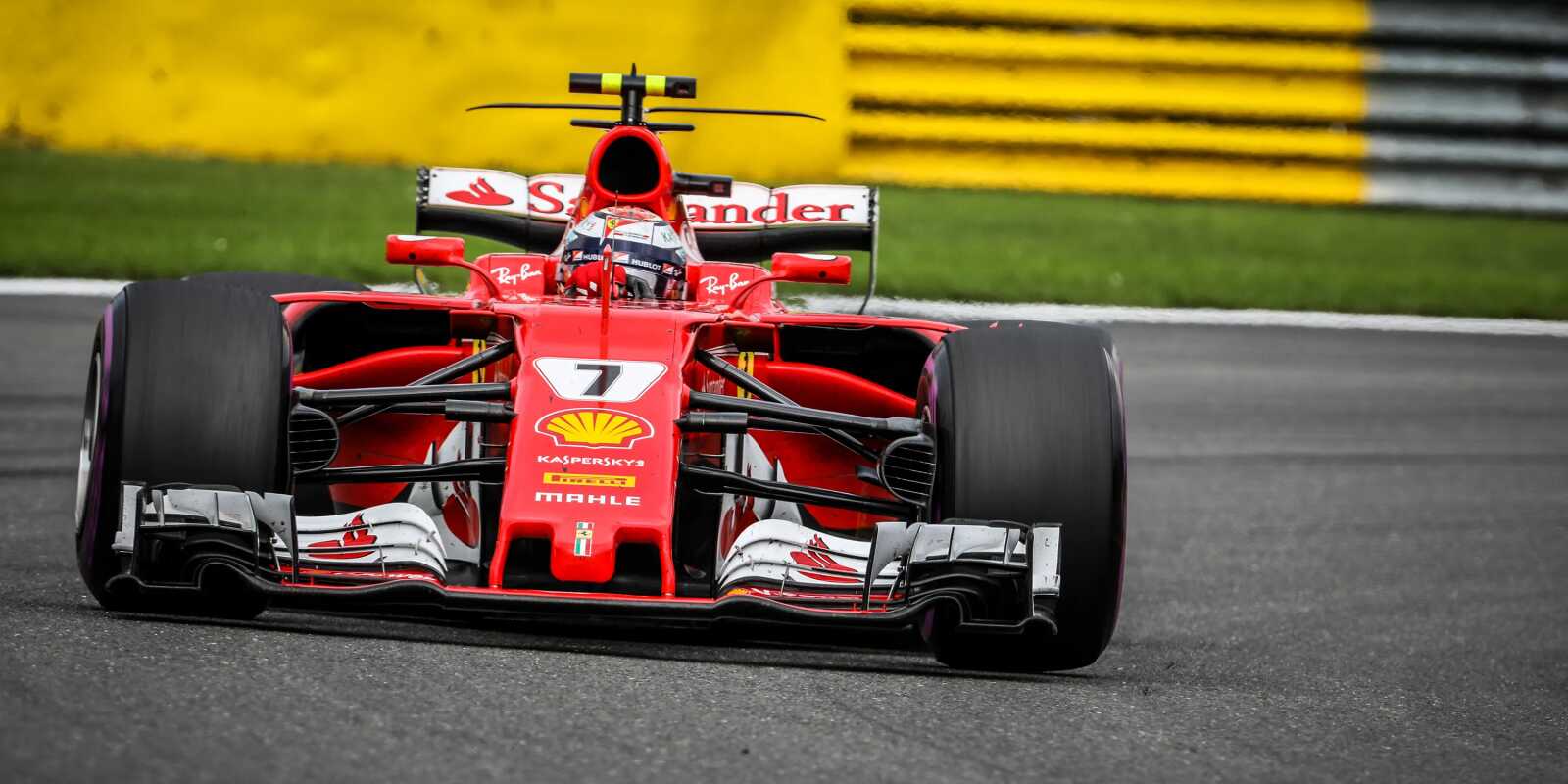
Captivating The Thorny Issues Facing F1 Over Racing, Qualifying And Safety Landscape for Mobile
A captivating the thorny issues facing f1 over racing, qualifying and safety scene that brings tranquility and beauty to any device.
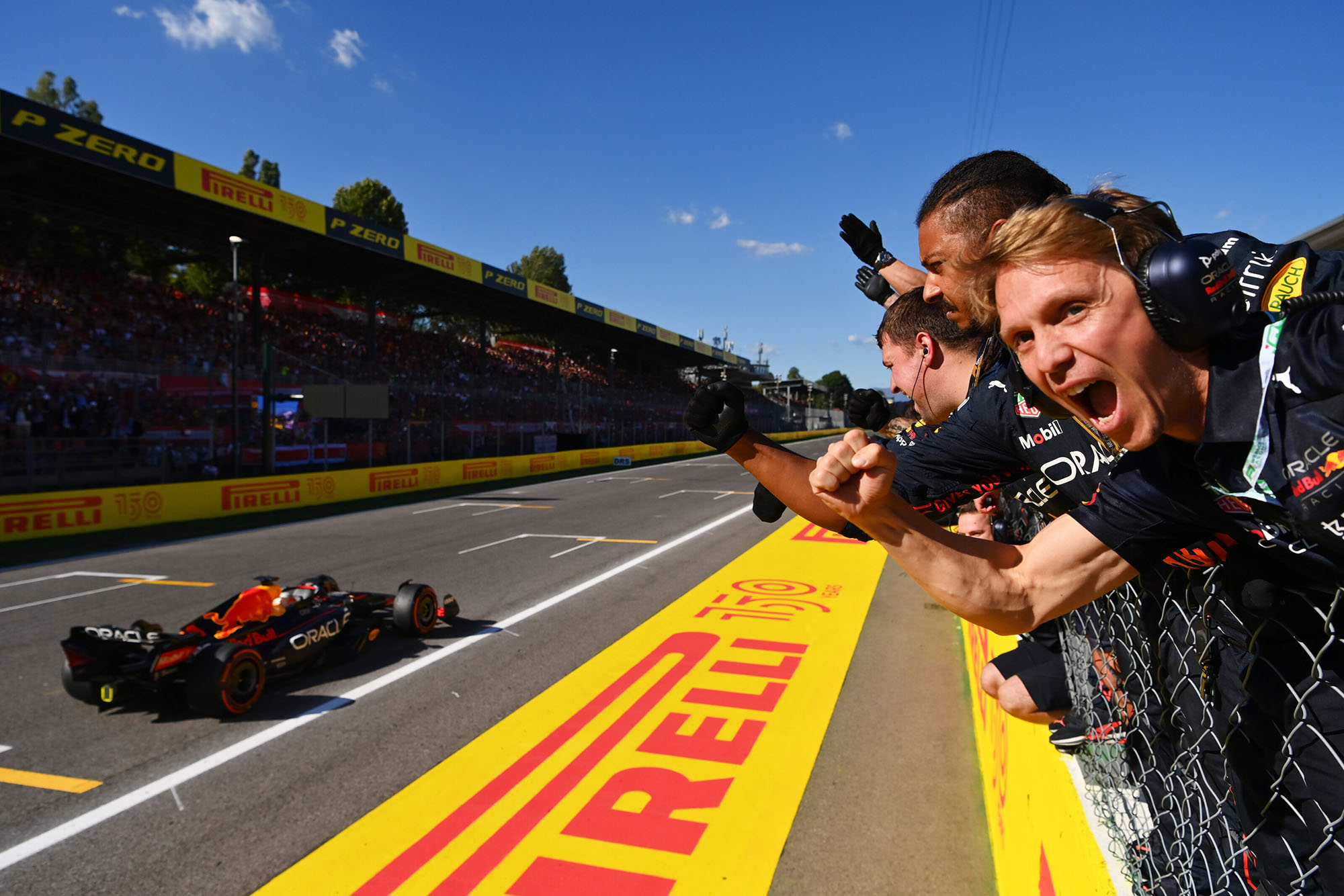
Breathtaking The Thorny Issues Facing F1 Over Racing, Qualifying And Safety Design Photography
Explore this high-quality the thorny issues facing f1 over racing, qualifying and safety image, perfect for enhancing your desktop or mobile wallpaper.
Download these the thorny issues facing f1 over racing, qualifying and safety wallpapers for free and use them on your desktop or mobile devices.