Trump administration signals it is mulling NATO withdrawal after Iran war
Trump administration signals it is mulling NATO withdrawal after Iran war
The global geopolitical landscape is currently vibrating with tension as the Trump administration signals it is mulling NATO withdrawal after Iran war. This potential move follows deep frustrations expressed by Washington regarding a lack of military support from several key European allies during the recent conflict in the Middle East. President Trump has characterized the alliance as a paper tiger, suggesting that the United States can no longer justify the immense financial and military burden of protecting nations that refuse to reciprocate when American interests are at stake. As the administration prepares to shift its strategic focus toward homeland defense and the Western Hemisphere, the future of the North Atlantic Treaty Organization hangs in a balance that could redefine Western security for decades to come.
The Trump administration is reportedly considering a withdrawal from NATO, driven by grievances over European allies' refusal to grant basing rights or join operations during the war with Iran. While total withdrawal would face significant legal hurdles in Congress, officials are already discussing the relocation of U.S. troops from uncooperative nations like Spain and Italy to more supportive Eastern European allies like Poland and Romania. This pivot reflects a broader shift in U.S. defense policy toward transactional realism and continental security.
The Catalyst: Disunity During the Iran Conflict
The primary driver behind this sudden shift in posture is the perceived betrayal by NATO members during the high-stakes war with Iran. Reports indicate that several European nations, including major allies, denied the United States permission to use established airbases for military sorties against Iranian targets. This refusal severely hampered U.S. operational flexibility and forced a reliance on more distant assets. Secretary of State Marco Rubio has been vocal about this issue, describing the current state of the alliance as a one-way street where American forces are expected to defend Europe but are restricted from defending American interests when needed.
The administration’s ire is particularly focused on nations that continue to benefit from the U.S. security umbrella while adopting a policy of neutrality or non-intervention in conflicts Washington deems essential. The blockade of the Strait of Hormuz by Iranian forces, which threatened 20% of the world’s energy supply, served as the breaking point. When European allies hesitated to deploy naval assets to break the blockade, the White House began drafting plans for a radical re-evaluation of its treaty commitments.
NATO as a Paper Tiger: Trump’s Growing Rhetoric
In recent interviews, President Trump has not held back his criticism, explicitly calling NATO a paper tiger. This term implies that while the alliance appears formidable on paper through its treaties and Article 5 collective defense clause, it lacks the actual will or cohesion to act effectively in modern, unconventional crises. Trump has argued that Russian President Vladimir Putin is aware of this internal weakness, which emboldens adversaries of the West.
This rhetoric is a continuation of Trump’s long-standing America First policy, which questions the value of multilateral organizations that require disproportionate American funding. By labeling the alliance as obsolete or ineffective, the administration is preparing its domestic base for a potential exit, framing it as a necessary step to stop the exploitation of American taxpayers. The narrative suggests that if the U.S. is the only member truly capable and willing to project power, the formal structure of NATO may be more of a hindrance than an asset.
Strategic Relocation: From Western to Eastern Europe
Short of a full legal withdrawal, the Trump administration is actively mulling a significant troop relocation project. The plan involves moving thousands of U.S. personnel and advanced hardware away from Western European countries that opposed the Iran war effort. Nations like Germany, Spain, and Italy could see their U.S. military footprint dramatically reduced. In their place, Eastern European allies such as Poland, Romania, and the Baltic states—who have remained steadfastly supportive and have met or exceeded defense spending targets—would receive these reinforcements.
This "rebalancing" serves two purposes: it rewards loyal partners who view the U.S. presence as vital for their own survival against Russian aggression, and it punishes those who the administration deems unhelpful. Poland, in particular, has been a leading advocate for a permanent U.S. base, and this current crisis may finally provide the political momentum in Washington to make "Fort Trump" a reality on the eastern flank. This shift would fundamentally alter the logistics of European defense, moving the center of gravity closer to the Russian border.
Legal and Legislative Hurdles to Withdrawal
Despite the administration’s signals, withdrawing from NATO is not a simple executive decision. In 2024, the U.S. Congress passed legislation specifically designed to prevent a president from unilaterally leaving the alliance. This law requires a two-thirds majority in the Senate or an act of Congress to authorize a formal exit from the North Atlantic Treaty. Ironically, the lead architect of this legislation was Marco Rubio, who now serves as Trump’s Secretary of State.
| Strategic Option | Potential Impact |
|---|---|
| Full Treaty Withdrawal | Requires 2/3 Senate approval; ends 70 years of security architecture. |
| Troop Relocation | Executive authority; moves forces to Poland/Romania; weakens Western EU. |
| Funding Reductions | Starves NATO headquarters of resources; shifts burden to EU members. |
| "Pay-to-Play" Model | Limits U.S. defense to only those meeting 5% GDP spending targets. |
Legal experts suggest that any attempt to bypass these legislative barriers would result in an immediate Supreme Court challenge. However, some analysts point out that while the President might not be able to formally leave the treaty, he has significant authority as Commander-in-Chief to render the alliance functionally dead. By withdrawing the Supreme Allied Commander, pulling out of command structures, and refusing to participate in joint exercises, the President could turn NATO into an empty shell without ever needing a vote in the Senate.
The 2026 National Defense Strategy Pivot
The recently released 2026 National Defense Strategy (NDS) provides the theoretical framework for this pivot. The document marks a radical departure from integrated deterrence, instead establishing a clear hierarchy of priorities. At the top of this list is the security of the American homeland and the Western Hemisphere. The NDS revives a Monroe Doctrine-style approach, focusing on borders, missile defense, and regional stability in the Americas. In this new world order, Europe is relegated to a secondary theater.
The NDS explicitly states that European allies are wealthy and capable enough to handle their own conventional defense against Russia. The United States would continue to provide a nuclear umbrella and high-end technical enablers, but the days of the U.S. underwriting Europe’s day-to-day security are coming to an end. This "declarative realism" is designed to force European capitals to invest heavily in their own military-industrial bases, moving toward what French leaders have long called strategic autonomy.
Economic Implications and Defense Autonomy
The prospect of a NATO without the U.S. or with a significantly reduced U.S. presence has sent shockwaves through European economies. For decades, many European nations have socialized the cost of their security by relying on American spending, allowing them to fund robust social programs. A sudden shift to the new 5% GDP defense spending target demanded by Washington would require massive budget reallocations and could lead to significant domestic political unrest in countries like Germany and France.
Furthermore, the U.S. defense industry remains one of the largest beneficiaries of NATO's existence. A withdrawal or a shift toward European autonomy might lead to a "buy European" trend, hurting major American aerospace and defense firms. Conversely, the administration’s focus on the Western Hemisphere and industrial mobilization suggests a desire to decouple American manufacturing from global supply chains that are vulnerable to geopolitical shifts. The economic fallout would likely include increased volatility in stock markets as the post-WWII global order is dismantled and rebuilt.
Global Reactions: Winners and Losers
The signals from the Trump administration have been received very differently around the world. In Moscow, the prospect of a fractured NATO is seen as a strategic victory. Vladimir Putin has long sought to decouple the United States from European security, and a U.S. withdrawal would leave Eastern Europe feeling increasingly isolated. China also stands to benefit, as a distracted and inward-looking United States may be less capable of maintaining its alliances in the Indo-Pacific, allowing Beijing to expand its influence in the South China Sea.
Within the alliance, the divide is stark. Eastern European countries are in a state of alarm, frantically attempting to prove their "model ally" status to ensure continued U.S. protection. Meanwhile, Western European leaders are caught between a desire to maintain the alliance and the political impossibility of following Trump into every global conflict. In Canada, the government has reaffirmed its commitment to NATO, but the 2026 NDS specifically calls out regional neighbors to "do their part" or face consequences, suggesting even America's closest neighbors are not immune to this transactional approach.
Future Scenarios for Transatlantic Security
As we look toward the 2027 "sprint season" and beyond, several scenarios emerge. The most optimistic is a deep restructuring of NATO where Europe successfully builds a "pillar" of defense within the alliance, taking over conventional deterrence while the U.S. focuses on China and homeland defense. This would create a dual-security architecture that satisfies Trump's demand for burden-sharing while maintaining the legal framework of the treaty.
A more disruptive scenario involves a formal or functional U.S. exit, leading to a scramble for nuclear armament in Europe. Nations like Poland have already hinted at a desire for their own nuclear deterrent if the U.S. umbrella is removed. This could lead to a more dangerous and less predictable security environment in Europe. Regardless of the outcome, the signals coming from the White House indicate that the era of open-ended, non-contingent American security guarantees is over. The "new realism" of 2026 demands performance over promises, and the cost of entry for American protection has never been higher.
FAQ
What is the main reason Trump wants to withdraw from NATO?
The primary reason is the lack of support from European allies during the Iran war, specifically the denial of basing rights and refusal to assist in reopening the Strait of Hormuz. The administration views this as a breach of the spirit of the alliance.
Can the President legally leave NATO without Congress?
Current U.S. law, passed in 2024, requires a two-thirds Senate majority or an act of Congress for a formal withdrawal. However, the President could functionally withdraw by removing troops and command structures.
Which countries would gain U.S. troops in a relocation plan?
Eastern European nations like Poland, Romania, Lithuania, and Greece are considered "model allies" and would likely receive additional troops moved from Western European nations.
What is the "Golden Dome" mentioned in the 2026 NDS?
The "Golden Dome for America" is an aspirational next-generation missile defense project prioritized by the Trump administration to protect the homeland from nuclear and conventional strikes.
How has NATO reacted to these threats?
Reactions are mixed; some nations are rapidly increasing defense spending to 5% of GDP to remain in favor, while others, like France and the UK, maintain that the Iran war was outside of NATO's legal scope.
Conclusion
The reports that the Trump administration signals it is mulling NATO withdrawal after Iran war represent a watershed moment in international relations. While the legal barriers to a full exit remain high, the shift in military posture and the rhetoric of "paper tigers" suggest that the alliance as we know it is already dead. The 2026 National Defense Strategy makes it clear: the United States is coming home to focus on its own borders and the Western Hemisphere. For Europe, the choice is now stark: invest in a unified, autonomous defense or face a future of fragmented security in the shadow of a resurgent Russia. As Washington prepares for its primetime address and upcoming summits in Turkey, the world waits to see if the cornerstone of Western security will crumble or be forged into a new, more transactional shape.
Trump administration signals it is mulling NATO withdrawal after Iran war
Trump administration signals it is mulling NATO withdrawal after Iran war Wallpapers
Collection of trump administration signals it is mulling nato withdrawal after iran war wallpapers for your desktop and mobile devices.
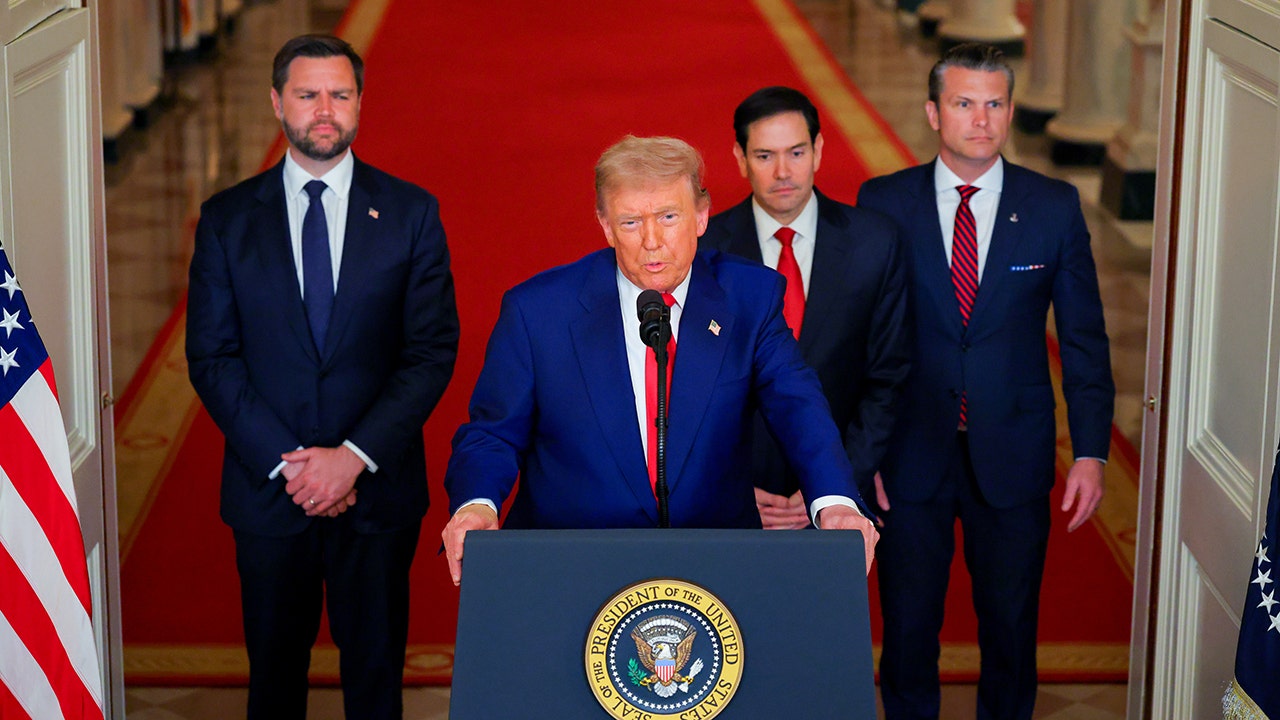
Serene Trump Administration Signals It Is Mulling Nato Withdrawal After Iran War Abstract for Your Screen
Experience the crisp clarity of this stunning trump administration signals it is mulling nato withdrawal after iran war image, available in high resolution for all your screens.
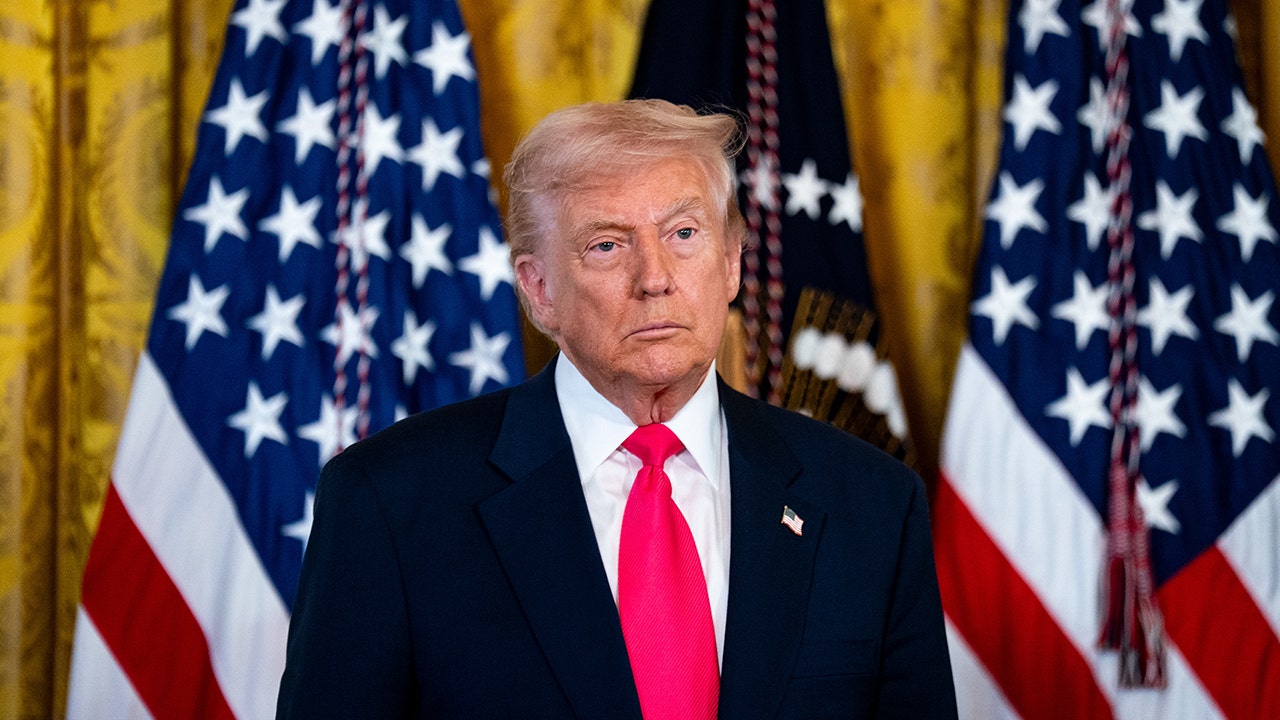
Vivid Trump Administration Signals It Is Mulling Nato Withdrawal After Iran War Moment Digital Art
Discover an amazing trump administration signals it is mulling nato withdrawal after iran war background image, ideal for personalizing your devices with vibrant colors and intricate designs.
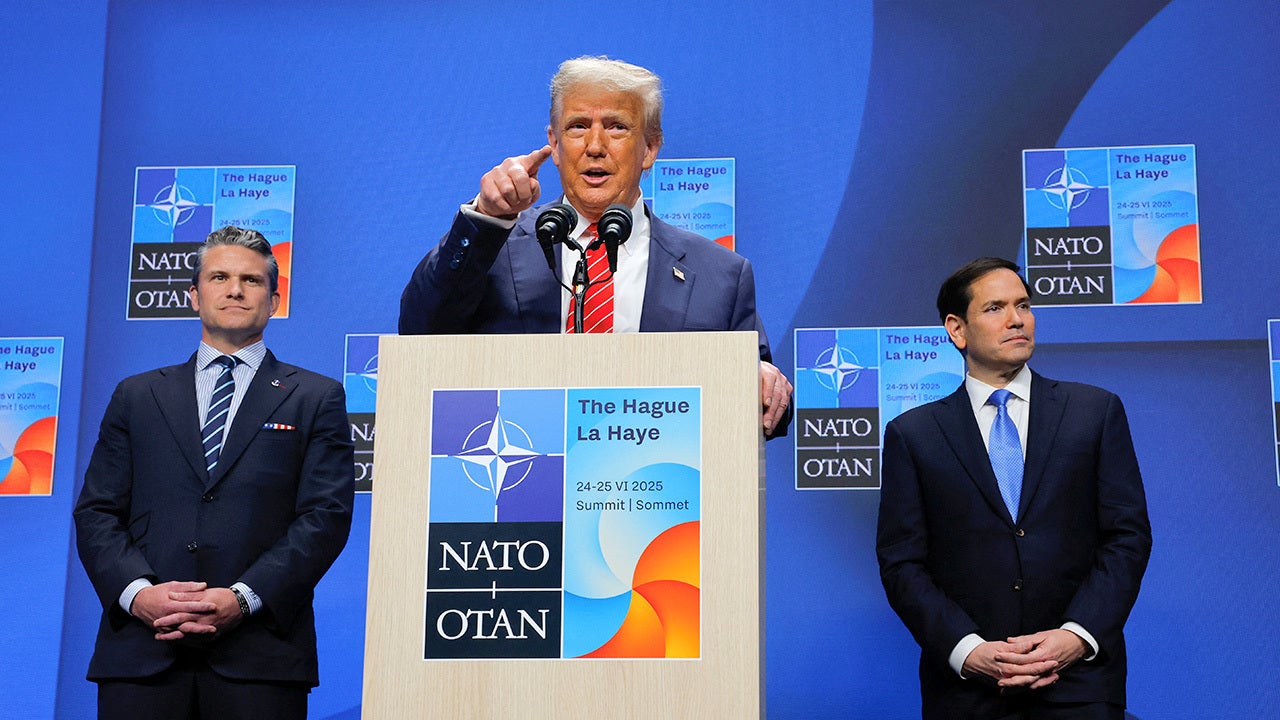
Beautiful Trump Administration Signals It Is Mulling Nato Withdrawal After Iran War Landscape Collection
Experience the crisp clarity of this stunning trump administration signals it is mulling nato withdrawal after iran war image, available in high resolution for all your screens.

Stunning Trump Administration Signals It Is Mulling Nato Withdrawal After Iran War Abstract Illustration
This gorgeous trump administration signals it is mulling nato withdrawal after iran war photo offers a breathtaking view, making it a perfect choice for your next wallpaper.

Artistic Trump Administration Signals It Is Mulling Nato Withdrawal After Iran War Capture Digital Art
Immerse yourself in the stunning details of this beautiful trump administration signals it is mulling nato withdrawal after iran war wallpaper, designed for a captivating visual experience.
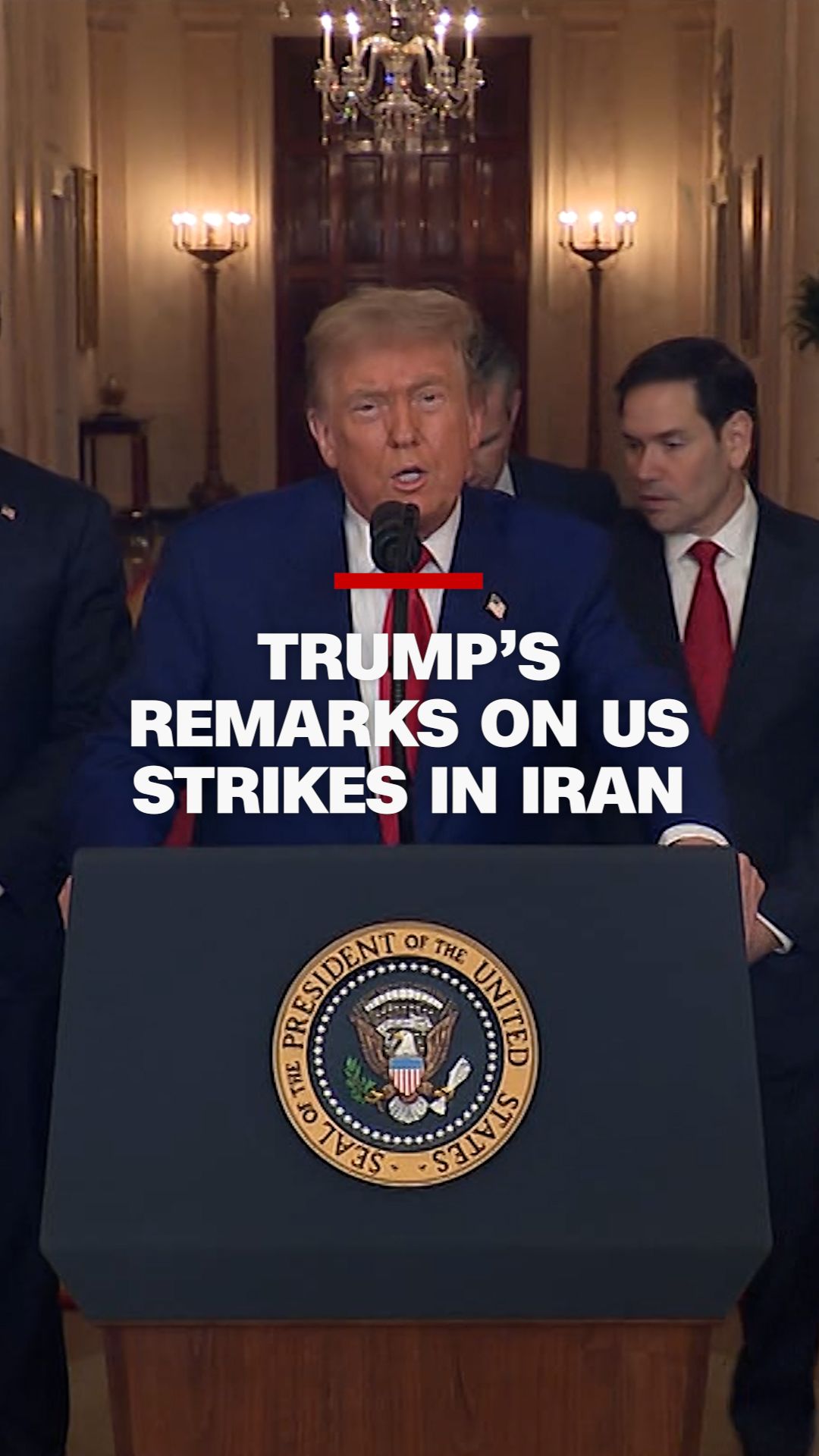
Spectacular Trump Administration Signals It Is Mulling Nato Withdrawal After Iran War Picture Art
A captivating trump administration signals it is mulling nato withdrawal after iran war scene that brings tranquility and beauty to any device.

High-Quality Trump Administration Signals It Is Mulling Nato Withdrawal After Iran War Moment for Desktop
Explore this high-quality trump administration signals it is mulling nato withdrawal after iran war image, perfect for enhancing your desktop or mobile wallpaper.
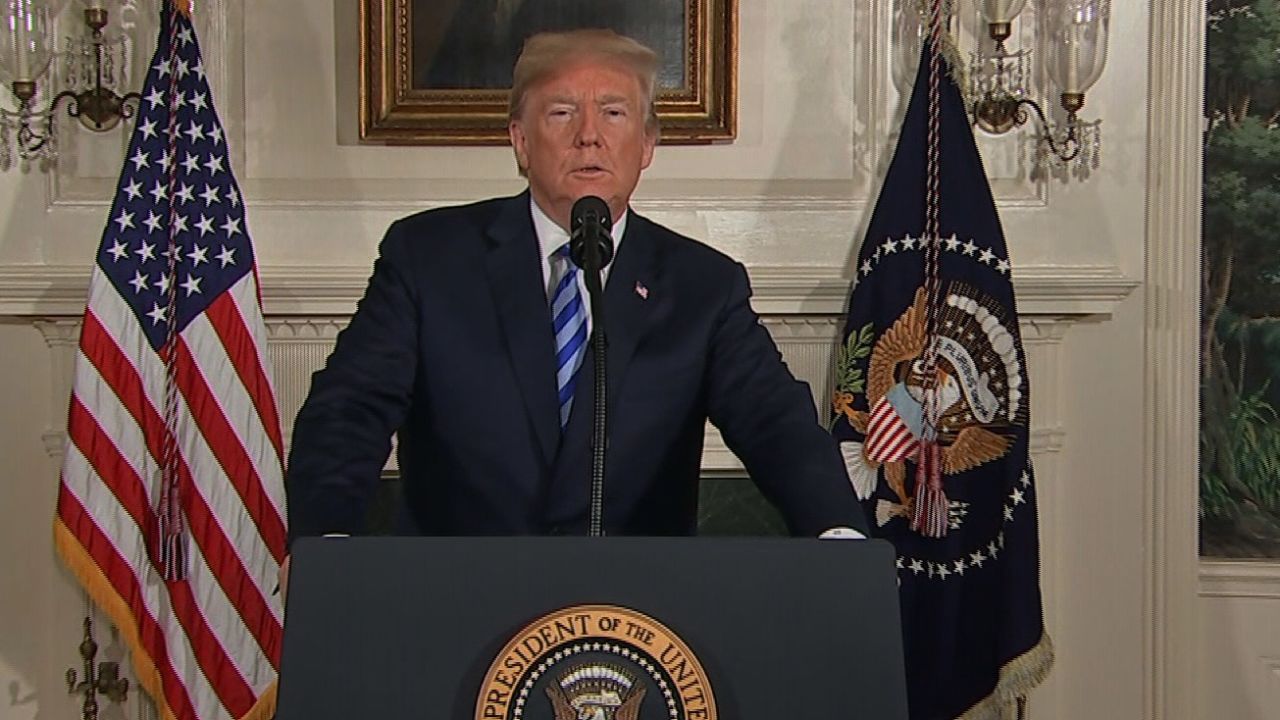
Amazing Trump Administration Signals It Is Mulling Nato Withdrawal After Iran War Moment Digital Art
Explore this high-quality trump administration signals it is mulling nato withdrawal after iran war image, perfect for enhancing your desktop or mobile wallpaper.

Breathtaking Trump Administration Signals It Is Mulling Nato Withdrawal After Iran War Picture Illustration
Explore this high-quality trump administration signals it is mulling nato withdrawal after iran war image, perfect for enhancing your desktop or mobile wallpaper.
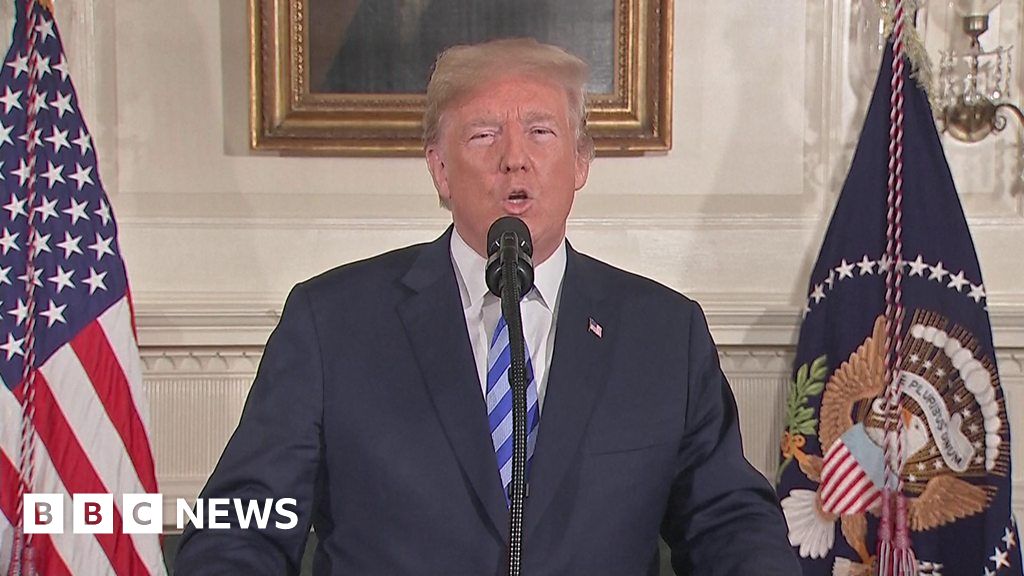
Vivid Trump Administration Signals It Is Mulling Nato Withdrawal After Iran War Landscape Illustration
Experience the crisp clarity of this stunning trump administration signals it is mulling nato withdrawal after iran war image, available in high resolution for all your screens.

Artistic Trump Administration Signals It Is Mulling Nato Withdrawal After Iran War Image for Your Screen
Find inspiration with this unique trump administration signals it is mulling nato withdrawal after iran war illustration, crafted to provide a fresh look for your background.

Vibrant Trump Administration Signals It Is Mulling Nato Withdrawal After Iran War Picture for Mobile
Transform your screen with this vivid trump administration signals it is mulling nato withdrawal after iran war artwork, a true masterpiece of digital design.

Serene Trump Administration Signals It Is Mulling Nato Withdrawal After Iran War Artwork in 4K
Experience the crisp clarity of this stunning trump administration signals it is mulling nato withdrawal after iran war image, available in high resolution for all your screens.
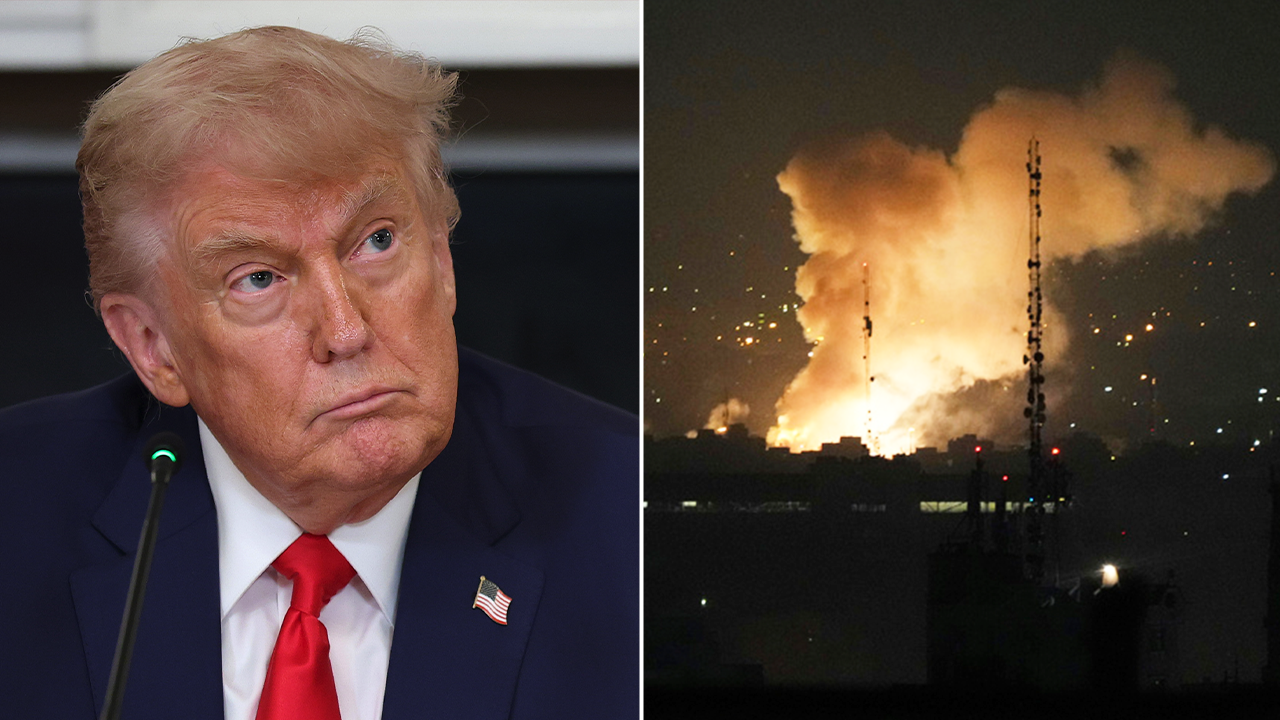
Spectacular Trump Administration Signals It Is Mulling Nato Withdrawal After Iran War Background Photography
Find inspiration with this unique trump administration signals it is mulling nato withdrawal after iran war illustration, crafted to provide a fresh look for your background.

Spectacular Trump Administration Signals It Is Mulling Nato Withdrawal After Iran War View for Mobile
Find inspiration with this unique trump administration signals it is mulling nato withdrawal after iran war illustration, crafted to provide a fresh look for your background.

Detailed Trump Administration Signals It Is Mulling Nato Withdrawal After Iran War Image Collection
Explore this high-quality trump administration signals it is mulling nato withdrawal after iran war image, perfect for enhancing your desktop or mobile wallpaper.

Gorgeous Trump Administration Signals It Is Mulling Nato Withdrawal After Iran War Background Concept
Find inspiration with this unique trump administration signals it is mulling nato withdrawal after iran war illustration, crafted to provide a fresh look for your background.

Mesmerizing Trump Administration Signals It Is Mulling Nato Withdrawal After Iran War Image Digital Art
Explore this high-quality trump administration signals it is mulling nato withdrawal after iran war image, perfect for enhancing your desktop or mobile wallpaper.

Captivating Trump Administration Signals It Is Mulling Nato Withdrawal After Iran War Artwork Collection
Find inspiration with this unique trump administration signals it is mulling nato withdrawal after iran war illustration, crafted to provide a fresh look for your background.

Breathtaking Trump Administration Signals It Is Mulling Nato Withdrawal After Iran War Design Concept
Experience the crisp clarity of this stunning trump administration signals it is mulling nato withdrawal after iran war image, available in high resolution for all your screens.
Download these trump administration signals it is mulling nato withdrawal after iran war wallpapers for free and use them on your desktop or mobile devices.