Trump floats letting states handle day care. Advocates call it a lead balloon
Trump floats letting states handle day care. Advocates call it a lead balloon
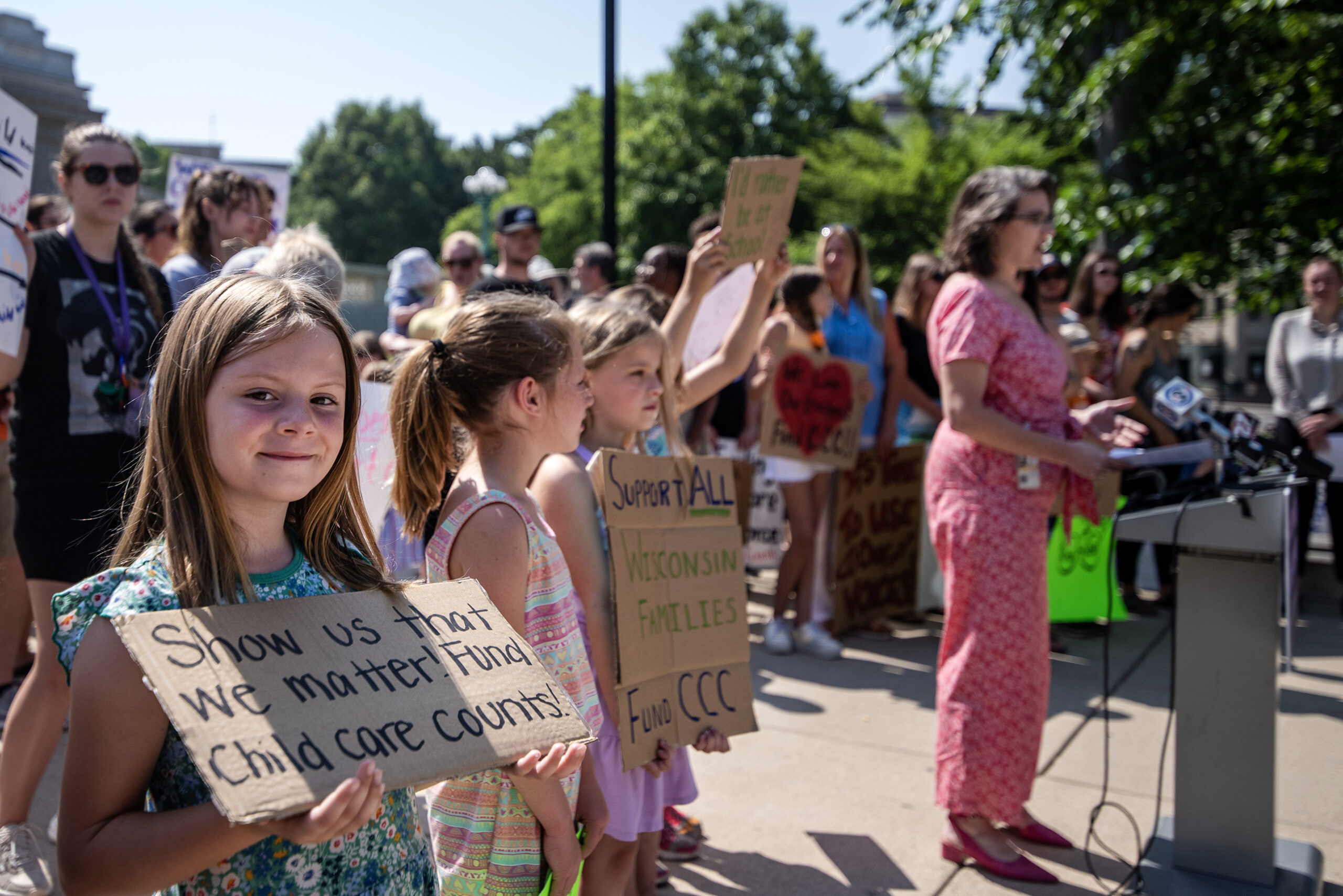
The national conversation regarding child care has taken a sharp and controversial turn following recent remarks by President Donald Trump. During a series of public addresses and budget previews for the upcoming fiscal years, the administration has signaled a potential pivot in how early childhood education and care are funded and managed in the United States. By suggesting that the federal government should reduce its footprint and allow individual states to take the lead on day care initiatives, the President has sparked an intense debate among policymakers, economists, and child care advocates. Many of these advocates have been quick to dismiss the proposal, labeling it a lead balloon that fails to account for the systemic challenges and funding gaps that already plague the industry.
The core of the recent controversy lies in the proposal for Trump floats letting states handle day care. Advocates call it a lead balloon, which suggests shifting the primary responsibility for child care funding and administration from the federal government to state jurisdictions. Supporters argue this promotes fiscal responsibility and local control, while critics and advocacy groups warn that states lack the resources to fill the resulting multi-billion dollar gap, potentially leading to skyrocketing tuition, widespread facility closures, and a significant exodus of women from the workforce.
The Shift Toward State-Led Child Care Models
For decades, the federal government has played a crucial role in stabilizing the child care market through programs like the Child Care and Development Block Grant (CCDBG) and Temporary Assistance for Needy Families (TANF). However, the Trump administration has recently floated the idea that these programs should be scaled back or restructured to give states more "flexibility." This flexibility, according to administration officials, would allow states to tailor programs to their specific demographic and economic needs. The rationale is built on the premise that the federal government is overextended, particularly with rising military expenditures and international obligations, and that day care is essentially a local service that should be managed closer to home.
However, the transition to a state-led model is not merely an administrative change; it represents a fundamental shift in the social contract regarding how the nation supports working families. By moving away from federal standards and guaranteed funding streams, the administration risks creating a "zip code lottery" for child care access. In this scenario, a child's access to quality early learning would depend entirely on the fiscal health and political priorities of their state of residence. States with robust economies and a commitment to social services might thrive, while others could see their systems collapse under the weight of new financial responsibilities.
Why Advocates Call the Proposal a Lead Balloon
The term "lead balloon" has been used repeatedly by advocacy organizations to describe the President's suggestion. Their primary concern is that the proposal lacks the necessary buoyancy—specifically, the financial backing—to succeed. According to reports from groups like the National Women's Law Center (NWLC) and NAEYC, the child care industry is already in a state of "chronic underfunding." Most providers operate on profit margins of less than 1%, and the average cost of care for an infant in a center is over $13,000 per year. Advocates argue that without federal intervention, these costs will only continue to climb, making care even less accessible for low- and middle-income families.
Furthermore, advocates point out that states are already struggling to maintain their current levels of support. With the expiration of pandemic-era federal stabilization funds, many states are facing budget shortfalls that have already led to reimbursement rate cuts and the implementation of waitlists for assistance. Adding the full burden of child care to state budgets, which are also being squeezed by Medicaid costs and infrastructure needs, is seen as a recipe for disaster. The "lead balloon" metaphor captures the heavy, unworkable nature of a policy that asks states to do more with significantly less federal support.
The Impact on the US Economy and Workforce Participation
The economic implications of a child care crisis are vast and well-documented. Research indicates that a lack of access to affordable care costs the U.S. economy billions of dollars annually in lost household income, reduced business productivity, and lower tax revenue. When parents cannot find or afford child care, they are often forced to reduce their hours or leave the workforce entirely. This phenomenon disproportionately affects women, who still bear the majority of caregiving responsibilities. A shift toward state-led care that results in fewer slots and higher prices would likely reverse the gains made in female labor force participation over the last several years.
Economists argue that child care should be viewed as essential infrastructure, similar to roads and bridges. Just as the federal government invests in transportation to keep the economy moving, it must invest in child care to keep the workforce active. By "floating" the idea of states handling day care, the administration is seen as neglecting a critical component of national economic competitiveness. Business leaders have also voiced concerns, noting that child care challenges are a major driver of worker shortages and turnover, particularly in industries like health care and retail.
Current State of Federal Child Care Funding
| Federal Program/Metric | Current Status & Impact |
|---|---|
| CCDBG Authorization | Expiring soon; provides critical subsidies for low-income families. |
| Average National Cost | Over $13,000 per year for infant center-based care. |
| Provider Profit Margins | Averaging less than 1%, making the industry highly fragile. |
| Workforce Shortage | Sector remains tens of thousands of jobs below pre-pandemic levels. |
States Already Struggling with Budget Shortfalls
The suggestion that states should take over day care comes at a time when many are already in a defensive posture. In states like Indiana and Arkansas, budget pressures have already led to reductions in child care reimbursement rates. These cuts have immediate consequences: providers are forced to fire staff, close classrooms, or increase the co-payments required from families. For a single parent living below the poverty line, even a small increase in co-pays can be the difference between staying employed and being forced onto public assistance.
Advocates argue that the "Defend the Spend" policies and funding freezes initiated by the administration have further complicated the situation. By delaying or restricting the flow of existing federal funds based on allegations of fraud or mismanagement, the federal government is creating an environment of uncertainty. States cannot effectively plan or invest in their child care infrastructure when the primary source of their funding is subject to political volatility. This reality undermines the argument that states are better equipped to handle these programs autonomously.
The Role of Early Childhood Educators
At the heart of the child care system are the educators and caregivers who provide the service. This workforce is characterized by chronically low wages, often hovering just above the minimum wage, and a lack of benefits. Many early childhood educators are themselves eligible for public assistance programs like SNAP or Medicaid. The administration's proposal to shift responsibility to states threatens to further depress wages in this sector. If states are forced to cut costs to balance their budgets, the already meager pay for child care workers is often the first thing on the chopping block.
This creates a vicious cycle. Low wages lead to high turnover and staffing shortages. Staffing shortages lead to closed classrooms and fewer available slots for families. Fewer slots drive up the price of the remaining care. Without a federal commitment to raising the floor for child care wages and professionalizing the field, the industry remains in a state of permanent instability. Advocates emphasize that any meaningful child care policy must include a mechanism for increasing compensation to ensure a stable and high-quality workforce.
Disproportionate Effects on Vulnerable Populations
The burden of a fragmented, state-led child care system falls most heavily on vulnerable populations. Low-income families, families of color, and immigrant communities are statistically more likely to rely on subsidized care and to live in "child care deserts" where providers are scarce. Civil rights groups have recently filed FOIA requests to investigate whether federal funding restrictions have been politically or racially motivated, targeting specific communities. There is a deep concern that moving toward state control will allow for even more localized bias in how resources are distributed.
Furthermore, children with special needs and families requiring care during non-traditional hours—such as those working in the service or manufacturing sectors—often find it nearly impossible to find appropriate care in the current market. A state-centric model is unlikely to address these niche but essential needs unless accompanied by significant federal mandates and funding. The "lead balloon" of the Trump proposal is seen as a dismissal of the federal government's role in ensuring equity and civil rights within the education and care systems.
The Alternative: Robust Federal Investment
While the administration floats a state-led approach, many in Congress and in the advocacy world are pushing for the opposite: a massive increase in federal investment. Proposals like the Child Care for Working Families Act suggest a model where no family pays more than 7% of their income for child care, and providers are paid a living wage. Proponents of this view argue that every dollar invested in early childhood programs returns more than $10 to the economy through increased future earnings for children and immediate productivity gains for parents.
This "public good" model treats child care as a service essential to the functioning of society, much like public K-12 education. By providing a stable, federal foundation, the government can ensure that all children have a high-quality start in life, regardless of where they live. The debate between the administration's state-led "flexibility" and the advocates' call for federal "stability" is likely to be a defining issue in the upcoming budget cycles and national elections.
FAQ: Trump's Child Care Proposal
What is President Trump proposing for child care?
President Trump has suggested that the federal government should reduce its role in child care funding and administration, instead allowing states to manage these programs and potentially raise their own taxes to cover the costs.
Why are advocates calling it a "lead balloon"?
Advocates use this term because they believe the proposal is heavy, unworkable, and destined to fail due to a lack of adequate funding and the inability of states to absorb such massive costs.
How would this affect the cost of day care?
Critics warn that without federal stabilization and subsidies, child care tuition is likely to skyrocket, making it unaffordable for millions of working families.
What is the economic impact of the child care crisis?
The crisis is estimated to cost the U.S. economy up to $329 billion over the next decade in lost household income, business productivity, and tax revenue.
What is the "Defend the Spend" policy?
It is an administration initiative aimed at tightening oversight and restricting the flow of federal child care and assistance funds, which the administration justifies as a measure against fraud but advocates call a politically motivated funding freeze.
Conclusion
The proposal to let states handle the nation's child care needs represents a high-stakes gamble with the economic stability of millions of American families. While the administration frames the move as an exercise in fiscal prudence and state empowerment, the reality on the ground tells a different story. With providers operating on razor-thin margins and states already grappling with the loss of pandemic-era aid, the sudden withdrawal of federal support could push a fragile system over the edge. As the debate continues, it is clear that the "lead balloon" of state-led care faces an uphill battle against the overwhelming evidence that a robust, federally-supported child care infrastructure is vital for a healthy workforce and a thriving economy.
Trump floats letting states handle day care. Advocates call it a lead balloon
Trump floats letting states handle day care. Advocates call it a lead balloon Wallpapers
Collection of trump floats letting states handle day care. advocates call it a lead balloon wallpapers for your desktop and mobile devices.

Stunning Trump Floats Letting States Handle Day Care. Advocates Call It A Lead Balloon Design in HD
Immerse yourself in the stunning details of this beautiful trump floats letting states handle day care. advocates call it a lead balloon wallpaper, designed for a captivating visual experience.

Vibrant Trump Floats Letting States Handle Day Care. Advocates Call It A Lead Balloon Capture in 4K
Experience the crisp clarity of this stunning trump floats letting states handle day care. advocates call it a lead balloon image, available in high resolution for all your screens.
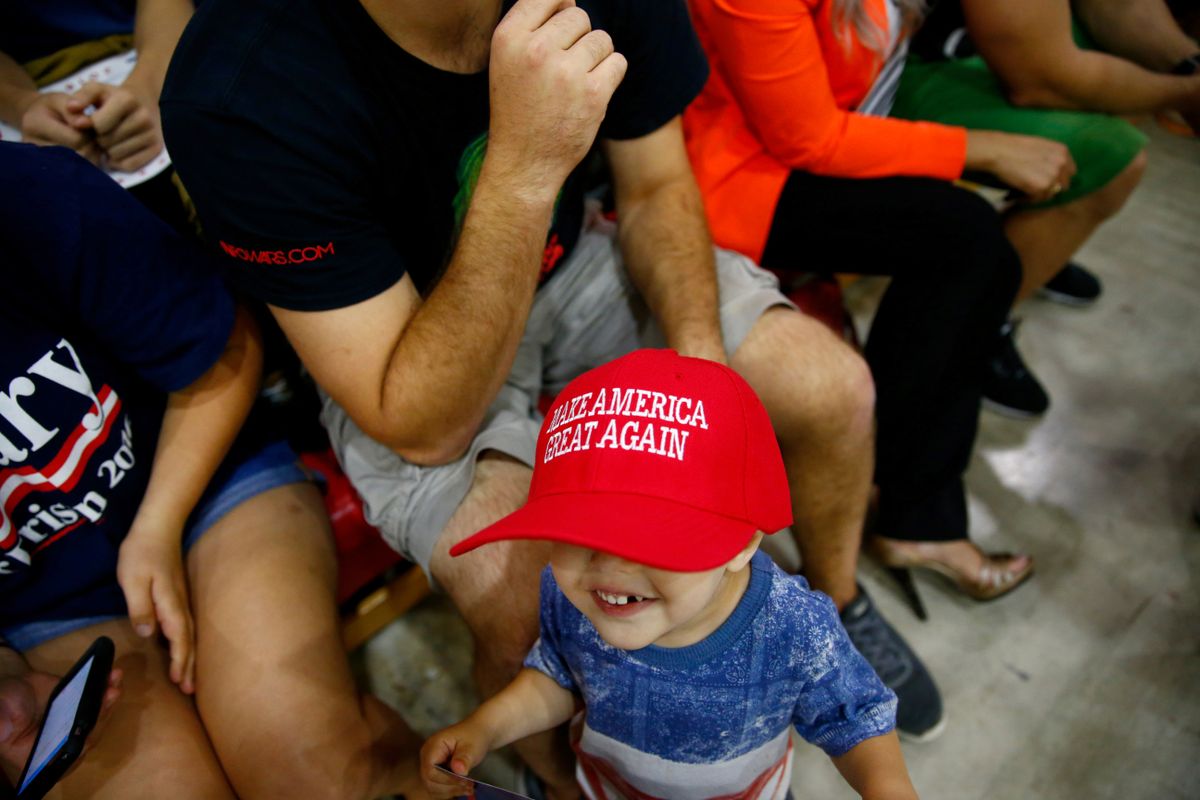
Gorgeous Trump Floats Letting States Handle Day Care. Advocates Call It A Lead Balloon View for Desktop
This gorgeous trump floats letting states handle day care. advocates call it a lead balloon photo offers a breathtaking view, making it a perfect choice for your next wallpaper.

Serene Trump Floats Letting States Handle Day Care. Advocates Call It A Lead Balloon Photo for Your Screen
Discover an amazing trump floats letting states handle day care. advocates call it a lead balloon background image, ideal for personalizing your devices with vibrant colors and intricate designs.

Serene Trump Floats Letting States Handle Day Care. Advocates Call It A Lead Balloon Background Art
Explore this high-quality trump floats letting states handle day care. advocates call it a lead balloon image, perfect for enhancing your desktop or mobile wallpaper.

Detailed Trump Floats Letting States Handle Day Care. Advocates Call It A Lead Balloon Landscape in 4K
Explore this high-quality trump floats letting states handle day care. advocates call it a lead balloon image, perfect for enhancing your desktop or mobile wallpaper.
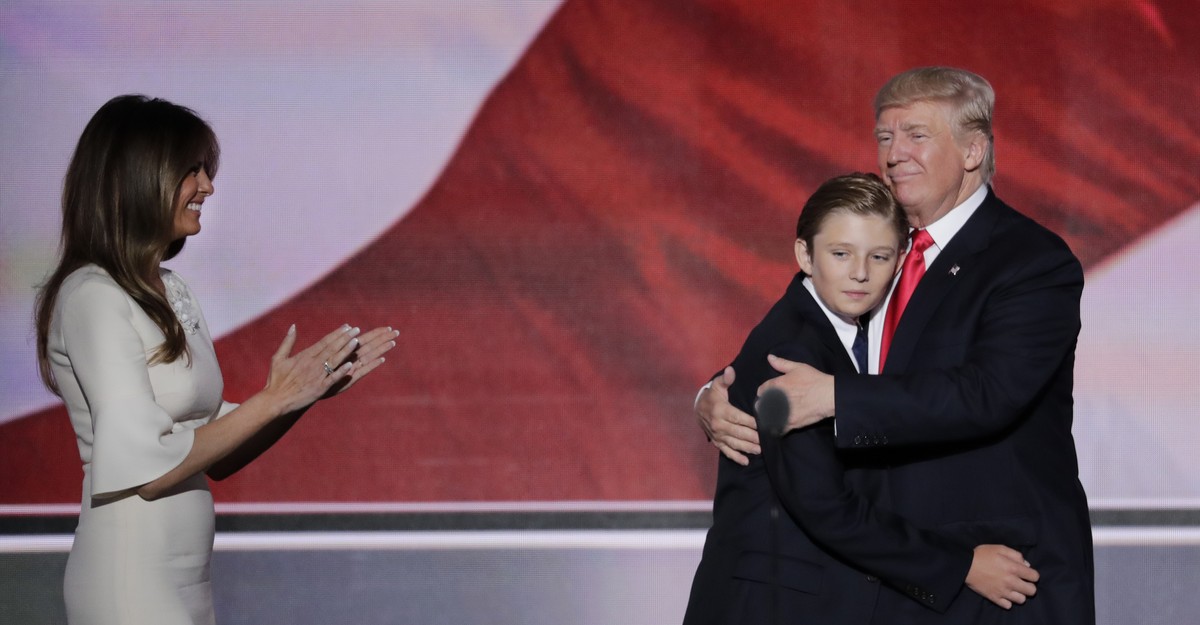
Exquisite Trump Floats Letting States Handle Day Care. Advocates Call It A Lead Balloon Abstract for Your Screen
A captivating trump floats letting states handle day care. advocates call it a lead balloon scene that brings tranquility and beauty to any device.

Crisp Trump Floats Letting States Handle Day Care. Advocates Call It A Lead Balloon Landscape in HD
A captivating trump floats letting states handle day care. advocates call it a lead balloon scene that brings tranquility and beauty to any device.
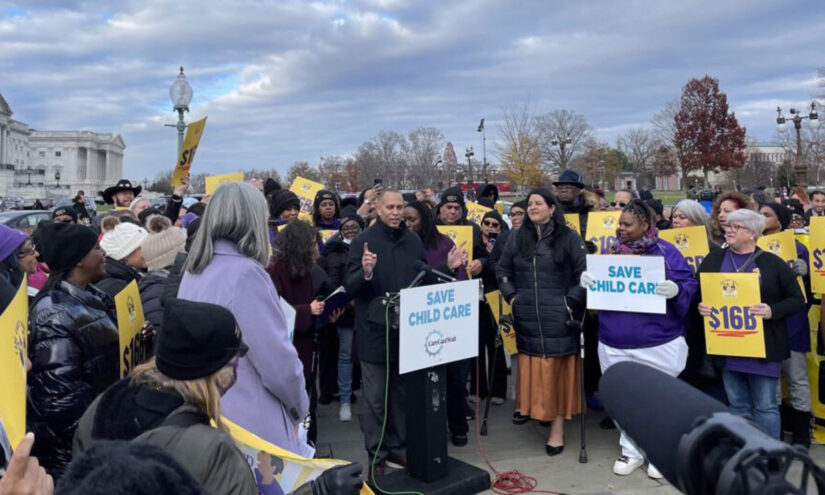
Captivating Trump Floats Letting States Handle Day Care. Advocates Call It A Lead Balloon Landscape Photography
A captivating trump floats letting states handle day care. advocates call it a lead balloon scene that brings tranquility and beauty to any device.

Captivating Trump Floats Letting States Handle Day Care. Advocates Call It A Lead Balloon Abstract Art
Find inspiration with this unique trump floats letting states handle day care. advocates call it a lead balloon illustration, crafted to provide a fresh look for your background.
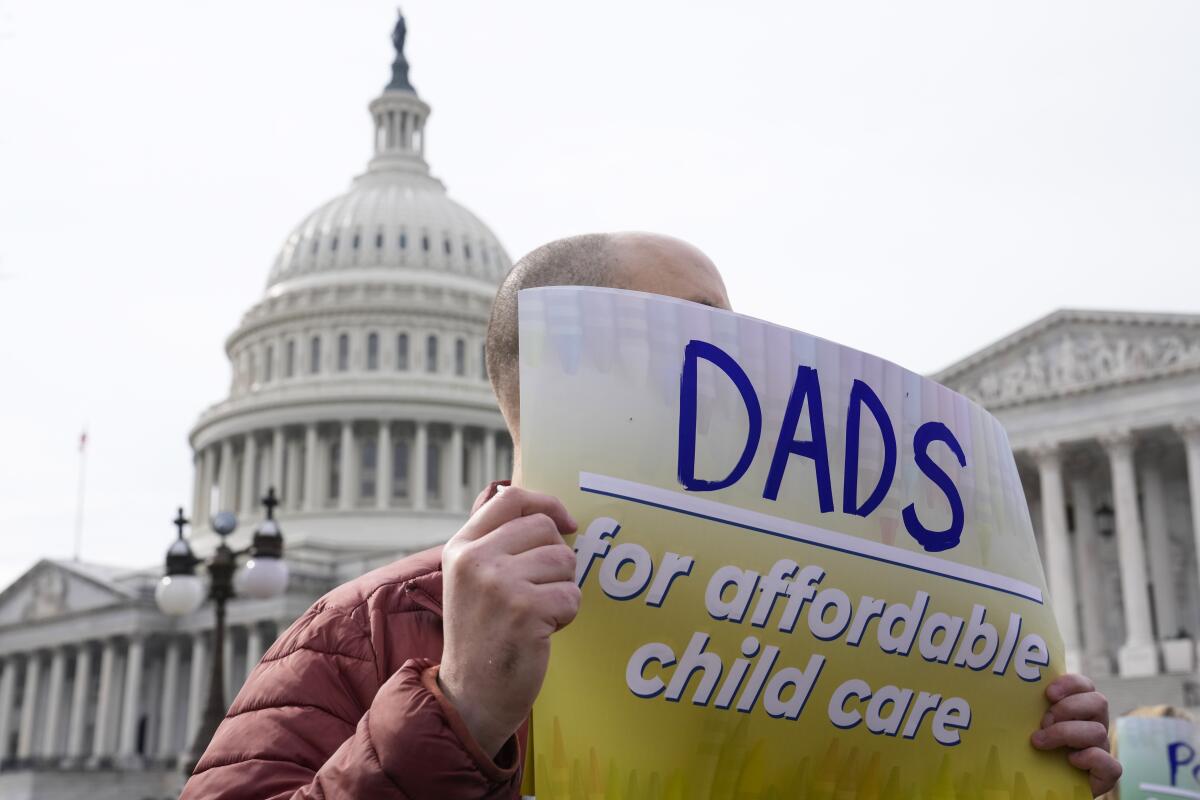
Crisp Trump Floats Letting States Handle Day Care. Advocates Call It A Lead Balloon Scene Illustration
This gorgeous trump floats letting states handle day care. advocates call it a lead balloon photo offers a breathtaking view, making it a perfect choice for your next wallpaper.
Artistic Trump Floats Letting States Handle Day Care. Advocates Call It A Lead Balloon Abstract for Mobile
A captivating trump floats letting states handle day care. advocates call it a lead balloon scene that brings tranquility and beauty to any device.

Stunning Trump Floats Letting States Handle Day Care. Advocates Call It A Lead Balloon Abstract Concept
Find inspiration with this unique trump floats letting states handle day care. advocates call it a lead balloon illustration, crafted to provide a fresh look for your background.

Detailed Trump Floats Letting States Handle Day Care. Advocates Call It A Lead Balloon Moment for Desktop
Discover an amazing trump floats letting states handle day care. advocates call it a lead balloon background image, ideal for personalizing your devices with vibrant colors and intricate designs.

Captivating Trump Floats Letting States Handle Day Care. Advocates Call It A Lead Balloon Scene Collection
A captivating trump floats letting states handle day care. advocates call it a lead balloon scene that brings tranquility and beauty to any device.

Vivid Trump Floats Letting States Handle Day Care. Advocates Call It A Lead Balloon Artwork Photography
Explore this high-quality trump floats letting states handle day care. advocates call it a lead balloon image, perfect for enhancing your desktop or mobile wallpaper.

Mesmerizing Trump Floats Letting States Handle Day Care. Advocates Call It A Lead Balloon Picture for Desktop
Experience the crisp clarity of this stunning trump floats letting states handle day care. advocates call it a lead balloon image, available in high resolution for all your screens.

Stunning Trump Floats Letting States Handle Day Care. Advocates Call It A Lead Balloon View Nature
This gorgeous trump floats letting states handle day care. advocates call it a lead balloon photo offers a breathtaking view, making it a perfect choice for your next wallpaper.

Stunning Trump Floats Letting States Handle Day Care. Advocates Call It A Lead Balloon Design Concept
Find inspiration with this unique trump floats letting states handle day care. advocates call it a lead balloon illustration, crafted to provide a fresh look for your background.

Serene Trump Floats Letting States Handle Day Care. Advocates Call It A Lead Balloon Artwork Photography
Experience the crisp clarity of this stunning trump floats letting states handle day care. advocates call it a lead balloon image, available in high resolution for all your screens.
Download these trump floats letting states handle day care. advocates call it a lead balloon wallpapers for free and use them on your desktop or mobile devices.