Trump says US could end war in Iran in two to three weeks
Trump says US could end war in Iran in two to three weeks
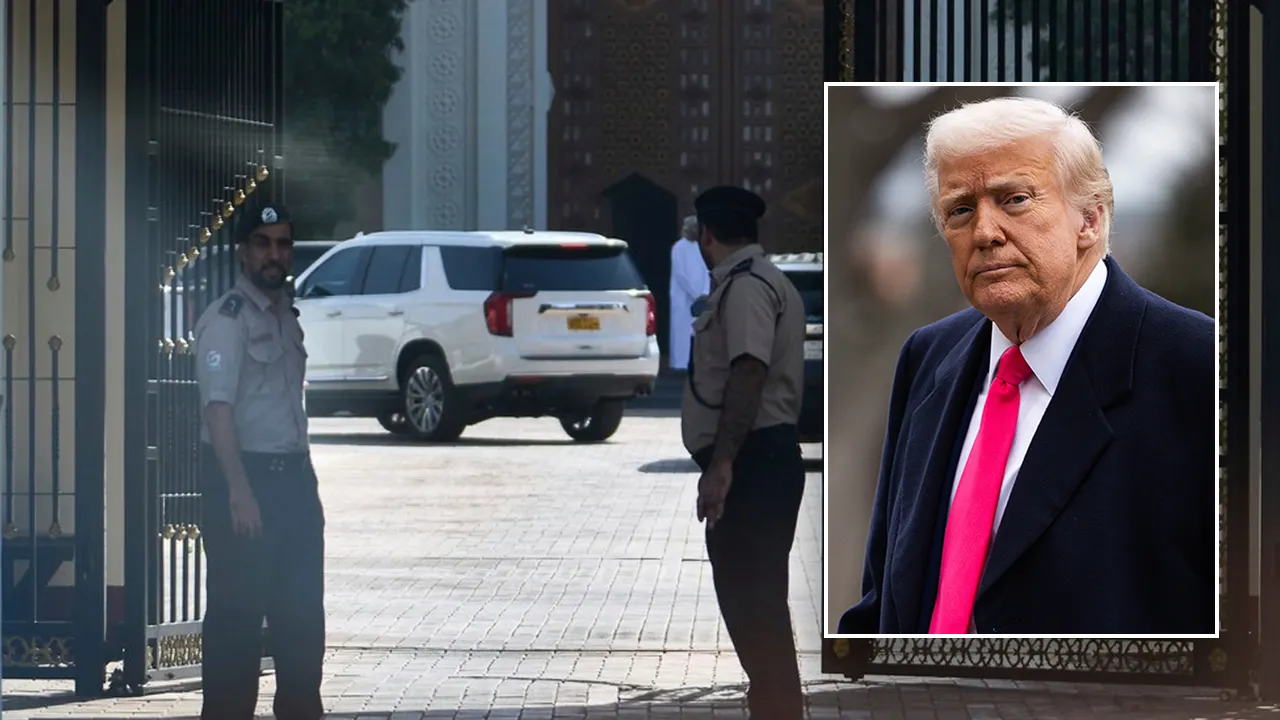
President Donald Trump has sent shockwaves through the global community by announcing that the United States could conclude its ongoing military operations in Iran within a mere two to three weeks. Speaking from the White House and through a series of characteristic posts on his Truth Social platform, the President suggested that significant diplomatic and military progress has brought the conflict to a tipping point. This bold timeline comes amid a flurry of international activity, where mediators from Pakistan, Egypt, and Turkey are working feverishly to bridge the gap between Washington’s 15-point peace proposal and Tehran’s demands for security guarantees. While the President remains optimistic about a swift resolution, the situation on the ground remains volatile, with the Strait of Hormuz largely blocked and global oil markets reacting sharply to every update from the administration.
According to recent statements by President Donald Trump, the U.S. military campaign in Iran, known as Operation Epic Fury, is entering its final stages with a projected end date of just two to three weeks. This rapid timeline is based on the administration's assessment that 90% of Iran's missile capabilities have been neutralized and that direct and indirect negotiations, facilitated by Pakistan, are yielding "great progress." However, the administration has also warned that if a deal is not reached "shortly," the U.S. may expand its strikes to include civilian infrastructure, such as power plants and desalination facilities, to force a conclusion to the war.
The Shift Toward a Diplomatic Exit Strategy
The sudden shift in rhetoric from "unconditional surrender" to a "two to three week" exit strategy marks a significant evolution in the Trump administration's approach to Iran. Initially launched as a high-intensity campaign to eliminate imminent threats, Operation Epic Fury has evolved into a leverage tool for a comprehensive new nuclear agreement. Trump’s special envoy to the Middle East, Steve Witkoff, has been at the forefront of these discussions, reiterating the U.S.'s core demands: zero domestic uranium enrichment, the total removal of existing enriched uranium stockpiles, and strict limitations on Iran’s ballistic missile program. The President’s confidence stems from reports that a "more reasonable" group of leaders in Tehran is now engaging with mediators, signaling a potential break from the hardline stance that dominated the early days of the conflict.
The role of intermediaries cannot be overstated in this current phase. Pakistan, led by Prime Minister Shehbaz Sharif and Army Chief General Asim Munir, has emerged as the primary backchannel. Recent meetings in Islamabad involving foreign ministers from Saudi Arabia, Turkey, and Egypt have solidified a four-nation bloc dedicated to containing the fallout. These nations are not just concerned with the military aspect but are also managing the humanitarian and economic crises triggered by the closure of the Strait of Hormuz. For Trump, the involvement of these regional powers provides a convenient "off-ramp," allowing the U.S. to claim victory and potentially hand over the responsibility of regional policing to a multinational coalition.
Operation Epic Fury and Military Superiority
The military rationale behind the three-week timeline lies in the perceived success of Operation Epic Fury. Defense Secretary Pete Hegseth recently reported that U.S. and Israeli forces have established total air superiority, allowing for unchallenged strikes across Iranian territory. The Pentagon claims to have destroyed or damaged over 150 Iranian naval vessels and decimated the majority of the Islamic Revolutionary Guard Corps' (IRGC) command nodes. By targeting drone factories and missile manufacturing sites, the U.S. aims to ensure that Iran cannot sustain a long-term war of attrition. This "mowing the lawn" strategy is intended to degrade Iran’s military capacity to a point where the regime has no choice but to accept the 15-point plan.
Despite these claims of success, the conflict is not without its challenges. While the U.S. asserts that 90% of launchers are gone, retaliatory strikes from Iranian proxies and remaining mobile units continue to hit regional targets, including aluminum plants in Bahrain and U.S. bases in Saudi Arabia. The use of B-52 bombers highlights the scale of the American air campaign, but experts warn that a total military victory without a ground invasion remains elusive. Trump, however, has been vocal about his desire to avoid a "forever war," emphasizing that the mission is about "future generations" and not long-term occupation. This desire to exit quickly is a key driver of the current two-to-three-week projection.
The 15-Point Peace Plan: Terms of Engagement
The cornerstone of the current negotiations is a 15-point proposal tabled by the Trump administration. This document is a revised version of the demands first presented in 2025, focusing on permanent nuclear disarmament and regional stability. Key provisions include the dismantling of all centrifuges, the handover of nearly 1,000 pounds of highly enriched uranium, and the granting of "comprehensive and intrusive" access to the IAEA. In exchange, the U.S. has offered extensive sanctions relief, though the President has also threatened to impose secondary tariffs on any nation that continues to trade with Iran outside of this framework. This "maximum pressure" 2.0 is designed to make the cost of defiance higher than the cost of submission.
Tehran’s response has been mixed. While some officials describe the demands as "excessive and irrational," the Iranian President, Masoud Pezeshkian, has indicated a willingness to end the war provided there are "essential conditions" and guarantees against future aggression. The ambiguity of who is actually in charge in Tehran complicates matters; with reports of the Supreme Leader being severely wounded or incapacitated, the U.S. is essentially negotiating with a regime in transition. Trump’s claim that he is dealing with "different people than anybody’s dealt with before" suggests that the U.S. believes it has successfully forced a de facto regime change through military pressure.
Economic Fallout and the Strait of Hormuz
The war’s most immediate global impact has been the disruption of the Strait of Hormuz, a chokepoint responsible for nearly 20% of the world’s oil supply. Iran’s "stranglehold" on the waterway has pushed oil prices to record monthly highs, sparking fears of a global recession. Trump has used this economic pressure as both a carrot and a stick. He has suggested that if Iran opens the strait, it would be seen as a "present" to the U.S., but he has also threatened to "completely obliterate" Iran’s oil infrastructure and Kharg Island if the blockade continues. This high-stakes gamble has left financial markets in a state of constant flux.
The President has also been critical of U.S. allies, particularly the UK and France, for their reluctance to join the military effort. In a characteristic outburst, he told European nations to "go get your own oil" and suggested they build up the "courage" to secure the strait themselves. This "America First" approach to the conflict implies that while the U.S. will lead the initial strike, it expects the global community to foot the bill and handle the long-term maritime security. The Treasury Department’s plan to retake control of the straits through multinational escorts is a central part of the post-war vision the administration is selling.
| Strategic Objective | Current Status (March 2026) |
|---|---|
| Nuclear Program Degradation | 90% of facilities targeted; Isfahan/Natanz neutralized |
| Missile & Drone Industry | Factories heavily damaged; 90% of launchers destroyed |
| Naval Capability | 150+ vessels destroyed; main fleet docked in neutral ports |
| Strait of Hormuz Control | 95% of traffic blocked; U.S. planning multinational escorts |
| Diplomatic Negotiations | Indirect talks ongoing via Pakistan; 15-point plan tabled |
The Role of Regional Mediators: Pakistan and Beyond
Pakistan has emerged as the indispensable player in the quest for a three-week resolution. By hosting backchannel talks in Islamabad and Muscat, Pakistan is providing the neutral ground necessary for the U.S. and Iran to exchange messages without the political fallout of direct face-to-face meetings. Prime Minister Shehbaz Sharif’s role in facilitating these "meaningful and conclusive" talks has been publicly acknowledged by Trump, highlighting a rare moment of diplomatic alignment. The "Islamabad Track" is seen as the most viable path to a ceasefire, as it involves other regional heavyweights like Saudi Arabia and Egypt, who are equally desperate to end the instability threatening their own economies.
However, the regional landscape is fraught with spoilers. Israel, while a key partner in the military strikes, has its own strategic objectives that may not align with a quick American exit. The possibility of Israel "mowing the lawn" indefinitely to prevent any Iranian recovery could clash with Trump’s desire for a clean break. Furthermore, the "Axis of Resistance," including Hezbollah and the Houthis, remains a wild card. While the U.S. claims their networks are degraded, their ability to launch asymmetric attacks against shipping and regional infrastructure could extend the conflict far beyond the President’s two-to-three-week window.
Legal and Humanitarian Concerns
The Trump administration's threats to target civilian infrastructure have drawn sharp criticism from human rights organizations and legal scholars. Amnesty International has warned that attacking power plants and desalination facilities would constitute a war crime under international humanitarian law, as these assets are essential for the survival of the civilian population. The "Operation Midnight Hammer" and "Operation Epic Fury" campaigns have already resulted in significant casualties, with estimates exceeding 3,000 deaths. A further escalation into "total decimation" of the power grid could trigger a humanitarian catastrophe that would overshadow any strategic gains.
The White House has countered these concerns by stating that all possible steps are being taken to minimize risk to non-combatants, but the President’s own rhetoric of "unleashing hell" and "total obliteration" suggests a much more aggressive posture. This tension between military necessity and international law is a recurring theme of the 2026 conflict. As the U.S. pushes for a quick end, the ethical cost of that speed is being weighed by the international community, with Pope Leo XIV and UN Secretary-General António Guterres calling for an "off-ramp" that prioritizes peace over "decimation."
The Domestic Political Stakes for the Trump Administration
For President Trump, the Iran war is as much about domestic politics as it is about foreign policy. With the 2026 midterms and his own legacy in mind, he cannot afford a protracted conflict that mirrors the failures of previous administrations. The "sprint" to a two-to-three-week conclusion is designed to present a narrative of decisive victory—a "Peace Through Strength" moment that fulfills his campaign promises. The administration is banking on the idea that a quick, successful war will stabilize global markets and cement Trump’s reputation as the ultimate dealmaker who succeeded where others spent decades "kicking the can down the road."
However, the risk of failure is high. If the war drags on into a war of attrition, or if the U.S. is forced into a costly ground operation to seize oil terminals or nuclear materials, the political tide could turn. Critics like Owen Jones and other international observers have argued that the war is exposing U.S. military overstretch rather than strength. The "Art of the Deal" is being put to its ultimate test; if Trump can indeed secure a formal agreement and exit within his stated timeline, it will be a historic strategic win. If not, the Iran war may become the defining—and potentially damaging—anchor of his second term.
Frequently Asked Questions
Q: Why does Trump believe the war can end in three weeks?
A: The administration points to the degradation of 90% of Iran's missile launchers and ongoing "productive" backchannel negotiations mediated by Pakistan as evidence that a resolution is near.
Q: What is the 15-point peace plan?
A: It is a U.S. proposal requiring Iran to permanently end uranium enrichment, surrender its nuclear stockpiles, and accept intrusive inspections in exchange for sanctions relief and the reopening of trade.
Q: Will there be a U.S. ground invasion of Iran?
A: While Trump has stated he wants to avoid ground troops, reports suggest the Pentagon is preparing for limited ground operations to secure nuclear materials or seize oil terminals if a deal is not reached.
Q: How has the war affected oil prices?
A: Oil prices have surged to over $100 a barrel due to the closure of the Strait of Hormuz, though prices occasionally rally on news of potential diplomatic breakthroughs.
Q: Who is mediating the talks between the US and Iran?
A: Pakistan is the lead mediator, supported by a four-nation bloc including Egypt, Turkey, and Saudi Arabia.
Conclusion
The declaration that the war in Iran could conclude in two to three weeks is a high-stakes gamble for the Trump administration. It combines a display of overwhelming military force with a desperate diplomatic push to avoid a long-term regional quagmire. By leveraging Operation Epic Fury’s technical successes and the mediation efforts of Pakistan, Trump is attempting to force a "comprehensive and lasting settlement" that goes far beyond any previous nuclear deal. Whether this timeline is a realistic assessment of a regime on the brink or a piece of strategic messaging intended to calm global markets remains to be seen. As the deadline approaches, the world watches to see if this conflict will indeed find its "Easter off-ramp" or if it will spiral into a deeper, more destructive regional war. For now, the focus remains on the Islamabad track and the President’s unwavering belief in the power of maximum pressure to secure the ultimate deal.
Trump says US could end war in Iran in two to three weeks
Trump says US could end war in Iran in two to three weeks Wallpapers
Collection of trump says us could end war in iran in two to three weeks wallpapers for your desktop and mobile devices.
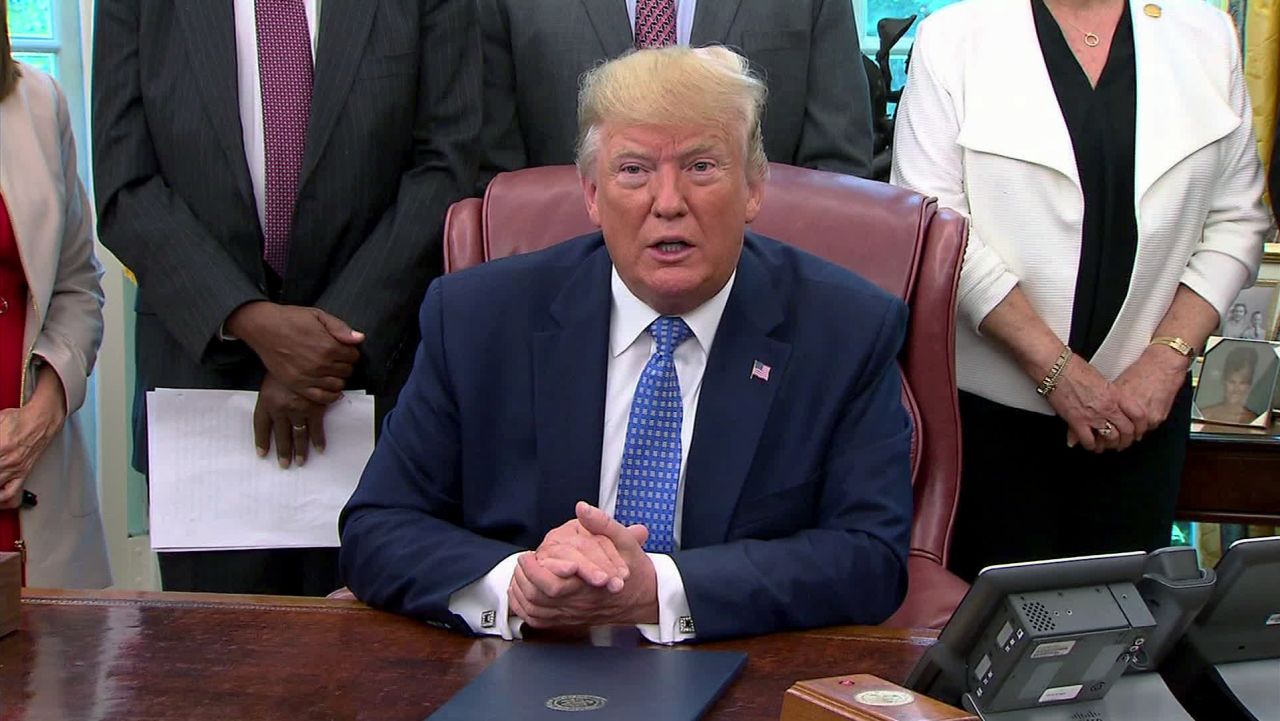
Detailed Trump Says Us Could End War In Iran In Two To Three Weeks Picture Nature
Experience the crisp clarity of this stunning trump says us could end war in iran in two to three weeks image, available in high resolution for all your screens.

Vibrant Trump Says Us Could End War In Iran In Two To Three Weeks Wallpaper in HD
Transform your screen with this vivid trump says us could end war in iran in two to three weeks artwork, a true masterpiece of digital design.
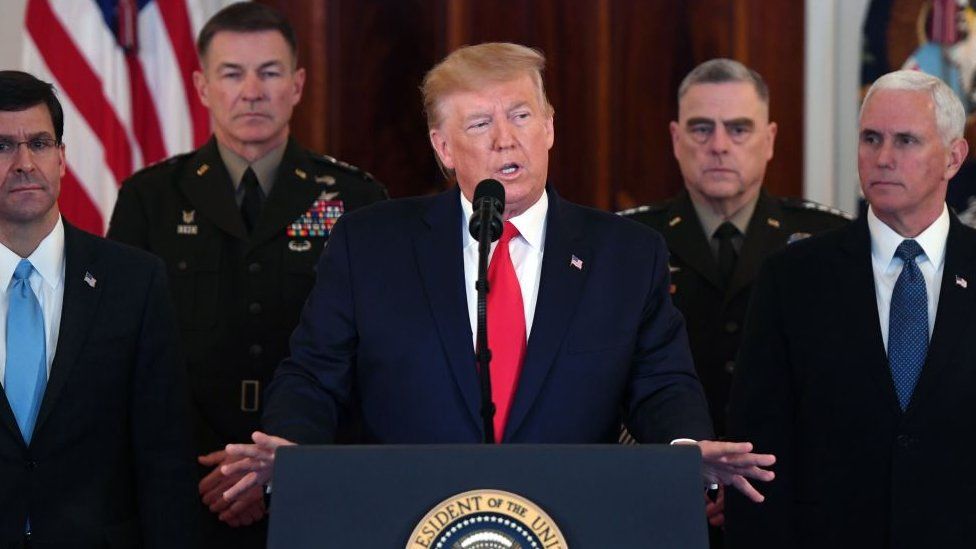
Amazing Trump Says Us Could End War In Iran In Two To Three Weeks Capture in HD
Explore this high-quality trump says us could end war in iran in two to three weeks image, perfect for enhancing your desktop or mobile wallpaper.

Beautiful Trump Says Us Could End War In Iran In Two To Three Weeks Image Art
Transform your screen with this vivid trump says us could end war in iran in two to three weeks artwork, a true masterpiece of digital design.
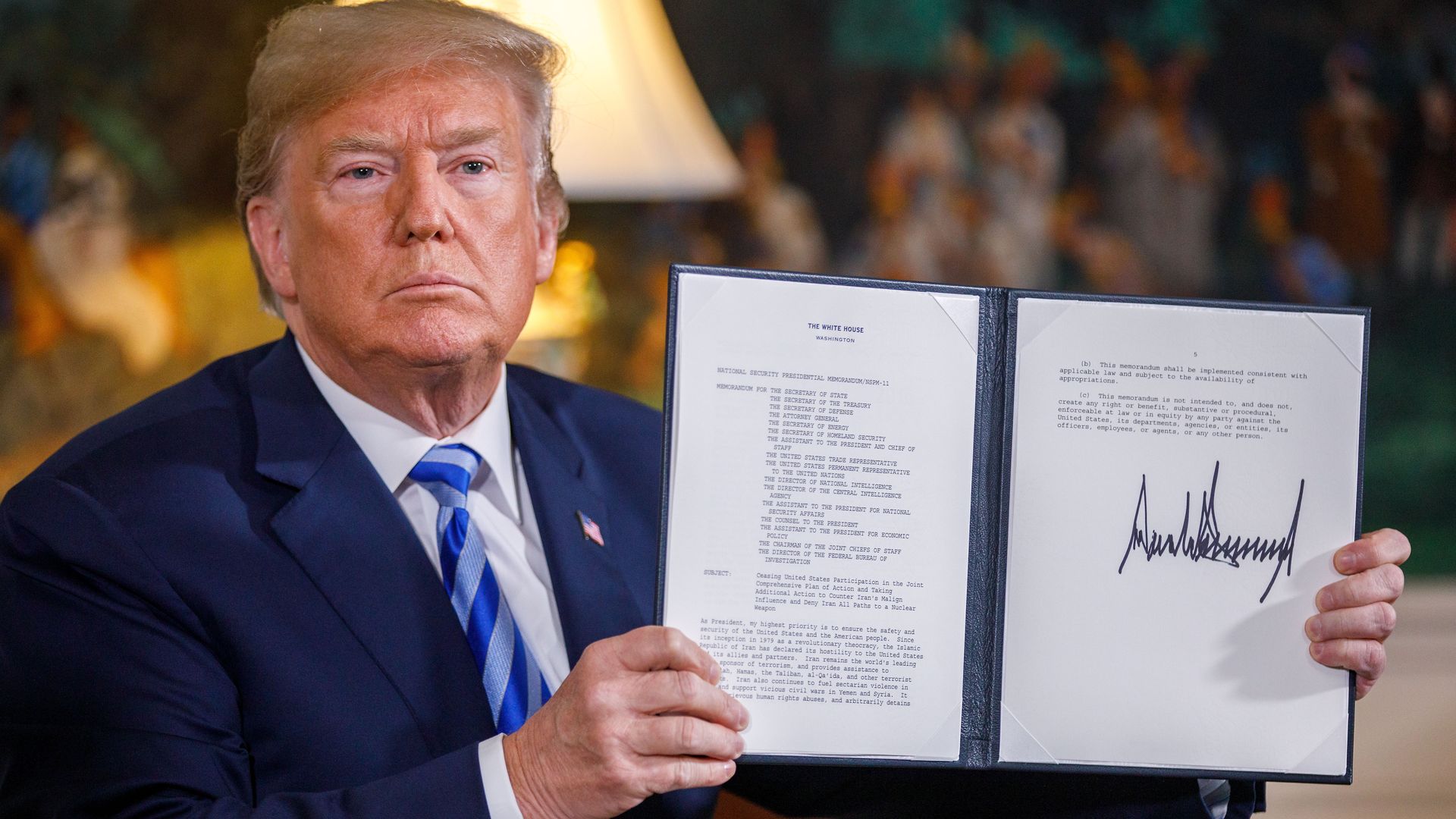
Exquisite Trump Says Us Could End War In Iran In Two To Three Weeks Artwork for Your Screen
Immerse yourself in the stunning details of this beautiful trump says us could end war in iran in two to three weeks wallpaper, designed for a captivating visual experience.
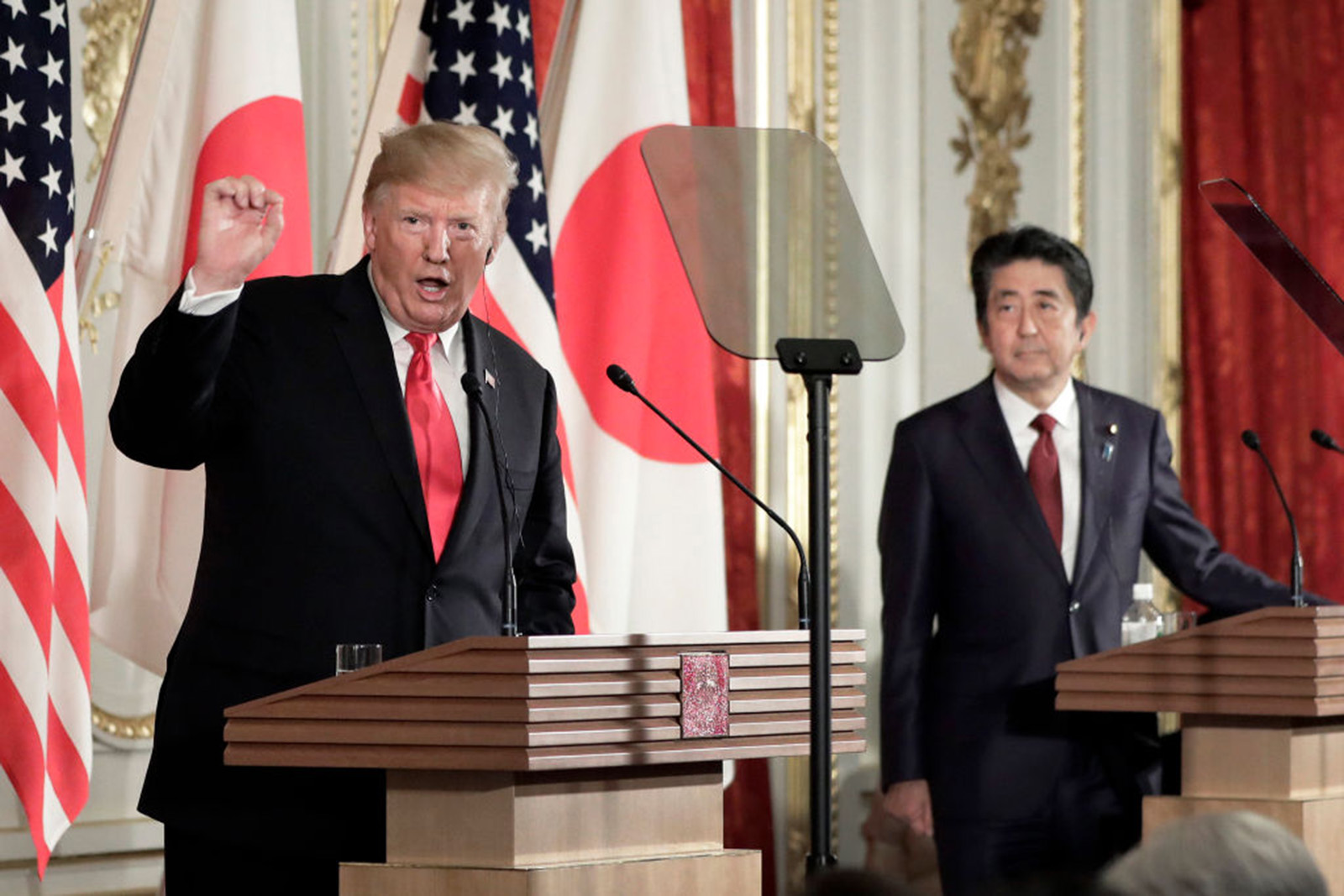
Lush Trump Says Us Could End War In Iran In Two To Three Weeks Moment Illustration
This gorgeous trump says us could end war in iran in two to three weeks photo offers a breathtaking view, making it a perfect choice for your next wallpaper.

Crisp Trump Says Us Could End War In Iran In Two To Three Weeks Capture Photography
Immerse yourself in the stunning details of this beautiful trump says us could end war in iran in two to three weeks wallpaper, designed for a captivating visual experience.
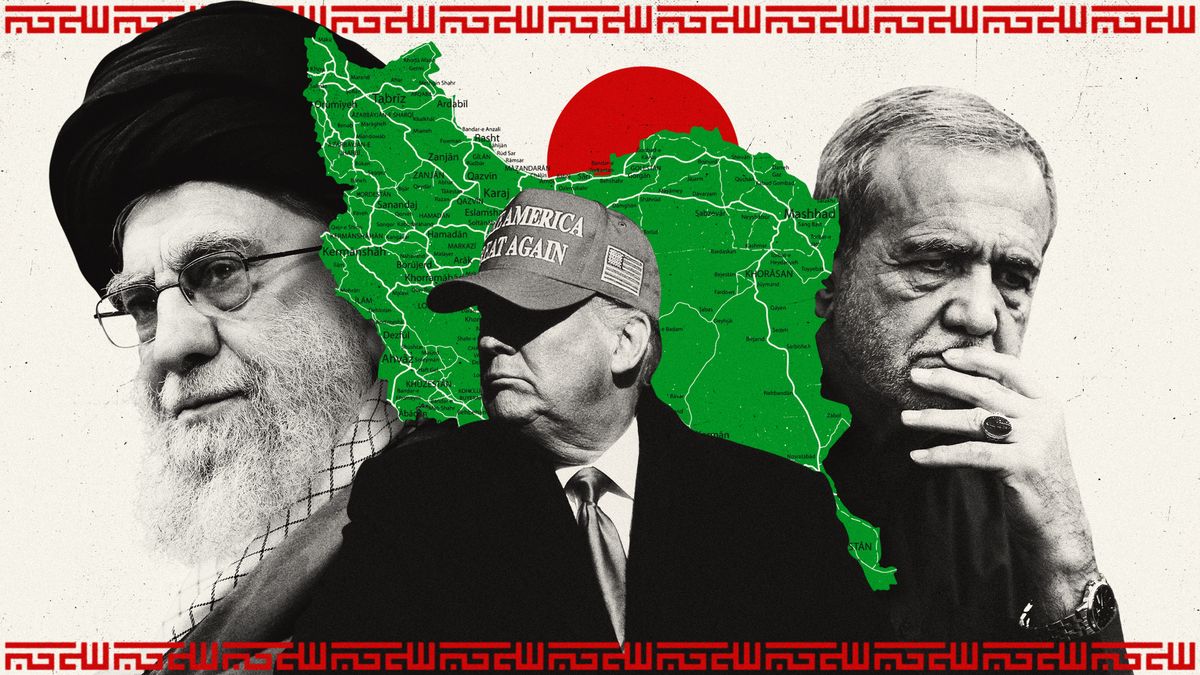
Stunning Trump Says Us Could End War In Iran In Two To Three Weeks Wallpaper for Mobile
Find inspiration with this unique trump says us could end war in iran in two to three weeks illustration, crafted to provide a fresh look for your background.
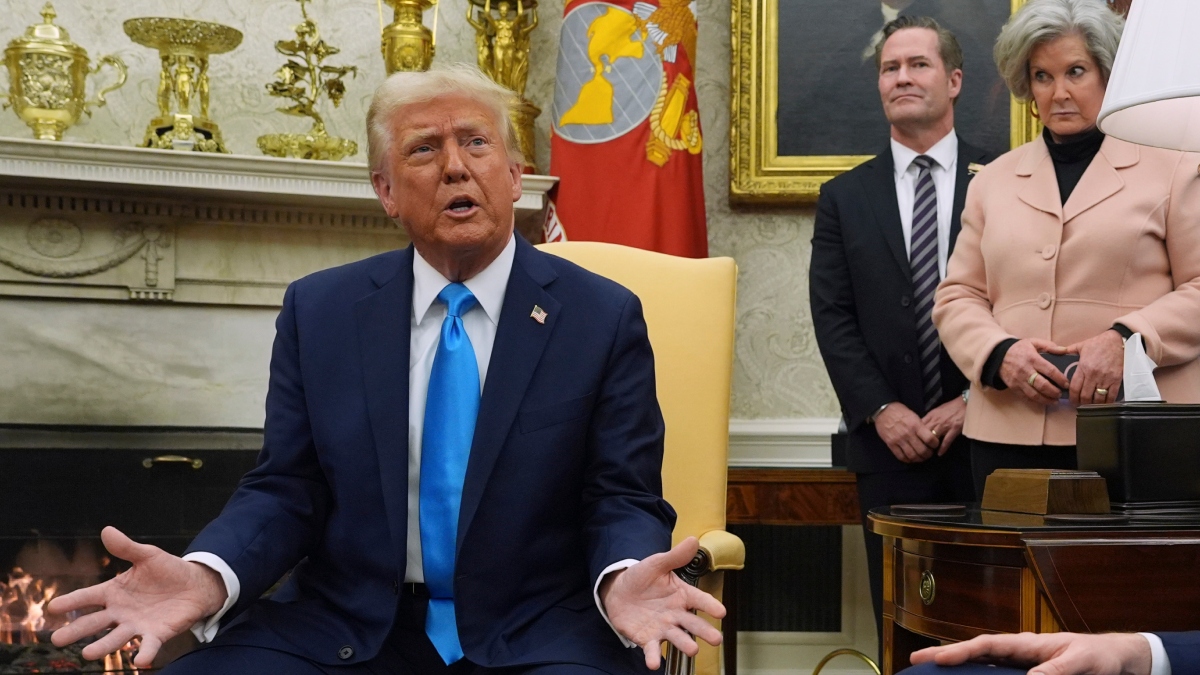
Stunning Trump Says Us Could End War In Iran In Two To Three Weeks Wallpaper in 4K
A captivating trump says us could end war in iran in two to three weeks scene that brings tranquility and beauty to any device.
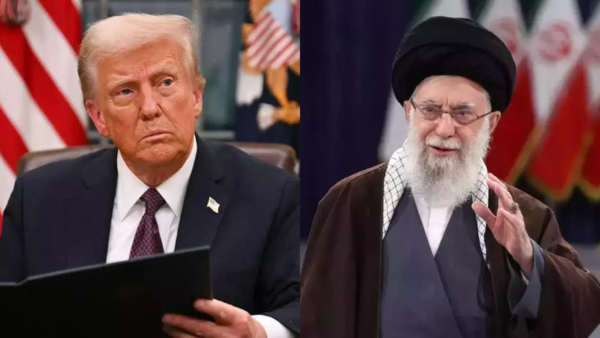
Spectacular Trump Says Us Could End War In Iran In Two To Three Weeks Image for Your Screen
Find inspiration with this unique trump says us could end war in iran in two to three weeks illustration, crafted to provide a fresh look for your background.

Vivid Trump Says Us Could End War In Iran In Two To Three Weeks Design Collection
Explore this high-quality trump says us could end war in iran in two to three weeks image, perfect for enhancing your desktop or mobile wallpaper.

Lush Trump Says Us Could End War In Iran In Two To Three Weeks Background for Desktop
This gorgeous trump says us could end war in iran in two to three weeks photo offers a breathtaking view, making it a perfect choice for your next wallpaper.
Gorgeous Trump Says Us Could End War In Iran In Two To Three Weeks Background Nature
Immerse yourself in the stunning details of this beautiful trump says us could end war in iran in two to three weeks wallpaper, designed for a captivating visual experience.
Dynamic Trump Says Us Could End War In Iran In Two To Three Weeks Picture for Mobile
Immerse yourself in the stunning details of this beautiful trump says us could end war in iran in two to three weeks wallpaper, designed for a captivating visual experience.
Lush Trump Says Us Could End War In Iran In Two To Three Weeks Landscape for Desktop
Find inspiration with this unique trump says us could end war in iran in two to three weeks illustration, crafted to provide a fresh look for your background.

Gorgeous Trump Says Us Could End War In Iran In Two To Three Weeks Capture in HD
This gorgeous trump says us could end war in iran in two to three weeks photo offers a breathtaking view, making it a perfect choice for your next wallpaper.

Amazing Trump Says Us Could End War In Iran In Two To Three Weeks View Illustration
Experience the crisp clarity of this stunning trump says us could end war in iran in two to three weeks image, available in high resolution for all your screens.
Spectacular Trump Says Us Could End War In Iran In Two To Three Weeks Background Photography
Find inspiration with this unique trump says us could end war in iran in two to three weeks illustration, crafted to provide a fresh look for your background.
Mesmerizing Trump Says Us Could End War In Iran In Two To Three Weeks Wallpaper Illustration
Experience the crisp clarity of this stunning trump says us could end war in iran in two to three weeks image, available in high resolution for all your screens.
Artistic Trump Says Us Could End War In Iran In Two To Three Weeks Artwork Art
A captivating trump says us could end war in iran in two to three weeks scene that brings tranquility and beauty to any device.
Download these trump says us could end war in iran in two to three weeks wallpapers for free and use them on your desktop or mobile devices.