Trump’s Strait of Hormuz Blockade Threat: Rising Risks and the Reality of Unchanged Geopolitical Predicaments
Trump’s Strait of Hormuz Blockade Threat: Rising Risks and the Reality of Unchanged Geopolitical Predicaments
The geopolitical landscape of the Middle East has once again been thrust into the global spotlight following recent statements from former President Donald Trump regarding a potential blockade of the Strait of Hormuz. As a pivotal "choke point" for global energy supplies, any threat to this narrow waterway sends shockwaves through international markets, diplomatic circles, and security agencies. While the rhetoric aims to project strength and "maximum pressure" on Iran, experts argue that such a move significantly raises the risk of kinetic conflict while leaving the underlying diplomatic and regional predicaments fundamentally unchanged. This article explores the multifaceted implications of a Strait of Hormuz blockade, the economic consequences for a fragile global market, and why the current stalemate persists despite escalating threats.
The Strategic Significance of the Strait of Hormuz: The World's Energy Jugular
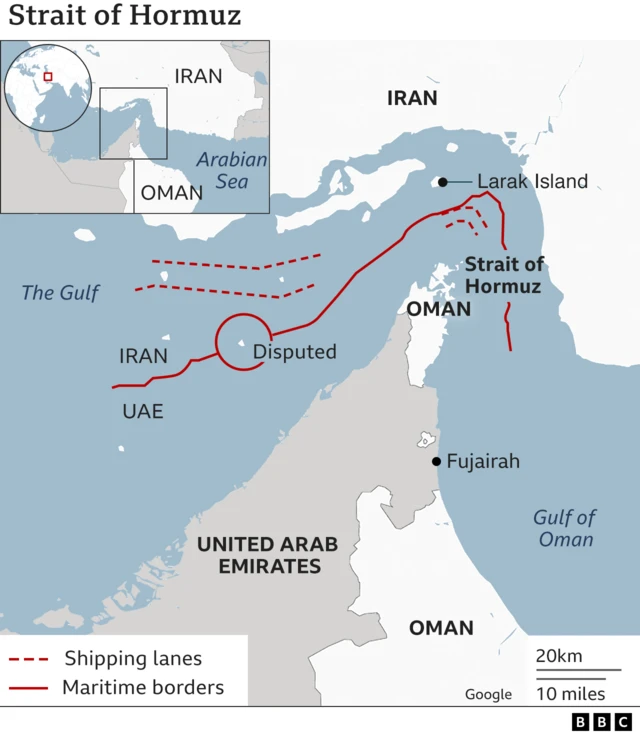
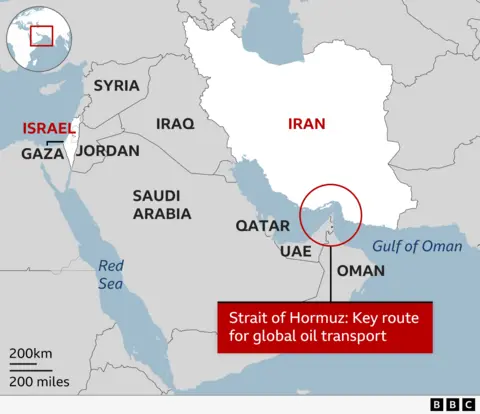
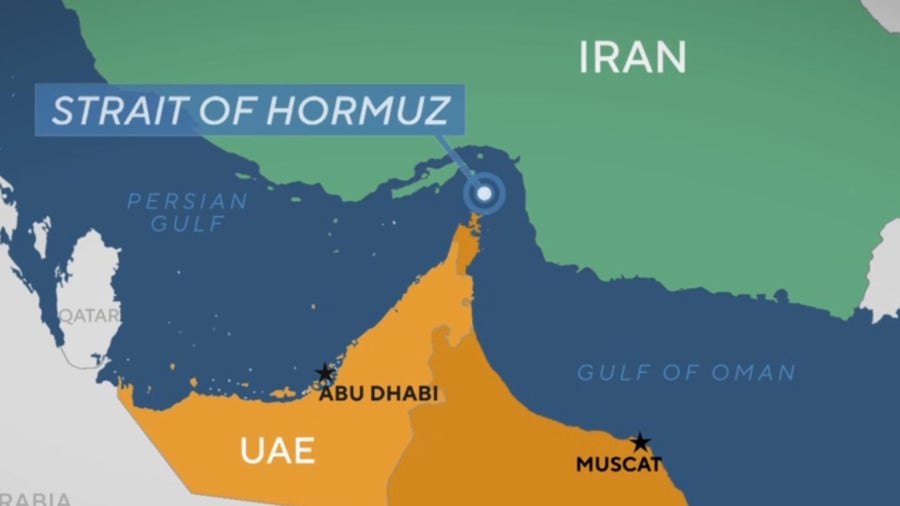
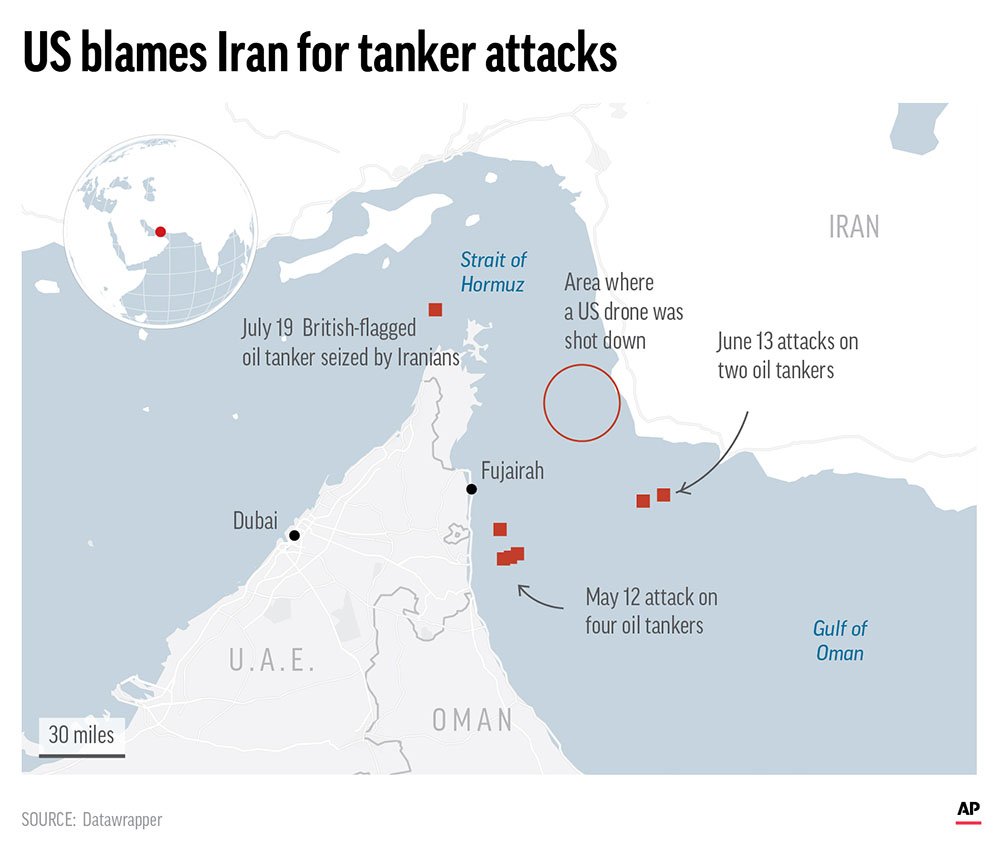
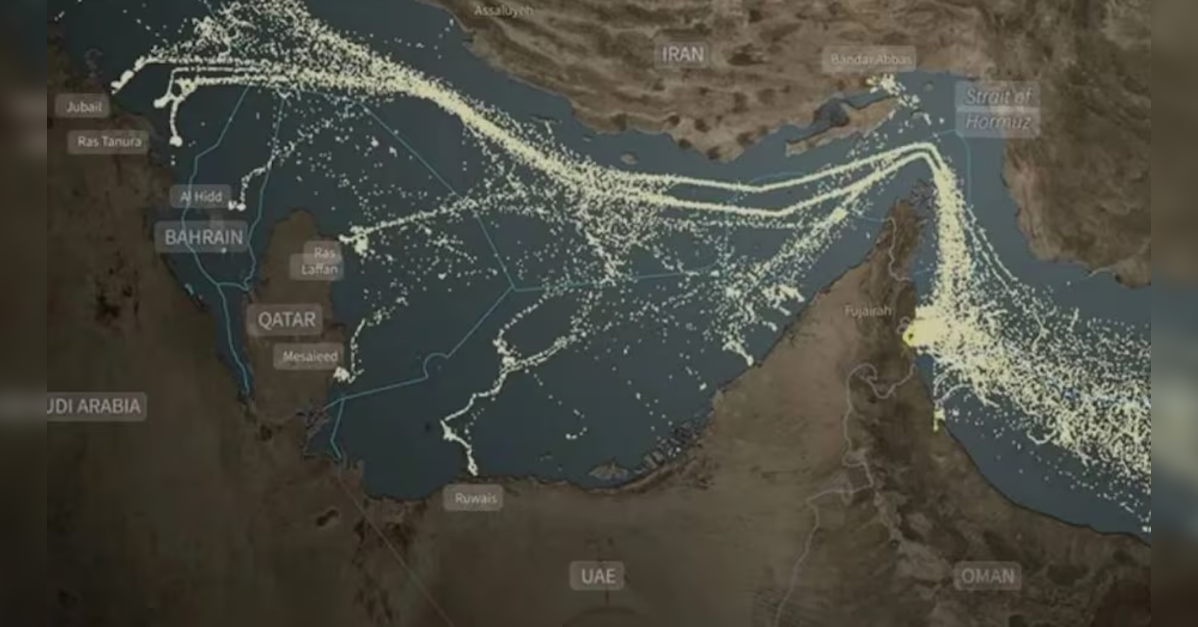
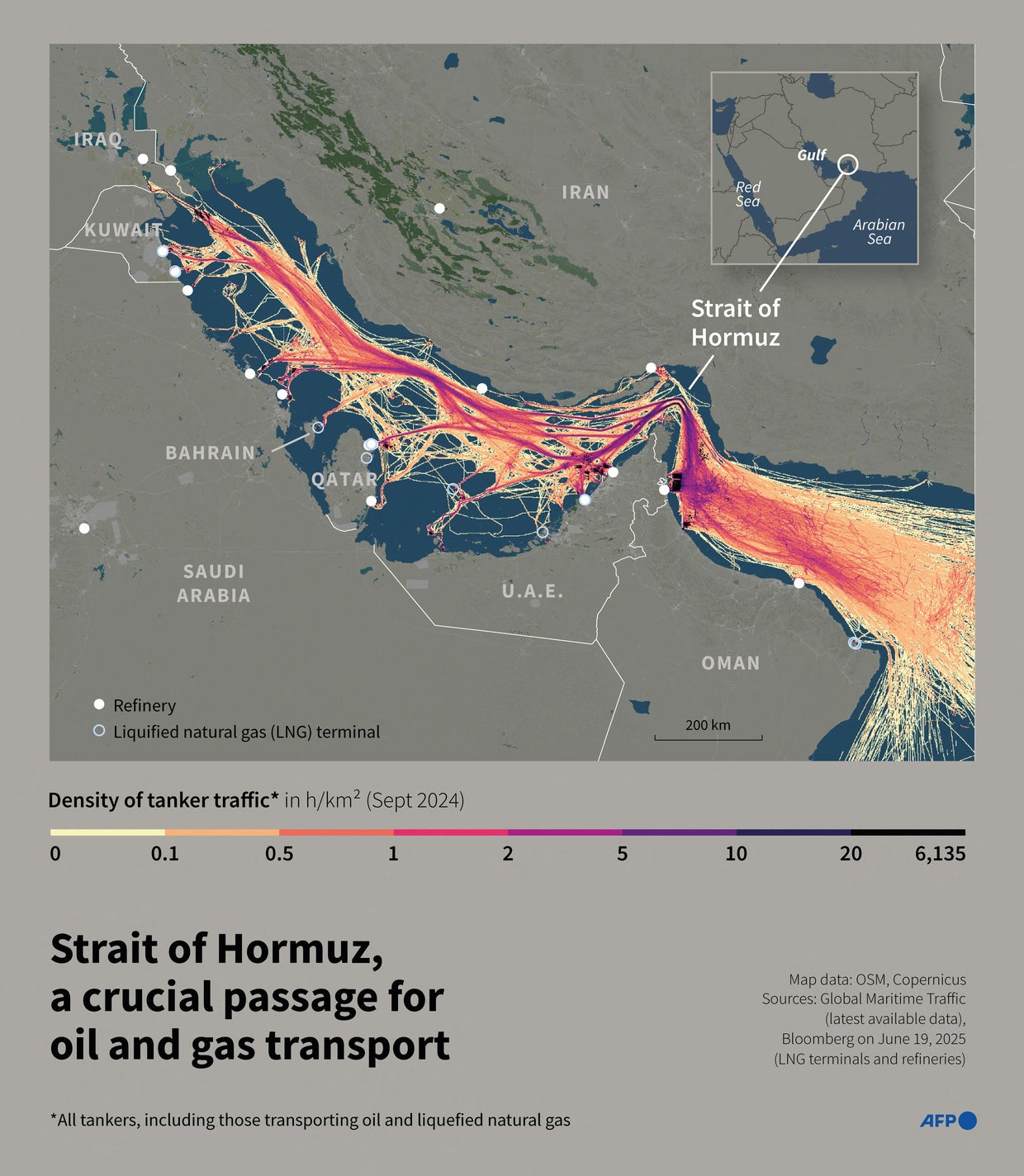
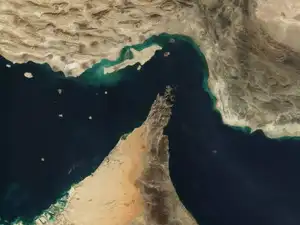
To understand the gravity of Trump’s blockade threat, one must first grasp the geographic and economic importance of the Strait of Hormuz. Connecting the Persian Gulf with the Gulf of Oman and the Arabian Sea, the strait is the only sea passage from the Persian Gulf to the open ocean. It is a narrow stretch of water—only 21 miles wide at its narrowest point—through which approximately 20% of the world’s total oil consumption passes daily.
For decades, the Strait of Hormuz has been described as the "jugular vein" of the global economy. Most of the crude oil exported from Saudi Arabia, Iran, the United Arab Emirates, Kuwait, and Iraq must pass through this corridor. Furthermore, it is a primary route for Liquefied Natural Gas (LNG) from Qatar, one of the world's largest exporters. Any disruption—whether through physical blockade, mining, or even heightened insurance premiums for tankers—immediately translates into higher energy costs for consumers in Europe, Asia, and the United States.
Trump’s focus on this region is not new, but the suggestion of an active blockade represents a shift from sanctions-based pressure to direct maritime intervention. In the context of "America First" energy policies, the irony remains that while the U.S. has increased its domestic production, the global nature of oil pricing means that a shock in the Middle East still dictates the price at American gas pumps.
Trump’s "Maximum Pressure" 2.0: Rhetoric vs. Maritime Reality
The threat of a blockade is a hallmark of Donald Trump’s aggressive foreign policy stance toward the Islamic Republic of Iran. By suggesting that the U.S. could physically prevent Iranian oil exports or counter Iranian naval movements with a blockade, the former President aims to cut off the financial lifeblood of the Iranian regime. However, the logistical and legal reality of such an operation is fraught with complexity.
A maritime blockade is technically an act of war under international law. Implementing a full blockade would require the U.S. Navy to intercept and potentially board vessels from various nations, including major powers like China, which remains the primary purchaser of Iranian "illicit" oil. This creates a direct risk of a military confrontation not just with Iran, but potentially with other sovereign nations that view such actions as a violation of freedom of navigation—a principle the U.S. has historically spent billions of dollars to defend.
Furthermore, military analysts point out that Iran has developed "asymmetric warfare" capabilities specifically designed to counter a U.S. naval presence. Through the use of fast-attack boats, sea mines, and sophisticated anti-ship missiles stationed along its rugged coastline, Iran could turn the narrow strait into a "kill zone," making a sustained blockade an incredibly costly endeavor in terms of both human life and naval assets.
| Fitur/Aspek | Deskripsi |
|---|---|
| Daily Oil Flow | Approximately 21 million barrels per day (bpd) of crude and products. |
| Strategic Width | 21 miles at its narrowest point; shipping lanes are only 2 miles wide. |
| Key Exporters | Saudi Arabia, UAE, Kuwait, Iraq, Iran, and Qatar (LNG). |
| Military Risk | High risk of asymmetric warfare, sea mines, and drone strikes. |
| Economic Impact | Potential for oil prices to spike above $150 per barrel in a total closure scenario. |
Economic Volatility: How Markets React to "Blockade" Rhetoric
The global energy market is notoriously sensitive to geopolitical tension. The mere mention of a "blockade" by a figure as influential as Trump causes immediate volatility in Brent and West Texas Intermediate (WTI) futures. For traders, the Strait of Hormuz represents the ultimate "tail risk"—a low-probability but high-impact event that could derail global economic growth.
If a blockade were to move from rhetoric to reality, the first casualty would be the global insurance market. Maritime insurance for tankers operating in the Persian Gulf would skyrocket, making it economically unfeasible for many shipping companies to operate. This "shadow blockade" through insurance costs can be just as effective as physical ships in slowing down trade.
The impact would be felt most acutely in Asia. Countries like India, China, Japan, and South Korea rely heavily on Middle Eastern crude. A disruption in the strait would force these nations to look for alternatives in a market where supply is already tight. For the U.S., while energy independent in terms of net volume, the inflationary pressure of $100+ oil would jeopardize domestic economic stability, potentially leading to higher interest rates and a slowdown in consumer spending—the very things Trump’s economic platform seeks to avoid.
The Iranian Response and the Risk of Regional Escalation
Iran’s response to such threats has historically been one of "counter-escalation." For the Iranian leadership, the Strait of Hormuz is their greatest leverage. Iranian officials have repeatedly warned that if they are prevented from exporting oil, no one else in the region will be allowed to do so either. This is not an empty threat; the 1980s "Tanker War" during the Iran-Iraq conflict proved that even limited attacks on merchant shipping can cause global chaos.
In the current era, Iran’s "Axis of Resistance"—including Hezbollah in Lebanon, the Houthis in Yemen, and various militias in Iraq—provides Tehran with the ability to strike back far beyond the strait itself. We have already seen how the Houthis can disrupt the Red Sea and the Bab el-Mandeb strait. A simultaneous disruption of both the Strait of Hormuz and the Red Sea would essentially paralyze maritime trade between Europe and Asia, creating a logistics nightmare and a global supply chain crisis far worse than that seen during the COVID-19 pandemic.
Moreover, a blockade could force Iran’s hand regarding its nuclear program. If the regime feels it is being backed into a corner with no economic outlet, it may decide that the "nuclear deterrent" is its only path to survival, leading to a nuclear breakout that would fundamentally change the security architecture of the Middle East forever.
Why the Predicament Remains Unchanged Despite the Threats
Despite the high-stakes rhetoric, the fundamental predicaments between the U.S. and Iran remain stubbornly unchanged. A blockade is a tactical move, not a strategic solution. The core issues—Iran’s nuclear ambitions, its regional influence, its ballistic missile program, and the U.S. desire for regime change or significant behavioral shifts—cannot be solved by naval maneuvers alone.
The "predicament" is a cycle of escalation where neither side can afford a full-scale war, yet neither side can afford to back down without losing face. Trump’s threats are intended to bring Iran to the negotiating table from a position of extreme weakness. However, history shows that the Iranian leadership often responds to pressure by increasing their own provocative actions to gain their own leverage. This "tit-for-tat" cycle leads to a dangerous stalemate where a single miscalculation by a ship captain or a drone operator could trigger a conflict that no one truly wants.
Furthermore, the international community is less unified than it was during previous eras of sanctions. With the rise of the BRICS bloc and China’s increasing role as a mediator (as seen in the Saudi-Iran normalization deal), the U.S. finds it harder to build a global coalition for a maritime blockade. Without international backing, a U.S.-led blockade looks less like "enforcement" and more like "unilateral aggression," potentially alienating key allies in Europe and Asia.
The Role of Technology: Drones and Cyber Warfare in the Strait
A modern blockade wouldn't just involve destroyers and carriers. The advent of low-cost, high-impact technology has changed the nature of maritime control. Iran has invested heavily in "suicide drones" and autonomous underwater vehicles (AUVs). These systems are difficult to track and intercept, allowing a relatively smaller military to challenge a superpower's naval dominance in confined waters.
Additionally, the "cyber" front is equally critical. A blockade could be accompanied by cyber-attacks on port infrastructure, GPS jamming of tankers, and the manipulation of Automatic Identification Systems (AIS) used by ships to avoid collisions. These non-kinetic methods of disruption add layers of risk that traditional military doctrine is still struggling to fully address. Trump’s threats must be viewed through this high-tech lens, where "control" of the strait is no longer just about who has the biggest ships.
Conclusion: The Perilous Path of Escalation
In conclusion, while Donald Trump’s threat of a Strait of Hormuz blockade serves as a powerful political tool to signal a "tough on Iran" stance, the actual implementation of such a policy would be a gamble of historic proportions. The risks are clear: a massive spike in global oil prices, the potential for a regional war involving multiple actors, and the erosion of the principle of freedom of navigation.
The tragic reality is that these threats leave the underlying predicaments unchanged. The "Maximum Pressure" campaign has yet to produce a comprehensive new treaty or a fundamental shift in Iran's regional strategy. Instead, it has fostered an environment of constant tension where the world remains one spark away from an energy crisis. As we move forward, the challenge for global leaders will be to find a path toward de-escalation that addresses security concerns without holding the global economy hostage to the volatility of the Strait of Hormuz. The world watches with bated breath, knowing that in this narrow stretch of water, the margin for error is non-existent.
Frequently Asked Questions (FAQ)
1. Why is the Strait of Hormuz called a "choke point"?
It is called a choke point because it is a narrow, strategic waterway that is the only exit for massive amounts of oil and gas from the Persian Gulf. Because it is so narrow (21 miles wide), it is easily susceptible to being blocked or disrupted, which would "choke" the global energy supply.
2. Can the U.S. legally implement a blockade of the Strait?
Under international law, a blockade is considered an act of war. While a nation can claim it is performing "maritime interdiction" based on sanctions, a full blockade that prevents all traffic or specific national traffic would likely be challenged in the UN and could be seen as a violation of the UN Convention on the Law of the Sea (UNCLOS).
3. How would a blockade affect the average consumer?
The most immediate effect would be a sharp increase in gasoline and heating oil prices. Since oil is a global commodity, a supply disruption in the Middle East raises prices everywhere. This would also lead to higher costs for shipping goods, potentially increasing the price of groceries, electronics, and other consumer products (inflation).
4. Has the Strait of Hormuz ever been closed before?
While it has never been completely closed for a long duration, it saw significant conflict during the "Tanker War" (1984-1988), where both Iran and Iraq attacked each other's tankers. The U.S. Navy eventually intervened in "Operation Earnest Will" to escort tankers and ensure they could pass safely.
Trump's Strait of Hormuz blockade threat raises risks and leaves predicaments unchanged
Trump's Strait of Hormuz blockade threat raises risks and leaves predicaments unchanged Wallpapers
Collection of trump's strait of hormuz blockade threat raises risks and leaves predicaments unchanged wallpapers for your desktop and mobile devices.
Breathtaking Trump's Strait Of Hormuz Blockade Threat Raises Risks And Leaves Predicaments Unchanged Design Digital Art
Discover an amazing trump's strait of hormuz blockade threat raises risks and leaves predicaments unchanged background image, ideal for personalizing your devices with vibrant colors and intricate designs.
Artistic Trump's Strait Of Hormuz Blockade Threat Raises Risks And Leaves Predicaments Unchanged Artwork Illustration
A captivating trump's strait of hormuz blockade threat raises risks and leaves predicaments unchanged scene that brings tranquility and beauty to any device.
Amazing Trump's Strait Of Hormuz Blockade Threat Raises Risks And Leaves Predicaments Unchanged Abstract Illustration
Experience the crisp clarity of this stunning trump's strait of hormuz blockade threat raises risks and leaves predicaments unchanged image, available in high resolution for all your screens.

Stunning Trump's Strait Of Hormuz Blockade Threat Raises Risks And Leaves Predicaments Unchanged Picture in HD
A captivating trump's strait of hormuz blockade threat raises risks and leaves predicaments unchanged scene that brings tranquility and beauty to any device.
Spectacular Trump's Strait Of Hormuz Blockade Threat Raises Risks And Leaves Predicaments Unchanged Background Photography
Find inspiration with this unique trump's strait of hormuz blockade threat raises risks and leaves predicaments unchanged illustration, crafted to provide a fresh look for your background.

Crisp Trump's Strait Of Hormuz Blockade Threat Raises Risks And Leaves Predicaments Unchanged Abstract for Your Screen
Find inspiration with this unique trump's strait of hormuz blockade threat raises risks and leaves predicaments unchanged illustration, crafted to provide a fresh look for your background.

Artistic Trump's Strait Of Hormuz Blockade Threat Raises Risks And Leaves Predicaments Unchanged Picture Photography
Find inspiration with this unique trump's strait of hormuz blockade threat raises risks and leaves predicaments unchanged illustration, crafted to provide a fresh look for your background.

Dynamic Trump's Strait Of Hormuz Blockade Threat Raises Risks And Leaves Predicaments Unchanged Capture in HD
Immerse yourself in the stunning details of this beautiful trump's strait of hormuz blockade threat raises risks and leaves predicaments unchanged wallpaper, designed for a captivating visual experience.
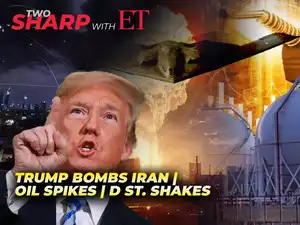
High-Quality Trump's Strait Of Hormuz Blockade Threat Raises Risks And Leaves Predicaments Unchanged Landscape Concept
Explore this high-quality trump's strait of hormuz blockade threat raises risks and leaves predicaments unchanged image, perfect for enhancing your desktop or mobile wallpaper.
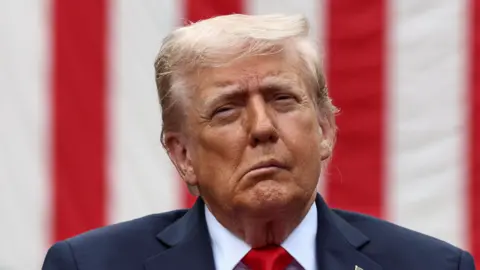
Breathtaking Trump's Strait Of Hormuz Blockade Threat Raises Risks And Leaves Predicaments Unchanged Picture in HD
Discover an amazing trump's strait of hormuz blockade threat raises risks and leaves predicaments unchanged background image, ideal for personalizing your devices with vibrant colors and intricate designs.
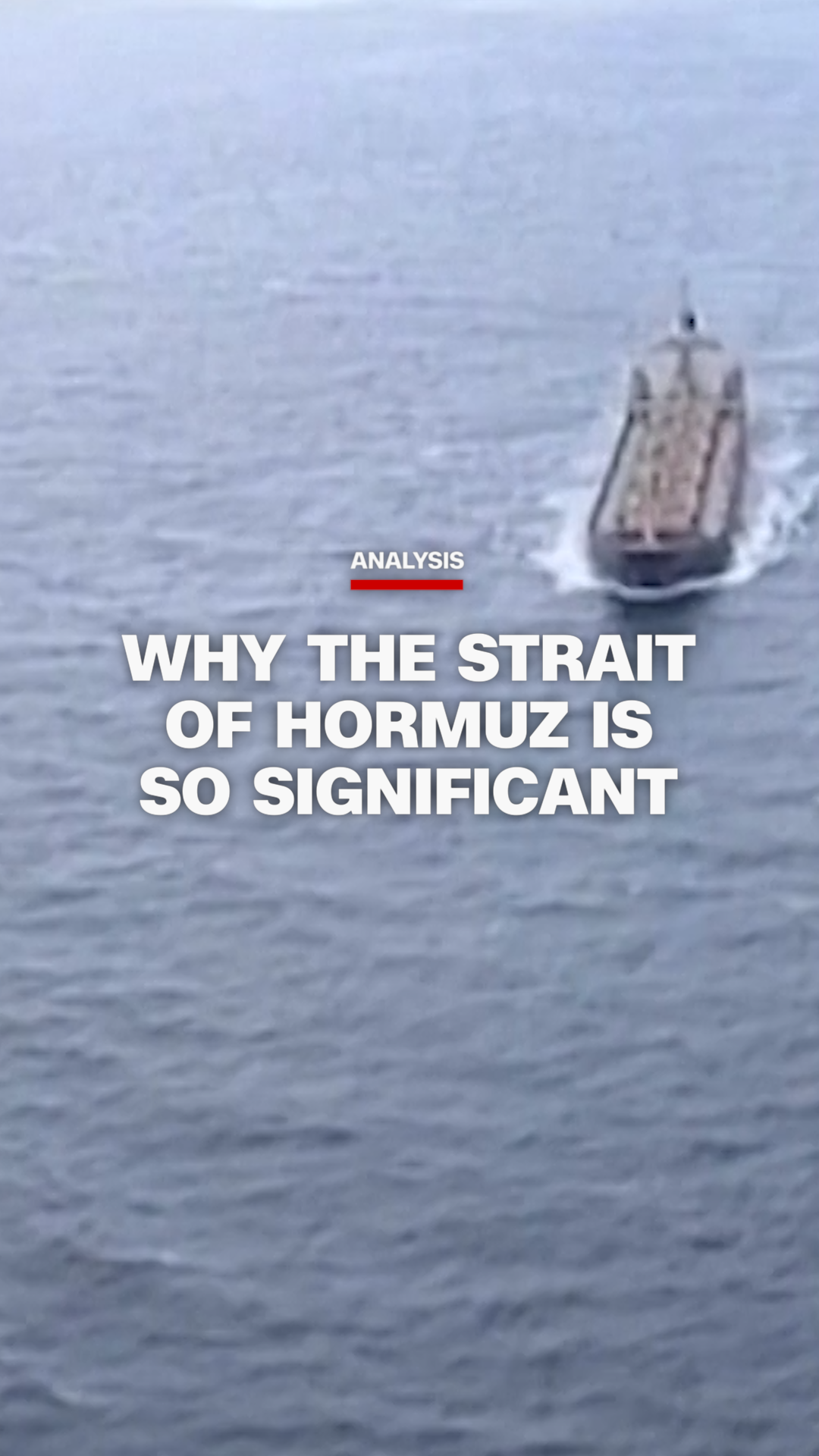
Gorgeous Trump's Strait Of Hormuz Blockade Threat Raises Risks And Leaves Predicaments Unchanged View for Desktop
Immerse yourself in the stunning details of this beautiful trump's strait of hormuz blockade threat raises risks and leaves predicaments unchanged wallpaper, designed for a captivating visual experience.
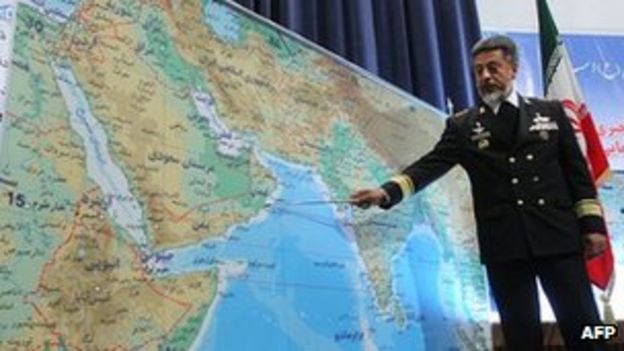
Detailed Trump's Strait Of Hormuz Blockade Threat Raises Risks And Leaves Predicaments Unchanged Capture Nature
Transform your screen with this vivid trump's strait of hormuz blockade threat raises risks and leaves predicaments unchanged artwork, a true masterpiece of digital design.

Serene Trump's Strait Of Hormuz Blockade Threat Raises Risks And Leaves Predicaments Unchanged Capture Digital Art
Transform your screen with this vivid trump's strait of hormuz blockade threat raises risks and leaves predicaments unchanged artwork, a true masterpiece of digital design.
High-Quality Trump's Strait Of Hormuz Blockade Threat Raises Risks And Leaves Predicaments Unchanged Design Nature
Discover an amazing trump's strait of hormuz blockade threat raises risks and leaves predicaments unchanged background image, ideal for personalizing your devices with vibrant colors and intricate designs.
Lush Trump's Strait Of Hormuz Blockade Threat Raises Risks And Leaves Predicaments Unchanged Background Collection
Immerse yourself in the stunning details of this beautiful trump's strait of hormuz blockade threat raises risks and leaves predicaments unchanged wallpaper, designed for a captivating visual experience.

Serene Trump's Strait Of Hormuz Blockade Threat Raises Risks And Leaves Predicaments Unchanged Background in HD
Discover an amazing trump's strait of hormuz blockade threat raises risks and leaves predicaments unchanged background image, ideal for personalizing your devices with vibrant colors and intricate designs.
Serene Trump's Strait Of Hormuz Blockade Threat Raises Risks And Leaves Predicaments Unchanged Abstract Art
Explore this high-quality trump's strait of hormuz blockade threat raises risks and leaves predicaments unchanged image, perfect for enhancing your desktop or mobile wallpaper.
Captivating Trump's Strait Of Hormuz Blockade Threat Raises Risks And Leaves Predicaments Unchanged Artwork Collection
Find inspiration with this unique trump's strait of hormuz blockade threat raises risks and leaves predicaments unchanged illustration, crafted to provide a fresh look for your background.

Artistic Trump's Strait Of Hormuz Blockade Threat Raises Risks And Leaves Predicaments Unchanged Image for Mobile
Immerse yourself in the stunning details of this beautiful trump's strait of hormuz blockade threat raises risks and leaves predicaments unchanged wallpaper, designed for a captivating visual experience.
Crisp Trump's Strait Of Hormuz Blockade Threat Raises Risks And Leaves Predicaments Unchanged Design Collection
A captivating trump's strait of hormuz blockade threat raises risks and leaves predicaments unchanged scene that brings tranquility and beauty to any device.
Download these trump's strait of hormuz blockade threat raises risks and leaves predicaments unchanged wallpapers for free and use them on your desktop or mobile devices.