UK Biobank health data listed for sale in China, government confirms
UK Biobank health data listed for sale in China, government confirms
The UK government has officially confirmed a significant security breach involving the UK Biobank, one of the world's most comprehensive biomedical databases. De-identified health data belonging to approximately 500,000 participants was found listed for sale on a Chinese consumer website owned by Alibaba. This alarming discovery has prompted immediate action from both the UK Biobank charity and government officials to mitigate potential risks and investigate the source of the leak. While the data does not contain direct identifiers like names or addresses, the sheer scale of the exposure has raised profound concerns regarding the long-term privacy of volunteers and the security protocols governing international research collaborations.
The UK government confirmed that de-identified medical records of 500,000 UK Biobank participants were hacked and advertised for sale on Chinese e-commerce platforms. Technology Minister Ian Murray stated that three separate listings were identified, with at least one appearing to contain the entire dataset of volunteers. The breach originated from researchers at three academic institutions who breached their legal contracts. In response, the UK Biobank has temporarily suspended all access to its research platform and revoked access for the involved institutions, while Alibaba has since removed the unauthorized listings before any confirmed sales occurred.
The Discovery of the Data Breach
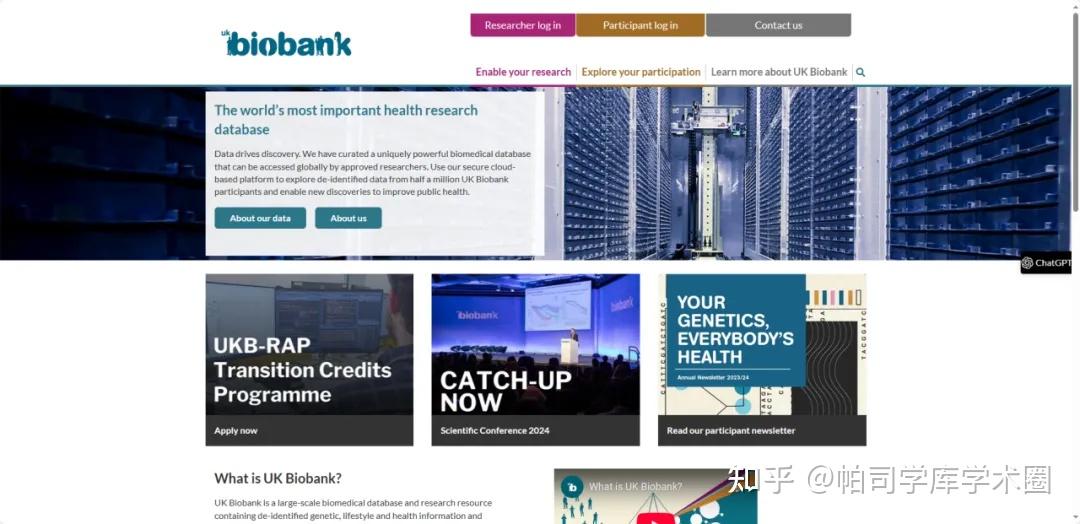
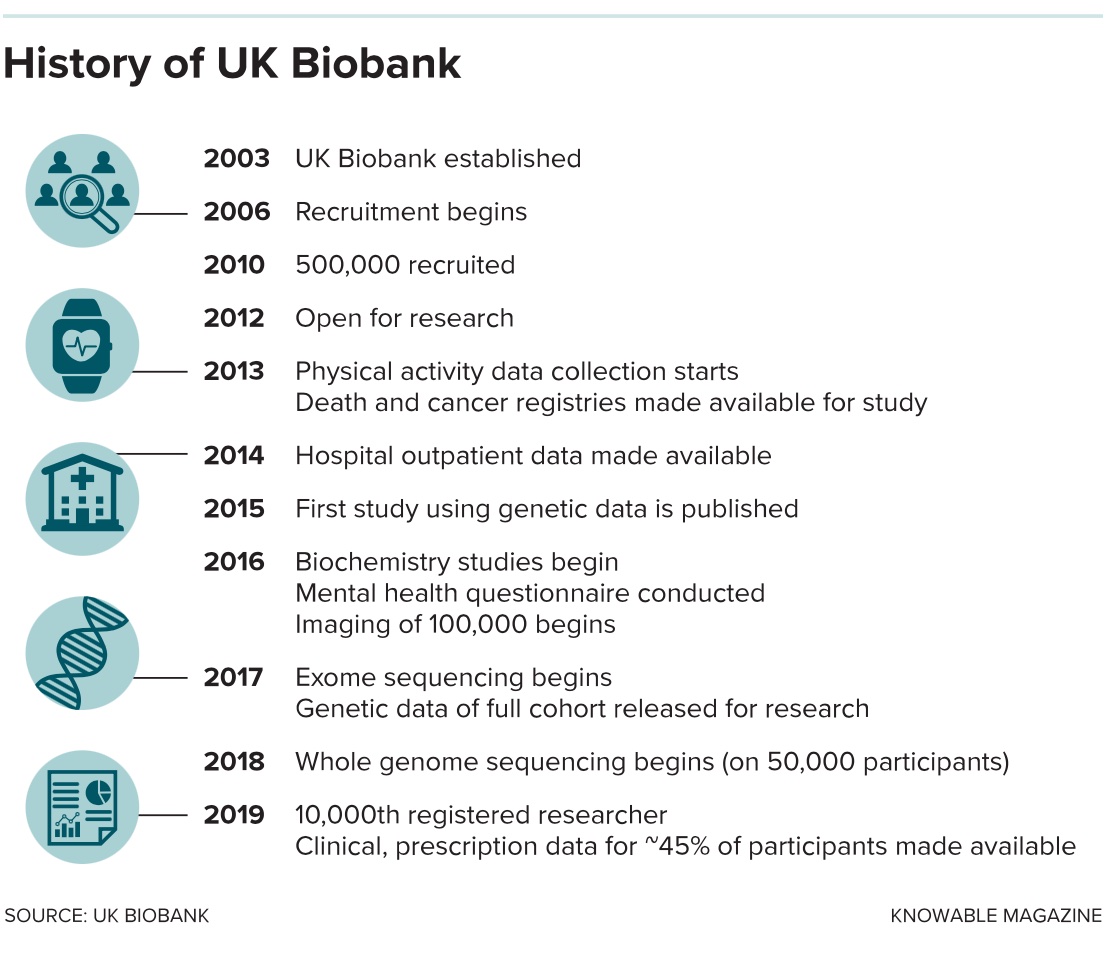
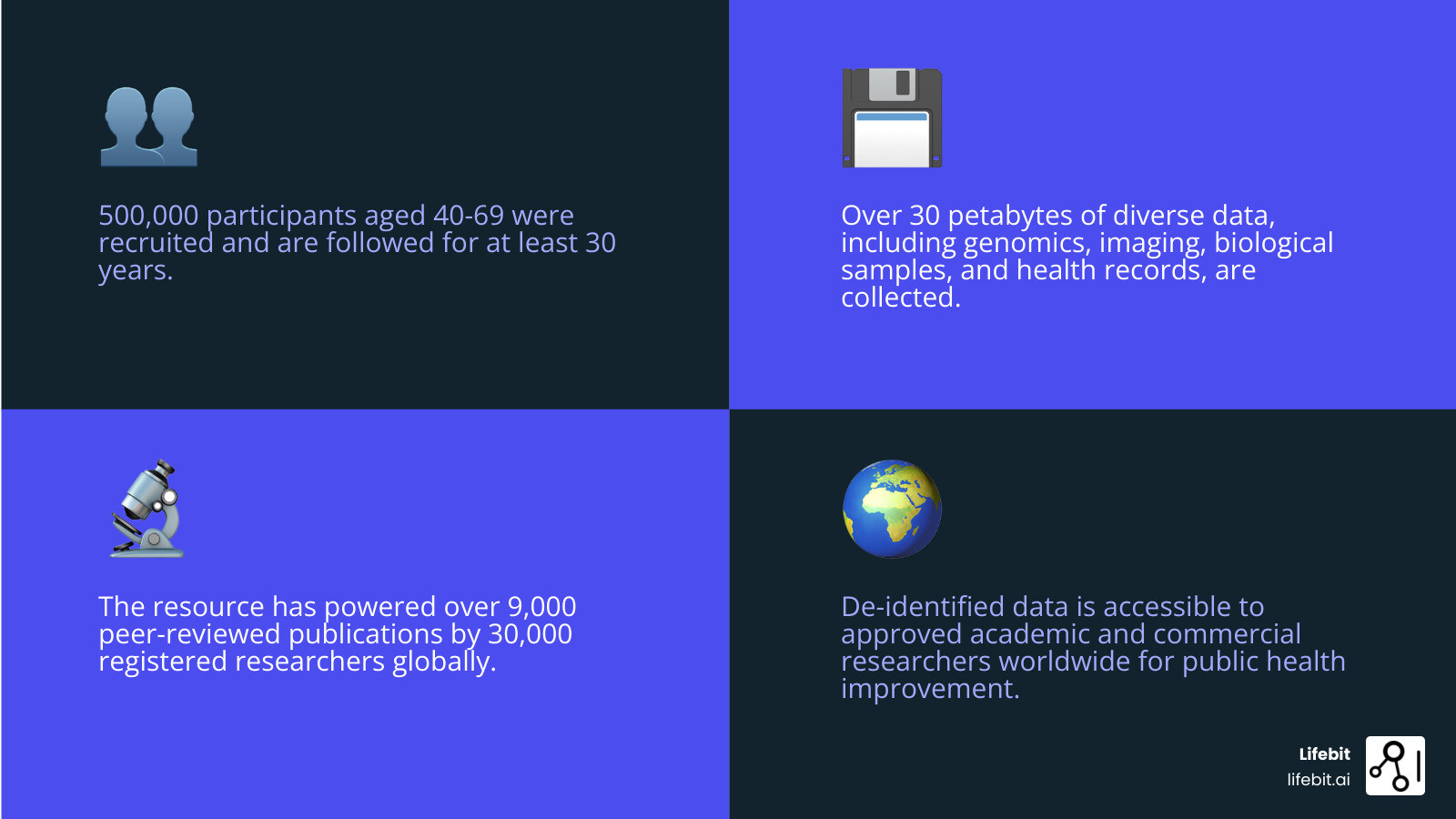
The incident came to light after UK Biobank identified that its participant data was being improperly advertised on a consumer website in China. According to Professor Sir Rory Collins, the chief executive of UK Biobank, the discovery was made last week. The listings were found on platforms operated by Alibaba, specifically targeting the Chinese market. This revelation shocked the scientific community, as the UK Biobank is regarded as a cornerstone of modern medical research, holding vast amounts of genetic and lifestyle data donated by volunteers since 2003.
Technology Minister Ian Murray provided further details in the House of Commons, explaining that the government was informed by the Biobank charity about the hack. The investigation revealed that the data being offered was not stolen directly from the Biobank's central servers via a traditional cyberattack but was leaked by individuals who had legitimate, albeit restricted, access. This distinction highlights a critical vulnerability in the chain of data sharing: the reliance on the integrity and security measures of third-party research institutions.
The government and UK Biobank worked closely with the Chinese government and Alibaba to ensure the swift removal of the listings. Fortunately, reports indicate that no purchases were made from these specific listings before they were taken down. However, the intent to monetize such sensitive information on a public retail platform underscores the high value placed on large-scale health datasets in the global digital economy.
Nature of the Exposed Health Data
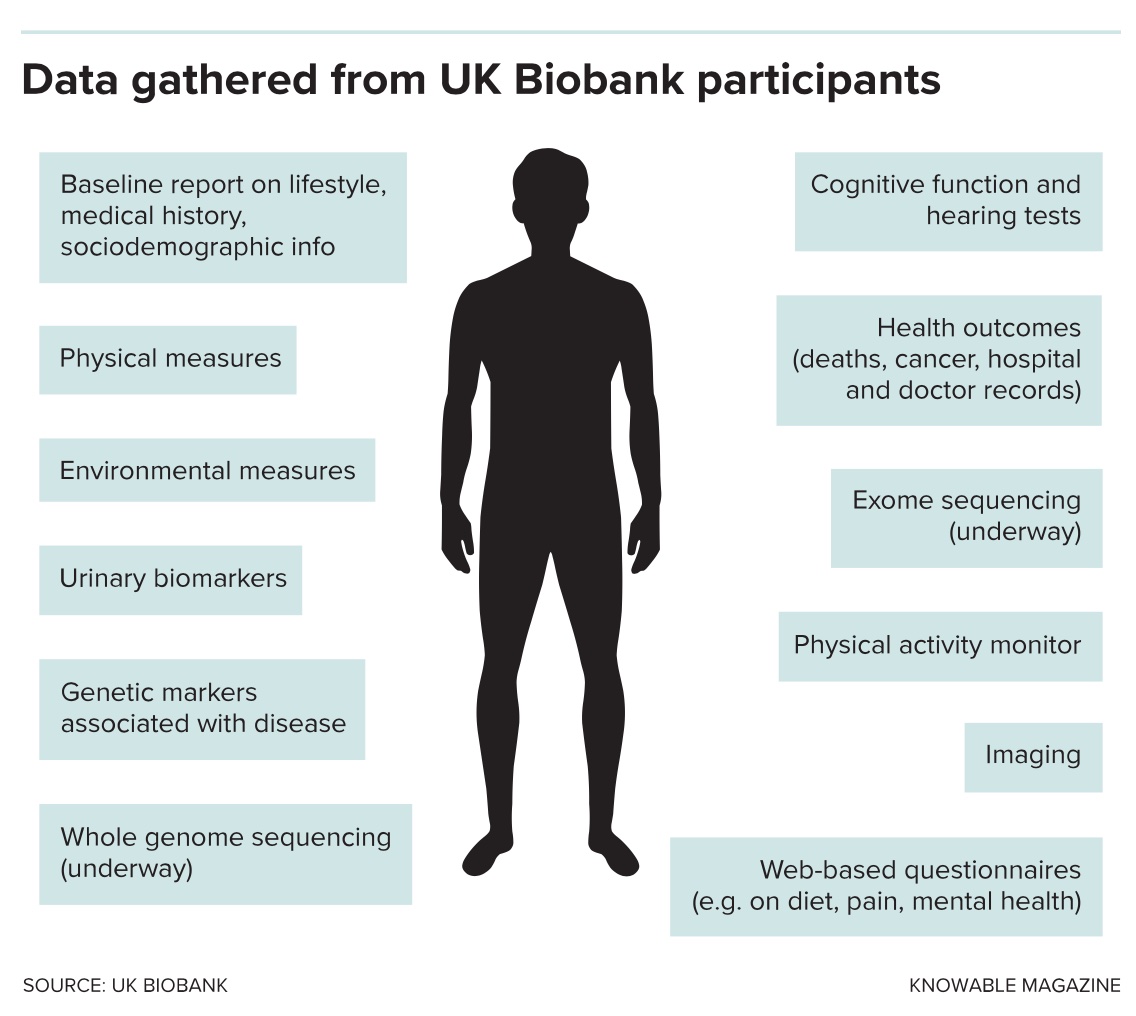
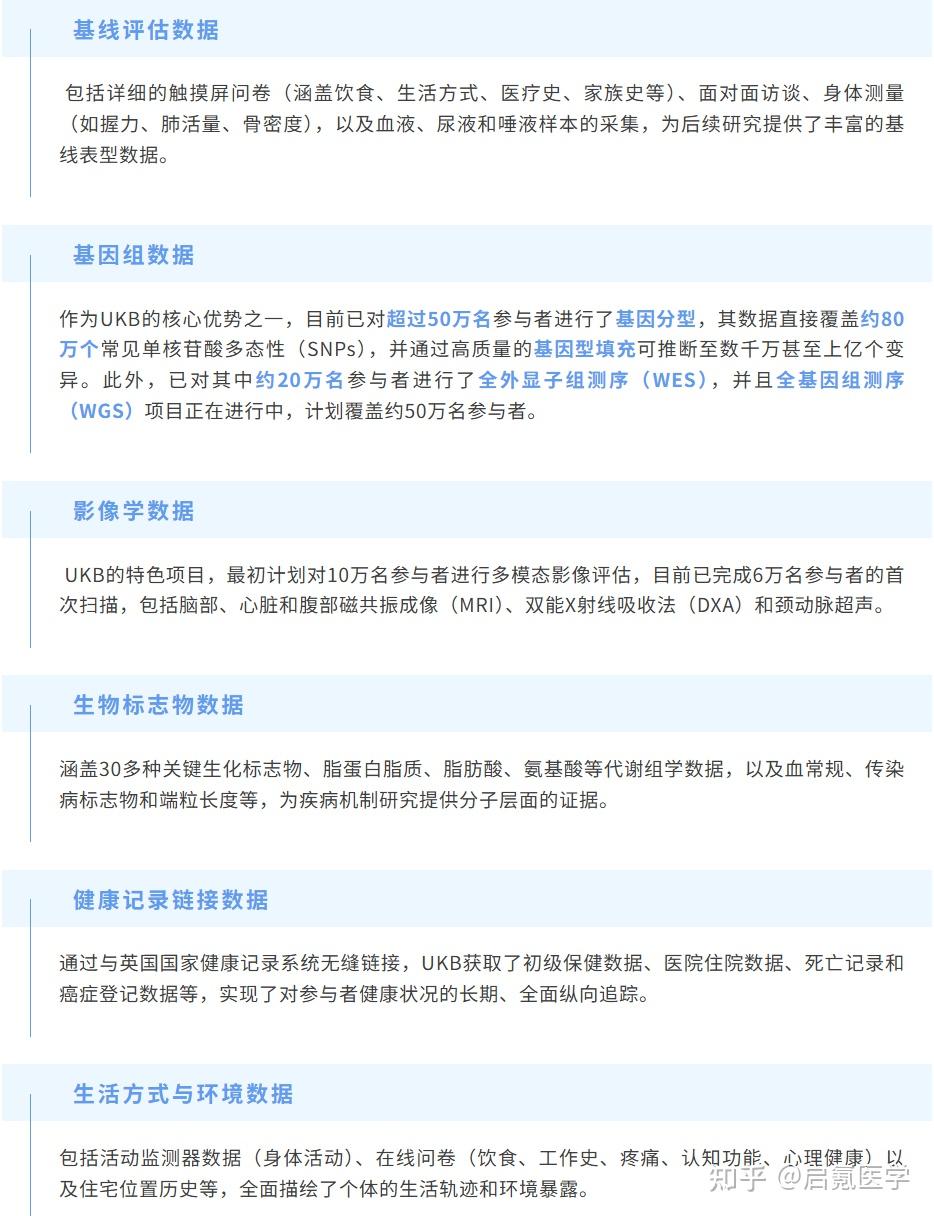
A primary concern for the 500,000 participants is the type of information that has been exposed. UK Biobank has consistently emphasized that the data provided to researchers is de-identified. This means that direct personal identifiers—such as names, home addresses, phone numbers, exact dates of birth, and NHS numbers—are stripped from the records before they are made available for study. The database primarily consists of genetic sequences, blood sample results, medical scans, and detailed lifestyle information.
Despite the lack of names, privacy experts warn that "de-identified" does not mean "anonymous." The combination of unique health markers, hospital diagnosis dates, and demographic information can sometimes be used to re-identify individuals through a process known as mosaic effect or data triangulation. For instance, an investigation by The Guardian previously demonstrated that by using a participant's month and year of birth along with details of a major surgery, it was possible to pinpoint a specific individual's record within a large leaked dataset.
The exposed data includes millions of hospital diagnoses and associated dates. For participants, this represents an intimate history of their health journey, including symptoms, medications, and referrals. While the UK Biobank maintains that no participant has been unwillingly re-identified to their knowledge, the risk remains a theoretical possibility, especially as artificial intelligence tools become more adept at cross-referencing disparate datasets found online.
Source of the Leak: Academic Institutions
The investigation into the breach quickly identified the source of the leak: three academic institutions that had been granted legitimate access to the UK Biobank research platform. These institutions and the individuals involved are accused of a clear breach of the strict legal contracts signed as a condition of data access. These contracts explicitly prohibit the sharing or downloading of data outside of the Biobank's approved systems.
The UK Biobank operates a managed access model where researchers must undergo a rigorous vetting process. Once approved, they are typically required to perform their analysis within a secure, cloud-based research platform hosted in the UK. The breach suggests that these specific researchers found ways to circumvent these controls or exploited legacy systems that allowed for data downloads. In response, the Biobank has revoked all access for these three institutions and suspended their participation in the project indefinitely.
This incident has sparked a broader debate about the oversight of international research groups. Data shows that approximately 20% of successful applications for UK Biobank data come from researchers based in China. While international collaboration is essential for scientific breakthroughs, the lack of enforceable legal jurisdiction over researchers in some territories makes it difficult to hold them accountable for contract violations beyond revoking their access.
| Incident Aspect | Key Details |
|---|---|
| Total Participants Affected | Approximately 500,000 UK volunteers |
| Platform of Exposure | Chinese consumer website (Alibaba/Taobao) |
| Source of Leak | Three academic research institutions |
| Data Status | De-identified (No names or NHS numbers) |
| Government Action | Access suspended; referred to the ICO |
Immediate Government and Institutional Response
Following the confirmation of the breach, the UK government took several immediate steps to contain the damage. Technology Minister Ian Murray confirmed that the UK Biobank has referred itself to the Information Commissioner's Office (ICO), the UK's data protection watchdog. The ICO will conduct an independent investigation into whether the Biobank fulfilled its legal obligations to protect personal data under the UK General Data Protection Regulation (UK GDPR).
A "pause" has been placed on further access to the UK Biobank data. This temporary suspension is intended to remain in effect until a robust technical solution is implemented to prevent data from being downloaded or exported from the research platform in an unauthorized manner. This move signals a shift toward a "zero-trust" architecture where data remains entirely within a controlled environment, and only the results of the analysis—not the raw data itself—can be exported.
The Chinese government's cooperation was also highlighted as a positive aspect of the response. By working with UK officials and the vendor, they facilitated the rapid takedown of the illicit listings. This diplomatic cooperation is crucial given the sensitive nature of genomic data and its implications for national security. However, the incident has undoubtedly strained trust and will likely lead to more stringent vetting processes for researchers from countries deemed to be higher risk.
Privacy Concerns and the Risk of Re-identification
The core of the public's anxiety lies in the potential for re-identification. While the UK Biobank argues that names and addresses are absent, the "uniqueness" of a person's medical history can serve as a fingerprint. For a participant, knowing that their sequence of hospital visits, specific diagnoses (such as a rare cancer or a specific mental health condition), and genetic markers are floating in a marketplace is deeply unsettling.
Privacy advocates point out that in the age of social media and public genealogy websites, many people voluntarily share aspects of their lives that could be used to de-anonymize health records. If a participant has posted about their surgery date on a public forum, a hacker with access to the Biobank's list of surgeries and dates could potentially match the two. UK Biobank has acknowledged this risk, advising participants to be cautious about revealing specific health details online.
Furthermore, the long-term nature of the UK Biobank study—which aims to follow participants for decades—means that the data becomes more detailed and potentially more identifiable over time. As more GP records and real-world health outcomes are linked to the database, the "surface area" for potential privacy breaches increases. This latest hack serves as a stark reminder that technical de-identification is a moving target that must constantly evolve to counter new deanonymization techniques.
Impact on International Research and Trust
The UK Biobank is a global resource, with over 20,000 researchers in more than 60 countries utilizing its data. This international reach is what makes it so valuable; it allows scientists from different genetic backgrounds and environments to contribute to universal health solutions. However, the sale of data in China specifically taps into existing geopolitical tensions regarding "genomic sovereignty" and the fear that foreign states could use health data for surveillance or discriminatory purposes.
Intelligence agencies, including MI5, have previously warned that Chinese organizations can be compelled by their government to share data for intelligence purposes. While the current breach appears to be a commercial attempt at data selling by rogue researchers rather than a state-sponsored operation, it validates the concerns of those who argue for stricter controls on where UK citizens' data is stored and analyzed. The challenge for the UK Biobank is to maintain its "open science" ethos while implementing safeguards that prevent the exploitation of that openness.
For the volunteers who donated their samples in good faith, this incident could lead to a "chilling effect." If participants feel that their most private information cannot be kept secure, they may choose to withdraw from the study. Such a mass withdrawal would devastate the research potential of the Biobank, as its power lies in its longitudinal data and the high number of participants. Rebuilding this trust will require transparent communication and proof of significant security upgrades.
Future Security Enhancements for UK Biobank
In light of the breach, the UK Biobank has committed to a series of technical and procedural overhauls. The most significant change is the move toward the UK Biobank Research Analysis Platform (UKB-RAP). This secure, cloud-based environment is designed to ensure that researchers never need to download participant-level data to their own local servers. Instead, they bring their tools to the data, and the platform monitors all activity within the environment.
Additional measures include the development of a "world-first" automated checking system. This system will be designed to scan any information a researcher attempts to take off the platform to ensure it does not contain raw participant data. Mandatory training on data security for all approved researchers has also been reinforced, making it clear that any lapse in judgment will result in immediate legal action and institutional blacklisting.
The government's role will also expand, with a focus on enhancing the vetting processes for international research applications. This may involve deeper background checks on institutions and the implementation of "data sharing treaties" that provide clearer legal pathways for prosecution in the event of a breach. As the UK moves toward a more AI-enabled health system, the lessons learned from this Biobank breach will likely inform the security architecture of the entire NHS data network.
The Value of Health Data in the Digital Market
Why would someone list de-identified health data for sale on a consumer website? The answer lies in the burgeoning market for "big data" in the pharmaceutical and insurance industries. Large datasets are essential for training AI models to predict disease outbreaks, discover new drug targets, and refine risk stratification tools. While legitimate access is regulated and often low-cost for academics, the commercial value of having an "offline" copy of such a dataset is immense.
On the "dark web" and even on some less-regulated public marketplaces, health data is often more valuable than credit card information. This is because health records are permanent; you can change your credit card number, but you cannot change your genetic code or your medical history. This permanence makes health data a prime target for long-term extortion, targeted advertising, or corporate espionage.
The fact that the data was found on Alibaba—a platform used by millions for everyday purchases—indicates a bold attempt to bypass traditional black markets and find buyers in a more "mainstream" digital economy. It highlights a disturbing trend where sensitive personal information is treated as just another commodity, detached from the human beings it represents.
FAQ
Was my personal information like name and address stolen?
No. The UK Biobank has confirmed that the data involved in the breach is de-identified. This means it does not include names, home addresses, phone numbers, or NHS numbers. It primarily consists of coded health records and genetic information.
How did the data end up for sale in China?
The leak was traced back to researchers at three academic institutions who had legitimate access to the data but violated their contracts by downloading and listing the information on a Chinese website owned by Alibaba.
Can I still be identified from de-identified data?
While difficult, privacy experts suggest that re-identification is theoretically possible by cross-referencing specific health events (like surgery dates) with other public information. However, UK Biobank states there is no evidence of any participant being unwillingly identified to date.
What is the government doing to protect participants now?
The government has paused data access until a technical solution prevents further unauthorized downloads. They are also working with the ICO and international partners to ensure stricter oversight of research institutions.
Is the UK Biobank still safe to participate in?
The UK Biobank is implementing significant security upgrades, including a cloud-only analysis platform where data cannot be downloaded. They maintain that the benefits to medical research are immense, but participants are encouraged to review the updated security protocols.
Conclusion
The confirmation that UK Biobank health data was listed for sale in China represents a watershed moment for data privacy in the 21st century. While the immediate threat was mitigated by the rapid removal of the listings and the lack of confirmed sales, the incident has exposed fundamental flaws in the trust-based model of international scientific data sharing. For the 500,000 volunteers, the breach is a reminder that even the most well-intentioned "de-identified" datasets carry inherent risks in an era of hyper-connectivity and advanced data mining. Moving forward, the UK Biobank and the government must demonstrate an unwavering commitment to technical security and institutional accountability to ensure that the pursuit of medical progress does not come at the cost of individual privacy. The shift toward more restrictive, cloud-based analysis environments is a necessary step, but constant vigilance will be required to protect the UK's most valuable health asset from those who seek to exploit it for profit.
UK Biobank health data listed for sale in China, government confirms
UK Biobank health data listed for sale in China, government confirms Wallpapers
Collection of uk biobank health data listed for sale in china, government confirms wallpapers for your desktop and mobile devices.
Exquisite Uk Biobank Health Data Listed For Sale In China, Government Confirms Abstract Photography
Immerse yourself in the stunning details of this beautiful uk biobank health data listed for sale in china, government confirms wallpaper, designed for a captivating visual experience.
Stunning Uk Biobank Health Data Listed For Sale In China, Government Confirms Landscape Concept
Find inspiration with this unique uk biobank health data listed for sale in china, government confirms illustration, crafted to provide a fresh look for your background.
Crisp Uk Biobank Health Data Listed For Sale In China, Government Confirms Image Concept
A captivating uk biobank health data listed for sale in china, government confirms scene that brings tranquility and beauty to any device.
Mesmerizing Uk Biobank Health Data Listed For Sale In China, Government Confirms View in 4K
Discover an amazing uk biobank health data listed for sale in china, government confirms background image, ideal for personalizing your devices with vibrant colors and intricate designs.
Serene Uk Biobank Health Data Listed For Sale In China, Government Confirms Image Concept
Discover an amazing uk biobank health data listed for sale in china, government confirms background image, ideal for personalizing your devices with vibrant colors and intricate designs.
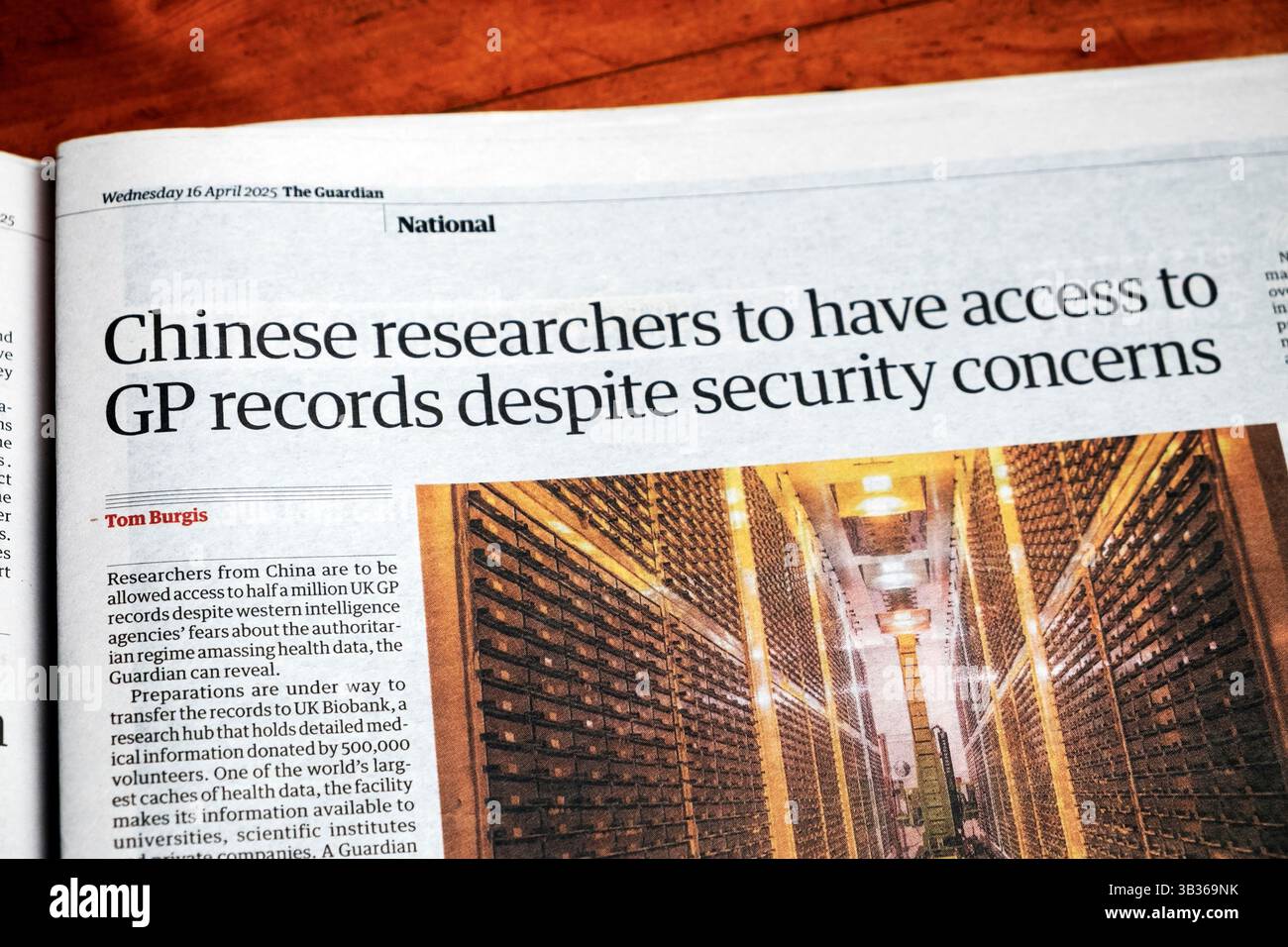
Dynamic Uk Biobank Health Data Listed For Sale In China, Government Confirms Landscape Photography
Find inspiration with this unique uk biobank health data listed for sale in china, government confirms illustration, crafted to provide a fresh look for your background.
Exquisite Uk Biobank Health Data Listed For Sale In China, Government Confirms Capture Art
A captivating uk biobank health data listed for sale in china, government confirms scene that brings tranquility and beauty to any device.
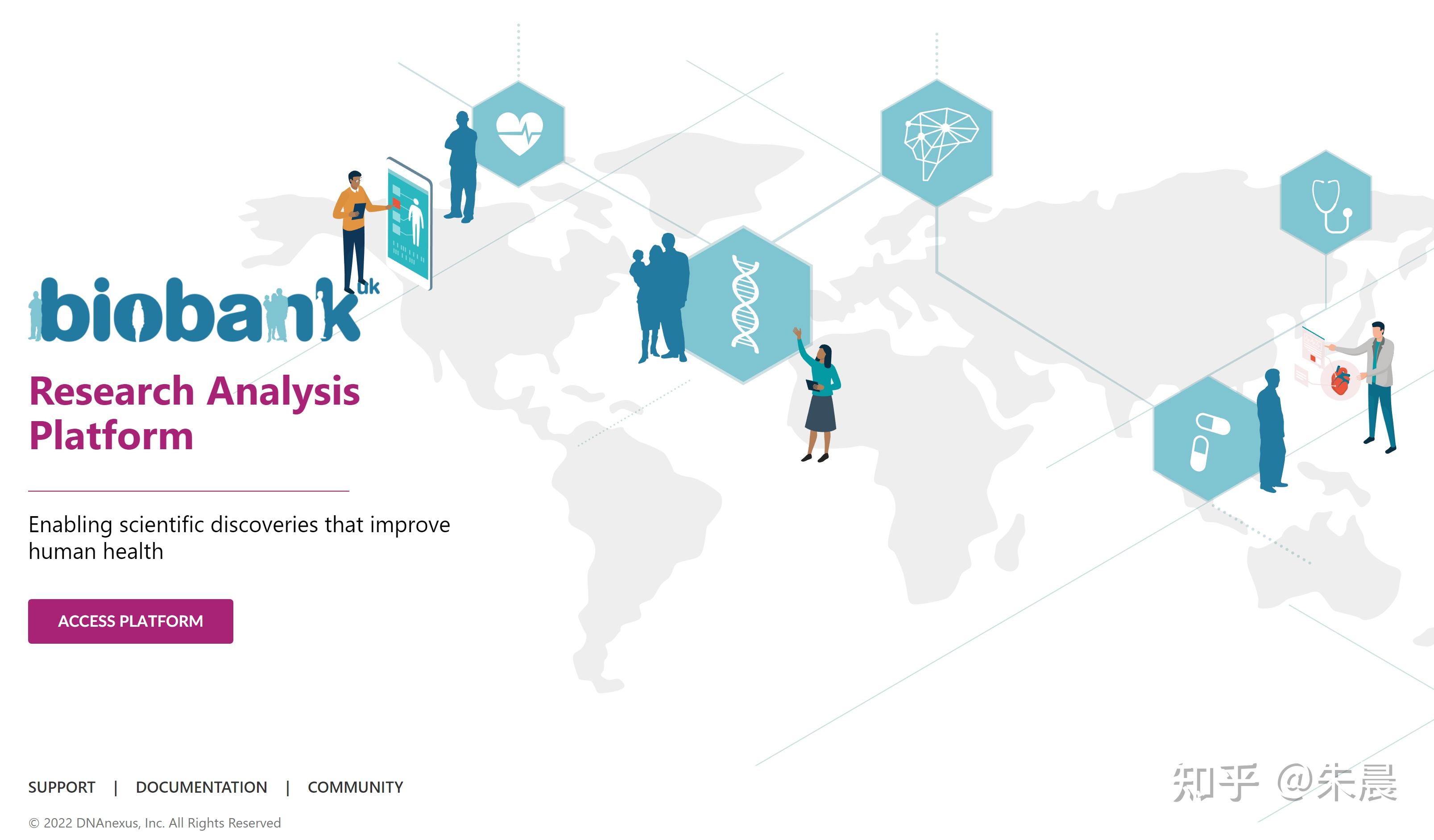
Vibrant Uk Biobank Health Data Listed For Sale In China, Government Confirms Artwork in 4K
Experience the crisp clarity of this stunning uk biobank health data listed for sale in china, government confirms image, available in high resolution for all your screens.
Vibrant Uk Biobank Health Data Listed For Sale In China, Government Confirms Wallpaper Art
Experience the crisp clarity of this stunning uk biobank health data listed for sale in china, government confirms image, available in high resolution for all your screens.
Beautiful Uk Biobank Health Data Listed For Sale In China, Government Confirms View Photography
Transform your screen with this vivid uk biobank health data listed for sale in china, government confirms artwork, a true masterpiece of digital design.
Mesmerizing Uk Biobank Health Data Listed For Sale In China, Government Confirms Landscape Digital Art
Transform your screen with this vivid uk biobank health data listed for sale in china, government confirms artwork, a true masterpiece of digital design.
Crisp Uk Biobank Health Data Listed For Sale In China, Government Confirms Background for Your Screen
Immerse yourself in the stunning details of this beautiful uk biobank health data listed for sale in china, government confirms wallpaper, designed for a captivating visual experience.
Artistic Uk Biobank Health Data Listed For Sale In China, Government Confirms Design Illustration
Immerse yourself in the stunning details of this beautiful uk biobank health data listed for sale in china, government confirms wallpaper, designed for a captivating visual experience.
Artistic Uk Biobank Health Data Listed For Sale In China, Government Confirms Capture in 4K
Immerse yourself in the stunning details of this beautiful uk biobank health data listed for sale in china, government confirms wallpaper, designed for a captivating visual experience.
Mesmerizing Uk Biobank Health Data Listed For Sale In China, Government Confirms Picture Nature
Discover an amazing uk biobank health data listed for sale in china, government confirms background image, ideal for personalizing your devices with vibrant colors and intricate designs.
Artistic Uk Biobank Health Data Listed For Sale In China, Government Confirms Landscape for Mobile
Immerse yourself in the stunning details of this beautiful uk biobank health data listed for sale in china, government confirms wallpaper, designed for a captivating visual experience.

Captivating Uk Biobank Health Data Listed For Sale In China, Government Confirms Picture Illustration
A captivating uk biobank health data listed for sale in china, government confirms scene that brings tranquility and beauty to any device.

Exquisite Uk Biobank Health Data Listed For Sale In China, Government Confirms Background Art
A captivating uk biobank health data listed for sale in china, government confirms scene that brings tranquility and beauty to any device.

Exquisite Uk Biobank Health Data Listed For Sale In China, Government Confirms Wallpaper Nature
Find inspiration with this unique uk biobank health data listed for sale in china, government confirms illustration, crafted to provide a fresh look for your background.
High-Quality Uk Biobank Health Data Listed For Sale In China, Government Confirms Wallpaper Collection
Discover an amazing uk biobank health data listed for sale in china, government confirms background image, ideal for personalizing your devices with vibrant colors and intricate designs.
Download these uk biobank health data listed for sale in china, government confirms wallpapers for free and use them on your desktop or mobile devices.