Un An Taliban
Un An Taliban
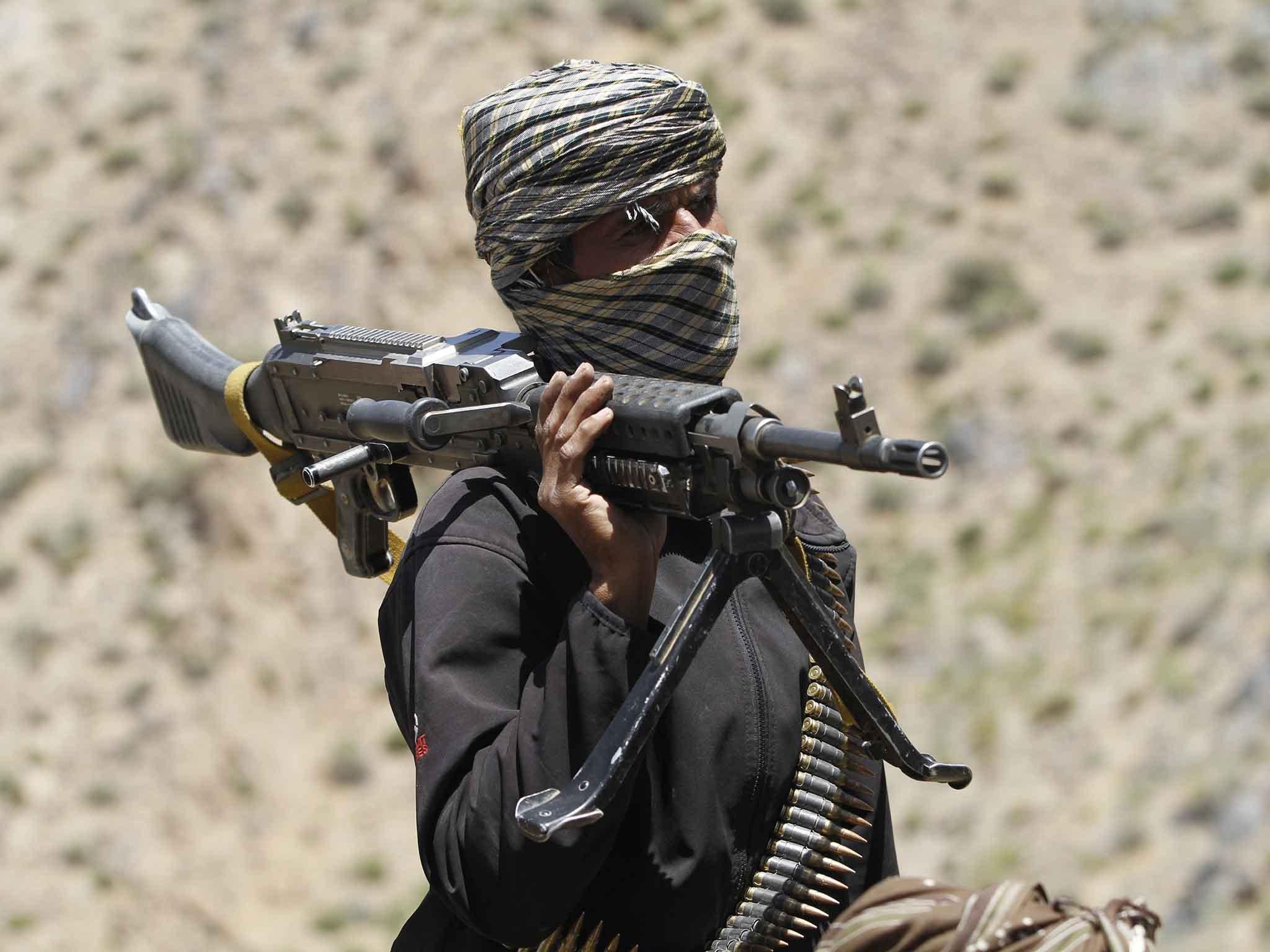
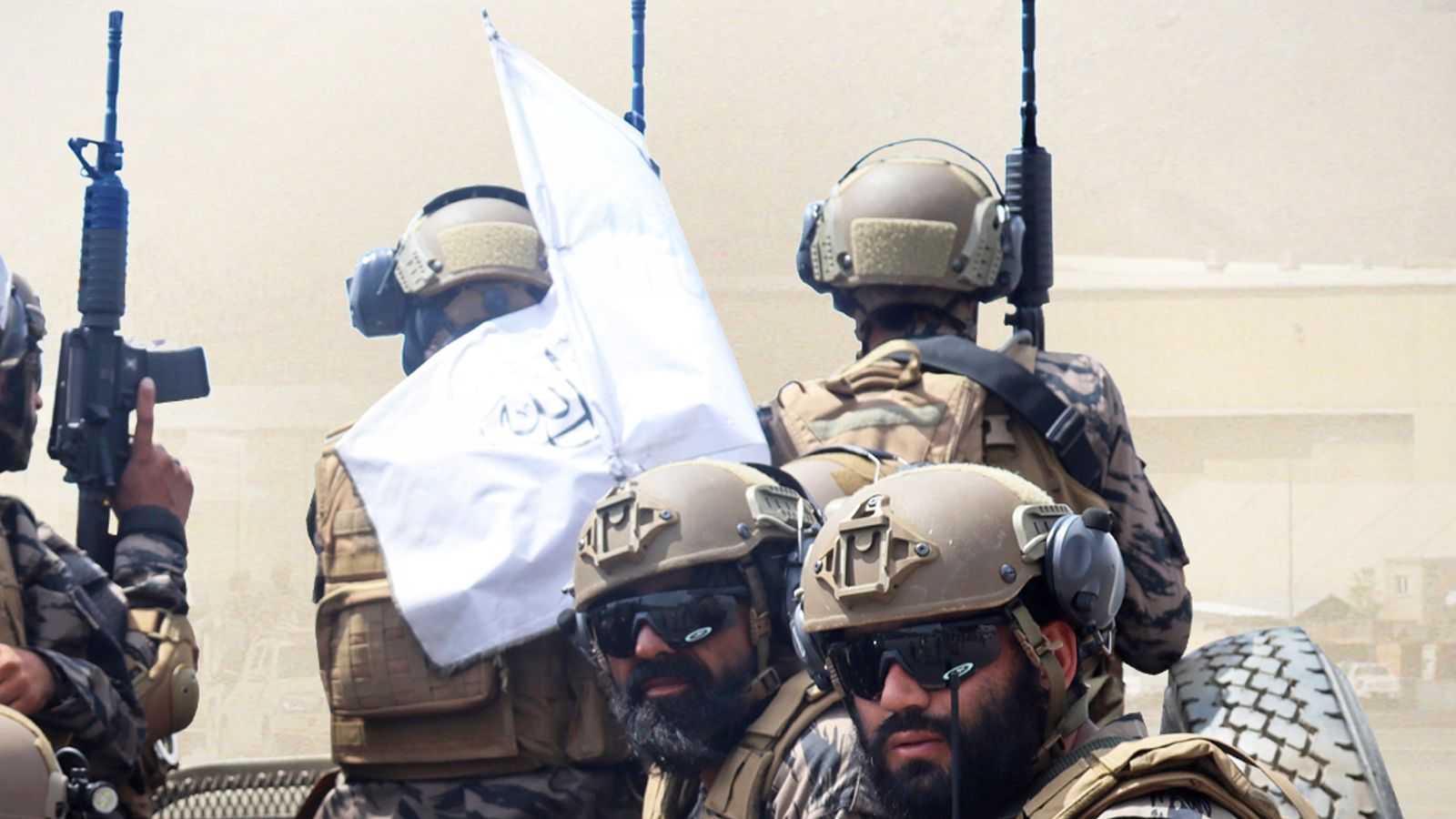
The landscape of Afghanistan has undergone a seismic shift since the Taliban reclaimed power in August 2021, marking a definitive "Un An Taliban" (One Year of Taliban) milestone that continues to resonate globally. As the international community grapples with the implications of the second Islamic Emirate, the country remains at a critical crossroads of humanitarian need, economic isolation, and shifting geopolitical alliances. From the streets of Kabul to the remote provinces, the transition from an insurgent movement to a governing body has been fraught with challenges, as the de facto authorities attempt to impose their strict ideological vision while managing a state on the brink of collapse. This update delves into the current state of affairs, analyzing the impact of their policies on human rights, regional security, and the daily lives of millions of Afghans who now live under a regime that remains largely unrecognized by the global community.
What is the current status of the Taliban government? As of 2026, the Taliban maintain firm control over Afghanistan's territory as the de facto governing authority. However, they lack formal international recognition from the United Nations and most sovereign nations, with the exception of Russia. Their rule is characterized by a strict interpretation of Sharia law, severe restrictions on the rights of women and girls, and an economy heavily dependent on dwindling international humanitarian aid. While internal security has improved in some aspects, threats from groups like ISIL-K and ongoing border tensions with neighbors like Pakistan continue to challenge the stability of their administration.
The Re-establishment of the Islamic Emirate
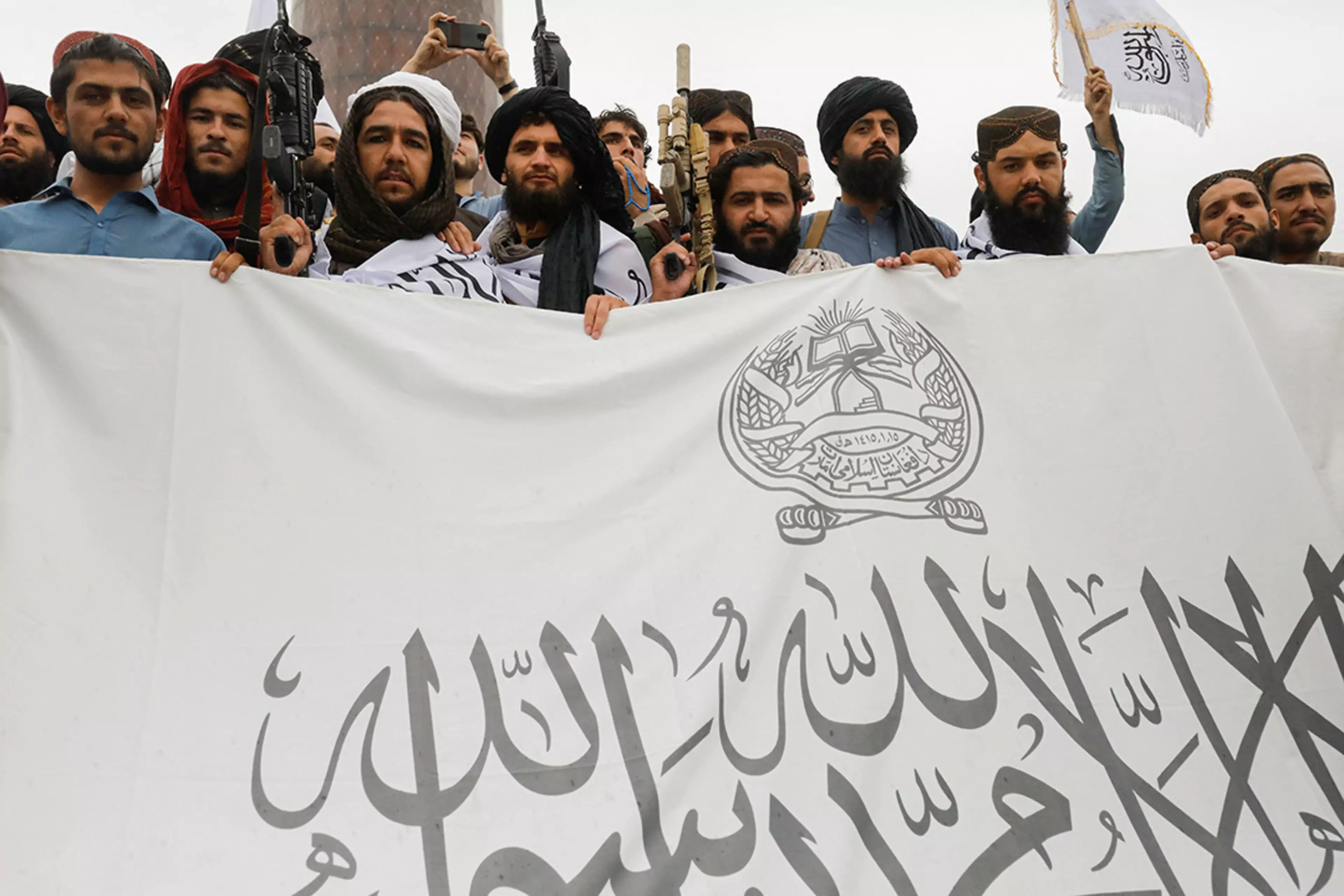
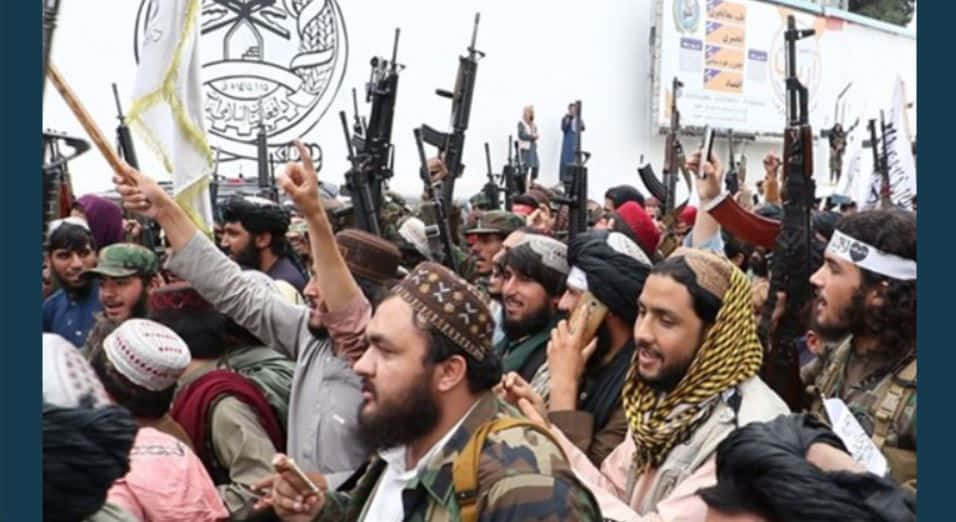
The return of the Taliban to Kabul on August 15, 2021, effectively ended two decades of Western-backed governance and ushered in the second Islamic Emirate of Afghanistan. Led by Supreme Leader Mawlawi Hibatullah Akhundzada from Kandahar, the regime has systematically dismantled the previous constitutional framework. The transition has seen the replacement of democratic institutions with a theocratic structure where decrees from the Supreme Leader hold absolute authority. This consolidation of power has prioritized regime unity above all else, often suppressing internal policy disagreements to present a monolithic front to the world. Despite these efforts, the governance model remains largely ad hoc, with various ministries in Kabul operating under a cloud of non-transparency and lack of formal codification.
The administrative shift has had profound consequences for the Afghan civil service. The departure of thousands of skilled professionals and the replacement of experienced managers with Taliban loyalists have created significant skills gaps in the public sector. While the Taliban inherited a more developed state apparatus than they did in 1996, the ideological purification of the bureaucracy has hampered the efficiency of basic service delivery. This transformation of the state into a tool for religious governance defines the current era of Afghan political life.
The Eradication of Women's Rights and Gender Apartheid
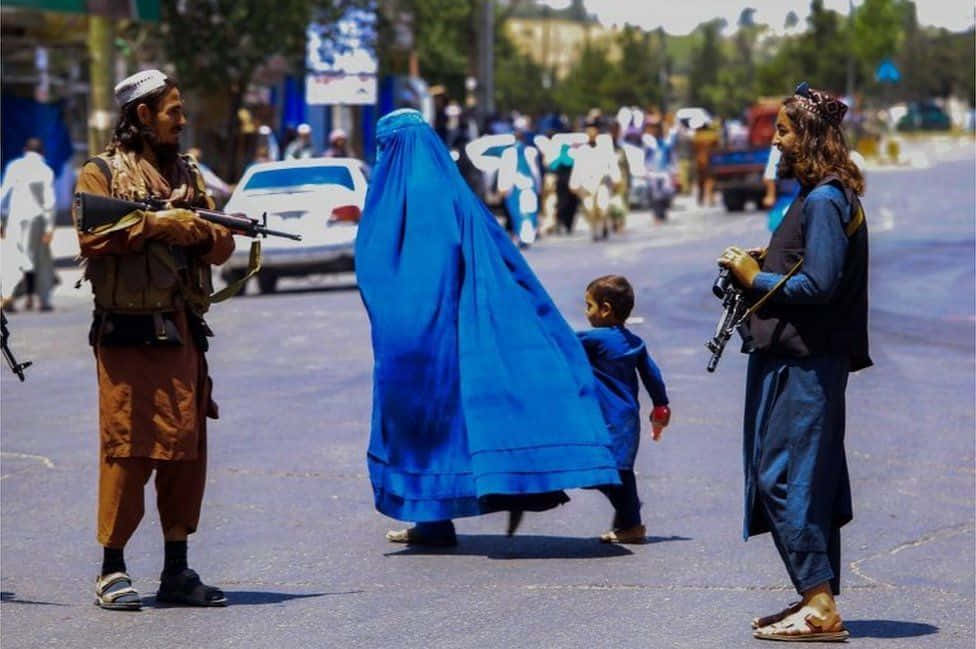
Perhaps the most visible and condemned aspect of the Taliban's rule is the systematic erasure of women from public life. Since seizing power, the group has issued more than 80 edicts specifically targeting the rights and freedoms of women and girls. Afghanistan remains the only country in the world where girls are formally barred from secondary schools and universities. The Ministry of Women's Affairs was famously replaced by the Ministry for the Propagation of Virtue and the Prevention of Vice, signaling a shift from protection to policing.
UN experts and international human rights organizations have increasingly used the term "gender apartheid" to describe the situation. Women are prohibited from traveling without a male guardian (mahram), are required to cover their faces in public, and are banned from most forms of employment, including working for non-governmental organizations and the United Nations. These restrictions have not only stripped women of their dignity and autonomy but have also decimated the family income for millions, exacerbating the humanitarian crisis. The voices of Afghan women, once prominent in media, law, and politics, have been largely silenced or driven into exile.
A Precarious Economy on the Brink
The Afghan economy has faced a catastrophic contraction since 2021, shrinking by nearly 30 percent. The sudden withdrawal of foreign aid, which previously accounted for approximately 75 percent of public spending, along with the freezing of central bank assets abroad, has left the financial system in a state of paralysis. While the Taliban have made some progress in domestic revenue collection and customs management, the lack of international banking access and formal trade agreements continues to stifle growth. Unemployment has soared to record levels, and more than 90 percent of the population now lives below the poverty line.
The economic resilience that the Taliban claim is often built on the backs of a population that is increasingly subsistence-insecure. Natural disasters, including severe droughts and devastating earthquakes in 2024 and 2025, have further strained the fragile agricultural sector. International aid remains a lifeline, yet the Taliban's restrictions on female aid workers have complicated the delivery of this essential support. The long-term economic outlook remains grim as the "brain drain" of educated Afghans continues to sap the country of its human capital.
| Column 1 | Column 2 |
|---|---|
| Humanitarian Need | 23.7 Million People |
| GDP Contraction | Approximately 30% |
| Unemployment Rate | Estimated at 75% |
| International Recognition | De facto only (Except Russia) |
Regional Security and the Threat of Terrorism
The Taliban's ability to ensure that Afghan soil is not used as a base for international terrorism remains a central concern for the international community. While the de facto authorities have waged a relentless campaign against the Islamic State Khorasan Province (ISIL-K), their relationship with other groups like al-Qaeda and the Tehrik-e-Taliban Pakistan (TTP) remains ambiguous. UN monitors have reported that al-Qaeda maintains a presence in the country, utilizing safe houses and training camps. This has led to skepticism regarding the Taliban's commitment to the counter-terrorism pledges made during the Doha negotiations.
Border tensions have also escalated, particularly with Pakistan. The TTP's use of Afghan territory to launch attacks in Pakistan has led to cross-border military confrontations and airstrikes, causing civilian casualties and disrupting trade. These frictions underscore the complexity of regional dynamics, where the Taliban must balance their ideological alliances with the practical necessity of maintaining stable borders for economic survival. The "stabilizing" effect the Taliban promised has been undermined by these persistent security challenges.
The Quest for International Recognition
A primary goal for the Taliban leadership is achieving formal diplomatic recognition, which would unlock frozen assets and facilitate international trade. However, the international community has largely held a consensus that recognition is contingent upon the Taliban meeting certain benchmarks: inclusive governance, respect for human rights (particularly for women), and verifiable counter-terrorism actions. This consensus has shown signs of fraying, with some regional powers engaging in "quiet diplomacy" and maintaining a diplomatic presence in Kabul.
In July 2025, Russia became the first major power to formally recognize the Taliban government, a move that signaled a potential shift in the geopolitical landscape. Other nations, however, remain steadfast in their refusal to normalize relations with a regime that violates international conventions on human rights. The UN continues to play a balancing act, providing humanitarian aid while condemning the Taliban's policies. This stalemate leaves Afghanistan in a state of international limbo, where the de facto rulers exercise control without the legitimacy required for full integration into the global order.
Infrastructure and the Narcotics Ban
In an effort to demonstrate governance capability, the Taliban have announced ambitious infrastructure projects, including canal systems and road networks. One of their most significant claims is the near-total eradication of poppy cultivation. In 2025, reports indicated that poppy cultivation remained more than 95 percent below its 2022 peak. While this has been lauded by some as a major counter-narcotics achievement, it has also deprived thousands of poor farmers of their primary source of income without providing viable economic alternatives.
The enforcement of the narcotics ban showcases the Taliban's ability to exert strong central control over the country. However, the long-term sustainability of such bans is questionable in the absence of a thriving legal economy. The focus on infrastructure and "morality" policing serves as a domestic signal of strength, but it often ignores the underlying systemic failures of the healthcare and education sectors, which are struggling to survive under current funding and personnel constraints.
The Role of the UN and Humanitarian Organizations
With more than 70 percent of the population depending on humanitarian assistance, the role of the United Nations and NGOs is more critical than ever. However, the operating environment has become increasingly hostile. The ban on female staff has severely hindered the ability to reach vulnerable women and children, who are disproportionately affected by the crisis. UNAMA (UN Assistance Mission in Afghanistan) continues to document human rights violations, including arbitrary arrests, torture, and extrajudicial killings of former government officials and security personnel.
The "Doha Process" and various international conferences have attempted to create a roadmap for engagement, but the Taliban have been inconsistent in their participation and willingness to make concessions. The United States and other Western donors have shifted their focus toward "regime transformation" rather than regime change, but the path forward is unclear. The persistent humanitarian emergency acts as a moral weight on the international community, which must find ways to support the Afghan people without legitimizing the Taliban's restrictive policies.
Frequently Asked Questions
1. What is the current human rights situation in Afghanistan?
The human rights situation is dire, characterized by systemic discrimination against women and girls, restrictions on media freedom, and reports of extrajudicial killings and arbitrary detentions of those associated with the former government.
2. Has any country recognized the Taliban government?
Russia formally recognized the Taliban government in July 2025. Most other countries and international organizations like the UN have not granted formal recognition, citing concerns over human rights and inclusivity.
3. Can girls go to school in Afghanistan?
Under current Taliban decrees, girls are prohibited from attending secondary school (beyond grade 6) and university. Primary education for girls is still permitted in most areas, though subject to strict regulations.
4. What is the state of the Afghan economy?
The economy is in a state of severe crisis, with high unemployment, widespread food insecurity, and a lack of access to international banking systems. Most Afghans live below the poverty line and rely on humanitarian aid.
5. Is it safe to travel to Afghanistan?
While the Taliban have improved general security compared to the years of active insurgency, the country remains highly volatile due to the threat of terrorist attacks from ISIL-K and ongoing political instability. Most Western governments maintain "Do Not Travel" advisories.
Conclusion
The "Un An Taliban" milestone and the years that have followed reveal a nation fundamentally altered. The Taliban have proven their ability to seize and hold territory, but the transition to effective, inclusive, and internationally respected governance remains unachieved. The cost of their ideological purity has been borne primarily by the Afghan people, especially women and girls whose futures have been systematically dismantled. As Afghanistan moves further into 2026, the international community faces the persistent challenge of providing lifesaving aid while holding a de facto regime accountable for its international obligations. The resilience of the Afghan spirit remains evident, but without a significant shift in the Taliban's domestic policies or a breakthrough in international diplomacy, the cycle of isolation and humanitarian suffering appears likely to continue.
Un An Taliban
Un An Taliban Wallpapers
Collection of un an taliban wallpapers for your desktop and mobile devices.

Crisp Un An Taliban Artwork for Mobile
Immerse yourself in the stunning details of this beautiful un an taliban wallpaper, designed for a captivating visual experience.
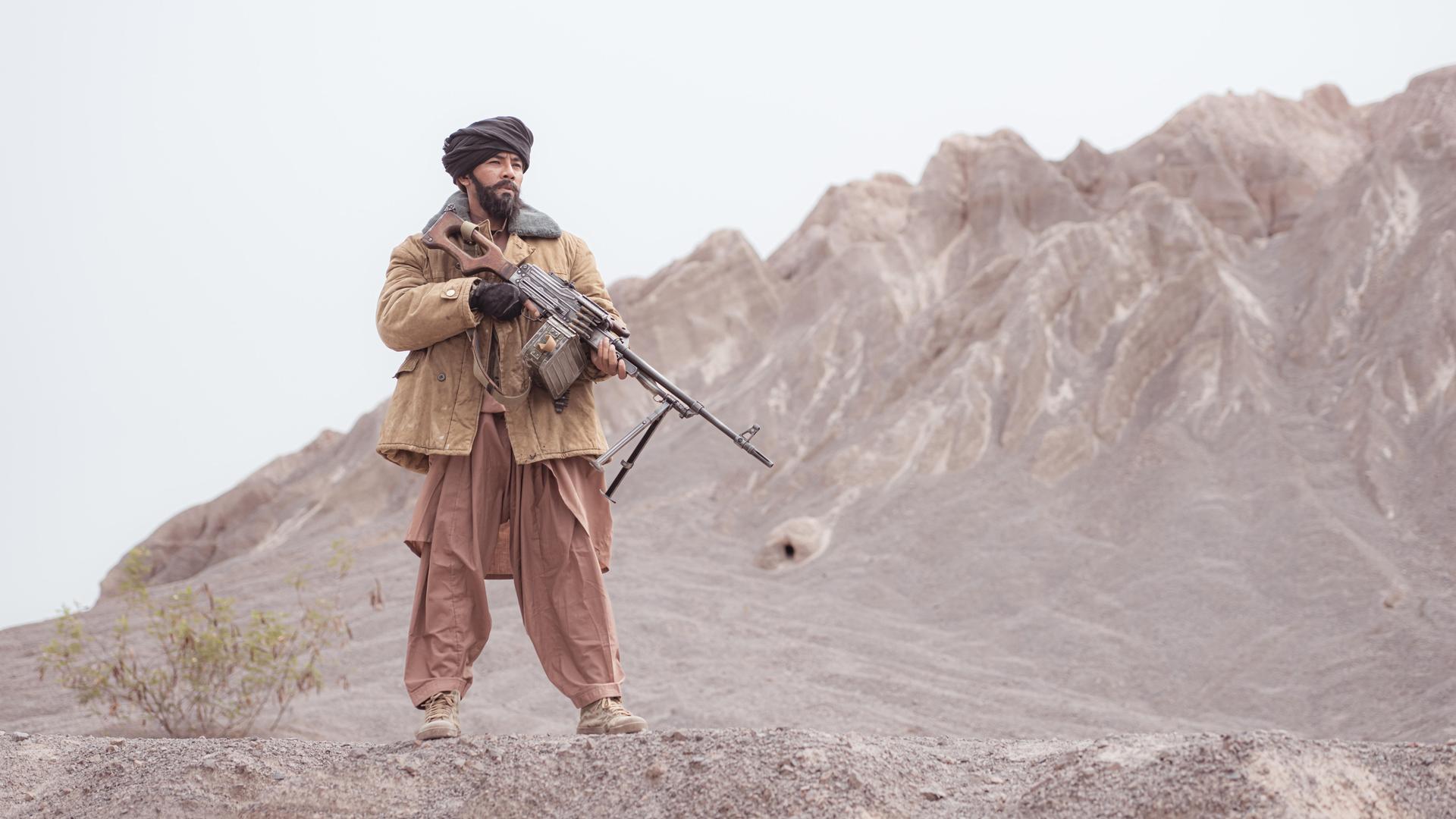
Beautiful Un An Taliban Background Concept
Explore this high-quality un an taliban image, perfect for enhancing your desktop or mobile wallpaper.

Vibrant Un An Taliban Design for Your Screen
Explore this high-quality un an taliban image, perfect for enhancing your desktop or mobile wallpaper.
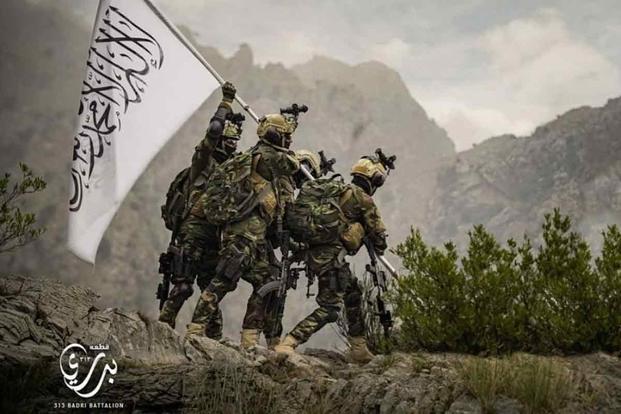
Vibrant Un An Taliban Landscape Collection
Experience the crisp clarity of this stunning un an taliban image, available in high resolution for all your screens.

High-Quality Un An Taliban Wallpaper Concept
Explore this high-quality un an taliban image, perfect for enhancing your desktop or mobile wallpaper.
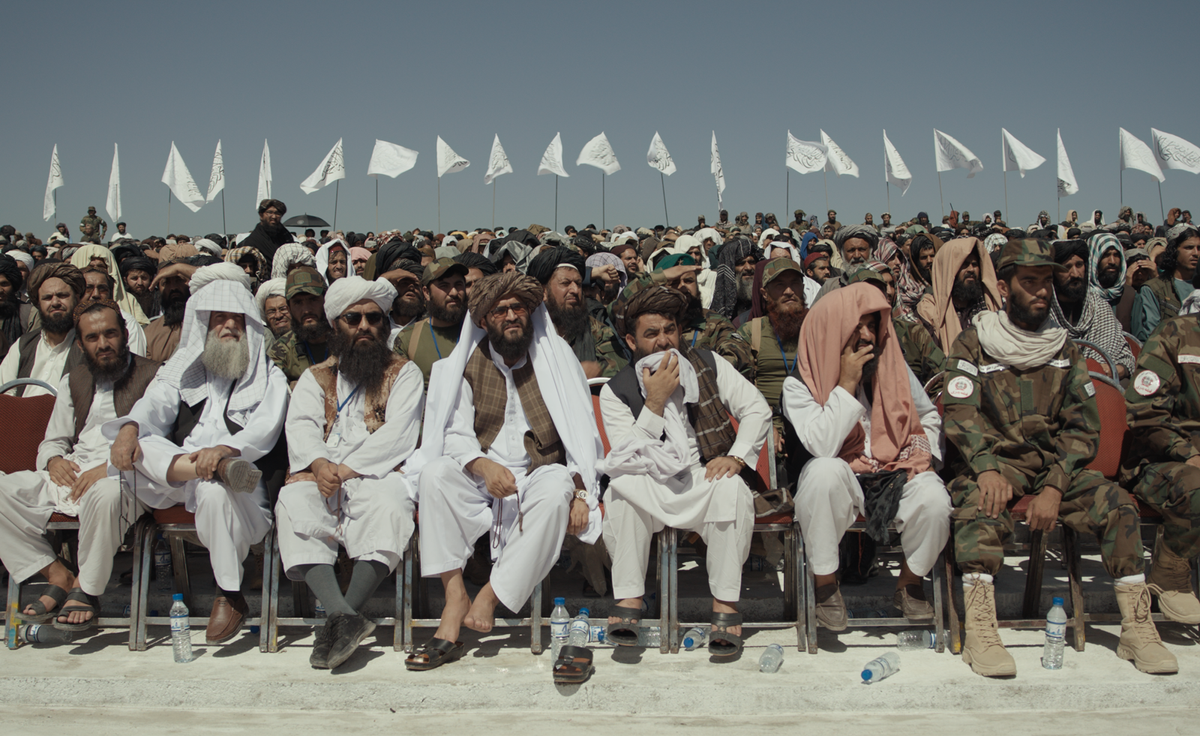
Beautiful Un An Taliban Background for Desktop
Experience the crisp clarity of this stunning un an taliban image, available in high resolution for all your screens.

Vivid Un An Taliban Design in 4K
Transform your screen with this vivid un an taliban artwork, a true masterpiece of digital design.
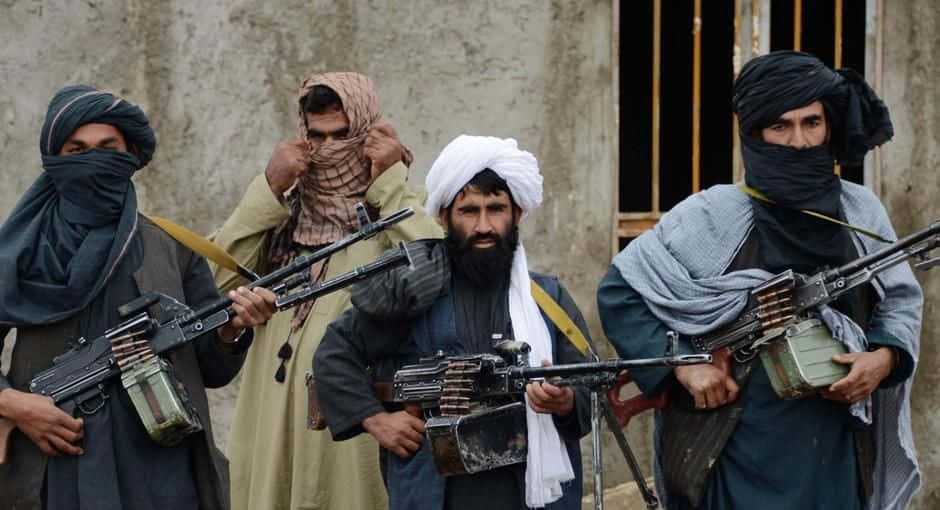
Beautiful Un An Taliban Artwork in 4K
Experience the crisp clarity of this stunning un an taliban image, available in high resolution for all your screens.
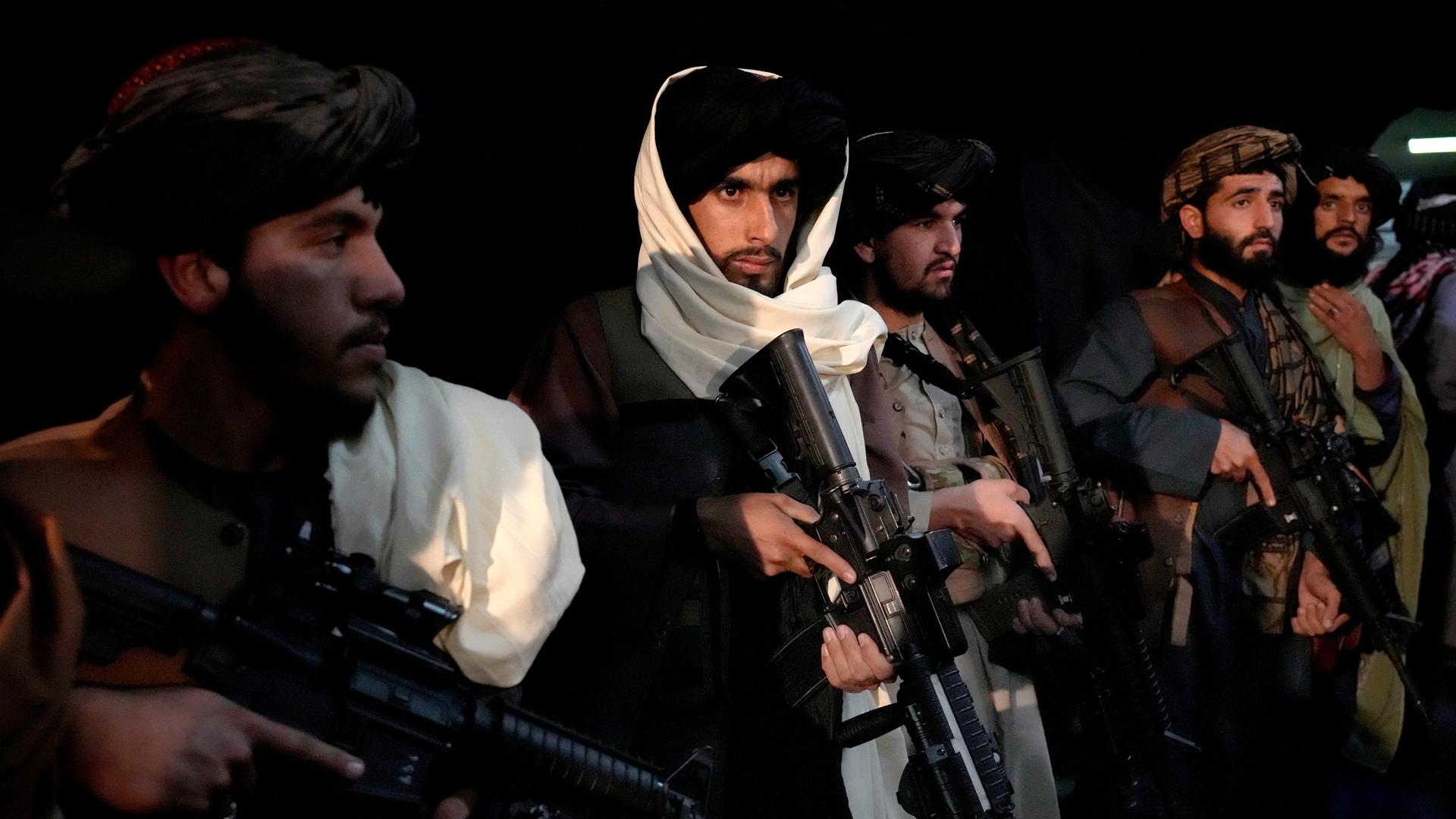
Crisp Un An Taliban Photo in 4K
This gorgeous un an taliban photo offers a breathtaking view, making it a perfect choice for your next wallpaper.
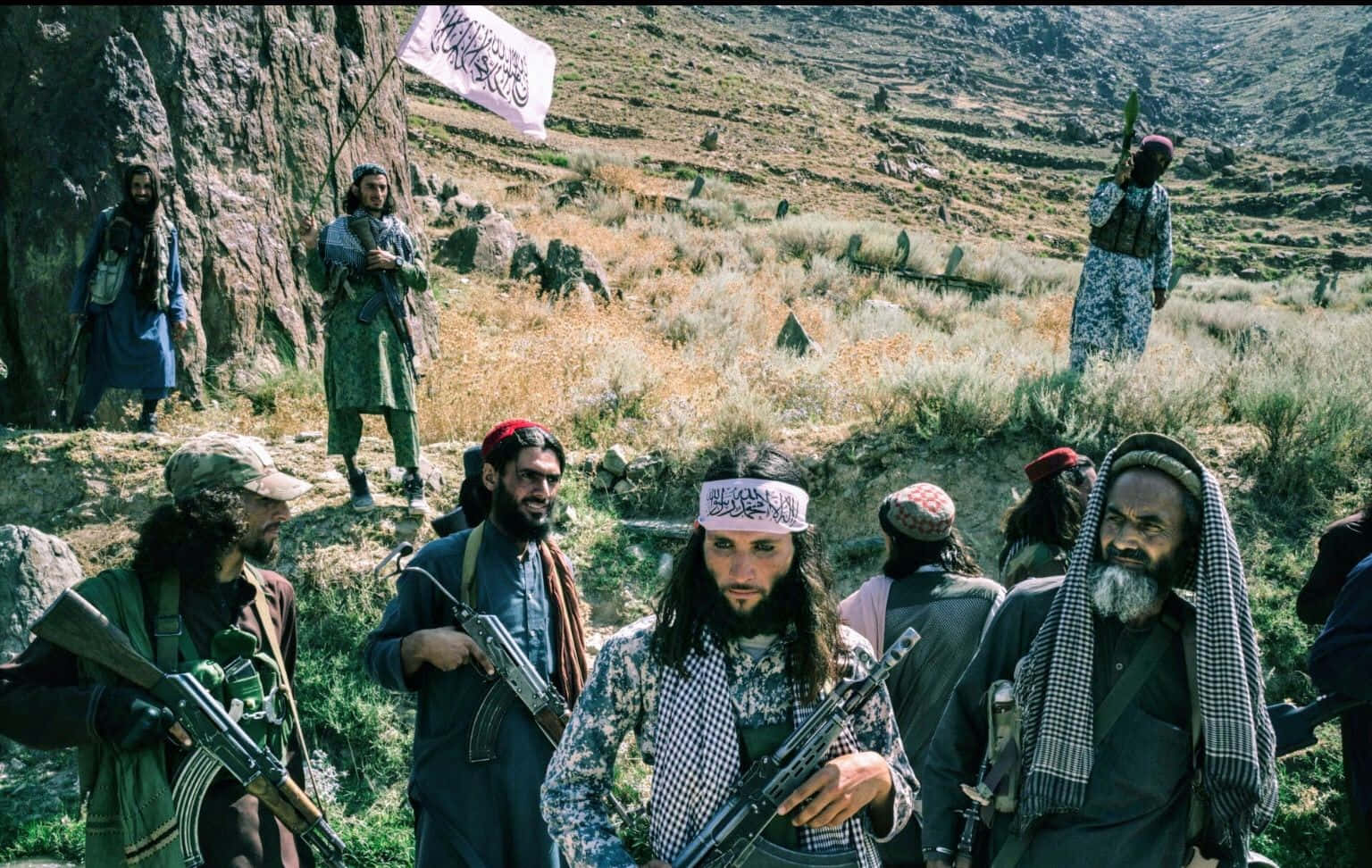
Breathtaking Un An Taliban Scene Collection
Explore this high-quality un an taliban image, perfect for enhancing your desktop or mobile wallpaper.
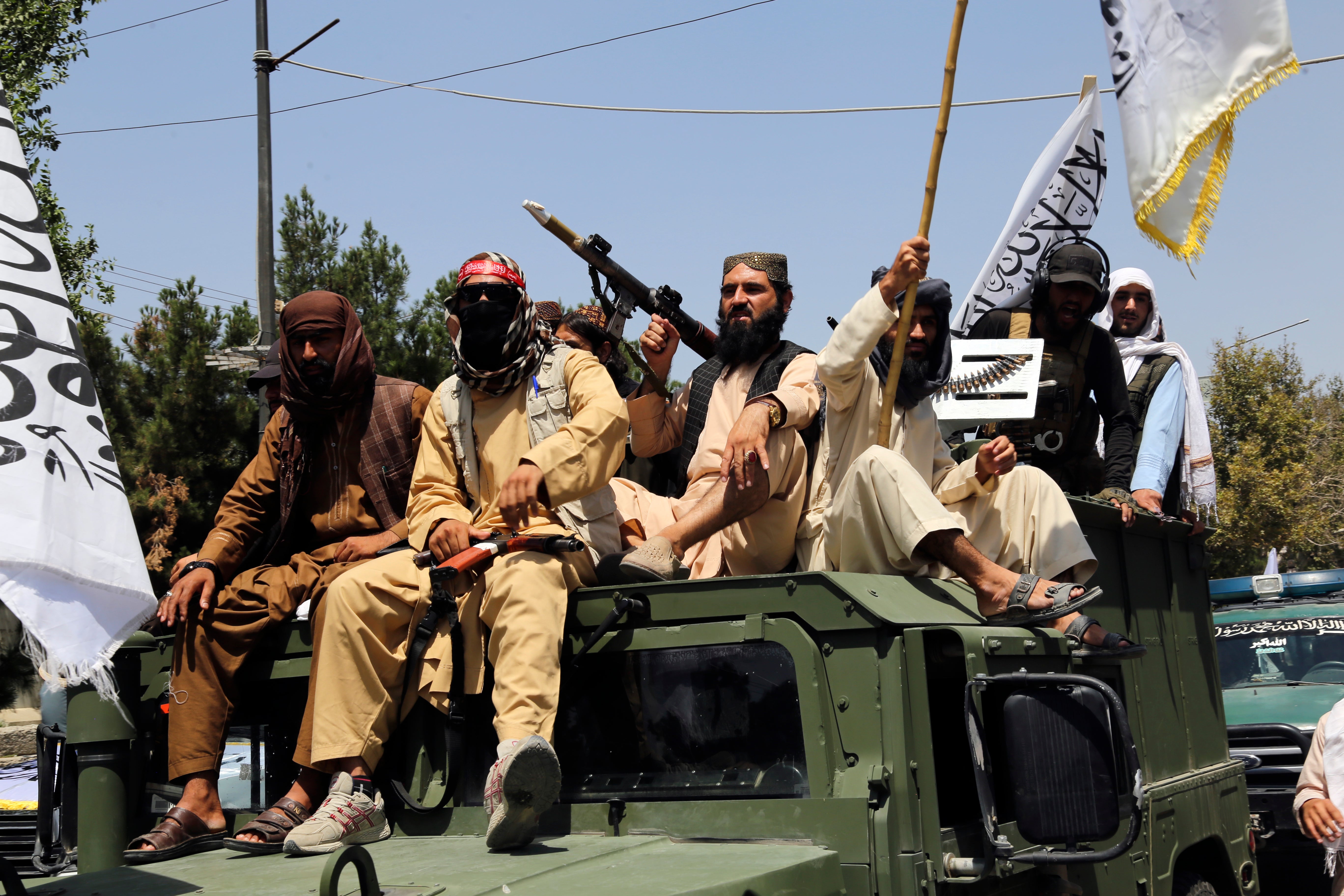
Gorgeous Un An Taliban Design Photography
This gorgeous un an taliban photo offers a breathtaking view, making it a perfect choice for your next wallpaper.
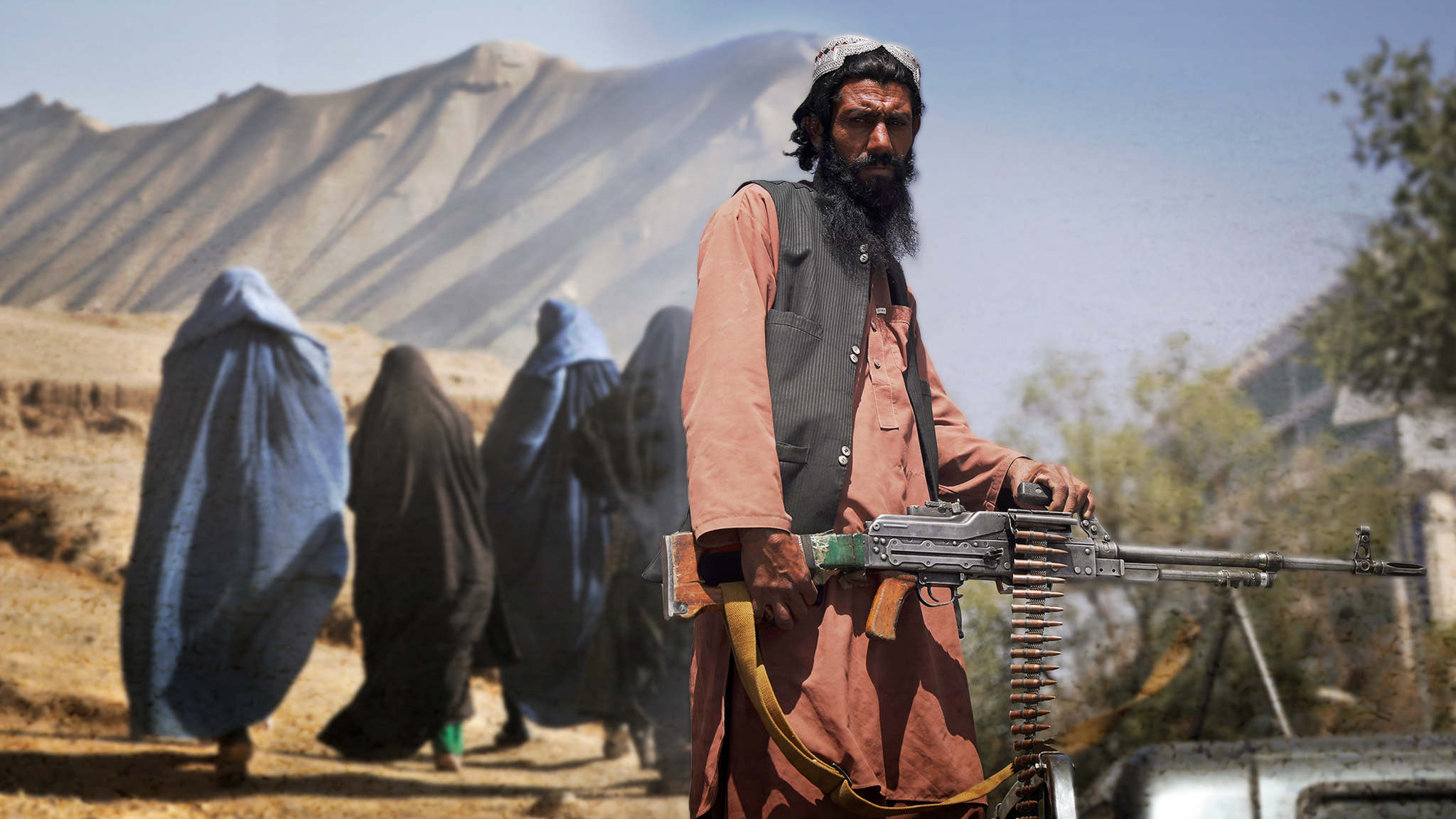
Beautiful Un An Taliban Scene in HD
Explore this high-quality un an taliban image, perfect for enhancing your desktop or mobile wallpaper.
Dynamic Un An Taliban Picture in HD
A captivating un an taliban scene that brings tranquility and beauty to any device.
Crisp Un An Taliban Photo Concept
A captivating un an taliban scene that brings tranquility and beauty to any device.

Exquisite Un An Taliban Abstract Art
This gorgeous un an taliban photo offers a breathtaking view, making it a perfect choice for your next wallpaper.

Captivating Un An Taliban Capture in HD
This gorgeous un an taliban photo offers a breathtaking view, making it a perfect choice for your next wallpaper.
Crisp Un An Taliban Picture for Desktop
Find inspiration with this unique un an taliban illustration, crafted to provide a fresh look for your background.
Beautiful Un An Taliban Moment in HD
Explore this high-quality un an taliban image, perfect for enhancing your desktop or mobile wallpaper.

Amazing Un An Taliban Landscape Collection
Explore this high-quality un an taliban image, perfect for enhancing your desktop or mobile wallpaper.
Serene Un An Taliban Photo for Desktop
Transform your screen with this vivid un an taliban artwork, a true masterpiece of digital design.
Download these un an taliban wallpapers for free and use them on your desktop or mobile devices.