US Debt Nears $40 Trillion as the Cryptocurrency Market Enters a New Phase in 2026
US Debt Nears $40 Trillion as the Cryptocurrency Market Enters a New Phase in 2026
The global financial landscape is currently witnessing a historic convergence of traditional fiscal instability and digital asset maturity. As of April 2026, the United States national debt is rapidly approaching the staggering $40 trillion milestone, a figure that has sent shockwaves through Wall Street and fueled intense debates in Washington. Simultaneously, the cryptocurrency market has transitioned into a "New Phase," characterized by institutional dominance, regulatory clarity, and its increasing role as a hedge against fiat currency debasement. This dual phenomenon is redefining wealth preservation for a new generation of investors.
The U.S. national debt has reached approximately $39 trillion in early 2026, fueled by rising interest costs that now exceed $1 trillion annually. This fiscal trajectory, coupled with a debt-to-GDP ratio exceeding 124%, is driving a massive structural shift in global finance. Investors are increasingly turning to Bitcoin and other digital assets as "digital gold," seeking refuge from potential currency debasement. In 2026, the crypto market has moved beyond its speculative "four-year cycle" into a period of sustained institutional integration, supported by new bipartisan regulatory frameworks in the United States.
The Road to $40 Trillion: Understanding the U.S. Debt Spiral
The journey to nearly $40 trillion in debt has been accelerated by a series of unprecedented economic events and policy decisions. Since the 2008 financial crisis, the U.S. debt has soared from roughly $7 trillion to the current heights of $39 trillion. Major contributors include massive pandemic-era stimulus spending, long-term investments in infrastructure, and significant increases in defense spending. In just the last year, geopolitical tensions and internal economic pressures have added over $1 trillion to the total, with some periods recording a $1 trillion increase in as little as 71 days.
Economists warn of a "debt death spiral," a condition where the government must borrow increasingly larger sums simply to pay the interest on existing debt. With interest payments now consuming a larger portion of the federal budget than national defense or Medicare, the "crowding out" effect is becoming a reality. This means fewer resources are available for future-oriented investments like education, research, and infrastructure, potentially stifling long-term economic growth.
Fiscal Dominance and the Pressure on the Federal Reserve
The concept of "fiscal dominance" is no longer a theoretical concern but a tangible market force in 2026. As debt levels rise, the Treasury's need for affordable financing puts immense pressure on the Federal Reserve to maintain lower interest rates than inflation might otherwise dictate. If the Fed is forced to prioritize debt service costs over price stability, the risk of persistent inflation increases significantly.
Wall Street leaders, including CEOs from JPMorgan Chase and Goldman Sachs, have issued warnings about this unsustainable path. The fear is that if foreign investors, who hold a significant portion of U.S. debt, begin to retreat due to concerns over repayment or currency value, the Fed may be forced to act as the "buyer of last resort." This would involve "monetizing the debt" through extensive money printing, which historically leads to the debasement of the currency's purchasing power.
The 2026 Crypto Market: The End of the Four-Year Cycle
For years, the cryptocurrency market was defined by a recurring four-year cycle tied to Bitcoin halving events. However, 2026 has marked the definitive end of this pattern. Analysts from major firms like Grayscale suggest that the market has entered a "Sustained Bull Phase" driven by structural shifts rather than mere halving speculation. This new phase is underpinned by two pillars: ongoing macro demand for alternative stores of value and improved regulatory clarity.
The entry of "spot" ETFs and other institutional-grade investment vehicles has deepened market liquidity and reduced the extreme volatility seen in previous years. In the first half of 2026, Bitcoin reached new all-time highs, not because of retail hype, but because it is being integrated into the diversified portfolios of pension funds, insurance companies, and sovereign wealth funds. The narrative has shifted from "if" crypto will survive to "how" it will function as a core component of the global financial architecture.
Regulatory Clarity: The Dawn of the Institutional Era
One of the most significant catalysts for the 2026 crypto boom has been the passage of bipartisan market structure legislation in the United States. For the first time, developers, investors, and exchanges have a clear legal framework for the issuance and trading of digital asset securities. This has facilitated the "on-chain" issuance of traditional financial instruments, blurring the lines between "TradFi" and "DeFi."
Regulatory certainty has allowed major banks to offer custody services and enabled startups to build compliant decentralized finance protocols. This shift has mitigated the "offshore" risk that plagued the industry in its early years, bringing billions of dollars in dormant capital back into the ecosystem. The U.S. is now competing globally to be the premier hub for digital finance, recognizing that blockchain technology is essential for maintaining financial competitiveness in an era of digital currencies.
| Metric (Estimated April 2026) | Current Value / Status |
|---|---|
| Total U.S. National Debt | ~$39.2 Trillion |
| Annual Interest on Debt | >$1.1 Trillion |
| Debt-to-GDP Ratio | ~124.5% |
| Bitcoin Market Position | Hedge against fiat debasement |
| Stablecoin U.S. Treasury Holdings | >$150 Billion (Combined) |
Stablecoins: The New Guardians of the Treasury Market
An unexpected development in the 2026 fiscal landscape is the role of stablecoin issuers as primary purchasers of U.S. Treasury debt. As traditional foreign buyers like China and Japan have reduced their holdings, stablecoin giants like Tether (USDT) and Circle (USDC) have stepped in. Collectively, these entities now rank among the top 20 sovereign holders of U.S. Treasuries globally.
This creates a unique symbiotic relationship: the U.S. Treasury finds a reliable source of demand for its short-term debt, while stablecoin issuers gain the legitimacy and yield necessary to back their digital dollars. Some analysts argue that stablecoins are the "secret weapon" for maintaining the dollar's global dominance, as they export demand for the USD into the digital economy where other currencies are less prevalent.
Bitcoin as Digital Gold: Closing the Valuation Gap
With the U.S. debt snowballing, the comparison between Bitcoin and gold has never been more relevant. In 2026, Bitcoin is increasingly viewed not as a tech stock, but as a "scarce digital commodity." Its capped supply of 21 million coins stands in stark contrast to the seemingly unlimited supply of fiat currency. This "programmatic scarcity" is the primary driver for institutional adoption in an environment of fiscal excess.
Analysts observe that Bitcoin is rapidly closing the valuation gap with gold. While gold remains the traditional "safe haven" for older generations, the 2026 market shows that institutional investors are using a "barbell strategy"—holding both physical gold and digital Bitcoin to protect against a potential "day of reckoning" in the bond markets. The narrative of Bitcoin as "Insurance against Central Bank failure" has moved from the fringes to the mainstream.
Real-World Assets (RWA) and Tokenized Treasuries
The "New Phase" of 2026 is also characterized by the explosive growth of Tokenized Real-World Assets (RWAs). Bringing U.S. Treasuries onto the blockchain has revolutionized liquidity and accessibility. This sector has grown more than fourfold in the last year, as investors seek the safety of government debt combined with the efficiency of 24/7 on-chain trading.
Tokenization allows for fractional ownership and instant settlement, eliminating the need for many traditional intermediaries. This innovation is particularly attractive to international investors who may face barriers in traditional markets but can easily access tokenized versions of U.S. debt. For the Treasury, this represents a massive expansion of the potential buyer pool, which is critical as the debt approaches the $40 trillion mark.
Inflation and the Cost of Living Crisis in 2026
Despite official efforts to curb it, the shadow of inflation looms large over the American economy in 2026. The high cost of servicing the national debt limits the government's ability to respond to economic shocks without further borrowing. For the average citizen, this translates into a sustained "cost of living crisis," where wages struggle to keep pace with the prices of essentials like housing, energy, and food.
This economic pressure is a significant driver for retail interest in cryptocurrencies. In a world where traditional savings accounts offer "real" negative returns after inflation, digital assets represent a "hope hedge" for younger generations. However, this has also led to increased scrutiny from policymakers concerned about consumer protection and the potential for a "two-tier" economy where those with digital assets prosper while others are left behind by inflation.
FAQ: US Debt and the Crypto New Phase
Why is the U.S. debt approaching $40 trillion so quickly?
The acceleration is primarily due to compounding interest on existing debt, which now exceeds $1 trillion annually, combined with continued high government spending on defense and social programs, and lower-than-expected tax revenues.
How does the national debt affect the price of Bitcoin?
High debt levels often lead to currency debasement through inflation or lower interest rates. Since Bitcoin has a fixed supply, it is viewed as a hedge against this loss of purchasing power, typically driving its price up when debt concerns rise.
What is the "New Phase" of the cryptocurrency market in 2026?
The New Phase is characterized by the end of the traditional four-year cycle, replaced by sustained growth driven by institutional adoption, comprehensive regulatory frameworks, and the integration of real-world assets like tokenized Treasuries.
Are stablecoins helping or hurting the U.S. economy?
In 2026, stablecoins are seen as major buyers of U.S. Treasury debt, providing essential liquidity. However, regulators remain cautious about the systemic risks they pose to the traditional financial system if not properly collateralized.
Can the U.S. ever pay off its $40 trillion debt?
Most economists believe the debt will never be "paid off" in the traditional sense. Instead, the goal is to grow the economy faster than the debt or to "inflate" it away, though both strategies carry significant long-term risks to the global economy.
Conclusion
The year 2026 stands as a pivotal moment in financial history. The U.S. national debt nearing $40 trillion is no longer just a statistic; it is a fundamental driver of global economic behavior. As the traditional "risk-free" asset—U.S. Treasuries—faces unprecedented scrutiny, the cryptocurrency market has matured into a sophisticated, regulated, and institutionalized alternative. This "New Phase" of digital assets offers a glimpse into a future where blockchain technology and hard-coded scarcity provide a necessary counterbalance to the fiscal challenges of the 21st century. Whether the system can find a sustainable equilibrium or is heading toward a radical restructuring remains the defining question for investors and policymakers alike.
US Debt Nears $40 Trillion as the Cryptocurrency Market Enters a New Phase in 2026
US Debt Nears $40 Trillion as the Cryptocurrency Market Enters a New Phase in 2026 Wallpapers
Collection of us debt nears $40 trillion as the cryptocurrency market enters a new phase in 2026 wallpapers for your desktop and mobile devices.

Artistic Us Debt Nears $40 Trillion As The Cryptocurrency Market Enters A New Phase In 2026 Capture in 4K
This gorgeous us debt nears $40 trillion as the cryptocurrency market enters a new phase in 2026 photo offers a breathtaking view, making it a perfect choice for your next wallpaper.

Captivating Us Debt Nears $40 Trillion As The Cryptocurrency Market Enters A New Phase In 2026 Abstract for Your Screen
A captivating us debt nears $40 trillion as the cryptocurrency market enters a new phase in 2026 scene that brings tranquility and beauty to any device.

Mesmerizing Us Debt Nears $40 Trillion As The Cryptocurrency Market Enters A New Phase In 2026 Scene Nature
Transform your screen with this vivid us debt nears $40 trillion as the cryptocurrency market enters a new phase in 2026 artwork, a true masterpiece of digital design.

Dynamic Us Debt Nears $40 Trillion As The Cryptocurrency Market Enters A New Phase In 2026 Capture Art
Find inspiration with this unique us debt nears $40 trillion as the cryptocurrency market enters a new phase in 2026 illustration, crafted to provide a fresh look for your background.

Vibrant Us Debt Nears $40 Trillion As The Cryptocurrency Market Enters A New Phase In 2026 Background Illustration
Explore this high-quality us debt nears $40 trillion as the cryptocurrency market enters a new phase in 2026 image, perfect for enhancing your desktop or mobile wallpaper.

Vivid Us Debt Nears $40 Trillion As The Cryptocurrency Market Enters A New Phase In 2026 Picture for Desktop
Discover an amazing us debt nears $40 trillion as the cryptocurrency market enters a new phase in 2026 background image, ideal for personalizing your devices with vibrant colors and intricate designs.

Gorgeous Us Debt Nears $40 Trillion As The Cryptocurrency Market Enters A New Phase In 2026 Capture Photography
This gorgeous us debt nears $40 trillion as the cryptocurrency market enters a new phase in 2026 photo offers a breathtaking view, making it a perfect choice for your next wallpaper.

Gorgeous Us Debt Nears $40 Trillion As The Cryptocurrency Market Enters A New Phase In 2026 View for Mobile
This gorgeous us debt nears $40 trillion as the cryptocurrency market enters a new phase in 2026 photo offers a breathtaking view, making it a perfect choice for your next wallpaper.

Beautiful Us Debt Nears $40 Trillion As The Cryptocurrency Market Enters A New Phase In 2026 Picture Collection
Discover an amazing us debt nears $40 trillion as the cryptocurrency market enters a new phase in 2026 background image, ideal for personalizing your devices with vibrant colors and intricate designs.

Stunning Us Debt Nears $40 Trillion As The Cryptocurrency Market Enters A New Phase In 2026 Picture for Mobile
Immerse yourself in the stunning details of this beautiful us debt nears $40 trillion as the cryptocurrency market enters a new phase in 2026 wallpaper, designed for a captivating visual experience.

Serene Us Debt Nears $40 Trillion As The Cryptocurrency Market Enters A New Phase In 2026 Photo Art
Explore this high-quality us debt nears $40 trillion as the cryptocurrency market enters a new phase in 2026 image, perfect for enhancing your desktop or mobile wallpaper.
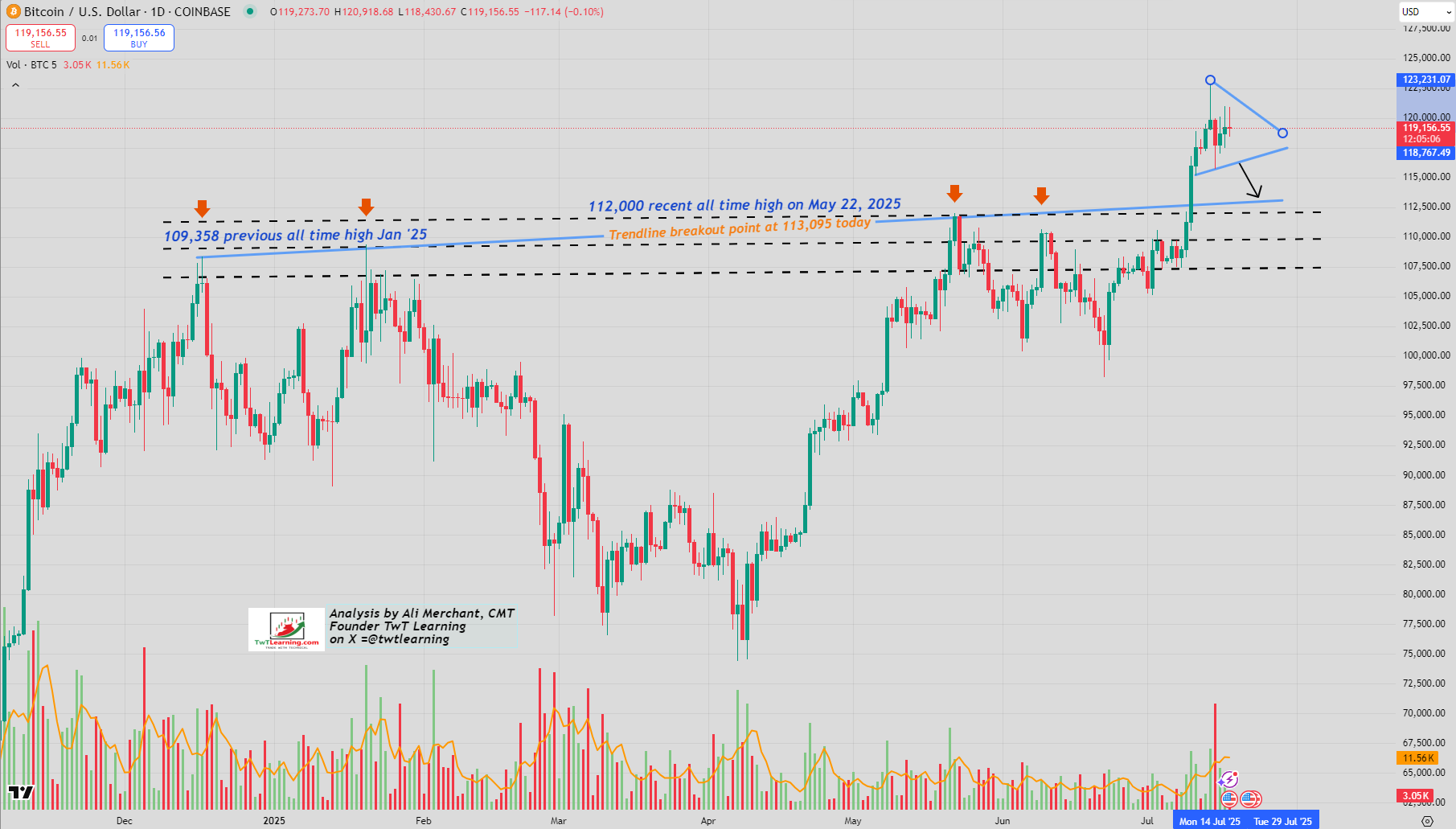
Lush Us Debt Nears $40 Trillion As The Cryptocurrency Market Enters A New Phase In 2026 Artwork in 4K
A captivating us debt nears $40 trillion as the cryptocurrency market enters a new phase in 2026 scene that brings tranquility and beauty to any device.

Mesmerizing Us Debt Nears $40 Trillion As The Cryptocurrency Market Enters A New Phase In 2026 Background in 4K
Explore this high-quality us debt nears $40 trillion as the cryptocurrency market enters a new phase in 2026 image, perfect for enhancing your desktop or mobile wallpaper.

Lush Us Debt Nears $40 Trillion As The Cryptocurrency Market Enters A New Phase In 2026 Scene in 4K
Immerse yourself in the stunning details of this beautiful us debt nears $40 trillion as the cryptocurrency market enters a new phase in 2026 wallpaper, designed for a captivating visual experience.

Vivid Us Debt Nears $40 Trillion As The Cryptocurrency Market Enters A New Phase In 2026 Picture Concept
Discover an amazing us debt nears $40 trillion as the cryptocurrency market enters a new phase in 2026 background image, ideal for personalizing your devices with vibrant colors and intricate designs.

Gorgeous Us Debt Nears $40 Trillion As The Cryptocurrency Market Enters A New Phase In 2026 Photo for Your Screen
This gorgeous us debt nears $40 trillion as the cryptocurrency market enters a new phase in 2026 photo offers a breathtaking view, making it a perfect choice for your next wallpaper.

Breathtaking Us Debt Nears $40 Trillion As The Cryptocurrency Market Enters A New Phase In 2026 Capture Nature
Discover an amazing us debt nears $40 trillion as the cryptocurrency market enters a new phase in 2026 background image, ideal for personalizing your devices with vibrant colors and intricate designs.
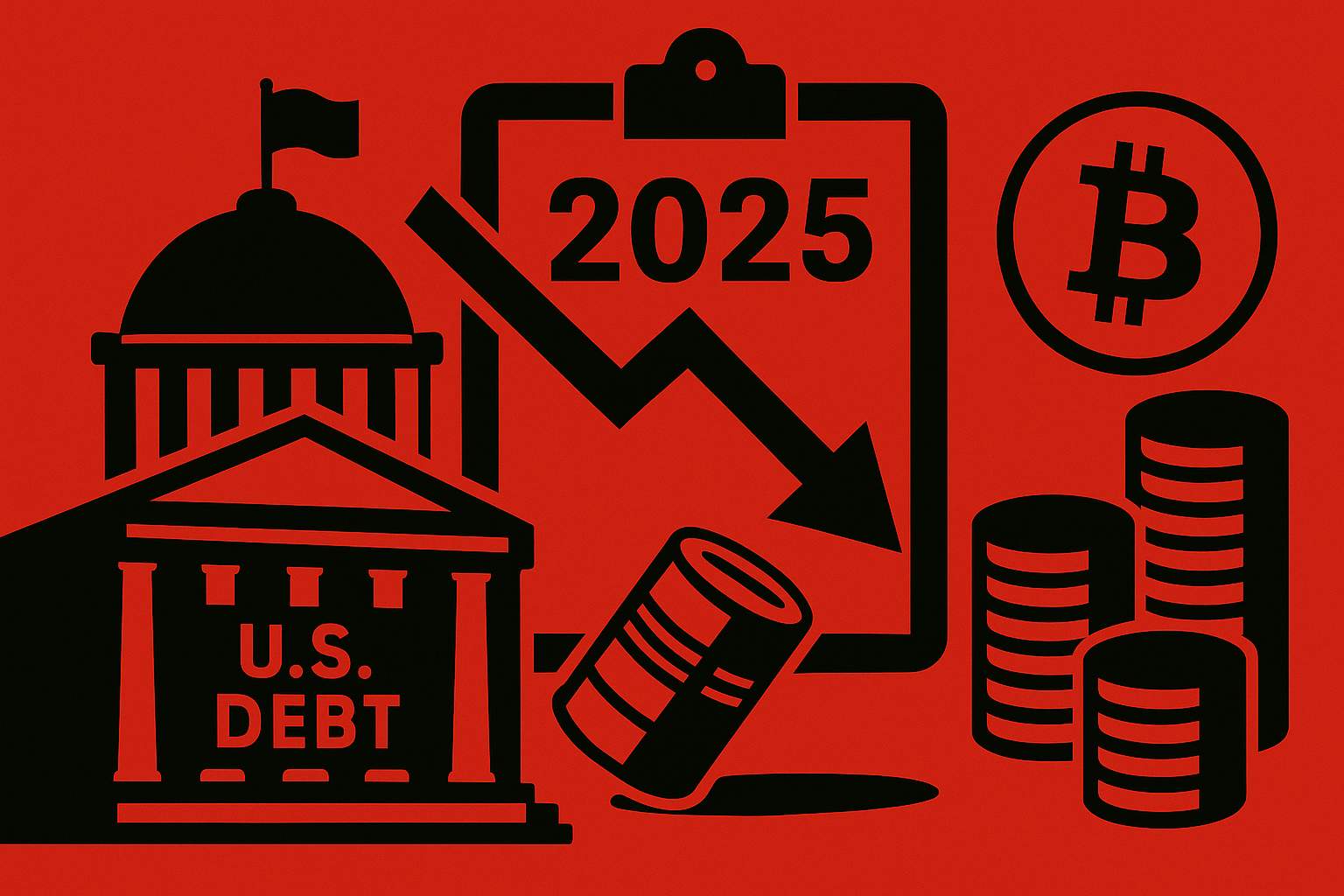
Detailed Us Debt Nears $40 Trillion As The Cryptocurrency Market Enters A New Phase In 2026 Image Digital Art
Explore this high-quality us debt nears $40 trillion as the cryptocurrency market enters a new phase in 2026 image, perfect for enhancing your desktop or mobile wallpaper.

Gorgeous Us Debt Nears $40 Trillion As The Cryptocurrency Market Enters A New Phase In 2026 Landscape Nature
Immerse yourself in the stunning details of this beautiful us debt nears $40 trillion as the cryptocurrency market enters a new phase in 2026 wallpaper, designed for a captivating visual experience.

High-Quality Us Debt Nears $40 Trillion As The Cryptocurrency Market Enters A New Phase In 2026 Wallpaper Illustration
Transform your screen with this vivid us debt nears $40 trillion as the cryptocurrency market enters a new phase in 2026 artwork, a true masterpiece of digital design.
Download these us debt nears $40 trillion as the cryptocurrency market enters a new phase in 2026 wallpapers for free and use them on your desktop or mobile devices.