Video shows ships turning away from the Strait of Hormuz as confusion persists over whether sea lane is really open
Video shows ships turning away from the Strait of Hormuz as confusion persists over whether sea lane is really open
The global shipping industry is currently grappling with unprecedented uncertainty as dramatic video footage emerges showing commercial vessels turning away from the Strait of Hormuz. Despite high-level diplomatic announcements suggesting a reopening of the vital waterway, the reality on the water remains fraught with tension and logistical chaos. While Iran has declared the passage "completely open" during a temporary ceasefire period, shipping giants are hesitating to resume normal operations. This reluctance stems from conflicting reports regarding sea mines, a parallel U.S. naval blockade targeting Iranian oil, and the demand for vessels to navigate specific, Iranian-authorized routes. For ship owners, the risk of physical damage or geopolitical entanglement currently outweighs the political assurances being offered from Washington and Tehran.
The featured snippet for the current Strait of Hormuz crisis reveals that while Iranian Foreign Minister Abbas Araghchi declared the sea lane open on April 17, 2026, maritime traffic remains at less than 10% of pre-war levels. The persistent confusion is driven by a "double blockade" scenario where Iran requires vessels to follow a specific "coordinated route" while the U.S. Navy enforces a blockade on all ships entering or leaving Iranian ports. Security experts warn that the presence of sea mines and the lack of verified safe passage mean that commercial shipping is unlikely to return to normal until credible security guarantees, rather than just political statements, are established by international maritime agencies.
The Collapse of the Islamabad Talks and the Path to Blockade
The current maritime standoff is a direct consequence of the failed diplomatic efforts in Islamabad. For nearly 21 hours, negotiators from the United States and Iran attempted to hammer out a comprehensive ceasefire that would address nuclear concerns and the restoration of freedom of navigation. However, the talks collapsed without an agreement, with both sides accusing the other of shifting goalposts. Immediately following this breakdown, the U.S. moved to implement a formal naval blockade on Iranian ports, a move President Donald Trump described as a response to "world extortion."
The failure of these talks effectively ended hopes for a swift resolution to the energy crisis that has plagued the world since February 2026. Without a diplomatic breakthrough, the Strait of Hormuz became a zone of "deterrence" rather than a functioning trade route. Even as temporary truces are announced in neighboring conflict zones like Lebanon, the core issues between Washington and Tehran remain unresolved, leaving seafarers and shipping companies caught in the crossfire of a high-stakes geopolitical game.
Conflicting Narratives: Is the Strait Truly Open?
The primary source of confusion for global markets is the stark contrast between official statements and the operational reality in the Persian Gulf. On April 17, Iranian officials used social media to proclaim that the Strait of Hormuz was "completely open" for the duration of the 10-day Lebanon ceasefire. This announcement initially sent oil prices tumbling as traders anticipated a resumption of flow. However, the "fine print" of the Iranian declaration required all ships to coordinate with the Islamic Revolutionary Guard Corps (IRGC) and stick to a specific corridor.
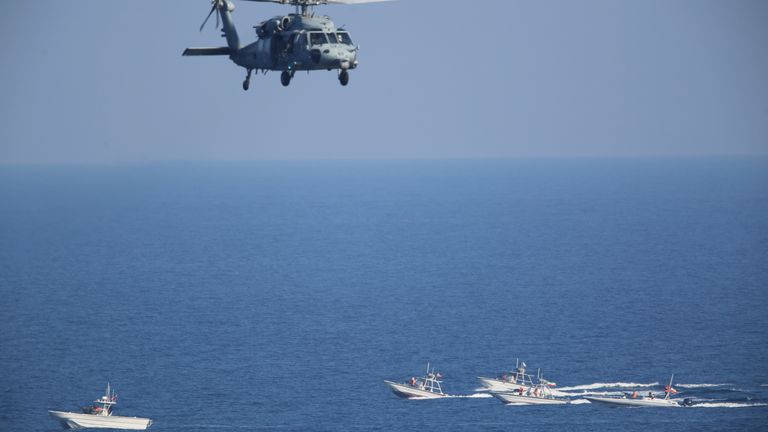
Simultaneously, U.S. Central Command (CENTCOM) maintained that while they would not impede non-Iranian traffic, a strict blockade remains in effect for any vessel interacting with Iranian coastal areas. This has created a "checkerboard" of rules where a ship's safety depends entirely on its cargo, its destination, and whose naval forces it encounters first. Video evidence of ships loitering or reversing course highlights the fact that captains are unwilling to bet their crews' lives on the validity of these conflicting maritime notices.
The Hidden Threat: Sea Mines and Technical Hazards
Beyond the political posturing, the most significant physical deterrent for shipping firms is the threat of sea mines. During the height of the conflict in March, reports indicated that Iran had laid mines in the primary traffic zones of the strait to deter military intervention. Although recent Iranian claims suggest these areas are now being cleared or avoided via the new "coordinated route," independent verification is non-existent. International maritime bodies, including BIMCO and the Norwegian Shipowners' Association, have warned members that the mine threat remains "unclear."
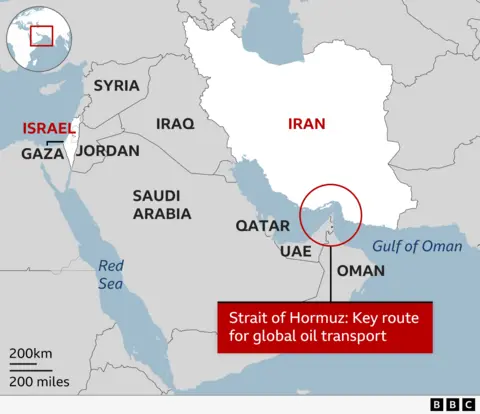
The technical challenges of navigating the strait are exacerbated by the narrowness of the shipping lanes. At its narrowest point, the navigable channels are only about two miles wide. If these lanes are seeded with mines, or if ships are forced into unmapped coastal waters to satisfy IRGC requirements, the risk of a catastrophic accident increases exponentially. For many large-scale operators like Hapag-Lloyd, the absence of a professional mine-clearing operation by a neutral international force makes the "open" strait a functional no-go zone.
Shipping Traffic Data: A Stark Reality Check
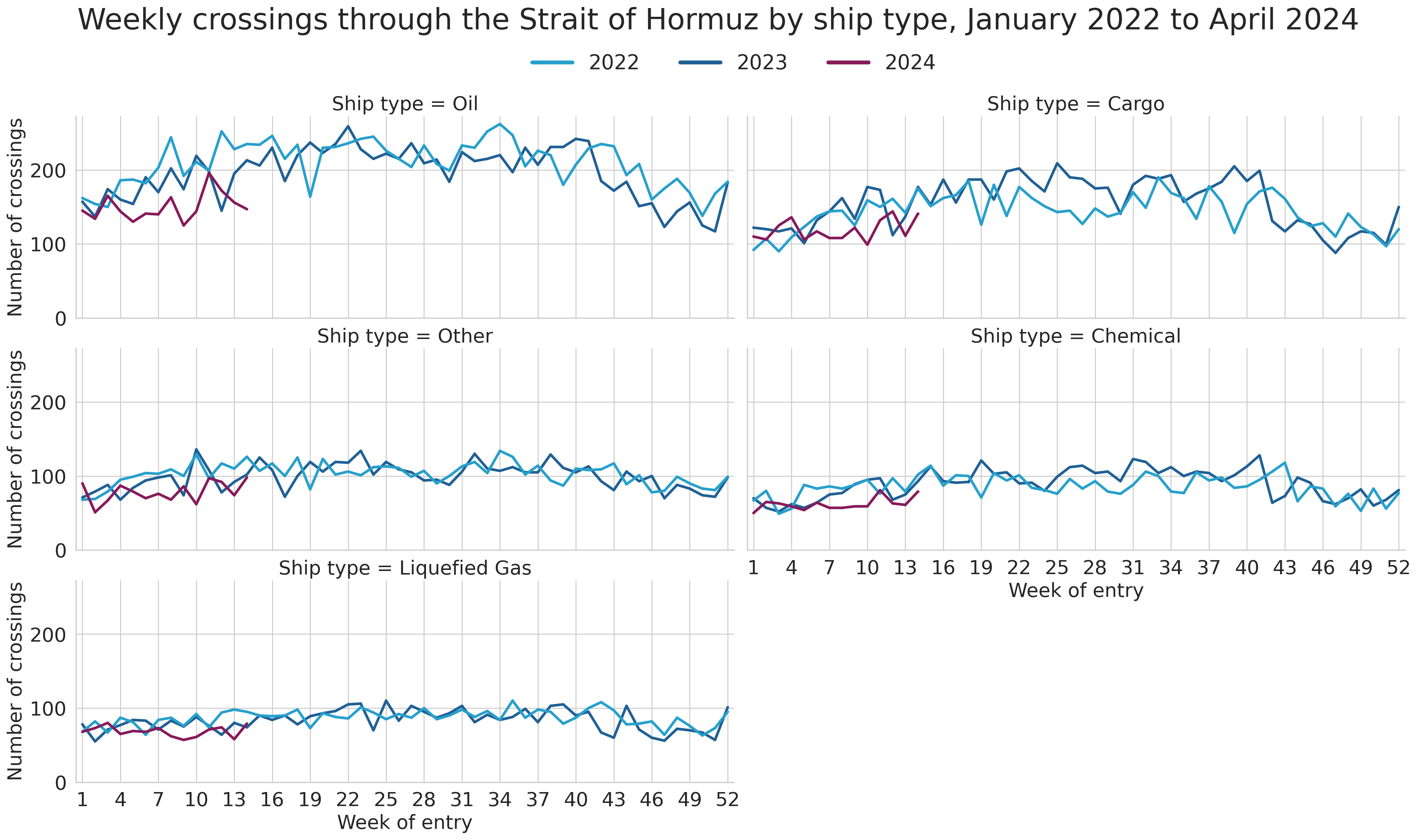
Quantitative analysis of ship tracking data from Kpler and LSEG paints a much bleaker picture than the headlines suggest. Before the conflict began in February 2026, the Strait of Hormuz typically handled upwards of 130 vessel transits per day. During the first week of the so-called reopening, that number has struggled to reach double digits on several days. While a handful of tankers, such as the Peace Gulf and the Rich Starry, have made the crossing, they are often empty vessels or those already sanctioned by the U.S., which have little to lose by navigating through Iranian-controlled waters.
| Metric | Status / Value |
|---|---|
| Pre-War Daily Transits | 130+ Vessels |
| Current Daily Average (April 2026) | 3 to 14 Vessels |
| Confirmed Attacks on Ships | 22 Vessels |
| Oil Price Volatility | $110 - $130 (Projected Range) |
The table above illustrates the massive gap between normal operations and the current "crisis mode." Even with the U.S. claiming that it has turned back 19 ships attempting to breach its blockade, the overall volume of trade remains paralyzed. The "normalization" of traffic is not just a matter of opening a gate; it requires the restoration of an entire ecosystem of insurance, crew safety protocols, and predictable naval law that has been shattered by the 2026 Iran War.
The U.S. Naval Blockade: Enforcement and Exceptions
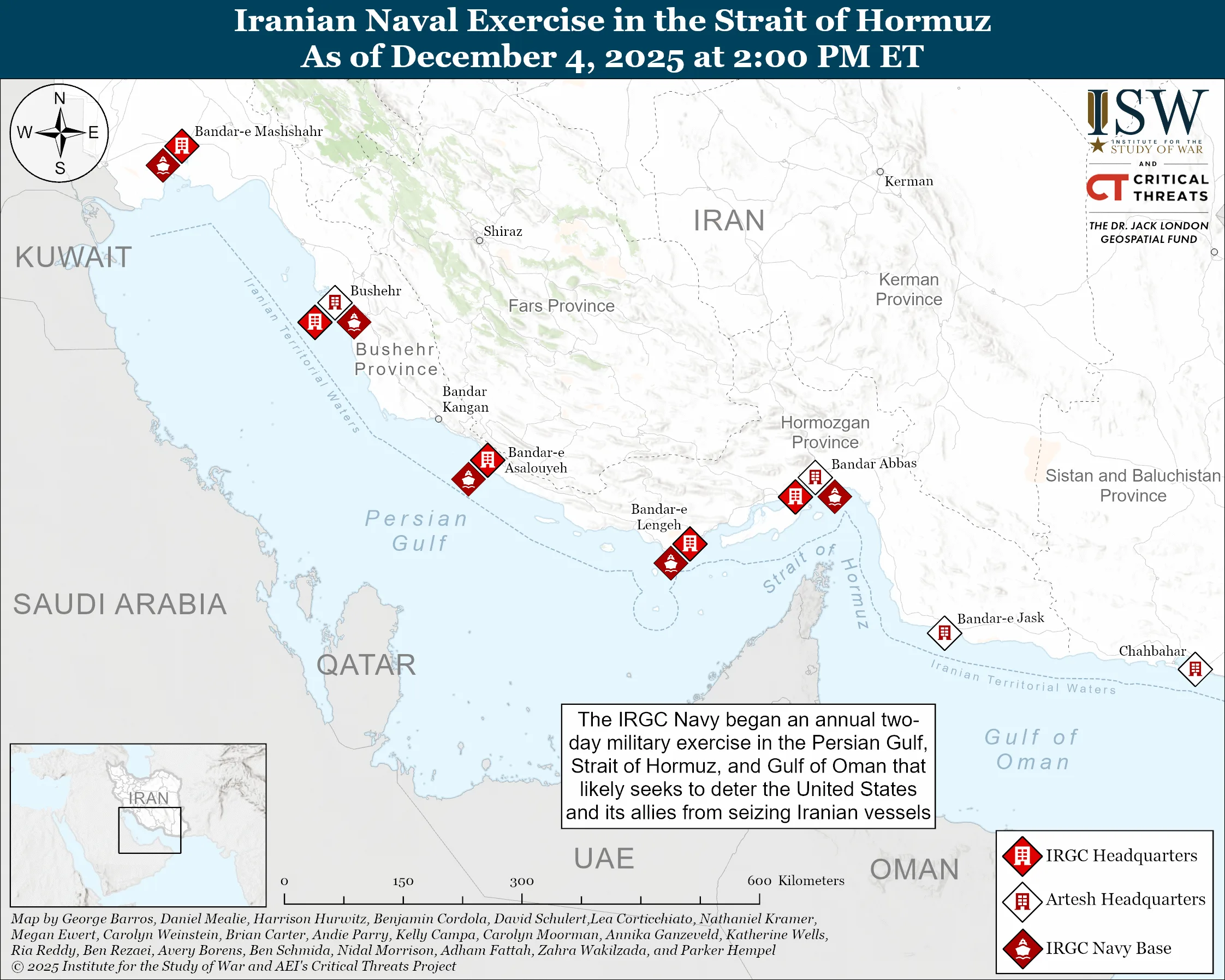
The U.S. Navy's enforcement of the blockade represents a significant shift in American maritime policy. Under the direction of President Trump, the Navy has established a blockade line extending from Gwadar Bay to Oman's Ras al Hadd. This is not a blockade of the Strait of Hormuz itself, but rather a targeted interdiction of Iranian economic activity. U.S. officials have been careful to state that "freedom of navigation" remains for ships traveling to non-Iranian ports in the UAE, Kuwait, or Saudi Arabia.
However, in practice, the presence of a massive U.S. naval task force, led by the aircraft carrier USS Abraham Lincoln, creates an environment of intense scrutiny. Ships are being hailed, boarded, or ordered to change course if their destination data is ambiguous. This "active enforcement" adds hours or even days to transit times, further discouraging companies from using the route. The U.S. has also warned that anyone paying "illegal tolls" to Iran for passage will be subject to interdiction, creating a financial trap for ship owners who might otherwise comply with Iranian demands just to keep their cargo moving.
Global Economic Consequences: Beyond the Pump
While the immediate impact of the Hormuz closure is felt in the price of crude oil, the long-term consequences are beginning to ripple through other sectors. The strait is a critical chokepoint for Liquefied Natural Gas (LNG), ammonia for fertilizer, and aluminum. The "double blockade" has essentially cut off 20% of the world's daily fuel supply, leading to the largest monthly increase in oil prices in history during March 2026. This energy shock is fueling inflation in Europe and Asia, with some economists warning of a looming global recession.
Furthermore, the disruption of fertilizer components like ammonia threatens global food security. As shipping firms reroute vessels around the Cape of Good Hope or find costly workarounds, the added freight and insurance costs are being passed down to consumers. The United Nations has warned that the "clock is ticking" for a global food crisis if the Hormuz corridor is not restored to its full capacity soon. The current "partial opening" is viewed by many analysts as insufficient to stabilize these vital supply chains.
Insurance and Legal Limbo for Ship Owners
For a commercial vessel to enter the Persian Gulf, it must be insured. Currently, the Strait of Hormuz is classified as an "extremely high-risk" zone, causing war-risk premiums to skyrocket. Many maritime insurers are refusing to cover voyages through the strait regardless of what political leaders say about it being "open." Without insurance, most captains are legally prohibited by their parent companies from entering the area.
Additionally, there is the legal question of "coordinated routes." If a ship follows an Iranian-mandated route that takes it through territorial waters where it is later attacked, who is liable? Shipping firms are seeking clarification on whether complying with Iranian passage requirements puts them in violation of U.S. sanctions. This legal "gray zone" is a major reason why video footage shows ships turning back; it is often safer to wait in the Gulf of Oman than to risk a multi-million dollar legal and physical catastrophe.
Conclusion
The persistent confusion in the Strait of Hormuz serves as a reminder that in modern maritime trade, geography and security outweigh political rhetoric. While the "Video shows ships turning away from the Strait of Hormuz as confusion persists over whether sea lane is really open" headlines capture the visual chaos, the underlying reality is a total breakdown of international maritime order. The "double blockade" by the U.S. and Iran has turned one of the world's most vital arteries into a high-stakes standoff. Until there is a comprehensive diplomatic agreement that removes the threat of mines, ends the naval blockade, and restores neutral international oversight, the global economy will continue to suffer from this self-inflicted energy and trade wound. For now, the "open" sign on the Strait of Hormuz remains a dangerous illusion for the world's merchant fleet.
FAQ Section
1. Why are ships turning away if Iran said the Strait of Hormuz is open?
Ships are turning away because of "double blockade" confusion. While Iran claims the route is open, it requires vessels to follow specific Iranian-controlled corridors. Meanwhile, the U.S. is enforcing a blockade on Iranian ports, and the threat of sea mines remains unverified, making the passage too risky for many insurance providers and shipping companies.
2. What is the current status of the U.S. naval blockade?
The U.S. naval blockade, implemented by CENTCOM, targets all vessels entering or departing Iranian ports. It does not formally block ships heading to non-Iranian ports (like those in the UAE or Kuwait), but the heightened security and interdiction of ships suspected of carrying Iranian cargo have slowed all traffic to a crawl.
3. Are there really sea mines in the Strait of Hormuz?
Iranian forces have claimed to have laid mines in the main traffic zones to protect their territory during the conflict. While Iran now suggests ships use a "safe coordinated route," international agencies like BIMCO have not confirmed that the primary lanes are clear, leaving a persistent fear of underwater explosives.
4. How has this affected global oil prices?
The disruption has caused massive volatility. Prices spiked to record levels in March 2026. While the news of the "reopening" caused a temporary 9% drop in Brent crude, prices remain high because the volume of oil actually moving through the strait is still 90% below pre-war levels.
5. Is there a timeline for when shipping will return to normal?
There is no fixed timeline. Experts suggest that normalization will only occur after a formal, long-term peace agreement is reached between the U.S. and Iran, and after an international task force clears any remaining mines and restores a neutral traffic management system.
Video shows ships turning away from the Strait of Hormuz as confusion persists over whether sea lane is really open
Video shows ships turning away from the Strait of Hormuz as confusion persists over whether sea lane is really open Wallpapers
Collection of video shows ships turning away from the strait of hormuz as confusion persists over whether sea lane is really open wallpapers for your desktop and mobile devices.
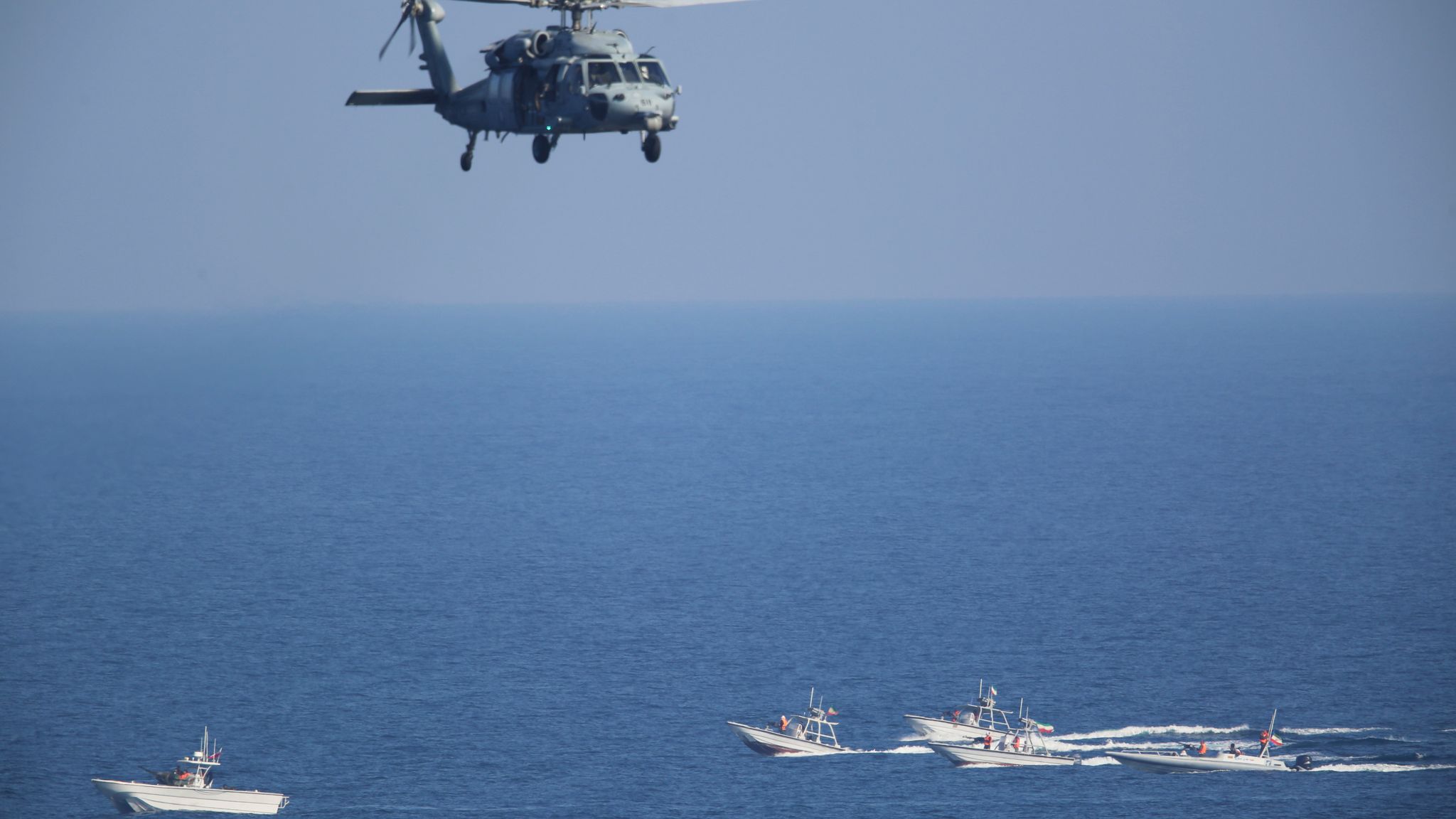
Spectacular Video Shows Ships Turning Away From The Strait Of Hormuz As Confusion Persists Over Whether Sea Lane Is Really Open Picture Photography
Find inspiration with this unique video shows ships turning away from the strait of hormuz as confusion persists over whether sea lane is really open illustration, crafted to provide a fresh look for your background.
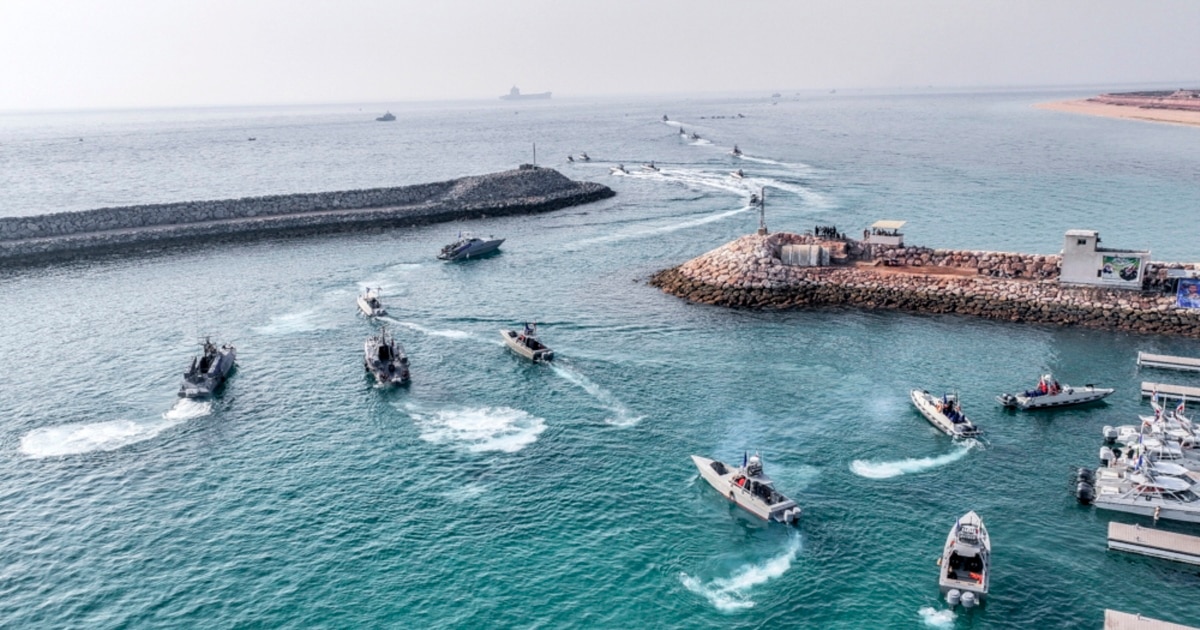
Crisp Video Shows Ships Turning Away From The Strait Of Hormuz As Confusion Persists Over Whether Sea Lane Is Really Open Picture Nature
This gorgeous video shows ships turning away from the strait of hormuz as confusion persists over whether sea lane is really open photo offers a breathtaking view, making it a perfect choice for your next wallpaper.
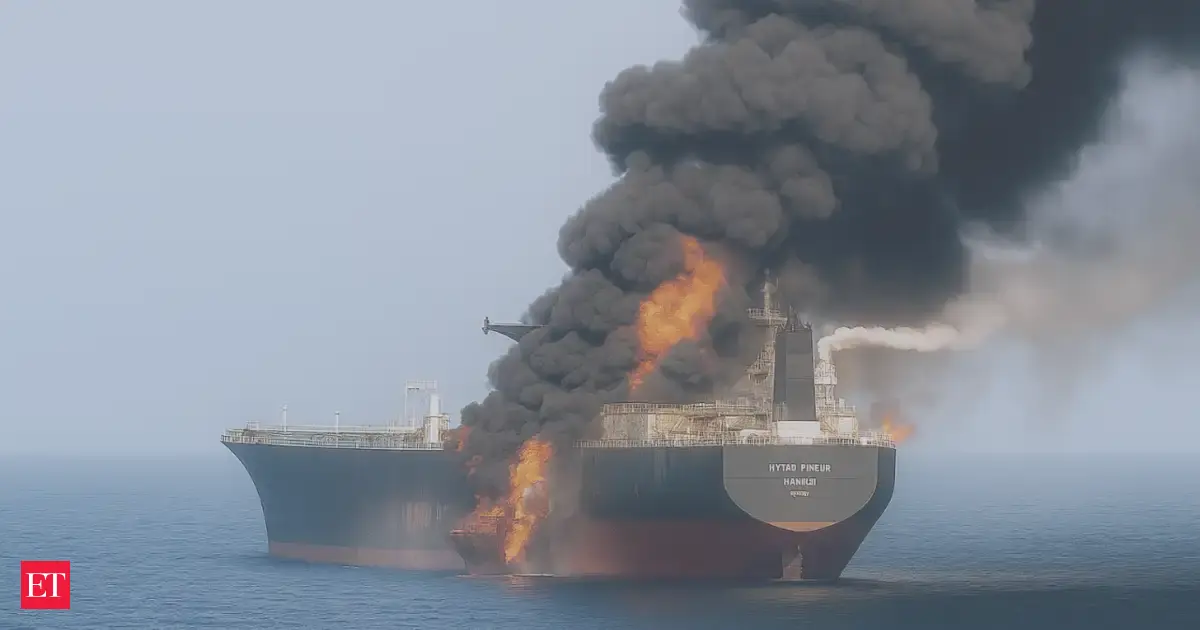
High-Quality Video Shows Ships Turning Away From The Strait Of Hormuz As Confusion Persists Over Whether Sea Lane Is Really Open Landscape Illustration
Explore this high-quality video shows ships turning away from the strait of hormuz as confusion persists over whether sea lane is really open image, perfect for enhancing your desktop or mobile wallpaper.
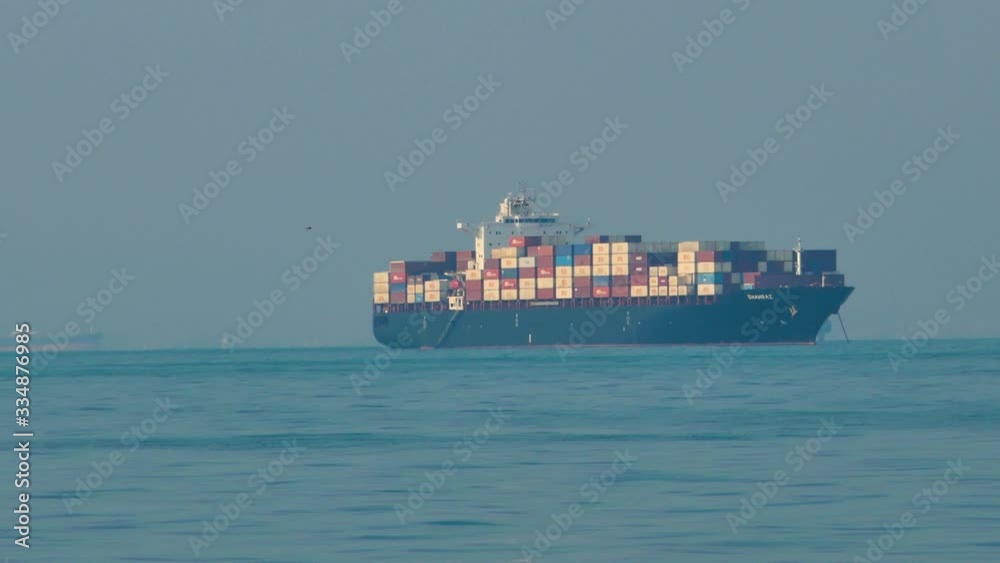
Amazing Video Shows Ships Turning Away From The Strait Of Hormuz As Confusion Persists Over Whether Sea Lane Is Really Open Design for Mobile
Experience the crisp clarity of this stunning video shows ships turning away from the strait of hormuz as confusion persists over whether sea lane is really open image, available in high resolution for all your screens.
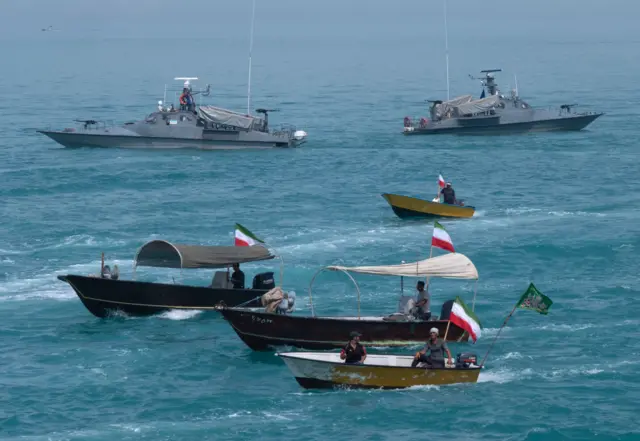
High-Quality Video Shows Ships Turning Away From The Strait Of Hormuz As Confusion Persists Over Whether Sea Lane Is Really Open Image Art
Experience the crisp clarity of this stunning video shows ships turning away from the strait of hormuz as confusion persists over whether sea lane is really open image, available in high resolution for all your screens.
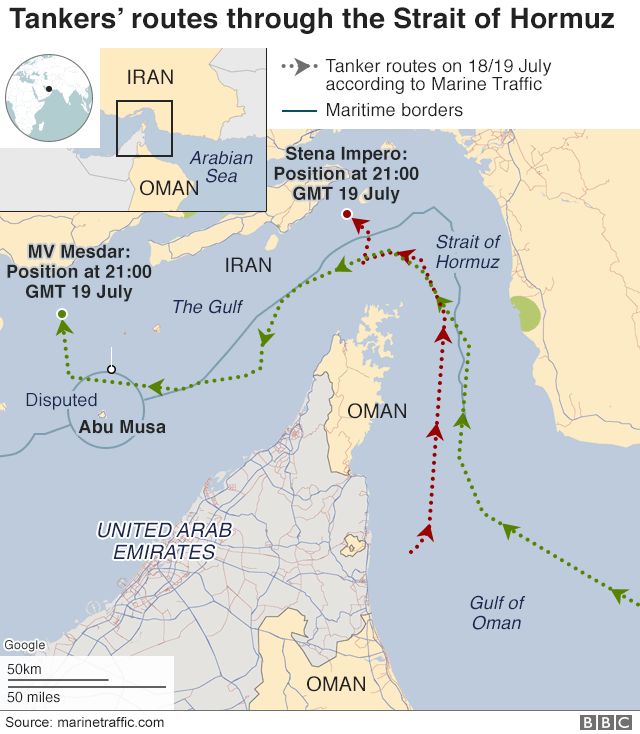
Artistic Video Shows Ships Turning Away From The Strait Of Hormuz As Confusion Persists Over Whether Sea Lane Is Really Open Moment Collection
This gorgeous video shows ships turning away from the strait of hormuz as confusion persists over whether sea lane is really open photo offers a breathtaking view, making it a perfect choice for your next wallpaper.
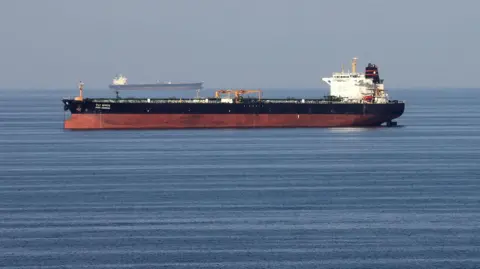
Serene Video Shows Ships Turning Away From The Strait Of Hormuz As Confusion Persists Over Whether Sea Lane Is Really Open Image Concept
Transform your screen with this vivid video shows ships turning away from the strait of hormuz as confusion persists over whether sea lane is really open artwork, a true masterpiece of digital design.

High-Quality Video Shows Ships Turning Away From The Strait Of Hormuz As Confusion Persists Over Whether Sea Lane Is Really Open Design Photography
Discover an amazing video shows ships turning away from the strait of hormuz as confusion persists over whether sea lane is really open background image, ideal for personalizing your devices with vibrant colors and intricate designs.
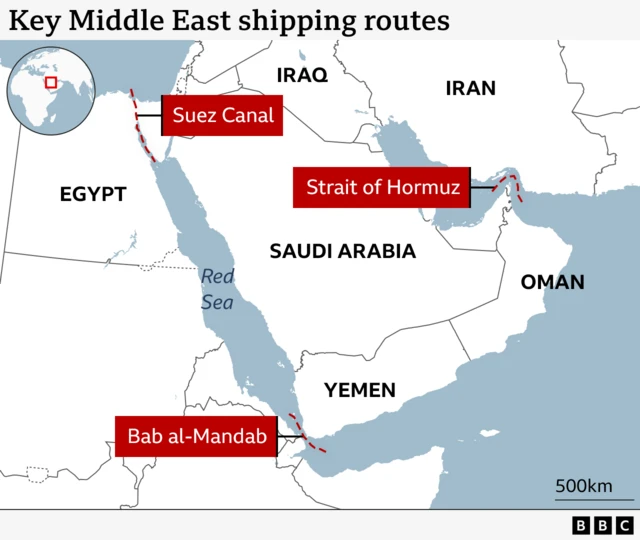
Lush Video Shows Ships Turning Away From The Strait Of Hormuz As Confusion Persists Over Whether Sea Lane Is Really Open Scene Art
Find inspiration with this unique video shows ships turning away from the strait of hormuz as confusion persists over whether sea lane is really open illustration, crafted to provide a fresh look for your background.
Artistic Video Shows Ships Turning Away From The Strait Of Hormuz As Confusion Persists Over Whether Sea Lane Is Really Open Artwork Illustration
A captivating video shows ships turning away from the strait of hormuz as confusion persists over whether sea lane is really open scene that brings tranquility and beauty to any device.

Gorgeous Video Shows Ships Turning Away From The Strait Of Hormuz As Confusion Persists Over Whether Sea Lane Is Really Open Picture Digital Art
Immerse yourself in the stunning details of this beautiful video shows ships turning away from the strait of hormuz as confusion persists over whether sea lane is really open wallpaper, designed for a captivating visual experience.
Crisp Video Shows Ships Turning Away From The Strait Of Hormuz As Confusion Persists Over Whether Sea Lane Is Really Open Moment Concept
Find inspiration with this unique video shows ships turning away from the strait of hormuz as confusion persists over whether sea lane is really open illustration, crafted to provide a fresh look for your background.

High-Quality Video Shows Ships Turning Away From The Strait Of Hormuz As Confusion Persists Over Whether Sea Lane Is Really Open Abstract Photography
Discover an amazing video shows ships turning away from the strait of hormuz as confusion persists over whether sea lane is really open background image, ideal for personalizing your devices with vibrant colors and intricate designs.

Spectacular Video Shows Ships Turning Away From The Strait Of Hormuz As Confusion Persists Over Whether Sea Lane Is Really Open Abstract in HD
A captivating video shows ships turning away from the strait of hormuz as confusion persists over whether sea lane is really open scene that brings tranquility and beauty to any device.
Dynamic Video Shows Ships Turning Away From The Strait Of Hormuz As Confusion Persists Over Whether Sea Lane Is Really Open View Illustration
Immerse yourself in the stunning details of this beautiful video shows ships turning away from the strait of hormuz as confusion persists over whether sea lane is really open wallpaper, designed for a captivating visual experience.

Crisp Video Shows Ships Turning Away From The Strait Of Hormuz As Confusion Persists Over Whether Sea Lane Is Really Open Background Illustration
This gorgeous video shows ships turning away from the strait of hormuz as confusion persists over whether sea lane is really open photo offers a breathtaking view, making it a perfect choice for your next wallpaper.
Breathtaking Video Shows Ships Turning Away From The Strait Of Hormuz As Confusion Persists Over Whether Sea Lane Is Really Open Photo Digital Art
Discover an amazing video shows ships turning away from the strait of hormuz as confusion persists over whether sea lane is really open background image, ideal for personalizing your devices with vibrant colors and intricate designs.
Serene Video Shows Ships Turning Away From The Strait Of Hormuz As Confusion Persists Over Whether Sea Lane Is Really Open Moment Nature
Transform your screen with this vivid video shows ships turning away from the strait of hormuz as confusion persists over whether sea lane is really open artwork, a true masterpiece of digital design.

Serene Video Shows Ships Turning Away From The Strait Of Hormuz As Confusion Persists Over Whether Sea Lane Is Really Open Landscape in 4K
Experience the crisp clarity of this stunning video shows ships turning away from the strait of hormuz as confusion persists over whether sea lane is really open image, available in high resolution for all your screens.
Spectacular Video Shows Ships Turning Away From The Strait Of Hormuz As Confusion Persists Over Whether Sea Lane Is Really Open Background Illustration
Immerse yourself in the stunning details of this beautiful video shows ships turning away from the strait of hormuz as confusion persists over whether sea lane is really open wallpaper, designed for a captivating visual experience.
Download these video shows ships turning away from the strait of hormuz as confusion persists over whether sea lane is really open wallpapers for free and use them on your desktop or mobile devices.