Why Malaysians Are Losing Patience with Leaders Amid the Fuel Crisis: A Deep Dive into Subsidy Rationalization
Why Malaysians Are Losing Patience with Leaders Amid the Fuel Crisis: A Deep Dive into Subsidy Rationalization
For decades, cheap fuel has been considered an almost fundamental right in Malaysia. From the bustling streets of Kuala Lumpur to the rural stretches of Sarawak, the price at the pump has dictated the rhythm of daily life, the cost of groceries, and the stability of the national mood. However, the tides are shifting. As the government moves forward with its "targeted subsidy" program, a wave of discontent is sweeping across the nation. The fuel crisis—characterized not by a lack of supply, but by a radical change in pricing structures—is testing the limits of public endurance. Malaysians are losing patience with their leaders, and the reasons go far deeper than just the Ringgit and Sen.
The End of the Blanket Subsidy Era: A Shock to the System
For years, Malaysia maintained one of the lowest fuel prices in Southeast Asia through a blanket subsidy system. This meant that regardless of whether you were a billionaire driving a luxury SUV or a delivery rider on a small motorcycle, the government paid a portion of your fuel bill. In 2023 alone, the government spent over RM80 billion on subsidies, with a significant portion going toward petroleum products. While economically unsustainable for the national treasury, it provided a psychological and financial safety net for the masses.
The transition to targeted subsidies, starting with diesel and moving toward the eventual rationalization of RON95, represents a fundamental shift in the social contract. Leaders argue that the "rich" and "foreigners" are benefiting too much from blanket subsidies, but the average citizen feels they are being punished for the country’s fiscal mismanagement. The sudden jump in diesel prices by over 50% in mid-2024 served as a wake-up call, leading many to wonder: Who is next, and can we actually afford this transition?
The Disconnect Between Policy and Reality
The primary grievance among Malaysians isn't necessarily the economic logic—most understand that a RM80 billion subsidy bill is a burden—but rather the execution. The introduction of systems like PADU (Central Database Hub) and the BUDI MADANI subsidy program were intended to ensure the vulnerable received cash transfers to offset price hikes. However, technical glitches, complex registration processes, and strict eligibility criteria have left many in the lurch. When the government asks for patience while people struggle to calculate their monthly transport budget, that patience wears thin very quickly.
| Aspect of Fuel Crisis | Impact and Description |
|---|---|
| Subsidy Rationalization | Moving from blanket subsidies to targeted assistance for lower-income groups (B40). |
| Inflationary Pressure | Increased logistics costs for businesses leading to higher prices for food and essential goods. |
| The M40 Struggle | The middle-income group often finds themselves ineligible for aid but unable to absorb price hikes. |
| Public Trust | A growing sentiment that campaign promises regarding lower fuel prices have been broken. |
| Fiscal Necessity | Government's attempt to reduce national debt and redirect funds to healthcare and education. |
The Inflationary Ripple Effect: Beyond the Gas Station
One of the biggest reasons for the simmering anger is the "ripple effect." In Malaysia, fuel prices are inextricably linked to the cost of everything else. When diesel prices rise, the cost of transporting vegetables from Cameron Highlands to Kuala Lumpur increases. The cost of running construction machinery increases. The cost of school bus services increases. While the government insists that businesses with "fleet cards" shouldn't raise prices, the reality on the ground is different.
Consumers are seeing a "stealth inflation" where portions in restaurants get smaller (shrinkflation) or service charges rise. For the average Malaysian household already dealing with a weakened Ringgit and rising global food prices, the fuel crisis is the "final straw." There is a perception that while the government saves billions in subsidy money, the citizens are the ones paying the price at the grocery store and the night market.
The Middle-Class Squeeze (M40)
A significant portion of the frustration comes from the M40 (Middle 40%) income group. This demographic is often too "wealthy" to qualify for direct cash transfers or fuel rebates, yet they are not wealthy enough to ignore an extra RM200-RM400 a month in fuel and grocery expenses. This group typically lives in urban areas where a car is a necessity rather than a luxury due to inconsistent public transport coverage. For them, the fuel crisis feels like a targeted attack on their standard of living, leading to a vocal and growing opposition on social media platforms like X (formerly Twitter) and TikTok.
Broken Promises and the Trust Deficit
In the world of politics, perception is reality. Many of the current leaders in the Unity Government spent years in the opposition campaigning on the platform of lowering fuel prices. Old videos of political speeches promising "Hari ini menang, esok harga minyak turun" (Win today, fuel prices drop tomorrow) frequently go viral, serving as a painful reminder of the gap between political rhetoric and the harsh realities of governance.
This "trust deficit" is perhaps the most dangerous element of the current crisis. When leaders explain that fuel hikes are necessary for the "greater good" of the economy, a skeptical public views it as a betrayal of trust. The lack of a clear, long-term roadmap that shows exactly *where* the saved subsidy billions are being spent only adds fuel to the fire. Malaysians want to see improved hospitals, better schools, and more efficient public transport, not just a reduction in the national deficit figures on a balance sheet.
Communication Failures
Experts argue that the government’s communication strategy has been reactive rather than proactive. By failing to adequately prepare the public for the magnitude of the changes, the administration has allowed rumors and misinformation to fill the void. Every time a minister gives an interview that seems "out of touch"—such as suggesting people change their lifestyle or eat less of an expensive item—the public backlash is instantaneous and fierce. This perceived elitism is a major factor in why patience is wearing thin.
Global Context vs. Local Hardship
To be fair to the Malaysian leadership, the fuel crisis is not happening in a vacuum. Global oil prices are volatile due to geopolitical tensions in the Middle East and the ongoing Russia-Ukraine war. Many neighboring countries have much higher fuel prices; for example, Singaporeans and Thais pay significantly more at the pump. Leaders often point to this as a justification for the price hikes.
However, the "regional comparison" argument rarely works with the local populace. Malaysians compare their current situation not to their neighbors, but to their own past. For a nation that is an oil and gas producer (via Petronas), there is a deep-seated belief that the country's natural wealth should directly benefit its citizens through lower energy costs. The nuances of global market prices and refining costs are often lost when a parent is struggling to afford the commute to work.
The Path Forward: Can Trust Be Rebuilt?
If the government hopes to regain the confidence of the people, it must move beyond mere fiscal justifications. There needs to be a tangible "quid pro quo." If fuel prices must go up, the quality of life must visibly improve in other areas. This could include:
- Radical Transparency: A monthly report card showing exactly how many billions were saved from fuel subsidies and which specific schools or hospitals were funded with that money.
- Public Transport Overhaul: Rapidly expanding the reach and reliability of buses and trains so that owning a car becomes a choice rather than a survival requirement.
- Direct, Seamless Aid: Refining the PADU and BUDI MADANI systems to ensure that no one who deserves aid is left behind due to bureaucracy.
The "fuel crisis" in Malaysia is as much a psychological crisis as it is an economic one. It represents a transition from a protected, subsidized economy to a more market-driven one. While this might be "healthy" for the country's credit rating, it is painful for the people's pockets. Patience is a finite resource, and currently, it is running dangerously low.
Frequently Asked Questions (FAQ)
1. Why is the Malaysian government cutting fuel subsidies now?
The government aims to reduce the national fiscal deficit and ensure that subsidies only reach the intended low-income groups. The current blanket subsidy system is viewed as unsustainable, costing billions that could be used for infrastructure and social services, and is often exploited by smugglers and higher-income individuals.
2. Who is eligible for the targeted fuel subsidies?
Eligibility is generally determined through databases like PADU and programs like BUDI MADANI. Generally, individuals in the B40 category and certain segments of the M40 category, as well as specific small-scale farmers and traders, are eligible for cash transfers or fleet cards, though criteria can change based on the latest government policy updates.
3. Will the price of RON95 gasoline increase?
As of the current policy trajectory, the government has signaled its intention to eventually rationalize RON95 subsidies, following the model used for diesel. While a specific date is often subject to political and economic conditions, it is widely expected to happen as part of the broader economic reform package.
4. How is the fuel crisis affecting the cost of living?
The fuel crisis contributes to inflation. Higher fuel costs increase the expenses for logistics and transportation. Consequently, businesses often pass these costs on to consumers, leading to higher prices for food, consumer goods, and services, even if the government provides direct cash aid to some individuals.
Conclusion
The rising tension in Malaysia regarding the fuel crisis is a complex tapestry of economic necessity, political baggage, and genuine human struggle. While the government’s move toward subsidy rationalization may be a sound move from a macroeconomic perspective, it has ignored the profound socio-economic dependencies Malaysians have on cheap energy. The loss of patience among the public is a signal that the "top-down" approach to policy-making is hitting a wall. To navigate this crisis without further social unrest, leaders must bridge the gap between their balance sheets and the kitchen tables of the people. Until Malaysians see a clear, beneficial trade-off for the higher prices they are paying, the relationship between the governed and the governors will remain fraught with frustration and distrust.
Why Malaysians are losing patience with leaders amid fuel crisis
Why Malaysians are losing patience with leaders amid fuel crisis Wallpapers
Collection of why malaysians are losing patience with leaders amid fuel crisis wallpapers for your desktop and mobile devices.

Beautiful Why Malaysians Are Losing Patience With Leaders Amid Fuel Crisis Abstract for Your Screen
Discover an amazing why malaysians are losing patience with leaders amid fuel crisis background image, ideal for personalizing your devices with vibrant colors and intricate designs.
Captivating Why Malaysians Are Losing Patience With Leaders Amid Fuel Crisis Artwork for Mobile
This gorgeous why malaysians are losing patience with leaders amid fuel crisis photo offers a breathtaking view, making it a perfect choice for your next wallpaper.
Stunning Why Malaysians Are Losing Patience With Leaders Amid Fuel Crisis View for Your Screen
This gorgeous why malaysians are losing patience with leaders amid fuel crisis photo offers a breathtaking view, making it a perfect choice for your next wallpaper.

Vibrant Why Malaysians Are Losing Patience With Leaders Amid Fuel Crisis Capture Illustration
Explore this high-quality why malaysians are losing patience with leaders amid fuel crisis image, perfect for enhancing your desktop or mobile wallpaper.
Detailed Why Malaysians Are Losing Patience With Leaders Amid Fuel Crisis Picture Nature
Experience the crisp clarity of this stunning why malaysians are losing patience with leaders amid fuel crisis image, available in high resolution for all your screens.

Serene Why Malaysians Are Losing Patience With Leaders Amid Fuel Crisis View Nature
Transform your screen with this vivid why malaysians are losing patience with leaders amid fuel crisis artwork, a true masterpiece of digital design.

Gorgeous Why Malaysians Are Losing Patience With Leaders Amid Fuel Crisis Artwork Concept
Find inspiration with this unique why malaysians are losing patience with leaders amid fuel crisis illustration, crafted to provide a fresh look for your background.

Exquisite Why Malaysians Are Losing Patience With Leaders Amid Fuel Crisis Moment in HD
A captivating why malaysians are losing patience with leaders amid fuel crisis scene that brings tranquility and beauty to any device.
Beautiful Why Malaysians Are Losing Patience With Leaders Amid Fuel Crisis Design Art
Experience the crisp clarity of this stunning why malaysians are losing patience with leaders amid fuel crisis image, available in high resolution for all your screens.
Detailed Why Malaysians Are Losing Patience With Leaders Amid Fuel Crisis Background Concept
Explore this high-quality why malaysians are losing patience with leaders amid fuel crisis image, perfect for enhancing your desktop or mobile wallpaper.
Mesmerizing Why Malaysians Are Losing Patience With Leaders Amid Fuel Crisis Photo Illustration
Transform your screen with this vivid why malaysians are losing patience with leaders amid fuel crisis artwork, a true masterpiece of digital design.

Crisp Why Malaysians Are Losing Patience With Leaders Amid Fuel Crisis Design in 4K
A captivating why malaysians are losing patience with leaders amid fuel crisis scene that brings tranquility and beauty to any device.
Exquisite Why Malaysians Are Losing Patience With Leaders Amid Fuel Crisis Abstract Photography
Immerse yourself in the stunning details of this beautiful why malaysians are losing patience with leaders amid fuel crisis wallpaper, designed for a captivating visual experience.
Dynamic Why Malaysians Are Losing Patience With Leaders Amid Fuel Crisis View Collection
This gorgeous why malaysians are losing patience with leaders amid fuel crisis photo offers a breathtaking view, making it a perfect choice for your next wallpaper.

Amazing Why Malaysians Are Losing Patience With Leaders Amid Fuel Crisis Scene Nature
Transform your screen with this vivid why malaysians are losing patience with leaders amid fuel crisis artwork, a true masterpiece of digital design.
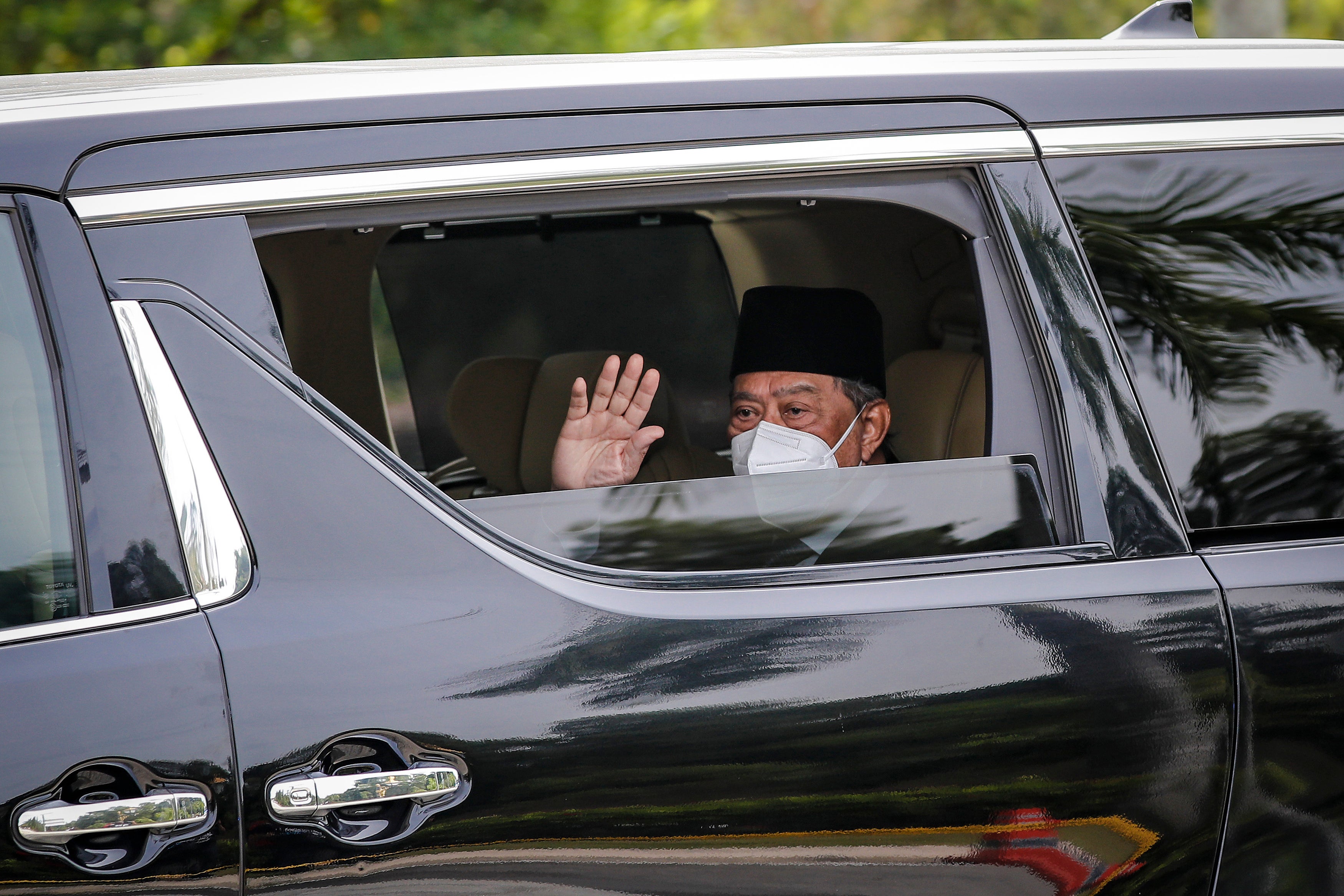
Exquisite Why Malaysians Are Losing Patience With Leaders Amid Fuel Crisis Photo Digital Art
Immerse yourself in the stunning details of this beautiful why malaysians are losing patience with leaders amid fuel crisis wallpaper, designed for a captivating visual experience.
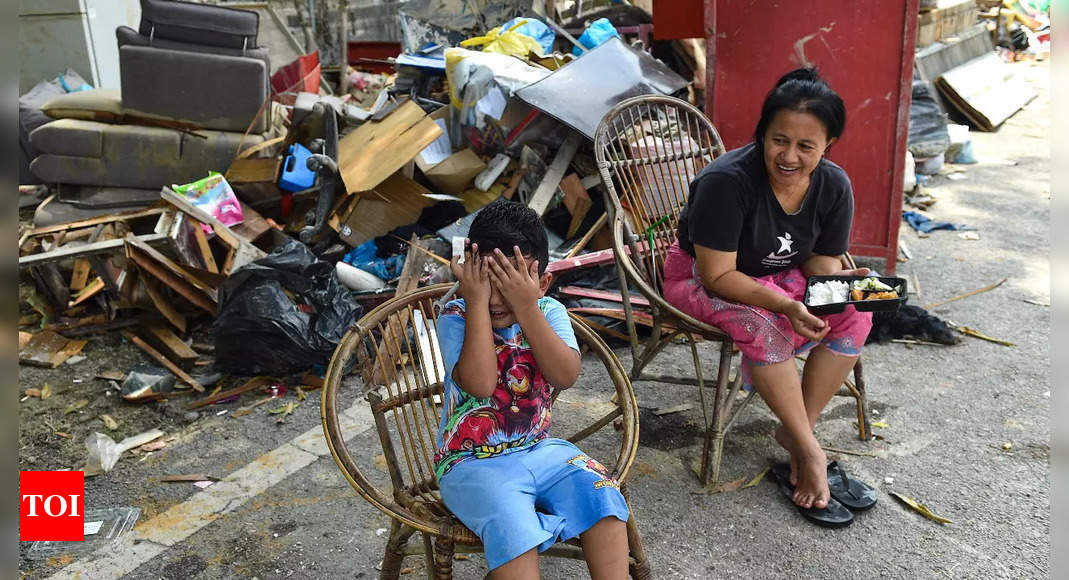
Beautiful Why Malaysians Are Losing Patience With Leaders Amid Fuel Crisis Scene Illustration
Explore this high-quality why malaysians are losing patience with leaders amid fuel crisis image, perfect for enhancing your desktop or mobile wallpaper.

Beautiful Why Malaysians Are Losing Patience With Leaders Amid Fuel Crisis Moment for Desktop
Transform your screen with this vivid why malaysians are losing patience with leaders amid fuel crisis artwork, a true masterpiece of digital design.
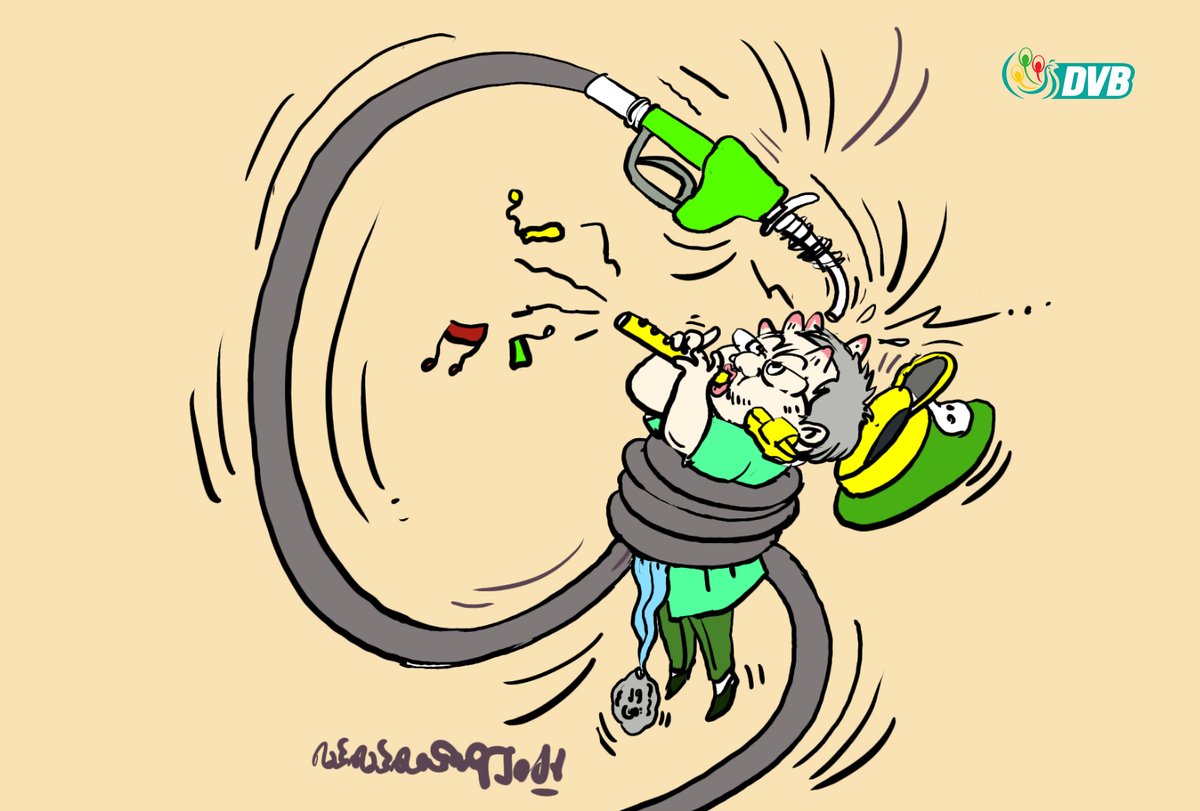
Vibrant Why Malaysians Are Losing Patience With Leaders Amid Fuel Crisis Wallpaper for Mobile
Transform your screen with this vivid why malaysians are losing patience with leaders amid fuel crisis artwork, a true masterpiece of digital design.
Serene Why Malaysians Are Losing Patience With Leaders Amid Fuel Crisis Capture in 4K
Experience the crisp clarity of this stunning why malaysians are losing patience with leaders amid fuel crisis image, available in high resolution for all your screens.
Download these why malaysians are losing patience with leaders amid fuel crisis wallpapers for free and use them on your desktop or mobile devices.