Why Malaysians are losing patience with leaders amid fuel crisis
Why Malaysians are losing patience with leaders amid fuel crisis
The burgeoning energy crisis in Malaysia has reached a critical flashpoint, leaving millions of citizens grappling with soaring costs and uncertain supplies. As global geopolitical tensions, specifically the conflict involving Iran and the closure of the Strait of Hormuz, disrupt oil flows, Malaysia has seen its fuel subsidy bill balloon to an unsustainable RM7 billion for April 2026 alone. While the government has implemented the BUDI95 targeted subsidy program to shield the most vulnerable, the reduction in subsidized quotas from 300 to 200 liters and the sharp rise in market prices for RON97 and diesel have sparked widespread frustration. Public patience is wearing thin as the "ordinary rakyat" feel the brunt of the economic shock while perceiving a slow response from the political class in addressing long-term energy sovereignty and structural inequities.
Featured Snippet: Why are Malaysians frustrated with their leaders during the fuel crisis? Malaysians are losing patience due to the direct impact of fuel subsidy rationalization on their daily cost of living, with subsidized quotas reduced to 200 liters amid a 40% surge in global crude prices. Frustration is fueled by the perception that the burden of the crisis is not being shared equitably, as essential workers face "double jeopardy" from mandatory commutes and rising fuel costs, while leaders are criticized for past populist promises and a perceived lack of decisive governance reforms.
The Perfect Storm: Global Conflict and Domestic Vulnerability
Malaysia's current predicament is inextricably linked to the escalating conflict in the Middle East. The U.S.-Israeli campaign against Iran has led to the strategic closure of the Strait of Hormuz, a chokepoint through which approximately 40% of Malaysia's crude oil requirements transit. This has sent Brent crude prices soaring toward the USD100 mark, a far cry from the USD60-70 range used for the 2026 national budget. Despite being an oil-producing nation, Malaysia remains a net importer of refined petroleum products, making it highly susceptible to these global price shocks.
The government's initial response was to maintain the ceiling price of RON95 at RM1.99 per liter, but the fiscal strain has become immense. The monthly subsidy bill has jumped from a pre-war RM700 million to a staggering RM7 billion. This massive drainage of federal funds is seen by many as a ticking time bomb that threatens to derail other national development projects and essential public services, leading to a sense of impending economic doom among the public.
The BUDI95 Dilemma: When Targeted Subsidies Feel Like a Cut
On April 1, 2026, the Malaysian government officially reduced the monthly subsidized fuel quota for the BUDI95 program from 300 liters to 200 liters. For many middle-income families and those living in sprawling urban areas like the Klang Valley, 200 liters is simply insufficient to cover a full month of commuting and family logistics. Once the quota is exhausted, consumers are forced to pay market rates, which for RON95 have reached nearly RM4.00 per liter in some weeks.
This policy shift has been a primary driver of public anger. Many Malaysians feel that the "targeted" nature of the subsidy is a misnomer, as it fails to account for the actual needs of those who have no alternative to private transport. The sentiment that the government is "nickel and diming" the rakyat while the global elite remains untouched is a recurring theme on social media platforms and in coffee shop discussions across the country.
Socio-Economic Stress and the Cost-of-Living Crisis
The fuel crisis does not exist in a vacuum; it is the primary engine driving a broader cost-of-living crisis. Higher energy costs have immediate knock-on effects on the prices of food, logistics, and consumer goods. Analysts predict that fruit and vegetable prices could rise by as much as 50% due to the increased cost of imported fertilizers and transportation. This multi-front economic assault is leaving many households at a breaking point.
The "demand destruction" effect is becoming visible as consumers cut back on discretionary spending to afford basic necessities. For a population already weary from the post-pandemic recovery, this new era of scarcity is fostering deep-seated resentment toward a leadership that appears to be reacting to crises rather than proactively shielding the nation from them.
Public Service Frontliners and the 'Double Jeopardy'
A particularly vocal segment of the population is the public service, specifically healthcare workers. Unlike federal officers who have been mandated to Work From Home (WFH) to reduce national fuel consumption, "essential" workers in health, security, and education are exempted. This creates what experts call "structural inequity." These frontliners must commute to their posts regardless of fuel prices, yet they are subject to the same 200-liter quota as those who can work from their living rooms.
| Stakeholder Group | Primary Concern during Fuel Crisis |
|---|---|
| MOH Healthcare Personnel | Financial strain from commuting plus mandatory job rotations. |
| B40/M40 Households | Insufficiency of the 200-litre BUDI95 monthly quota. |
| Commercial Industries | Forced to buy at market prices, leading to production cuts. |
| Rural Padi Farmers | High diesel costs for machinery despite targeted aid. |
The combination of high fuel costs and the aggressive enforcement of mandatory job rotation policies—which often move officers to locations further from their homes—has placed these workers in a state of "double jeopardy." The financial anxiety and physical fatigue are contributing to a burnout crisis within the Ministry of Health, further eroding public trust in the government's ability to manage its most valuable human capital.
The Ghost of Past Promises: Political Credibility at Stake
Prime Minister Anwar Ibrahim is facing a unique challenge to his credibility. For years as an opposition leader, his mantra "Hari ini kita menang, esok harga minyak turun" (If we win today, tomorrow fuel prices go down) was a cornerstone of his populist appeal. Today, those words are being used as a weapon against him by the opposition and frustrated voters alike. Old videos of these speeches have resurfaced, highlighting the stark contrast between political rhetoric and the harsh reality of governing during a global energy war.
While the Prime Minister has dismissed such comparisons as "illiterate" given the changed geopolitical climate, the damage to his political brand is real. For many, the current crisis is a reminder of the perceived disconnect between the "Madani" administration's promises of reform and the actual economic hardship being felt on the ground. The failure to deliver on the "cheap fuel" narrative is a major source of the public's waning patience.
Energy Sovereignty and Decades of Policy Neglect
Critics argue that Malaysia's vulnerability is the result of decades of structural policy neglect. Despite being an oil-producing nation, the country lacks a large-scale, state-controlled strategic petroleum reserve (SPR) similar to those maintained by advanced economies. Our reserves remain fragmented and commercially driven, leaving the nation with limited maneuverability during prolonged supply disruptions.
Furthermore, the focus of Petronas on global competitiveness and dividend payouts to the federal government has, in the eyes of some, come at the expense of domestic supply resilience. The lack of multi-feedstock refining systems limits Malaysia's ability to switch supply sources quickly. As the public learns more about these long-term failures, their patience for "temporary measures" and "monitoring the situation" continues to diminish.
Opposition Opportunism and the Threat of Political Turmoil
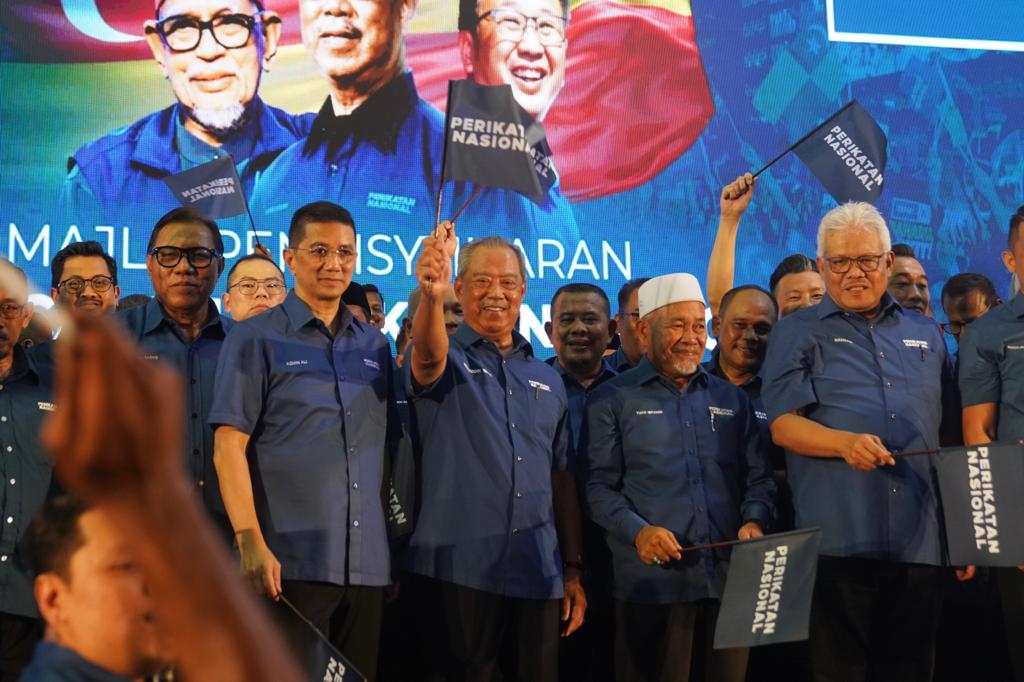
The fuel crisis has provided fertile ground for the opposition, particularly the Perikatan Nasional bloc. By framing the crisis as a failure of domestic economic management rather than a global phenomenon, the opposition is successfully mobilizing public anger. Small-scale protests, while currently "limp" in terms of physical attendance, have generated outsized noise online, indicating a simmering discontent that could boil over if price signals are not managed carefully.
The government's fear of a political backlash is palpable. Drastic price increases for RON95 are considered "politically suicidal," yet the fiscal burden of the subsidy bill is reaching a breaking point. This "political stress test" is forcing the administration into a corner, where it must choose between fiscal prudence and political survival, with neither option offering an easy path to restoring public confidence.
Governance Reforms: The Missing Piece of the Puzzle
Many analysts believe that the only way for the Madani government to maintain its mandate during this crisis is to couple economic pain with visible, credible reforms in governance and integrity. The public's tolerance for higher fuel costs is significantly lower when they perceive that the political class remains protected by generous pensions and perks. The call for phasing out lifetime benefits for MPs and ministers has become a central part of the national conversation.
Without bold moves on anti-corruption and institutional reform—such as splitting the roles of the Attorney-General and Public Prosecutor—the narrative will remain that the "rakyat" must sacrifice while the elites remain untouched. The "moral mandate" to ask for public endurance is rapidly slipping away, replaced by a cynical view that the government is more interested in self-preservation than genuine reform.
FAQ: Understanding the Malaysian Fuel Crisis
1. Why is the fuel subsidy quota being reduced?
The government reduced the BUDI95 quota from 300 to 200 liters to manage a monthly subsidy bill that has hit RM7 billion due to the Iran war and high global oil prices.
2. Is there a physical shortage of fuel in Malaysia?
Currently, supply is stable and expected to be uninterrupted until at least the end of May or June 2026. However, the government has warned that June and July will be critical periods.
3. Why does Malaysia import oil if it is an oil producer?
Malaysia produces high-quality "sweet" crude which it exports, but it lacks sufficient refining capacity and specific infrastructure to meet all domestic demand, necessitating the import of refined products.
4. How is the fuel crisis affecting food prices?
Increased transportation and production costs, combined with higher prices for petroleum-based fertilizers, are driving up the cost of local produce and imported goods by an estimated 50%.
5. What is the BUDI95 program?
BUDI95 is a targeted subsidy program designed to provide subsidized RON95 petrol to the bottom 95% of Malaysian-licensed motorists based on income level.
Conclusion
The fuel crisis in Malaysia is more than just an economic challenge; it is a profound political stress test for the Madani administration. While the external factors are largely beyond Putrajaya's control, the public's patience is being eroded by the immediate financial pain of subsidy rationalization, the perceived inequity in the distribution of that pain, and the long-term structural failures that have left the nation vulnerable. To regain the trust of the rakyat, the government must go beyond mere crisis management. It must demonstrate a genuine commitment to governance reform and ensure that the burden of this global energy shock is shared fairly across all levels of society. Without such moves, the simmering frustration of Malaysians could transform into a political tide that no amount of targeted subsidies can stem.
Why Malaysians are losing patience with leaders amid fuel crisis
Why Malaysians are losing patience with leaders amid fuel crisis Wallpapers
Collection of why malaysians are losing patience with leaders amid fuel crisis wallpapers for your desktop and mobile devices.

Beautiful Why Malaysians Are Losing Patience With Leaders Amid Fuel Crisis Abstract for Your Screen
Discover an amazing why malaysians are losing patience with leaders amid fuel crisis background image, ideal for personalizing your devices with vibrant colors and intricate designs.
Captivating Why Malaysians Are Losing Patience With Leaders Amid Fuel Crisis Artwork for Mobile
This gorgeous why malaysians are losing patience with leaders amid fuel crisis photo offers a breathtaking view, making it a perfect choice for your next wallpaper.
Stunning Why Malaysians Are Losing Patience With Leaders Amid Fuel Crisis View for Your Screen
This gorgeous why malaysians are losing patience with leaders amid fuel crisis photo offers a breathtaking view, making it a perfect choice for your next wallpaper.

Vibrant Why Malaysians Are Losing Patience With Leaders Amid Fuel Crisis Capture Illustration
Explore this high-quality why malaysians are losing patience with leaders amid fuel crisis image, perfect for enhancing your desktop or mobile wallpaper.
Detailed Why Malaysians Are Losing Patience With Leaders Amid Fuel Crisis Picture Nature
Experience the crisp clarity of this stunning why malaysians are losing patience with leaders amid fuel crisis image, available in high resolution for all your screens.

Serene Why Malaysians Are Losing Patience With Leaders Amid Fuel Crisis View Nature
Transform your screen with this vivid why malaysians are losing patience with leaders amid fuel crisis artwork, a true masterpiece of digital design.

Gorgeous Why Malaysians Are Losing Patience With Leaders Amid Fuel Crisis Artwork Concept
Find inspiration with this unique why malaysians are losing patience with leaders amid fuel crisis illustration, crafted to provide a fresh look for your background.

Exquisite Why Malaysians Are Losing Patience With Leaders Amid Fuel Crisis Moment in HD
A captivating why malaysians are losing patience with leaders amid fuel crisis scene that brings tranquility and beauty to any device.
Beautiful Why Malaysians Are Losing Patience With Leaders Amid Fuel Crisis Design Art
Experience the crisp clarity of this stunning why malaysians are losing patience with leaders amid fuel crisis image, available in high resolution for all your screens.
Detailed Why Malaysians Are Losing Patience With Leaders Amid Fuel Crisis Background Concept
Explore this high-quality why malaysians are losing patience with leaders amid fuel crisis image, perfect for enhancing your desktop or mobile wallpaper.
Mesmerizing Why Malaysians Are Losing Patience With Leaders Amid Fuel Crisis Photo Illustration
Transform your screen with this vivid why malaysians are losing patience with leaders amid fuel crisis artwork, a true masterpiece of digital design.

Crisp Why Malaysians Are Losing Patience With Leaders Amid Fuel Crisis Design in 4K
A captivating why malaysians are losing patience with leaders amid fuel crisis scene that brings tranquility and beauty to any device.
Exquisite Why Malaysians Are Losing Patience With Leaders Amid Fuel Crisis Abstract Photography
Immerse yourself in the stunning details of this beautiful why malaysians are losing patience with leaders amid fuel crisis wallpaper, designed for a captivating visual experience.
Dynamic Why Malaysians Are Losing Patience With Leaders Amid Fuel Crisis View Collection
This gorgeous why malaysians are losing patience with leaders amid fuel crisis photo offers a breathtaking view, making it a perfect choice for your next wallpaper.

Amazing Why Malaysians Are Losing Patience With Leaders Amid Fuel Crisis Scene Nature
Transform your screen with this vivid why malaysians are losing patience with leaders amid fuel crisis artwork, a true masterpiece of digital design.
Exquisite Why Malaysians Are Losing Patience With Leaders Amid Fuel Crisis Photo Digital Art
Immerse yourself in the stunning details of this beautiful why malaysians are losing patience with leaders amid fuel crisis wallpaper, designed for a captivating visual experience.
Beautiful Why Malaysians Are Losing Patience With Leaders Amid Fuel Crisis Scene Illustration
Explore this high-quality why malaysians are losing patience with leaders amid fuel crisis image, perfect for enhancing your desktop or mobile wallpaper.

Beautiful Why Malaysians Are Losing Patience With Leaders Amid Fuel Crisis Moment for Desktop
Transform your screen with this vivid why malaysians are losing patience with leaders amid fuel crisis artwork, a true masterpiece of digital design.
Vibrant Why Malaysians Are Losing Patience With Leaders Amid Fuel Crisis Wallpaper for Mobile
Transform your screen with this vivid why malaysians are losing patience with leaders amid fuel crisis artwork, a true masterpiece of digital design.
Serene Why Malaysians Are Losing Patience With Leaders Amid Fuel Crisis Capture in 4K
Experience the crisp clarity of this stunning why malaysians are losing patience with leaders amid fuel crisis image, available in high resolution for all your screens.
Download these why malaysians are losing patience with leaders amid fuel crisis wallpapers for free and use them on your desktop or mobile devices.