Why the phrase ‘Super El Niño’ makes Australian climate scientists roll their eyes
Why the phrase ‘Super El Niño’ makes Australian climate scientists roll their eyes
As the calendar turns toward the middle of 2026, the global media has once again ignited a firestorm of headlines centered on the return of a climate monster: the Super El Niño. From major news outlets to social media viral clips, the narrative suggests a catastrophic weather event is looming, capable of breaking every heat record on the books. However, if you step into the offices of the Bureau of Meteorology or the research labs at the University of Melbourne, you are likely to be met with a collective sigh. For Australian climate scientists, the phrase Super El Niño is not just a scientific inaccuracy; it is a reductive label that often masks the true complexity of the Australian climate and creates unnecessary anxiety for farmers and emergency services alike.
Australian climate scientists reject the term Super El Niño because it is a media-driven label that relies on a specific 2 degree Celsius temperature anomaly in the Eastern Pacific Ocean which does not historically correlate well with rainfall levels or temperature extremes in Australia. Instead of focusing on a single number, experts emphasize that the presence of an El Niño and its interaction with other atmospheric drivers are far more important for local forecasting than the intensity of ocean warming in a distant part of the Pacific.
Decoding the Science of El Niño–Southern Oscillation (ENSO)
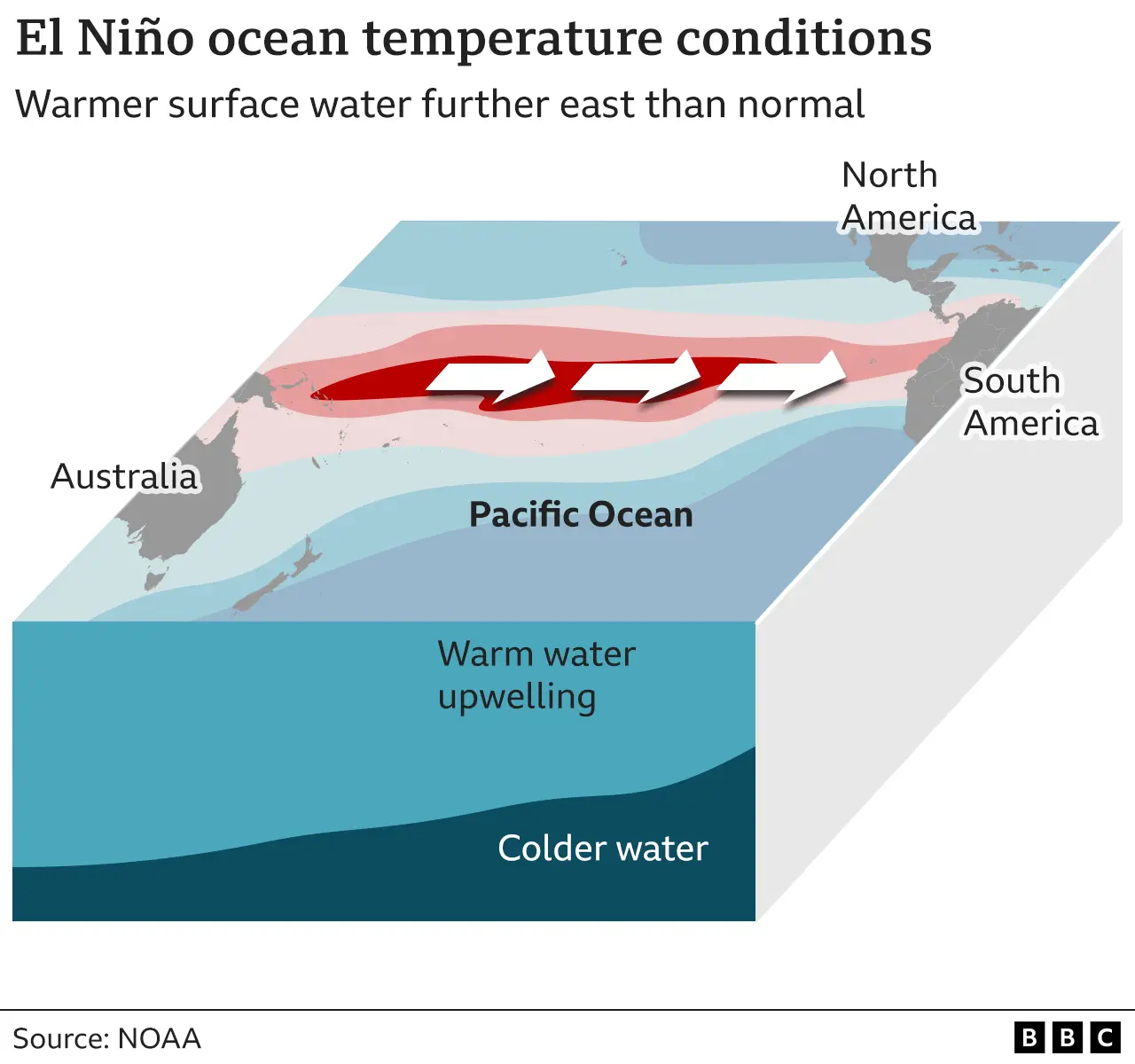
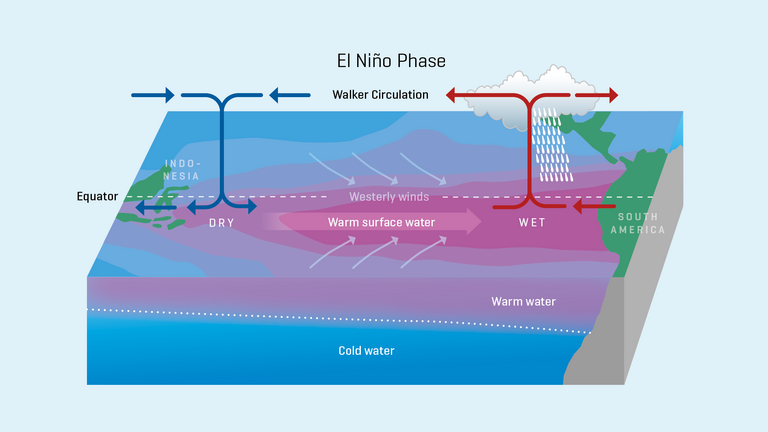
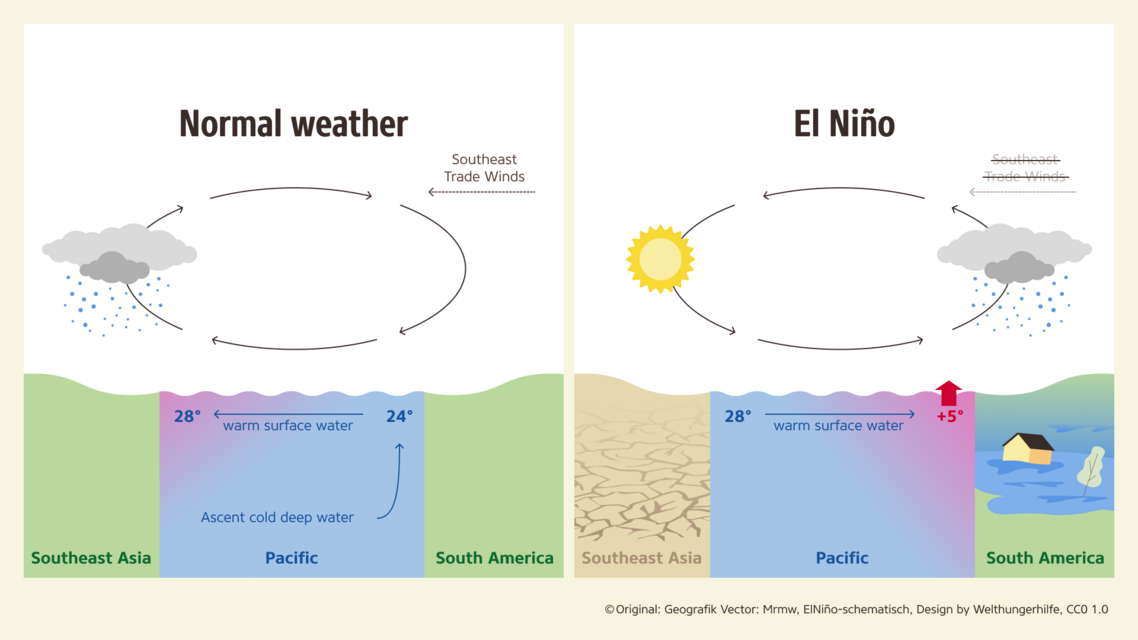
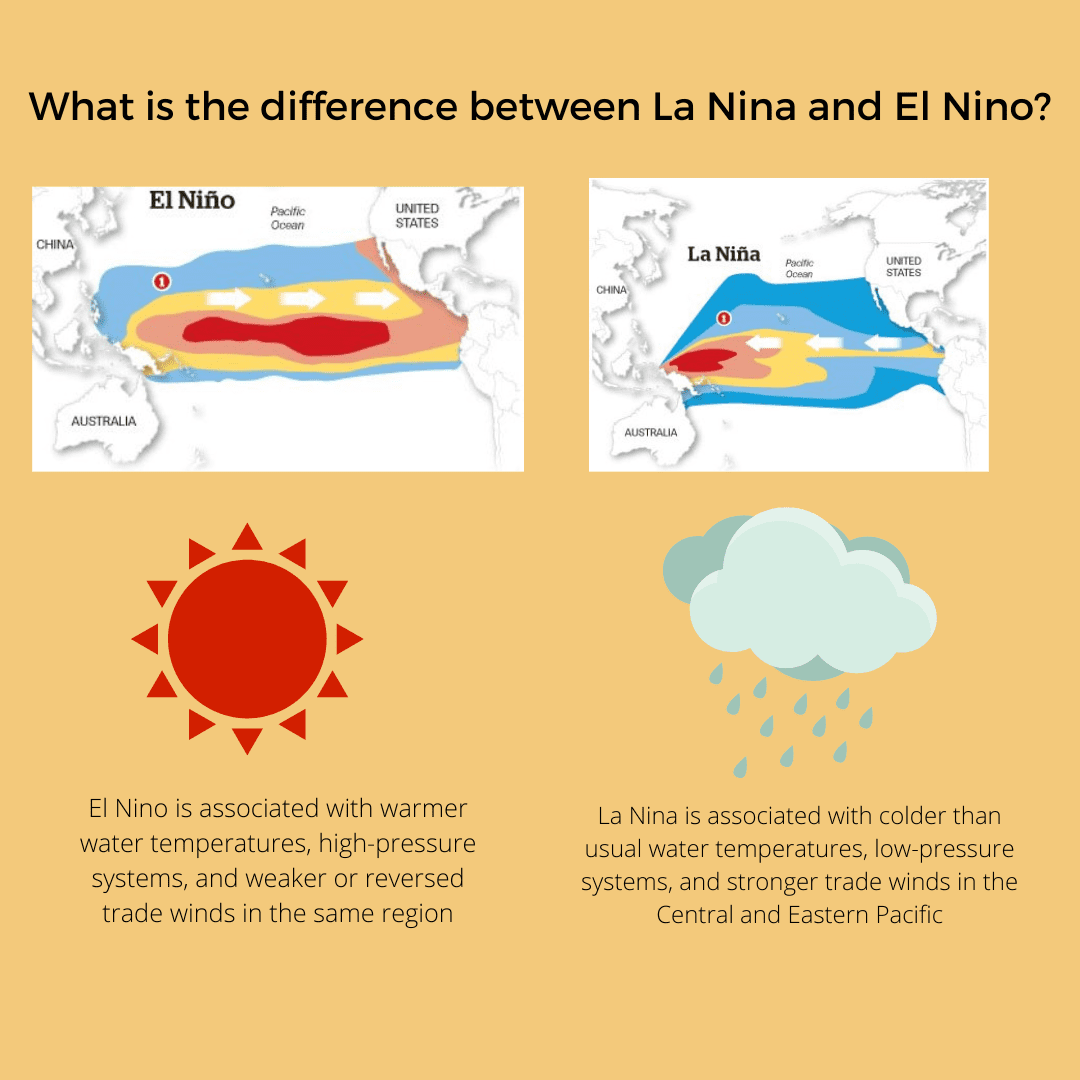
To understand why scientists find the Super label so frustrating, one must first understand the mechanism of the El Niño–Southern Oscillation, or ENSO. In a neutral year, trade winds blow from east to west across the tropical Pacific. These winds push warm surface water toward Indonesia and Australia, causing it to pile up in the western Pacific. This process allows cold, nutrient-rich water to well up along the coast of South America.
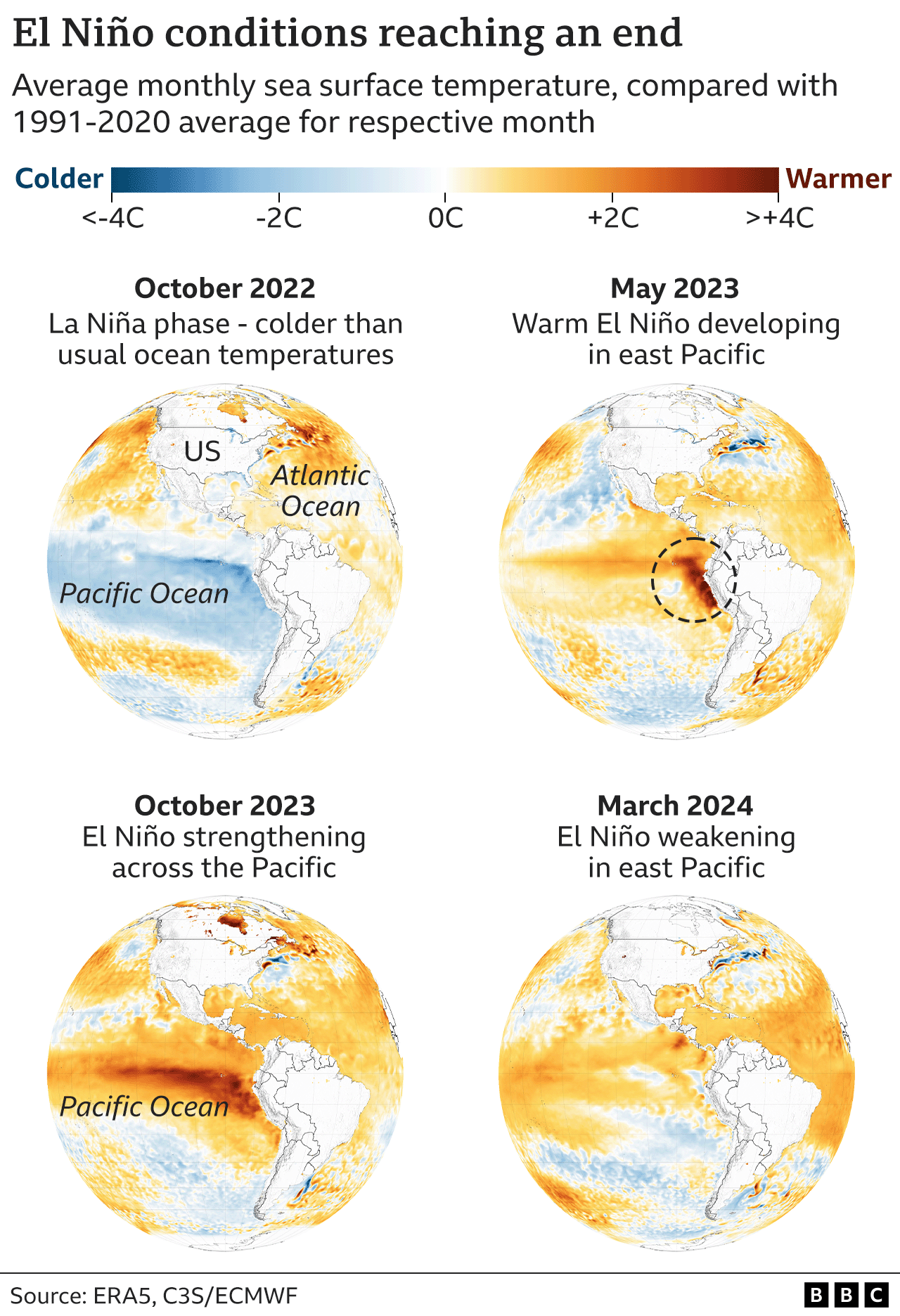
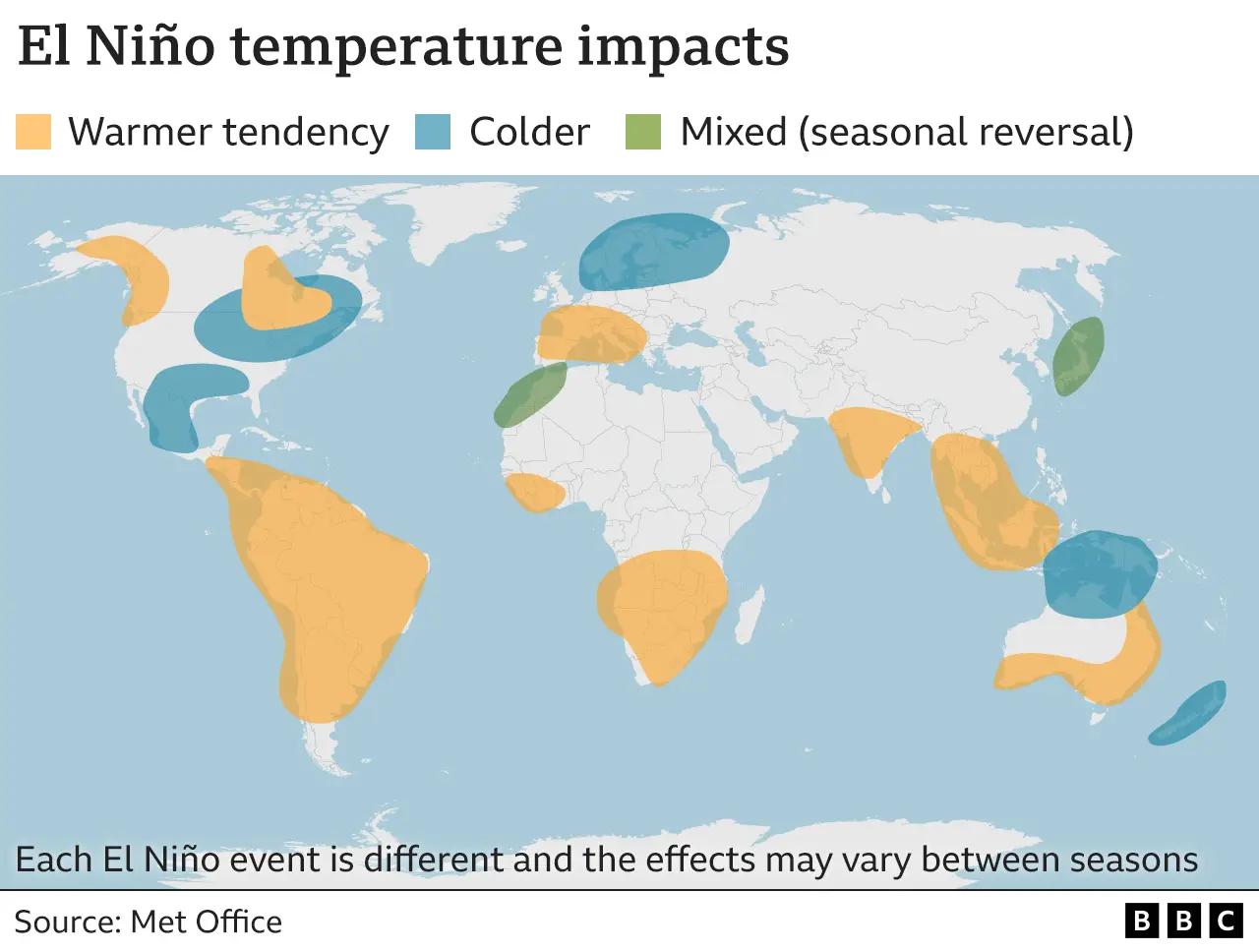
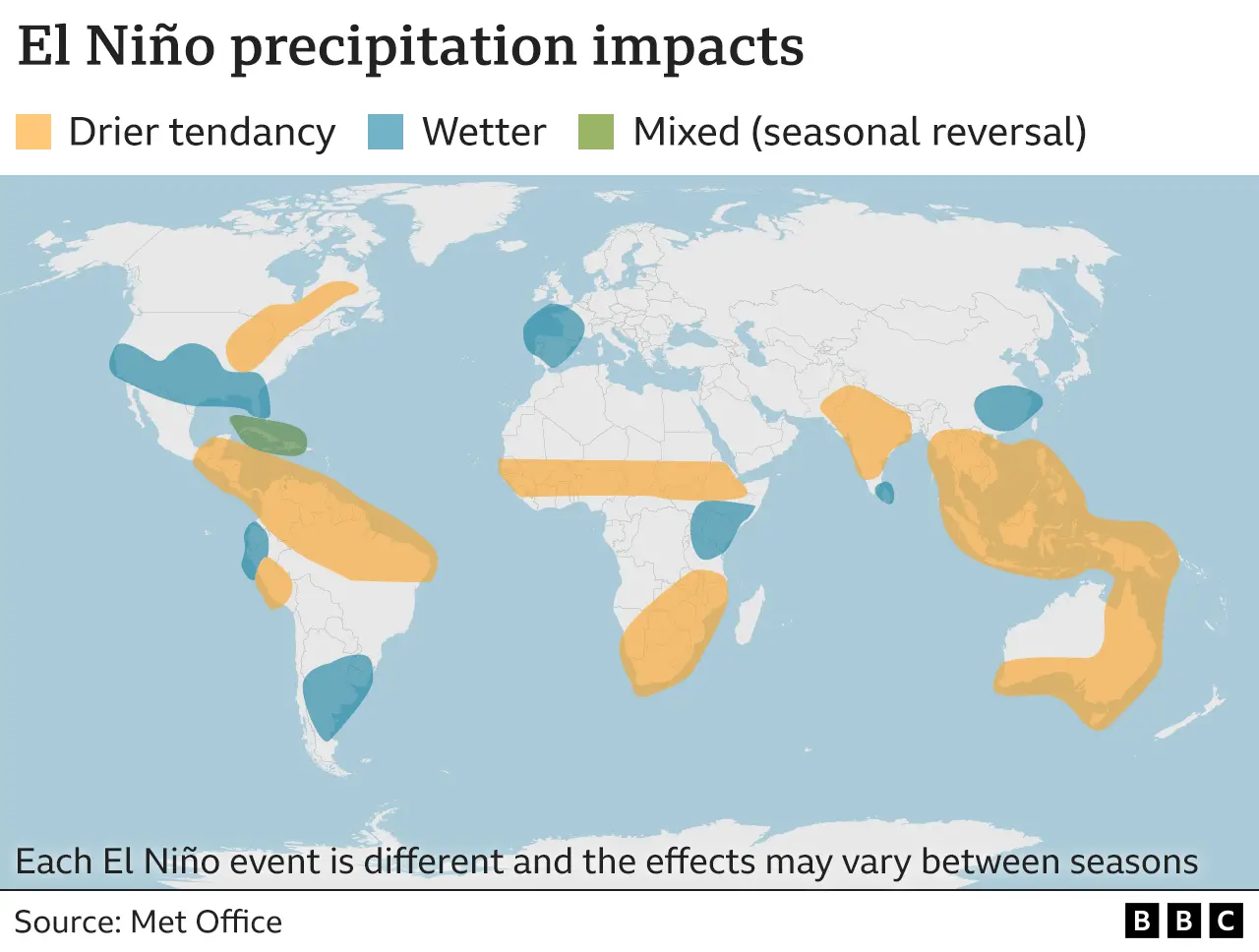
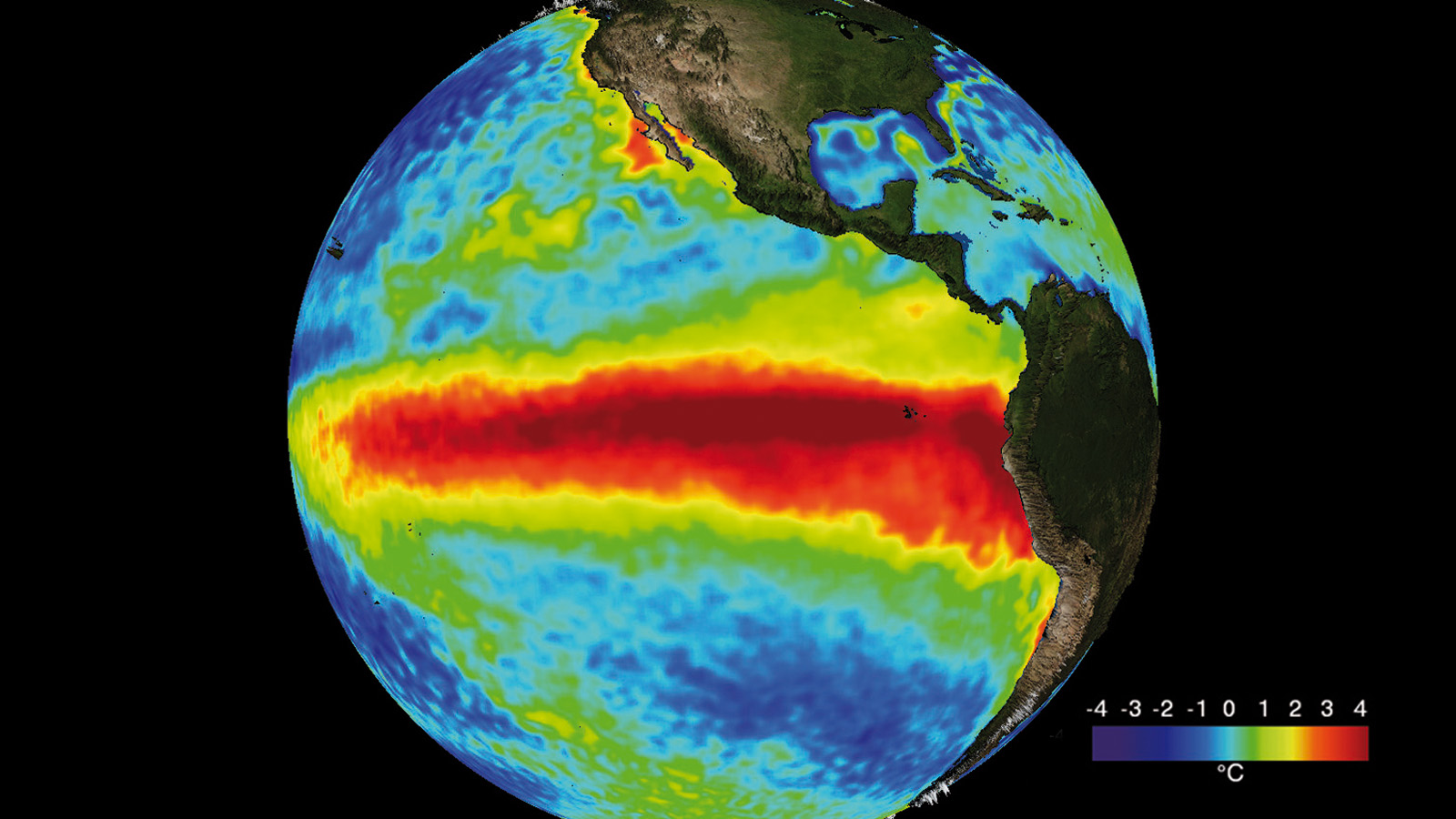
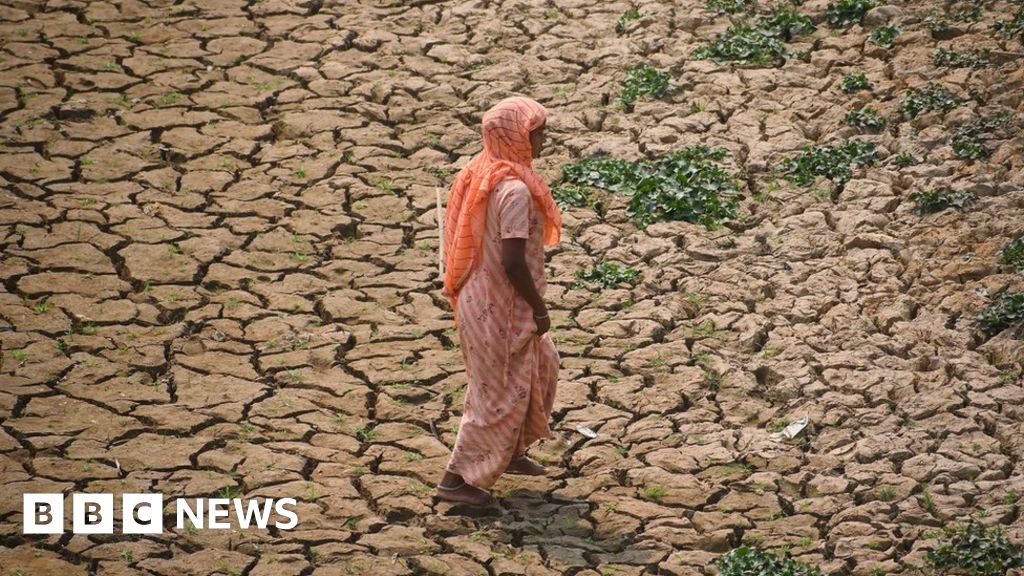
During an El Niño event, these trade winds weaken or even reverse. The warm water that was previously trapped in the west begins to slosh back toward the east in what scientists call a Kelvin wave. As this warm water reaches the central and eastern Pacific, it changes the way heat is transferred to the atmosphere. For Australia, this usually means that the rising air and stormy weather move away from the continent, leading to higher temperatures and reduced rainfall across the eastern states. However, the strength of this ocean warming is not a direct volume knob for Australian drought.
The Trouble with the 2 Degree Threshold
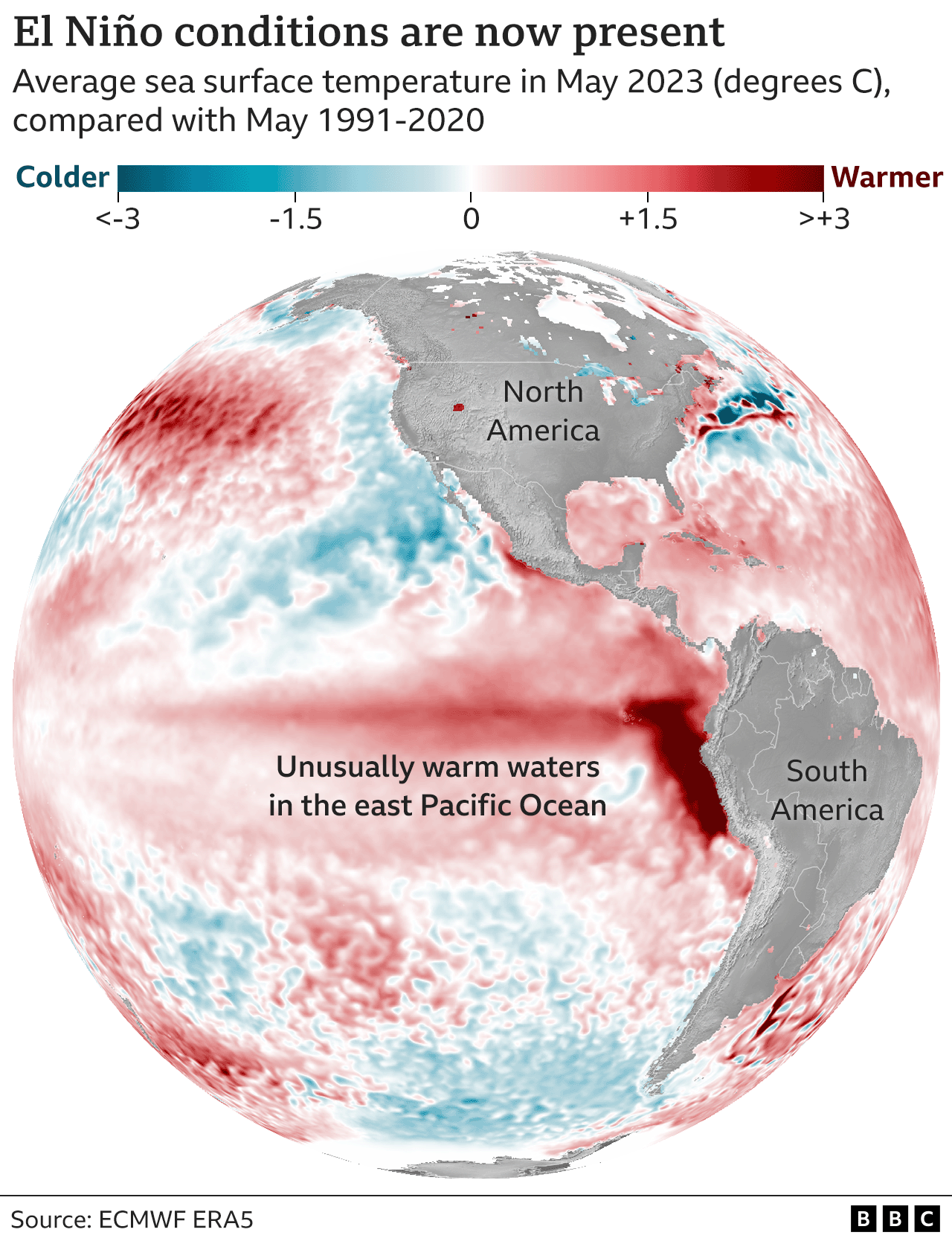
The term Super El Niño is generally applied when sea surface temperatures in a specific region of the Pacific, known as Niño3.4, rise 2 degrees Celsius or more above the long-term average. While this is a significant scientific milestone, it is often treated as a binary switch for catastrophe by the media. Climate scientists argue that this threshold is somewhat arbitrary when it comes to local impacts.
History has shown that some of Australia's worst droughts occurred during moderate El Niño events, while some of the strongest temperature anomalies in the eastern Pacific resulted in relatively mild conditions for the Australian mainland. By focusing solely on whether the temperature hits that 2 degree mark, the media ignores the nuances of the atmosphere's response. A strong ocean signal means nothing if the atmosphere does not couple with the ocean to shift weather patterns over Australia.
The Great Disconnect: Ocean Temperatures vs. Atmospheric Reality
One of the primary reasons for the eye-rolling among experts is the disconnect between ocean surface temperatures and atmospheric pressure. Scientists measure this atmospheric component using the Southern Oscillation Index (SOI), which compares the air pressure in Tahiti and Darwin. For an El Niño to truly take hold and impact Australian weather, the ocean and the atmosphere must work in tandem.
When headlines scream about a Super El Niño based solely on ocean models, they are often looking at only half the picture. The atmosphere is fickle and can be influenced by a myriad of other factors, including the Indian Ocean Dipole (IOD) and the Southern Annular Mode (SAM). If these other drivers are in a phase that promotes moisture, even a strong El Niño might fail to deliver the catastrophic drought the headlines predict. This is why scientists prefer to look at the whole system rather than a single superlative.
Navigating the Autumn Predictability Barrier
As of April 2026, many models are indeed pointing toward a significant warming event. However, this is precisely the time of year when forecasts are at their least reliable. This phenomenon is known as the Autumn Predictability Barrier. During the Southern Hemisphere autumn, the ENSO system undergoes a reset, making it incredibly difficult for computer models to project how the winds and waters will behave six months down the line.
Scientists warn that early-year forecasts should be taken with a big lump of salt. In the past, there have been several instances where early signals of a massive El Niño eventually fizzled out into a neutral year or a very weak event. Using the term Super in April or May is seen by many in the scientific community as premature and irresponsible, as it sets a narrative of certainty in a period characterized by extreme climate volatility.
The Rise of the Relative Niño Index in a Warming World
Climate change has introduced another layer of complexity that makes the Super label even more problematic. As the entire planet warms, the baseline for what is considered a normal ocean temperature is shifting upward. This means that reaching a 2 degree anomaly today is not the same as reaching it forty years ago. Because the background oceans are warmer, the relative difference between the eastern and western Pacific might be smaller than it appears.
To combat this, the Australian Bureau of Meteorology recently introduced the Relative Niño Index. This tool helps scientists distinguish between a true El Niño event and the general background warming caused by greenhouse gas emissions. When media reports ignore this context and use raw temperature data to claim a Super event is coming, they are often misrepresenting the actual physical dynamics at play in the Pacific Ocean.
| Term Used | Scientific Context |
|---|---|
| Super El Niño | Informal media label for anomalies exceeding 2°C. |
| Strong El Niño | Official classification for significant SST departures. |
| Niño3.4 Index | The primary region monitored for ENSO development. |
| Kelvin Wave | The pulse of warm water moving across the Pacific. |
| Autumn Barrier | The period (Mar-May) of low forecast accuracy. |
Media Hype: From Godzilla to Super Metrics
The history of climate reporting is littered with evocative terms. We have seen the Godzilla El Niño of 2015 and the current Super headlines of 2026. While these terms are excellent for generating clicks and ad revenue, they do little to help the public prepare for actual risks. For a farmer in New South Wales, the difference between a 1.5 degree and a 2.0 degree anomaly in the eastern Pacific is academic; what matters is the local rainfall forecast for the next three months.
Scientists worry that these hyper-focused labels create a boy who cried wolf scenario. If a Super El Niño is predicted and the local impacts are mild, the public may lose trust in climate science altogether. This makes it harder for authorities to communicate the very real risks of bushfires and heatwaves when they actually do occur, regardless of the official ENSO label.
Why Local Impacts Outweigh Global Superlatives
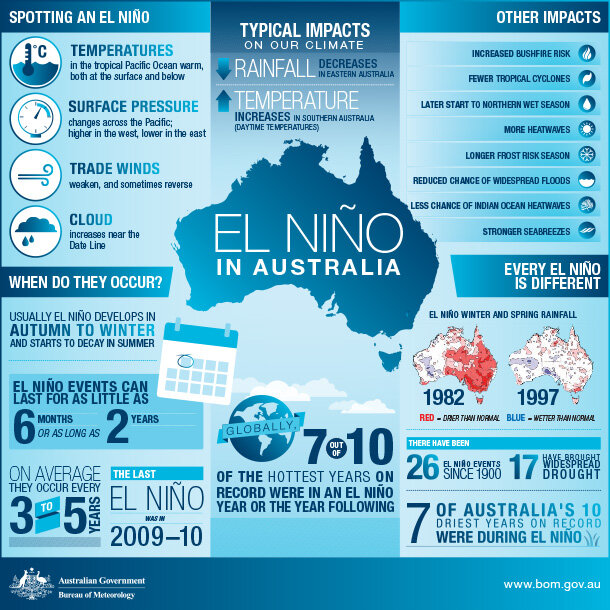
Every El Niño is different. Some bring heat but maintain average rainfall, while others bring bone-dry conditions without extreme heat. The 2015-2016 event, often cited as a Super El Niño, was the warmest on record globally, but for parts of Australia, it was not the driest. Conversely, the 1982-1983 drought was one of the most severe in Australian history, driven by an event that some models at the time struggled to characterize.
Australian climatologists emphasize that we are a land of droughts and flooding rains. Our weather is inherently variable. Relying on a single global index to predict local outcomes is like trying to judge the health of a professional athlete solely by their BMI; it provides a number, but it doesn't tell the story of their performance, their endurance, or their actual condition. The story of Australia's climate is told through local soil moisture, regional pressure systems, and the health of our surrounding oceans.
How Australians Should Actually Monitor Climate Risks
Instead of watching for Super headlines, experts suggest that Australians should follow the Bureau of Meteorology’s long-range forecasts. These models are the gold standard for Australian conditions because they account for multiple drivers, not just the Pacific Ocean. They incorporate data from the Indian Ocean, the Southern Ocean, and the current state of the Australian landscape.
As we head into the winter and spring of 2026, the focus should remain on preparedness rather than panic. If an El Niño does develop, it increases the probability of drier and warmer conditions. This is a time to review fire plans, manage water resources, and stay updated on monthly outlooks. Whether the final data shows a 1.9 or a 2.1 degree anomaly in the Pacific will not change the reality of the conditions on the ground in the Murray-Darling Basin or the Wheatbelt of Western Australia.
Frequently Asked Questions
What is a Super El Niño?
A Super El Niño is a non-scientific term used by the media to describe an El Niño event where sea surface temperatures in the central and eastern tropical Pacific rise more than 2 degrees Celsius above the historical average.
When will the 2026 El Niño start?
Current models suggest a transition toward El Niño could occur as early as May or June 2026, though certainty will not increase until the autumn predictability barrier passes in late May.
Does a Super El Niño always cause drought in Australia?
No. While it increases the risk, the correlation between the intensity of Pacific warming and Australian rainfall is not perfect. Other climate drivers can mitigate or worsen the effects.
Why do scientists dislike the term?
Scientists find it reductive and often inaccurate for local forecasting. It oversimplifies a complex atmospheric system into a single temperature threshold that doesn't always reflect local weather impacts.
Is climate change making El Niños stronger?
Research is ongoing, but there is evidence that global warming may increase the frequency of extreme El Niño and La Niña events. Furthermore, the baseline warming of the planet amplifies the heat impacts of any El Niño.
Conclusion
In summary, while the prospect of a powerful El Niño in 2026 is a serious matter for concern, the use of the term Super is more about sensationalism than science. For Australian climate scientists, the goal is to provide accurate, nuanced, and actionable information. Rolling their eyes at Super El Niño headlines is a reaction to the oversimplification of a system that governs the lives and livelihoods of millions. As we move further into the year, it is vital to listen to the experts who look at the whole climate puzzle, rather than those who only focus on a single piece. The real story isn't just how hot the Pacific gets, but how our entire atmosphere responds to a changing world.
Why the phrase ‘Super El Niño’ makes Australian climate scientists roll their eyes
Why the phrase ‘Super El Niño’ makes Australian climate scientists roll their eyes Wallpapers
Collection of why the phrase ‘super el niño’ makes australian climate scientists roll their eyes wallpapers for your desktop and mobile devices.

High-Quality Why The Phrase ‘super El Niño’ Makes Australian Climate Scientists Roll Their Eyes Wallpaper for Mobile
Discover an amazing why the phrase ‘super el niño’ makes australian climate scientists roll their eyes background image, ideal for personalizing your devices with vibrant colors and intricate designs.
Captivating Why The Phrase ‘super El Niño’ Makes Australian Climate Scientists Roll Their Eyes Capture for Mobile
A captivating why the phrase ‘super el niño’ makes australian climate scientists roll their eyes scene that brings tranquility and beauty to any device.
Exquisite Why The Phrase ‘super El Niño’ Makes Australian Climate Scientists Roll Their Eyes Abstract Collection
Find inspiration with this unique why the phrase ‘super el niño’ makes australian climate scientists roll their eyes illustration, crafted to provide a fresh look for your background.

Serene Why The Phrase ‘super El Niño’ Makes Australian Climate Scientists Roll Their Eyes Scene Collection
Experience the crisp clarity of this stunning why the phrase ‘super el niño’ makes australian climate scientists roll their eyes image, available in high resolution for all your screens.
Crisp Why The Phrase ‘super El Niño’ Makes Australian Climate Scientists Roll Their Eyes Image Photography
Find inspiration with this unique why the phrase ‘super el niño’ makes australian climate scientists roll their eyes illustration, crafted to provide a fresh look for your background.

Crisp Why The Phrase ‘super El Niño’ Makes Australian Climate Scientists Roll Their Eyes Design in HD
Immerse yourself in the stunning details of this beautiful why the phrase ‘super el niño’ makes australian climate scientists roll their eyes wallpaper, designed for a captivating visual experience.
Spectacular Why The Phrase ‘super El Niño’ Makes Australian Climate Scientists Roll Their Eyes View Digital Art
Find inspiration with this unique why the phrase ‘super el niño’ makes australian climate scientists roll their eyes illustration, crafted to provide a fresh look for your background.

Vivid Why The Phrase ‘super El Niño’ Makes Australian Climate Scientists Roll Their Eyes View Collection
Discover an amazing why the phrase ‘super el niño’ makes australian climate scientists roll their eyes background image, ideal for personalizing your devices with vibrant colors and intricate designs.
Spectacular Why The Phrase ‘super El Niño’ Makes Australian Climate Scientists Roll Their Eyes Moment Concept
A captivating why the phrase ‘super el niño’ makes australian climate scientists roll their eyes scene that brings tranquility and beauty to any device.
Vivid Why The Phrase ‘super El Niño’ Makes Australian Climate Scientists Roll Their Eyes Scene in 4K
Transform your screen with this vivid why the phrase ‘super el niño’ makes australian climate scientists roll their eyes artwork, a true masterpiece of digital design.
Captivating Why The Phrase ‘super El Niño’ Makes Australian Climate Scientists Roll Their Eyes Background Collection
Immerse yourself in the stunning details of this beautiful why the phrase ‘super el niño’ makes australian climate scientists roll their eyes wallpaper, designed for a captivating visual experience.
Serene Why The Phrase ‘super El Niño’ Makes Australian Climate Scientists Roll Their Eyes Capture Photography
Discover an amazing why the phrase ‘super el niño’ makes australian climate scientists roll their eyes background image, ideal for personalizing your devices with vibrant colors and intricate designs.
Vivid Why The Phrase ‘super El Niño’ Makes Australian Climate Scientists Roll Their Eyes Wallpaper Collection
Explore this high-quality why the phrase ‘super el niño’ makes australian climate scientists roll their eyes image, perfect for enhancing your desktop or mobile wallpaper.
Vibrant Why The Phrase ‘super El Niño’ Makes Australian Climate Scientists Roll Their Eyes Photo Concept
Experience the crisp clarity of this stunning why the phrase ‘super el niño’ makes australian climate scientists roll their eyes image, available in high resolution for all your screens.

Dynamic Why The Phrase ‘super El Niño’ Makes Australian Climate Scientists Roll Their Eyes Abstract Concept
Immerse yourself in the stunning details of this beautiful why the phrase ‘super el niño’ makes australian climate scientists roll their eyes wallpaper, designed for a captivating visual experience.
Lush Why The Phrase ‘super El Niño’ Makes Australian Climate Scientists Roll Their Eyes Design Art
Find inspiration with this unique why the phrase ‘super el niño’ makes australian climate scientists roll their eyes illustration, crafted to provide a fresh look for your background.

Vivid Why The Phrase ‘super El Niño’ Makes Australian Climate Scientists Roll Their Eyes Abstract for Your Screen
Transform your screen with this vivid why the phrase ‘super el niño’ makes australian climate scientists roll their eyes artwork, a true masterpiece of digital design.

Crisp Why The Phrase ‘super El Niño’ Makes Australian Climate Scientists Roll Their Eyes Background Nature
A captivating why the phrase ‘super el niño’ makes australian climate scientists roll their eyes scene that brings tranquility and beauty to any device.
Gorgeous Why The Phrase ‘super El Niño’ Makes Australian Climate Scientists Roll Their Eyes Design Digital Art
Find inspiration with this unique why the phrase ‘super el niño’ makes australian climate scientists roll their eyes illustration, crafted to provide a fresh look for your background.
Gorgeous Why The Phrase ‘super El Niño’ Makes Australian Climate Scientists Roll Their Eyes Moment Digital Art
Find inspiration with this unique why the phrase ‘super el niño’ makes australian climate scientists roll their eyes illustration, crafted to provide a fresh look for your background.
Download these why the phrase ‘super el niño’ makes australian climate scientists roll their eyes wallpapers for free and use them on your desktop or mobile devices.