2026 census reveals 24% increase in homelessness across WNY
2026 census reveals 24% increase in homelessness across WNY
The latest data from the 2026 Point-in-Time Count has sent shockwaves through the region, as the 2026 census reveals 24% increase in homelessness across WNY. This unprecedented surge represents the highest level of housing instability recorded in Western New York since data collection began in 2005, highlighting a growing humanitarian crisis in cities like Buffalo and surrounding rural counties. Local advocates and officials from the Homeless Alliance of Western New York are calling for immediate intervention as the shelter system reaches a breaking point.
According to the 2026 Point-in-Time (PIT) survey, the number of individuals experiencing homelessness in Western New York has risen by 24% compared to the previous year. Key factors driving this spike include a severe shortage of affordable housing units, a 16% increase in regional rental prices, and the expiration of pandemic-era eviction protections. With over 2,188 individuals identified as unhoused, local leaders are emphasizing the urgent need for expanded rental assistance, permanent supportive housing, and increased federal funding to stabilize the region's most vulnerable populations.
Understanding the Scale of the 2026 Homelessness Surge
The 2026 census reveals 24% increase in homelessness across WNY, a figure that demands a deep dive into the demographics and geography of the crisis. While many associate homelessness with urban centers like downtown Buffalo, the 2026 data indicates that the rise is equally prevalent in suburban and rural communities across Erie, Niagara, and surrounding counties. This is no longer a localized issue; it is a regional epidemic.
The Point-in-Time Count, conducted on a single night in January, serves as a snapshot of the crisis. Of the 2,188 individuals counted, the vast majority—approximately 1,898 people—were residing in emergency shelters. This indicates that while the region has a robust shelter network, it is currently operating at maximum capacity. Furthermore, the census highlights that nearly 50% of those experiencing homelessness in WNY report at least one disability, complicating their path back to permanent housing.
The 24% jump is particularly alarming when compared to historical trends. For over a decade, the unhoused population in WNY hovered between 900 and 1,000 individuals. Breaking the 2,000-person threshold signals a systemic failure to align housing inventory with the economic realities of the post-pandemic era. Local agencies are now struggling to provide even basic services as the sheer volume of need outpaces available resources.
The Driving Factors: Rent Hikes and Housing Scarcity
Why is the 2026 census reveals 24% increase in homelessness across WNY happening now? Experts point to a "perfect storm" of economic factors. First and foremost is the escalating cost of living. Rental prices in the Buffalo-Niagara region have climbed significantly, with Zillow reporting a 16% increase in average rents over the last year alone. For families living on the edge of poverty, a $200 or $300 monthly rent hike is often the difference between a home and the street.
Additionally, the "housing cliff" created by the end of pandemic-era protections has finally arrived. During the pandemic, eviction moratoriums and emergency rental assistance programs kept thousands of New Yorkers in their homes. As these programs have been phased out, the legal system has seen a surge in eviction filings. Without a corresponding increase in "living wage" jobs, many residents find themselves unable to secure new housing once they are displaced.
The lack of "exit options" from the shelter system is another critical bottleneck. Even individuals with Section 8 vouchers are finding it nearly impossible to find landlords willing to accept them or units that meet the federal price cap. This results in "shelter stagnation," where people remain in emergency housing for months or even years because there are no affordable apartments available to move into.
Demographics at Risk: Seniors and Families
One of the most heartbreaking aspects of the 2026 census is the changing face of the unhoused. Historically, the homeless population was dominated by single adults, often dealing with chronic mental health or substance abuse issues. However, the new data shows that families and seniors are the fastest-growing segments of the homeless population in Western New York.
Seniors on fixed incomes, such as Social Security, are particularly vulnerable to inflation. As the cost of food, medicine, and utilities rises alongside rent, many elderly residents are being priced out of their long-term apartments. Advocates report seeing more first-time homeless individuals over the age of 60 than ever before. These individuals often lack the physical health to navigate the rigors of shelter life, making their situation even more dire.
Families with children also make up a significant portion of the increase. The 2026 report indicates that school-age children are increasingly experiencing housing instability, which has long-term effects on their education and emotional well-being. Buffalo Public Schools have reported a noticeable uptick in students identified as "housing uncertain," highlighting the ripple effects of the census findings into the educational system.
| Homeless Subpopulation | 2026 PIT Count Findings |
|---|---|
| Total Unhoused Individuals | 2,188 (24% Increase) |
| Percentage with Disabilities | Approximately 48% |
| Individuals in Emergency Shelter | 1,898 |
| Unsheltered (Street) Count | Approximately 25 |
The Impact of the 2026 Census on Federal Funding
The fact that the 2026 census reveals 24% increase in homelessness across WNY is not just a statistical concern; it is a critical data point for securing federal aid. The Department of Housing and Urban Development (HUD) uses these annual PIT counts to determine the allocation of Continuum of Care (CoC) grants. Western New York currently oversees more than $23 million in homeless and housing program funding, but leaders argue this is no longer enough.
With a 24% increase in the population, the per-capita funding for homeless services in WNY is effectively shrinking. Local agencies are using this new data to lobby for an emergency increase in federal support. They argue that without a significant infusion of capital to build new permanent supportive housing units, the region will continue to see these numbers climb annually.
The 2026 data also helps identify where the funding is most needed. For instance, the high percentage of unhoused individuals with disabilities suggests that a portion of new funding must be earmarked for "supportive housing"—units that come with on-site medical and social services. Relying solely on emergency shelters is a "band-aid" solution that does not address the root causes of the 24% surge.
Rural vs. Urban Homelessness in Western New York
While the headlines often focus on Buffalo, the 2026 census highlights a growing crisis in rural Western New York. In counties like Chautauqua, Cattaraugus, and Allegany, homelessness often looks different than it does in the city. Instead of people sleeping on park benches, rural homelessness frequently involves "couch surfing," living in condemned trailers, or residing in cars hidden in wooded areas.
The 24% increase across the region reflects a growing instability in these rural pockets where services are even scarcer than in Buffalo. In a rural setting, a person experiencing homelessness might be miles away from the nearest food pantry or medical clinic. The lack of public transportation in WNY's rural counties makes it nearly impossible for an unhoused person to maintain a job or attend housing interviews.
Advocates are calling for a "mobile" approach to homeless services to reach these isolated individuals. The 2026 census acts as a wake-up call that the homelessness strategy for WNY must be integrated, ensuring that rural residents are not forgotten while resources are funneled into the urban core.
The Link Between Poverty and Housing Stability
At its core, the 2026 census reveals 24% increase in homelessness across WNY is a symptom of deep-seated poverty. In Buffalo, nearly 30% of the population lives below the poverty line, and a staggering 58% of renters are "rent-burdened," meaning they spend more than 30% of their income on housing. When more than half the population is one paycheck away from disaster, a regional spike in homelessness is inevitable.
The "living wage" gap is a primary driver. Many of the jobs available in the region’s growing service and hospitality sectors pay less than $30,000 per year. In a market where the median rent is rapidly approaching $1,200 for a modest apartment, the math simply doesn't work for the average worker. This economic mismatch is a major reason why the "working homeless"—people who have jobs but cannot afford rent—are becoming more common in the PIT counts.
Addressing the 24% increase requires more than just housing; it requires economic justice. Policies that raise the minimum wage, protect the right to unionize, and expand the Earned Income Tax Credit (EITC) are all essential components of a long-term plan to end homelessness in Western New York.
Proposed Solutions: The "Make Rent Affordable" Agenda
In response to the alarming census findings, New York State legislators and housing advocates have introduced the 2026 "Make Rent Affordable" legislative agenda. This platform seeks to tackle the 24% increase in homelessness through three primary pillars: rent stabilization, housing vouchers, and tenant protections.
The REST Act (Rent Emergency Stabilization for Tenants) is a centerpiece of this agenda. It would allow municipalities outside of New York City to opt-in to rent stabilization programs, preventing the "predatory" rent hikes that have characterized the Buffalo market over the last two years. Additionally, advocates are pushing for the full funding of the Housing Access Voucher Program (HAVP) at $250 million. This would provide a state-funded voucher system similar to Section 8, specifically targeting those at the highest risk of homelessness.
Finally, the "Good Cause Eviction" protections are being championed as a way to prevent arbitrary displacements. By requiring landlords to provide a valid reason for eviction and limiting annual rent increases, these laws could significantly slow the flow of individuals from private housing into the regional shelter system.
The Role of Community Advocacy and Future Outlook
While the government and large non-profits lead the charge, community-level advocacy is more important than ever. Organizations like Hearts for the Homeless and local food pantries have reported a record number of families seeking assistance. The 24% increase in the unhoused population has put a strain on these grassroots organizations, which often operate on thin margins and volunteer labor.
The outlook for 2027 and beyond depends heavily on the actions taken today. If the region can successfully leverage the 2026 census data to secure more funding and pass meaningful tenant protections, there is hope that the numbers will begin to decline. However, if the current trend of rising rents and stagnant wages continues, the 24% increase seen in 2026 may just be the beginning of a much larger crisis.
Residents are encouraged to get involved by supporting local shelters, advocating for affordable housing developments in their neighborhoods, and contacting their state representatives to support the "Make Rent Affordable" agenda. The 2026 census is a clear signal: the status quo is no longer sustainable for Western New York.
Frequently Asked Questions
What is the Point-in-Time (PIT) Count?
Why did homelessness increase by 24% in WNY?
Which groups are most affected by the current crisis?
Is the increase only happening in Buffalo?
What solutions are being proposed to address this?
Conclusion
The 2026 census reveals 24% increase in homelessness across WNY serves as a somber milestone for the region. It highlights the widening gap between housing costs and household incomes, and the vulnerability of seniors and families in an era of high inflation. While the data is discouraging, it also provides the necessary evidence for local, state, and federal leaders to enact bold housing reforms. Addressing this 24% surge will require a multi-faceted approach—combining immediate emergency shelter support with long-term investments in affordable housing and tenant protections. The future of Western New York depends on our ability to ensure that every resident has a safe, stable place to call home.
2026 census reveals 24% increase in homelessness across WNY
2026 census reveals 24% increase in homelessness across WNY Wallpapers
Collection of 2026 census reveals 24% increase in homelessness across wny wallpapers for your desktop and mobile devices.
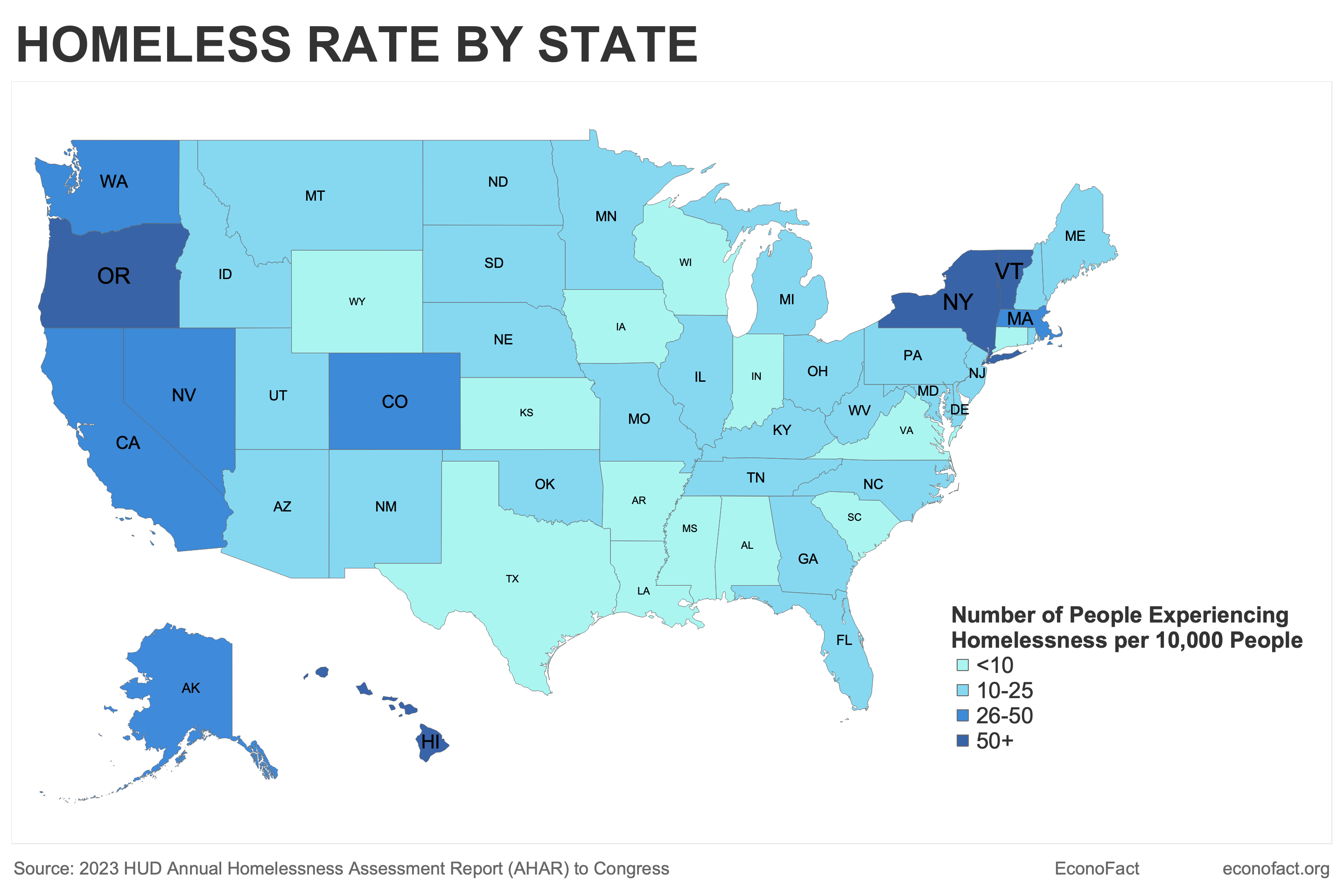
Mesmerizing 2026 Census Reveals 24% Increase In Homelessness Across Wny Abstract Nature
Explore this high-quality 2026 census reveals 24% increase in homelessness across wny image, perfect for enhancing your desktop or mobile wallpaper.
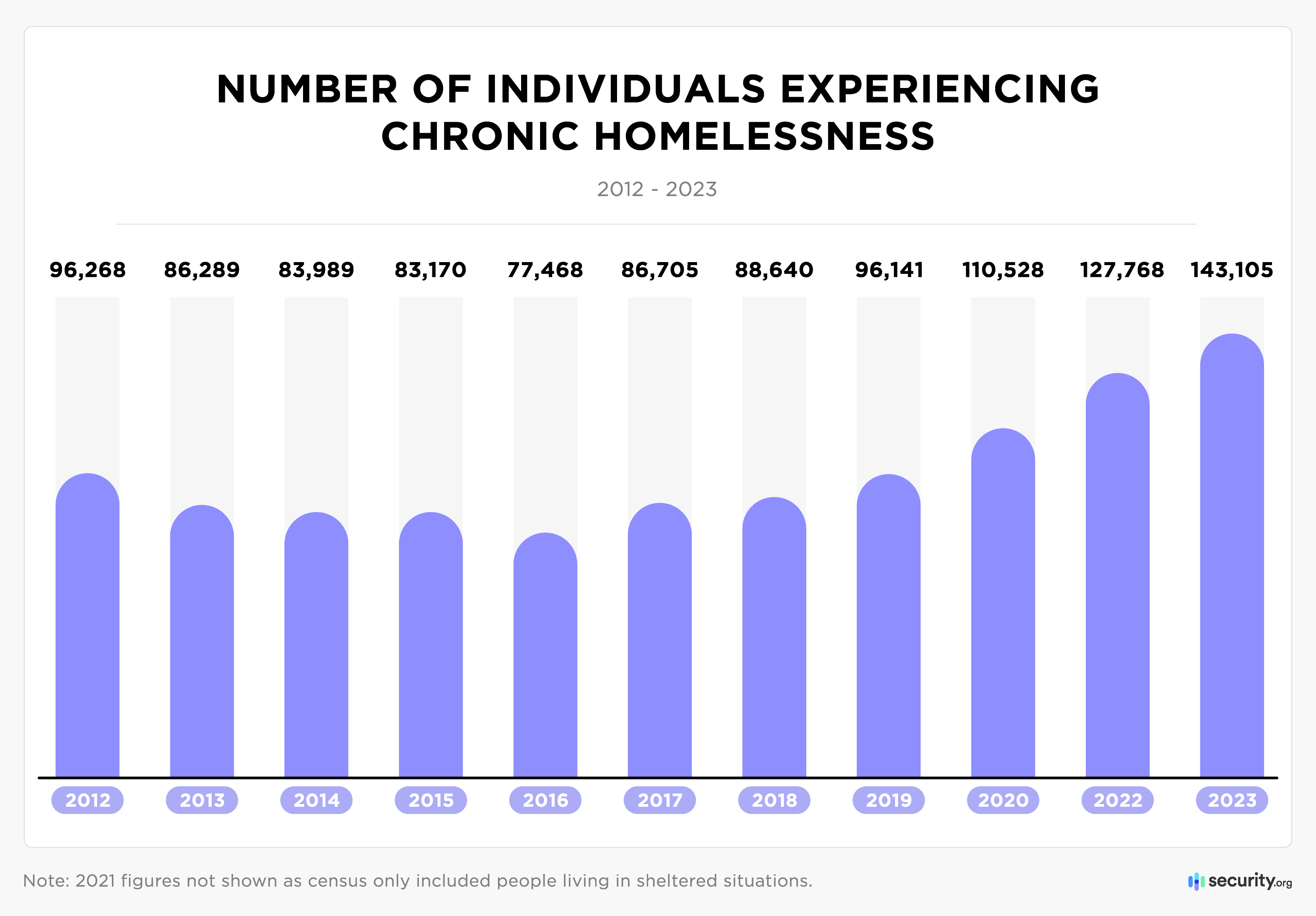
Breathtaking 2026 Census Reveals 24% Increase In Homelessness Across Wny Capture Photography
Transform your screen with this vivid 2026 census reveals 24% increase in homelessness across wny artwork, a true masterpiece of digital design.

Serene 2026 Census Reveals 24% Increase In Homelessness Across Wny Design in 4K
Transform your screen with this vivid 2026 census reveals 24% increase in homelessness across wny artwork, a true masterpiece of digital design.

Artistic 2026 Census Reveals 24% Increase In Homelessness Across Wny Landscape for Mobile
Immerse yourself in the stunning details of this beautiful 2026 census reveals 24% increase in homelessness across wny wallpaper, designed for a captivating visual experience.
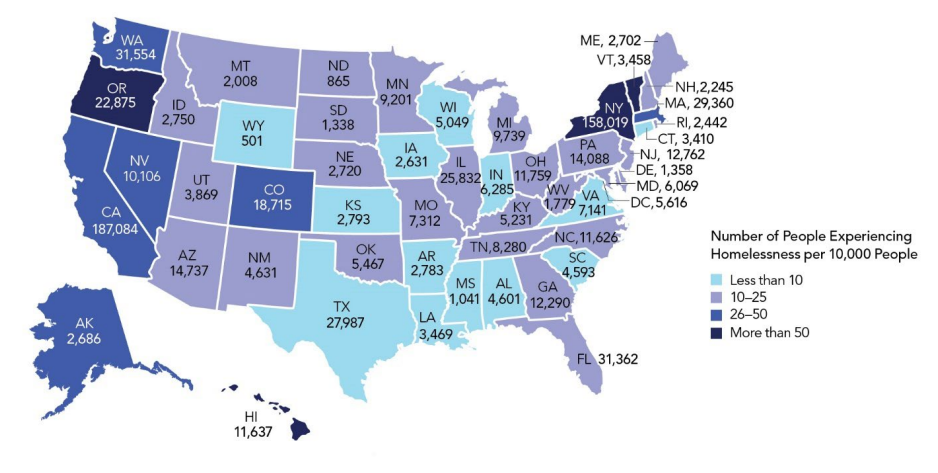
Serene 2026 Census Reveals 24% Increase In Homelessness Across Wny Image in 4K
Transform your screen with this vivid 2026 census reveals 24% increase in homelessness across wny artwork, a true masterpiece of digital design.
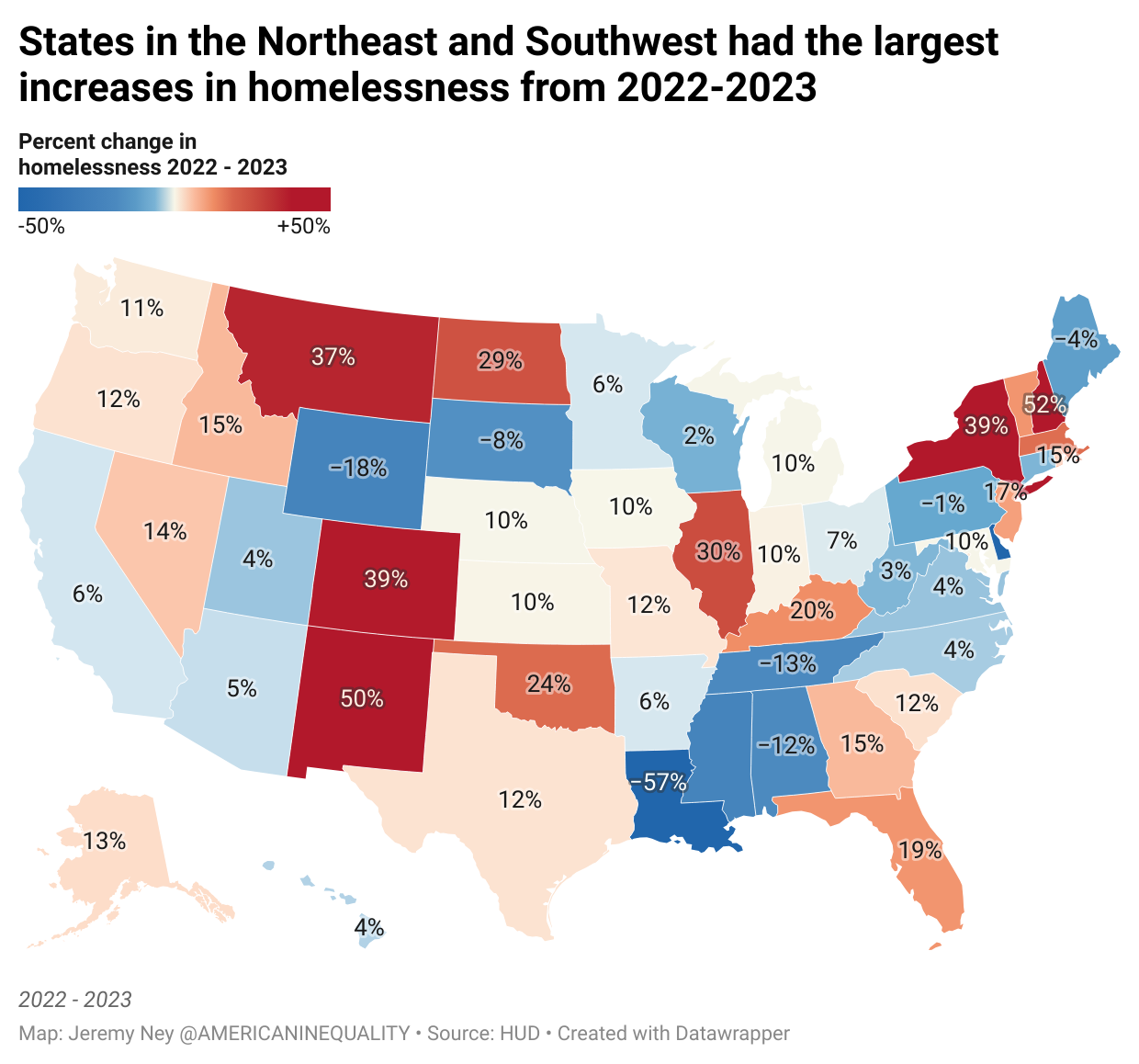
Gorgeous 2026 Census Reveals 24% Increase In Homelessness Across Wny Moment for Your Screen
A captivating 2026 census reveals 24% increase in homelessness across wny scene that brings tranquility and beauty to any device.

Artistic 2026 Census Reveals 24% Increase In Homelessness Across Wny Design Digital Art
This gorgeous 2026 census reveals 24% increase in homelessness across wny photo offers a breathtaking view, making it a perfect choice for your next wallpaper.

Mesmerizing 2026 Census Reveals 24% Increase In Homelessness Across Wny Design Photography
Experience the crisp clarity of this stunning 2026 census reveals 24% increase in homelessness across wny image, available in high resolution for all your screens.
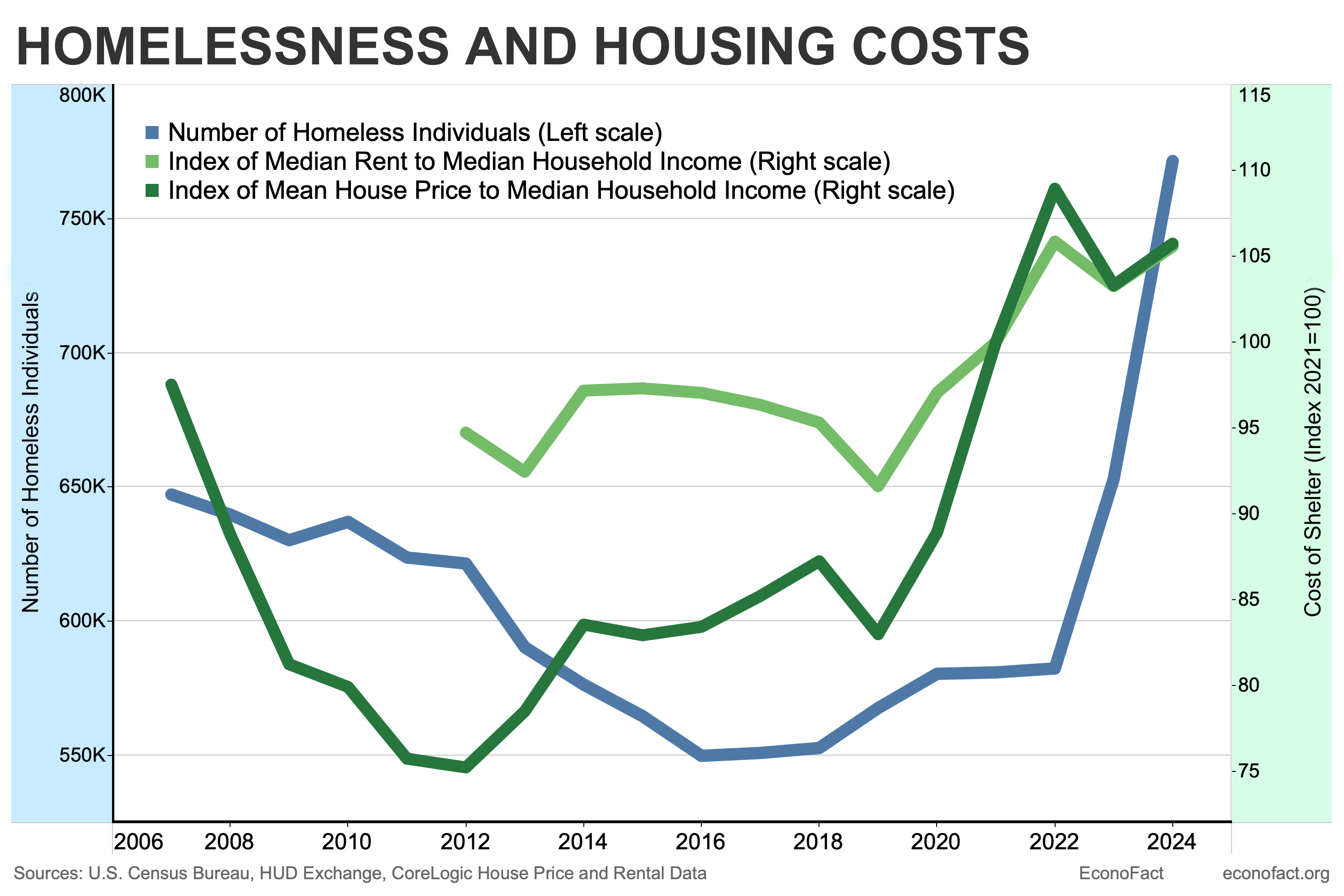
Vivid 2026 Census Reveals 24% Increase In Homelessness Across Wny Image Collection
Transform your screen with this vivid 2026 census reveals 24% increase in homelessness across wny artwork, a true masterpiece of digital design.
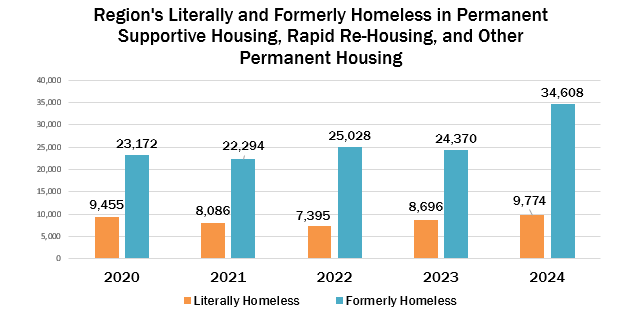
Amazing 2026 Census Reveals 24% Increase In Homelessness Across Wny Photo in HD
Explore this high-quality 2026 census reveals 24% increase in homelessness across wny image, perfect for enhancing your desktop or mobile wallpaper.
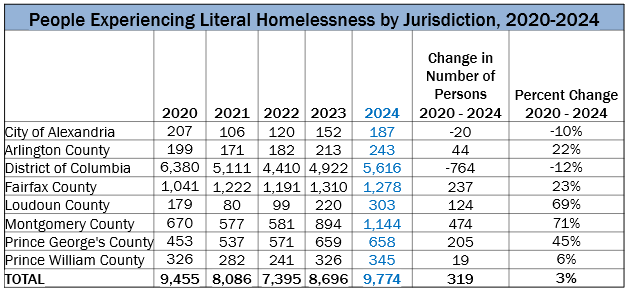
Lush 2026 Census Reveals 24% Increase In Homelessness Across Wny Abstract in HD
This gorgeous 2026 census reveals 24% increase in homelessness across wny photo offers a breathtaking view, making it a perfect choice for your next wallpaper.

Mesmerizing 2026 Census Reveals 24% Increase In Homelessness Across Wny Image Digital Art
Discover an amazing 2026 census reveals 24% increase in homelessness across wny background image, ideal for personalizing your devices with vibrant colors and intricate designs.
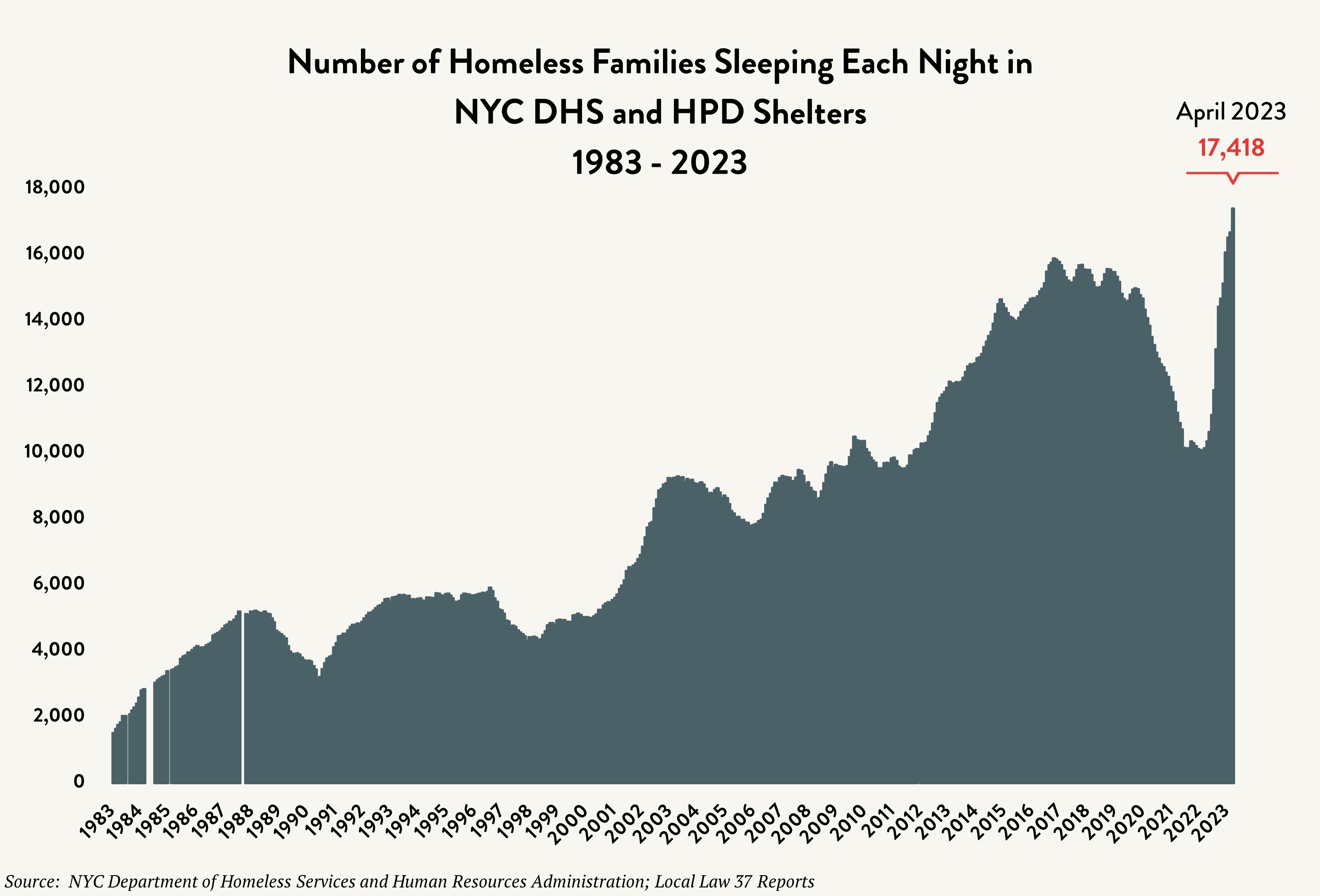
Breathtaking 2026 Census Reveals 24% Increase In Homelessness Across Wny Moment for Desktop
Discover an amazing 2026 census reveals 24% increase in homelessness across wny background image, ideal for personalizing your devices with vibrant colors and intricate designs.
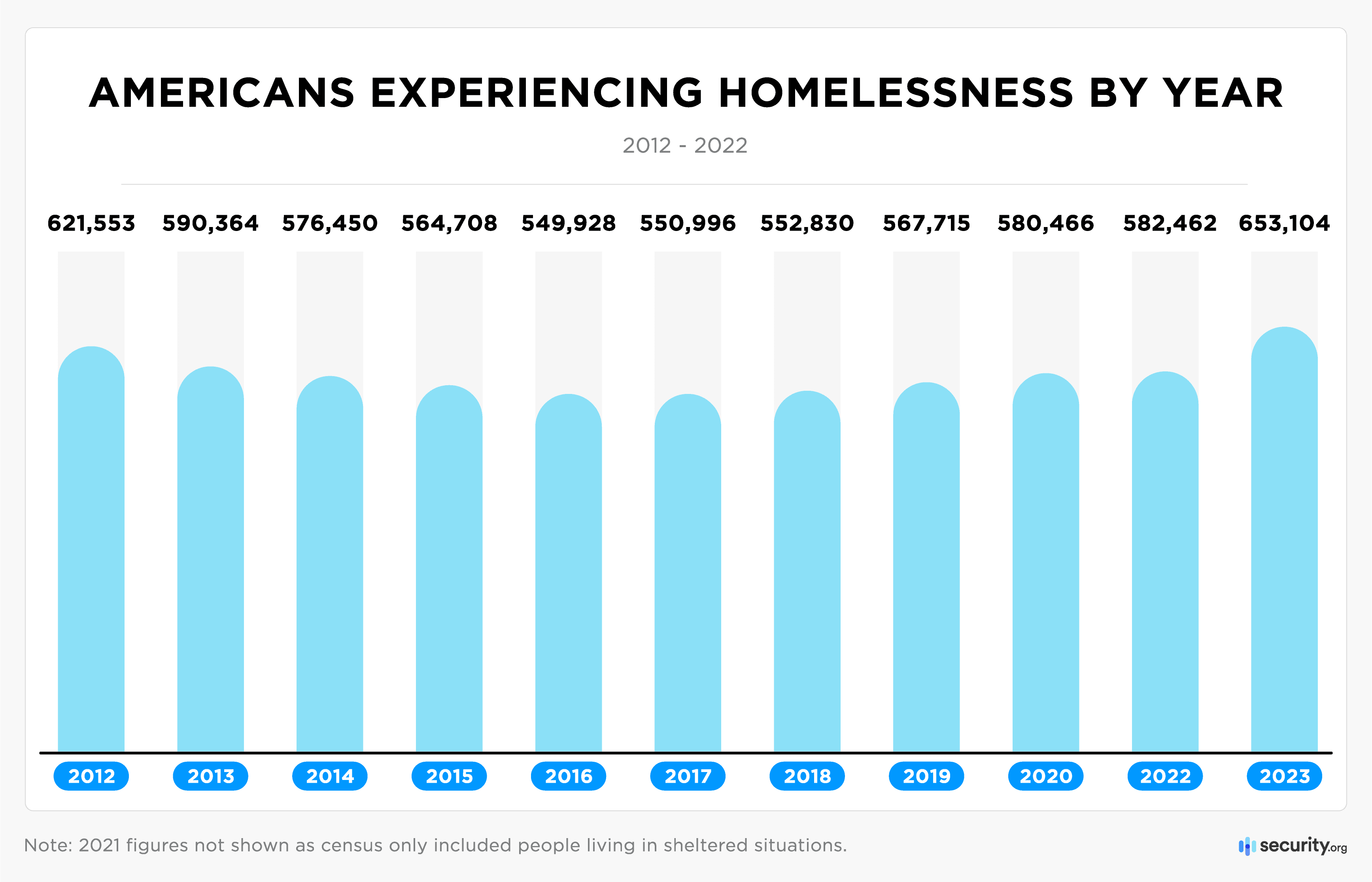
Serene 2026 Census Reveals 24% Increase In Homelessness Across Wny Abstract in 4K
Explore this high-quality 2026 census reveals 24% increase in homelessness across wny image, perfect for enhancing your desktop or mobile wallpaper.
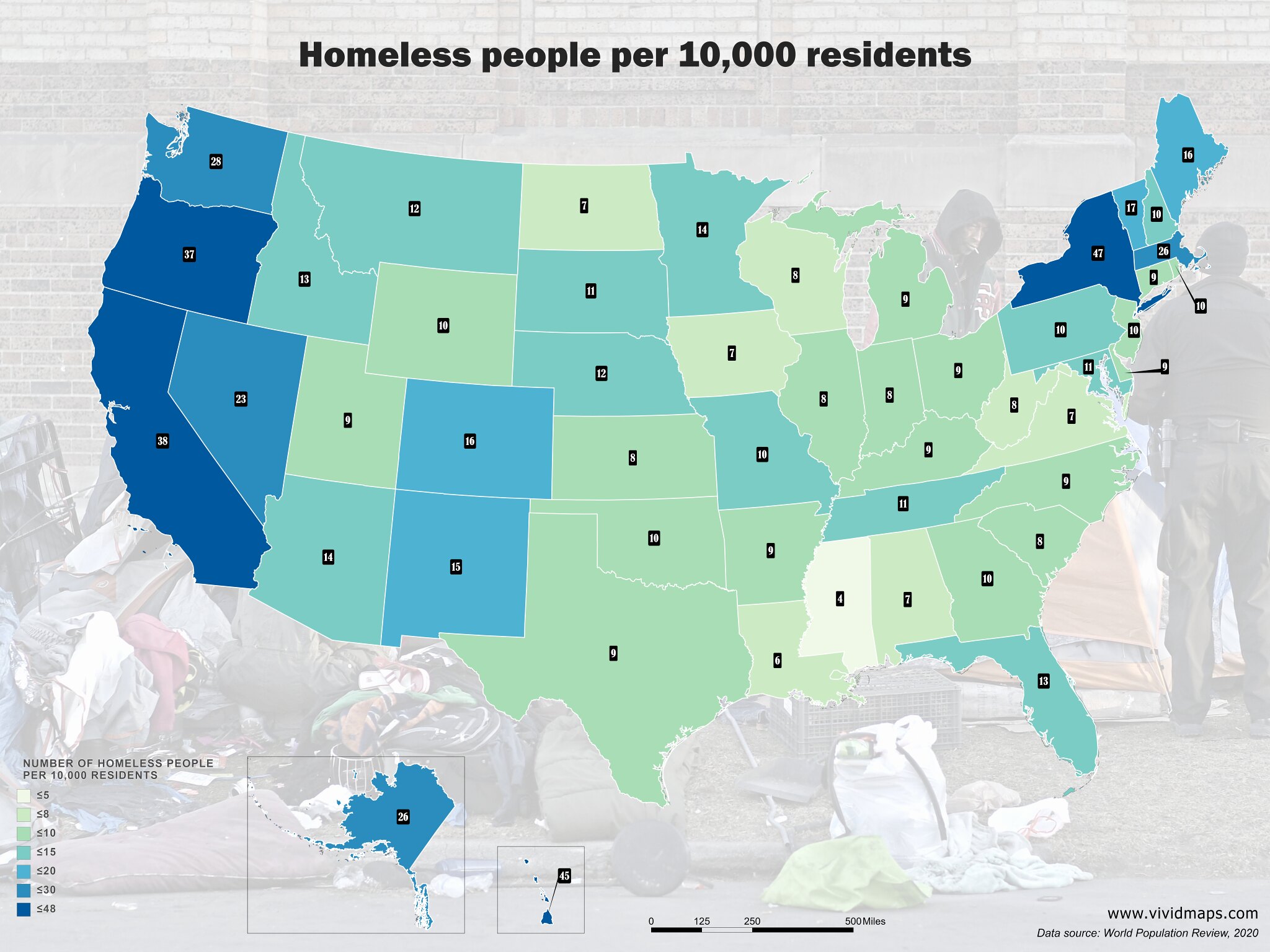
Lush 2026 Census Reveals 24% Increase In Homelessness Across Wny Moment for Mobile
This gorgeous 2026 census reveals 24% increase in homelessness across wny photo offers a breathtaking view, making it a perfect choice for your next wallpaper.
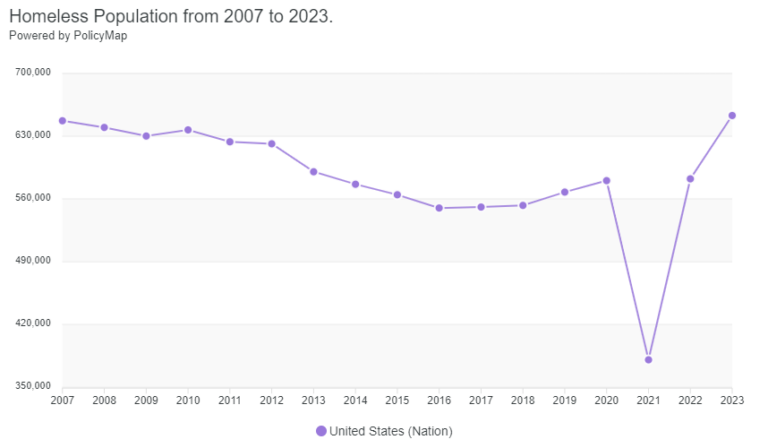
Mesmerizing 2026 Census Reveals 24% Increase In Homelessness Across Wny View for Desktop
Experience the crisp clarity of this stunning 2026 census reveals 24% increase in homelessness across wny image, available in high resolution for all your screens.
.png?format=1500w "Vibrant 2026 Census Reveals 24% Increase In Homelessness Across Wny Background for Desktop")
Vibrant 2026 Census Reveals 24% Increase In Homelessness Across Wny Background for Desktop
Experience the crisp clarity of this stunning 2026 census reveals 24% increase in homelessness across wny image, available in high resolution for all your screens.
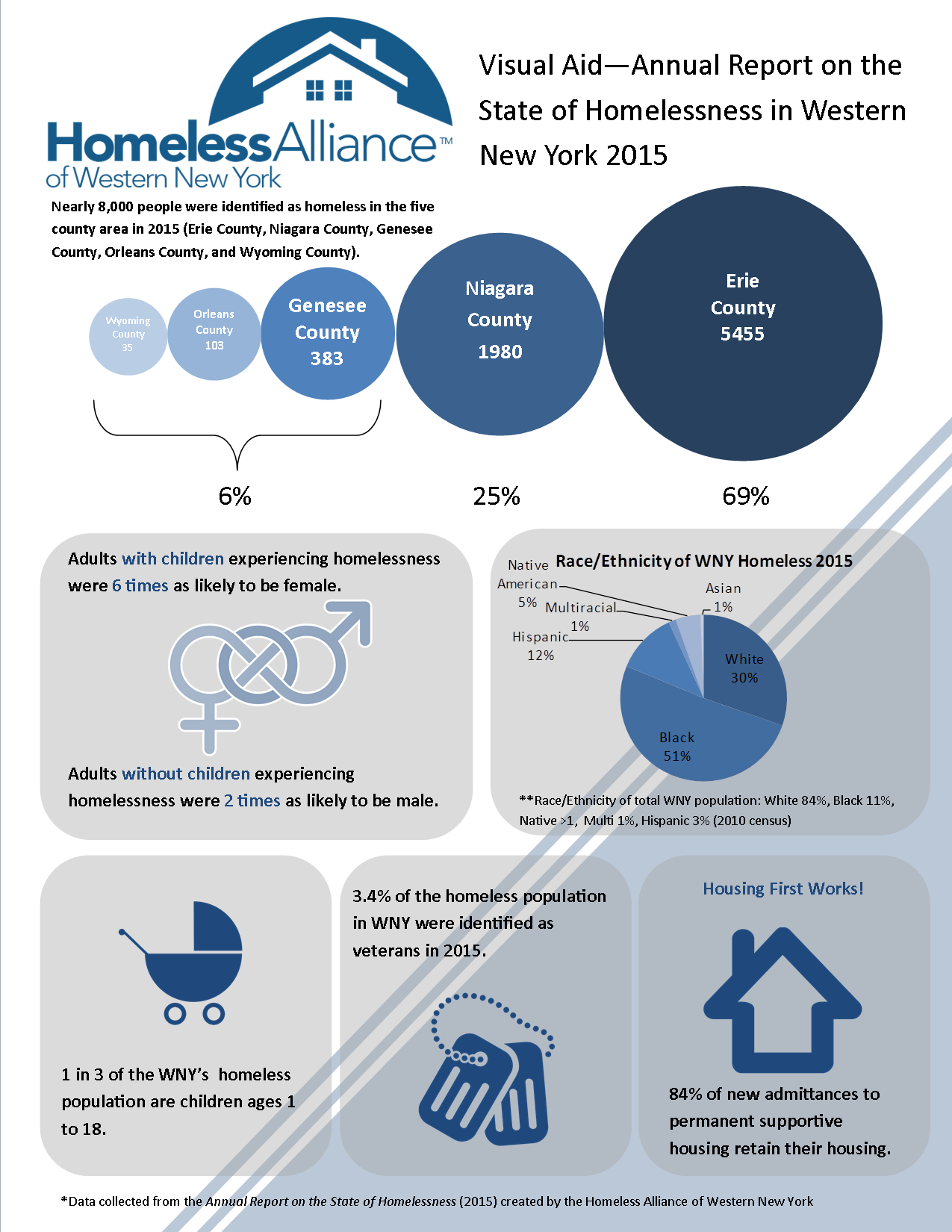
Beautiful 2026 Census Reveals 24% Increase In Homelessness Across Wny Wallpaper in 4K
Experience the crisp clarity of this stunning 2026 census reveals 24% increase in homelessness across wny image, available in high resolution for all your screens.
Detailed 2026 Census Reveals 24% Increase In Homelessness Across Wny Scene Collection
Experience the crisp clarity of this stunning 2026 census reveals 24% increase in homelessness across wny image, available in high resolution for all your screens.

Serene 2026 Census Reveals 24% Increase In Homelessness Across Wny Landscape for Desktop
Transform your screen with this vivid 2026 census reveals 24% increase in homelessness across wny artwork, a true masterpiece of digital design.
Download these 2026 census reveals 24% increase in homelessness across wny wallpapers for free and use them on your desktop or mobile devices.