Bark Dog
The Ultimate Guide to Understanding and Managing Your Bark Dog
If you're reading this, chances are you love your canine companion, but perhaps you’re tired of the constant noise. Dealing with an overly vocal pup—what we lovingly call a "Bark Dog"—can be incredibly frustrating, not just for you but also for your neighbors. It’s important to remember that barking is a natural form of communication for dogs, but excessive barking usually signals an underlying problem.
We’re here to help you decode the barks, understand the root causes, and implement effective strategies to restore peace and quiet to your home. Let's dive deep into why your dog barks and how you can manage this common behavior issue effectively.

Why Do Dogs Bark?
Before you can stop the noise, you need to understand the motivation behind it. Dogs don't just bark to annoy us; they bark because they are communicating a need, an emotion, or a warning. Trying to suppress the barking without addressing the cause is like putting a band-aid on a broken leg—it won’t solve the problem.
Understanding the context is the first step toward effective training. Your specific situation determines whether you are dealing with boredom, anxiety, or territoriality. This critical distinction guides your approach to managing your noisy Bark Dog.

The Six Main Reasons Why Your Bark Dog is Noisy
Most excessive barking falls into one of these six categories. Identifying the correct trigger for your dog is crucial for tailored intervention.
- Territorial/Protective: This barking occurs when people or other animals approach what the dog considers its territory, like the house or yard. It’s usually loud and authoritative.
- Alarm/Fear: Your dog reacts strongly to strange sights, sounds, or smells. This type of barking is often accompanied by fearful body language, like tail tucking or retreating.
- Attention-Seeking: This happens when your dog learns that barking gets a reaction from you, whether it’s a treat, a walk, or even just yelling at them to stop.
- Boredom/Frustration: A dog left alone for long periods without adequate mental or physical stimulation will often turn into a Bark Dog. They are crying out for something to do.
- Separation Anxiety: Barking here occurs only when the dog is left alone. It's usually relentless and often combined with other destructive behaviors or pacing.
- Greeting/Play: This is a happy, excited bark, usually higher pitched and accompanied by a wiggly body. While less problematic, it can still become excessive.
Now that we’ve outlined the common triggers, you need to observe your dog closely. When exactly does the noise start? Who or what is the target?

Decoding the Bark: Understanding Different Sounds
A true Bark Dog uses a complex language. The pitch, intensity, and frequency of the barks tell you a lot about the message your dog is trying to convey. Learning to interpret these sounds helps you react appropriately instead of getting angry or frustrated.
A deep, slow, repetitive bark is a serious warning, often signaling danger or territorial defense. Conversely, short, rapid bursts of medium pitch usually indicate alert or excitement—perhaps someone just arrived at the door.

Is It a Warning or a Hello?
Differentiating between various barks is key to diagnosing the cause. Here are a few common bark patterns and what they typically mean.
- Continuous, Rapid Barking (Medium Range): This means, "There is a problem! Something unusual is happening!" Your dog is alerting the pack (you) that they need backup or assessment.
- Whining Bark (High Pitched): This is almost always related to attention seeking or frustration. "I need something right now, please pay attention to me!"
- Single, Sharp Bark: Often an ‘interrupt’ or startled sound. "What was that?" They might have heard a sudden noise outside or felt something unexpected.
- Low, Menacing Growl/Bark: This is the serious one. "Stay away! I feel threatened and I am prepared to defend myself." Never punish this warning, as it may cause your dog to skip the warning phase next time and go straight to biting.
By tuning into these nuances, you become a better communicator and can begin implementing management techniques targeted at the root cause, not just the noise itself.

Effective Strategies to Manage Your Bark Dog
Managing excessive barking requires consistency, patience, and a multi-faceted approach. We need to focus on reducing the triggers while simultaneously teaching the dog an alternative, quiet behavior.
Remember that punishment rarely works and can actually exacerbate anxiety-related barking. Instead, focus on positive reinforcement and environmental modification.
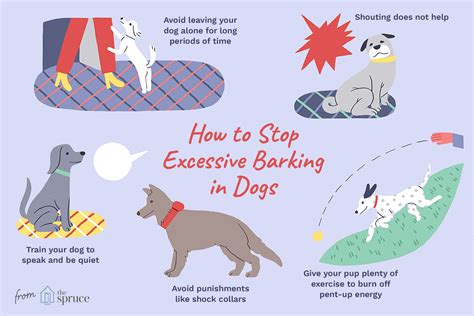
Training Techniques for Excessive Barking
These techniques focus on changing the dog's behavioral response to triggers.
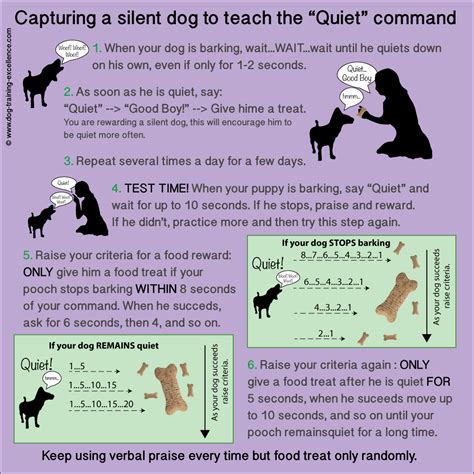
Teach the "Quiet" Command
This is arguably the most important training technique. Start by teaching your Bark Dog to "Speak" on command (using a trigger like knocking, then rewarding the bark). Once they reliably bark, use the "Quiet" command and hold a treat in front of their nose. The moment they stop barking (even for a split second to sniff the treat), reward them immediately. Gradually increase the duration of silence before rewarding.
This teaches your dog to associate silence with positive outcomes, effectively countering the need to bark for attention or relief.
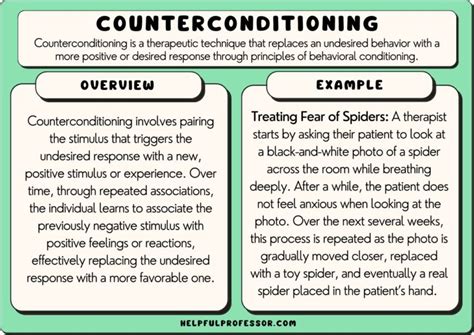
Desensitization and Counter-Conditioning
If your dog barks at specific triggers (like the doorbell or people walking past the window), you need to change their emotional response to that trigger. Start by exposing your dog to the trigger at a low intensity (far away or very quiet volume) while immediately giving them high-value treats.
The goal is that when the doorbell rings, your Bark Dog thinks, "Yay! Treats!" instead of, "Intruder alert!" This requires many repetitions and must be done slowly to avoid overwhelming your dog.

Environmental Management Tips
Sometimes, simply changing the environment is the easiest and quickest fix for a noisy Bark Dog.
- Block the View: If window barking is the issue, use frosted film, blinds, or strategically placed furniture to prevent your dog from seeing outside triggers. "Out of sight, out of mind" truly works here.
- Increase Exercise and Mental Stimulation: A tired dog is a quiet dog. Ensure your dog receives plenty of vigorous physical activity and mental puzzles, like puzzle feeders or scent work, to reduce boredom barking.
- White Noise: Use a fan, radio, or sound machine to mask outdoor noises that might trigger alarm barking. Classical music or specialized canine relaxation tracks can also be beneficial.
- Ignore Attention Barking: If your dog barks to demand toys or attention, completely ignore the noise. Turn your back and walk away. Only interact or reward them when they are quiet. Consistency is paramount here; even one slip-up can reinforce the unwanted behavior.

When to Call a Professional Trainer
While many barking issues can be managed at home, some situations require expert intervention. If the barking is severe, incessant, or accompanied by other serious behavioral issues, it’s time to seek professional help.
Specifically, if you suspect separation anxiety is the cause—characterized by non-stop barking, pacing, or destruction only when you leave—a certified veterinary behaviorist or professional trainer specializing in anxiety should be consulted. These cases are complex and often require a combination of behavior modification and, occasionally, medication prescribed by a vet.
Never hesitate to reach out. Professional help ensures that you are using humane and effective methods tailored specifically to your individual Bark Dog and your unique home environment.

Finding the Right Professional
Look for trainers who use positive reinforcement methods (R+). Avoid anyone who suggests painful tools like shock collars or harsh punitive methods, as these generally increase fear and anxiety, potentially worsening the barking problem in the long run.
Check for certifications such as CCPDT (Certification Council for Professional Dog Trainers) or those affiliated with the IAABC (International Association of Animal Behavior Consultants). These designations assure high standards of ethical and effective training.
Conclusion
Living with a noisy Bark Dog can test your patience, but remember that every bark is a message waiting to be understood. By accurately identifying the reason behind your dog's vocalizations—whether it’s boredom, anxiety, or territoriality—you can choose the right combination of management and training techniques.
Consistency is your superpower here. Teach the "Quiet" command, manage the environment by blocking visual triggers, and ensure your furry friend receives plenty of mental and physical enrichment. With dedication and positive reinforcement, you can transform your excessive Bark Dog into a calmer, quieter, and happier companion. Peace and quiet are definitely within reach!
Frequently Asked Questions (FAQ) About Barking Dogs
- What is the first step I should take to stop my dog from barking?
- The very first step is identification. You must determine the specific trigger for the barking (e.g., mail carrier, doorbell, being alone). Observe when, where, and at whom your Bark Dog directs its noise.
- Should I ever yell at my Bark Dog to make them stop?
- No. Yelling often makes the problem worse. If your dog is attention-seeking, yelling reinforces the behavior because they are getting a reaction. If they are alarm barking, yelling may make them think you are joining their "alarm party," increasing their intensity.
- Do anti-bark collars work?
- While some deterrent collars (like citronella sprays) can interrupt barking, they do not address the root behavioral or emotional cause. Electronic shock collars are generally discouraged by modern trainers as they rely on pain/fear and can damage trust and cause severe anxiety. Focus on positive training instead.
- How long does it take to train a dog to stop excessive barking?
- The time frame varies greatly depending on the cause, the dog's history, and your consistency. For simple boredom barking, you might see improvement in a few weeks. For deeply ingrained territorial barking or severe separation anxiety, it may take several months of dedicated training and environmental management.
- If my dog barks at people outside the window, should I punish them?
- Never punish this behavior. Instead, manage the environment by covering the windows. If you can’t cover the windows, use desensitization training: reward your dog for looking at the trigger quietly, teaching them that calmness, not barking, earns rewards.