Chalmers wants to fix inequality. But the latest figures show the wealth gap is growing
Chalmers wants to fix inequality. But the latest figures show the wealth gap is growing
The economic landscape of 2026 is witnessing a profound paradox. While Australian Treasurer Jim Chalmers has anchored his political identity and the upcoming federal budget on the concept of intergenerational fairness and narrowing the divide, fresh data suggests the mountain is only getting steeper. For millions of Australians, the promise of a more egalitarian society feels increasingly distant as asset prices soar for the wealthy while the middle class and young families find themselves locked out of the very mechanisms that build security. The tension between government intention and market reality has reached a boiling point, making the 2026 budget one of the most anticipated and scrutinized in recent Australian history.
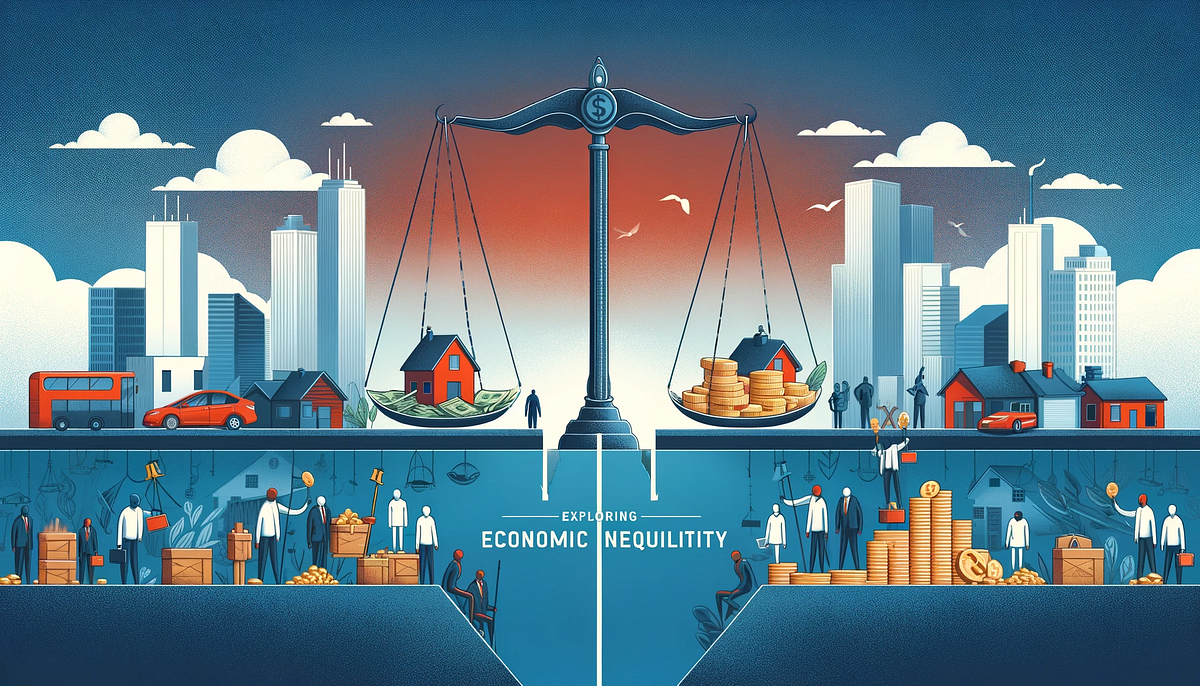
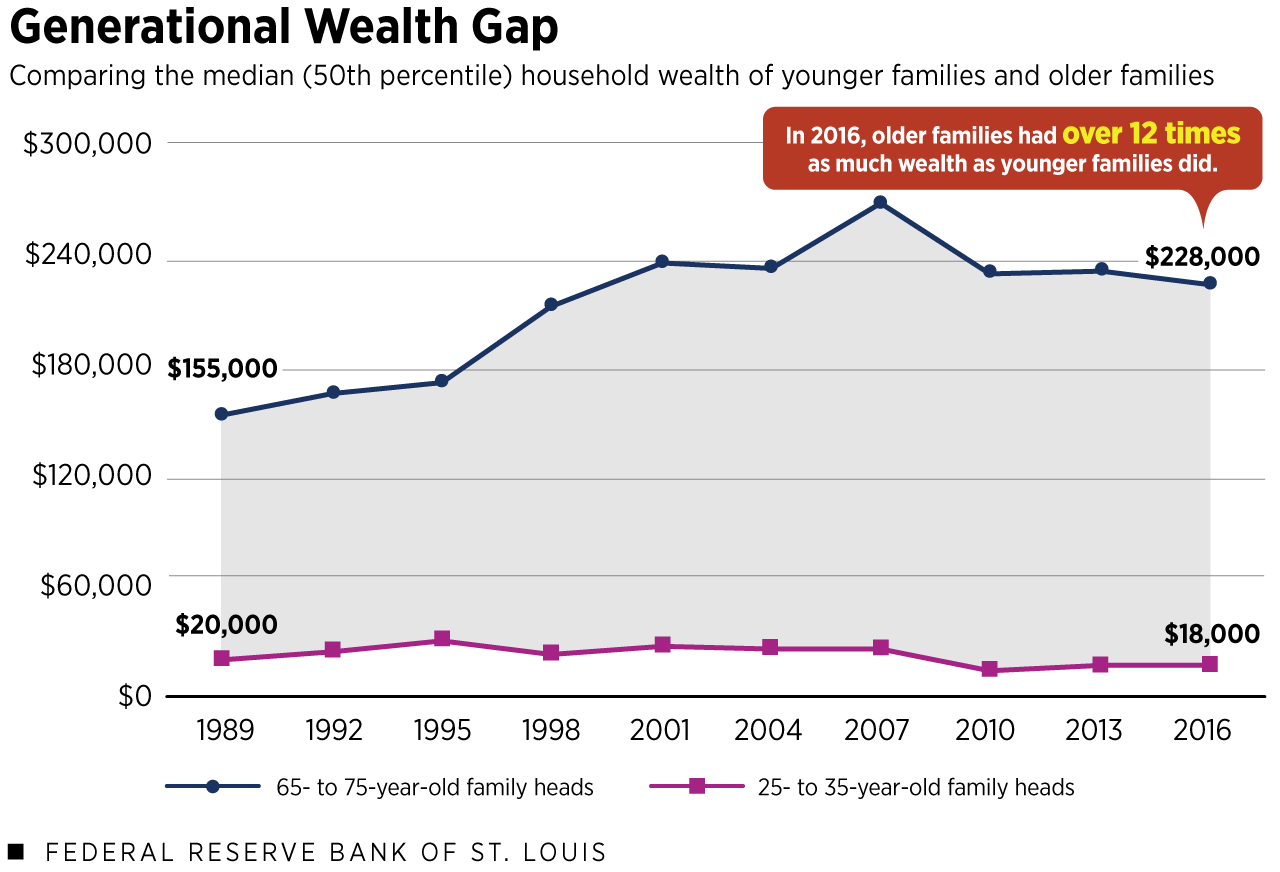
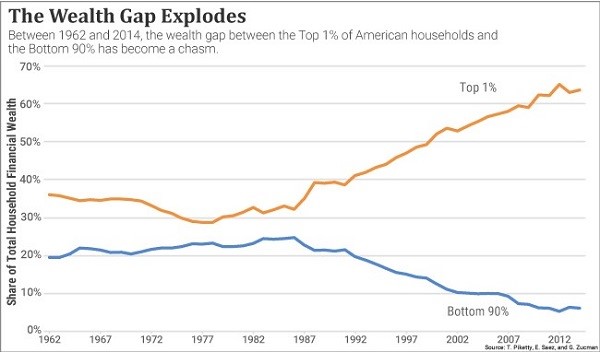
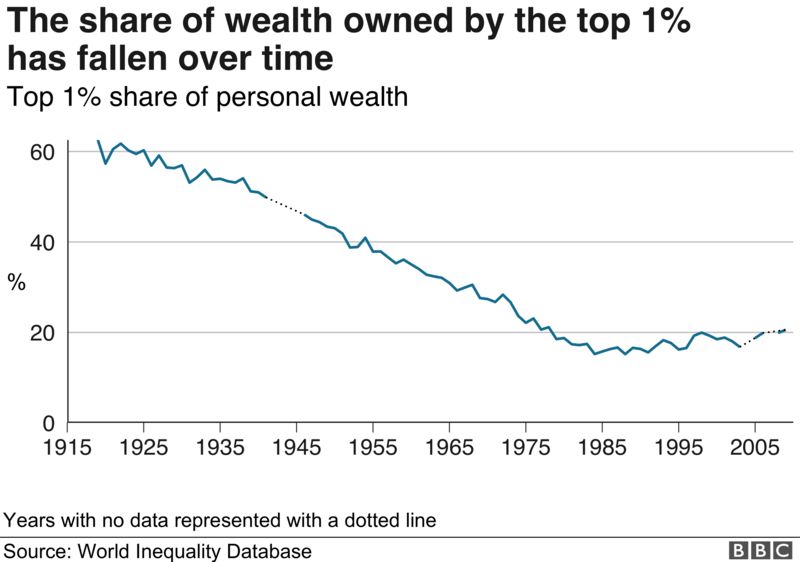
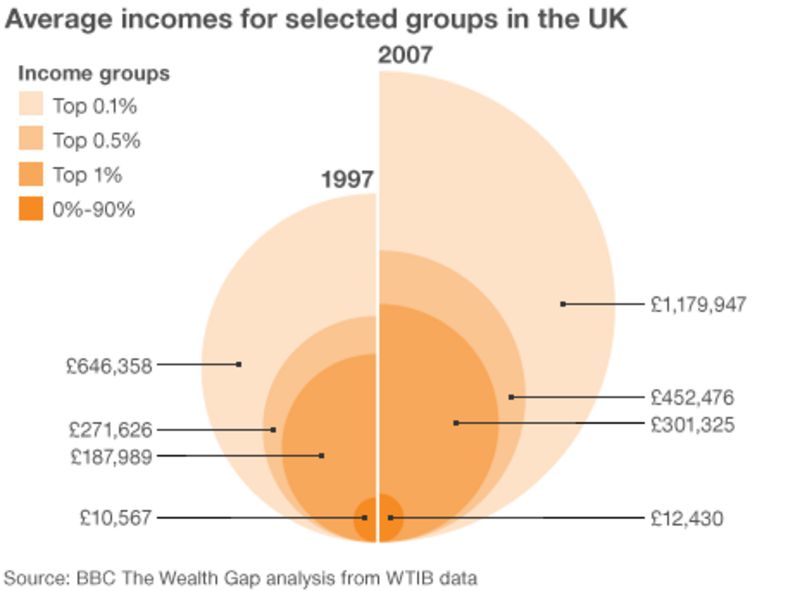
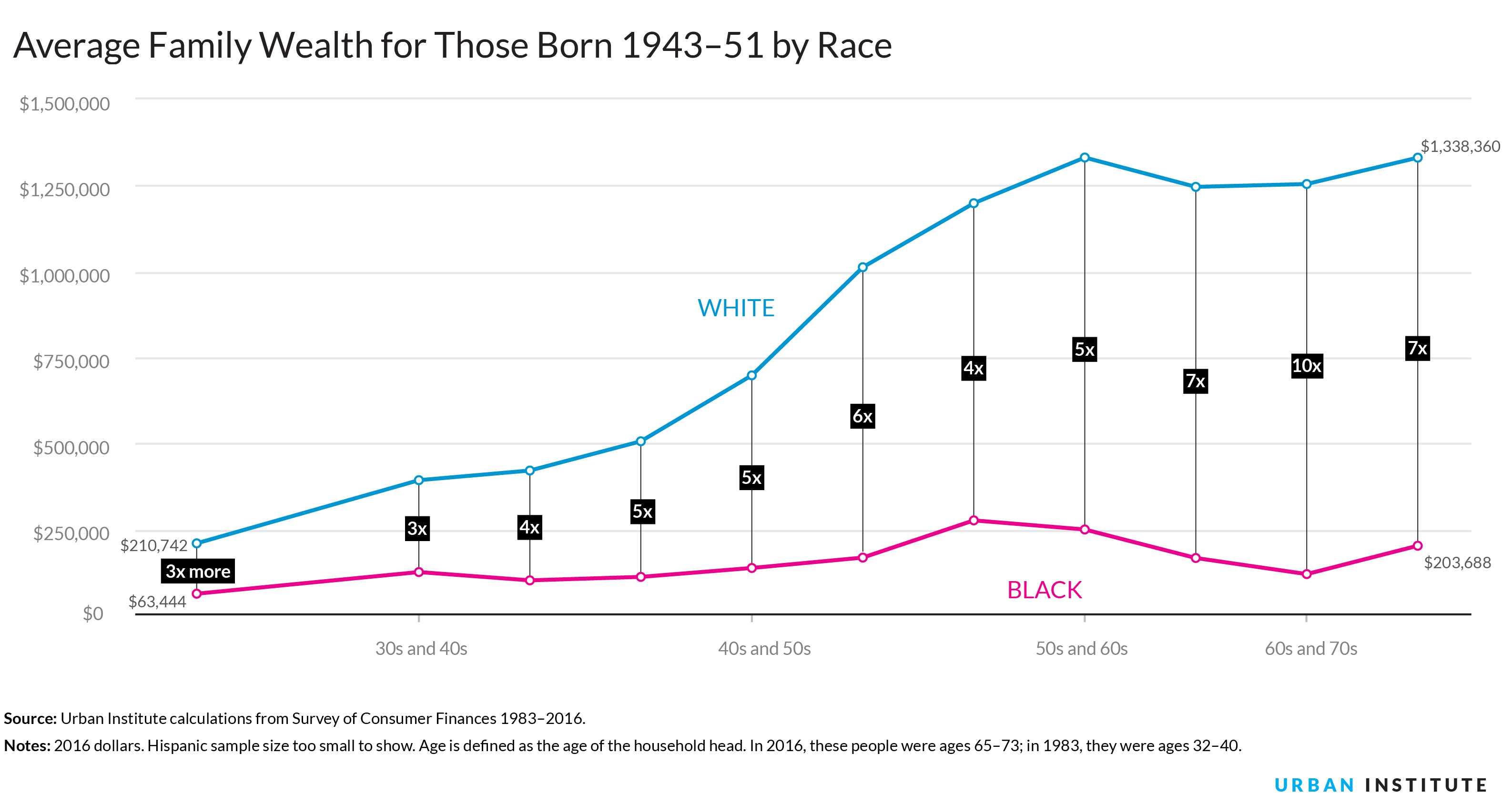
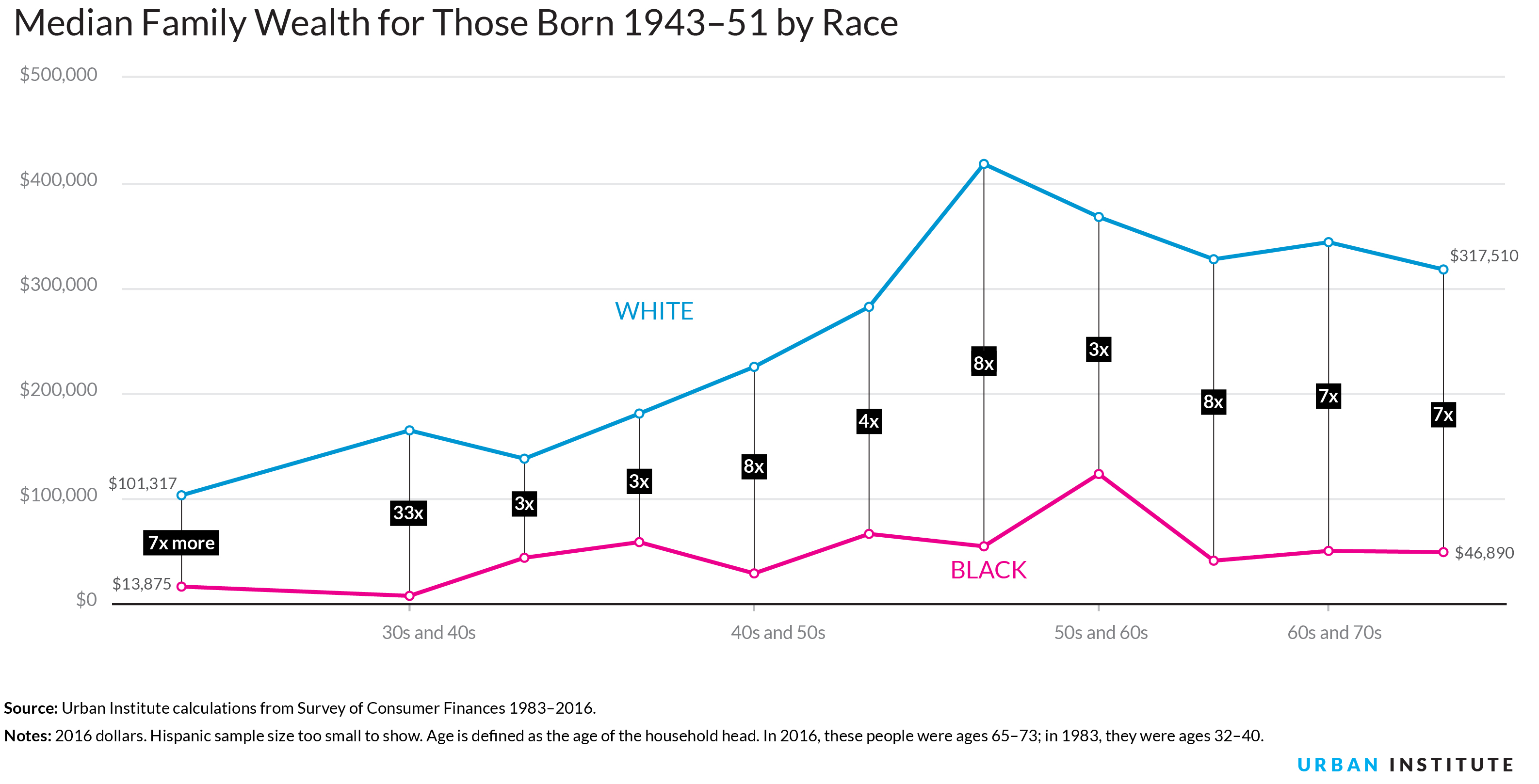
According to the latest 2026 economic indicators and the World Inequality Report, the wealth gap in Australia and globally has reached historic extremes. In Australia, the middle class—defined as households with net wealth between $300,000 and $900,000—has shrunk to less than 28% of the population, down from 34% a decade ago. Meanwhile, the top 1% of households continue to see their wealth grow at nearly twice the rate of the bottom half. Treasurer Jim Chalmers has flagged significant tax reforms, including potential changes to capital gains tax and negative gearing, to address this "intergenerational unfairness," yet market forces fueled by high property values and stock market gains continue to drive the richest families further ahead of the rest.
The Intergenerational Divide: Why the 2026 Budget is Different
For decades, the Australian economic story was one of a "fair go," where hard work and education were the primary tickets to a stable middle-class life. However, as we approach the May 12, 2026 budget, that narrative is being fundamentally rewritten. Jim Chalmers has been vocal about the "intergenerational anxieties" that are now a defining feature of Australian life. It is no longer just about income; it is about the structural inability of younger generations to enter the housing market or build significant assets compared to their parents.
The Treasurer has described the current state of affairs as "intergenerational unfairness." This isn't just political rhetoric; it's backed by the reality that nearly half of Australians aged 18 to 29 are still living with their parents. The economic ladder has lost several rungs. While the government has previously taken "bite-sized chunks" at reform, the 2026 budget is being framed as a moment for "substantial tax reform." The goal is to shift the needle on inequality by targeting the tax concessions that have historically favored older, wealthier asset owners at the expense of those trying to get a "toehold" in the market.
The Growing Wealth Gap: Startling Statistics for 2026
The latest figures from the World Inequality Report 2026 and local analysis from firms like KPMG present a grim picture of the divide. Globally, billionaire wealth rose by more than 16% in 2025 alone, reaching a record $18.3 trillion. In Australia, the disparity is mirrored in the property market. Those who were already "in" the market five years ago have seen their equity explode, while those on the outside have seen the price of admission rise far beyond wage growth.
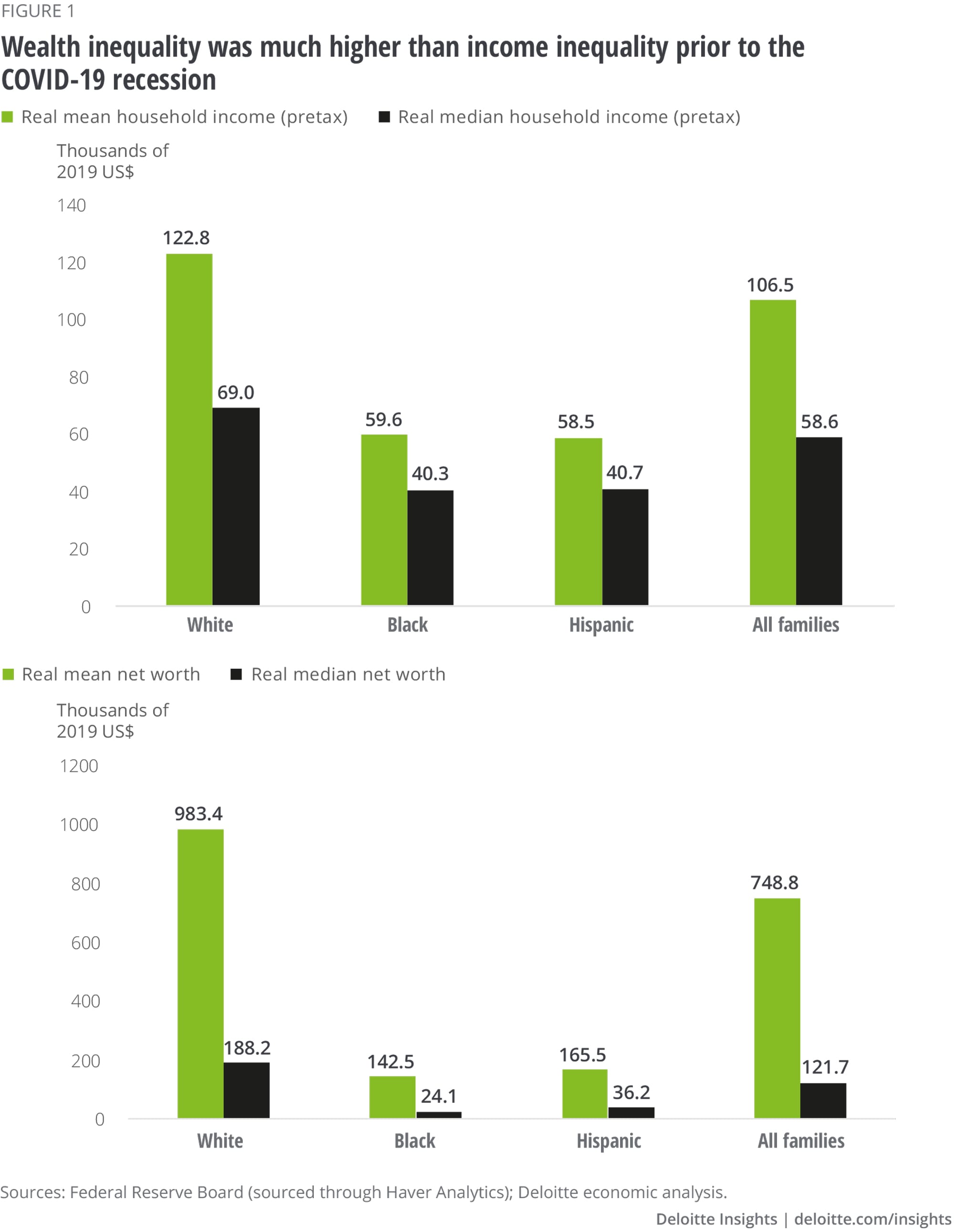
The "median" household wealth figure often hides the true story. While the average Australian household might look wealthier on paper due to rising home prices, the median figure shows a stagnation for the bottom 50%. The concentration of wealth is such that the top 0.001% of the global population now holds three times more wealth than the entire bottom half of humanity combined. In Australia, the "K-shaped" recovery from the early 2020s has solidified into a permanent structural feature of the economy, where high-income earners enjoy 7.6% spending growth while low-income households struggle with just 1% growth and persistent inflation.
Housing as a Speculative Asset vs. a Human Need
At the heart of Chalmers' battle with inequality is the Australian housing market. For 25 years, policies like the 50% capital gains tax (CGT) discount and negative gearing have worked in tandem to transform residential property into a speculative asset class. This has uncoupled house prices from wages entirely. In 1999, the two grew at roughly the same rate; today, they exist in different universes.
| Income Group | Real Spending Growth (2023-2026) |
|---|---|
| High-Income (>$125k/year) | +7.6% |
| Middle-Income | +3.0% |
| Low-Income (<$40k/year) | +1.0% |
The Treasurer has signaled that the 2026 budget will focus heavily on supply, but supply alone cannot fix a market where investors with deep pockets and tax advantages can outbid first-home buyers. The debate over negative gearing and CGT is no longer just about economics; it's about the soul of the country. If the only way to own a home is to inherit one, the concept of a meritocracy dies. This is the reality Chalmers is attempting to forestall with his "substantial tax package."
The Squeeze on the Australian Middle Class
The shrinking middle class is perhaps the most alarming trend for the stability of the Australian economy. Analysis shows that the "middle" is being hollowed out. Households that previously sat comfortably in the $300k to $900k wealth bracket are either being pushed down by rising debt and cost-of-living pressures or are part of the lucky few who have ascended into the high-wealth brackets through property gains.
This hollowing out has profound implications for consumer demand and social cohesion. Business leaders, often focused on aggregate growth, are beginning to worry about where future demand will come from if the majority of the population is spending most of their income on rent or mortgage repayments. The "wealth effect" only benefits those with assets; for everyone else, rising asset prices are a cost, not a benefit. Chalmers' challenge is to find a way to revitalize the middle class without triggering a collapse in the very assets that support the broader economy.
The Global Context: A World of Extremes
Australia's struggle is not unique. The World Inequality Report 2026 highlights that the global financial system is increasingly "rigged" in favor of those who already hold capital. In 2025, the global top 10% captured 53% of all income and owned a staggering 75% of all personal wealth. This concentration of wealth isn't just an economic issue; it's a political one. Billionaires are now 4,000 times more likely to hold political office than ordinary citizens, giving them an outsized influence on the rules of the game.
This global trend of "billionaire power" is what Oxfam and other organizations are warning against. When wealth is used to buy politics, media, and justice, the ability of governments like the one in Australia to implement progressive change is severely curtailed. Jim Chalmers is operating within this global framework, trying to implement national reforms while facing the headwinds of a global economy that favors the ultra-wealthy.
The Role of Progressive Taxation and Reform
If inequality is "built by politics," as the World Inequality Report suggests, then it can be "unbuilt" by politics. Progressive taxation remains the most powerful tool available to a Treasurer. The speculated changes to the CGT discount and the potential "scrapping" or "scaling back" of negative gearing in the 2026 budget represent a direct attempt to use the tax system as a tool for redistribution and fairness.
However, Chalmers has been careful to manage expectations. He has noted that even if these reforms are implemented, the revenue might not show up immediately. The primary goal isn't just a "cash grab" for the treasury; it's a structural realignment to ensure that the "rules of the game" don't inherently disadvantage the young. Other measures, like the $20,000 instant asset write-off for small businesses and NDIS overhauls, are also part of the broader strategy to create a more efficient and equitable economy.
Climate Change: The New Dimension of Inequality
A significant addition to the 2026 discourse on inequality is the role of climate change. The World Inequality Report 2026 notes that the richest 10% of individuals are responsible for 77% of emissions associated with private capital. Yet, it is the poorest half of humanity that bears three-quarters of the income losses related to climate shocks. In Australia, this translates to regional and rural communities, often with lower average wealth, being the most exposed to extreme weather events and shifting economic realities.
Jim Chalmers has recognized that the green transition must be an equitable one. If the costs of climate adaptation fall on the middle and lower classes while the benefits of new green technologies accrue to wealthy investors, the wealth gap will only widen further. The 2026 budget must therefore balance traditional economic reform with the "climate constraints" that now define the 21st century.
Conclusion: The Road Ahead for Australia
The year 2026 stands as a crossroads for Australia. Treasurer Jim Chalmers has correctly identified that the status quo is unsustainable—a society where wealth is determined more by inheritance than by effort is a society headed for instability. While the latest figures showing a growing wealth gap are discouraging, they also provide the political capital necessary for "difficult decisions."
The success of the 2026 budget will not be measured by the headline GDP growth or the surplus figure alone. It will be measured by whether a young family in Sydney or Melbourne feels they have a slightly better chance of owning their home, and whether a worker in regional Australia feels the economy is finally working for them, not just for the top 1%. The wealth gap is growing, but it is not inevitable. It is the result of choices, and the choices made in the coming weeks will define the Australian economic landscape for a generation.
Frequently Asked Questions (FAQ)
What is Jim Chalmers' plan to fix inequality in the 2026 budget?
Why is the wealth gap in Australia still growing?
What does 'intergenerational fairness' mean in the context of the budget?
How has the Australian middle class changed recently?
What role does climate change play in economic inequality?
Conclusion
In summary, the 2026 economic landscape is a battlefield between progressive policy intent and entrenched market structures. While Jim Chalmers aims to use the federal budget to bridge the widening divide, the sheer momentum of asset-based wealth accumulation remains a formidable opponent. The coming months will reveal if "intergenerational fairness" is a reachable goal or a receding horizon for the Australian people.
https://www.youtube.com/watch?v=A85L7fA9h6QChalmers wants to fix inequality. But the latest figures show the wealth gap is growing
Chalmers wants to fix inequality. But the latest figures show the wealth gap is growing Wallpapers
Collection of chalmers wants to fix inequality. but the latest figures show the wealth gap is growing wallpapers for your desktop and mobile devices.

Amazing Chalmers Wants To Fix Inequality. But The Latest Figures Show The Wealth Gap Is Growing Capture Collection
Transform your screen with this vivid chalmers wants to fix inequality. but the latest figures show the wealth gap is growing artwork, a true masterpiece of digital design.

Lush Chalmers Wants To Fix Inequality. But The Latest Figures Show The Wealth Gap Is Growing Capture Art
This gorgeous chalmers wants to fix inequality. but the latest figures show the wealth gap is growing photo offers a breathtaking view, making it a perfect choice for your next wallpaper.
Crisp Chalmers Wants To Fix Inequality. But The Latest Figures Show The Wealth Gap Is Growing Design for Desktop
Find inspiration with this unique chalmers wants to fix inequality. but the latest figures show the wealth gap is growing illustration, crafted to provide a fresh look for your background.
Mesmerizing Chalmers Wants To Fix Inequality. But The Latest Figures Show The Wealth Gap Is Growing Abstract Photography
Experience the crisp clarity of this stunning chalmers wants to fix inequality. but the latest figures show the wealth gap is growing image, available in high resolution for all your screens.
Artistic Chalmers Wants To Fix Inequality. But The Latest Figures Show The Wealth Gap Is Growing Photo Digital Art
This gorgeous chalmers wants to fix inequality. but the latest figures show the wealth gap is growing photo offers a breathtaking view, making it a perfect choice for your next wallpaper.

Serene Chalmers Wants To Fix Inequality. But The Latest Figures Show The Wealth Gap Is Growing Artwork Nature
Explore this high-quality chalmers wants to fix inequality. but the latest figures show the wealth gap is growing image, perfect for enhancing your desktop or mobile wallpaper.
Detailed Chalmers Wants To Fix Inequality. But The Latest Figures Show The Wealth Gap Is Growing Artwork Art
Transform your screen with this vivid chalmers wants to fix inequality. but the latest figures show the wealth gap is growing artwork, a true masterpiece of digital design.
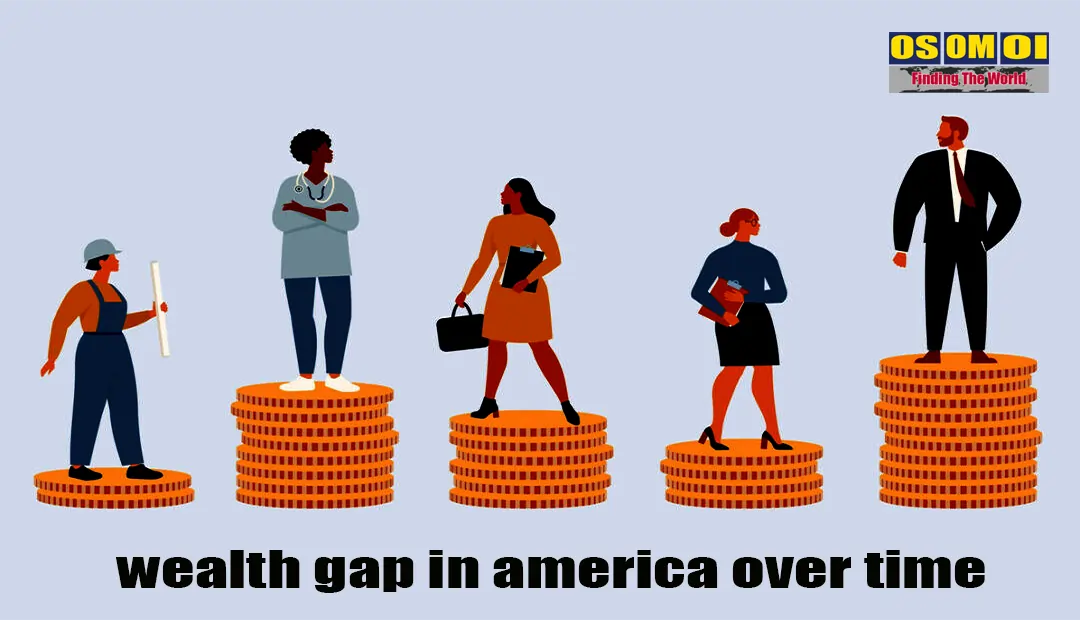
Vivid Chalmers Wants To Fix Inequality. But The Latest Figures Show The Wealth Gap Is Growing Landscape in 4K
Explore this high-quality chalmers wants to fix inequality. but the latest figures show the wealth gap is growing image, perfect for enhancing your desktop or mobile wallpaper.
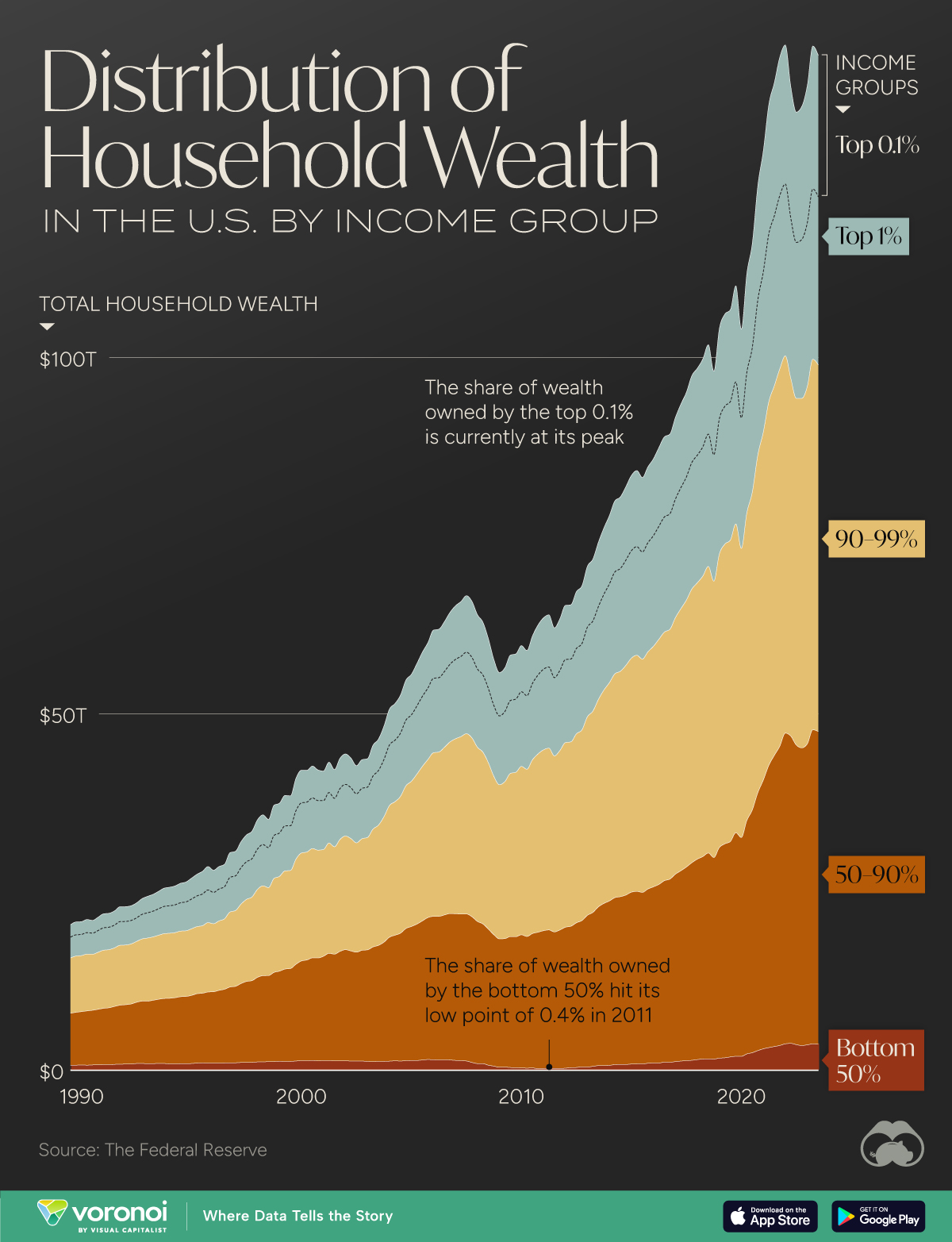
Exquisite Chalmers Wants To Fix Inequality. But The Latest Figures Show The Wealth Gap Is Growing View for Mobile
Find inspiration with this unique chalmers wants to fix inequality. but the latest figures show the wealth gap is growing illustration, crafted to provide a fresh look for your background.
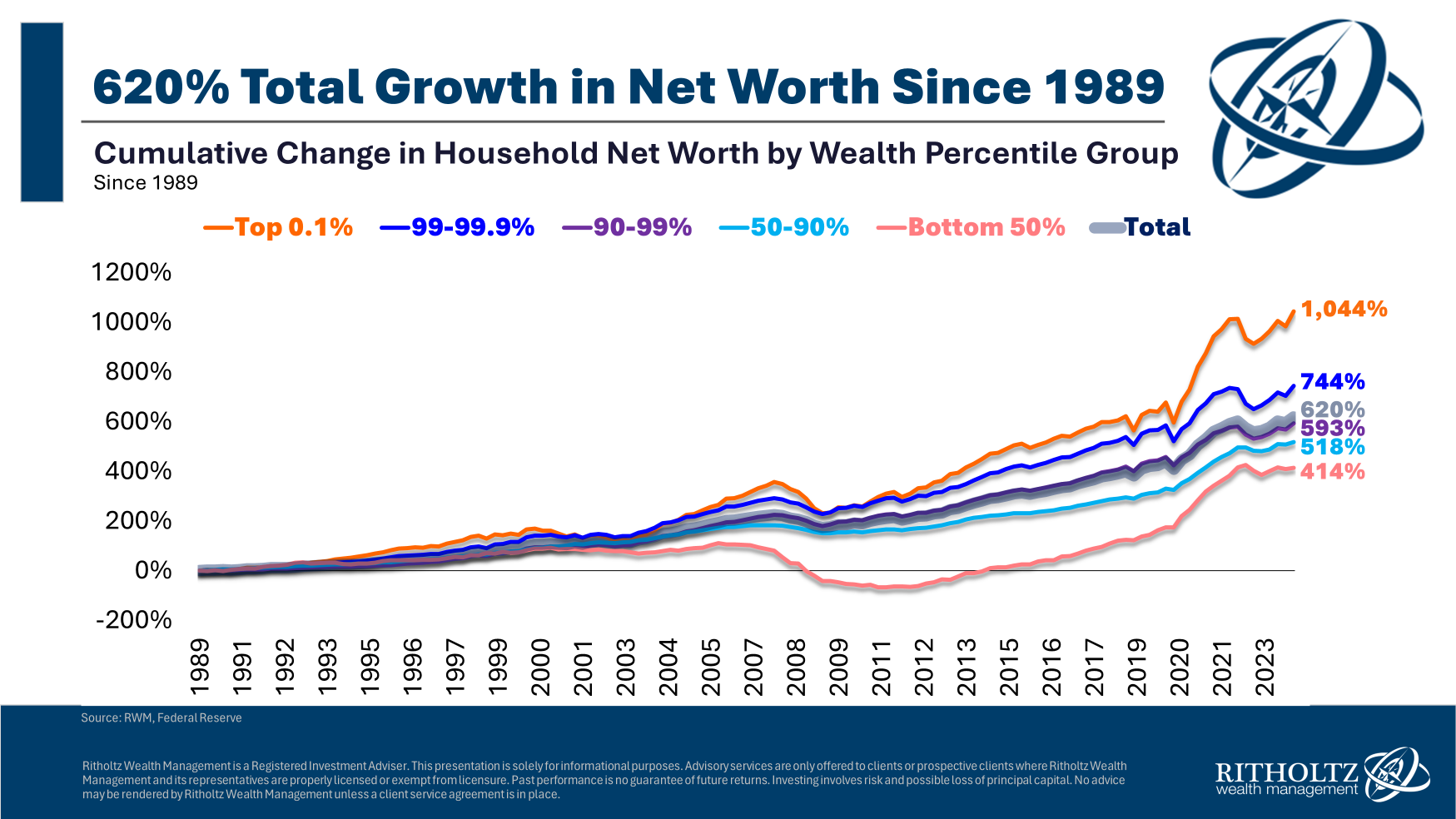
High-Quality Chalmers Wants To Fix Inequality. But The Latest Figures Show The Wealth Gap Is Growing Moment for Desktop
Explore this high-quality chalmers wants to fix inequality. but the latest figures show the wealth gap is growing image, perfect for enhancing your desktop or mobile wallpaper.

Beautiful Chalmers Wants To Fix Inequality. But The Latest Figures Show The Wealth Gap Is Growing Landscape Digital Art
Discover an amazing chalmers wants to fix inequality. but the latest figures show the wealth gap is growing background image, ideal for personalizing your devices with vibrant colors and intricate designs.
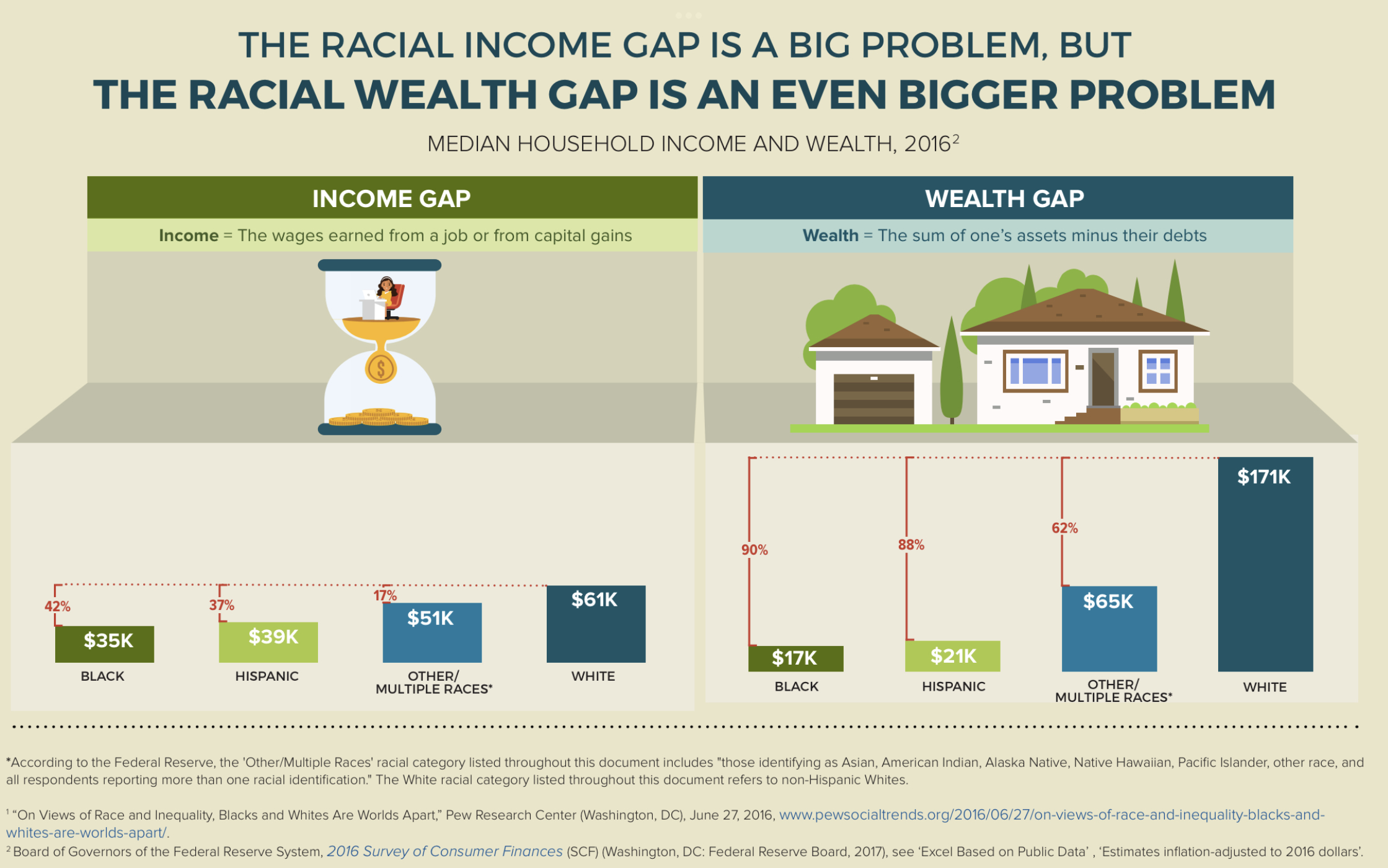
Vibrant Chalmers Wants To Fix Inequality. But The Latest Figures Show The Wealth Gap Is Growing Image Photography
Explore this high-quality chalmers wants to fix inequality. but the latest figures show the wealth gap is growing image, perfect for enhancing your desktop or mobile wallpaper.
Detailed Chalmers Wants To Fix Inequality. But The Latest Figures Show The Wealth Gap Is Growing Photo Digital Art
Explore this high-quality chalmers wants to fix inequality. but the latest figures show the wealth gap is growing image, perfect for enhancing your desktop or mobile wallpaper.

Gorgeous Chalmers Wants To Fix Inequality. But The Latest Figures Show The Wealth Gap Is Growing Artwork for Your Screen
A captivating chalmers wants to fix inequality. but the latest figures show the wealth gap is growing scene that brings tranquility and beauty to any device.

Gorgeous Chalmers Wants To Fix Inequality. But The Latest Figures Show The Wealth Gap Is Growing Abstract Collection
A captivating chalmers wants to fix inequality. but the latest figures show the wealth gap is growing scene that brings tranquility and beauty to any device.
Spectacular Chalmers Wants To Fix Inequality. But The Latest Figures Show The Wealth Gap Is Growing Abstract Photography
Find inspiration with this unique chalmers wants to fix inequality. but the latest figures show the wealth gap is growing illustration, crafted to provide a fresh look for your background.
Lush Chalmers Wants To Fix Inequality. But The Latest Figures Show The Wealth Gap Is Growing Capture in 4K
A captivating chalmers wants to fix inequality. but the latest figures show the wealth gap is growing scene that brings tranquility and beauty to any device.

Beautiful Chalmers Wants To Fix Inequality. But The Latest Figures Show The Wealth Gap Is Growing Design Art
Experience the crisp clarity of this stunning chalmers wants to fix inequality. but the latest figures show the wealth gap is growing image, available in high resolution for all your screens.
Artistic Chalmers Wants To Fix Inequality. But The Latest Figures Show The Wealth Gap Is Growing View Collection
Immerse yourself in the stunning details of this beautiful chalmers wants to fix inequality. but the latest figures show the wealth gap is growing wallpaper, designed for a captivating visual experience.

High-Quality Chalmers Wants To Fix Inequality. But The Latest Figures Show The Wealth Gap Is Growing Artwork for Desktop
Explore this high-quality chalmers wants to fix inequality. but the latest figures show the wealth gap is growing image, perfect for enhancing your desktop or mobile wallpaper.
Download these chalmers wants to fix inequality. but the latest figures show the wealth gap is growing wallpapers for free and use them on your desktop or mobile devices.