Commentary: Beijing intensifies diplomatic isolation of Taiwan’s president
Commentary: Beijing intensifies diplomatic isolation of Taiwan’s president
In a dramatic shift in cross-strait strategy, recent geopolitical maneuvers have highlighted how Beijing intensifies diplomatic isolation of Taiwan’s president through unprecedented aerial and economic tactics. The cancellation of President Lai Ching-te's high-profile diplomatic mission to Eswatini serves as a watershed moment, marking the first time Chinese pressure on third-party nations regarding airspace access has successfully grounded a Taiwanese head of state. This escalating campaign of "winning without fighting" combines sophisticated diplomatic coercion with a clear message to the Taiwanese electorate: global mobility for the island's leadership is no longer a guarantee under the current administration.
Beijing's intensified efforts to isolate Taiwan’s president involve pressuring international partners to deny airspace transit, effectively trapping leadership on the island and eroding Taipei's remaining 12 formal diplomatic relationships. By leveraging economic influence over countries like Madagascar, Mauritius, and Seychelles, China has pioneered a new "sky-blockade" tactic that disrupts state-to-state diplomacy and seeks to undermine the legitimacy of President Lai Ching-te’s administration on the global stage.
The New Sky Blockade: A Shift in Beijing's Tactical Playbook
The recent events surrounding President Lai's travel plans represent more than just a logistical hiccup; they signal a fundamental shift in how the People's Republic of China (PRC) enforces the "One China" principle. Historically, Beijing focused on "poaching" diplomatic allies—persuading them to switch official recognition from Taipei to Beijing. Under the tenure of President Tsai Ing-wen, Taiwan lost ten such partners. However, with only 12 allies remaining, Beijing is turning toward more granular forms of obstruction.
By targeting overflight permissions, Beijing is utilizing a tactic that is difficult for Taiwan to counter through traditional diplomatic channels. Unlike formal recognition, which is a binary state, overflight rights are often technical and subject to sudden administrative changes. The coordinated revocation by three African nations simultaneously suggests a level of strategic orchestration previously unseen in this domain. This "sky blockade" serves as a physical manifestation of the political "salami-slicing" strategy Beijing has used in the South China Sea and the Taiwan Strait.
President Lai Ching-te and the Unprecedented Grounding
For President Lai Ching-te, who took office in 2024, the inability to carry out his diplomatic duties abroad is a significant blow to his administration's "resilience" platform. Lai has emphasized the importance of state-to-state relations as a means of asserting Taiwan's sovereignty. To have a trip canceled because third-party nations—not even the destination country—denied transit is a public relations victory for Beijing and a moment of deep frustration for Taipei.
Analysts suggest that this tactic specifically targets Lai, whom Beijing has labeled a "separatist" and "illegitimate." By preventing him from being seen alongside other world leaders, China aims to diminish his standing both internationally and domestically. This creates a narrative that under the Democratic Progressive Party (DPP), Taiwan is becoming a "pariah state," isolated and unable to even fly through international airspace without Chinese permission.
Economic Coercion and Influence in Africa
The role of Madagascar, Mauritius, and Seychelles in this diplomatic drama underscores China's immense economic leverage in the Global South. As a major lender and infrastructure developer under the Belt and Road Initiative, Beijing possesses significant "checkbook diplomacy" power. In the case of these African nations, the risk of offending their primary economic benefactor far outweighs any benefit from maintaining technical cooperation with Taiwan.
This incident highlights the vulnerability of Taiwan's remaining diplomatic network. Many of its allies are small or economically developing nations that are susceptible to Chinese pressure. If Beijing can successfully close the skies over Africa to Taiwanese leadership, there is little to stop them from attempting similar maneuvers in the Caribbean, Latin America, or the Pacific Islands, where Taiwan's remaining 12 allies are concentrated.
The U.S. Response and the Trump-Xi Dynamic
The international community, led by the United States, has been quick to condemn these actions as an "intimidation campaign." However, the timing is particularly sensitive. With a major summit between U.S. President Donald Trump and Chinese President Xi Jinping scheduled for mid-May, the U.S. is walking a tightrope. While the Trump administration has increased arms sales to Taiwan, its "transactional" approach to foreign policy leaves Taipei nervous.
Beijing is likely using this isolation tactic to test U.S. resolve. If the U.S. does not push back forcefully against the denial of airspace transit, Beijing may interpret it as a sign that the international community is willing to tolerate a "new normal" of restricted travel for Taiwanese officials. The U.S. State Department's criticism is a start, but without concrete counter-measures, the sky blockade could become a permanent fixture of cross-strait relations.
| Key Aspect of Isolation | Description and Impact |
|---|---|
| Airspace Revocation | Madagascar, Mauritius, and Seychelles denied transit rights at Beijing's request. |
| Diplomatic Partners | Taiwan is now down to 12 formal diplomatic allies worldwide. |
| Economic Leverage | Beijing uses debt and infrastructure projects to sway third-party nations. |
| Political Narrative | China aims to frame the DPP as a liability to Taiwan's global standing. |
The 2028 Election: Shaping the Domestic Political Chessboard
Internal observers believe that Beijing's intensification of diplomatic isolation is aimed squarely at the next Taiwan presidential election in 2028. By making life difficult for the current DPP administration, Beijing hopes to convince the Taiwanese electorate that only a more "China-friendly" leader—such as those from the Kuomintang (KMT)—can ensure stability and international access.
The contrast is being intentionally sharpened. While President Lai is grounded, KMT leaders like Cheng Li-wun are invited to Beijing for high-profile meetings and offered economic "carrots" such as trade incentives and tourism. This "dual-track" strategy—punishing the DPP while rewarding the KMT—is a classic United Front tactic designed to exacerbate internal political divisions within Taiwan.
Winning Without Fighting: The Sun Tzu Strategy
Beijing’s strategy, often described as "winning without fighting," draws heavily from traditional Chinese military philosophy. The goal is to create a situation where the cost of resistance for Taiwan becomes so high—and the benefits of accommodation so apparent—that the island eventually concludes that reunification is inevitable. Diplomatic isolation is a crucial pillar of this strategy, along with military incursions and economic boycotts.
By removing Taiwan from international organizations and now restricting the movement of its president, Beijing is effectively attempting to "de-state" Taiwan. If the world stops treating Taiwan’s leaders like heads of state, the argument for its sovereignty weakens over time. This slow erosion of status is, in many ways, more dangerous than a direct military invasion, as it avoids triggering a decisive international military response while achieving the same long-term objective.
The Role of International Organizations and UN Resolution 2758
Central to China's legal justification for this isolation is its interpretation of UN Resolution 2758. Beijing argues that the resolution confirms its sovereignty over Taiwan and precludes Taiwan from participating in any international body or receiving the privileges of a sovereign state. Taiwan and several legal experts argue that the resolution only dealt with the representation of China at the UN and did not address the status of Taiwan itself.
However, Beijing’s narrative has gained significant traction in many international secretariats and among the capitals of the Global South. This legalistic approach provides a veneer of legitimacy to actions like the revocation of overflight rights, as countries can claim they are simply adhering to "international law" and the "One China" principle as defined by the UN.
Future Scenarios: Will the Sky Blockade Expand?
The critical question for 2026 and beyond is whether this is a one-off event or a permanent new tactic. Given the success of the Eswatini grounding, it is highly likely that Beijing will deploy this maneuver again. We may see similar pressure applied when Taiwanese officials attempt to travel to Europe, the Pacific, or even transit through certain parts of the Middle East.
Taiwan’s Ministry of Foreign Affairs is now forced to rethink its travel logistics entirely. This may involve longer, more expensive flight paths that avoid the airspace of any country susceptible to Chinese pressure, or relying more heavily on transits through the United States and its closest allies. However, even these routes are not immune to political shifts, making the future of Taiwanese diplomacy more uncertain than ever.
FAQ
Why did President Lai have to cancel his trip to Eswatini?
How many diplomatic allies does Taiwan currently have?
What is the "One China" principle?
Is the denial of airspace a new tactic for China?
What is the "winning without fighting" strategy?
Conclusion
The intensification of Beijing's diplomatic isolation of Taiwan’s president marks a sophisticated and troubling chapter in the cross-strait conflict. By turning the global aviation network into a tool of political warfare, China has successfully restricted the international reach of Taiwan’s democratically elected leadership. This "sky blockade," combined with ongoing economic coercion and military intimidation, creates a multi-dimensional squeeze on the island. For the international community, the challenge lies in deciding whether to accept this "new normal" or to develop innovative diplomatic counter-measures that ensure Taiwan remains a visible and connected participant on the world stage. As 2028 approaches, the battle for Taiwan’s global identity will only become more intense.
Commentary: Beijing intensifies diplomatic isolation of Taiwan’s president
Commentary: Beijing intensifies diplomatic isolation of Taiwan’s president Wallpapers
Collection of commentary: beijing intensifies diplomatic isolation of taiwan’s president wallpapers for your desktop and mobile devices.
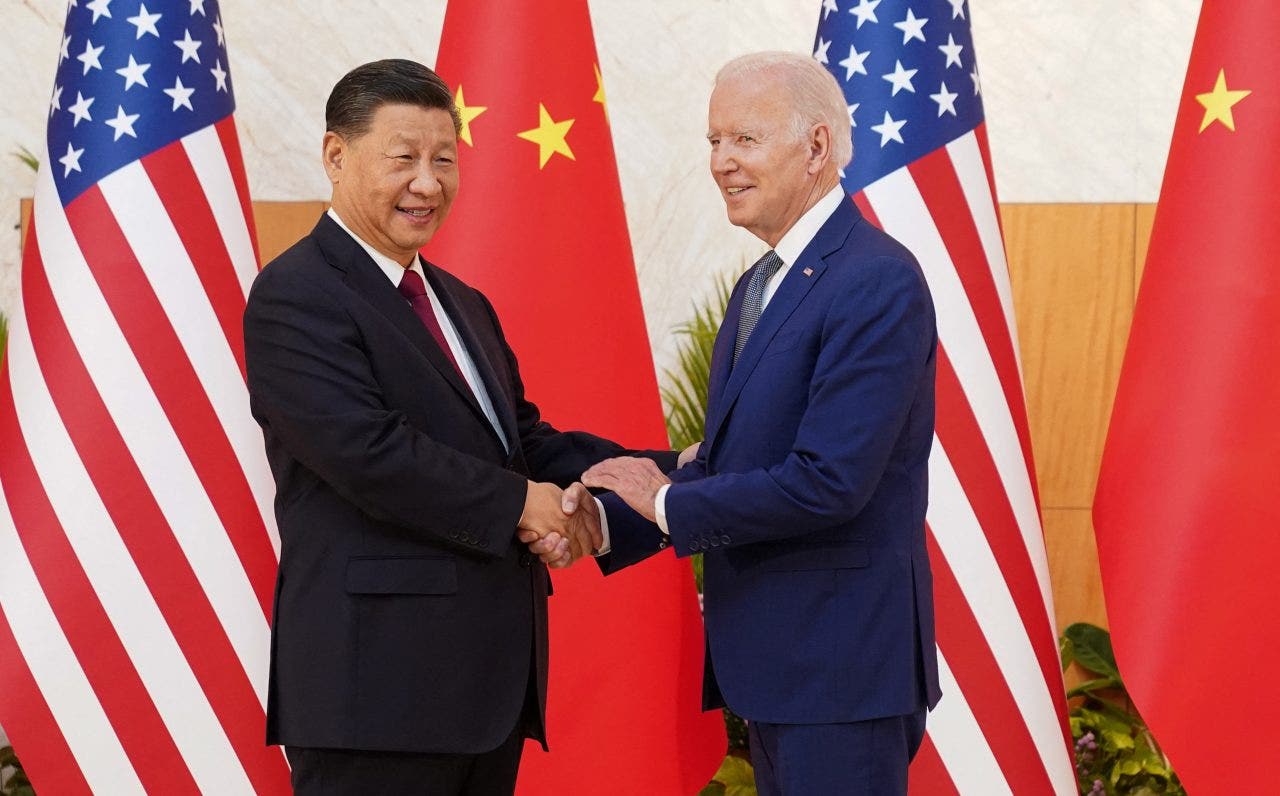
Amazing Commentary: Beijing Intensifies Diplomatic Isolation Of Taiwan’s President Image in 4K
Transform your screen with this vivid commentary: beijing intensifies diplomatic isolation of taiwan’s president artwork, a true masterpiece of digital design.

Stunning Commentary: Beijing Intensifies Diplomatic Isolation Of Taiwan’s President Landscape Illustration
Find inspiration with this unique commentary: beijing intensifies diplomatic isolation of taiwan’s president illustration, crafted to provide a fresh look for your background.
Serene Commentary: Beijing Intensifies Diplomatic Isolation Of Taiwan’s President Photo Digital Art
Experience the crisp clarity of this stunning commentary: beijing intensifies diplomatic isolation of taiwan’s president image, available in high resolution for all your screens.
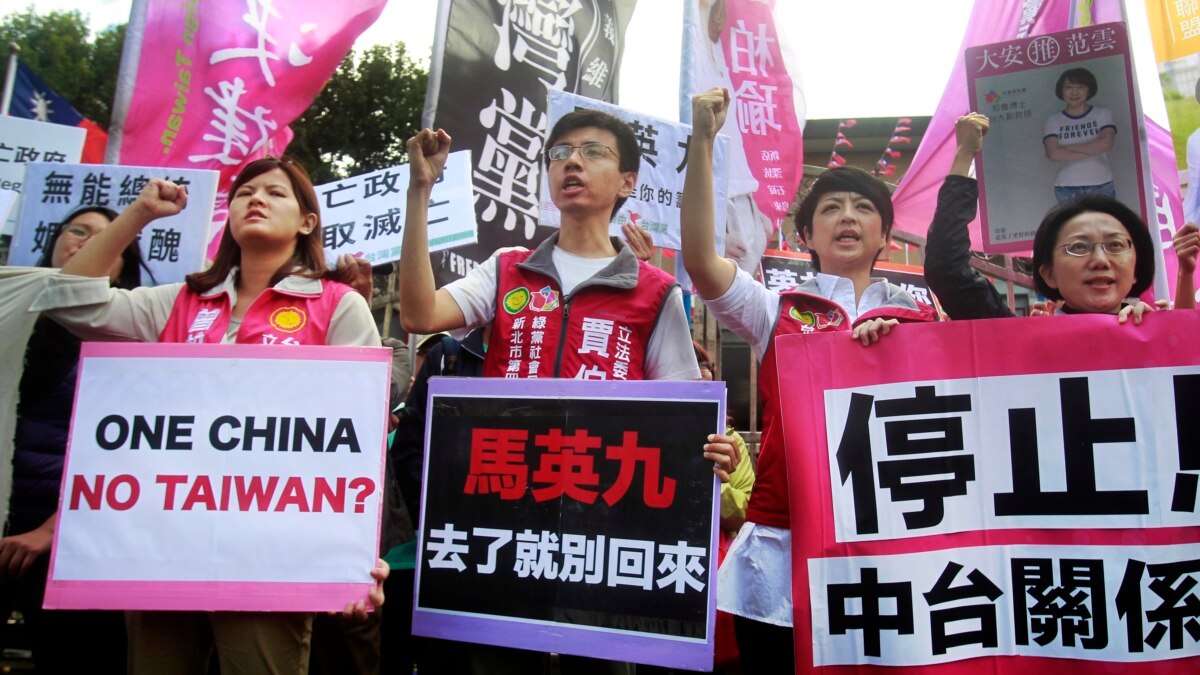
Detailed Commentary: Beijing Intensifies Diplomatic Isolation Of Taiwan’s President Wallpaper Collection
Experience the crisp clarity of this stunning commentary: beijing intensifies diplomatic isolation of taiwan’s president image, available in high resolution for all your screens.

Serene Commentary: Beijing Intensifies Diplomatic Isolation Of Taiwan’s President Design for Desktop
Transform your screen with this vivid commentary: beijing intensifies diplomatic isolation of taiwan’s president artwork, a true masterpiece of digital design.
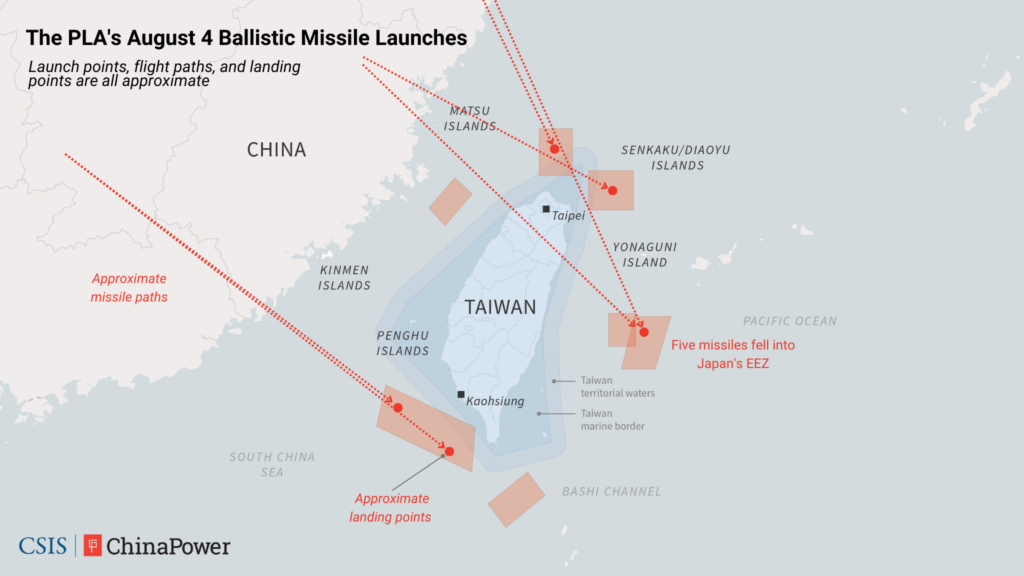
Beautiful Commentary: Beijing Intensifies Diplomatic Isolation Of Taiwan’s President Moment for Desktop
Explore this high-quality commentary: beijing intensifies diplomatic isolation of taiwan’s president image, perfect for enhancing your desktop or mobile wallpaper.
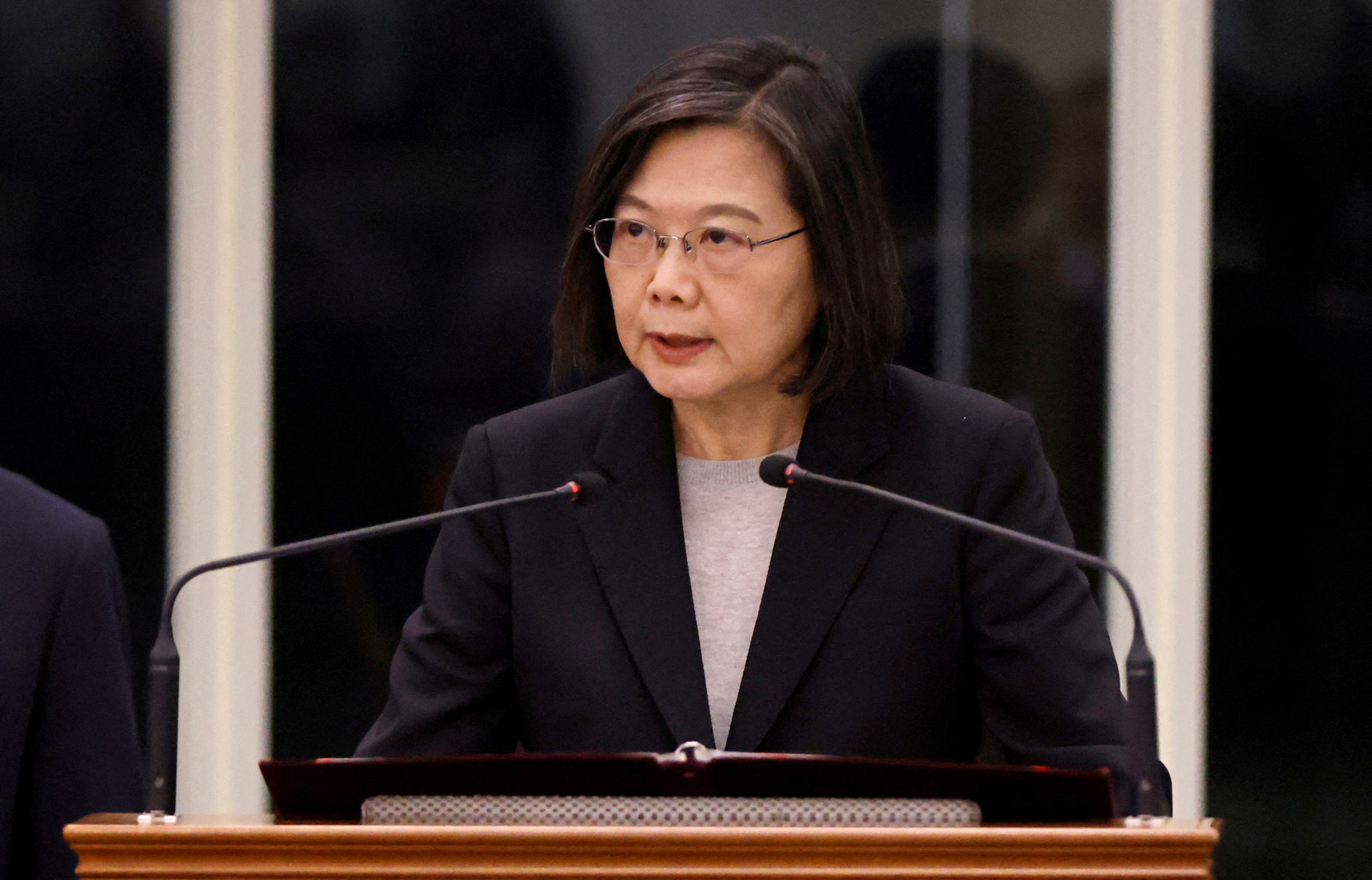
Exquisite Commentary: Beijing Intensifies Diplomatic Isolation Of Taiwan’s President Image Nature
Find inspiration with this unique commentary: beijing intensifies diplomatic isolation of taiwan’s president illustration, crafted to provide a fresh look for your background.

High-Quality Commentary: Beijing Intensifies Diplomatic Isolation Of Taiwan’s President Landscape for Your Screen
Explore this high-quality commentary: beijing intensifies diplomatic isolation of taiwan’s president image, perfect for enhancing your desktop or mobile wallpaper.
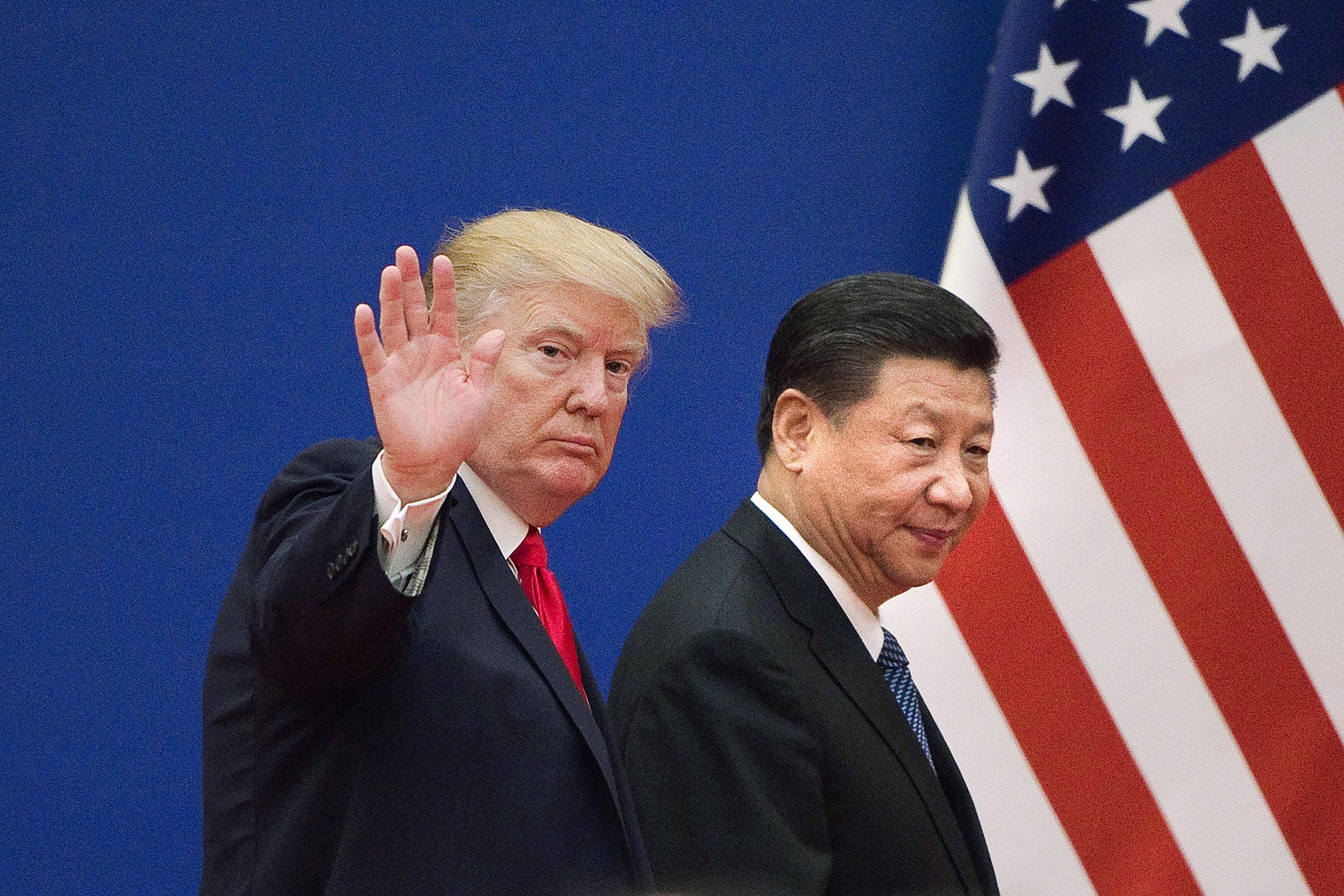
Vibrant Commentary: Beijing Intensifies Diplomatic Isolation Of Taiwan’s President Image for Mobile
Explore this high-quality commentary: beijing intensifies diplomatic isolation of taiwan’s president image, perfect for enhancing your desktop or mobile wallpaper.

Detailed Commentary: Beijing Intensifies Diplomatic Isolation Of Taiwan’s President Wallpaper Art
Discover an amazing commentary: beijing intensifies diplomatic isolation of taiwan’s president background image, ideal for personalizing your devices with vibrant colors and intricate designs.

Spectacular Commentary: Beijing Intensifies Diplomatic Isolation Of Taiwan’s President View Digital Art
Immerse yourself in the stunning details of this beautiful commentary: beijing intensifies diplomatic isolation of taiwan’s president wallpaper, designed for a captivating visual experience.

Crisp Commentary: Beijing Intensifies Diplomatic Isolation Of Taiwan’s President Moment Illustration
Immerse yourself in the stunning details of this beautiful commentary: beijing intensifies diplomatic isolation of taiwan’s president wallpaper, designed for a captivating visual experience.
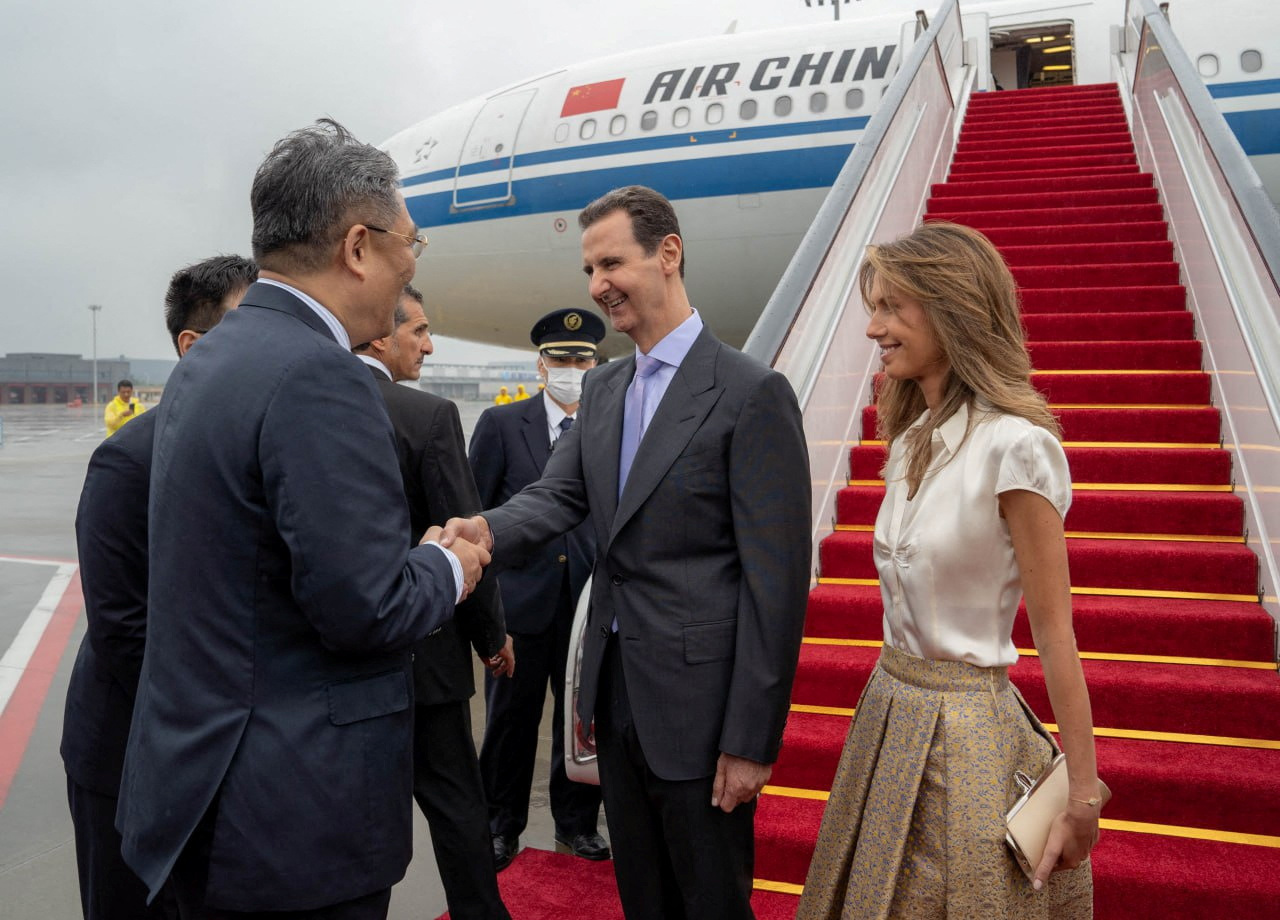
High-Quality Commentary: Beijing Intensifies Diplomatic Isolation Of Taiwan’s President Abstract in HD
Experience the crisp clarity of this stunning commentary: beijing intensifies diplomatic isolation of taiwan’s president image, available in high resolution for all your screens.
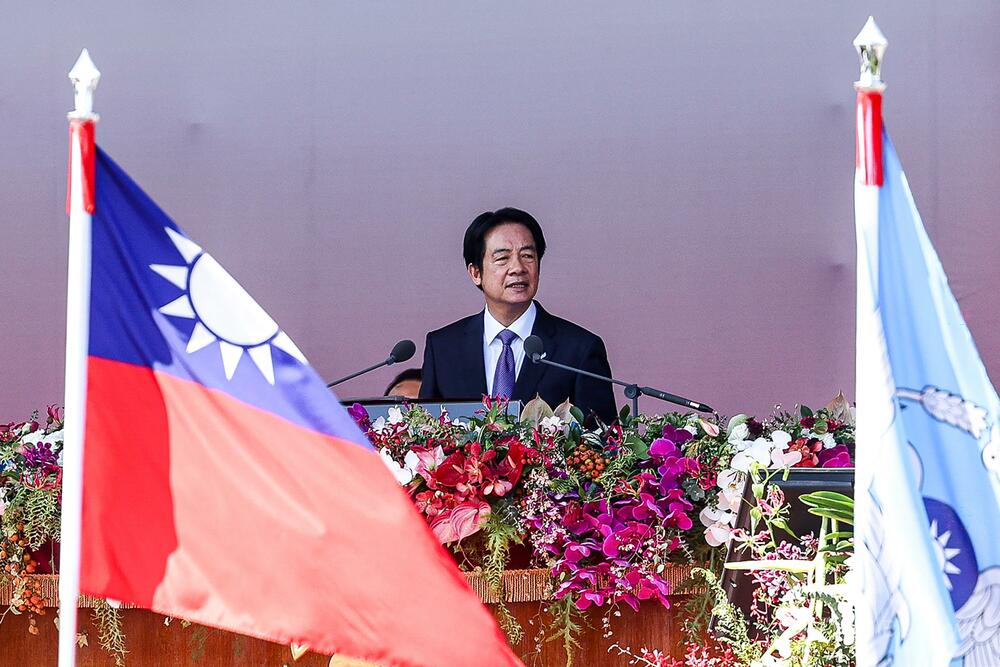
Crisp Commentary: Beijing Intensifies Diplomatic Isolation Of Taiwan’s President Image for Your Screen
Find inspiration with this unique commentary: beijing intensifies diplomatic isolation of taiwan’s president illustration, crafted to provide a fresh look for your background.

Vibrant Commentary: Beijing Intensifies Diplomatic Isolation Of Taiwan’s President Image Art
Transform your screen with this vivid commentary: beijing intensifies diplomatic isolation of taiwan’s president artwork, a true masterpiece of digital design.

Artistic Commentary: Beijing Intensifies Diplomatic Isolation Of Taiwan’s President Photo in HD
This gorgeous commentary: beijing intensifies diplomatic isolation of taiwan’s president photo offers a breathtaking view, making it a perfect choice for your next wallpaper.

Dynamic Commentary: Beijing Intensifies Diplomatic Isolation Of Taiwan’s President View Digital Art
This gorgeous commentary: beijing intensifies diplomatic isolation of taiwan’s president photo offers a breathtaking view, making it a perfect choice for your next wallpaper.

Detailed Commentary: Beijing Intensifies Diplomatic Isolation Of Taiwan’s President Capture Art
Discover an amazing commentary: beijing intensifies diplomatic isolation of taiwan’s president background image, ideal for personalizing your devices with vibrant colors and intricate designs.

Spectacular Commentary: Beijing Intensifies Diplomatic Isolation Of Taiwan’s President Landscape Digital Art
Immerse yourself in the stunning details of this beautiful commentary: beijing intensifies diplomatic isolation of taiwan’s president wallpaper, designed for a captivating visual experience.
Vivid Commentary: Beijing Intensifies Diplomatic Isolation Of Taiwan’s President Artwork Digital Art
Discover an amazing commentary: beijing intensifies diplomatic isolation of taiwan’s president background image, ideal for personalizing your devices with vibrant colors and intricate designs.
Download these commentary: beijing intensifies diplomatic isolation of taiwan’s president wallpapers for free and use them on your desktop or mobile devices.