easter island
easter island
Easter Island, known locally as Rapa Nui, remains one of the most mysterious and captivating destinations on the planet. This remote Chilean territory, located thousands of miles from the nearest mainland, continues to dominate global travel trends and archaeological discussions due to its iconic moai statues. Recent scientific breakthroughs and a growing focus on sustainable tourism have brought this "Navel of the World" back into the headlines, as researchers use advanced DNA analysis and environmental modeling to rewrite the history of its ancient civilization. Whether you are a history buff, an adventure seeker, or a curious traveler, understanding the evolving story of Easter Island is essential for grasping the resilience of human culture in the face of extreme isolation.
Featured Snippet: What is Easter Island famous for? Easter Island is globally renowned for its nearly 1,000 monumental stone statues called moai, created by the indigenous Rapa Nui people between the 13th and 16th centuries. It is also famous for being one of the most remote inhabited islands in the world, its unique Polynesian culture, and its status as a UNESCO World Heritage Site.
The Geographic Isolation of Rapa Nui
Easter Island is often described as being in the middle of nowhere, and for good reason. It is located in the southeastern Pacific Ocean, approximately 2,300 miles (3,700 km) west of Chile and 1,200 miles (1,900 km) east of Pitcairn Island. This extreme isolation shaped a civilization that developed in total solitude for centuries. The island itself is a volcanic triangle, formed by three extinct volcanoes—Mount Terevaka, Poike, and Rano Kau—joined by their own lava flows. Covering only about 63 square miles, the island’s landscape is a mix of rugged volcanic cliffs, rolling grassy hills, and dramatic craters that hold freshwater lakes.
The climate is subtropical, characterized by sunny and dry conditions. While January through March are the warmest months, the island experiences significant variations in rainfall, with June and July typically being the wettest. This unique environment, while beautiful, presented significant challenges for the early settlers, who had to adapt to limited natural resources and a lack of large timber for construction and seafaring.
The Mystery of the Moai Statues
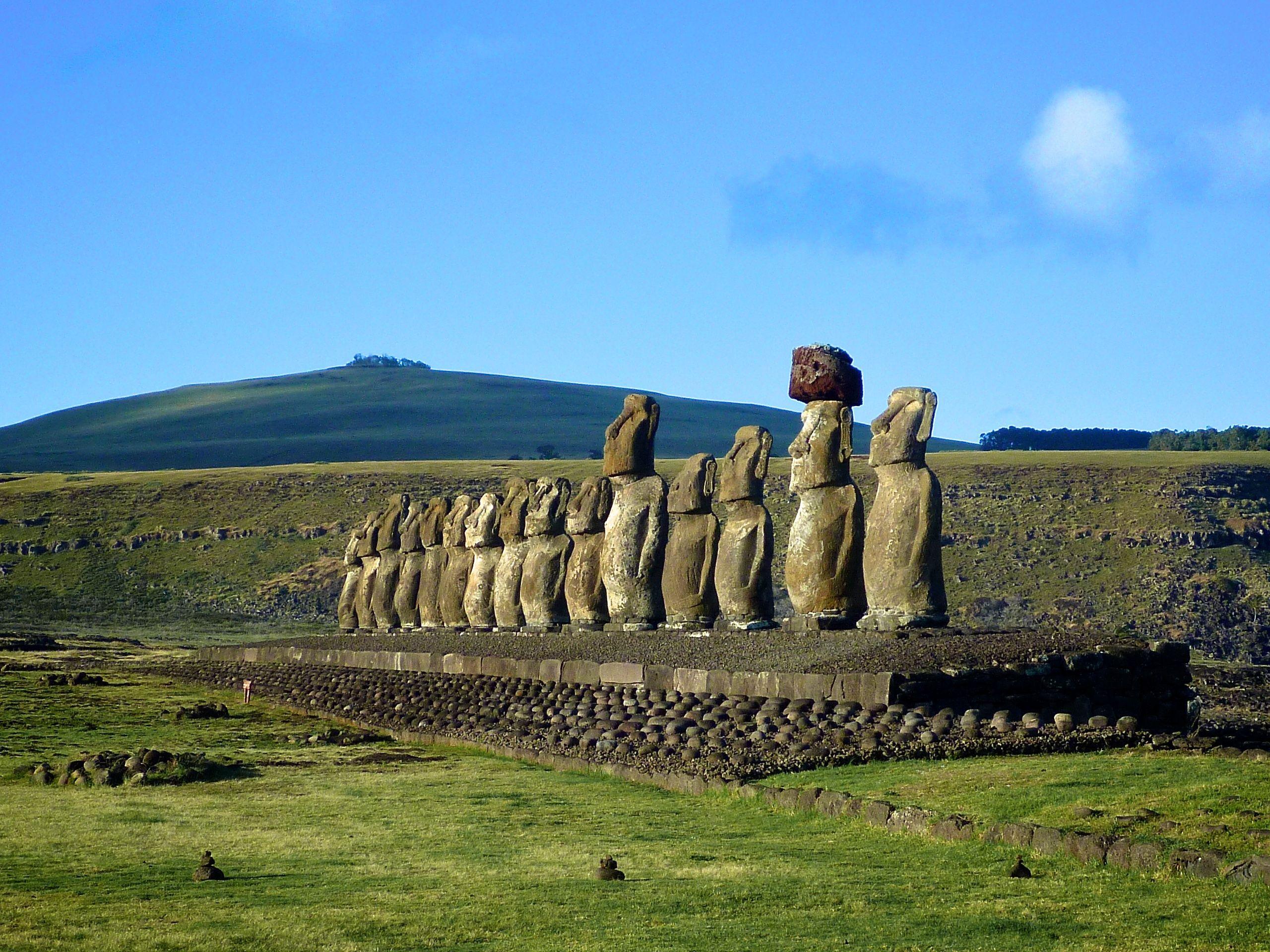
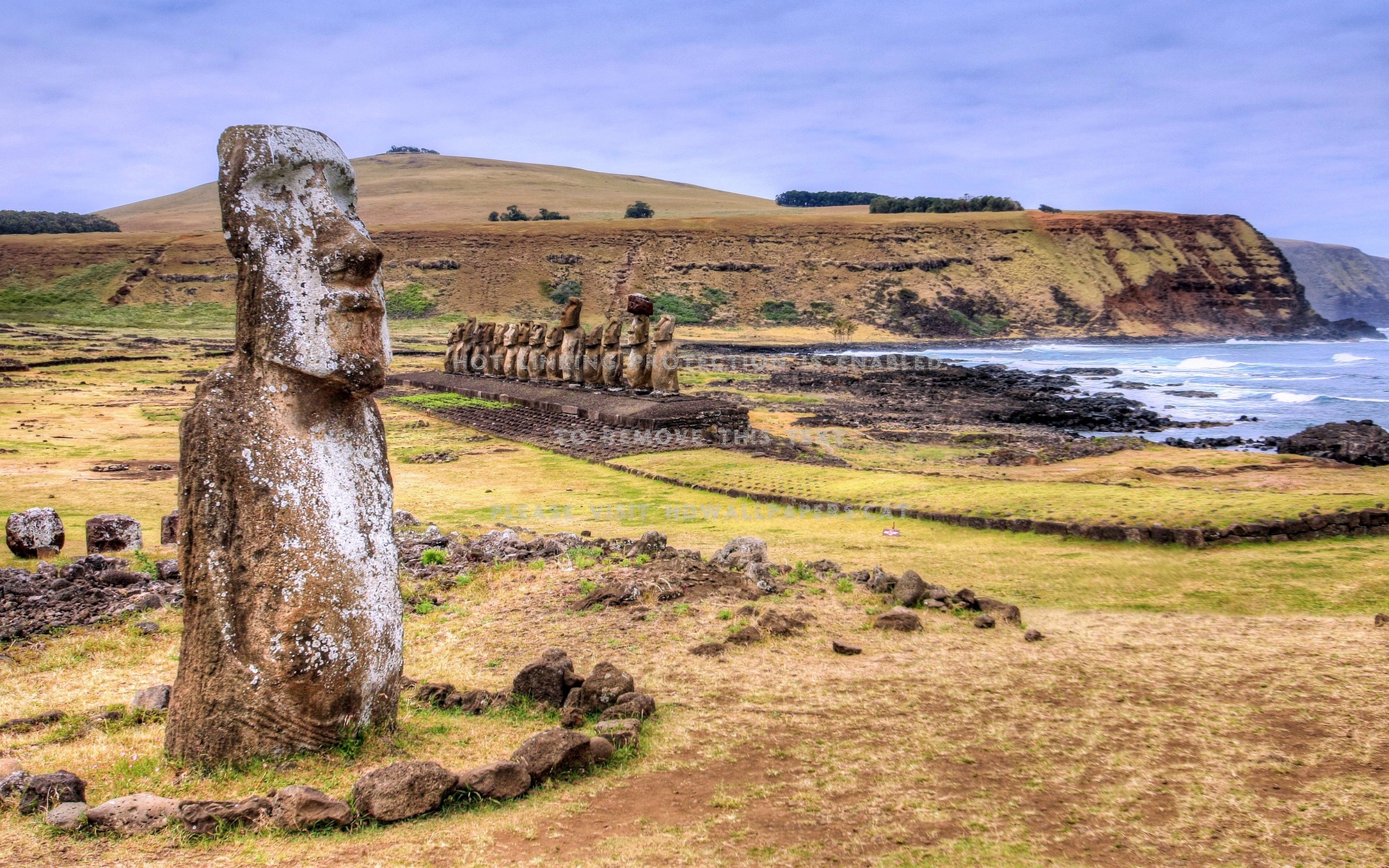
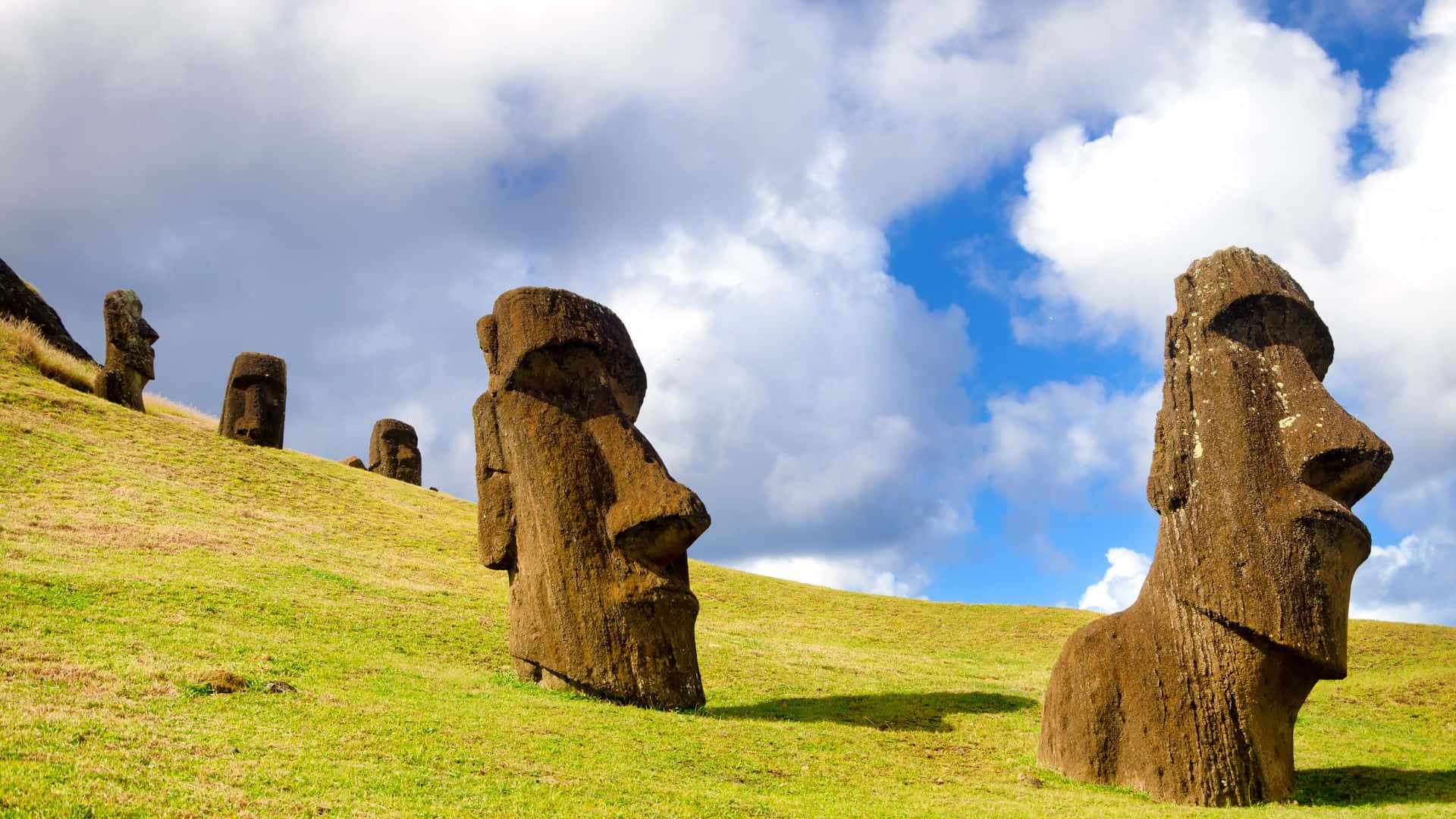
The most recognizable feature of Easter Island is undoubtedly the moai. These monolithic human figures represent the ancestors of the Rapa Nui people and were believed to project "mana" or supernatural power to protect the community. There are approximately 900 statues scattered across the island, with many still located in the Rano Raraku quarry, where they were carved from soft volcanic tuff.
The statues vary in size, with the largest standing over 30 feet tall and weighing more than 80 tons. For decades, the primary mystery was how a civilization without wheels, draft animals, or cranes moved these massive megaliths up to 11 miles across the island. Recent experiments have suggested that the statues may have been "walked" into place using a system of ropes and synchronized rocking motions, a theory that aligns with Rapa Nui oral traditions stating the statues "walked" to their platforms, or ahu.
The Rise and Resilience of Rapa Nui Civilization
Contrary to older "ecocide" theories that suggested the Rapa Nui people accidentally destroyed their environment and triggered a societal collapse, modern research paints a picture of a highly resilient society. Early settlers, likely led by the legendary King Hotu Matu'a, arrived from other Polynesian islands between 800 and 1200 AD. They brought with them chickens, sweet potatoes, and sugarcane, establishing a complex social structure divided into clans.
While deforestation did occur—likely due to a combination of land clearing and the introduction of the Polynesian rat—the population adapted by developing innovative agricultural techniques, such as rock gardens (lithic mulching) to protect soil moisture and nutrients. This allowed the civilization to thrive and continue their monumental construction projects for hundreds of years. The decline that was observed by early European explorers was more likely the result of internal conflicts and, later, the devastating impact of European contact, including diseases and slave raids.
| Aspect | Details |
|---|---|
| Indigenous Name | Rapa Nui |
| Administrative Status | Special Territory of Chile |
| Highest Point | Mount Terevaka (1,969 ft) |
| UNESCO Listing | Inscribed in 1995 |
| Primary Statues | Moai (approx. 900) |
European Contact and Historical Impact
The first recorded European contact occurred on Easter Sunday, April 5, 1722, when Dutch Admiral Jacob Roggeveen landed on the island. He named it "Paaseiland" or Easter Island in honor of the day. Subsequent visits by Spanish, French, and British explorers, including Captain James Cook in 1774, documented a population in transition. By the late 18th century, many of the moai had been toppled, a sign of shifting religious practices or clan warfare.
The 19th century was the darkest period in the island's history. In the 1860s, Peruvian slave raiders kidnapped nearly half the population, including the king and the learned elders who could read the unique "Rongorongo" script. When the few survivors returned, they brought smallpox and other diseases that further decimated the remaining inhabitants, at one point leaving only 111 native Rapa Nui people alive. In 1888, Chile officially annexed the island, marking the beginning of a new era of integration and eventually, the restoration of Rapa Nui rights.
The Birdman Cult and Orongo
As the moai-building era declined, a new religious tradition emerged: the Tangata Manu, or Birdman cult. Centered at the ceremonial village of Orongo on the rim of the Rano Kau volcano, this cult involved an annual competition between clans. Participants had to swim through shark-infested waters to the nearby islet of Motu Nui, retrieve the first egg of the sooty tern, and return it safely to the mainland.
The winner’s clan leader was named the Birdman for the year, enjoying high status and sacred privileges. This transition in belief systems is evident in the intricate petroglyphs found at Orongo, which depict bird-human hybrids. This shift highlights the cultural adaptability of the Rapa Nui people as they moved away from ancestor worship towards a system that resolved resource competition through ritualized sport.
Modern Tourism and Conservation Challenges
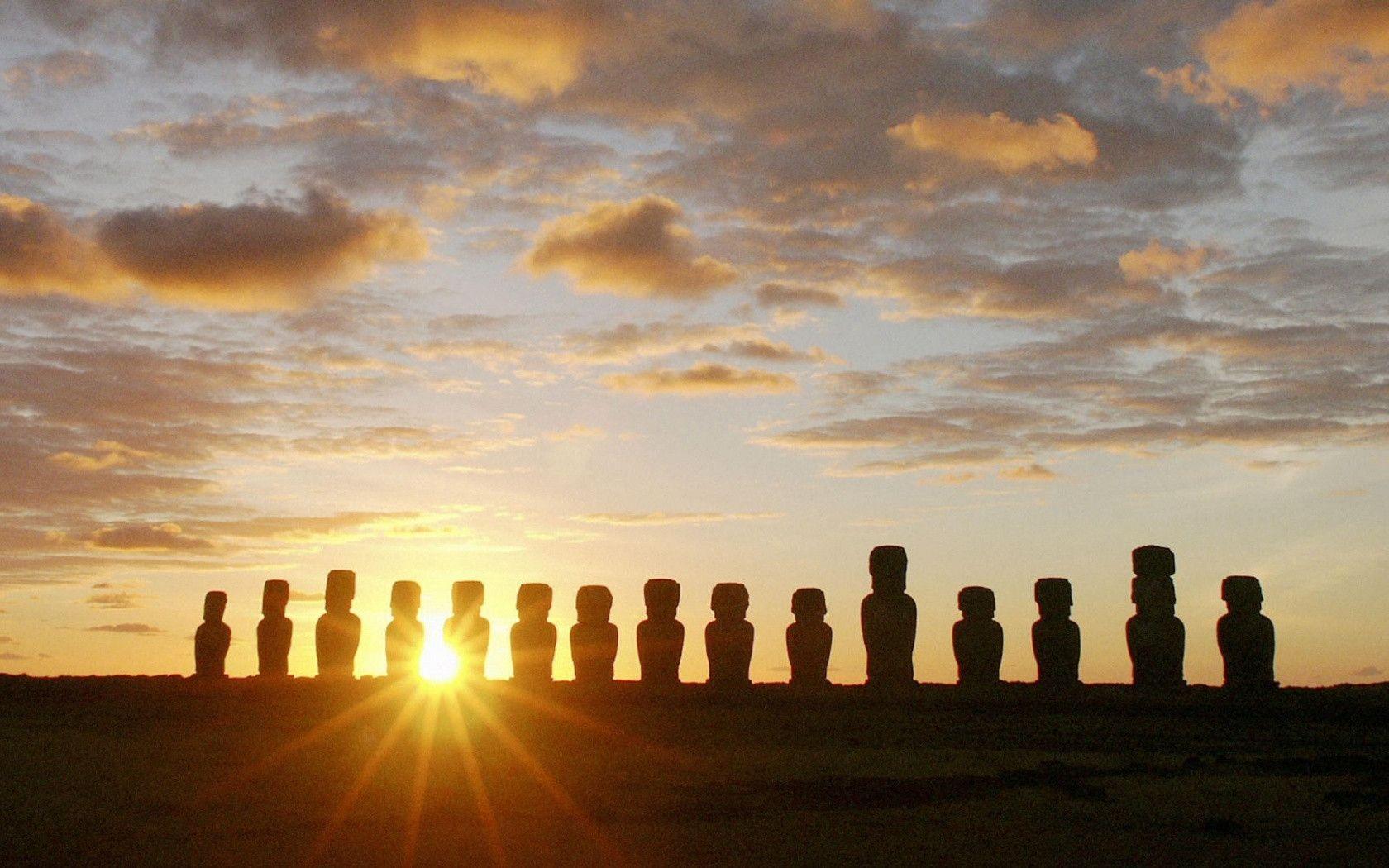
Today, tourism is the lifeblood of Easter Island, with thousands of visitors arriving annually via flights from Santiago or Tahiti. The Rapa Nui National Park, which covers about 40% of the island, is a UNESCO World Heritage site dedicated to preserving the archaeological legacy of the moai and ceremonial ahu. Visitors can explore sites like Ahu Tongariki, where 15 restored moai stand in a row against the backdrop of the Pacific Ocean.
However, the influx of tourists brings significant challenges. The fragile volcanic stone of the statues is susceptible to erosion from wind and rain, and the island struggles with waste management and resource consumption. The local community is increasingly involved in the governance of the park, advocating for sustainable practices and the repatriation of Rapa Nui artifacts held in foreign museums, such as the famous Hoa Hakananai'a in the British Museum.
Unique Traditions and the Tapati Festival
The spirit of the Rapa Nui people is most visible during the annual Tapati Rapa Nui Festival, held every February. This two-week event is a vibrant celebration of indigenous culture, featuring traditional music, dance, wood carving, and athletic competitions. One of the most thrilling events is the Haka Pei, where participants slide down a steep volcanic slope on sleds made of banana tree trunks.
The festival is not just a show for tourists; it is a vital means for the local population to maintain their language and customs. Visitors are often struck by the deep connection the modern Rapa Nui people feel toward their ancestors and the land. The island’s cuisine, featuring fresh seafood like tuna and lobster, alongside traditional Polynesian staples, offers another layer of cultural immersion for those making the long journey.
Scientific Breakthroughs in Rapa Nui History
In recent years, the use of ancient DNA (aDNA) and environmental science has revolutionized our understanding of Easter Island. A 2024 study analyzing the genomes of ancient Rapa Nui individuals found no evidence of a catastrophic population collapse prior to European contact. Instead, the data suggested a steady, growing population that interacted with other groups, including potential early contact with South Americans long before Europeans arrived.
Furthermore, satellite imagery and soil analysis have revealed the sheer scale of the island's ancient agricultural infrastructure. The discovery of thousands of "manavai" (stone-walled gardens) and extensive lithic mulching fields proves that the Rapa Nui were master engineers of their environment. These findings continue to challenge the narrative of "primitive" people failing their environment, replacing it with a story of sophisticated adaptation and enduring heritage.
Frequently Asked Questions
How do I get to Easter Island?
The only way to reach Easter Island is by air. LATAM Airlines operates regular flights from Santiago, Chile, which take approximately 5 to 6 hours. Occasionally, there are also flights from Tahiti.
Do I need a special permit to visit?
Yes, all visitors must complete a digital entry form (FUI) and have a return ticket, a confirmed hotel reservation, and a maximum stay of 30 days. You also need to purchase a Rapa Nui National Park ticket to see the archaeological sites.
Why do the statues face inland?
Most moai face inland to watch over and protect the villages and their inhabitants. The only exception is Ahu Akivi, where the seven statues face the ocean, legendarily helping travelers find the island.
Is the water safe to drink on the island?
While tap water in Hanga Roa is generally considered safe for bathing, most tourists prefer to drink bottled or filtered water due to the high mineral content and different taste.
When is the best time to visit?
The best time to visit is during the shoulder seasons (April-June or September-December) for pleasant weather and fewer crowds. February is the most popular time due to the Tapati Festival, but it requires booking well in advance.
Conclusion
Easter Island remains a powerful symbol of human ingenuity and cultural endurance. From the breathtaking scale of the moai to the resilient spirit of the modern Rapa Nui people, the island offers a unique window into a past that was once thought lost to time. As scientific research continues to debunk old myths and highlight the sophistication of this ancient civilization, Rapa Nui stands as a reminder of the importance of protecting our shared global heritage. Whether you are walking through the quarry at Rano Raraku or watching the sunset at Ahu Tahai, the mysteries of Easter Island continue to inspire and humiliate us with their silent, stony gaze.
easter island
easter island Wallpapers
Collection of easter island wallpapers for your desktop and mobile devices.
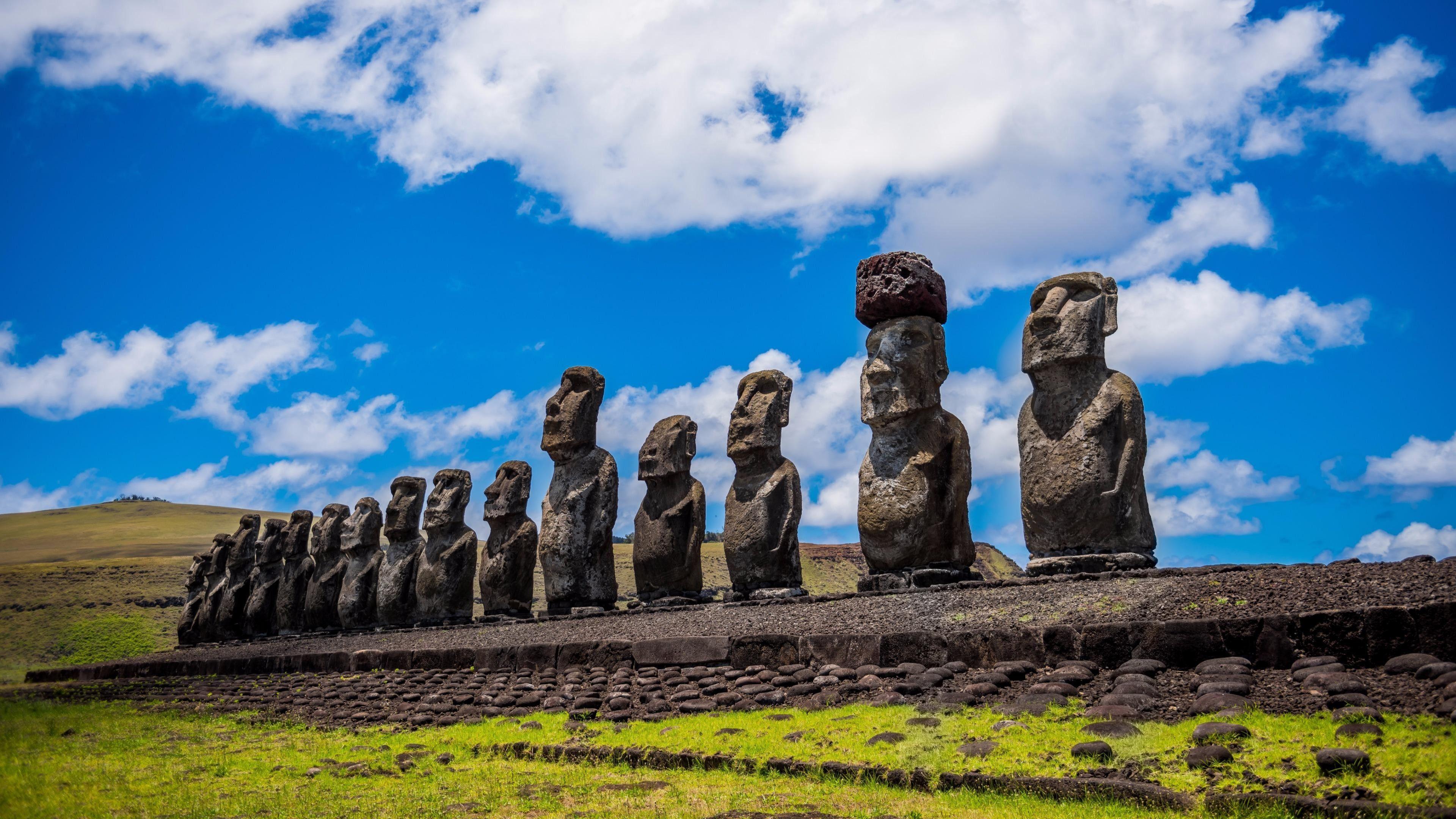
Stunning Easter Island Photo Art
Find inspiration with this unique easter island illustration, crafted to provide a fresh look for your background.
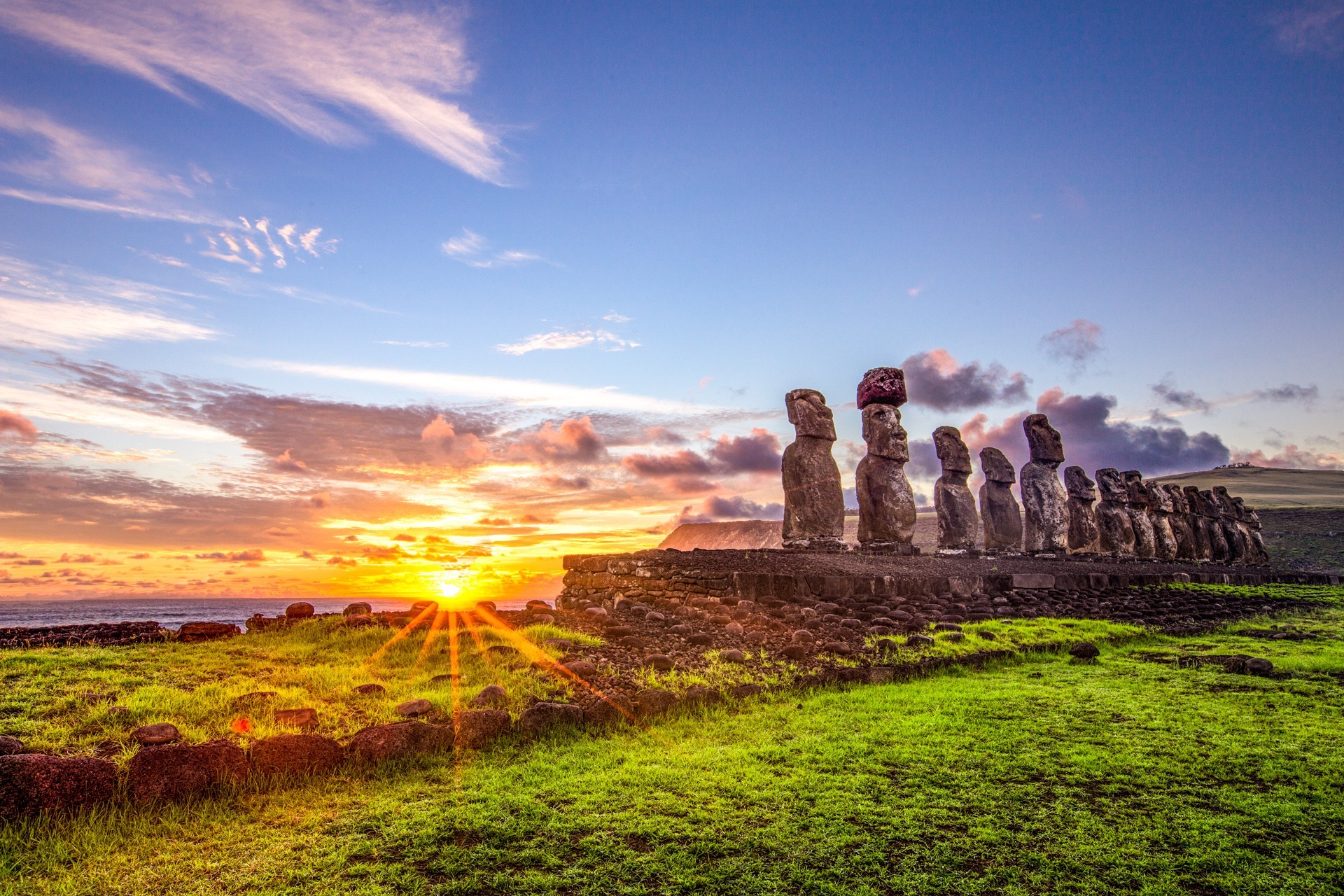
Dynamic Easter Island Design in HD
Immerse yourself in the stunning details of this beautiful easter island wallpaper, designed for a captivating visual experience.
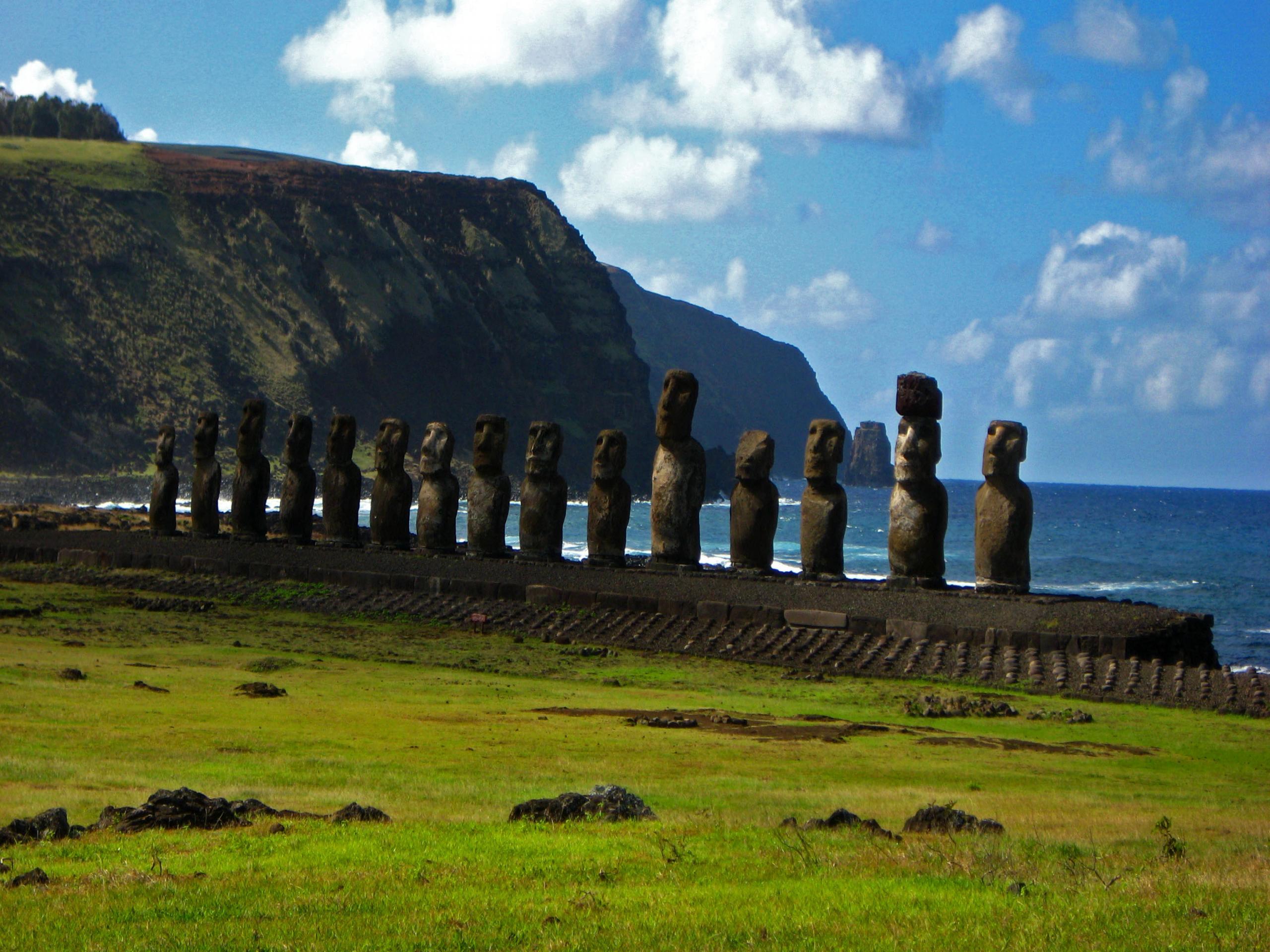
Vibrant Easter Island Photo for Your Screen
Transform your screen with this vivid easter island artwork, a true masterpiece of digital design.
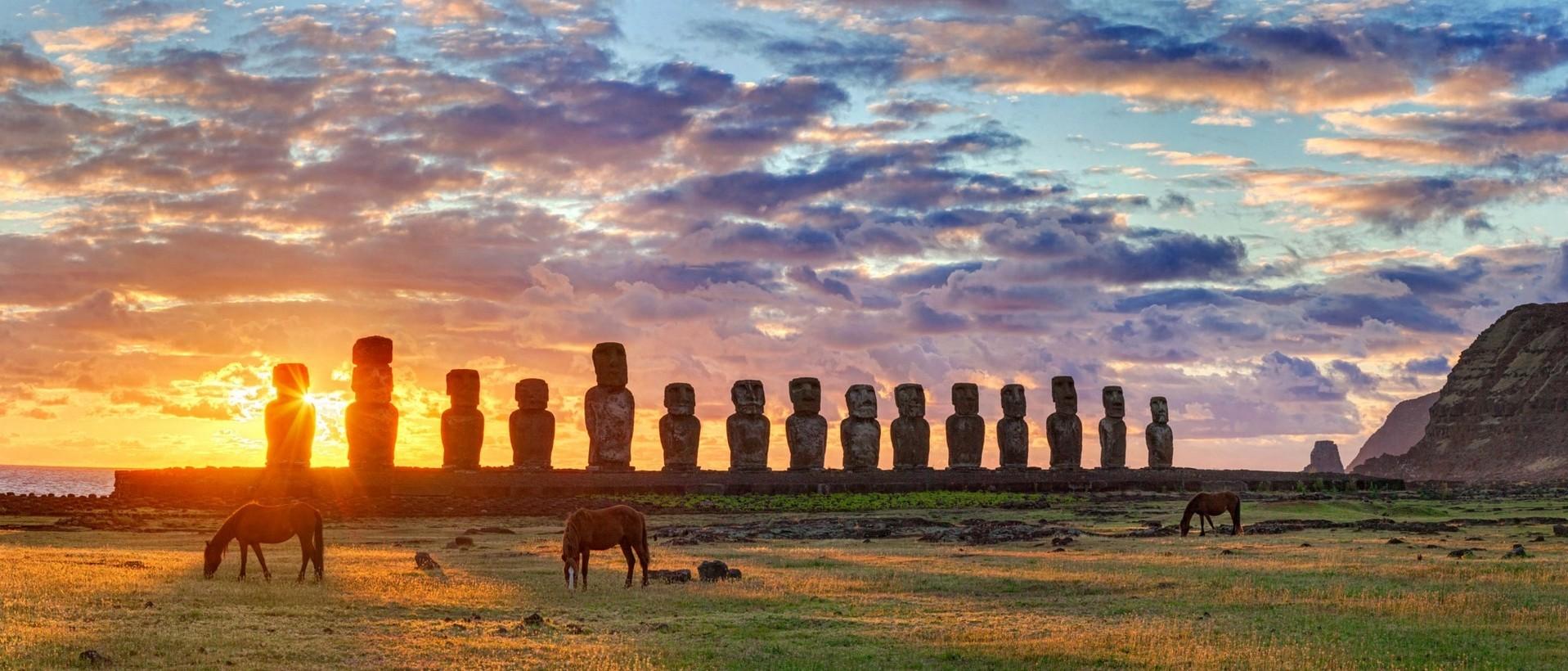
Serene Easter Island Artwork Illustration
Discover an amazing easter island background image, ideal for personalizing your devices with vibrant colors and intricate designs.
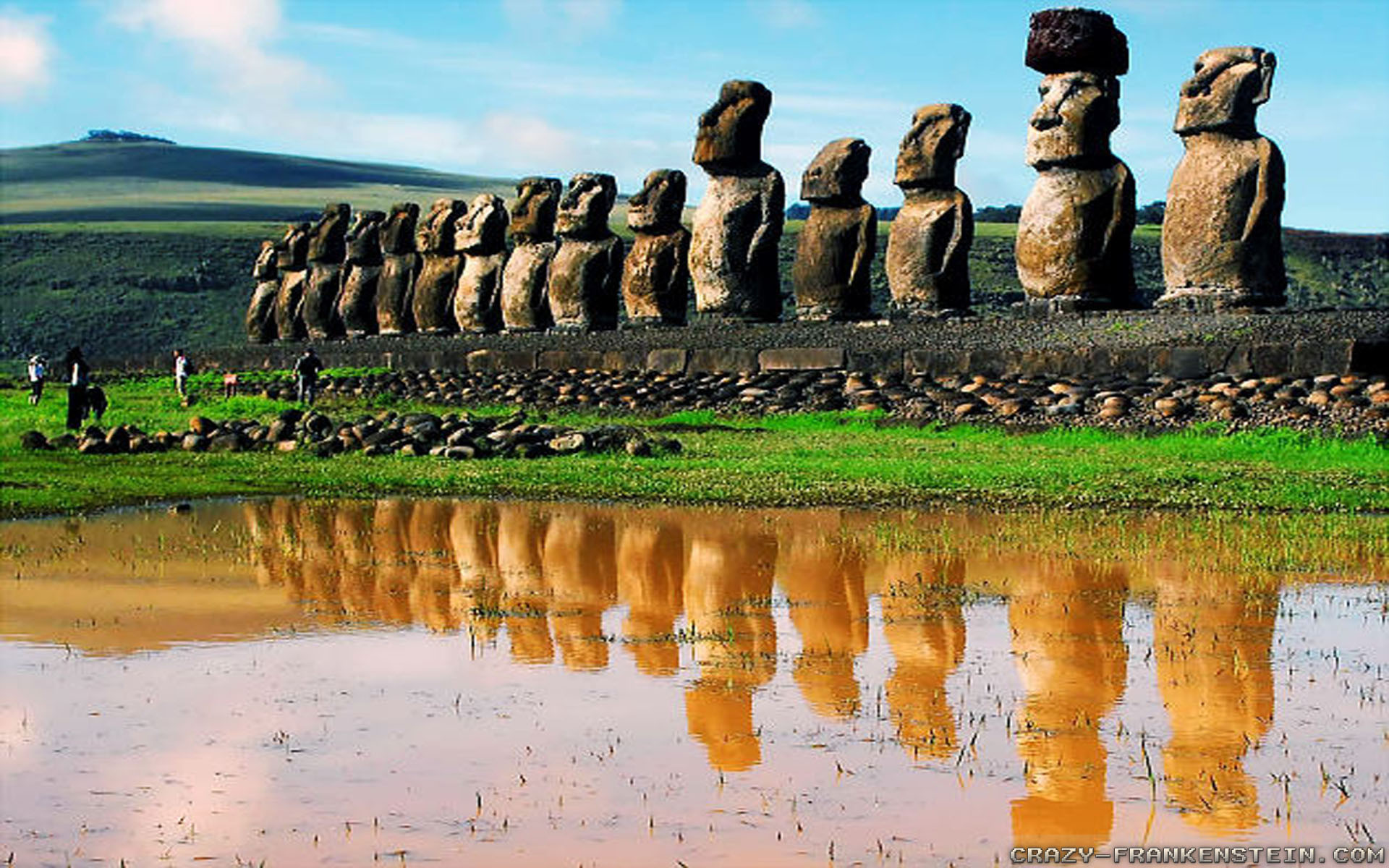
Stunning Easter Island Picture Concept
Immerse yourself in the stunning details of this beautiful easter island wallpaper, designed for a captivating visual experience.
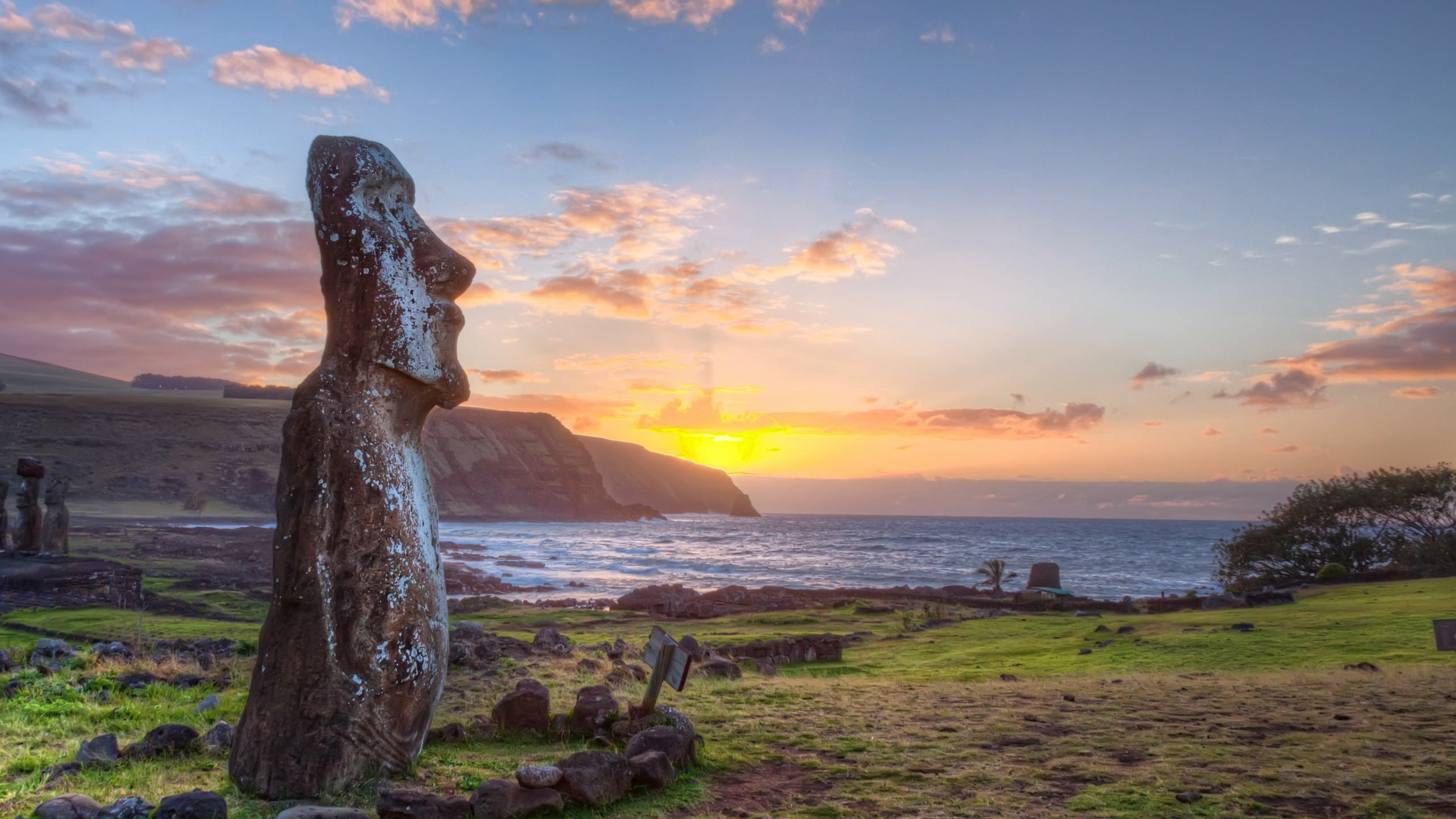
Breathtaking Easter Island Image in HD
Experience the crisp clarity of this stunning easter island image, available in high resolution for all your screens.
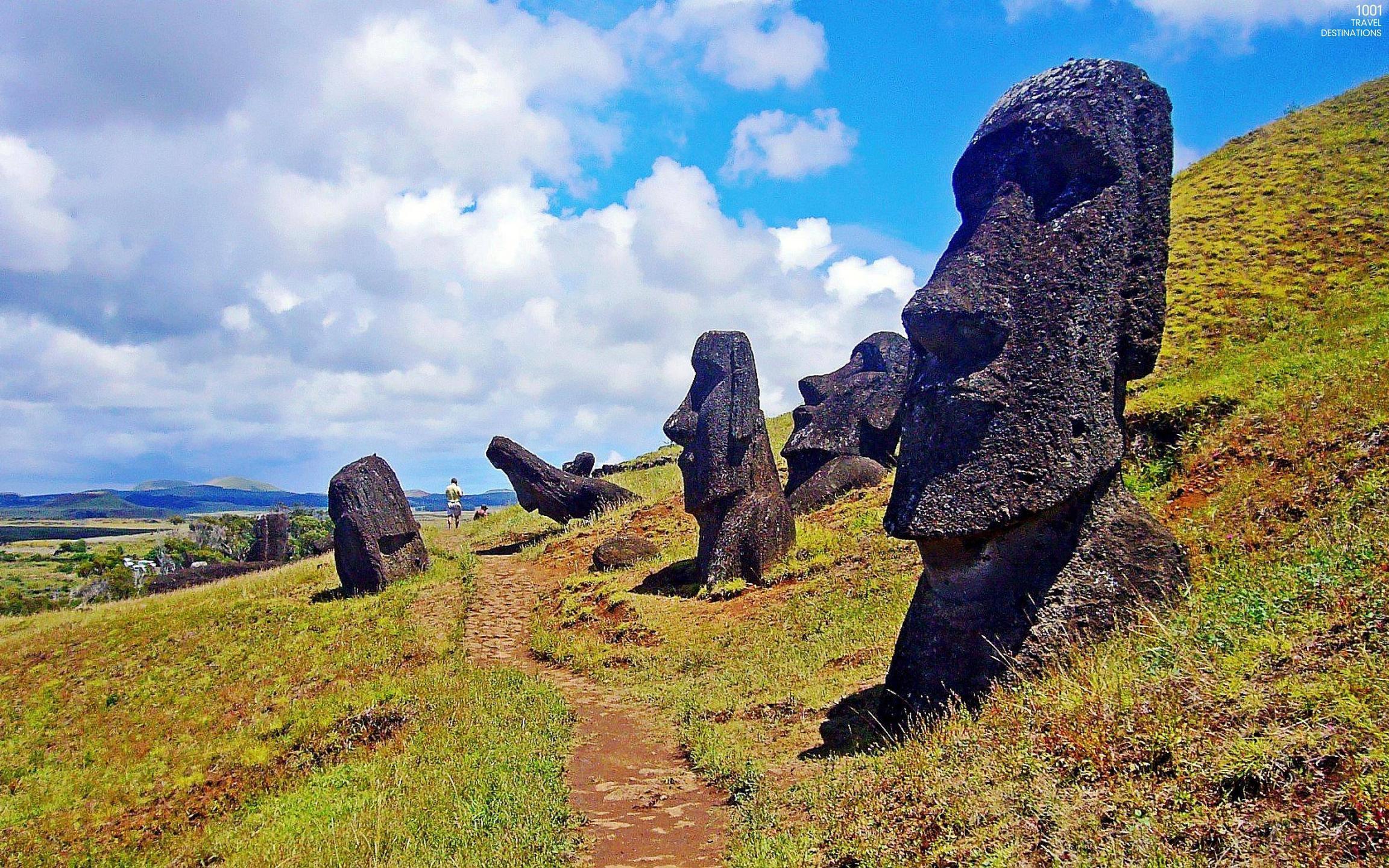
High-Quality Easter Island Capture in HD
Transform your screen with this vivid easter island artwork, a true masterpiece of digital design.
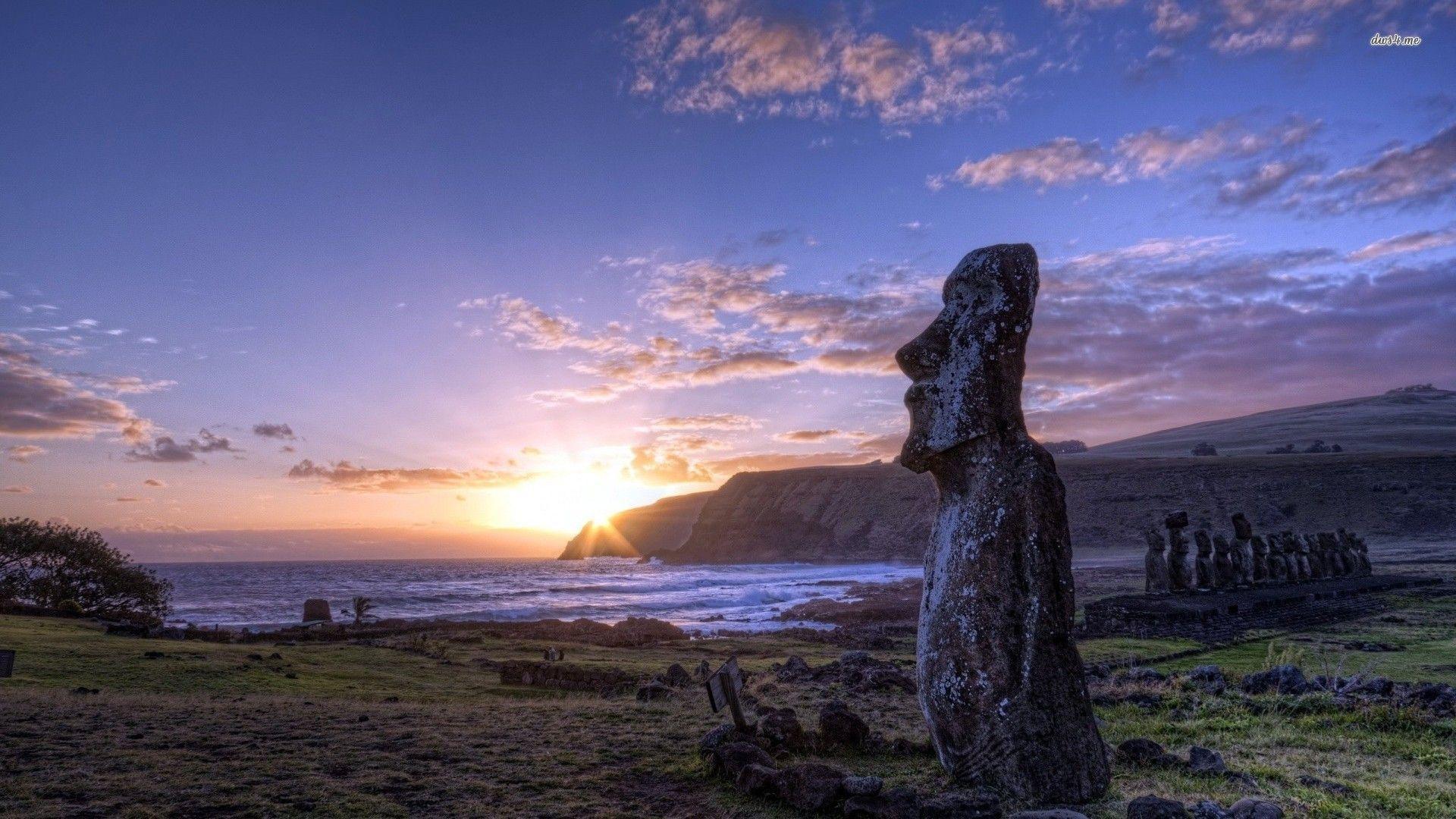
Vivid Easter Island Scene in 4K
Transform your screen with this vivid easter island artwork, a true masterpiece of digital design.

Vivid Easter Island Picture Digital Art
Transform your screen with this vivid easter island artwork, a true masterpiece of digital design.
Detailed Easter Island Scene for Your Screen
Discover an amazing easter island background image, ideal for personalizing your devices with vibrant colors and intricate designs.
Stunning Easter Island Picture for Your Screen
Find inspiration with this unique easter island illustration, crafted to provide a fresh look for your background.
Breathtaking Easter Island Landscape for Mobile
Explore this high-quality easter island image, perfect for enhancing your desktop or mobile wallpaper.
Artistic Easter Island Abstract for Mobile
A captivating easter island scene that brings tranquility and beauty to any device.
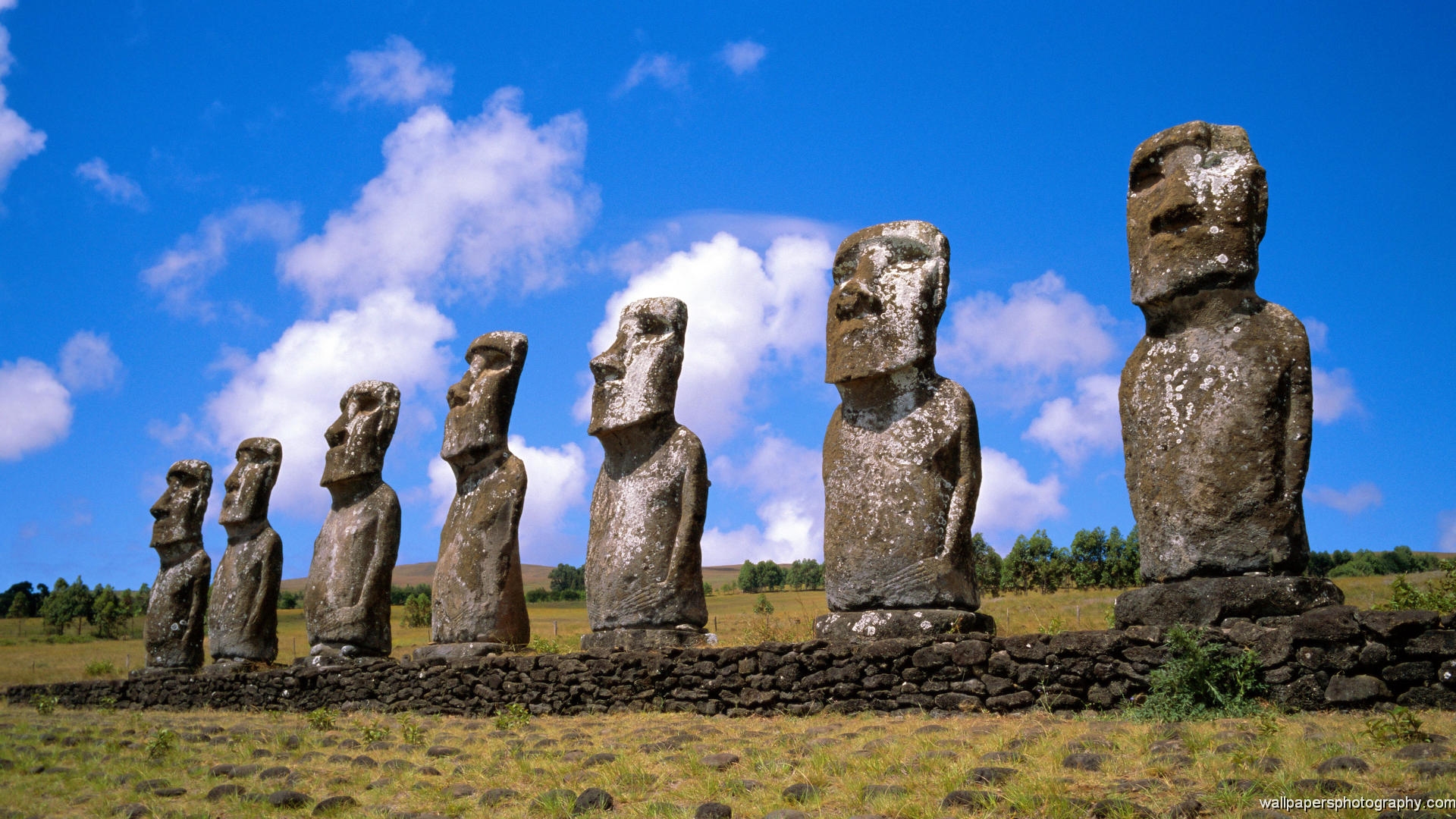
Dynamic Easter Island Photo Nature
A captivating easter island scene that brings tranquility and beauty to any device.
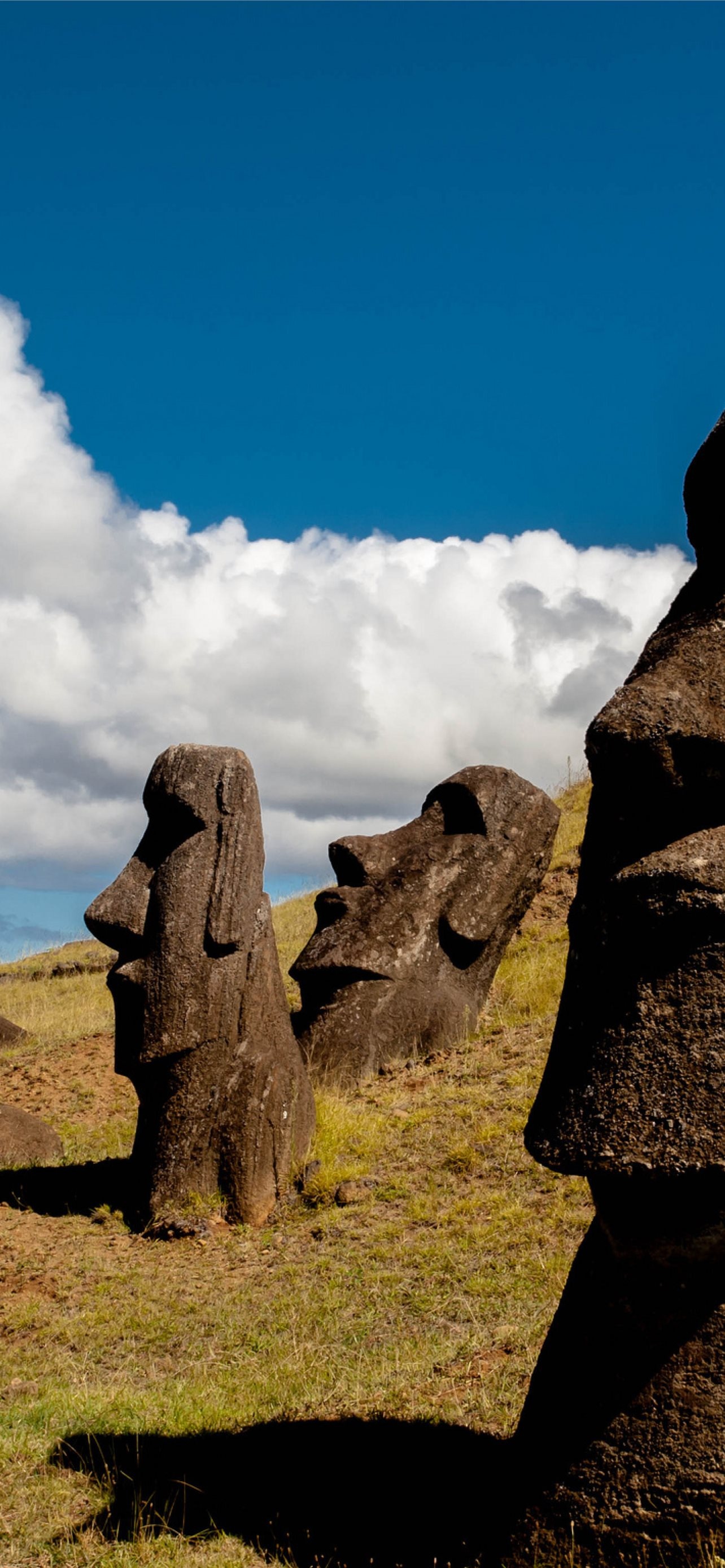
Vibrant Easter Island Image in HD
Transform your screen with this vivid easter island artwork, a true masterpiece of digital design.
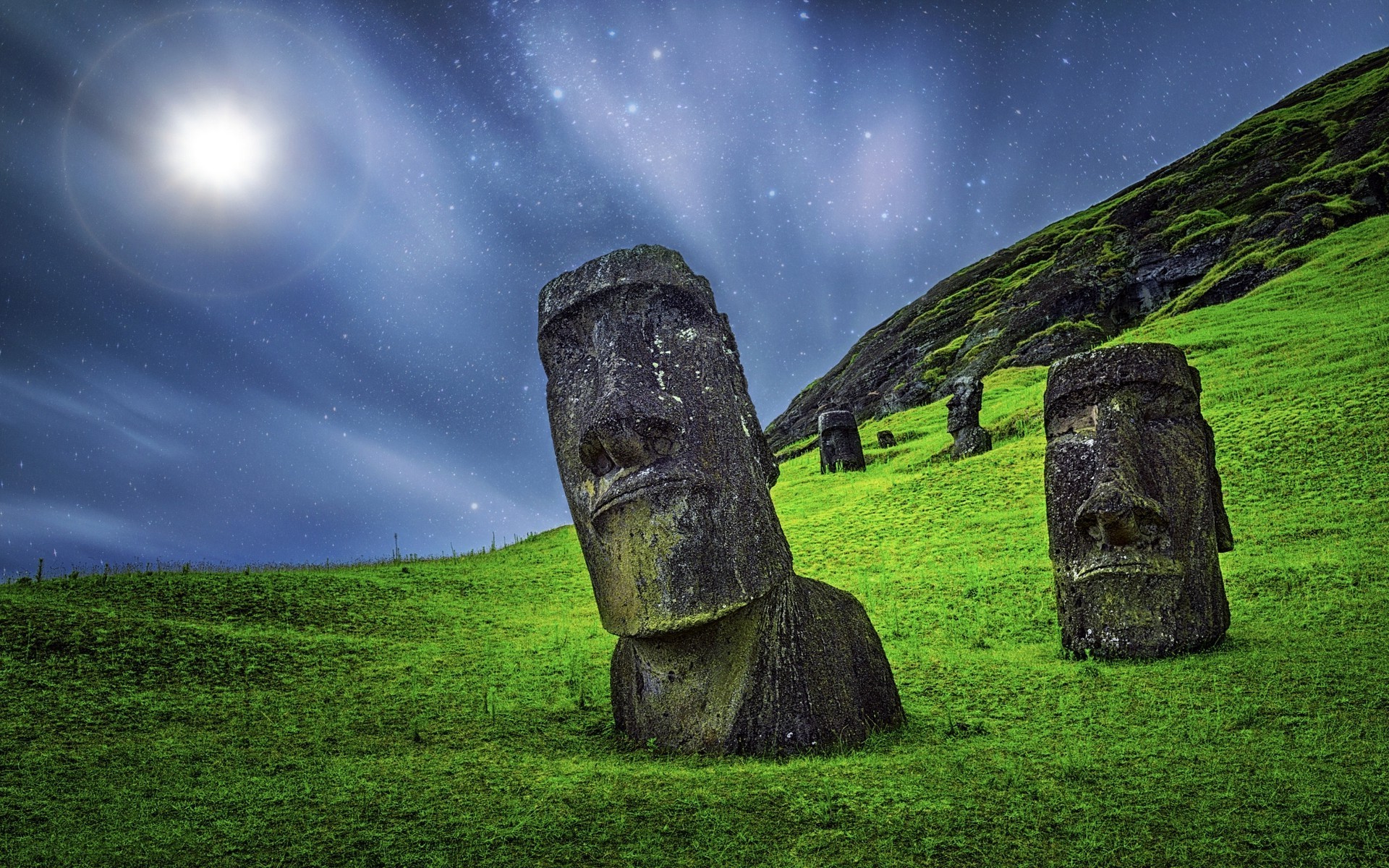
Amazing Easter Island Scene Art
Explore this high-quality easter island image, perfect for enhancing your desktop or mobile wallpaper.
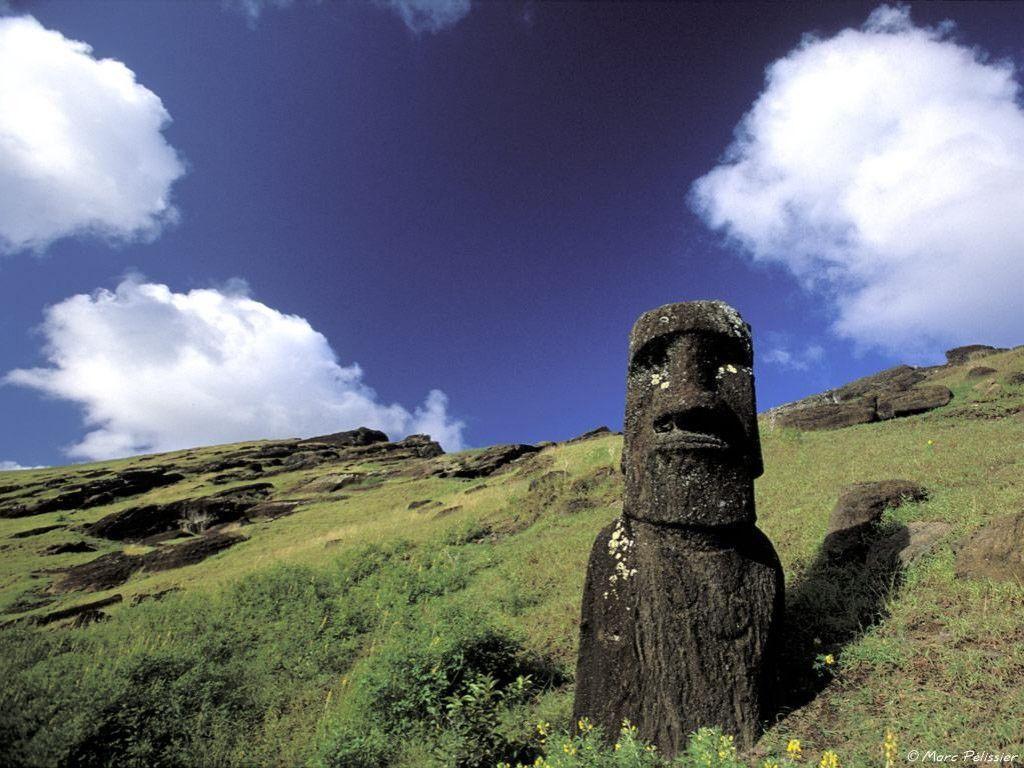
High-Quality Easter Island Moment for Mobile
Discover an amazing easter island background image, ideal for personalizing your devices with vibrant colors and intricate designs.
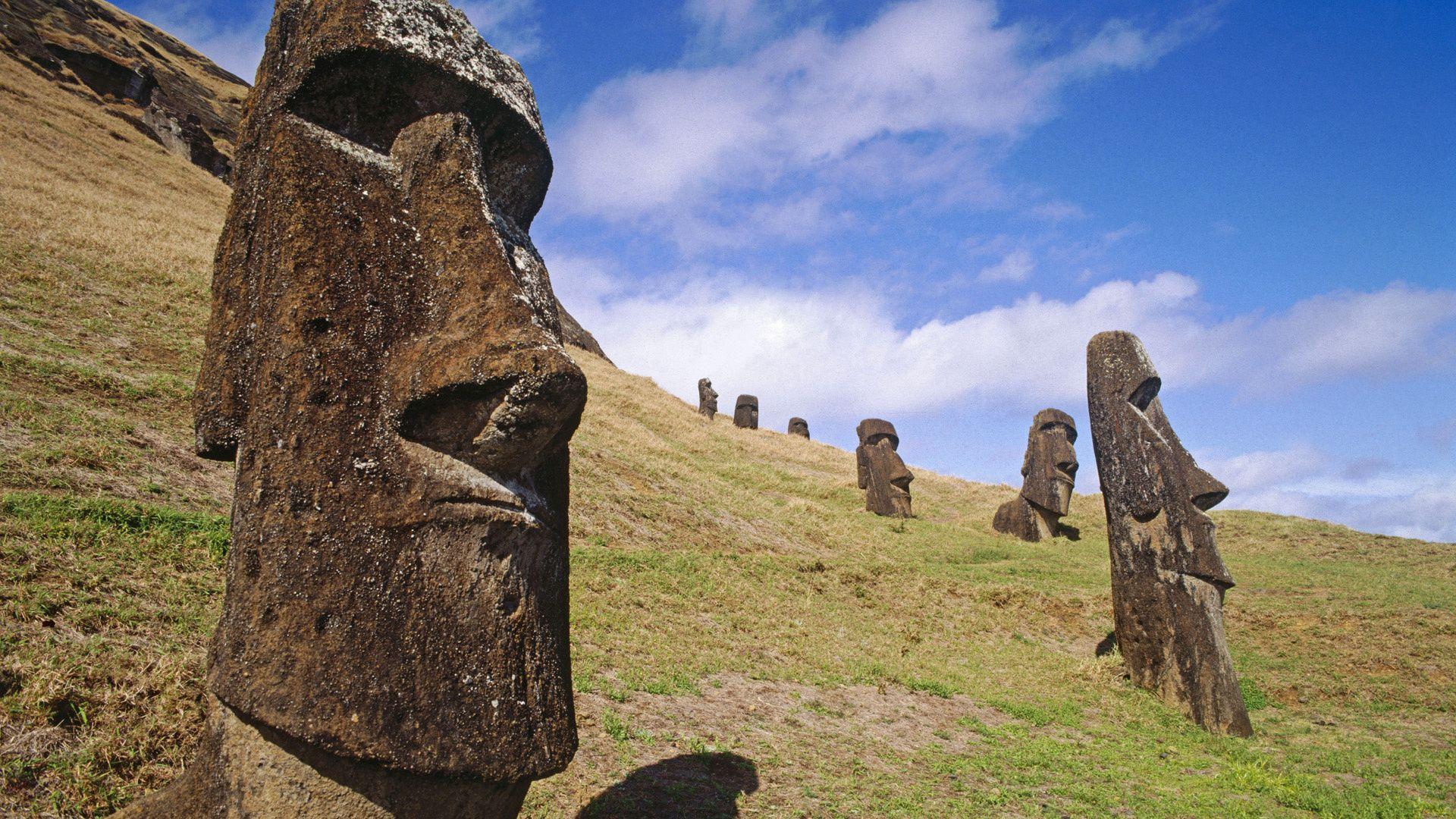
Crisp Easter Island Photo for Your Screen
This gorgeous easter island photo offers a breathtaking view, making it a perfect choice for your next wallpaper.
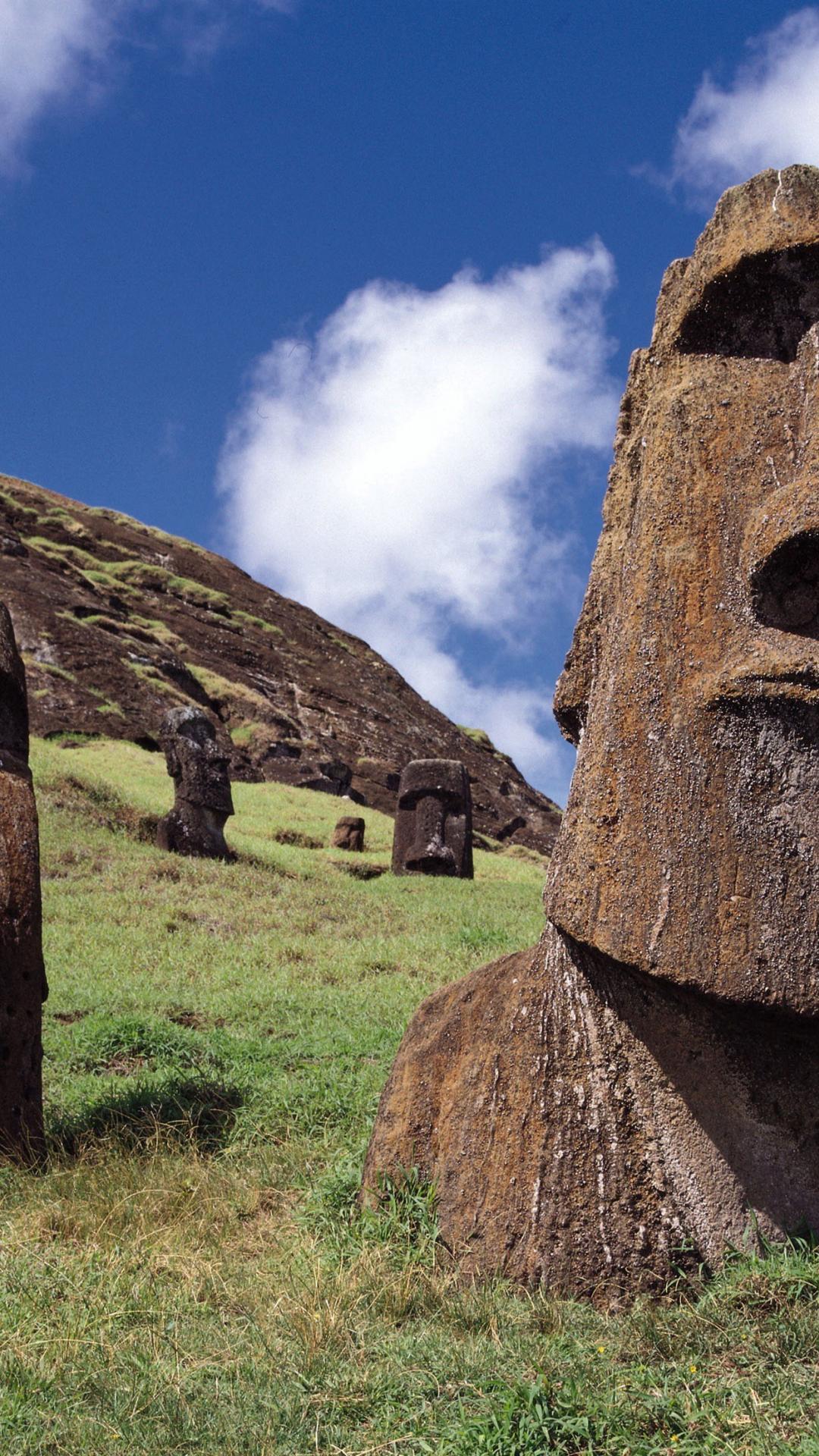
Vivid Easter Island Photo for Your Screen
Experience the crisp clarity of this stunning easter island image, available in high resolution for all your screens.
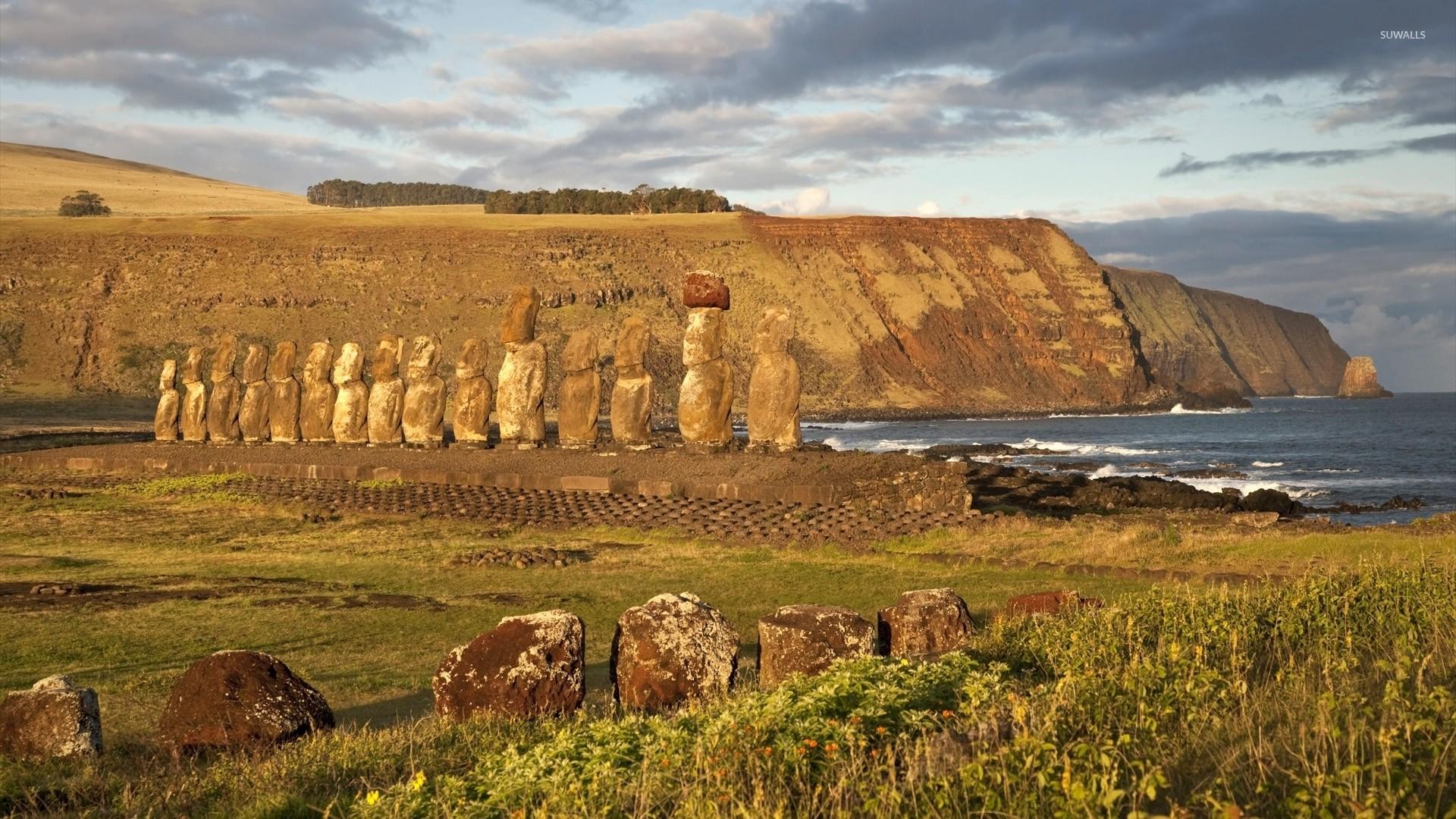
Detailed Easter Island Picture Collection
Explore this high-quality easter island image, perfect for enhancing your desktop or mobile wallpaper.
Download these easter island wallpapers for free and use them on your desktop or mobile devices.