Hantavirus-hit ship departs Tenerife for Netherlands
Hantavirus-hit ship departs Tenerife for Netherlands
The global health community breathed a collective sigh of relief as the hantavirus-hit ship departs Tenerife for Netherlands, marking a critical milestone in one of the most complex maritime health operations in recent memory. After days of intensive coordination between the World Health Organization (WHO), the Spanish government, and international health agencies, the MV Hondius has officially left the Canary Islands. This departure follows the successful evacuation and repatriation of nearly 150 passengers and crew members who had been caught in a deadly outbreak of the rat-borne Andes virus. While the ship now sails toward Rotterdam for professional deep-cleaning and decontamination, the focus shifts to the dozens of evacuees currently undergoing strict quarantine protocols in their home countries across the globe.
The MV Hondius, a luxury polar expedition vessel, made international headlines after a cluster of hantavirus cases resulted in three fatalities and multiple infections. Following the successful evacuation of its final passengers in the port of Granadilla de Abona, the Hantavirus-hit ship departs Tenerife for Netherlands to undergo a comprehensive disinfection process. Health officials, including WHO Director-General Tedros Adhanom Ghebreyesus, have emphasized that while the situation on board was dire, the risk to the general public remains extremely low due to the stringent containment measures implemented during the Tenerife docking.
The Final Evacuation in Tenerife: A Detailed Overview
On Monday, May 11, 2026, the final chapter of the Tenerife stay concluded as the last six passengers—four Australians, one Briton living in Australia, and one New Zealander—disembarked from the MV Hondius. Accompanied by 19 crew members and two medical doctors, these individuals were the last of the non-essential personnel to leave the vessel. The operation was described by Spanish Health Minister Mónica García as "proceeding normally" and reaching a successful "mission accomplished" status as the ship pulled away from the industrial port of Granadilla.
The logistics of the evacuation were unprecedented. Passengers were ferried from the ship in small boats to a cordoned-off area of the port. From there, they were transported via isolated buses to the local airport. To ensure zero contact with the local population of the Canary Islands, the airport pathways were strictly guarded, and the evacuees were transferred directly onto chartered planes. This level of caution was deemed necessary due to the presence of the Andes strain of hantavirus, which is unique for its potential, albeit rare, person-to-person transmission capabilities.
Understanding the Hantavirus Outbreak on the MV Hondius
The crisis began in early April 2026, shortly after the MV Hondius departed from Ushuaia, Argentina. The first signs of trouble appeared when a Dutch passenger died on board on April 11. Initially, the cause of death was not immediately identified as hantavirus. It wasn't until a Dutch woman, who had disembarked earlier in St. Helena, died in Johannesburg on April 26 that health authorities began to piece together the evidence of a hantavirus outbreak.
By early May, the WHO confirmed that the Andes virus (ANDV) was the culprit. This specific strain is typically found in South America and is spread through contact with the droppings, urine, or saliva of infected long-tailed pygmy rice rats. The outbreak eventually claimed three lives: a Dutch couple and a German woman. As the ship was redirected toward Tenerife, the global community watched closely to see how the international health system would respond to the first-ever documented hantavirus outbreak on a cruise vessel.
The Journey to Rotterdam: What Happens Next for the Vessel?
As the hantavirus-hit ship departs Tenerife for Netherlands, it is no longer carrying a full complement of passengers. Instead, a "skeleton crew" of approximately 25 to 30 members remains on board to navigate the ship. Accompanying them is a specialized medical team consisting of a doctor and a nurse to monitor the health of the crew during the five-day journey to Rotterdam.
Upon arrival in the Netherlands, the MV Hondius will undergo a rigorous decontamination protocol. This involves specialized cleaning agents and procedures designed to eliminate any viral residue or potential rodent-borne pathogens. The body of the Dutch passenger who died on board also remains on the vessel for transport to the Netherlands. Only after the ship has been certified as safe by Dutch health authorities will it be allowed to resume its schedule of polar expeditions.
Global Quarantine Protocols: Monitoring the Evacuees
While the ship is at sea, the human element of the story continues in hospitals and biocontainment units across the world. The WHO has recommended a 42-day quarantine for all individuals who were on the ship, reflecting the virus's long incubation period, which can last up to eight weeks. Different nations have adopted varying levels of strictness in enforcing these recommendations.
| Country | Quarantine Measures & Status |
|---|---|
| United States | 17 passengers monitored in Nebraska; 1 positive test, 1 symptomatic. |
| United Kingdom | 22 citizens isolated at Arrowe Park Hospital in Wirral. |
| France | 5 passengers in strict isolation; 1 in intensive care. |
| Netherlands | Citizens self-quarantining for six weeks with medical transport. |
In the United States, the University of Nebraska Medical Center has taken the lead, housing 16 passengers in monitoring units. One American passenger has already tested "mildly positive" for the virus, while another is exhibiting mild symptoms. Similarly, in France, one passenger is reported to be in intensive care in stable but critical condition. These cases highlight why the "active follow-up" recommended by Maria Van Kerkhove of the WHO is so vital to preventing secondary outbreaks.
Health Experts Reassure the Public: "Not Another COVID"
Throughout the crisis, the central message from the WHO and local health ministers has been one of calm. Tedros Adhanom Ghebreyesus has repeatedly stated that the public should not panic. Unlike COVID-19, hantavirus is not an airborne respiratory virus that spreads easily through casual contact. It requires close and prolonged contact for person-to-person transmission to occur in the case of the Andes strain.
Prof. Sir Peter Horby of the University of Oxford’s Pandemic Sciences Institute noted that while the approach in Tenerife was "stringent," it was largely a precautionary measure because hantavirus can be lethal once contracted. The fatality rate for the Andes strain can reach between 40% and 50%, particularly among older populations. By treating the evacuation with the highest level of biosafety, authorities have effectively neutralized the threat of the virus entering the general population in the Canary Islands or elsewhere.
The Role of the Canary Islands in the International Rescue
Tenerife played a pivotal role as the staging ground for this international operation. The Spanish government’s decision to accept the WHO's request to use the islands as a hub was a significant humanitarian gesture. It allowed for the safe transition of passengers from a confined ship environment to medical and repatriation facilities. Spanish Health Minister Mónica García Gomez emphasized that the operation was designed to balance public safety with the mental health of the passengers, some of whom were reaching a "breaking point" after being confined to their cabins for days.
The local population in Tenerife was initially apprehensive, but the transparent communication from the WHO and the visible safety measures—such as hazmat suits and disinfectant spraying—helped maintain order. The port of Granadilla, typically an industrial site, became the focal point of a historic health intervention, proving that the Canary Islands possess the infrastructure and logistical capability to handle high-stakes global health emergencies.
Andes Virus: The Science Behind the Outbreak
The detection of the Andes virus strain (ANDV) is what triggered the high-level response. While there are many types of hantaviruses, the Andes strain found in South America is the only one documented to allow for person-to-person transmission. This happens through the exchange of bodily fluids or very close, intimate contact over a sustained period. This rare characteristic is why every person on the MV Hondius was treated as a potential carrier, even if they showed no symptoms.
Research suggests that the original infection likely occurred before the passengers even boarded the ship. The Dutch couple who died had spent weeks bird-watching in rural parts of Argentina and Chile—areas known to be habitats for the long-tailed pygmy rice rat. Once the virus was on board, the enclosed environment of the cruise ship created a risk environment that necessitated the total evacuation and subsequent decontamination of the vessel.
Economic and Industrial Impact on Cruise Tourism
The hantavirus incident on the MV Hondius is expected to have long-lasting effects on the cruise industry, particularly for expedition cruises that visit remote or wilderness areas. Industry analysts suggest that health screening protocols for passengers arriving from regions with known endemic viruses may become more rigorous. There is also the question of "health insurance for the high seas," as the costs associated with military-led repatriations and hospital quarantines are substantial.
However, the industry's quick response and the successful coordination with the WHO may also bolster confidence. The fact that the outbreak was identified, the ship was diverted, and nearly 150 people were safely moved without a single case of transmission to the general public is a testament to modern maritime health protocols. As the hantavirus-hit ship departs Tenerife for Netherlands, it leaves behind a blueprint for how future outbreaks can be managed with transparency and international cooperation.
FAQ: Everything You Need to Know About the MV Hondius Outbreak
1. Why did the hantavirus-hit ship depart Tenerife for the Netherlands?
The ship departed for the Netherlands because it is Dutch-flagged and owned by Oceanwide Expeditions, which is based there. Rotterdam offers the necessary specialized facilities for a complete medical-grade decontamination of the vessel before it can return to service.
2. Can hantavirus spread from person to person?
Generally, no. Most hantaviruses only spread from rodents to humans. However, the Andes strain involved in this outbreak is the only known strain that can spread between humans in rare cases of very close and prolonged contact.
3. How many people died during the outbreak?
There have been three confirmed fatalities linked to the MV Hondius outbreak: a Dutch husband and wife and a German woman. All three were passengers on the vessel.
4. What are the symptoms of hantavirus?
Initial symptoms include fever, chills, headache, and muscle aches. As the disease progresses, it can lead to severe respiratory distress, gastrointestinal issues, and in some cases, organ failure. Symptoms typically appear 1 to 8 weeks after exposure.
5. Is the public in the Canary Islands at risk?
No. Health authorities, including the WHO, have confirmed that the risk to the general public is "extremely low." All passengers were evacuated under strict isolation protocols, and no contact with the local population was permitted.
Conclusion
The moment the hantavirus-hit ship departs Tenerife for Netherlands, it signals the end of a harrowing ordeal for the passengers and the beginning of a long road to recovery for the survivors. This incident has tested the resilience of international health regulations and the efficacy of rapid-response maritime evacuations. While the human cost has been tragic, the containment of the virus serves as a powerful reminder of what can be achieved through global solidarity and scientific expertise. As the world monitors the health of the quarantined evacuees over the next six weeks, the MV Hondius sails toward a clean slate, carrying with it lessons that will undoubtedly shape the future of travel and public health safety on the high seas.
Hantavirus-hit ship departs Tenerife for Netherlands
Hantavirus-hit ship departs Tenerife for Netherlands Wallpapers
Collection of hantavirus-hit ship departs tenerife for netherlands wallpapers for your desktop and mobile devices.

Amazing Hantavirus-hit Ship Departs Tenerife For Netherlands Artwork for Your Screen
Experience the crisp clarity of this stunning hantavirus-hit ship departs tenerife for netherlands image, available in high resolution for all your screens.
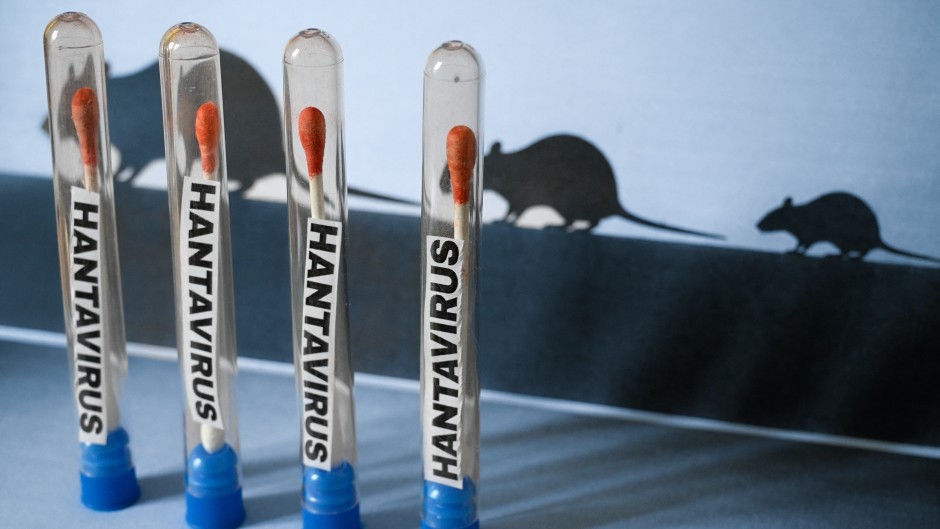
Serene Hantavirus-hit Ship Departs Tenerife For Netherlands Moment in HD
Discover an amazing hantavirus-hit ship departs tenerife for netherlands background image, ideal for personalizing your devices with vibrant colors and intricate designs.
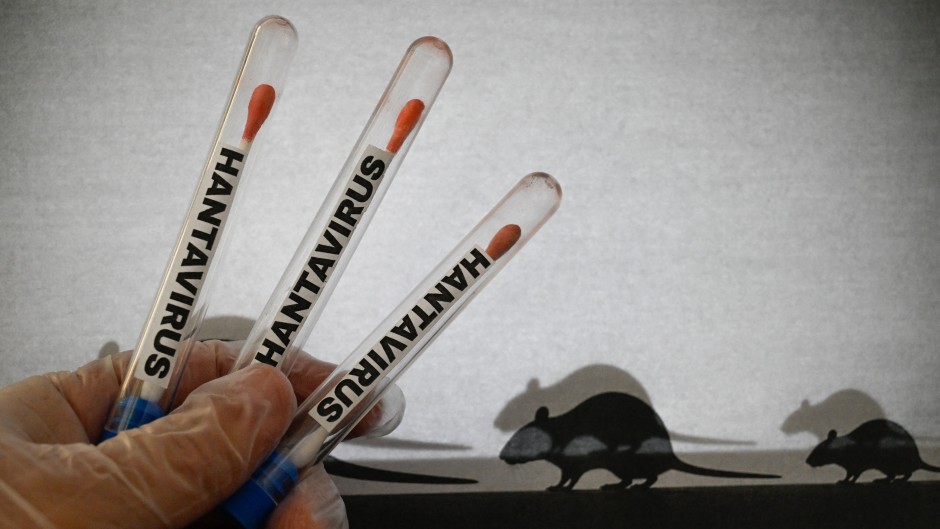
Vivid Hantavirus-hit Ship Departs Tenerife For Netherlands Background Collection
Discover an amazing hantavirus-hit ship departs tenerife for netherlands background image, ideal for personalizing your devices with vibrant colors and intricate designs.

Detailed Hantavirus-hit Ship Departs Tenerife For Netherlands Photo Nature
Transform your screen with this vivid hantavirus-hit ship departs tenerife for netherlands artwork, a true masterpiece of digital design.

Gorgeous Hantavirus-hit Ship Departs Tenerife For Netherlands Artwork in 4K
Immerse yourself in the stunning details of this beautiful hantavirus-hit ship departs tenerife for netherlands wallpaper, designed for a captivating visual experience.
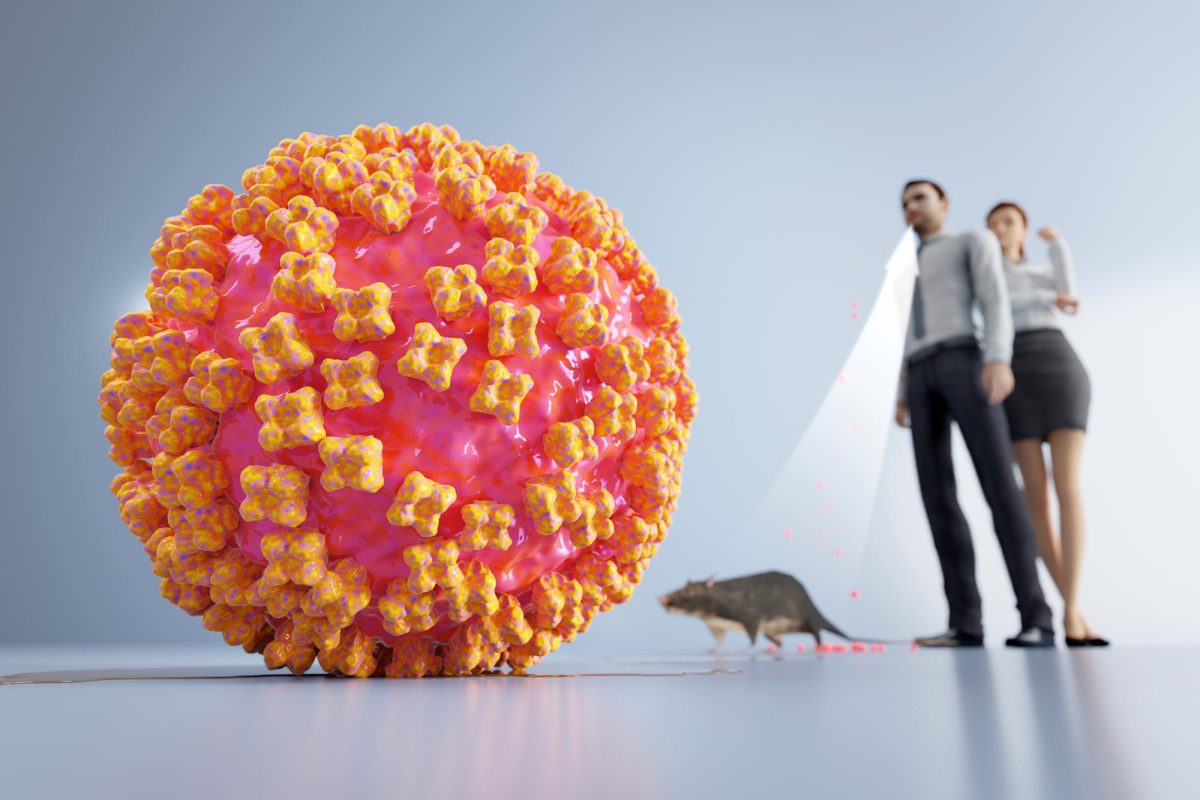
Amazing Hantavirus-hit Ship Departs Tenerife For Netherlands Design in HD
Discover an amazing hantavirus-hit ship departs tenerife for netherlands background image, ideal for personalizing your devices with vibrant colors and intricate designs.
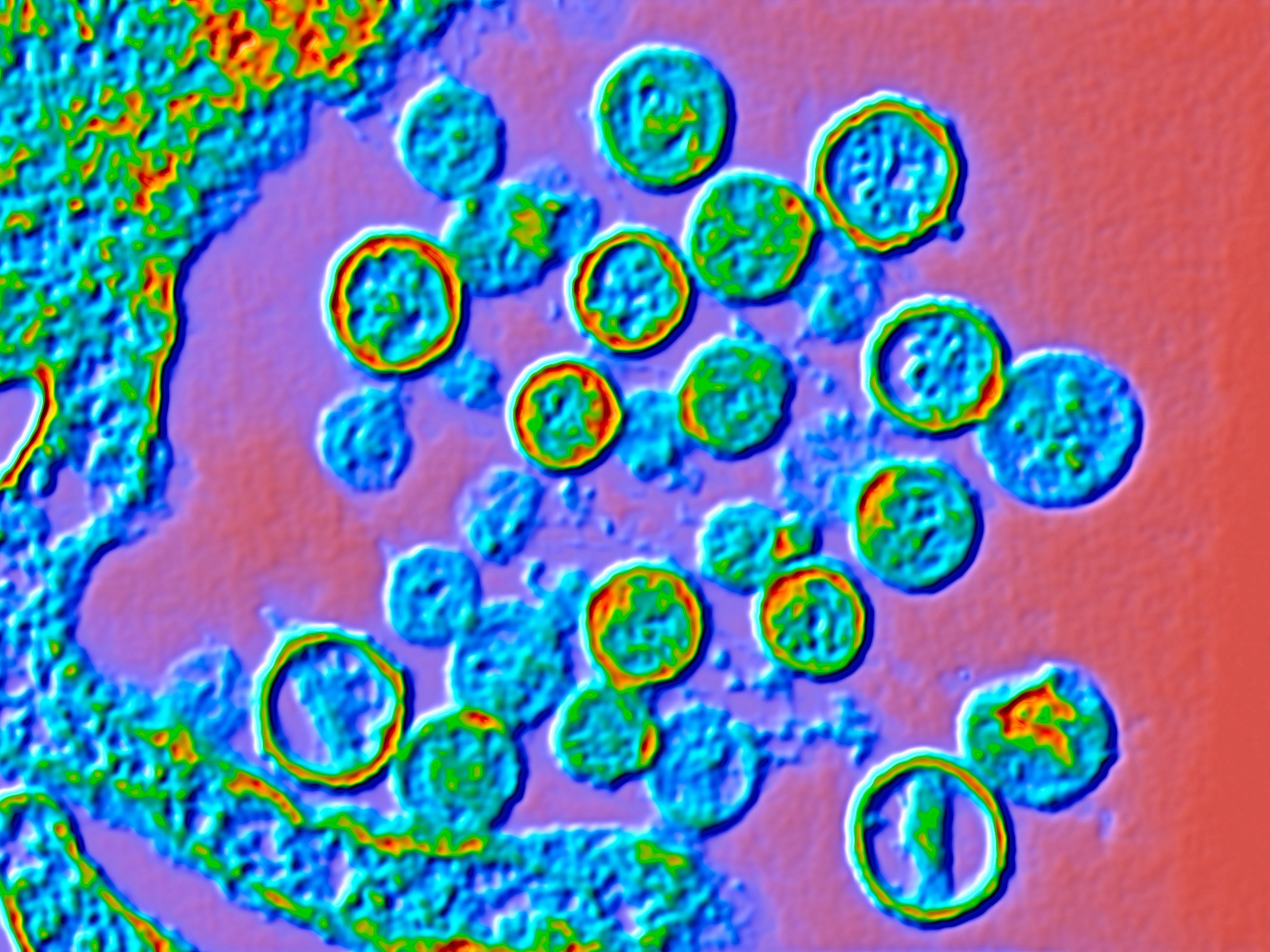
Beautiful Hantavirus-hit Ship Departs Tenerife For Netherlands Picture for Mobile
Explore this high-quality hantavirus-hit ship departs tenerife for netherlands image, perfect for enhancing your desktop or mobile wallpaper.

Beautiful Hantavirus-hit Ship Departs Tenerife For Netherlands Background in 4K
Experience the crisp clarity of this stunning hantavirus-hit ship departs tenerife for netherlands image, available in high resolution for all your screens.

Lush Hantavirus-hit Ship Departs Tenerife For Netherlands Artwork in HD
Find inspiration with this unique hantavirus-hit ship departs tenerife for netherlands illustration, crafted to provide a fresh look for your background.

Gorgeous Hantavirus-hit Ship Departs Tenerife For Netherlands View Digital Art
A captivating hantavirus-hit ship departs tenerife for netherlands scene that brings tranquility and beauty to any device.
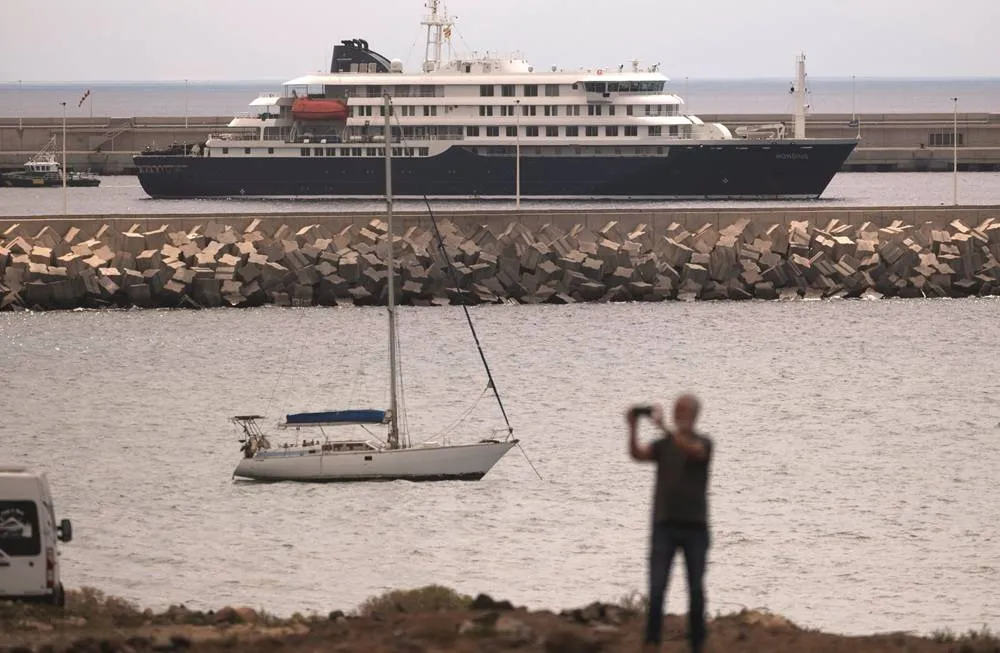
Vibrant Hantavirus-hit Ship Departs Tenerife For Netherlands Photo Illustration
Explore this high-quality hantavirus-hit ship departs tenerife for netherlands image, perfect for enhancing your desktop or mobile wallpaper.

Spectacular Hantavirus-hit Ship Departs Tenerife For Netherlands Background Nature
Find inspiration with this unique hantavirus-hit ship departs tenerife for netherlands illustration, crafted to provide a fresh look for your background.
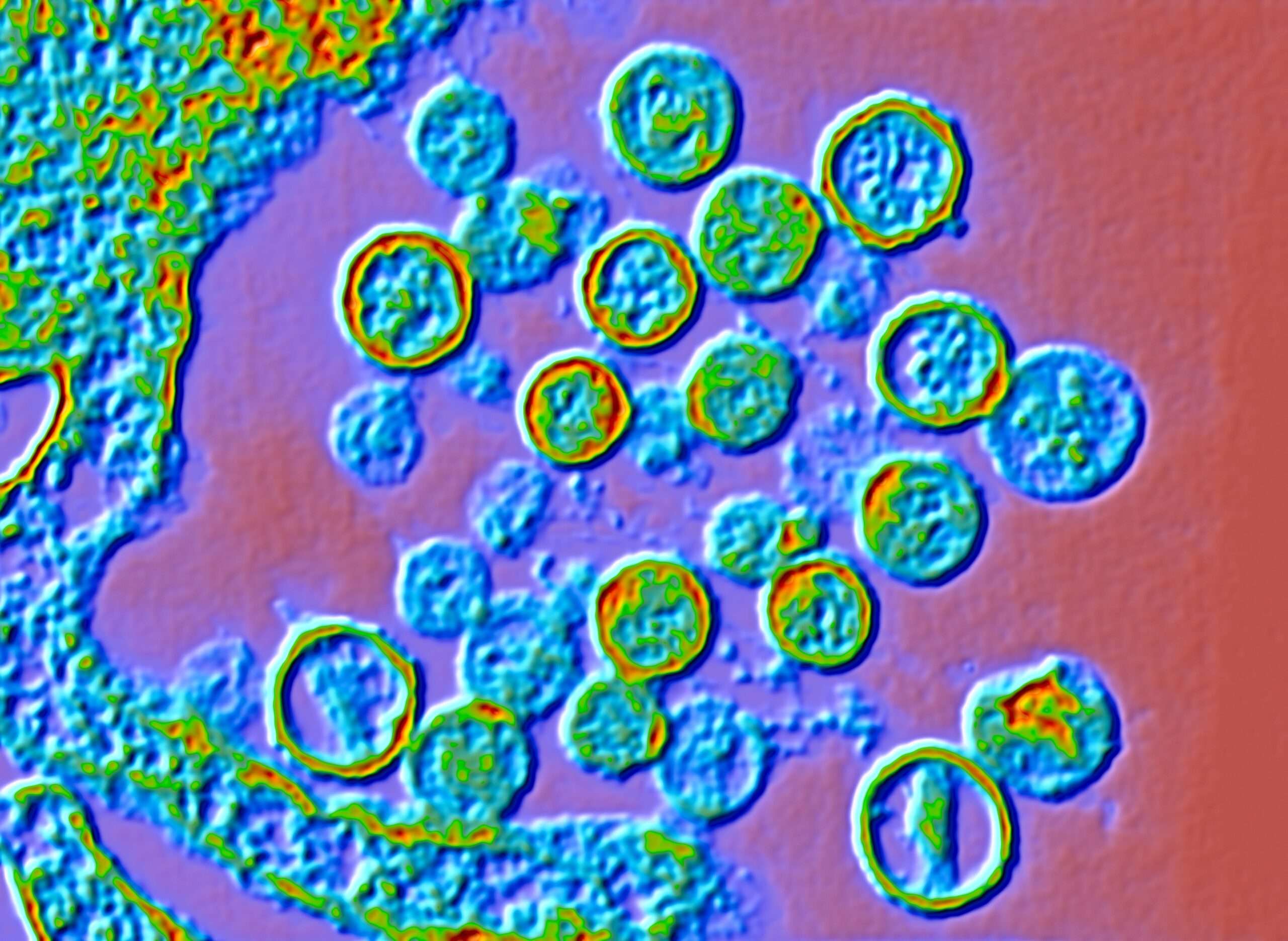
Mesmerizing Hantavirus-hit Ship Departs Tenerife For Netherlands Abstract Illustration
Explore this high-quality hantavirus-hit ship departs tenerife for netherlands image, perfect for enhancing your desktop or mobile wallpaper.
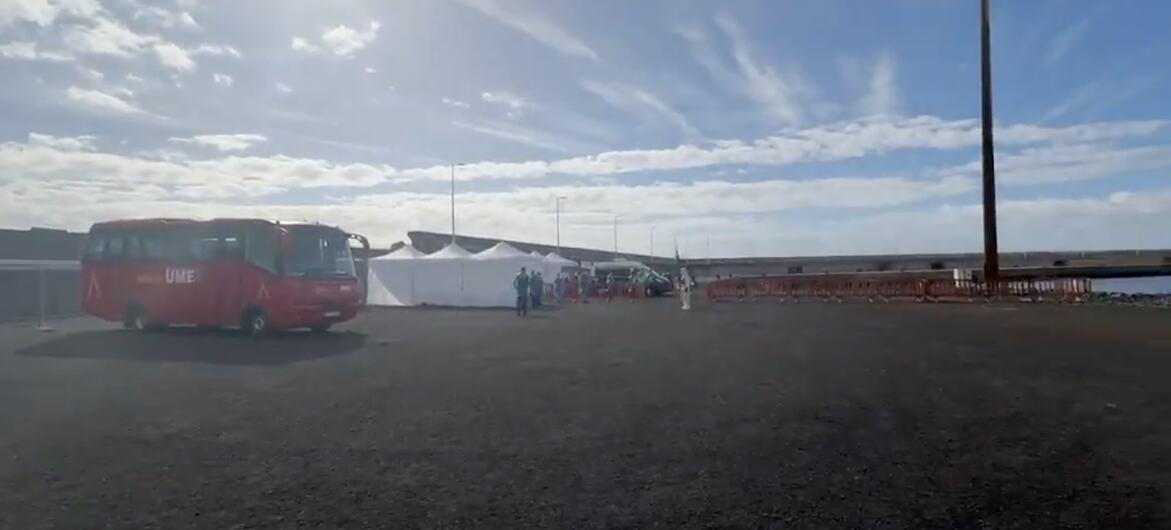
Detailed Hantavirus-hit Ship Departs Tenerife For Netherlands Image Nature
Transform your screen with this vivid hantavirus-hit ship departs tenerife for netherlands artwork, a true masterpiece of digital design.
 "Lush Hantavirus-hit Ship Departs Tenerife For Netherlands Landscape Illustration")
Lush Hantavirus-hit Ship Departs Tenerife For Netherlands Landscape Illustration
This gorgeous hantavirus-hit ship departs tenerife for netherlands photo offers a breathtaking view, making it a perfect choice for your next wallpaper.
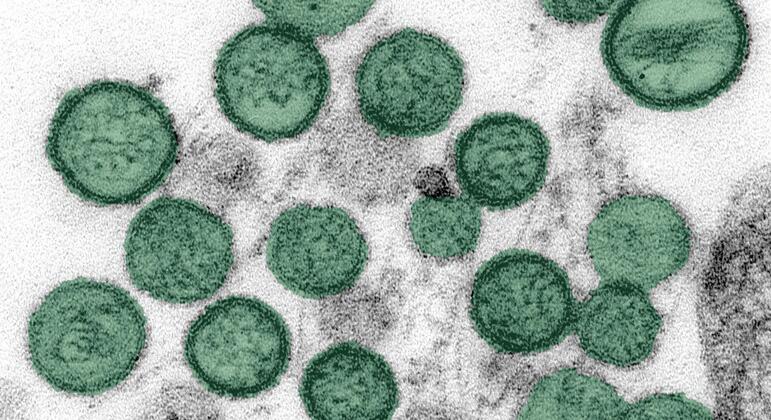
Amazing Hantavirus-hit Ship Departs Tenerife For Netherlands Image for Your Screen
Discover an amazing hantavirus-hit ship departs tenerife for netherlands background image, ideal for personalizing your devices with vibrant colors and intricate designs.

Spectacular Hantavirus-hit Ship Departs Tenerife For Netherlands Photo Photography
A captivating hantavirus-hit ship departs tenerife for netherlands scene that brings tranquility and beauty to any device.
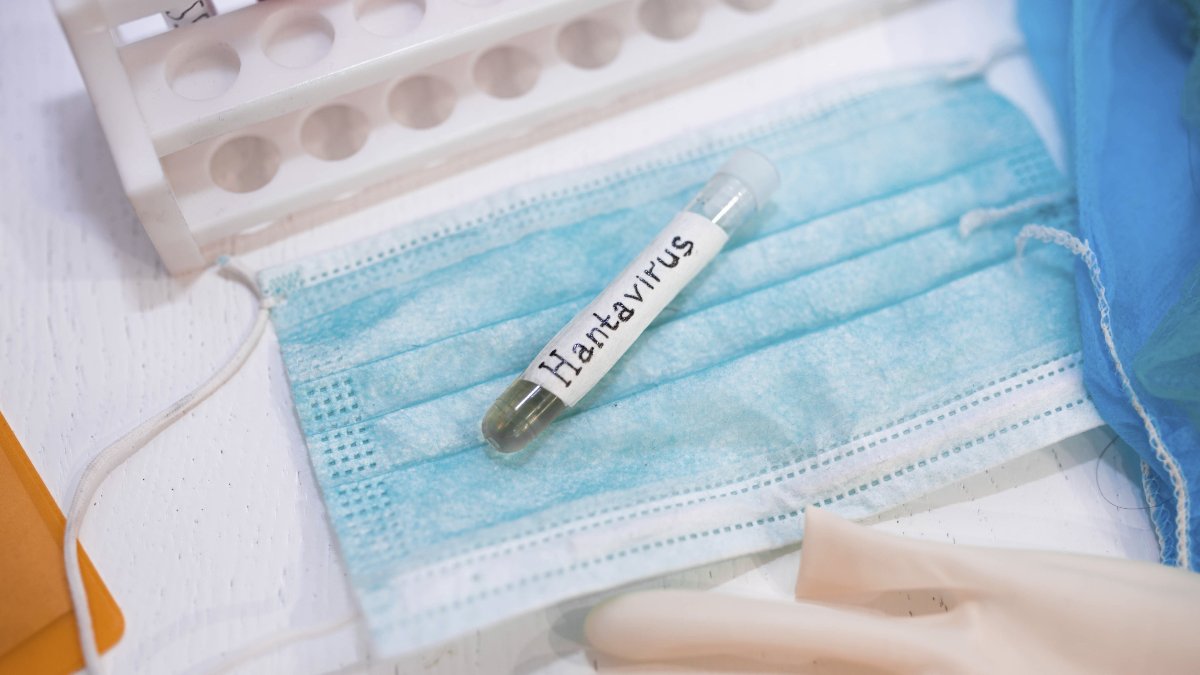
Stunning Hantavirus-hit Ship Departs Tenerife For Netherlands Artwork for Mobile
This gorgeous hantavirus-hit ship departs tenerife for netherlands photo offers a breathtaking view, making it a perfect choice for your next wallpaper.

Vibrant Hantavirus-hit Ship Departs Tenerife For Netherlands Wallpaper Digital Art
Discover an amazing hantavirus-hit ship departs tenerife for netherlands background image, ideal for personalizing your devices with vibrant colors and intricate designs.
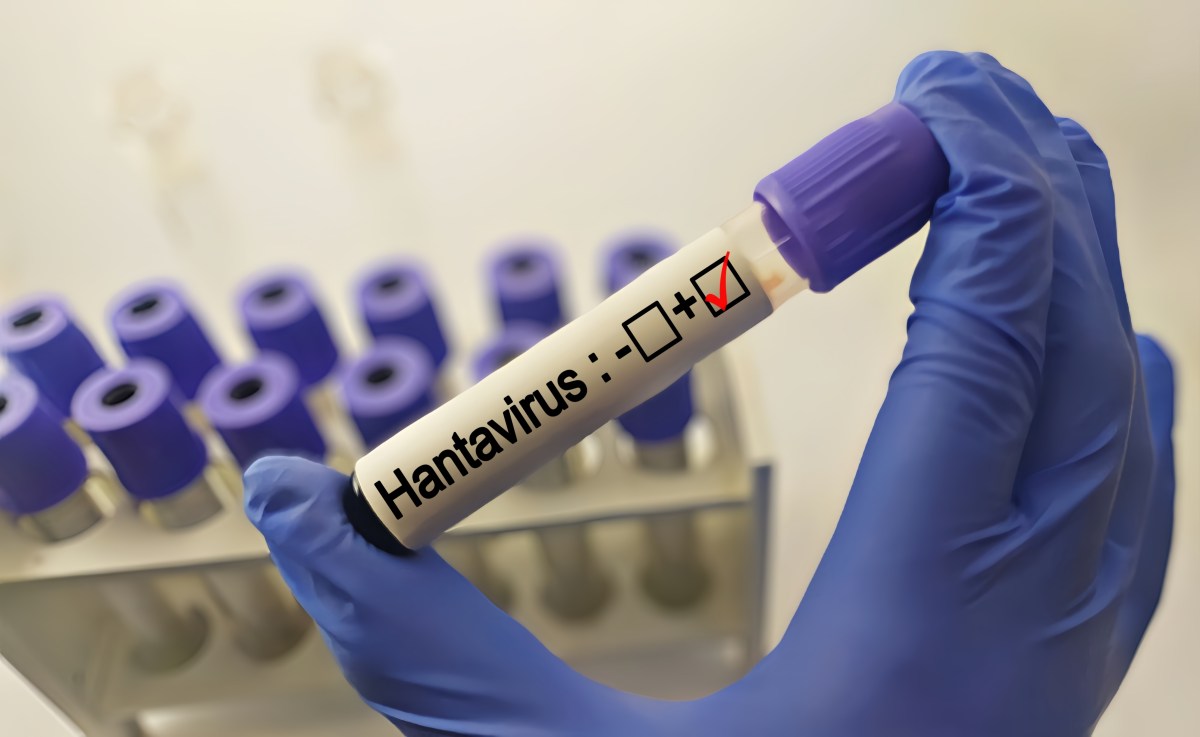
Detailed Hantavirus-hit Ship Departs Tenerife For Netherlands Background Collection
Explore this high-quality hantavirus-hit ship departs tenerife for netherlands image, perfect for enhancing your desktop or mobile wallpaper.
Download these hantavirus-hit ship departs tenerife for netherlands wallpapers for free and use them on your desktop or mobile devices.