Inflation rises to 2.8% in April but Iran war impact limited to gas pumps for now
Inflation rises to 2.8% in April but Iran war impact limited to gas pumps for now
The global economic landscape has shifted significantly this spring as the latest Consumer Price Index data reveals that core inflation has climbed to 2.8% in April. This uptick comes amidst the backdrop of an escalating conflict in the Middle East, which has many investors and households on edge. However, a deeper dive into the economic indicators suggests a surprising resilience in broader consumer goods; while the geopolitical tensions between the U.S., Israel, and Iran have sent shockwaves through energy markets, the direct inflationary impact has remained largely contained within the energy sector. For the average consumer, the most visible sign of the war is found at the gas station rather than the grocery store or the shopping mall, as supply chain diversions and strategic reserves help buffer other sectors from the immediate volatility of the conflict.
The Featured Snippet Paragraph: Inflation data for April 2026 shows a rise to 2.8% for core items, while headline inflation has accelerated even faster to 3.8% due to energy volatility. The primary driver of this increase is the ongoing war with Iran, which has pushed Brent crude prices above $100 per barrel and caused U.S. gasoline prices to jump by approximately 20% to 45% since the conflict began. Despite these pressures, the impact on non-energy sectors like food and services remains limited for now, as global markets adapt to the closure of the Strait of Hormuz and businesses attempt to absorb initial cost increases.
The April Inflation Surge: Breaking Down the 2.8% Core Rate
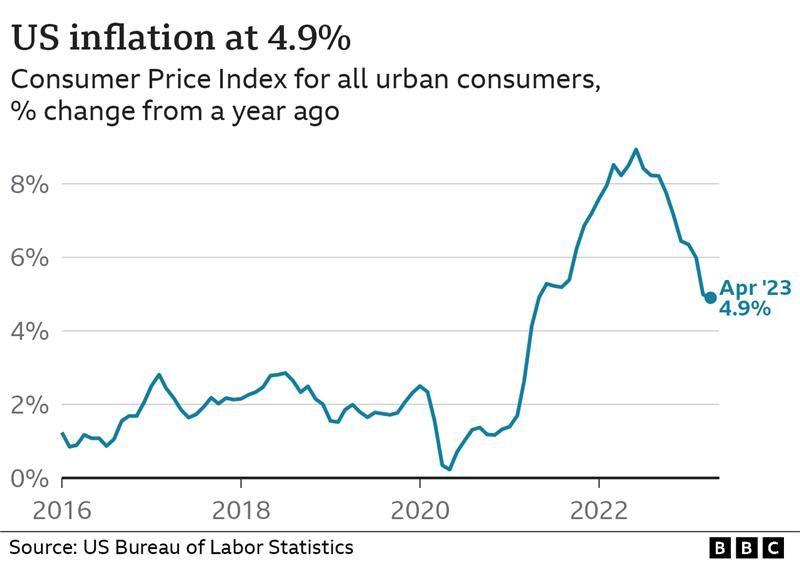
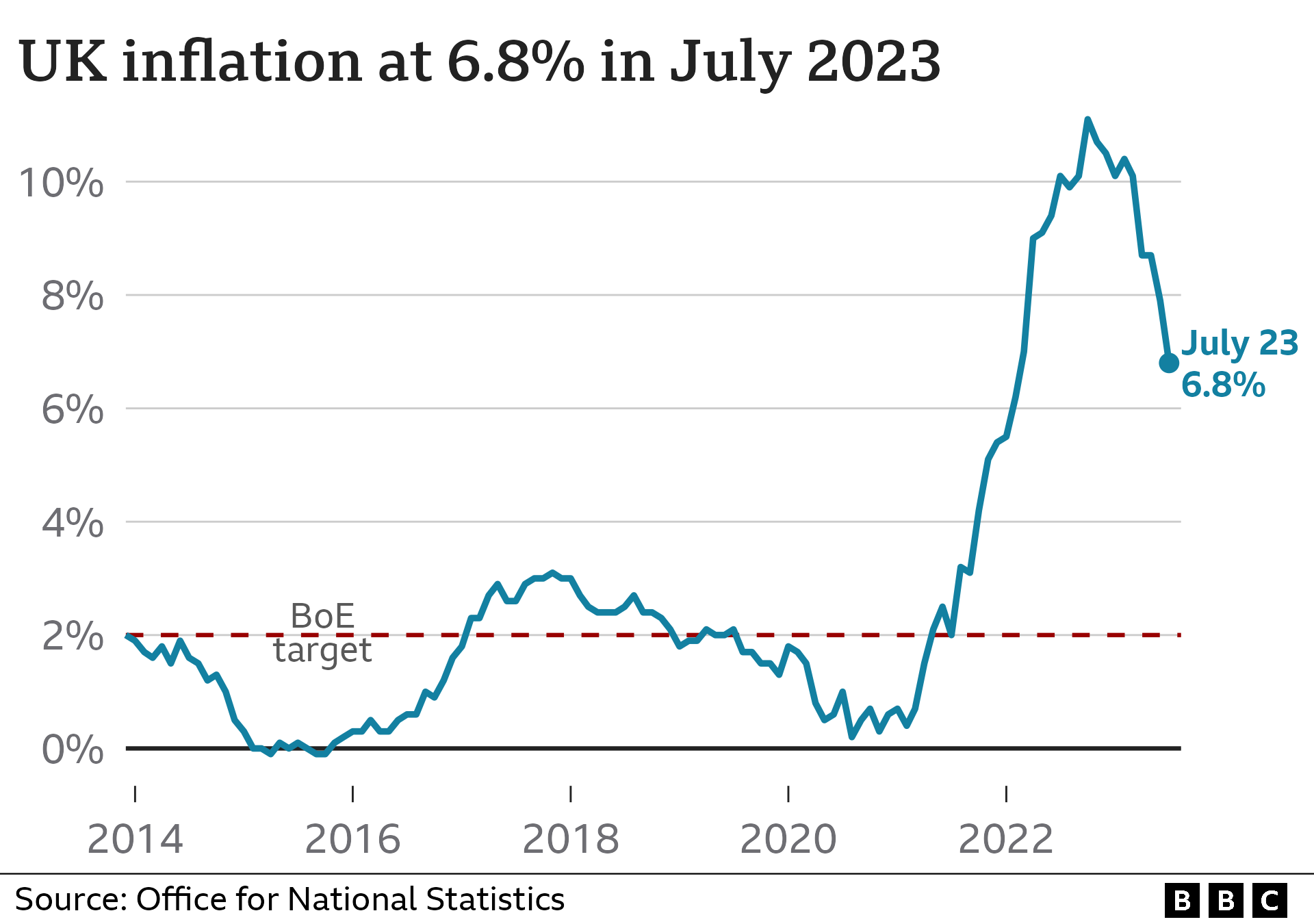
The release of the April 2026 Consumer Price Index (CPI) has confirmed what many economists feared: inflation is once again trending upward. The core inflation rate, which excludes the volatile categories of food and energy, rose to 2.8% year-over-year. This represents a steady climb from previous months and indicates that underlying price pressures remain a challenge for the Federal Reserve. While 2.8% may seem modest compared to the peaks of previous years, the trajectory is concerning for a central bank aiming for a 2% target.
When looking at the broader headline inflation, the picture is even more stark. The all-items index increased by 3.8% over the last 12 months. The gap between the 2.8% core rate and the 3.8% headline rate is almost entirely attributable to the massive spike in energy costs. The energy index alone rose by 17.9% in April, accounting for over forty percent of the total monthly increase in the CPI. This data illustrates a bifurcated economy where the "war premium" is currently concentrated in specific commodities.
Energy Markets Under Fire: The Iran War Factor
The escalation of hostilities involving Iran has fundamentally altered the global energy supply map. As the Strait of Hormuz—a chokepoint responsible for a fifth of the world's daily oil consumption—faces effective closure or severe disruption, crude oil prices have surged. Brent crude has eclipsed the $100 per barrel mark, a level not seen since the early days of the Russia-Ukraine conflict. This geopolitical shock is the primary engine behind the 0.6% monthly increase in the headline CPI for April.
Industry analysts note that the impact is not just about the raw cost of crude. Refineries are also facing pressure as they transition to more expensive summer-blend gasolines, which include additives to reduce evaporation during warmer months. The combination of wartime supply uncertainty and seasonal demand has created a "perfect storm" for energy prices. For many Americans, this has translated to a national average gas price exceeding $4.00 per gallon, with some regions like California seeing much higher figures.
Why the Impact is Currently Limited to Gas Pumps
One of the most striking aspects of the April report is that while gas prices are soaring, the "pass-through" effect to other goods has been remarkably slow. There are several reasons for this temporary insulation. First, many businesses maintain long-term contracts for shipping and raw materials, meaning the immediate spike in diesel and jet fuel prices hasn't yet forced a total repricing of retail goods. Furthermore, the U.S. remains a net exporter of energy, providing a domestic cushion that many European and Asian economies do not enjoy.
Additionally, consumer behavior is shifting. While spending remains resilient, it is slowing in discretionary categories. Major retailers are hesitant to raise prices immediately for fear of losing market share in a cooling economy. This "wait and see" approach by corporations has kept the inflation in services and durable goods at more manageable levels, even as the cost of the fuel required to transport those goods climbs daily.
The Rising Cost of Logistics and Shipping
While the impact is "limited" for now, the logistics sector is the front line where the next wave of inflation is forming. Diesel prices have climbed to an average of $4.83 per gallon in the U.S., a 28% jump since the conflict began. Because diesel powers the 18-wheelers that stock grocery shelves and the ships that carry international freight, these costs are essentially a tax on every physical product in the economy. Analysts suggest that if energy prices remain at these levels for another quarter, the 2.8% core inflation rate will inevitably rise as companies implement fuel surcharges.
| Economic Indicator (April 2026) | Percentage Change (Year-over-Year) |
|---|---|
| Headline Inflation (CPI-U) | 3.8% |
| Core Inflation (Excluding Food/Energy) | 2.8% |
| Energy Index | 17.9% |
| Gasoline (All Types) | 28.4% |
| Food at Home | 2.9% |
Regional Variations: From California to the Gulf Coast
The burden of rising inflation is not shared equally across the United States. Regional data shows that the West and Northeast are feeling the pinch of energy costs more acutely. In California, where refinery capacity has decreased and reliance on Asian imports is high, gas prices have reached as high as $5.34 per gallon. Conversely, states in the Gulf Coast region like Louisiana, which boast high oil production and local refining capacity, have seen more moderate increases, with averages around $3.20.
These regional disparities also extend to housing and services. In major metropolitan hubs where the Knicks' conference finals ticket prices are running rampant and NBA Finals pursuit continues to drive local spending, service-sector inflation is higher. Meanwhile, in the Midwest, the inflation rate has stayed closer to the national average, reflecting a different balance of manufacturing and agricultural economic drivers.
The Federal Reserve's Dilemma: To Hike or to Hold?
The Federal Open Market Committee (FOMC) finds itself in a precarious position. The 2.8% core inflation rate is too high for comfort, but the primary driver of the headline surge—the Iran war—is a supply-side shock that interest rate hikes cannot directly fix. Raising rates too aggressively could trigger a recession, especially as consumer sentiment begins to soften under the weight of $4 gas. For now, the Fed has opted to keep rates unchanged, maintaining a "modestly hawkish" tone while signaling that they are prepared to act if energy costs begin to bleed into long-term inflation expectations.
Future Outlook: Will Core Inflation Follow Headline Gains?
The consensus among economists is that the "damage has already been done." Even if a ceasefire were reached tomorrow, the damage to Middle Eastern energy infrastructure means oil production will take months or years to return to pre-war levels. There is a growing concern that core inflation will eventually catch up to the headline rate. As fertilizer production (which relies on natural gas) is constrained, food prices are expected to rise later this year. Furthermore, the increase in jet fuel prices is already being passed on to summer travelers through higher ticket prices and new fees.
Consumer Resilience and the Shift in Spending
Despite the "pain at the pump," American consumers have shown a surprising ability to adapt. Retail sales in March and April remained solid, partly buoyed by tax refunds and the ongoing AI-driven boom in the tech sector. However, there is evidence that lower-income households are struggling. As gas takes up a larger share of the monthly budget, spending on "extras" like dining out or home improvements is beginning to flag. This shift in spending is the economy's natural way of cooling down, but it poses a risk to overall GDP growth if the conflict persists through the end of 2026.
Frequently Asked Questions (FAQ)
Q1: Why is inflation rising despite efforts to control it?
A1: While core inflation is at 2.8%, headline inflation has hit 3.8% primarily due to the geopolitical shock of the Iran war, which has caused a massive spike in energy and gasoline costs that traditional monetary policy cannot easily suppress.
Q2: How much has the Iran war added to gas prices?
A2: Economic models suggest a "war premium" of approximately $0.85 to $1.15 per gallon. This has pushed the national average to over $4.00 per gallon as of late April 2026.
Q3: Is the U.S. in danger of a recession?
A3: While GDP grew at a 2% rate in Q1 2026, economists warn that the drag from high energy prices could reduce growth by 0.3-0.5% for the full year, making the outlook "cloudy" but not yet recessionary.
Q4: Will food prices also go up because of the war?
A4: Yes. While the impact is currently limited to gas, higher diesel prices increase transportation costs for groceries, and natural gas shortages are affecting fertilizer production, which will likely lead to higher food costs later in the year.
Q5: What is the difference between headline and core inflation?
A5: Headline inflation (3.8%) includes all categories, including food and energy. Core inflation (2.8%) excludes food and energy to provide a clearer picture of long-term underlying price trends.
Conclusion
The April 2026 economic data paints a picture of an economy at a crossroads. Inflation at 2.8% for core items and 3.8% for the headline index shows that while the Iran war has fundamentally disrupted energy markets, the broader economy has not yet succumbed to a general price spiral. The "limited" impact on non-energy sectors is a testament to current supply chain management and domestic energy production, but it remains a fragile peace. As high fuel costs begin to permeate through logistics and agriculture, the true test for the Federal Reserve and the American consumer will arrive in the second half of the year. For now, the war is being fought at the gas pump, and the hope is that it stays there until a diplomatic resolution can be found.
Inflation rises to 2.8% in April but Iran war impact limited to gas pumps for now
Inflation rises to 2.8% in April but Iran war impact limited to gas pumps for now Wallpapers
Collection of inflation rises to 2.8% in april but iran war impact limited to gas pumps for now wallpapers for your desktop and mobile devices.
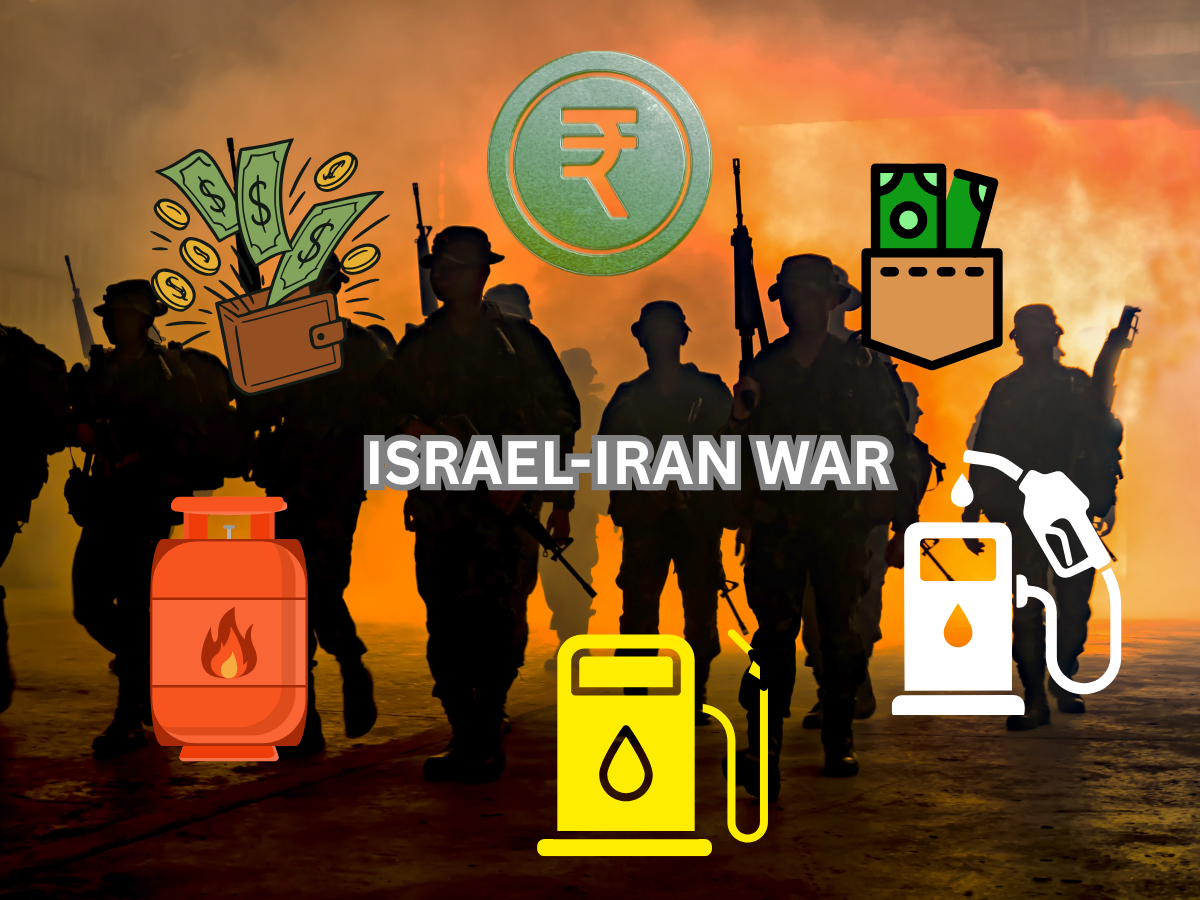
Stunning Inflation Rises To 2.8% In April But Iran War Impact Limited To Gas Pumps For Now Design for Your Screen
Find inspiration with this unique inflation rises to 2.8% in april but iran war impact limited to gas pumps for now illustration, crafted to provide a fresh look for your background.
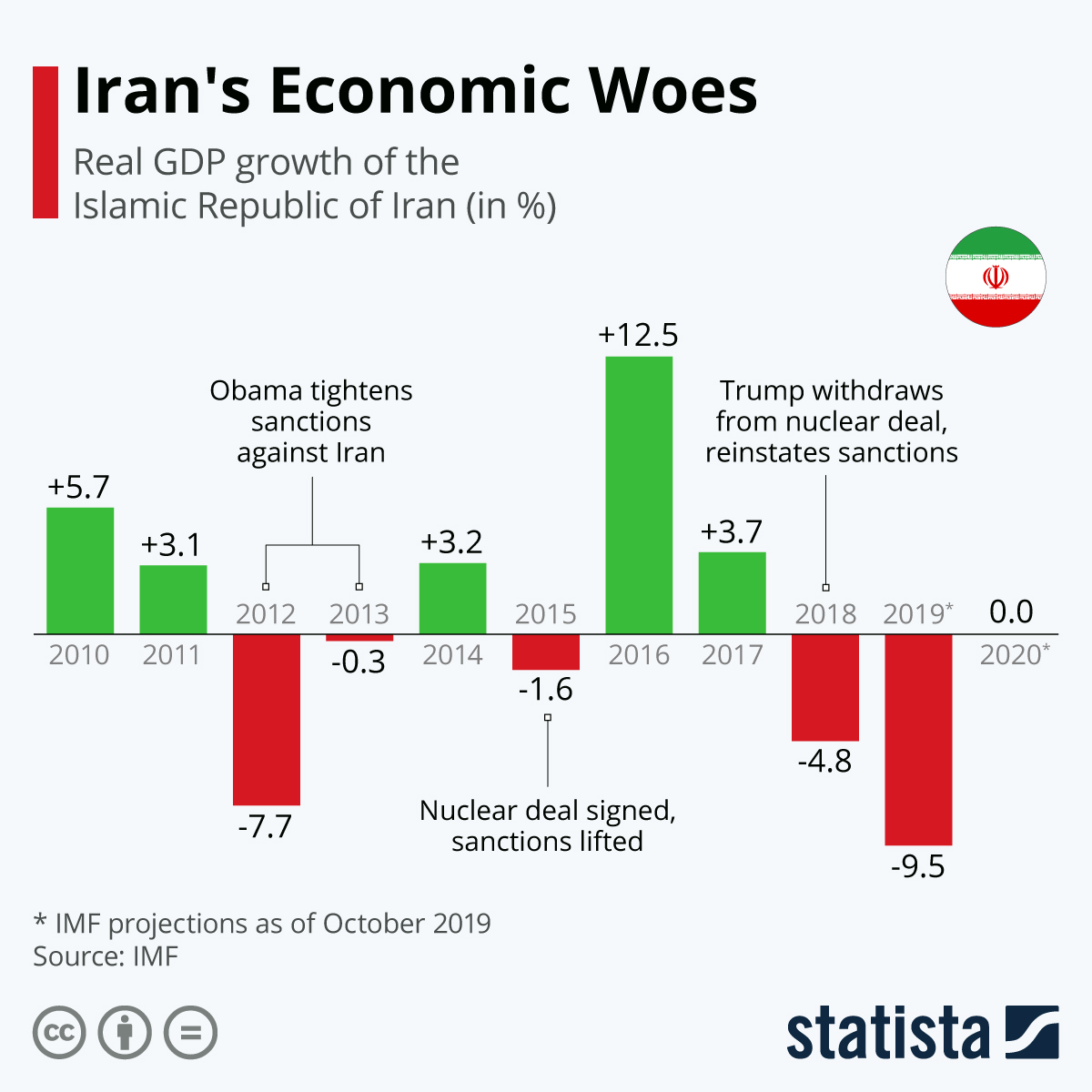
Breathtaking Inflation Rises To 2.8% In April But Iran War Impact Limited To Gas Pumps For Now Wallpaper in HD
Discover an amazing inflation rises to 2.8% in april but iran war impact limited to gas pumps for now background image, ideal for personalizing your devices with vibrant colors and intricate designs.

High-Quality Inflation Rises To 2.8% In April But Iran War Impact Limited To Gas Pumps For Now Abstract Concept
Explore this high-quality inflation rises to 2.8% in april but iran war impact limited to gas pumps for now image, perfect for enhancing your desktop or mobile wallpaper.
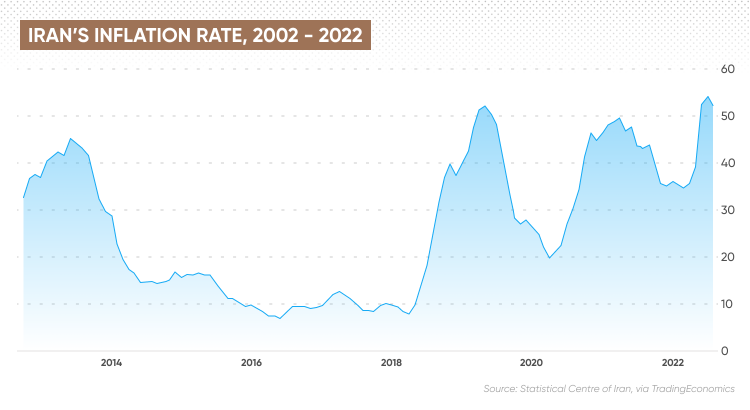
Captivating Inflation Rises To 2.8% In April But Iran War Impact Limited To Gas Pumps For Now Scene Nature
Immerse yourself in the stunning details of this beautiful inflation rises to 2.8% in april but iran war impact limited to gas pumps for now wallpaper, designed for a captivating visual experience.
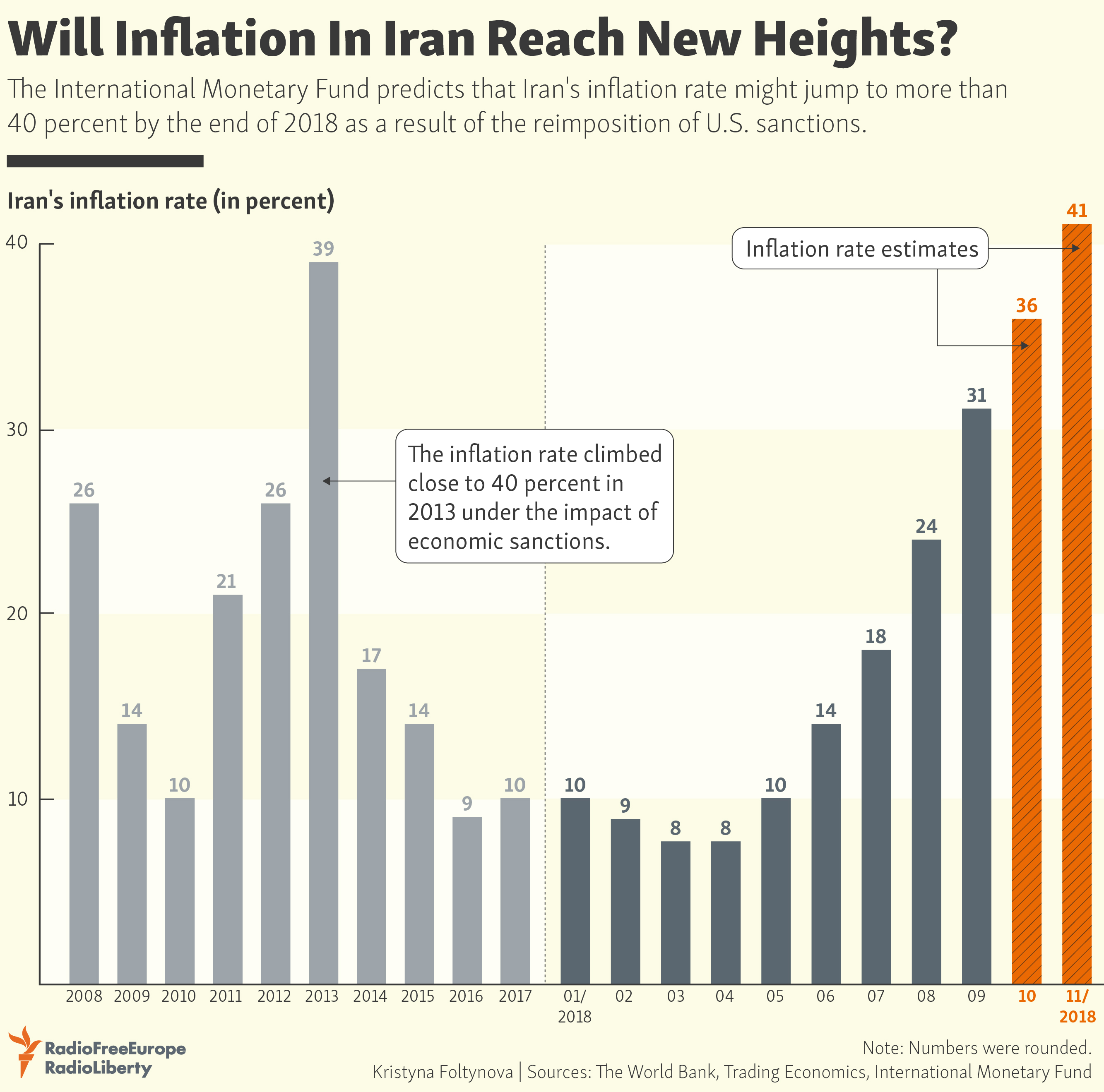
Lush Inflation Rises To 2.8% In April But Iran War Impact Limited To Gas Pumps For Now Photo Art
This gorgeous inflation rises to 2.8% in april but iran war impact limited to gas pumps for now photo offers a breathtaking view, making it a perfect choice for your next wallpaper.

Spectacular Inflation Rises To 2.8% In April But Iran War Impact Limited To Gas Pumps For Now Background Photography
Immerse yourself in the stunning details of this beautiful inflation rises to 2.8% in april but iran war impact limited to gas pumps for now wallpaper, designed for a captivating visual experience.

Detailed Inflation Rises To 2.8% In April But Iran War Impact Limited To Gas Pumps For Now Background Collection
Transform your screen with this vivid inflation rises to 2.8% in april but iran war impact limited to gas pumps for now artwork, a true masterpiece of digital design.

Beautiful Inflation Rises To 2.8% In April But Iran War Impact Limited To Gas Pumps For Now Picture for Your Screen
Transform your screen with this vivid inflation rises to 2.8% in april but iran war impact limited to gas pumps for now artwork, a true masterpiece of digital design.
Dynamic Inflation Rises To 2.8% In April But Iran War Impact Limited To Gas Pumps For Now Artwork Art
Immerse yourself in the stunning details of this beautiful inflation rises to 2.8% in april but iran war impact limited to gas pumps for now wallpaper, designed for a captivating visual experience.
High-Quality Inflation Rises To 2.8% In April But Iran War Impact Limited To Gas Pumps For Now Picture for Your Screen
Explore this high-quality inflation rises to 2.8% in april but iran war impact limited to gas pumps for now image, perfect for enhancing your desktop or mobile wallpaper.

Stunning Inflation Rises To 2.8% In April But Iran War Impact Limited To Gas Pumps For Now Landscape in HD
Immerse yourself in the stunning details of this beautiful inflation rises to 2.8% in april but iran war impact limited to gas pumps for now wallpaper, designed for a captivating visual experience.
Serene Inflation Rises To 2.8% In April But Iran War Impact Limited To Gas Pumps For Now Landscape Concept
Transform your screen with this vivid inflation rises to 2.8% in april but iran war impact limited to gas pumps for now artwork, a true masterpiece of digital design.
Spectacular Inflation Rises To 2.8% In April But Iran War Impact Limited To Gas Pumps For Now Photo for Desktop
A captivating inflation rises to 2.8% in april but iran war impact limited to gas pumps for now scene that brings tranquility and beauty to any device.
Detailed Inflation Rises To 2.8% In April But Iran War Impact Limited To Gas Pumps For Now Background Art
Transform your screen with this vivid inflation rises to 2.8% in april but iran war impact limited to gas pumps for now artwork, a true masterpiece of digital design.
Vivid Inflation Rises To 2.8% In April But Iran War Impact Limited To Gas Pumps For Now Moment Illustration
Explore this high-quality inflation rises to 2.8% in april but iran war impact limited to gas pumps for now image, perfect for enhancing your desktop or mobile wallpaper.
Amazing Inflation Rises To 2.8% In April But Iran War Impact Limited To Gas Pumps For Now Photo Art
Discover an amazing inflation rises to 2.8% in april but iran war impact limited to gas pumps for now background image, ideal for personalizing your devices with vibrant colors and intricate designs.

Stunning Inflation Rises To 2.8% In April But Iran War Impact Limited To Gas Pumps For Now Photo Art
Immerse yourself in the stunning details of this beautiful inflation rises to 2.8% in april but iran war impact limited to gas pumps for now wallpaper, designed for a captivating visual experience.

Lush Inflation Rises To 2.8% In April But Iran War Impact Limited To Gas Pumps For Now Image Digital Art
Find inspiration with this unique inflation rises to 2.8% in april but iran war impact limited to gas pumps for now illustration, crafted to provide a fresh look for your background.

High-Quality Inflation Rises To 2.8% In April But Iran War Impact Limited To Gas Pumps For Now Abstract for Your Screen
Transform your screen with this vivid inflation rises to 2.8% in april but iran war impact limited to gas pumps for now artwork, a true masterpiece of digital design.

High-Quality Inflation Rises To 2.8% In April But Iran War Impact Limited To Gas Pumps For Now Background Art
Experience the crisp clarity of this stunning inflation rises to 2.8% in april but iran war impact limited to gas pumps for now image, available in high resolution for all your screens.
Download these inflation rises to 2.8% in april but iran war impact limited to gas pumps for now wallpapers for free and use them on your desktop or mobile devices.