Jason Collins, NBA's first openly gay player, dies at 47 of brain tumour
Jason Collins, NBA's first openly gay player, dies at 47 of brain tumour
The sports world is in deep mourning following the tragic news that Jason Collins, a true pioneer and a beacon of courage, has passed away at the age of 47. Collins, who famously became the first active male athlete in one of the four major North American professional sports leagues to come out as gay, died peacefully at his home on May 12, 2026. His death follows a grueling and public battle with stage 4 glioblastoma, a highly aggressive and terminal form of brain cancer. From his early days as a standout at Stanford University to his 13 seasons in the NBA and his subsequent years as a tireless advocate for LGBTQ+ rights, Jason Collins lived a life defined by integrity, resilience, and the pursuit of truth. His passing marks the end of a chapter for a man who didn't just play the game of basketball; he changed the culture surrounding it forever.
Jason Collins died at age 47 on May 12, 2026, after a valiant battle with stage 4 glioblastoma, an aggressive brain tumour. Known as the first openly gay active player in NBA history, Collins came out in 2013 and spent 13 seasons in the league with teams including the New Jersey Nets, Atlanta Hawks, and Boston Celtics. His legacy is defined by his groundbreaking advocacy for inclusivity in professional sports and his distinguished career as a defensive-minded center who reached the NBA Finals twice.
The Groundbreaking Legacy of Jason Collins
When historians look back at the intersection of social progress and professional sports in the early 21st century, the name Jason Collins will occupy a central position. In April 2013, Collins penned a first-person essay for Sports Illustrated that began with the simple yet revolutionary words: "I'm a 34-year-old NBA center. I'm black. And I'm gay." At that moment, he broke a barrier that many thought would remain standing for decades. He wasn't just a retired player looking back; he was an active free agent who wanted to continue his career as his authentic self.
The impact of his announcement was immediate and global. It sparked conversations in locker rooms, boardrooms, and living rooms across the country. Collins received phone calls of support from President Barack Obama and First Lady Michelle Obama, as well as NBA Commissioner David Stern. His decision to come out paved the way for future athletes, such as Michael Sam in the NFL and Carl Nassib, to live openly. Collins understood the weight of his platform and used it to advocate for a world where athletes would be judged solely by their performance and character, not their sexual orientation.
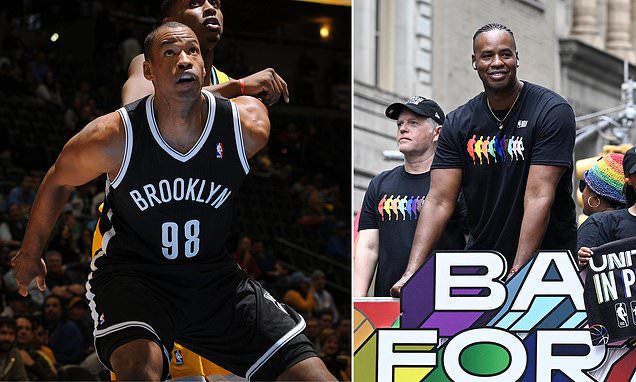
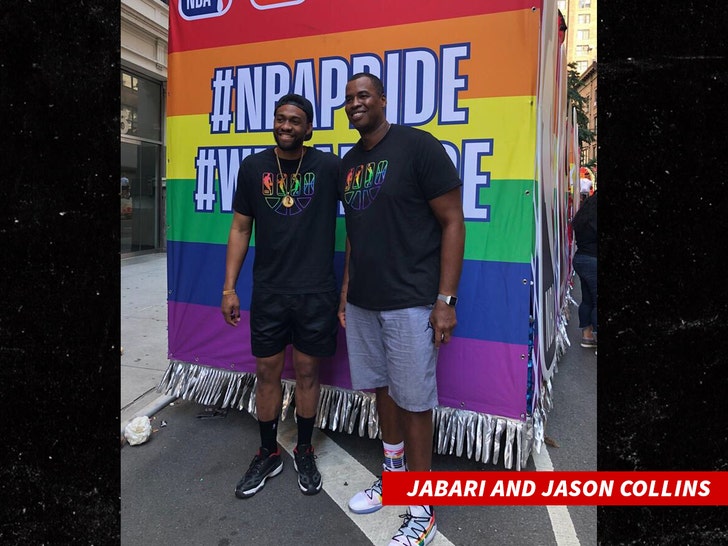
Throughout his post-playing career, Collins served as an NBA Cares Ambassador, traveling the world to promote inclusion and diversity. He was a frequent speaker at LGBTQ+ events and worked closely with organizations like GLSEN and the Human Rights Campaign. His legacy is not just one of being "first," but of being a consistent, compassionate voice for those who felt they had to hide their true identities to succeed in sports.
A Courageous Battle: Understanding Glioblastoma
Jason Collins' final battle was against a foe that proved as relentless as any opponent he faced on the court. In late 2025, Collins revealed that he had been diagnosed with stage 4 glioblastoma multiforme. This type of brain cancer is known for its rapid growth and resistance to traditional therapies. Collins first noticed symptoms such as persistent "brain fog," difficulty concentrating, and subtle lapses in short-term memory during the summer of 2025. After a series of tests at UCLA, the devastating diagnosis was confirmed.
True to his nature, Collins faced the disease with transparency and determination. He documented his journey in a poignant essay for ESPN, describing his tumor as a "Hydra" that required an aggressive, multi-pronged approach to treat. He underwent standard treatments, including surgery, radiation, and chemotherapy, but also sought out experimental therapies. In early 2026, Collins traveled to a specialized medical center in Singapore to participate in a clinical trial involving targeted immunotherapy.
The treatments in Singapore initially provided a glimmer of hope. Collins reported improved cognitive function and enough physical strength to return to the United States and attend the 2026 NBA All-Star Weekend in Los Angeles. His appearance at the event was met with a standing ovation, a testament to the respect he commanded across the league. However, glioblastoma is notoriously unpredictable. In the weeks leading up to his death, the cancer returned with renewed aggression, eventually leading to his passing surrounded by his loving family.
From Stanford to the NBA Finals: A Storied Career
Before he was a social pioneer, Jason Collins was a dominant physical force on the basketball court. Alongside his twin brother, Jarron Collins, Jason helped turn Stanford University into a national powerhouse in the late 1990s and early 2000s. A 7-footer with a high basketball IQ, Jason was the defensive anchor for the Cardinal. In 2001, he was named a Third-team All-American and received the Pete Newell Big Man Award, recognizing him as the best interior player in college basketball.
The Houston Rockets selected Collins with the 18th overall pick in the 2001 NBA Draft, but his rights were quickly traded to the New Jersey Nets. It was in New Jersey that Collins enjoyed his greatest team success. Playing alongside Jason Kidd, Kenyon Martin, and Richard Jefferson, Collins was the starting center for the Nets teams that reached back-to-back NBA Finals in 2002 and 2003. While his box score stats—averaging 3.6 points and 3.7 rebounds over his career—never jumped off the page, his value was found in the "dirty work."
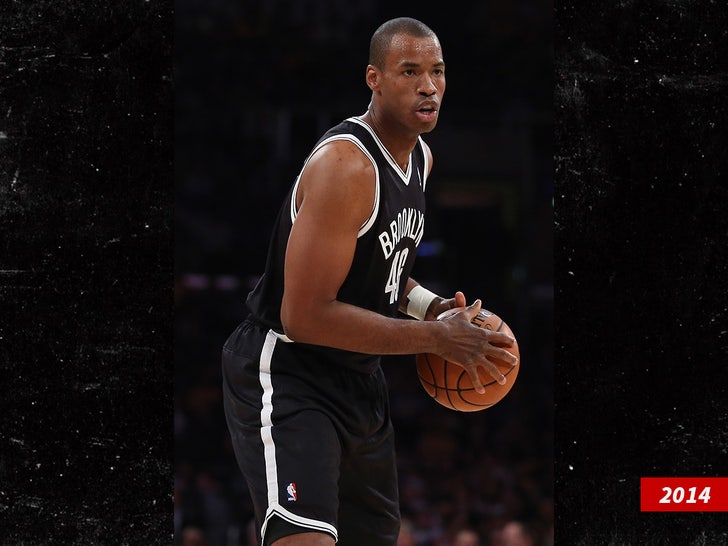
Collins was a master of post defense, setting bone-jarring screens and sacrificing his body to draw offensive fouls. Coaches valued his ability to execute complex defensive schemes and his veteran leadership in the locker room. Over his 13 seasons, he played for the Nets, Grizzlies, Timberwolves, Hawks, Celtics, Wizards, and eventually returned to the Brooklyn Nets for his final season in 2014, where he wore the number 98 in honor of Matthew Shepard.
Tributes Pour In: Adam Silver and the NBA Family
The news of Jason's passing has prompted a wave of tributes from across the globe. NBA Commissioner Adam Silver released a moving statement, highlighting that Jason's impact extended "far beyond basketball." Silver noted that Collins helped make the NBA community more inclusive and welcoming for future generations. "Jason will be remembered not only for breaking barriers but also for the kindness and humanity that defined his life," Silver said.
Former teammates and opponents have also taken to social media to share their memories. Jason Kidd, who played with Collins for years in New Jersey, called him "the ultimate teammate" and "one of the smartest players I ever took the floor with." Many pointed to his infectious laugh and his ability to bridge gaps between people from different backgrounds. The Brooklyn Nets and the New York Knicks held a moment of silence before their respective games following the announcement, honoring a man who was a fixture of the New York sports scene for many years.
The LGBTQ+ community has also hailed Collins as a hero. Kelley Robinson, President of the Human Rights Campaign, stated that "to call Jason Collins a groundbreaking figure for our community is simply inadequate. We truly lost a giant today." His death serves as a reminder of the fragility of life and the enduring power of living one's truth, no matter the cost.
| Key Milestone | Description/Year |
|---|---|
| NBA Draft | 18th Overall Pick (2001) |
| Historical Announcement | Came out as gay in Sports Illustrated (2013) |
| NBA Finals Appearances | 2002 and 2003 with New Jersey Nets |
| Career Statistics | 735 Games, 2,621 Points, 2,706 Rebounds |
| Collegiate Accolades | NABC Third-team All-American (2001) |
Impact Beyond the Court: LGBTQ+ Advocacy in Sports
Jason Collins understood that his decision to come out was about more than just himself. He frequently spoke about the "loneliness" of being in the closet and the mental toll it took on his performance and well-being. By coming out, he sought to ensure that the next generation of athletes wouldn't have to carry that same burden. He became a role model for countless young people who saw themselves reflected in a professional athlete for the first time.
His advocacy work was substantive and hands-on. He worked with the NBA to implement sensitivity training and helped develop policies to protect LGBTQ+ employees and players from discrimination. He was also a vocal supporter of the "You Can Play" project, which works to ensure safety and inclusion for all athletes. Collins often said that his greatest achievement wasn't a block or a basket, but the letters he received from parents and children thanking him for his courage.
Even during his illness, Collins remained committed to his cause. He used his platform to raise awareness about the lack of funding for rare brain cancers and advocated for better access to experimental treatments for all patients. He believed that everyone deserved a fighting chance, whether they were on a basketball court or in a hospital room. His spirit of service remained unbroken until the very end.
The Final Months: A Story of Resilience and Hope
The final months of Jason Collins' life were a testament to the strength of the human spirit. Despite the physical toll of glioblastoma, he remained focused on his family and his legacy. He spent much of his time at his home in Austin, Texas, surrounded by his husband, Brunson Green, and his twin brother, Jarron. The bond between the Collins twins was legendary; they had been inseparable from their days at Harvard-Westlake High School through their time at Stanford and their parallel NBA careers.
During this time, Jason focused on simple pleasures—listening to music, sharing stories with friends, and watching Stanford basketball games. He remained a mentor to several young NBA players, offering advice on life and career over video calls. His ability to find joy in small moments, even while facing a terminal illness, inspired everyone around him. He often spoke of being at peace with his journey, grateful for the opportunities he had to make a difference.
His family expressed their gratitude for the "outpouring of love and prayers" from the public. They noted that the medical teams at UCLA and in Singapore provided exceptional care, allowing Jason to have more time with his loved ones than originally expected. In his final days, he was at peace, knowing that his life had purpose and that his work would be carried on by others.
Jarron Collins and the Family: A Tight-Knit Support System
The Collins family has always been known for their closeness and their shared values. Jason is survived by his husband, Brunson Green, whom he married in a private ceremony in 2025. Green, a film producer, was a constant source of support throughout Jason's diagnosis and treatment. The couple was known for their philanthropic work and their dedication to supporting LGBTQ+ youth.
Jarron Collins, currently a coach in the NBA, was by his brother's side throughout the ordeal. The twins shared a unique bond, often described as a "two-person team." Jarron frequently acted as Jason's spokesperson during his illness, providing updates to the media and the NBA community. Their parents, Portia and Paul Collins, were also instrumental in Jason's upbringing, instilling in him the values of education, hard work, and integrity that guided his life.
The family has requested privacy during this difficult time but has encouraged fans to honor Jason's memory by supporting organizations dedicated to brain cancer research or LGBTQ+ advocacy. They emphasized that Jason's story is one of victory over fear, and they hope that his life will continue to inspire others to be brave, be kind, and be themselves.
FAQ Section
How did Jason Collins die?
Jason Collins passed away due to complications from stage 4 glioblastoma, an aggressive and terminal form of brain cancer. He had been battling the disease for approximately eight months following his diagnosis in late 2025.
When did Jason Collins come out?
Jason Collins publicly came out as gay in a cover story for Sports Illustrated in April 2013. This made him the first active male athlete in a major North American professional team sport to do so.
What teams did Jason Collins play for during his NBA career?
Over 13 seasons, Collins played for several teams, including the New Jersey Nets, Memphis Grizzlies, Minnesota Timberwolves, Atlanta Hawks, Boston Celtics, Washington Wizards, and the Brooklyn Nets.
What is Jason Collins' legacy in professional sports?
Collins is remembered as a pioneer for LGBTQ+ inclusion in sports. He broke the barrier for active gay athletes in major leagues and spent his post-playing career as an advocate and ambassador for diversity and social justice.
Who are Jason Collins' family members?
Jason is survived by his husband, Brunson Green, his twin brother, Jarron Collins, and his parents, Portia and Paul Collins. He was also a beloved uncle and a cherished friend to many in the NBA community.
Conclusion
The passing of Jason Collins is a profound loss for the sports world and the global community. He was a man who understood that his life was about more than just personal success; it was about opening doors for others. Through his historic coming out, his tenacious play on the court, and his courageous fight against a devastating illness, Collins demonstrated what it means to lead with heart and integrity. He showed us that being a hero isn't always about scoring the most points; sometimes, it's about having the courage to stand up and say, "This is who I am." As we remember Jason Collins, let us celebrate the barriers he broke, the lives he touched, and the enduring legacy of inclusivity he leaves behind. He may have lost his battle with cancer, but in the game of life, Jason Collins finished as a true champion. Rest in peace, Jason.
Jason Collins, NBA's first openly gay player, dies at 47 of brain tumour
Jason Collins, NBA's first openly gay player, dies at 47 of brain tumour Wallpapers
Collection of jason collins, nba's first openly gay player, dies at 47 of brain tumour wallpapers for your desktop and mobile devices.

Serene Jason Collins, Nba's First Openly Gay Player, Dies At 47 Of Brain Tumour Scene for Desktop
Discover an amazing jason collins, nba's first openly gay player, dies at 47 of brain tumour background image, ideal for personalizing your devices with vibrant colors and intricate designs.
Vibrant Jason Collins, Nba's First Openly Gay Player, Dies At 47 Of Brain Tumour Artwork Nature
Discover an amazing jason collins, nba's first openly gay player, dies at 47 of brain tumour background image, ideal for personalizing your devices with vibrant colors and intricate designs.

Dynamic Jason Collins, Nba's First Openly Gay Player, Dies At 47 Of Brain Tumour Design Digital Art
This gorgeous jason collins, nba's first openly gay player, dies at 47 of brain tumour photo offers a breathtaking view, making it a perfect choice for your next wallpaper.
Stunning Jason Collins, Nba's First Openly Gay Player, Dies At 47 Of Brain Tumour View for Your Screen
Find inspiration with this unique jason collins, nba's first openly gay player, dies at 47 of brain tumour illustration, crafted to provide a fresh look for your background.
Spectacular Jason Collins, Nba's First Openly Gay Player, Dies At 47 Of Brain Tumour Picture in HD
A captivating jason collins, nba's first openly gay player, dies at 47 of brain tumour scene that brings tranquility and beauty to any device.
:max_bytes(150000):strip_icc():focal(722x372:724x374)/Jason-Collins-053025-8622b8c98057486799ec10d136b18368.jpg "Spectacular Jason Collins, Nba's First Openly Gay Player, Dies At 47 Of Brain Tumour Picture Concept")
Spectacular Jason Collins, Nba's First Openly Gay Player, Dies At 47 Of Brain Tumour Picture Concept
This gorgeous jason collins, nba's first openly gay player, dies at 47 of brain tumour photo offers a breathtaking view, making it a perfect choice for your next wallpaper.
Mesmerizing Jason Collins, Nba's First Openly Gay Player, Dies At 47 Of Brain Tumour Background Collection
Transform your screen with this vivid jason collins, nba's first openly gay player, dies at 47 of brain tumour artwork, a true masterpiece of digital design.
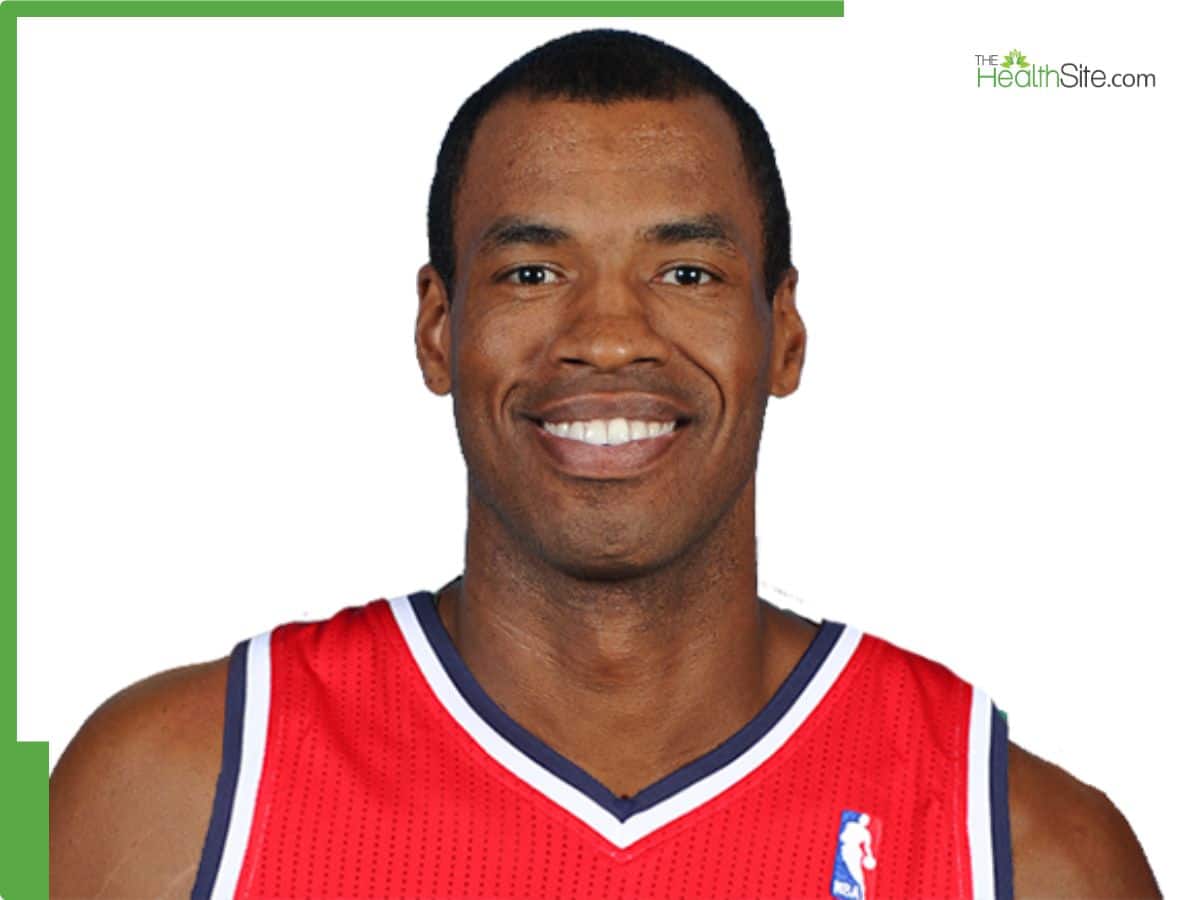
Captivating Jason Collins, Nba's First Openly Gay Player, Dies At 47 Of Brain Tumour Wallpaper Concept
Immerse yourself in the stunning details of this beautiful jason collins, nba's first openly gay player, dies at 47 of brain tumour wallpaper, designed for a captivating visual experience.
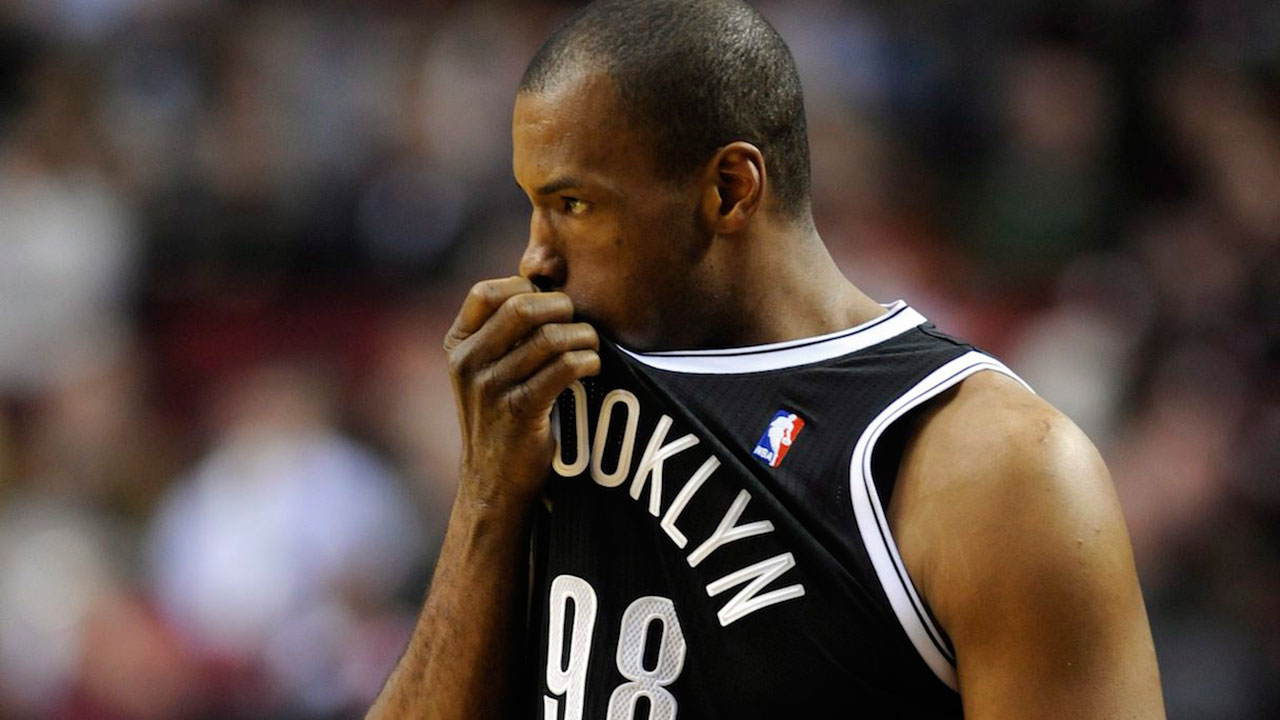
Detailed Jason Collins, Nba's First Openly Gay Player, Dies At 47 Of Brain Tumour Scene in 4K
Transform your screen with this vivid jason collins, nba's first openly gay player, dies at 47 of brain tumour artwork, a true masterpiece of digital design.

Stunning Jason Collins, Nba's First Openly Gay Player, Dies At 47 Of Brain Tumour Scene Art
Find inspiration with this unique jason collins, nba's first openly gay player, dies at 47 of brain tumour illustration, crafted to provide a fresh look for your background.
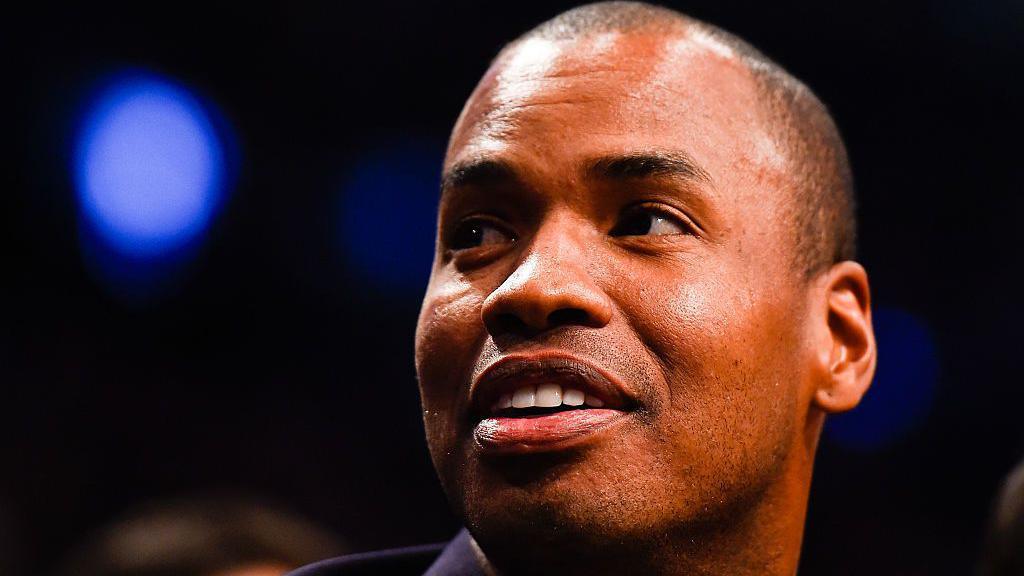
Stunning Jason Collins, Nba's First Openly Gay Player, Dies At 47 Of Brain Tumour Landscape for Desktop
Find inspiration with this unique jason collins, nba's first openly gay player, dies at 47 of brain tumour illustration, crafted to provide a fresh look for your background.
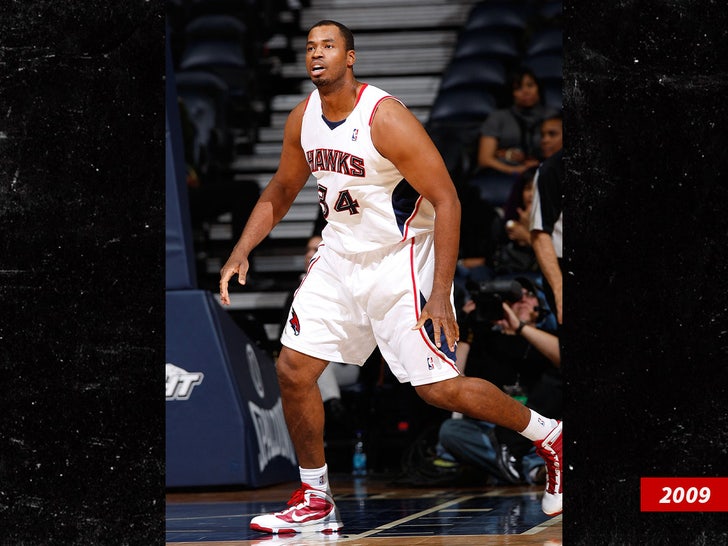
High-Quality Jason Collins, Nba's First Openly Gay Player, Dies At 47 Of Brain Tumour Artwork in 4K
Discover an amazing jason collins, nba's first openly gay player, dies at 47 of brain tumour background image, ideal for personalizing your devices with vibrant colors and intricate designs.
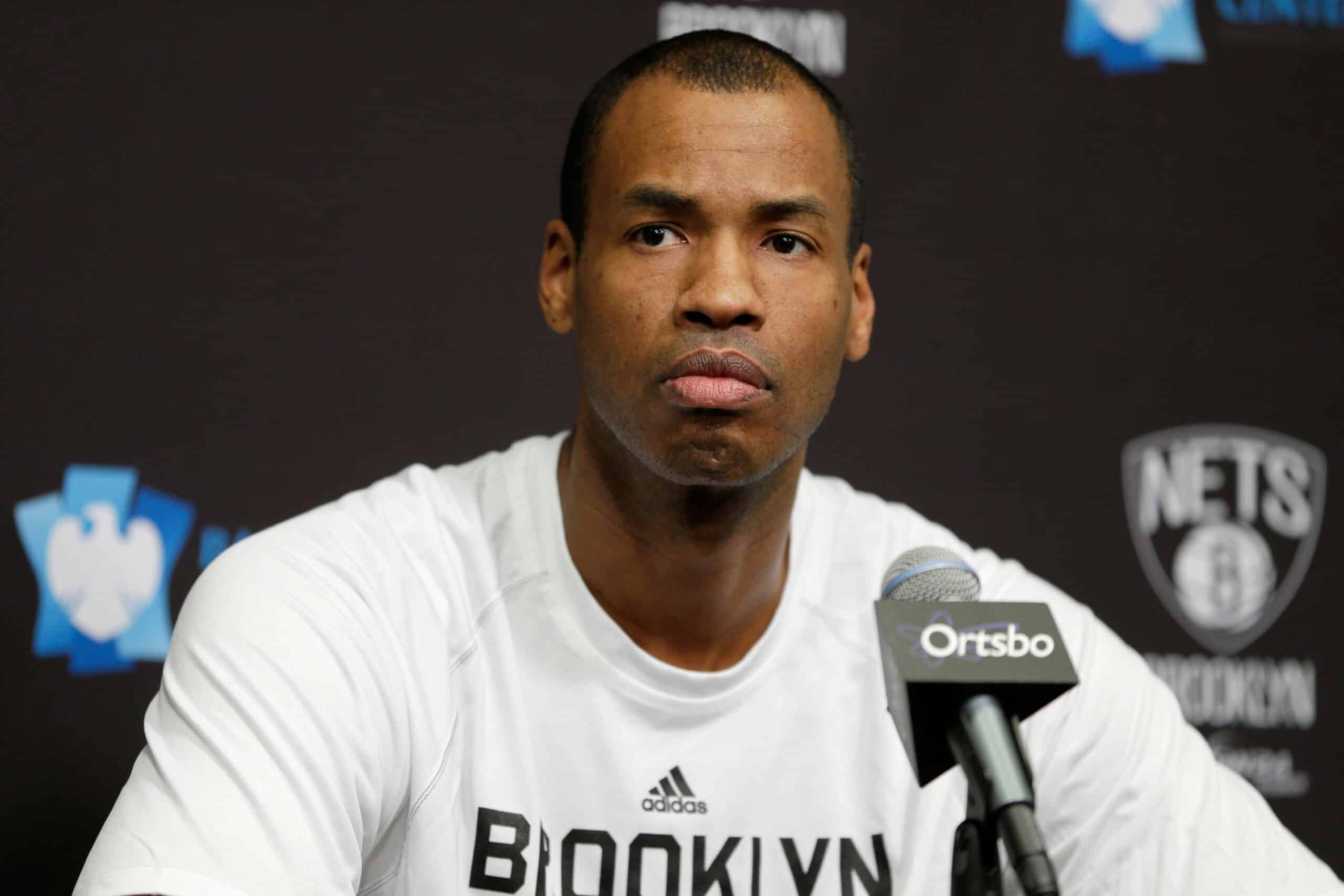
Dynamic Jason Collins, Nba's First Openly Gay Player, Dies At 47 Of Brain Tumour Picture Concept
Immerse yourself in the stunning details of this beautiful jason collins, nba's first openly gay player, dies at 47 of brain tumour wallpaper, designed for a captivating visual experience.
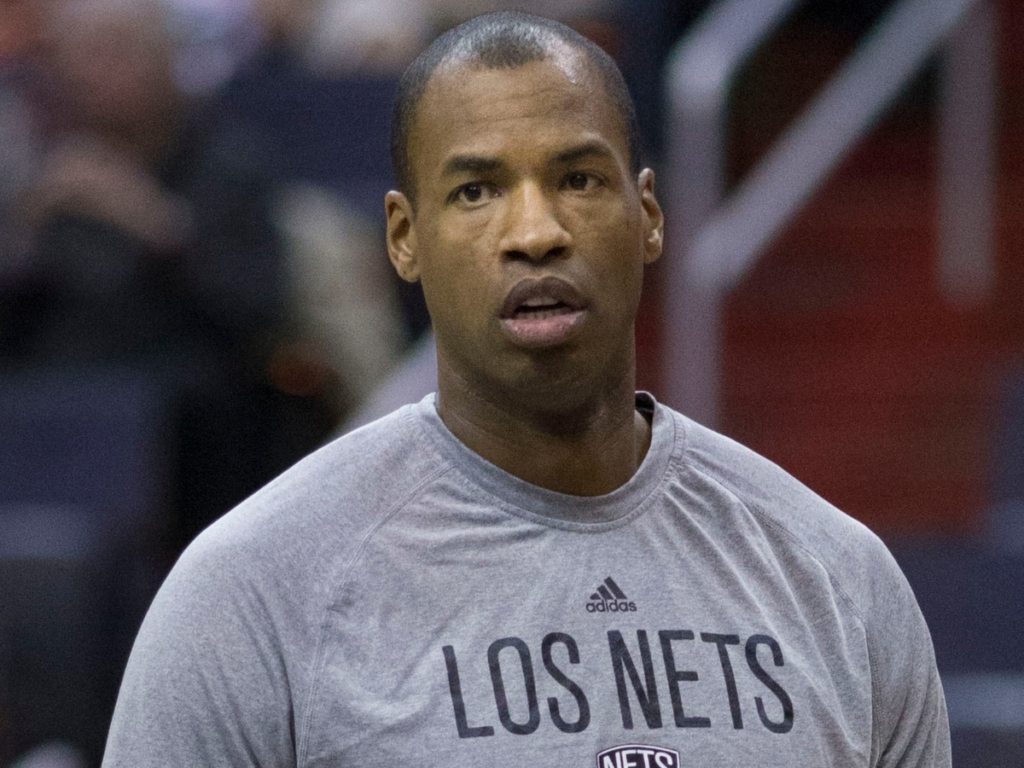
Detailed Jason Collins, Nba's First Openly Gay Player, Dies At 47 Of Brain Tumour Artwork Nature
Transform your screen with this vivid jason collins, nba's first openly gay player, dies at 47 of brain tumour artwork, a true masterpiece of digital design.

Amazing Jason Collins, Nba's First Openly Gay Player, Dies At 47 Of Brain Tumour Landscape Digital Art
Transform your screen with this vivid jason collins, nba's first openly gay player, dies at 47 of brain tumour artwork, a true masterpiece of digital design.
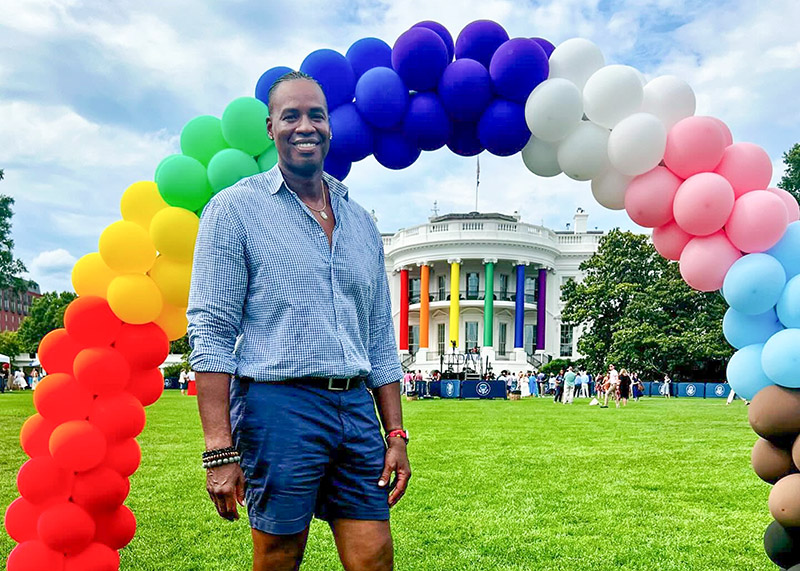
Amazing Jason Collins, Nba's First Openly Gay Player, Dies At 47 Of Brain Tumour Landscape Concept
Explore this high-quality jason collins, nba's first openly gay player, dies at 47 of brain tumour image, perfect for enhancing your desktop or mobile wallpaper.
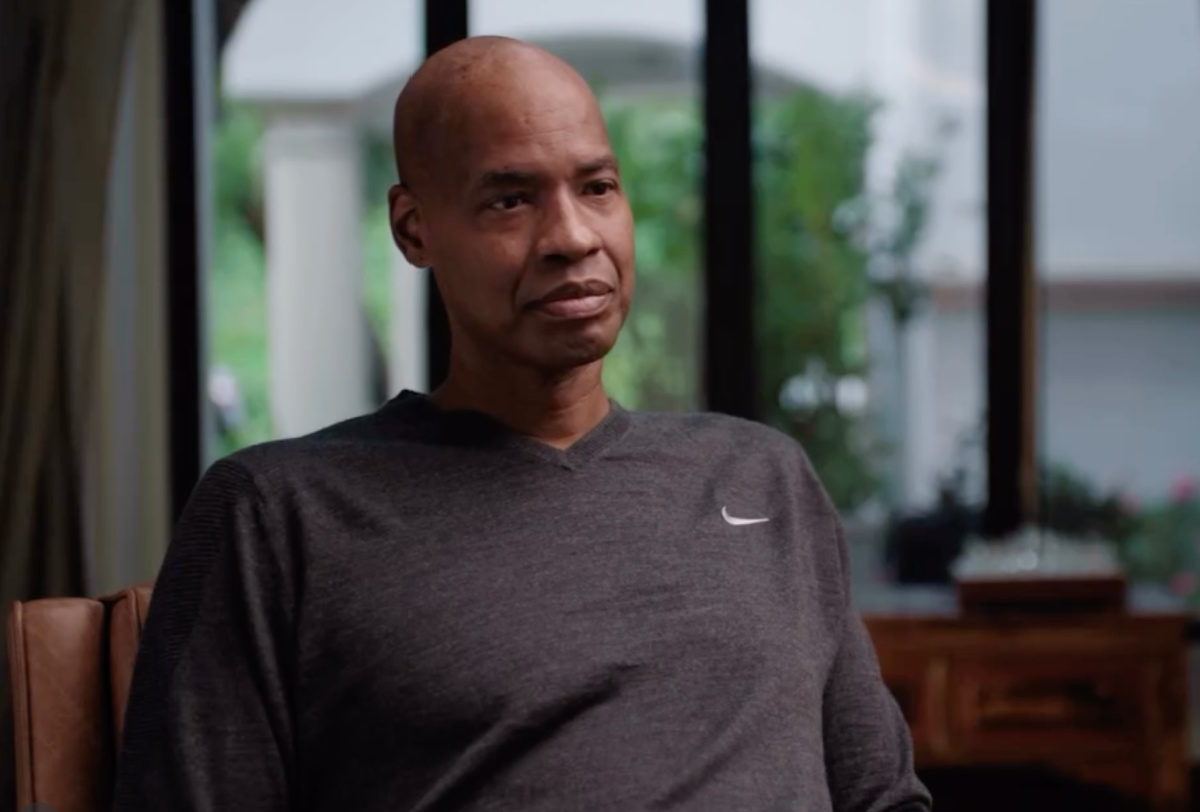
High-Quality Jason Collins, Nba's First Openly Gay Player, Dies At 47 Of Brain Tumour View Concept
Transform your screen with this vivid jason collins, nba's first openly gay player, dies at 47 of brain tumour artwork, a true masterpiece of digital design.
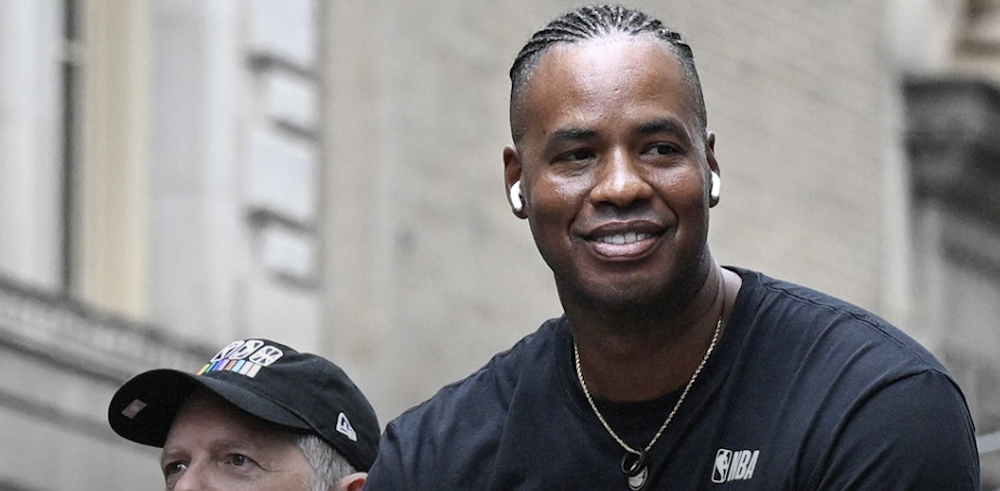
Breathtaking Jason Collins, Nba's First Openly Gay Player, Dies At 47 Of Brain Tumour Background in 4K
Transform your screen with this vivid jason collins, nba's first openly gay player, dies at 47 of brain tumour artwork, a true masterpiece of digital design.
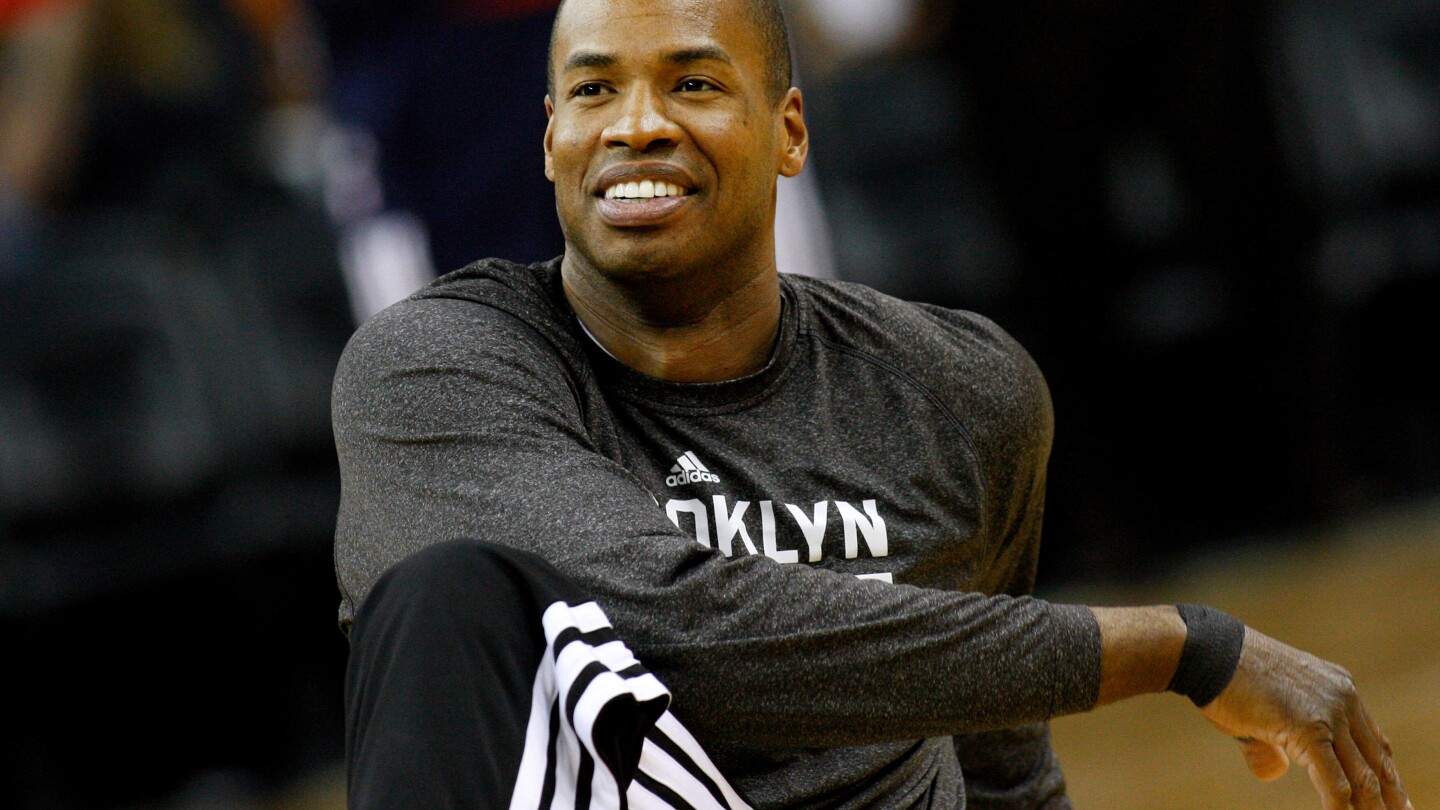
Vivid Jason Collins, Nba's First Openly Gay Player, Dies At 47 Of Brain Tumour Background Illustration
Transform your screen with this vivid jason collins, nba's first openly gay player, dies at 47 of brain tumour artwork, a true masterpiece of digital design.
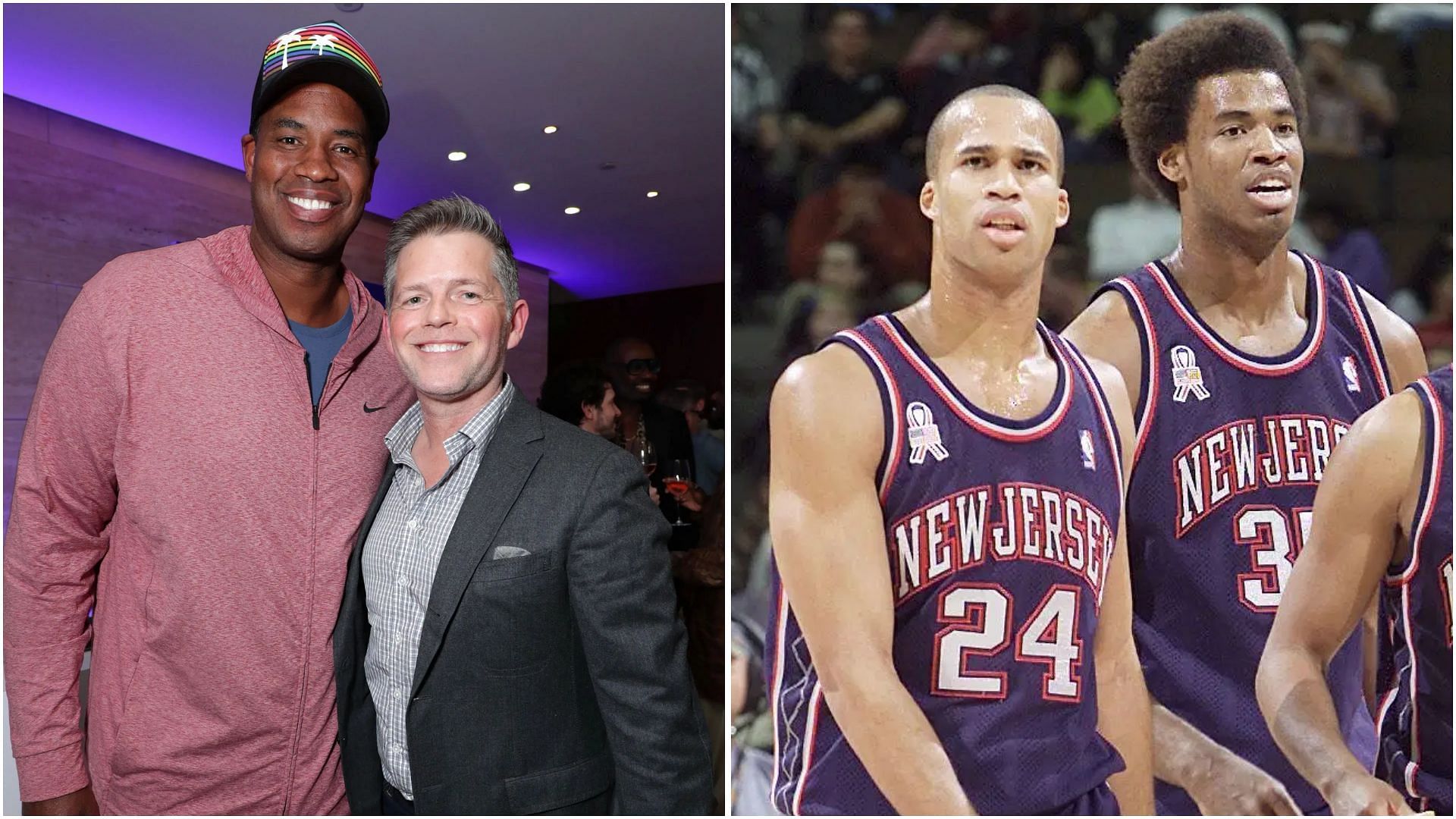
High-Quality Jason Collins, Nba's First Openly Gay Player, Dies At 47 Of Brain Tumour Scene Photography
Explore this high-quality jason collins, nba's first openly gay player, dies at 47 of brain tumour image, perfect for enhancing your desktop or mobile wallpaper.
Download these jason collins, nba's first openly gay player, dies at 47 of brain tumour wallpapers for free and use them on your desktop or mobile devices.