Live: Israel strikes Beirut for first time since Hezbollah ceasefire, Iran weighs up a peace deal
Live: Israel strikes Beirut for first time since Hezbollah ceasefire, Iran weighs up a peace deal
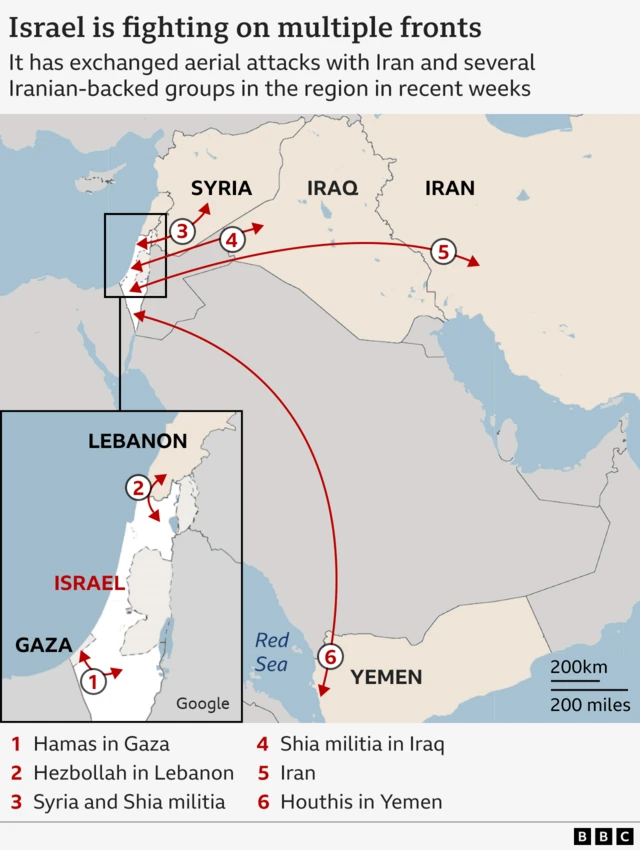
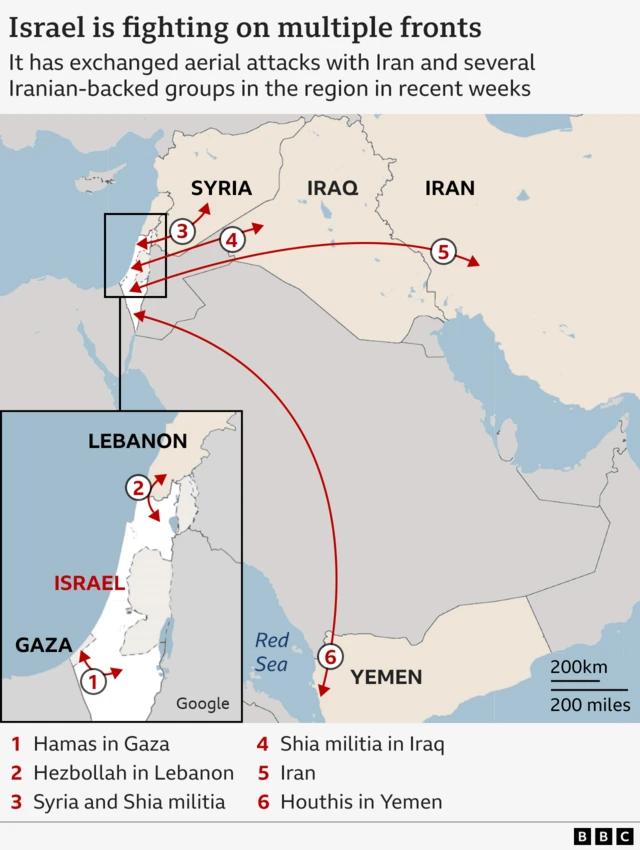
The Middle East stands at a critical juncture as regional tensions escalate following Israel's first airstrike on Beirut since the April 17 ceasefire. This significant military action targeted a high-ranking commander within Hezbollah's elite Radwan Force, signaling a potential shift in the fragile truce that has characterized the Israel-Lebanon front for several weeks. Simultaneously, the global community is watching closely as the United States and Iran engage in intense diplomatic maneuvers, with reports suggesting a comprehensive peace memorandum is currently being weighed by Tehran. These dual developments—a surge in tactical military strikes and a high-stakes diplomatic gamble—create a complex landscape where the prospect of regional stability hangs in the balance between the threat of total war and the hope for a negotiated settlement.
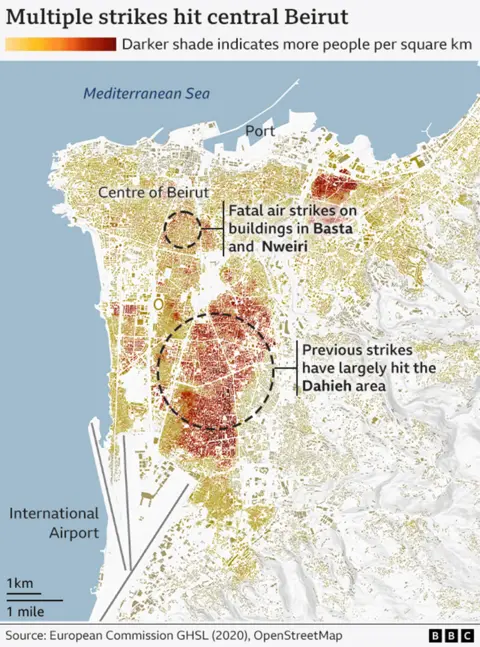
Featured Snippet: Israel struck Beirut on Wednesday, May 6, 2026, marking the first time the capital has been targeted since the April 17 ceasefire. The strike, aimed at a commander of Hezbollah’s Radwan Force in the Haret Hreik neighborhood, coincided with reports that Iran is reviewing a U.S.-brokered peace deal to end the broader conflict. While Israel maintains the strike was a necessary response to ceasefire violations, the action threatens to derail ongoing negotiations between Washington and Tehran intended to reopen the Strait of Hormuz and stabilize the region.
The Strategic Significance of the Beirut Strike
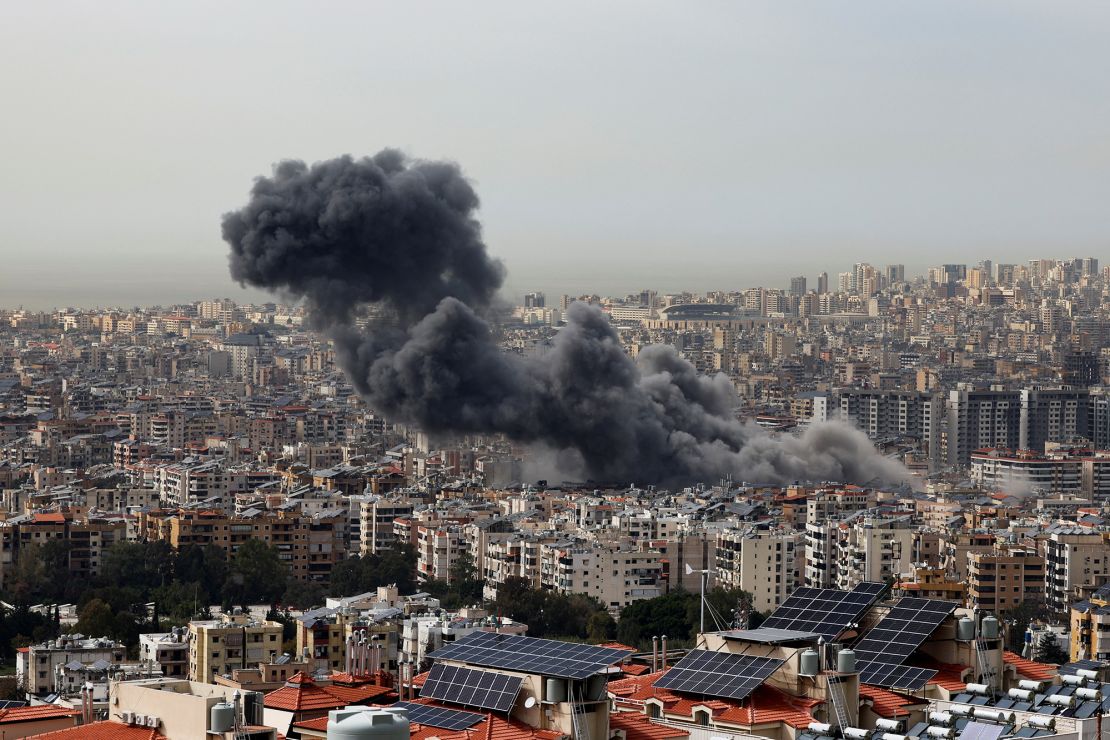
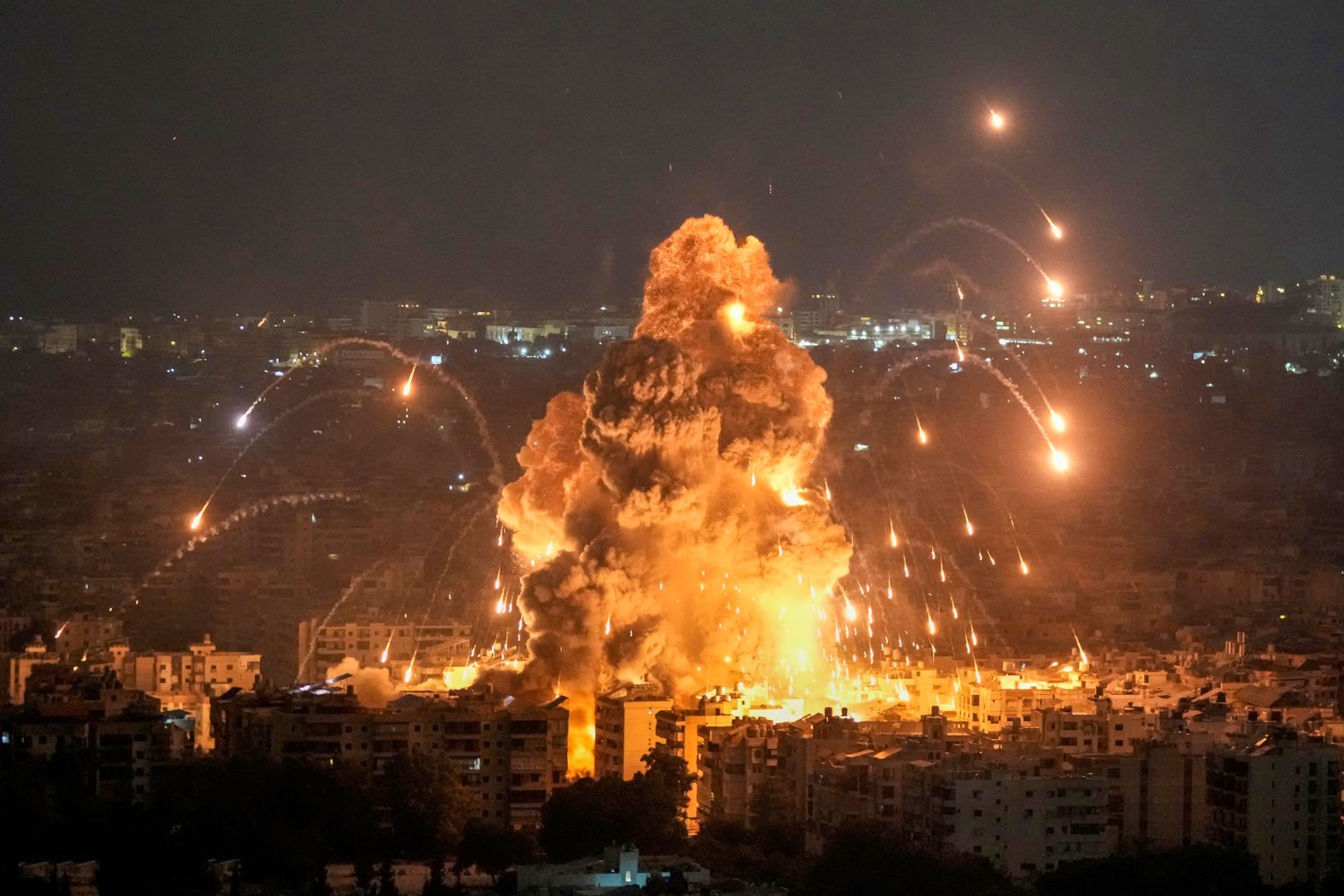
The resumption of Israeli airstrikes in Beirut represents a major escalation in the ongoing conflict. For nearly a month, the Lebanese capital had enjoyed a relative reprieve from the heavy bombardment that characterized the early stages of the 2026 war. By targeting the Haret Hreik district—a known Hezbollah stronghold—Israel has demonstrated that its "long arm" will continue to reach deep into Lebanese territory despite the existing truce. Prime Minister Benjamin Netanyahu and Defense Minister Israel Katz emphasized that no operative within Hezbollah’s elite units possesses immunity, particularly those deemed responsible for directing attacks against northern Israeli communities.
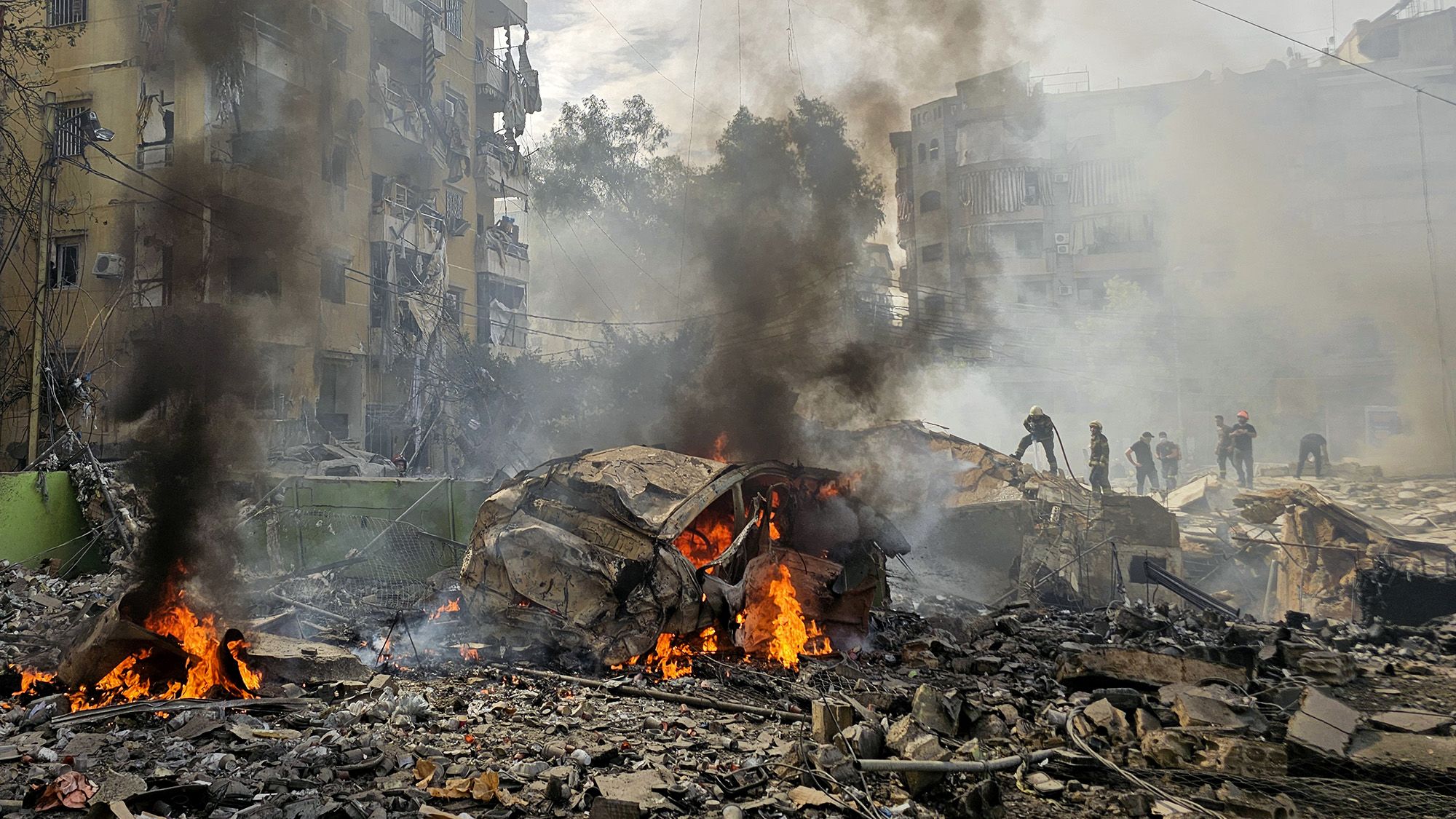
The timing of this strike is particularly sensitive. It comes as Lebanon and Israel have been engaged in preliminary diplomatic contacts, mediated by the United States, aimed at transforming the temporary cessation of hostilities into a more permanent arrangement. For many residents of Beirut who had begun to return to their homes in the southern suburbs, the sounds of explosions served as a grim reminder that the war is far from over. The strike targeted a multi-story residential building, resulting in significant structural damage and sending shockwaves through the neighborhood’s civilian population.
Targeting the Radwan Force: Israel's Military Objectives
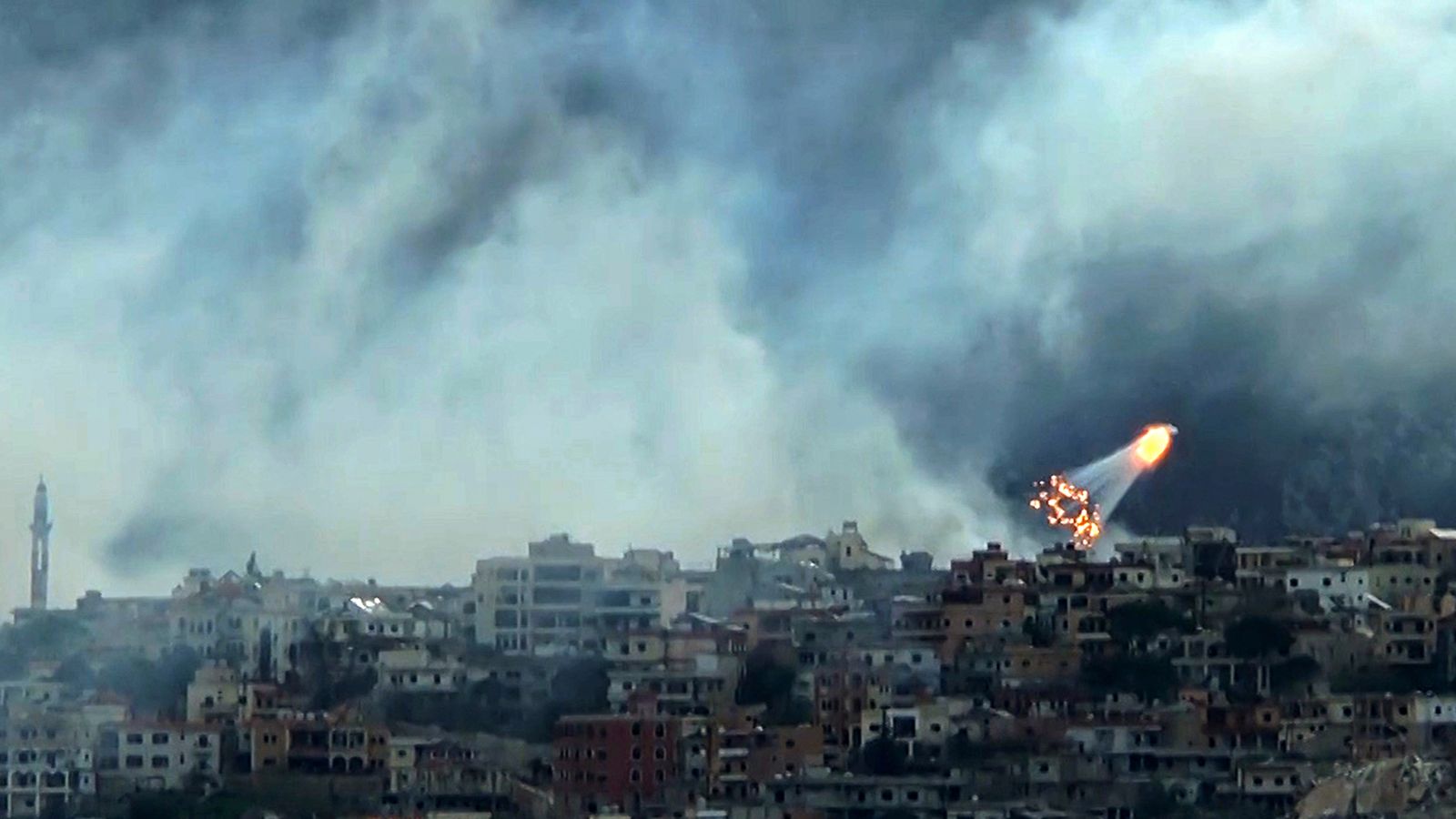
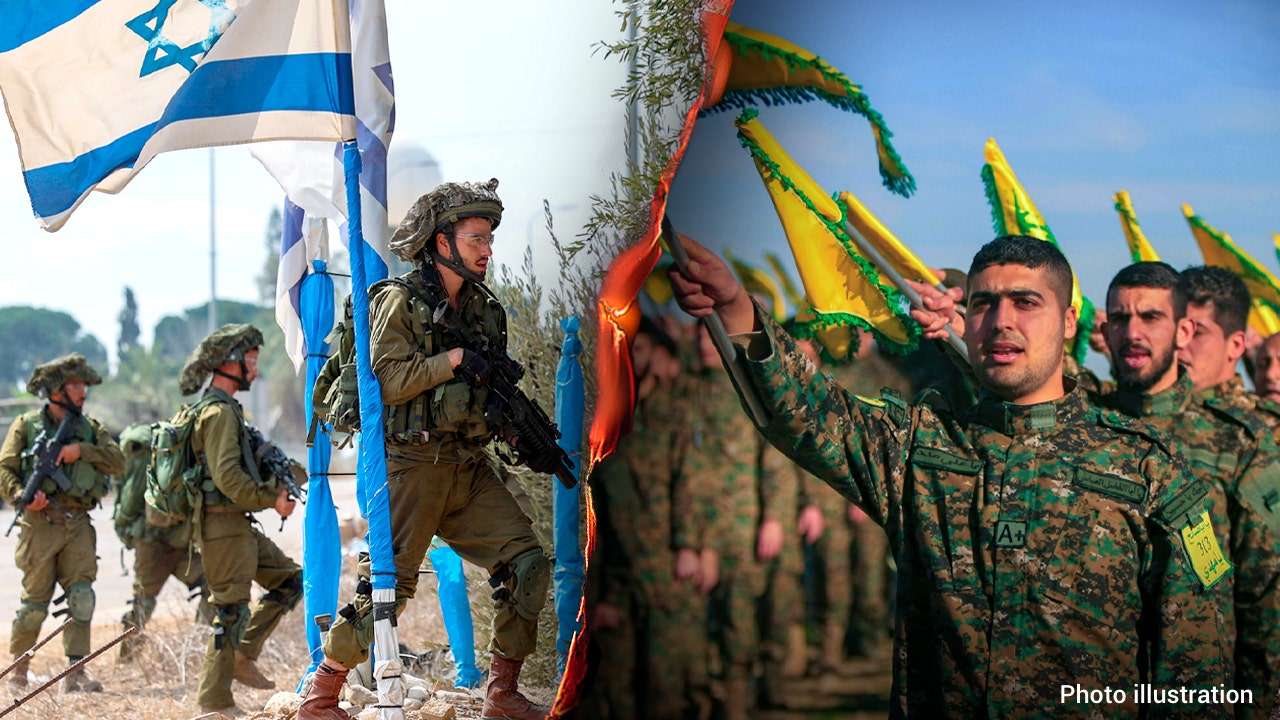
Israel's military strategy in Lebanon has increasingly focused on decapitating the leadership of the Radwan Force, Hezbollah's elite commando unit. The Radwan Force is trained for cross-border incursions and precision strikes, making it the primary threat to Israeli security along the northern border. Israeli intelligence reports indicate that despite the ceasefire, Radwan operatives have remained active in southern Lebanon, utilizing advanced technology such as fiber-optic first-person view (FPV) drones to target Israeli Defense Forces (IDF) positions.
The commander targeted in the Wednesday strike, identified by some sources as Malek Ballout, was allegedly a key figure in coordinating these unconventional warfare tactics. By eliminating such high-level targets, Israel aims to disrupt Hezbollah's operational coherence and deter future escalations. However, these precision strikes often occur in densely populated urban areas, raising significant concerns about civilian casualties and the violation of international law regarding indiscriminate attacks in residential zones.
Iran’s Peace Deal Dilemma: To Accept or Escalate?
While smoke rose over Beirut, the diplomatic focus shifted to Tehran, where Iranian leaders are reportedly scrutinizing a 14-point peace memorandum proposed by the Trump administration. This deal, brokered through Pakistani mediators, seeks to address the root causes of the 2026 Iran War. The proposal includes a moratorium on Iranian uranium enrichment and the lifting of crippling U.S. sanctions that have paralyzed the Iranian economy. Furthermore, it outlines a mechanism for the reopening of the Strait of Hormuz, a vital maritime artery through which 20% of the world’s oil supply flows.
Iranian Foreign Minister Abbas Araghchi has been in constant communication with regional counterparts, including leaders from Saudi Arabia, Qatar, and Turkey, to gauge the feasibility of the U.S. offer. The internal debate in Tehran is reportedly split between hardliners who view any concession as a surrender and pragmatists who recognize that the U.S. naval blockade and Israeli strikes are causing unsustainable damage. President Donald Trump has expressed cautious optimism but warned that "if they don't agree, the bombing starts" at an even higher intensity, placing immense pressure on the Iranian leadership to reach a decision.
The Role of Pakistan and Back-Channel Diplomacy
Pakistan has emerged as the central hub for the most critical diplomatic efforts of the decade. The "Islamabad Channel" has facilitated the exchange of documents and proposals between Washington and Tehran when direct communication became impossible. Pakistani officials have worked tirelessly to narrow the gaps between the two sides, emphasizing a phased approach that prioritizes the immediate reopening of the Strait of Hormuz before moving on to the more contentious issues of Iran's nuclear program and long-term security guarantees.
The success of the April ceasefire was largely attributed to Pakistani mediation, and the current negotiations for a permanent peace deal represent the culmination of months of back-channel diplomacy. However, the recent strikes in Beirut and continued skirmishes in southern Lebanon threaten to undermine Pakistan's efforts. Diplomats in Islamabad have voiced concerns that "operational opportunities" seized by military commanders on the ground could effectively sabotage the progress made by negotiators in the meeting rooms.
Economic Impacts: Global Markets and the Strait of Hormuz
The geopolitical instability in the Middle East continues to exert a profound influence on the global economy. The effective closure of the Strait of Hormuz by Iran has sent fuel prices skyrocketing, impacting everything from transport costs to the price of consumer goods in China and Europe. Investors have been navigating a volatile market, where news of a potential peace deal sends stocks surging, while reports of new airstrikes cause immediate retreats.
The U.S. naval blockade of Iranian ports and the subsequent Iranian retaliatory strikes on shipping have created a "new normal" that international shipping companies find untenable. The 14-point memorandum currently under discussion explicitly addresses this, calling for a gradual rollback of the blockade in exchange for Iran ceasing its tolls and mining operations in the strait. The stabilization of this waterway is a top priority for major powers, including China, which has called for a comprehensive ceasefire to protect its energy security.
| Key Conflict Metric | Current Status (May 2026) |
|---|---|
| Beirut Ceasefire Status | Violated (First strike since April 17) |
| Strait of Hormuz | Contested / Limited Transit |
| Displaced Persons (Lebanon) | Over 1 Million |
| Diplomatic Mediator | Pakistan (Islamabad) |
| Primary U.S. Demand | Nuclear Enrichment Moratorium |
| Primary Iranian Demand | Lifting of All Sanctions |
Humanitarian Crisis and Civilian Displacement in Lebanon
The human cost of the renewed hostilities is staggering. Since the start of the conflict in March, more than one million Lebanese citizens have been internally displaced. The Israeli mass evacuation orders, which initially targeted areas south of the Litani River and the Dahiya suburb, have expanded to include dozens of villages across the south and the Beqaa Valley. Many of these families had sought refuge in schools and makeshift shelters, only to find that even the capital city of Beirut is no longer a guaranteed safe haven.
Humanitarian organizations, including OCHA and Amnesty International, have highlighted the dire conditions faced by the displaced. Overcrowding in shelters has led to increased protection risks for women and children, while the destruction of infrastructure has made access to clean water and medical care increasingly difficult. The Lebanese government, under President Joseph Aoun, has struggled to provide for the massive influx of refugees, calling on the international community for urgent assistance and a permanent ceasefire that would allow citizens to return to their homes safely.
The Evolution of Hezbollah's Drone Warfare
One of the most notable aspects of the 2026 conflict has been Hezbollah's deployment of advanced drone technology. Reports from Hezbollah-aligned outlets, such as Al Ahed, suggest that the group has utilized the 15-month period following the 2024 ceasefire to amass a significant arsenal of precision drones. These FPV (First-Person View) drones, often controlled via fiber-optic links to bypass traditional electronic jamming, have changed the tactical landscape of the border war.
Israeli defense officials have prioritized the destruction of Unit 127, Hezbollah's drone manufacturing and operating arm. The strike in Beirut on Wednesday was likely part of this broader effort to dismantle the infrastructure that supports these aerial attacks. The ability of a non-state actor to produce and deploy such sophisticated technology poses a significant challenge to the IDF's traditional air superiority and has forced a reimagining of defensive strategies along the border.
Conclusion
The strike on Beirut and the parallel peace negotiations with Iran underscore the volatile duality of the current Middle Eastern crisis. While the military actions of Israel aim to secure its northern border by dismantling Hezbollah's leadership and capabilities, the diplomatic efforts led by the United States and Pakistan offer a potential, albeit narrow, path toward long-term regional stability. The coming days will be decisive; the response from Tehran to the U.S. memorandum and the potential for further Hezbollah retaliation in the wake of the Beirut strike will determine whether the region moves toward a sustainable peace or descends further into a devastating wider conflict. As global powers and local populations wait with bated breath, the "Live" status of this conflict remains the most watched and consequential story in the world today.
Frequently Asked Questions (FAQ)
Q1: Why did Israel strike Beirut despite the ceasefire?
A: Israel maintains that the strike was a targeted operation to eliminate a commander of Hezbollah's elite Radwan Force who was responsible for ceasefire violations and planning attacks against Israel. They argue that the ceasefire terms allow for strikes against immediate threats.
Q2: What are the main points of the U.S.-Iran peace deal?
A: The proposed 14-point memorandum includes a moratorium on Iranian nuclear enrichment, the lifting of U.S. sanctions, the release of frozen funds, and the reopening of the Strait of Hormuz to commercial shipping.
Q3: How many people have been displaced in Lebanon during this conflict?
A: According to the Lebanese government and UN agencies, more than one million people have been internally displaced since the conflict resumed in early March 2026.
Q4: What is the Radwan Force?
A: The Radwan Force is Hezbollah’s elite special operations unit, specifically trained for high-intensity combat, cross-border raids, and the use of advanced weaponry like precision drones.
Q5: What role is Pakistan playing in the peace talks?
A: Pakistan is acting as the primary diplomatic mediator between the U.S. and Iran, facilitating the exchange of proposals and hosting high-level negotiations in Islamabad to reach a settlement.
Live: Israel strikes Beirut for first time since Hezbollah ceasefire, Iran weighs up a peace deal
Live: Israel strikes Beirut for first time since Hezbollah ceasefire, Iran weighs up a peace deal Wallpapers
Collection of live: israel strikes beirut for first time since hezbollah ceasefire, iran weighs up a peace deal wallpapers for your desktop and mobile devices.
Vibrant Live: Israel Strikes Beirut For First Time Since Hezbollah Ceasefire, Iran Weighs Up A Peace Deal View Art
Explore this high-quality live: israel strikes beirut for first time since hezbollah ceasefire, iran weighs up a peace deal image, perfect for enhancing your desktop or mobile wallpaper.
Captivating Live: Israel Strikes Beirut For First Time Since Hezbollah Ceasefire, Iran Weighs Up A Peace Deal Abstract Collection
Find inspiration with this unique live: israel strikes beirut for first time since hezbollah ceasefire, iran weighs up a peace deal illustration, crafted to provide a fresh look for your background.
Breathtaking Live: Israel Strikes Beirut For First Time Since Hezbollah Ceasefire, Iran Weighs Up A Peace Deal Capture Nature
Transform your screen with this vivid live: israel strikes beirut for first time since hezbollah ceasefire, iran weighs up a peace deal artwork, a true masterpiece of digital design.

Beautiful Live: Israel Strikes Beirut For First Time Since Hezbollah Ceasefire, Iran Weighs Up A Peace Deal Moment Concept
Explore this high-quality live: israel strikes beirut for first time since hezbollah ceasefire, iran weighs up a peace deal image, perfect for enhancing your desktop or mobile wallpaper.

Spectacular Live: Israel Strikes Beirut For First Time Since Hezbollah Ceasefire, Iran Weighs Up A Peace Deal Image Digital Art
Immerse yourself in the stunning details of this beautiful live: israel strikes beirut for first time since hezbollah ceasefire, iran weighs up a peace deal wallpaper, designed for a captivating visual experience.

Artistic Live: Israel Strikes Beirut For First Time Since Hezbollah Ceasefire, Iran Weighs Up A Peace Deal Design Concept
This gorgeous live: israel strikes beirut for first time since hezbollah ceasefire, iran weighs up a peace deal photo offers a breathtaking view, making it a perfect choice for your next wallpaper.

Dynamic Live: Israel Strikes Beirut For First Time Since Hezbollah Ceasefire, Iran Weighs Up A Peace Deal Landscape in HD
A captivating live: israel strikes beirut for first time since hezbollah ceasefire, iran weighs up a peace deal scene that brings tranquility and beauty to any device.
Serene Live: Israel Strikes Beirut For First Time Since Hezbollah Ceasefire, Iran Weighs Up A Peace Deal Design Collection
Transform your screen with this vivid live: israel strikes beirut for first time since hezbollah ceasefire, iran weighs up a peace deal artwork, a true masterpiece of digital design.

Exquisite Live: Israel Strikes Beirut For First Time Since Hezbollah Ceasefire, Iran Weighs Up A Peace Deal Artwork Illustration
Find inspiration with this unique live: israel strikes beirut for first time since hezbollah ceasefire, iran weighs up a peace deal illustration, crafted to provide a fresh look for your background.

Lush Live: Israel Strikes Beirut For First Time Since Hezbollah Ceasefire, Iran Weighs Up A Peace Deal View in HD
Immerse yourself in the stunning details of this beautiful live: israel strikes beirut for first time since hezbollah ceasefire, iran weighs up a peace deal wallpaper, designed for a captivating visual experience.

Artistic Live: Israel Strikes Beirut For First Time Since Hezbollah Ceasefire, Iran Weighs Up A Peace Deal Landscape for Desktop
This gorgeous live: israel strikes beirut for first time since hezbollah ceasefire, iran weighs up a peace deal photo offers a breathtaking view, making it a perfect choice for your next wallpaper.

Amazing Live: Israel Strikes Beirut For First Time Since Hezbollah Ceasefire, Iran Weighs Up A Peace Deal Background Digital Art
Transform your screen with this vivid live: israel strikes beirut for first time since hezbollah ceasefire, iran weighs up a peace deal artwork, a true masterpiece of digital design.
Beautiful Live: Israel Strikes Beirut For First Time Since Hezbollah Ceasefire, Iran Weighs Up A Peace Deal Design in 4K
Discover an amazing live: israel strikes beirut for first time since hezbollah ceasefire, iran weighs up a peace deal background image, ideal for personalizing your devices with vibrant colors and intricate designs.
Amazing Live: Israel Strikes Beirut For First Time Since Hezbollah Ceasefire, Iran Weighs Up A Peace Deal View for Mobile
Discover an amazing live: israel strikes beirut for first time since hezbollah ceasefire, iran weighs up a peace deal background image, ideal for personalizing your devices with vibrant colors and intricate designs.
Lush Live: Israel Strikes Beirut For First Time Since Hezbollah Ceasefire, Iran Weighs Up A Peace Deal Landscape Concept
Find inspiration with this unique live: israel strikes beirut for first time since hezbollah ceasefire, iran weighs up a peace deal illustration, crafted to provide a fresh look for your background.
Dynamic Live: Israel Strikes Beirut For First Time Since Hezbollah Ceasefire, Iran Weighs Up A Peace Deal Capture Nature
A captivating live: israel strikes beirut for first time since hezbollah ceasefire, iran weighs up a peace deal scene that brings tranquility and beauty to any device.

Dynamic Live: Israel Strikes Beirut For First Time Since Hezbollah Ceasefire, Iran Weighs Up A Peace Deal Moment Art
A captivating live: israel strikes beirut for first time since hezbollah ceasefire, iran weighs up a peace deal scene that brings tranquility and beauty to any device.
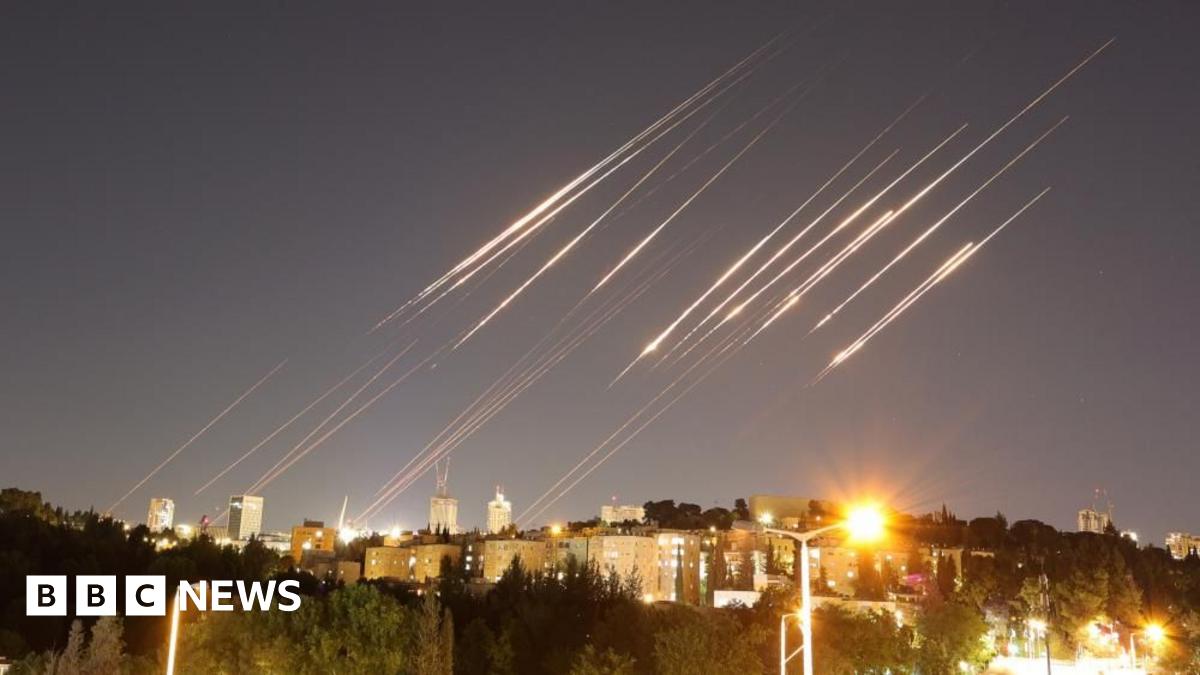
Gorgeous Live: Israel Strikes Beirut For First Time Since Hezbollah Ceasefire, Iran Weighs Up A Peace Deal Scene Illustration
A captivating live: israel strikes beirut for first time since hezbollah ceasefire, iran weighs up a peace deal scene that brings tranquility and beauty to any device.

Artistic Live: Israel Strikes Beirut For First Time Since Hezbollah Ceasefire, Iran Weighs Up A Peace Deal Scene Digital Art
Find inspiration with this unique live: israel strikes beirut for first time since hezbollah ceasefire, iran weighs up a peace deal illustration, crafted to provide a fresh look for your background.

Captivating Live: Israel Strikes Beirut For First Time Since Hezbollah Ceasefire, Iran Weighs Up A Peace Deal Artwork Art
Immerse yourself in the stunning details of this beautiful live: israel strikes beirut for first time since hezbollah ceasefire, iran weighs up a peace deal wallpaper, designed for a captivating visual experience.
Download these live: israel strikes beirut for first time since hezbollah ceasefire, iran weighs up a peace deal wallpapers for free and use them on your desktop or mobile devices.