taxi
taxi
The global taxi industry is currently undergoing a seismic shift, evolving from a traditional street-hail model into a high-tech, data-driven ecosystem. As of May 2026, the convergence of artificial intelligence, electrification, and autonomous technology has redefined how people and goods move across urban landscapes. From the rise of robotaxis in major American and Chinese cities to the imminent launch of commercial flying taxis in Dubai, the industry is no longer just about getting from point A to point B—it is about a seamless, sustainable, and intelligent user experience. This news update explores the latest trends, regulatory changes, and technological breakthroughs that are shaping the future of the taxi market, which is projected to reach nearly $530 billion by 2032.
Featured Snippet: What is the future of the taxi industry in 2026? By 2026, the taxi industry is characterized by the widespread commercialization of autonomous robotaxis, the rapid adoption of electric vehicle (EV) fleets, and the emergence of Mobility-as-a-Service (MaaS) platforms. Key players like Waymo and Tesla are expanding driverless services to dozens of cities, while AI-powered dispatch systems are optimizing routes and pricing in real-time. Additionally, 2026 marks the turning point for aerial mobility, with electric vertical take-off and landing (eVTOL) air taxis beginning pilot operations in global hubs like New York and Dubai, significantly reducing urban commute times.
The Rise of Robotaxis: Autonomous Driving Hits the Mainstream
As we move through 2026, the concept of a "driverless ride" has transitioned from a futuristic experiment to a daily reality for millions. Autonomous taxi services, often referred to as robotaxis, are experiencing a massive expansion across the United States, China, and parts of Europe. Companies like Waymo have successfully scaled their operations, now delivering over one million rides per week across 27 different U.S. cities. This growth is underpinned by advanced vision-language-action (VLA) technology, which allows autonomous systems to learn and adapt to new urban environments in months rather than years.
Tesla has also made significant strides with its dedicated "Cybercab," a vehicle designed without a steering wheel or pedals, specifically for the autonomous ride-hailing market. In China, platforms like Apollo Go and WeRide are aggressively scaling in megacities like Beijing and Shanghai, supported by national initiatives to lead the global autonomous vehicle (AV) supply chain. The economic appeal is clear: by removing the cost of a human driver, long-term fare projections suggest that robotaxi rides could eventually be cheaper than traditional public transit or private car ownership.
Electrification and the Push for Zero-Emission Fleets
Sustainability has become a core strategic priority for taxi operators worldwide. Driven by stringent municipal regulations and the global push toward net-zero targets, traditional internal combustion engine (ICE) taxis are being rapidly replaced by electric vehicles (EVs). Cities like Boston and London are leading this transition, integrating hundreds of electric cabs into their fleets to improve local air quality and reduce noise pollution. For passengers, the benefit is a quieter, smoother ride, while operators enjoy significantly lower fuel and maintenance costs.
The transition is supported by a massive expansion in charging infrastructure, particularly near high-traffic hubs like airports and central business districts. Beyond sedans, the market is seeing an increase in electric vans and luxury customized EVs, catering to group travel and premium service demands. Research indicates that the electric taxi market is projected to grow steadily, with Asia-Pacific remaining the dominant region due to robust government incentives and large-scale vehicle electrification initiatives in China and India.
Aerial Mobility: Air Taxis Take to the Skies in 2026
One of the most exciting developments of 2026 is the emergence of the "air taxi." Electric vertical take-off and landing (eVTOL) aircraft are no longer confined to test sites. In the United Arab Emirates, Dubai is on track to launch the world's first commercial air taxi service, promising to turn a two-hour ground commute into a seven-minute flight. These quiet, battery-powered aircraft can carry up to four passengers and are designed to operate from "vertiports" located on top of existing buildings or at major airports.
In the United States, companies like Joby Aviation have conducted successful demonstration flights at New York's JFK Airport, showcasing the potential for point-to-point electric aerial travel. While regulatory approval from bodies like the FAA remains a critical hurdle for widespread adoption, the industry is optimistic. Proponents argue that eVTOLs will not only revolutionize passenger travel but also provide vital support for time-sensitive services such as organ transport and emergency logistics.
AI and Digital Transformation in Fleet Management
The integration of Artificial Intelligence (AI) has revolutionized the "backend" of the taxi industry. Modern dispatch systems no longer rely on simple proximity; they use complex machine learning algorithms to predict demand, optimize routing, and implement dynamic pricing. This digital transformation ensures that drivers are allocated where they are needed most, reducing idle time and increasing overall profitability. For passengers, this means shorter wait times and more predictable pricing.
Furthermore, "Super Apps" are becoming the standard interface for urban mobility. These platforms integrate taxi hailing with other services like bike-sharing, food delivery, and public transit schedules. By offering a unified, subscription-based model, these apps encourage brand loyalty and provide a holistic view of a city's transport network. Predictive maintenance is another AI-driven win, allowing fleet managers to identify potential mechanical issues before they lead to vehicle downtime, further enhancing the reliability of the service.
| Market Trend 2026 | Key Impact & Growth Drivers |
|---|---|
| Autonomous Deployment | Waymo and Tesla expanding to 25+ cities; 10x fleet growth projected by 2030. |
| Vehicle Electrification | Global shift to zero-emission EVs; significant growth in China, USA, and EU. |
| Aerial Air Taxis | Commercial eVTOL launches in Dubai and NYC; focus on airport-to-city routes. |
| AI-Driven Operations | Dynamic pricing and predictive maintenance reducing operational costs by 20%+. |
Challenges: Regulation, Labor, and Cybersecurity
Despite the rapid technological progress, the taxi industry faces several significant challenges. The most pressing is the regulatory disparity between traditional taxis and ride-hailing platforms. In many European cities, traditional taxi drivers struggle against the "unfair competition" of international platforms that operate under different pricing and licensing rules. Additionally, as autonomous systems take over, the industry must navigate the complex social and economic implications of a displaced human workforce.
Cybersecurity is another growing concern. As taxis become essentially "computers on wheels," they are increasingly vulnerable to hacking. Ensuring robust data protection and vehicle security is paramount to maintaining public trust. Furthermore, while the technology for robotaxis and eVTOLs is ready, public acceptance and the development of supporting infrastructure—such as smart roads and vertiports—continue to lag behind in many regions.
Mobility-as-a-Service (MaaS) and the Subscription Model
The concept of car ownership is being challenged by the rise of Mobility-as-a-Service (MaaS). In 2026, more urban residents are opting for monthly transport subscriptions rather than owning a private vehicle. These subscriptions often include a set number of taxi rides, access to public transit, and micro-mobility options like e-scooters. This shift is particularly prevalent among younger generations who prioritize flexibility and cost-effectiveness over the status of owning a car.
For taxi companies, this means a move away from the traditional pay-per-ride model toward a more stable, recurring revenue stream. Subscription models allow for better financial planning and provide a wealth of data on consumer behavior, which can be used to further refine service offerings. As cities become more congested, MaaS is seen as a vital tool for reducing the number of private cars on the road and creating more liveable, pedestrian-friendly urban environments.
The Evolution of Traditional Taxi Marketplaces
Traditional taxi services are not standing still; they are modernizing through the use of centralized digital marketplaces and kiosk-based booking systems. In high-traffic areas like airports and shopping malls, digital kiosks allow users—including those without smartphones—to book rides from a competitive marketplace where different taxi hubs can bid on fares in real-time. This model increases transparency and reduces the likelihood of overcharging, a common complaint in traditional taxi queues.
These marketplaces also support sustainability goals by prioritizing electric taxis in their booking algorithms. By giving drivers real-time data on expected wait times, these systems significantly reduce the time spent idling with engines running. Research indicates that this modernized approach can increase taxi booking volumes even when total city traffic drops, as passengers feel safer and more confident in the predictable pricing and service quality provided by these digital platforms.
Innovations in Driver Experience and Retention
For the segments of the industry that still rely on human drivers, recruitment and retention remain major hurdles. In 2026, the focus has shifted from simple compensation to enhancing the overall driver experience. Modern dispatch tools are designed to be less stressful, offering better route predictability and enhanced safety measures. Companies are investing in "driver-centric" innovations, such as lower commission rates for top-rated drivers and wellness programs to combat driver fatigue.
Training has also become more sophisticated, with many drivers now receiving instruction on how to manage electric vehicles and interface with advanced ADAS (Advanced Driver Assistance Systems). By empowering drivers with the latest technology and fair working conditions, taxi companies are finding that they can provide a higher level of service, leading to better passenger satisfaction and lower turnover rates. In a competitive market, the human element still remains a key differentiator for premium and specialized transport services.
Frequently Asked Questions (FAQ)
1. How much will a robotaxi cost in 2026? While pricing varies by city, the goal of autonomous taxi services is to lower fares below traditional ride-hailing costs. Some estimates suggest fares could drop by over 50% as labor costs are eliminated.
2. Are air taxis safe? Yes, eVTOL aircraft are designed with multiple layers of redundancy. For example, Joby’s aircraft has six propellers and can land safely even if two fail. They are currently undergoing rigorous certification by the FAA and other global aviation authorities.
3. Can I book a taxi without a smartphone? Yes, many modern airports and malls are implementing digital booking kiosks that allow you to hail a taxi and pay via credit card or cash without needing a mobile app.
4. Will autonomous taxis replace traditional taxi drivers? While the presence of robotaxis is growing, human drivers are expected to remain essential for specialized services, rural areas, and premium "white-glove" transport for the foreseeable future.
5. Are all taxis becoming electric? Most major cities have set targets to have 100% zero-emission taxi fleets by 2030 or 2035. In 2026, we are seeing a significant acceleration in the adoption of hybrid and fully electric models.
Conclusion
The taxi industry in 2026 stands at a historic crossroads. The rapid commercialization of autonomous robotaxis, the transition to sustainable electric fleets, and the exciting debut of aerial mobility are fundamentally reshaping the movement of people in our cities. While challenges regarding regulation and infrastructure persist, the move toward a more integrated, efficient, and data-driven transportation ecosystem is irreversible. Whether on the ground or in the air, the future of the taxi is defined by innovation, providing smarter and greener choices for commuters worldwide. As technology continues to mature, the focus will remain on safety, accessibility, and the ultimate goal of making urban travel as seamless as possible.
taxi
taxi Wallpapers
Collection of taxi wallpapers for your desktop and mobile devices.
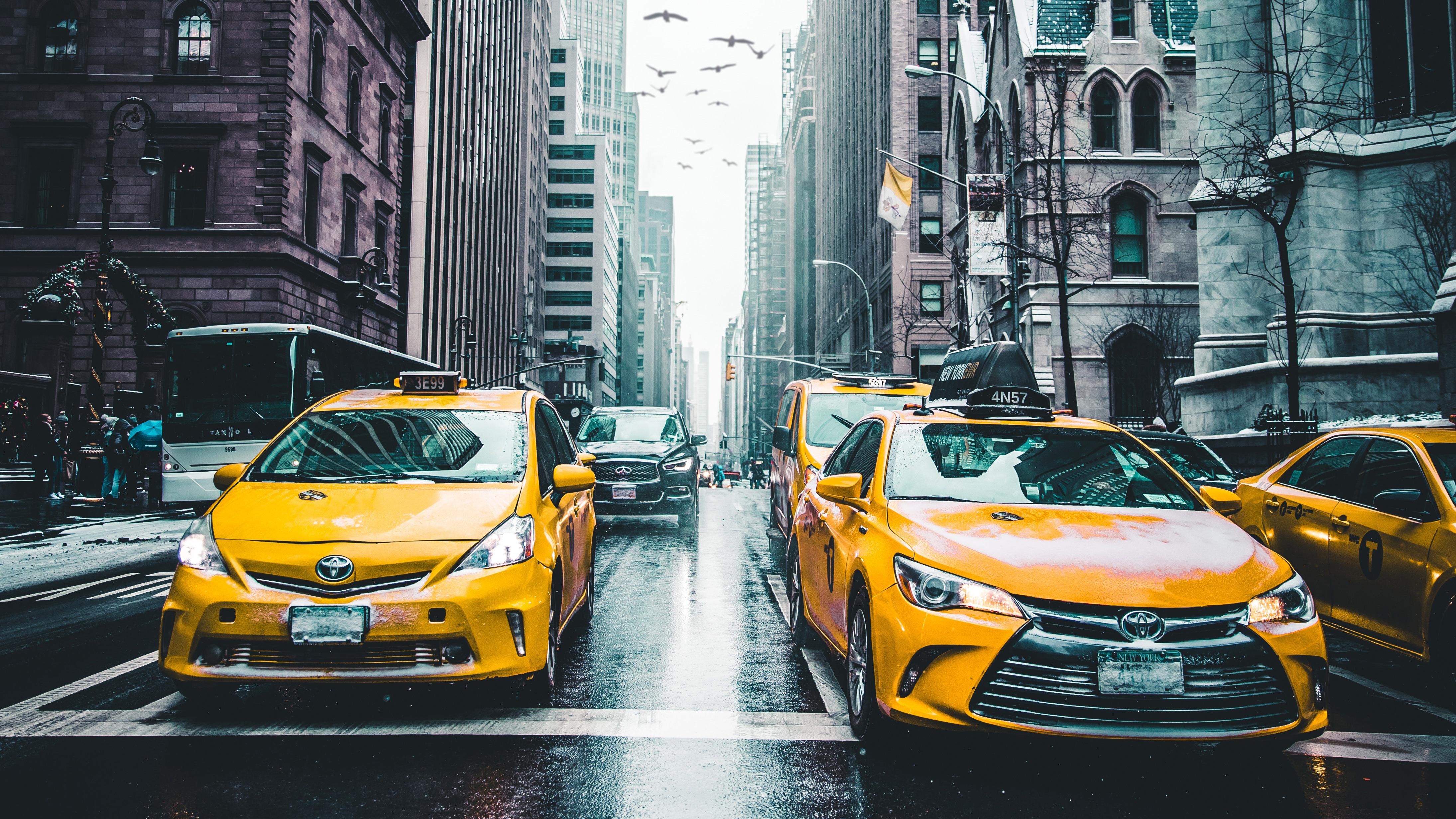
Exquisite Taxi Capture Photography
Immerse yourself in the stunning details of this beautiful taxi wallpaper, designed for a captivating visual experience.
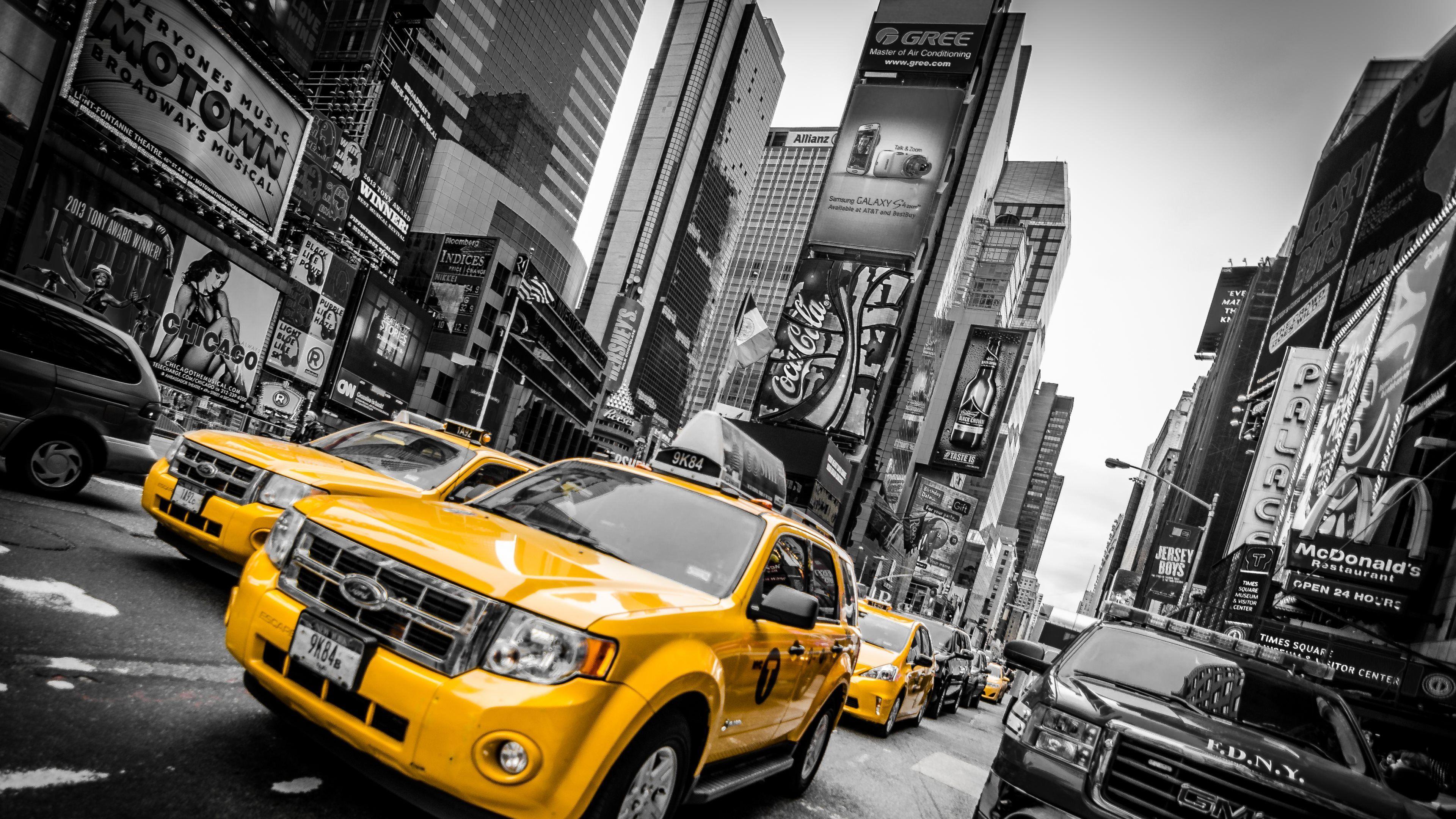
Dynamic Taxi Moment for Your Screen
Immerse yourself in the stunning details of this beautiful taxi wallpaper, designed for a captivating visual experience.
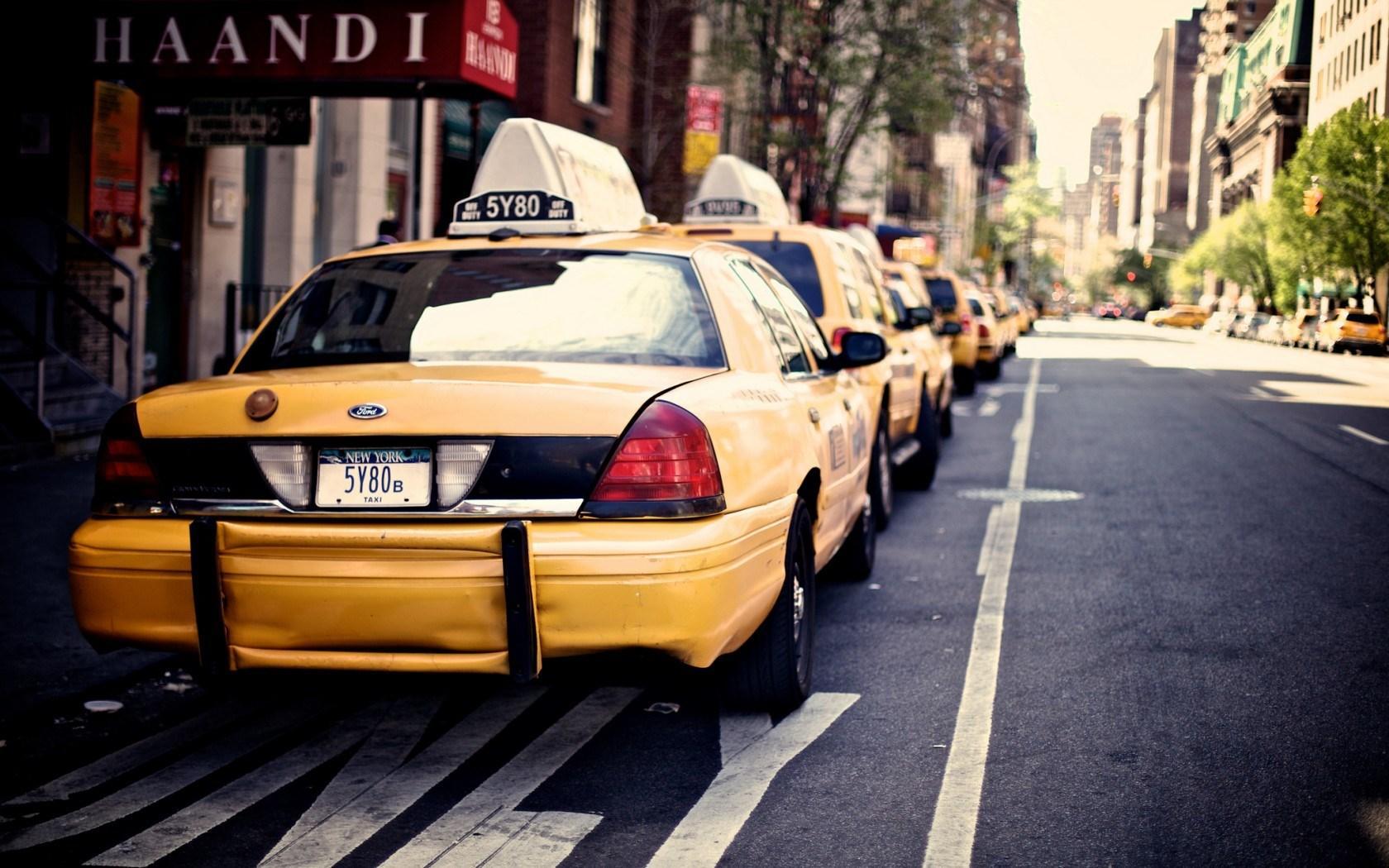
High-Quality Taxi Landscape Photography
Explore this high-quality taxi image, perfect for enhancing your desktop or mobile wallpaper.
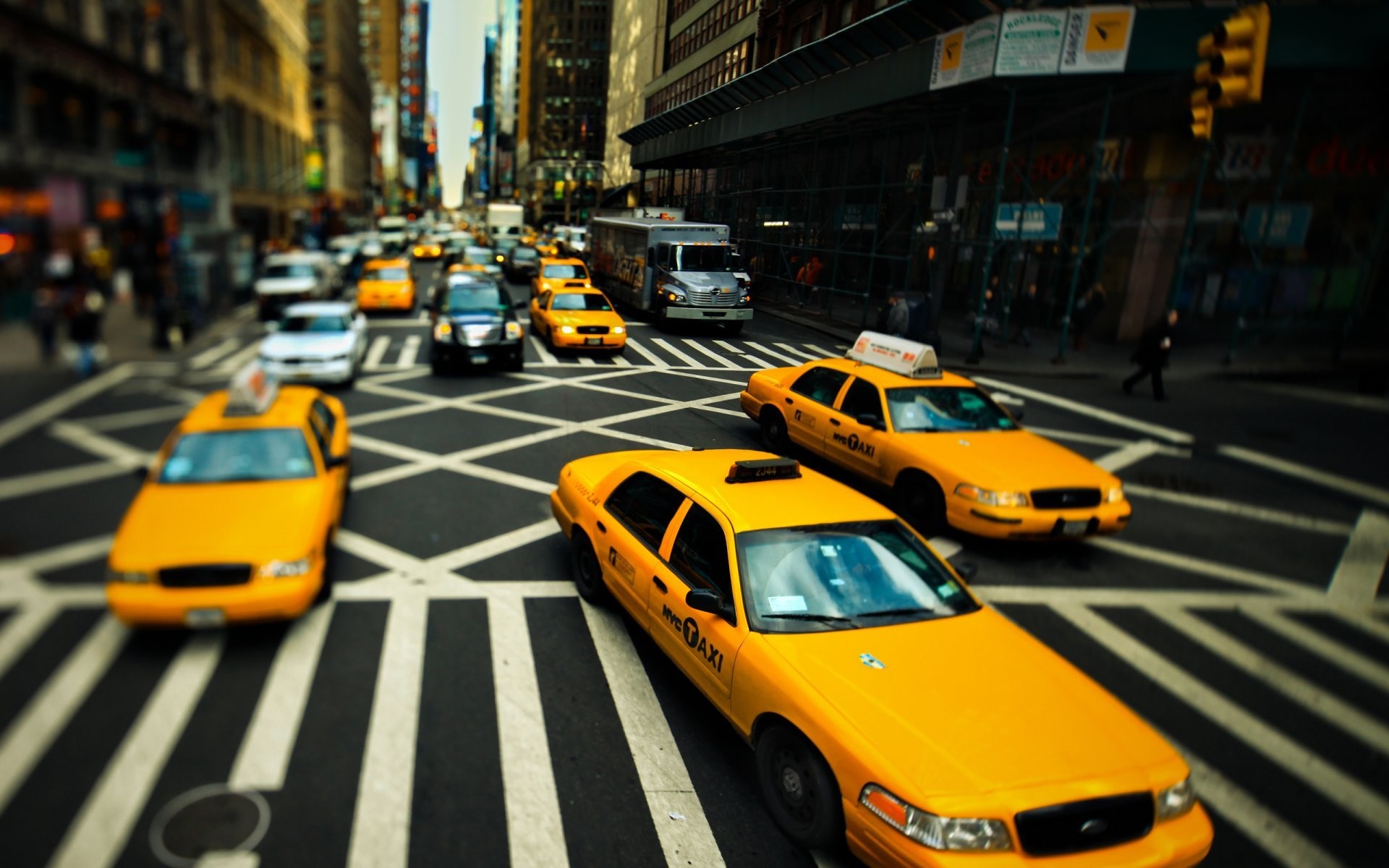
Crisp Taxi Design Art
Immerse yourself in the stunning details of this beautiful taxi wallpaper, designed for a captivating visual experience.
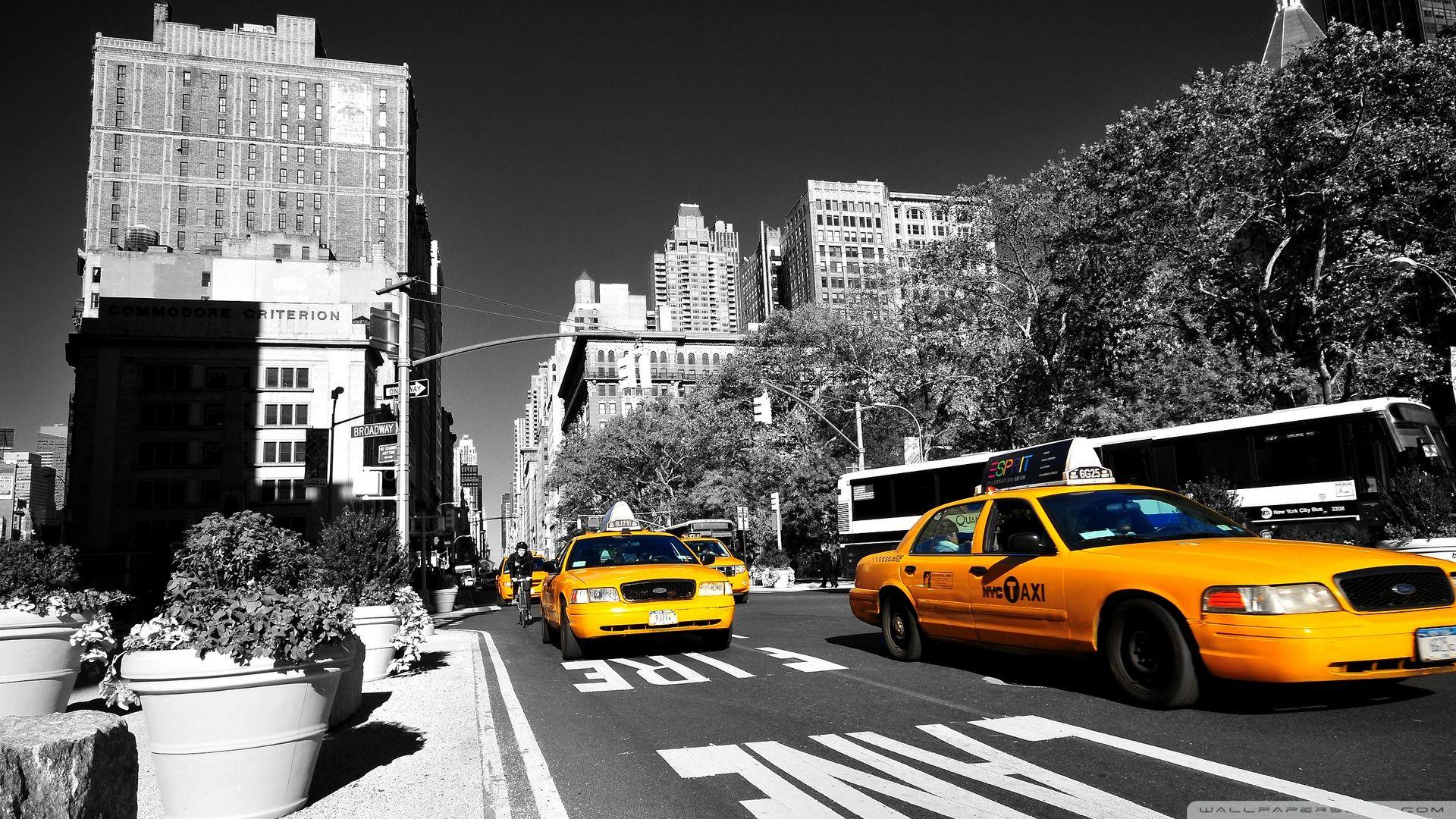
Mesmerizing Taxi Landscape in 4K
Transform your screen with this vivid taxi artwork, a true masterpiece of digital design.
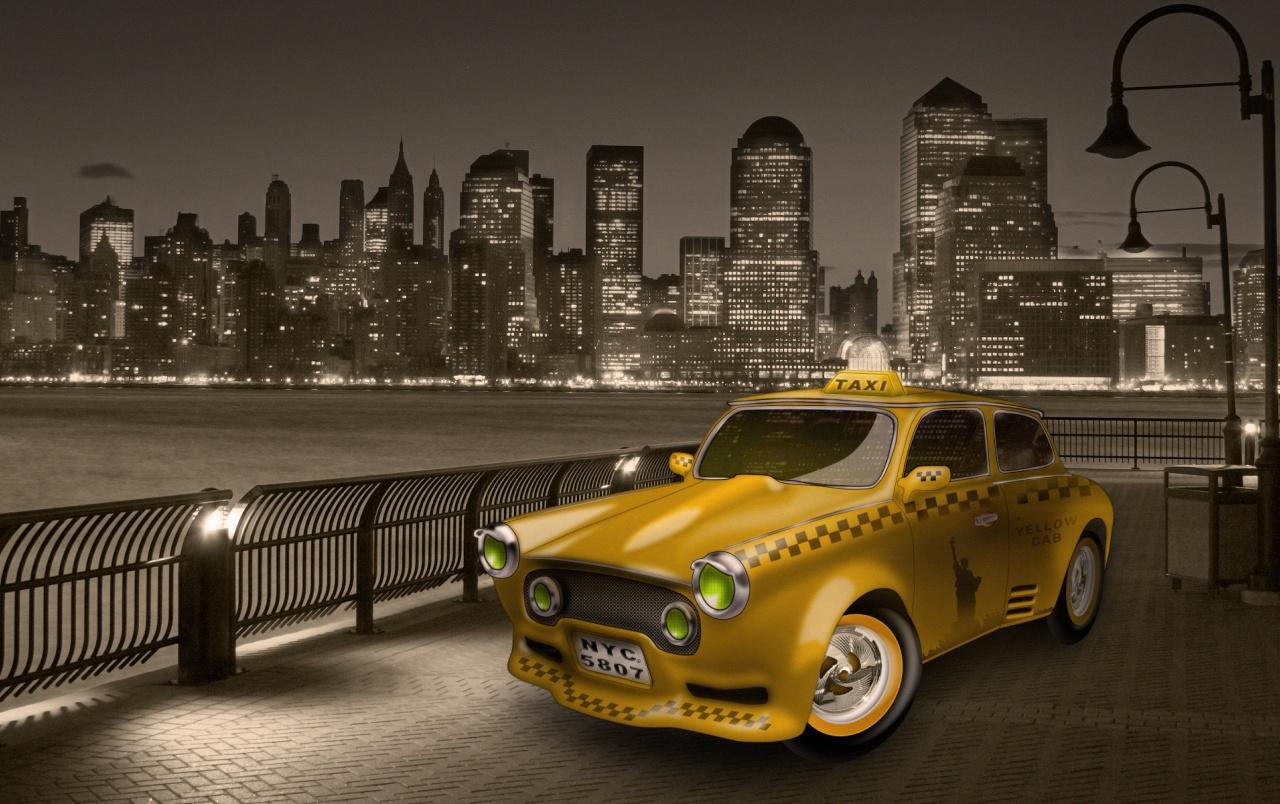
Spectacular Taxi Photo Collection
Immerse yourself in the stunning details of this beautiful taxi wallpaper, designed for a captivating visual experience.
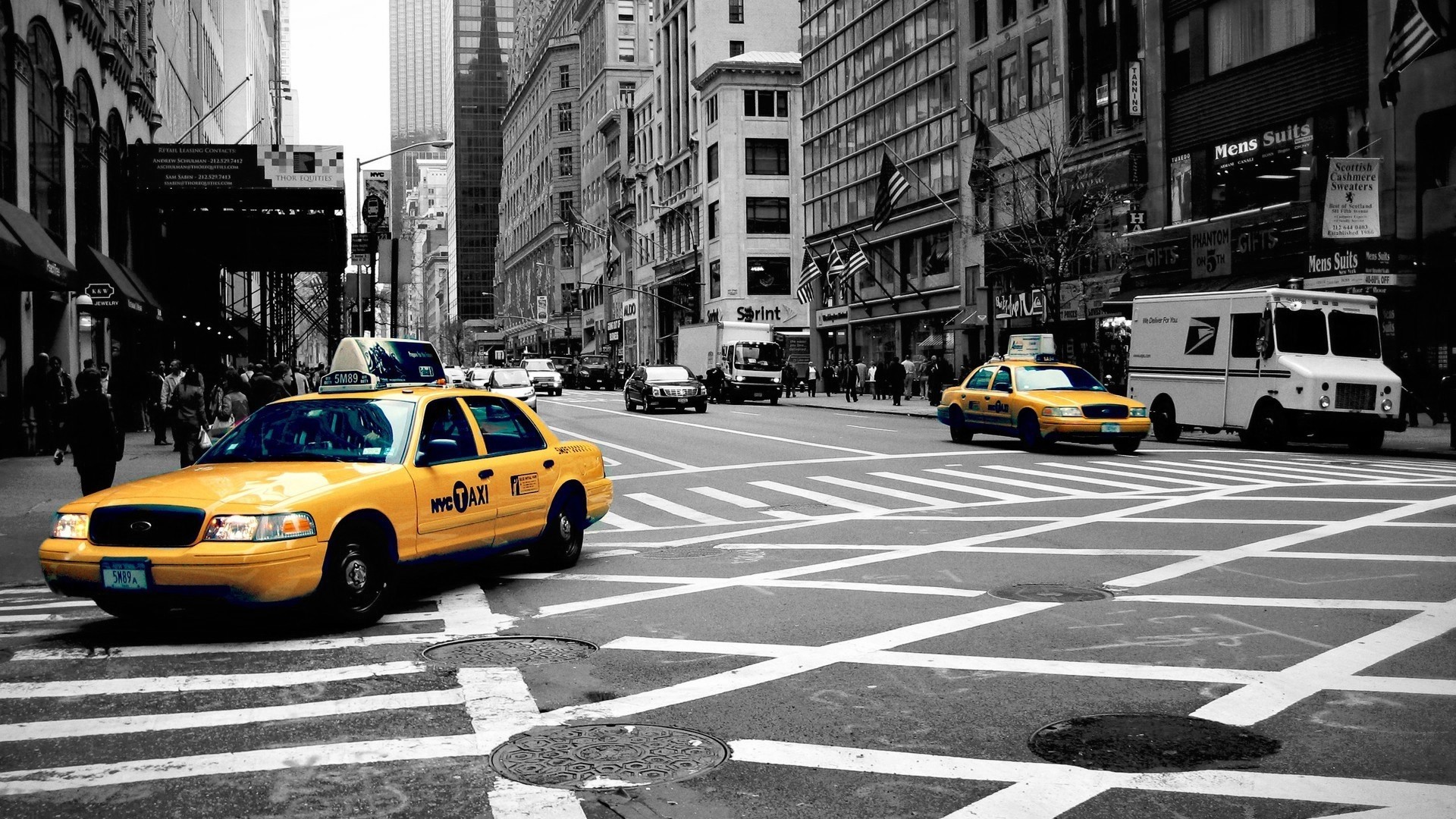
Stunning Taxi Photo Concept
A captivating taxi scene that brings tranquility and beauty to any device.
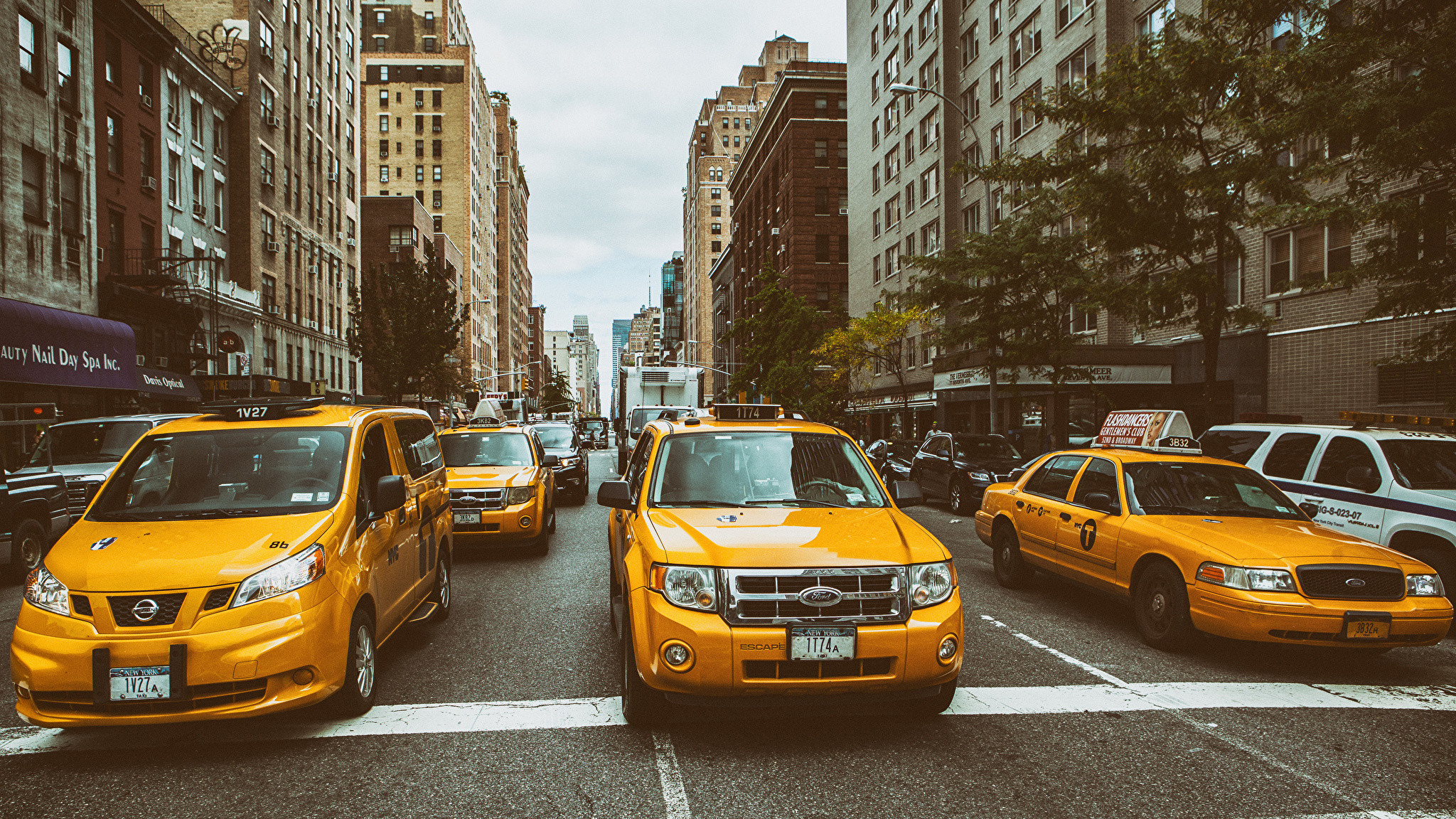
Breathtaking Taxi Background Illustration
Experience the crisp clarity of this stunning taxi image, available in high resolution for all your screens.
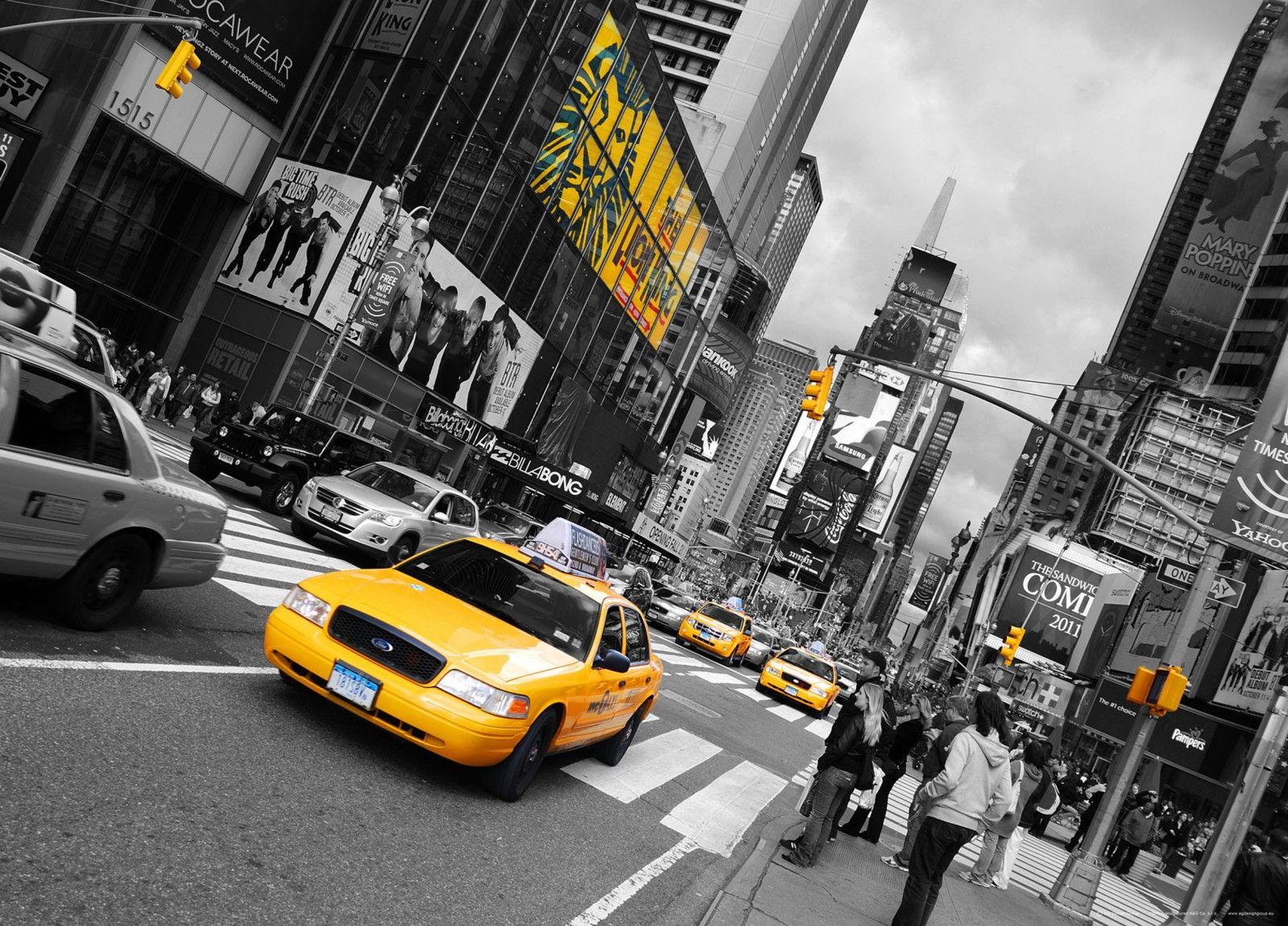
Serene Taxi Photo for Desktop
Transform your screen with this vivid taxi artwork, a true masterpiece of digital design.

Lush Taxi Capture Nature
Find inspiration with this unique taxi illustration, crafted to provide a fresh look for your background.
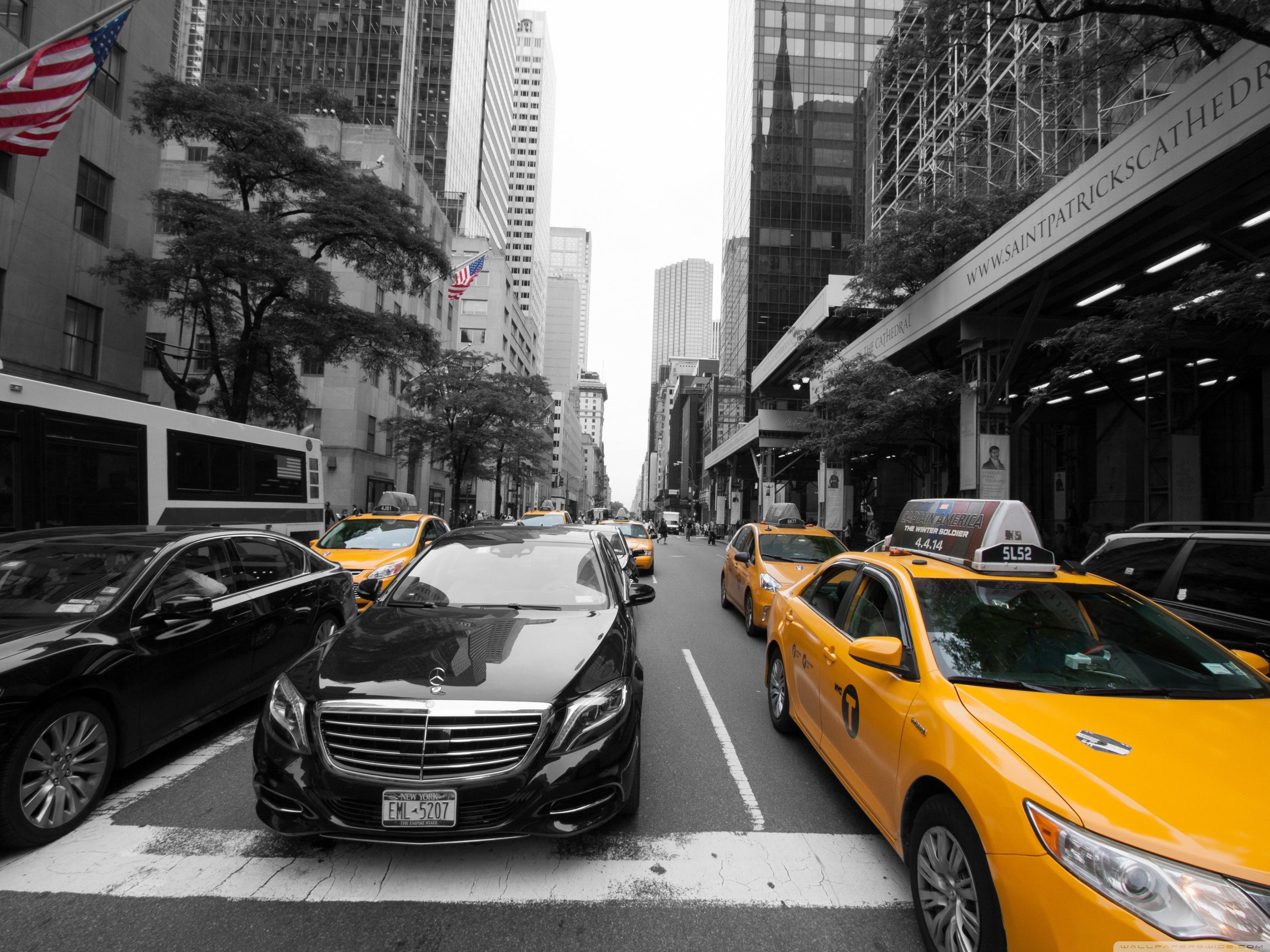
Beautiful Taxi Wallpaper Nature
Experience the crisp clarity of this stunning taxi image, available in high resolution for all your screens.
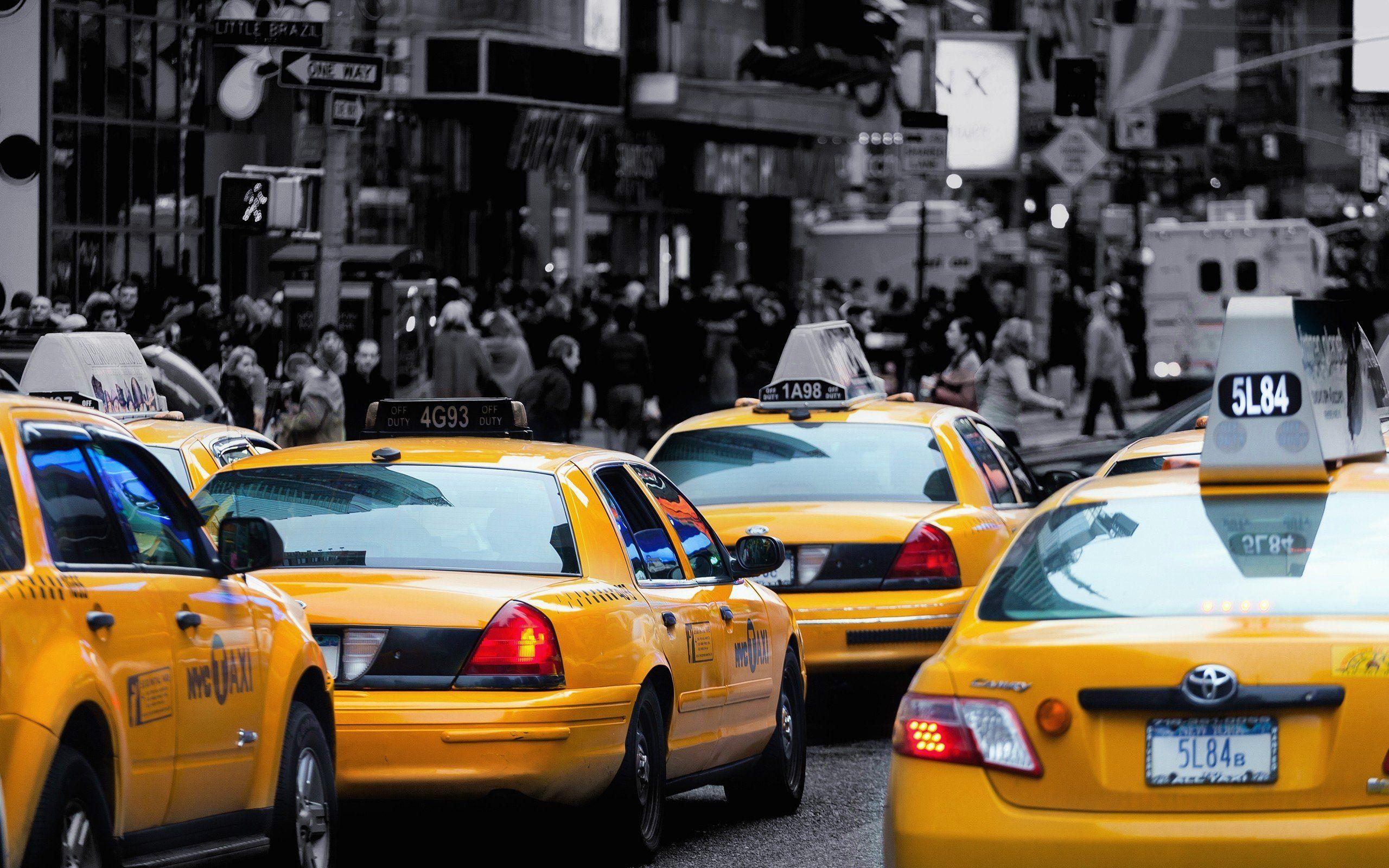
Amazing Taxi Photo Illustration
Discover an amazing taxi background image, ideal for personalizing your devices with vibrant colors and intricate designs.
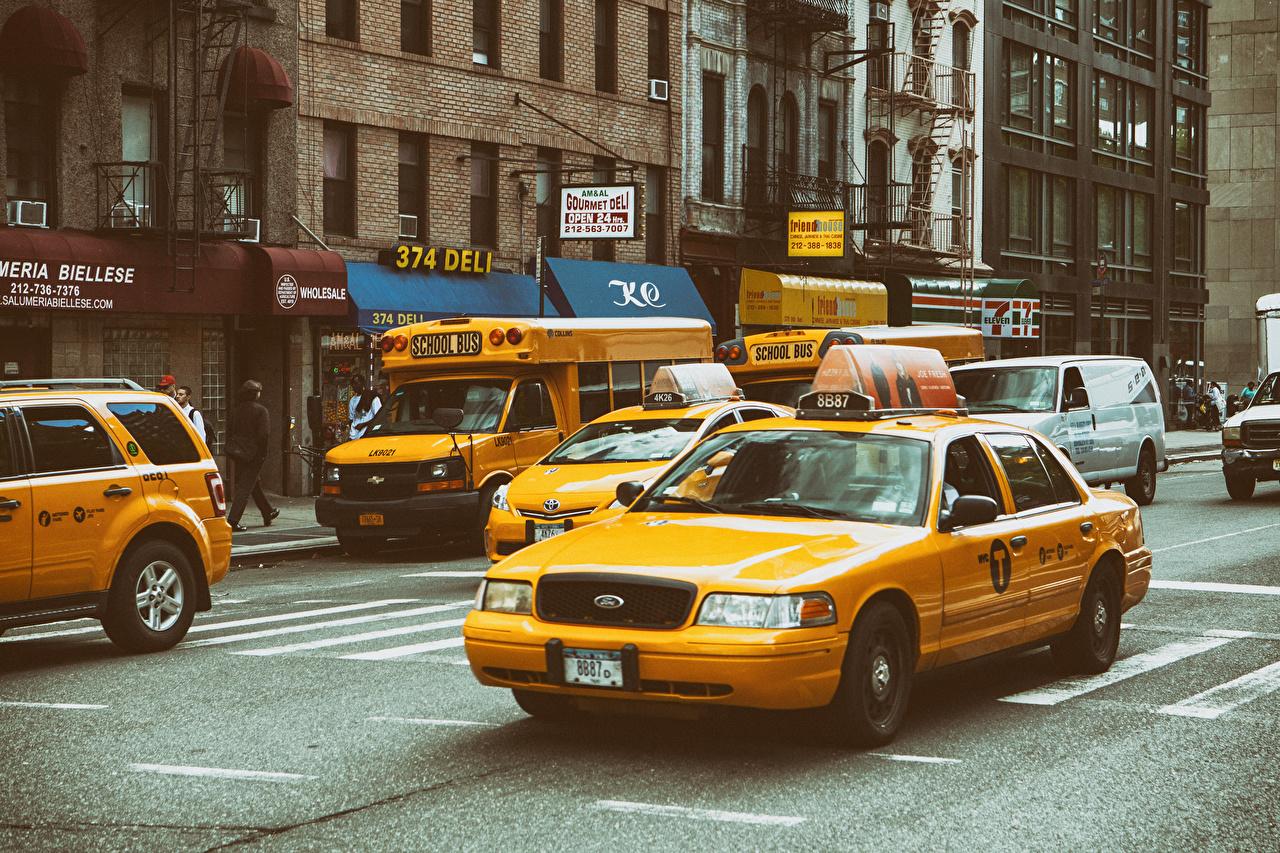
Breathtaking Taxi Moment Photography
Transform your screen with this vivid taxi artwork, a true masterpiece of digital design.
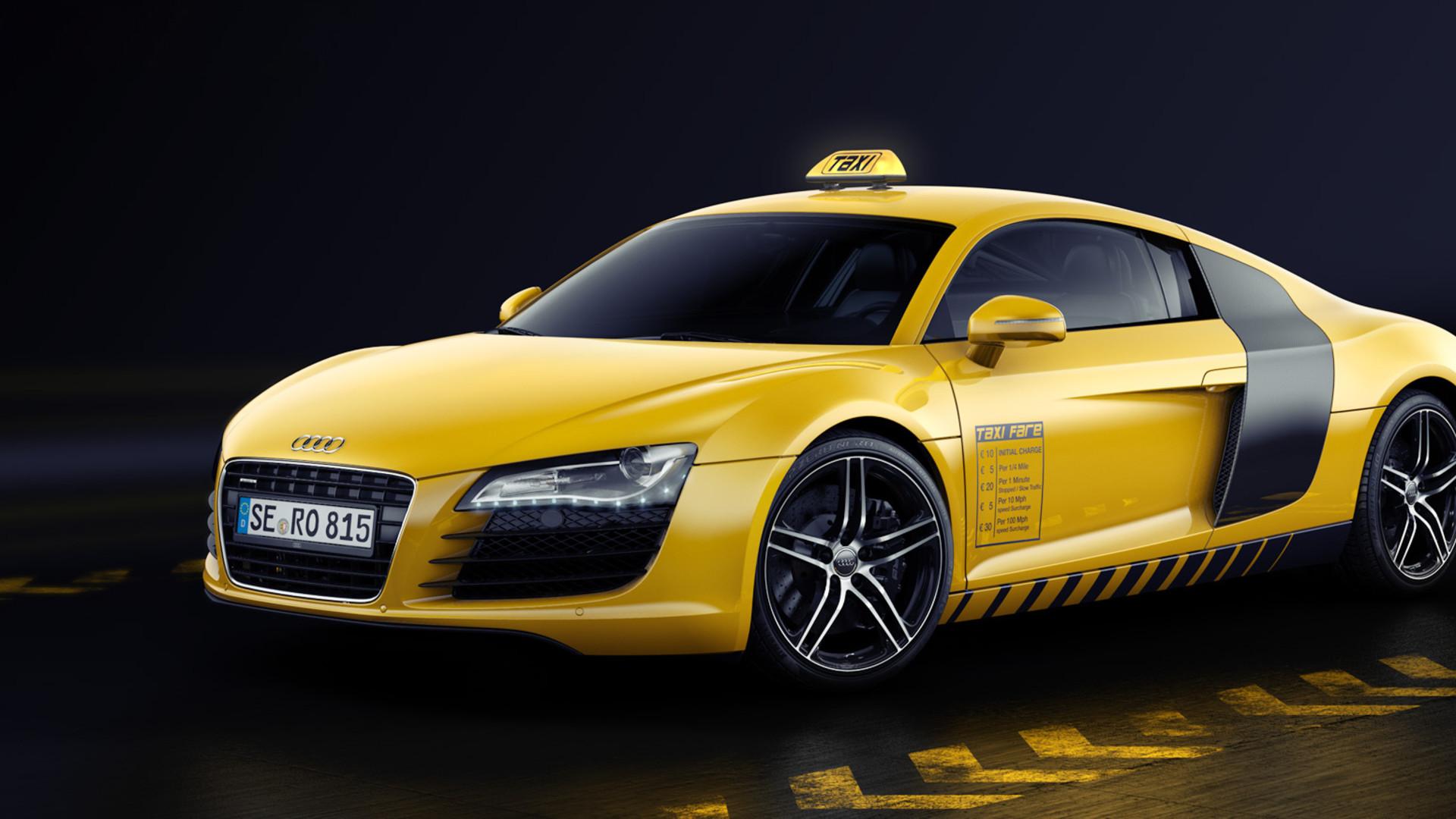
Gorgeous Taxi Picture Concept
This gorgeous taxi photo offers a breathtaking view, making it a perfect choice for your next wallpaper.
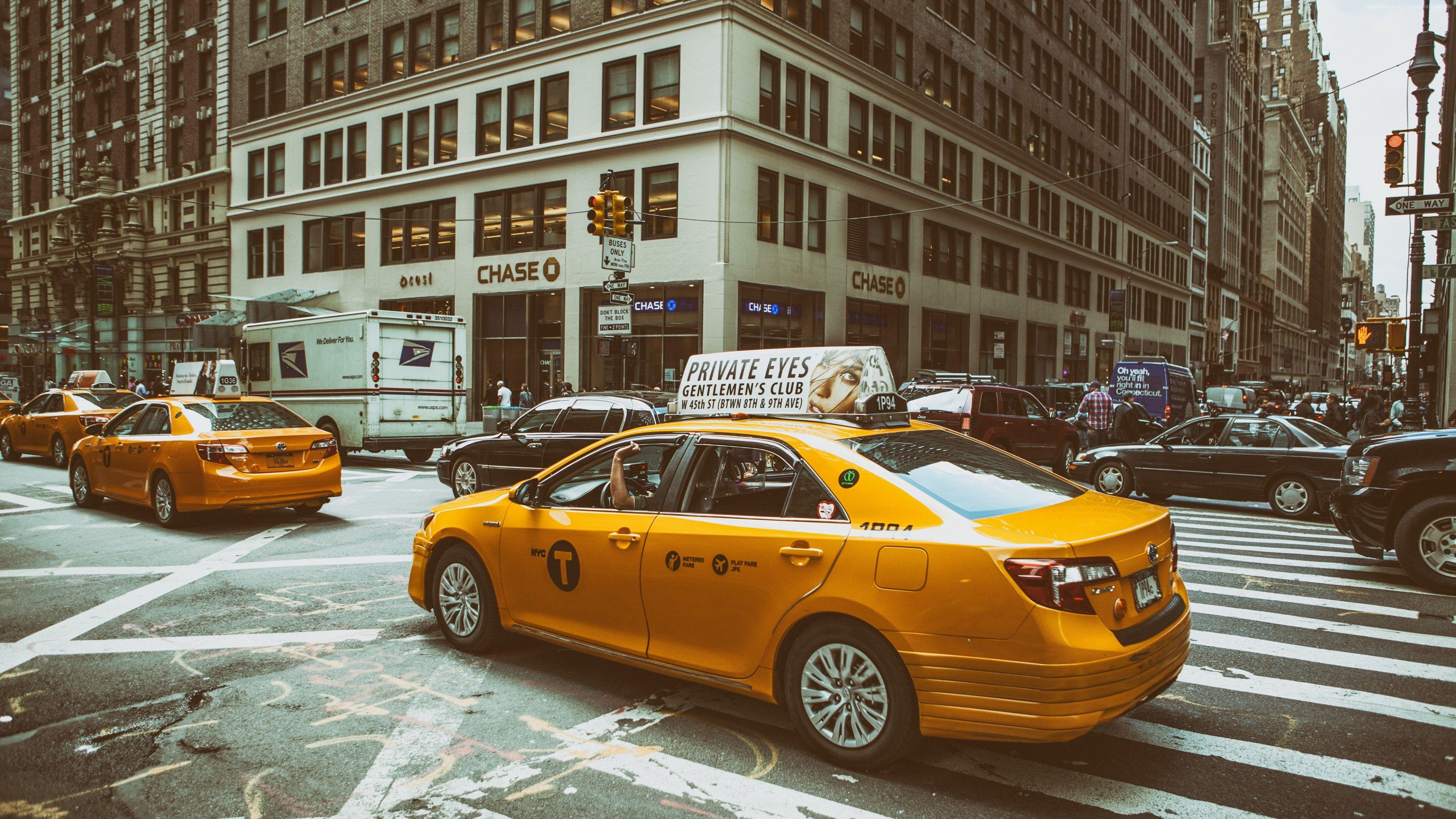
Vibrant Taxi Moment Concept
Explore this high-quality taxi image, perfect for enhancing your desktop or mobile wallpaper.
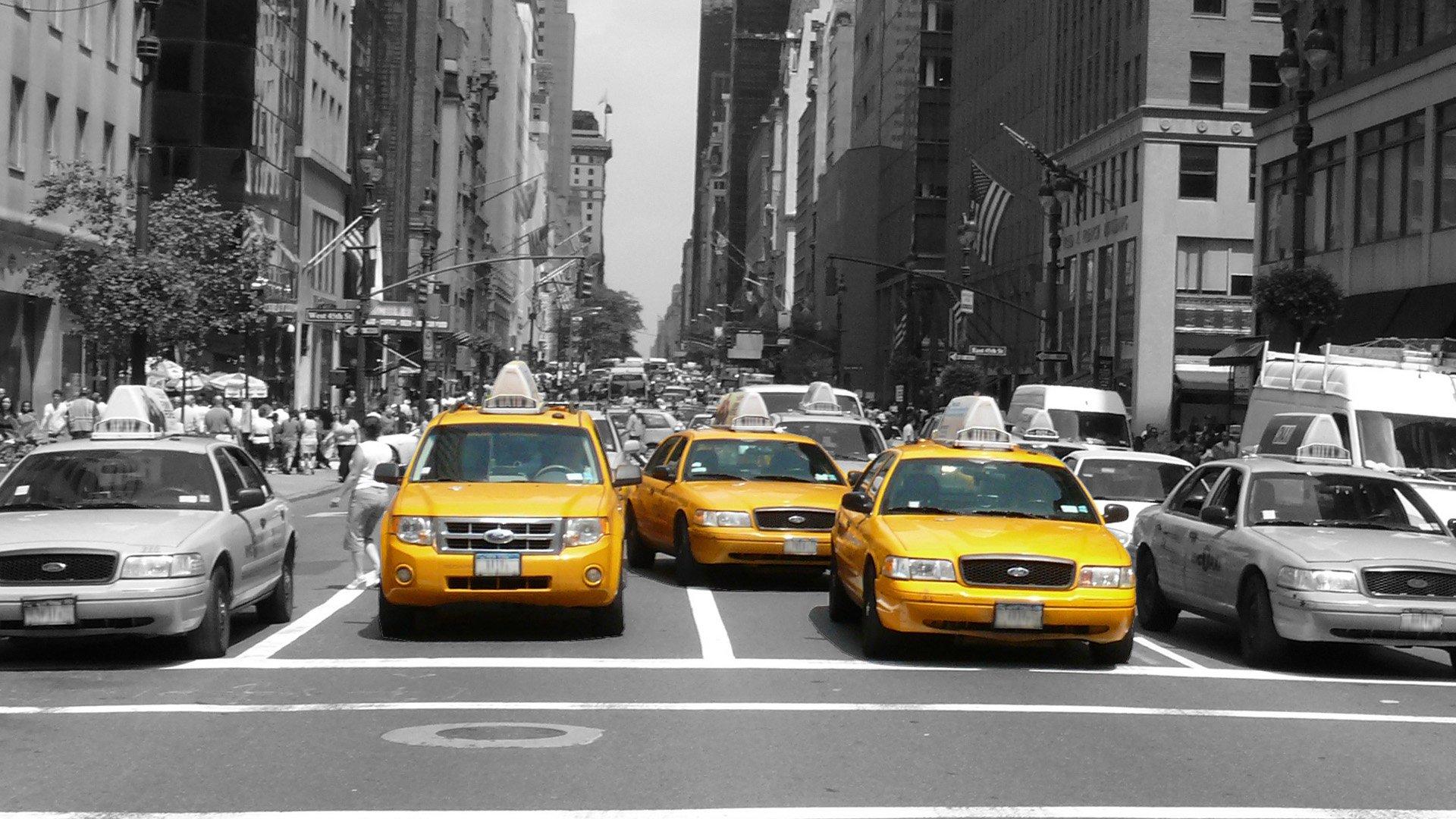
Beautiful Taxi Picture Concept
Explore this high-quality taxi image, perfect for enhancing your desktop or mobile wallpaper.

Detailed Taxi Background in 4K
Experience the crisp clarity of this stunning taxi image, available in high resolution for all your screens.
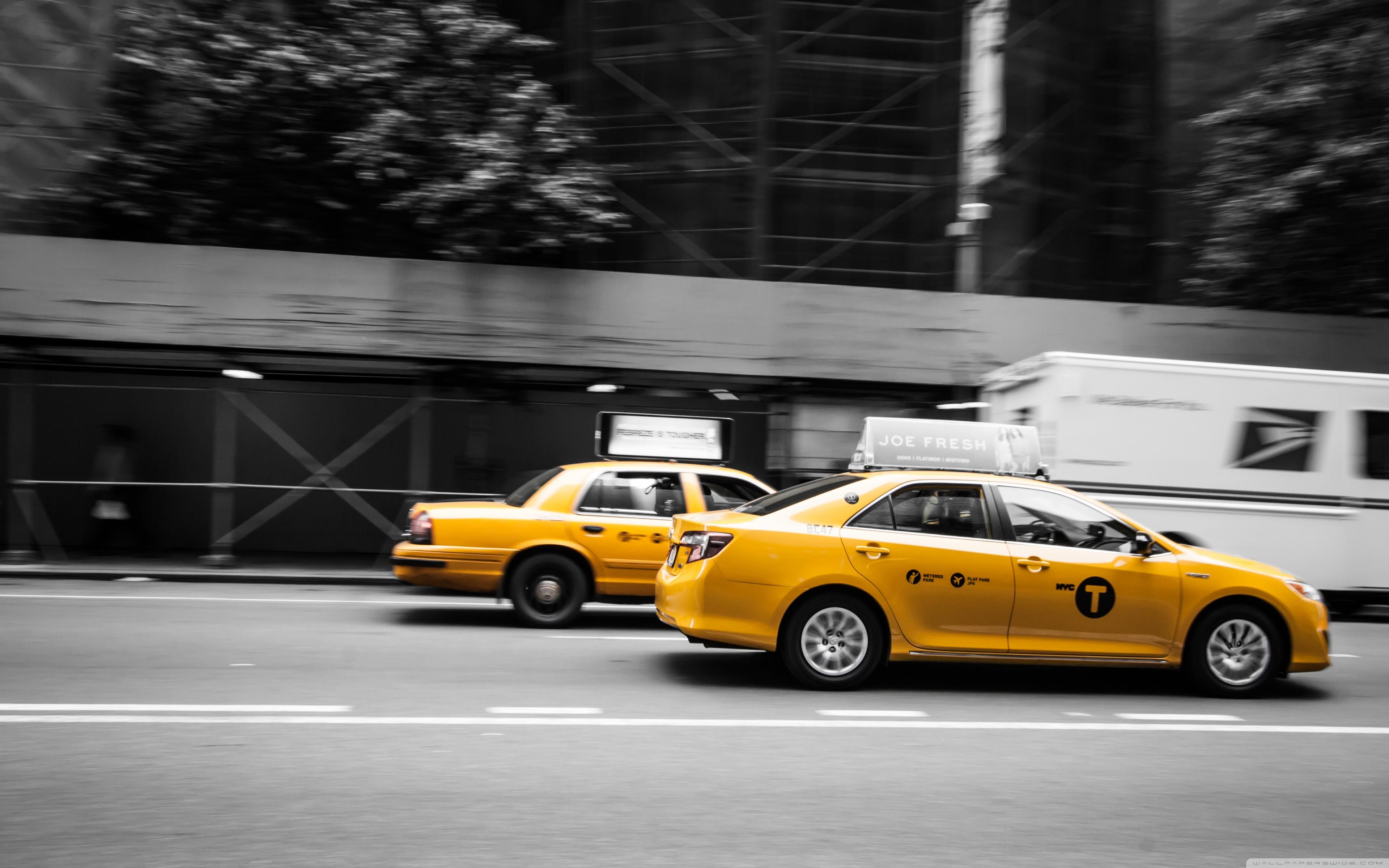
Crisp Taxi Picture Concept
Immerse yourself in the stunning details of this beautiful taxi wallpaper, designed for a captivating visual experience.
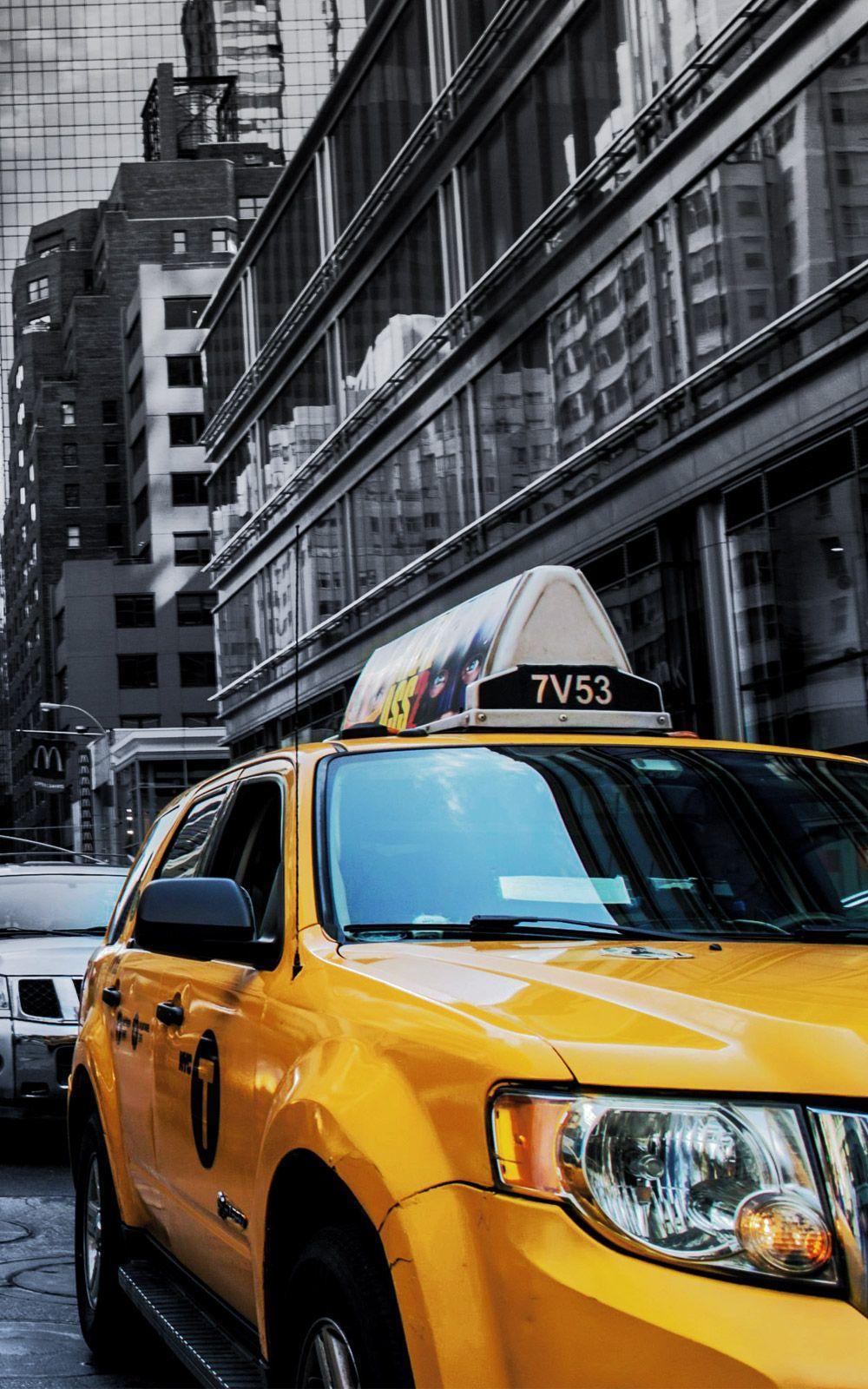
Serene Taxi Photo Art
Discover an amazing taxi background image, ideal for personalizing your devices with vibrant colors and intricate designs.
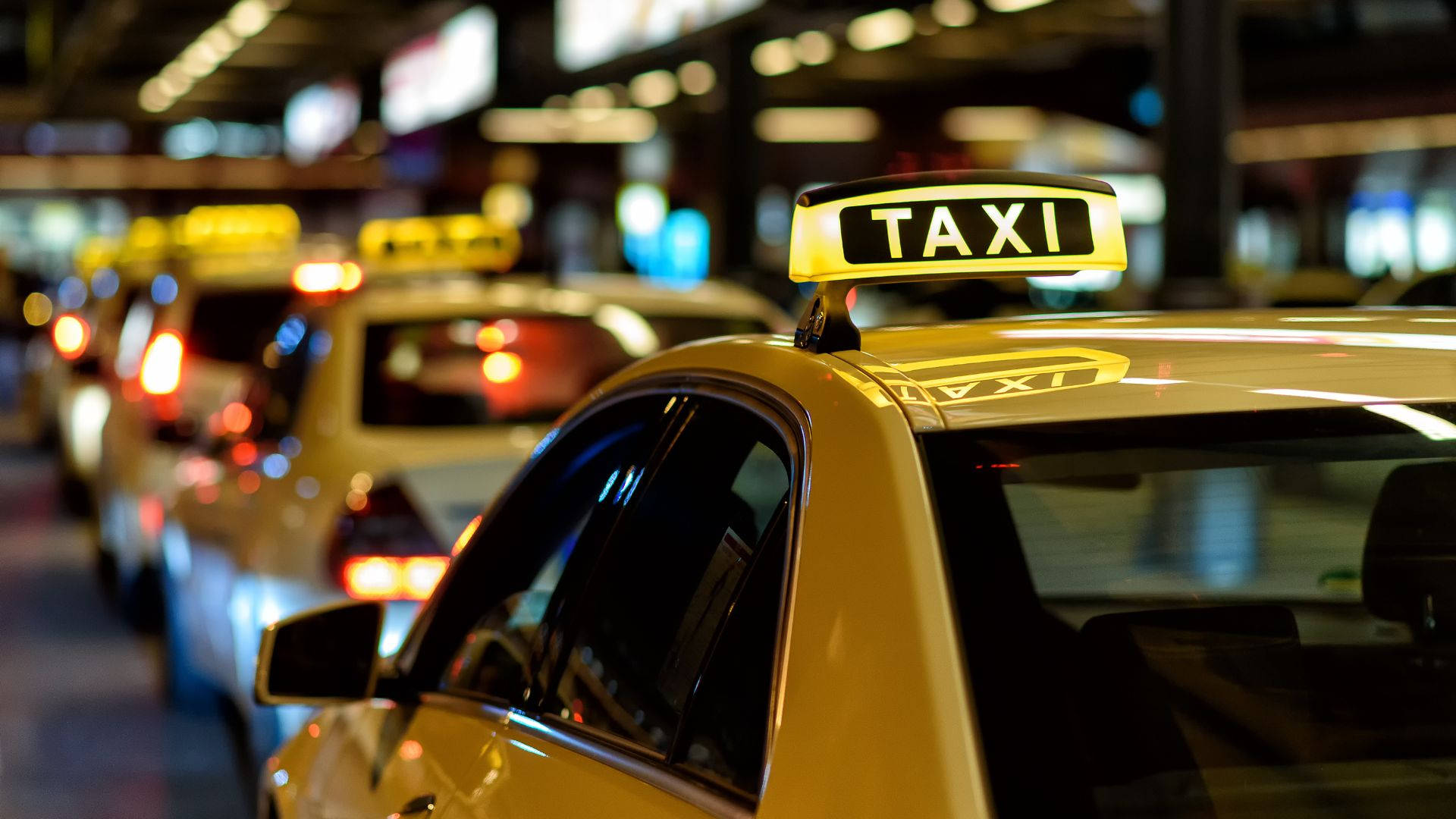
Artistic Taxi Artwork in 4K
This gorgeous taxi photo offers a breathtaking view, making it a perfect choice for your next wallpaper.
Download these taxi wallpapers for free and use them on your desktop or mobile devices.