The Guardian view on the Mountbatten-Windsor papers: they expose the collapse of Britain’s 'good chap' state | Editorial
The Guardian view on the Mountbatten-Windsor papers: they expose the collapse of Britain’s 'good chap' state | Editorial
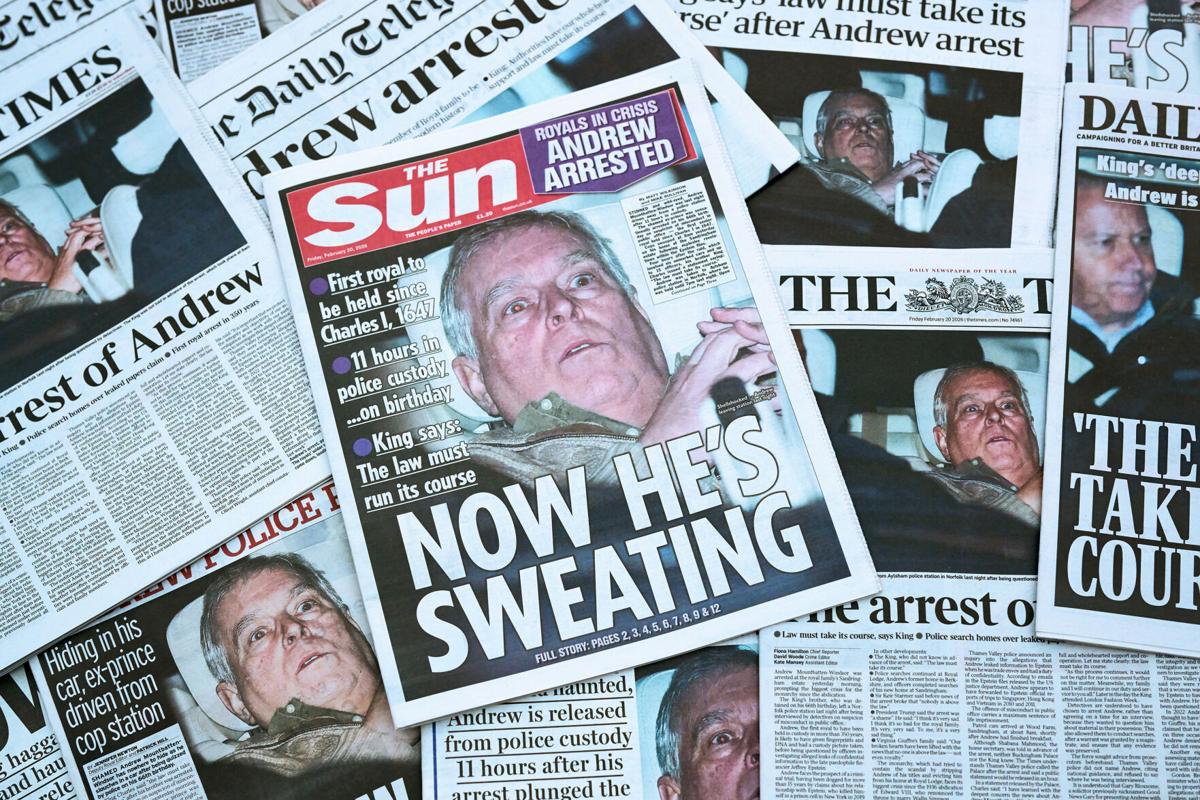
The recent release of the Mountbatten-Windsor papers has sent shockwaves through the British establishment, uncovering a series of events that many believe signal the definitive end of the "good chap" era of government. These documents, long withheld from public view, detail the internal deliberations surrounding Andrew Mountbatten-Windsor’s appointment as a UK trade envoy in 2001. Far from a standard administrative process, the papers reveal a culture of aristocratic deference where royal status trumped professional vetting, due diligence, and even common sense. As the UK grapples with the fallout of the Epstein scandal and the subsequent arrest of the former prince, these files provide a haunting look at how institutional silence and unwritten rules allowed a high-profile public role to be created with virtually no oversight. This editorial explores the systemic failures exposed by these documents and what they mean for the future of the British constitutional order.
The Mountbatten-Windsor papers are a collection of 11 government documents released in May 2026 that expose a total lack of security vetting and due diligence in the 2001 appointment of Andrew Mountbatten-Windsor as Britain’s special representative for international trade and investment. The files reveal that Queen Elizabeth II was "very keen" for her second son to take the role, leading to a process where no other candidates were considered and normal bureaucratic checks were ignored. This exposure highlights the collapse of the "good chap" theory of government, which relied on trust and informal power rather than modern accountability frameworks, especially in light of allegations regarding shared sensitive information with Jeffrey Epstein.
The Shocking Absence of Vetting and Due Diligence
The primary revelation within the released documents is the complete absence of formal security vetting or due diligence. For a role that granted Andrew Mountbatten-Windsor privileged access to senior government officials, international business leaders, and sensitive diplomatic networks, one would expect a rigorous screening process. Instead, the papers show that the question of vetting simply "never entered anyone's head." In the early 2000s, the assumption was that a member of the royal family was inherently trustworthy and above the standard requirements of public office. This systemic failure meant that a person with no relevant business experience was thrust into a high-stakes commercial diplomacy role without any assessment of the potential risks.
This lack of oversight is particularly damning when viewed through the lens of modern standards. In today's bureaucratic state, every significant public appointment is subject to strict reporting lines, conflict-of-interest checks, and compliance frameworks. The "good chap" theory suggested that public officials would naturally act in good faith and respect implicit limits. However, the Mountbatten-Windsor papers demonstrate that when trust is the only safeguard, the state becomes incredibly vulnerable to individuals who may not adhere to those unwritten ethical boundaries. The absence of a paper trail regarding vetting confirms that the establishment was dazzled by royal status, choosing optics over oversight.
Queen Elizabeth II’s Role in the Appointment
The papers shed a new and somewhat uncomfortable light on the late Queen Elizabeth II's intervention. Memos from February 2000 indicate that the Queen was "very keen" for her son to succeed the Duke of Kent as the trade envoy. This push from the monarch effectively bypassed the normal competitive process for such a position. While a mother's desire to provide "structure and purpose" for her second son is understandable on a personal level, its manifestation in the realm of international trade and diplomacy proved to be a grave constitutional error. The monarchy was not just a symbol in this instance; it was the driving force behind a government appointment.
This royal pressure created a situation where government officials felt compelled to fulfill the Queen's wish rather than act as independent gatekeepers of the public interest. David Wright, then head of British Trade International, explicitly noted the Queen's preference in communications with the Foreign Secretary. This reveals a "top-down" approach to governance where the preferences of the palace superseded the needs of the trade department. The late Queen's support for Andrew was a consistent theme throughout her reign, but the papers show that this support had tangible consequences for the integrity of British diplomatic institutions.
The Collapse of the 'Good Chap' Theory of Government
The "good chap" theory of government has long been a hallmark of the British constitutional culture. It rests on the idea that the UK does not need a codified constitution or rigid rules because the people in power—the "good chaps"—can be trusted to do the right thing. They are expected to follow the spirit of the law and maintain the dignity of their offices through personal integrity. The Mountbatten-Windsor papers serve as a post-mortem for this theory. They expose a system that was too fragile to withstand the complexities of modern power and the flaws of the individuals within it.
When the state functions on informal power and prestige, there is no mechanism to handle a "bad chap" or even a "careless chap." The documents illustrate that the informal nature of the trade envoy role was specifically designed to spare the former prince from the "burden" of board meetings and paperwork. This lack of structure meant there was no accountability. The collapse of this system is evident in the fact that it took a "humble address" in Parliament and the pressure of a global scandal to finally bring these documents to light. The "good chap" state has been replaced by a realization that transparency and formal regulation are essential to prevent the abuse of power.
The Epstein Connection and Systemic Risks
While the papers themselves focus on the appointment process in 2001, their release is inextricably linked to the ongoing Epstein scandal. Recent allegations suggest that sensitive information obtained during trade missions may have been shared with Jeffrey Epstein. This transforms the story from one of mere royal entitlement to one of national security and systemic failure. If a lightly supervised envoy was able to leverage their state-sanctioned role for personal or illicit associations, the entire framework of British commercial diplomacy is called into question.
The papers reveal that the trade envoy role was "open-ended" and highly personalized. This lack of a clear mandate or reporting structure provided the perfect environment for the types of interactions now under investigation. The systemic risk was not just in the character of the individual appointed, but in the creation of a role that operated in the shadows of the formal state. The intersection of monarchy, business, and diplomacy became a "black box" where traditional oversight was suspended in favor of royal access. The Epstein connection serves as the ultimate proof that the "good chap" system failed its most basic duty: to protect the state from external influence and internal misconduct.
Public Sentiment and the Call for Accountability
The publication of these documents has ignited a firestorm of public anger. For years, the royal family's defenders argued that Andrew's role was a service to the country, justifying the significant travel expenses and security costs borne by the taxpayer. The papers prove that the role was less about national interest and more about palace containment and finding a job for a "favourite" son. This realization has led to increased demands for accountability, not just for the former prince, but for the officials who facilitated his rise without question.
There is a growing sense that the monarchy should no longer be shielded from the same standards of transparency that apply to every other government department. The Liberal Democrats' use of the "humble address" to force the release of these files is seen as a victory for parliamentary sovereignty over royal prerogative. The public is no longer willing to accept "trust us" as a valid response from the palace or the government. The demand is now for a full reconstruction of the relationship between the monarchy and the state, moving away from deference and toward a modern, rule-based system.
| Key Document Date | Primary Subject Matter |
|---|---|
| February 25, 2000 | Memo stating Queen Elizabeth II's wish for Andrew to become trade envoy. |
| January 2001 | Briefing note suggesting the role be framed as a "mutual agreement." |
Class Assumptions and 'Sophisticated Countries'
The released files are also "painfully revealing" about the class assumptions and personal tastes that governed the former prince's tenure. One memo notes that Andrew's team preferred he visit "more sophisticated countries," particularly those leading in technology. This suggests that the trade envoy role was viewed as a series of high-end networking opportunities rather than a strategic effort to boost British exports globally. The preference for ballet over theatre and the insistence on luxury accommodations further reinforce the image of a role designed for royal comfort rather than diplomatic efficacy.
These details, while they might seem like "royal gossip," actually point to a deeper issue of how the British state views its own influence. The idea that certain countries were more "sophisticated" and therefore more worthy of a royal visit reflects an elitist worldview that is increasingly out of step with the realities of modern global trade. It also highlights the lack of professional objectives for the role; if the primary criteria for a trip were the personal preferences of the envoy, the actual promotion of national interests became secondary. This "amateurish" approach to trade diplomacy is one of the most striking aspects of the papers.
The Path Forward: Reform and Reconstruction
In the wake of these revelations, the call for radical constitutional reconstruction has become louder. The "good chap" state is dead, and in its place, Britain must build something more resilient. This includes a complete overhaul of how the monarchy interacts with government business. Proponents of reform argue for an end to the automatic transfer of revenues to the palace and the introduction of annual, line-by-line scrutiny of royal finances. The era of "discretion and aristocratic deference" must give way to one of rigorous compliance and public reporting.
Furthermore, there are calls for Andrew Mountbatten-Windsor to testify before parliamentary committees. If the state created the role that allowed him to build these controversial networks, then the state has a right and a duty to investigate the consequences. The "palace containment" tactics of the past are no longer sufficient. Accountability to the victims of the Epstein network requires a level of transparency that the British establishment has traditionally avoided. The Mountbatten-Windsor papers are not just a historical curiosity; they are a catalyst for a much-needed conversation about the nature of power and the necessity of oversight in the 21st century.
Conclusion
The Guardian’s view on the Mountbatten-Windsor papers is clear: they are a devastating indictment of a system built on the shaky foundations of deference and informal trust. The collapse of Britain’s 'good chap' state was not a sudden event but a slow erosion that has been laid bare by the exposure of these documents. By prioritizing royal status over security vetting and professional standards, the British government created a vacuum where accountability vanished and systemic risks flourished. As the UK moves forward, the lessons of these papers must be learned. Trust is no longer enough; the modern state requires a robust framework of oversight, transparency, and a commitment to the rule of law that applies to everyone, regardless of their title or birthright. The "good chap" era is over, and the era of accountability must begin.
Frequently Asked Questions
What are the Mountbatten-Windsor papers?
They are a set of 11 government documents released in 2026 that detail the 2001 appointment of Andrew Mountbatten-Windsor as a UK trade envoy, revealing a lack of vetting and significant royal influence.
Why was there no security vetting for the trade envoy role?
According to the papers and former officials, the idea of vetting a member of the royal family was considered an "anachronism" and "alien" at the time, as their status was assumed to guarantee their integrity.
What role did Queen Elizabeth II play in the appointment?
Internal memos show the late Queen was "very keen" for her second son to take the role, essentially pushing for the appointment and bypassing a standard selection process.
What is the 'good chap' theory of government?
It is an informal British constitutional concept that assumes public officials can be trusted to act ethically and follow unwritten rules without the need for strict, codified regulations.
How do these papers relate to Jeffrey Epstein?
The release was prompted by scrutiny over allegations that the former prince shared sensitive information obtained in his trade role with Epstein, highlighting the risks of unvetted high-profile appointments.
The Guardian view on the Mountbatten-Windsor papers: they expose the collapse of Britain’s 'good chap' state | Editorial
The Guardian view on the Mountbatten-Windsor papers: they expose the collapse of Britain’s 'good chap' state | Editorial Wallpapers
Collection of the guardian view on the mountbatten-windsor papers: they expose the collapse of britain’s 'good chap' state | editorial wallpapers for your desktop and mobile devices.

Gorgeous The Guardian View On The Mountbatten-windsor Papers: They Expose The Collapse Of Britain’s 'good Chap' State | Editorial Abstract in HD
This gorgeous the guardian view on the mountbatten-windsor papers: they expose the collapse of britain’s 'good chap' state | editorial photo offers a breathtaking view, making it a perfect choice for your next wallpaper.

Vibrant The Guardian View On The Mountbatten-windsor Papers: They Expose The Collapse Of Britain’s 'good Chap' State | Editorial Background Illustration
Explore this high-quality the guardian view on the mountbatten-windsor papers: they expose the collapse of britain’s 'good chap' state | editorial image, perfect for enhancing your desktop or mobile wallpaper.

Vivid The Guardian View On The Mountbatten-windsor Papers: They Expose The Collapse Of Britain’s 'good Chap' State | Editorial Photo in 4K
Discover an amazing the guardian view on the mountbatten-windsor papers: they expose the collapse of britain’s 'good chap' state | editorial background image, ideal for personalizing your devices with vibrant colors and intricate designs.

Beautiful The Guardian View On The Mountbatten-windsor Papers: They Expose The Collapse Of Britain’s 'good Chap' State | Editorial Background Photography
Transform your screen with this vivid the guardian view on the mountbatten-windsor papers: they expose the collapse of britain’s 'good chap' state | editorial artwork, a true masterpiece of digital design.
Spectacular The Guardian View On The Mountbatten-windsor Papers: They Expose The Collapse Of Britain’s 'good Chap' State | Editorial Artwork for Desktop
A captivating the guardian view on the mountbatten-windsor papers: they expose the collapse of britain’s 'good chap' state | editorial scene that brings tranquility and beauty to any device.
Amazing The Guardian View On The Mountbatten-windsor Papers: They Expose The Collapse Of Britain’s 'good Chap' State | Editorial Artwork Collection
Experience the crisp clarity of this stunning the guardian view on the mountbatten-windsor papers: they expose the collapse of britain’s 'good chap' state | editorial image, available in high resolution for all your screens.
Detailed The Guardian View On The Mountbatten-windsor Papers: They Expose The Collapse Of Britain’s 'good Chap' State | Editorial Capture Illustration
Discover an amazing the guardian view on the mountbatten-windsor papers: they expose the collapse of britain’s 'good chap' state | editorial background image, ideal for personalizing your devices with vibrant colors and intricate designs.

Stunning The Guardian View On The Mountbatten-windsor Papers: They Expose The Collapse Of Britain’s 'good Chap' State | Editorial Wallpaper in HD
Immerse yourself in the stunning details of this beautiful the guardian view on the mountbatten-windsor papers: they expose the collapse of britain’s 'good chap' state | editorial wallpaper, designed for a captivating visual experience.

High-Quality The Guardian View On The Mountbatten-windsor Papers: They Expose The Collapse Of Britain’s 'good Chap' State | Editorial Wallpaper in HD
Explore this high-quality the guardian view on the mountbatten-windsor papers: they expose the collapse of britain’s 'good chap' state | editorial image, perfect for enhancing your desktop or mobile wallpaper.
Serene The Guardian View On The Mountbatten-windsor Papers: They Expose The Collapse Of Britain’s 'good Chap' State | Editorial Landscape Digital Art
Explore this high-quality the guardian view on the mountbatten-windsor papers: they expose the collapse of britain’s 'good chap' state | editorial image, perfect for enhancing your desktop or mobile wallpaper.

Captivating The Guardian View On The Mountbatten-windsor Papers: They Expose The Collapse Of Britain’s 'good Chap' State | Editorial Design Art
Immerse yourself in the stunning details of this beautiful the guardian view on the mountbatten-windsor papers: they expose the collapse of britain’s 'good chap' state | editorial wallpaper, designed for a captivating visual experience.

Artistic The Guardian View On The Mountbatten-windsor Papers: They Expose The Collapse Of Britain’s 'good Chap' State | Editorial Abstract for Desktop
A captivating the guardian view on the mountbatten-windsor papers: they expose the collapse of britain’s 'good chap' state | editorial scene that brings tranquility and beauty to any device.

Vibrant The Guardian View On The Mountbatten-windsor Papers: They Expose The Collapse Of Britain’s 'good Chap' State | Editorial Scene Photography
Transform your screen with this vivid the guardian view on the mountbatten-windsor papers: they expose the collapse of britain’s 'good chap' state | editorial artwork, a true masterpiece of digital design.

Exquisite The Guardian View On The Mountbatten-windsor Papers: They Expose The Collapse Of Britain’s 'good Chap' State | Editorial Scene for Your Screen
A captivating the guardian view on the mountbatten-windsor papers: they expose the collapse of britain’s 'good chap' state | editorial scene that brings tranquility and beauty to any device.

Spectacular The Guardian View On The Mountbatten-windsor Papers: They Expose The Collapse Of Britain’s 'good Chap' State | Editorial Abstract Photography
A captivating the guardian view on the mountbatten-windsor papers: they expose the collapse of britain’s 'good chap' state | editorial scene that brings tranquility and beauty to any device.

Gorgeous The Guardian View On The Mountbatten-windsor Papers: They Expose The Collapse Of Britain’s 'good Chap' State | Editorial Artwork Concept
Find inspiration with this unique the guardian view on the mountbatten-windsor papers: they expose the collapse of britain’s 'good chap' state | editorial illustration, crafted to provide a fresh look for your background.

Detailed The Guardian View On The Mountbatten-windsor Papers: They Expose The Collapse Of Britain’s 'good Chap' State | Editorial Wallpaper Art
Transform your screen with this vivid the guardian view on the mountbatten-windsor papers: they expose the collapse of britain’s 'good chap' state | editorial artwork, a true masterpiece of digital design.

Captivating The Guardian View On The Mountbatten-windsor Papers: They Expose The Collapse Of Britain’s 'good Chap' State | Editorial Wallpaper Digital Art
Find inspiration with this unique the guardian view on the mountbatten-windsor papers: they expose the collapse of britain’s 'good chap' state | editorial illustration, crafted to provide a fresh look for your background.
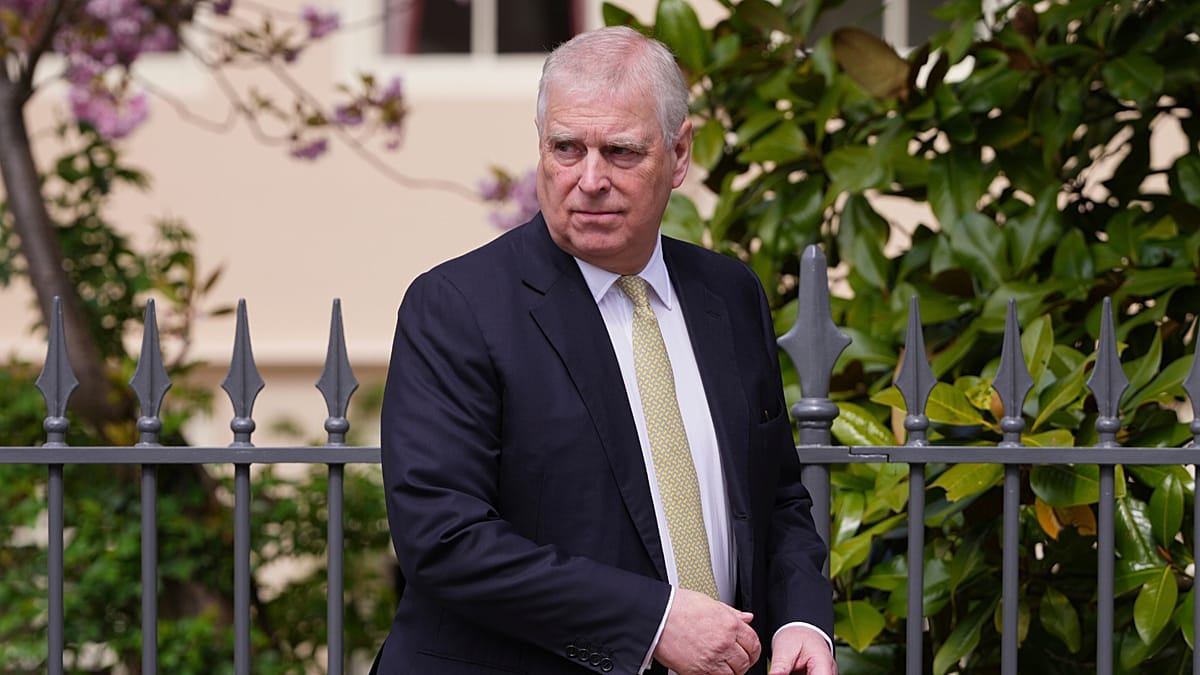
Breathtaking The Guardian View On The Mountbatten-windsor Papers: They Expose The Collapse Of Britain’s 'good Chap' State | Editorial Artwork Collection
Discover an amazing the guardian view on the mountbatten-windsor papers: they expose the collapse of britain’s 'good chap' state | editorial background image, ideal for personalizing your devices with vibrant colors and intricate designs.

Amazing The Guardian View On The Mountbatten-windsor Papers: They Expose The Collapse Of Britain’s 'good Chap' State | Editorial Capture Digital Art
Explore this high-quality the guardian view on the mountbatten-windsor papers: they expose the collapse of britain’s 'good chap' state | editorial image, perfect for enhancing your desktop or mobile wallpaper.
Download these the guardian view on the mountbatten-windsor papers: they expose the collapse of britain’s 'good chap' state | editorial wallpapers for free and use them on your desktop or mobile devices.