UAE accuses Iran of renewed drone and missile attacks
UAE accuses Iran of renewed drone and missile attacks
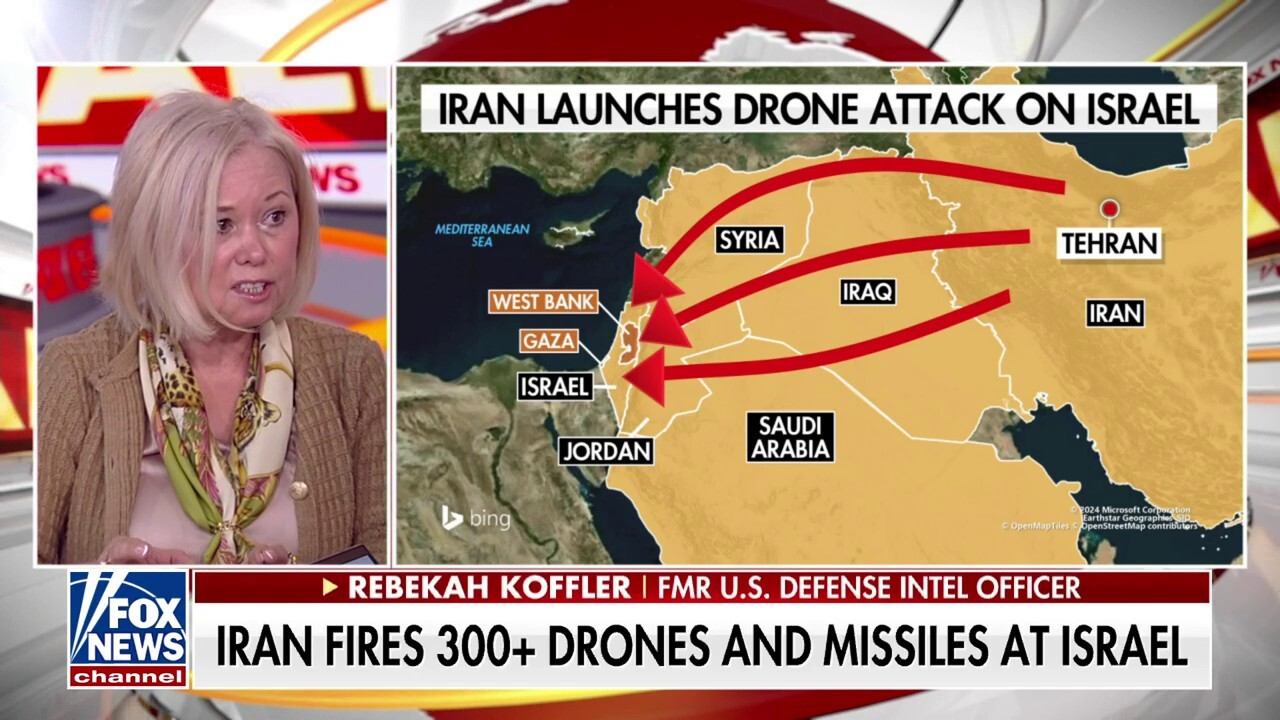
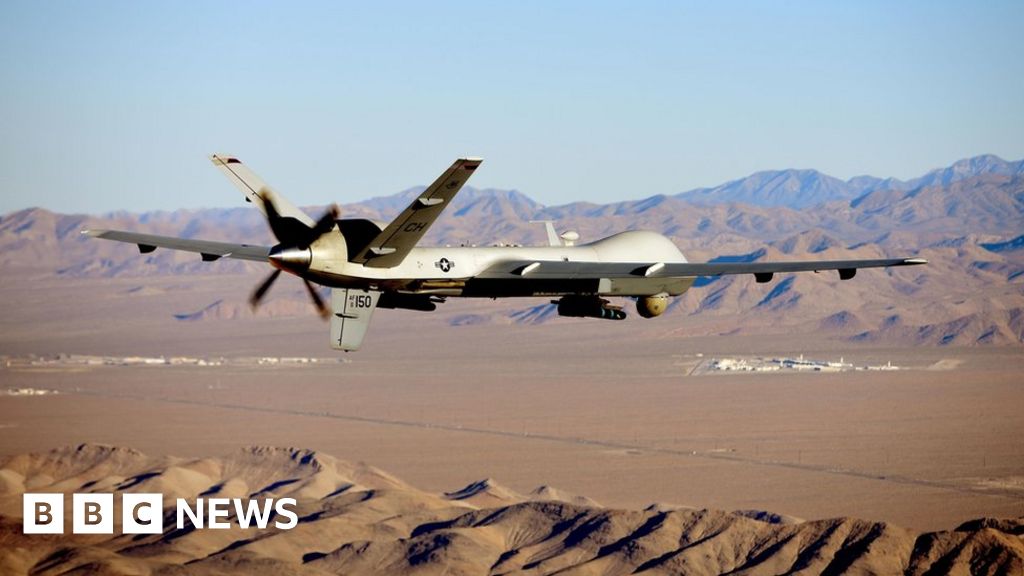
In a dramatic escalation of regional tensions that has sent shockwaves through global energy markets, the United Arab Emirates has officially accused Iran of launching a series of sophisticated drone and missile strikes against its territory and maritime interests. The reported attacks, which took place on Monday, May 4, 2026, represent the most significant breach of the fragile ceasefire that had been in place since early April. As emergency sirens blared across Dubai and Abu Dhabi, the UAE Ministry of Defense confirmed that its state-of-the-art air defense systems were actively engaged in intercepting a barrage of aerial threats. This sudden surge in kinetic activity centered around the strategic Strait of Hormuz and the vital oil hubs of the UAE, marking a dangerous new chapter in the ongoing shadow war that has plagued the Middle East for months.
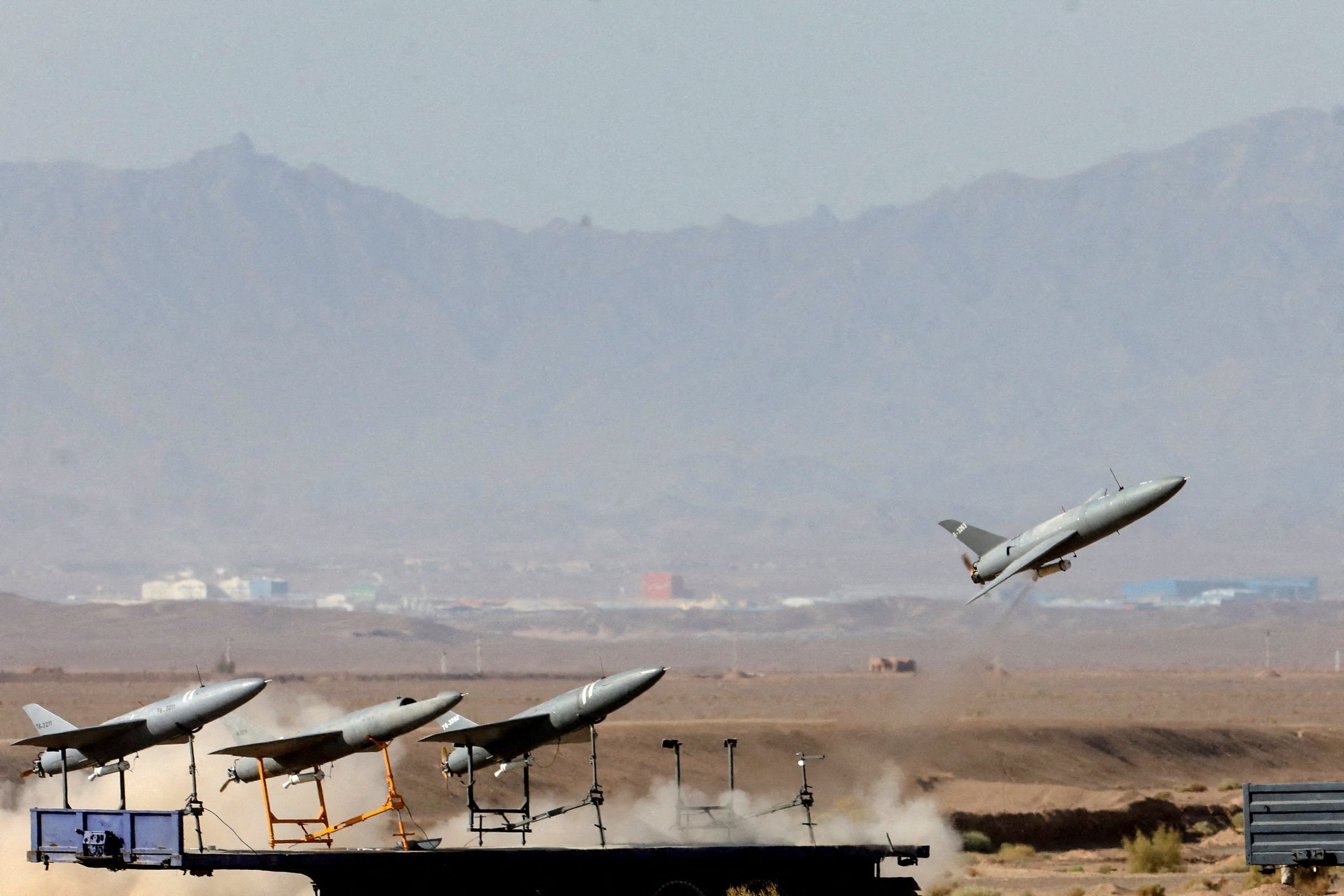
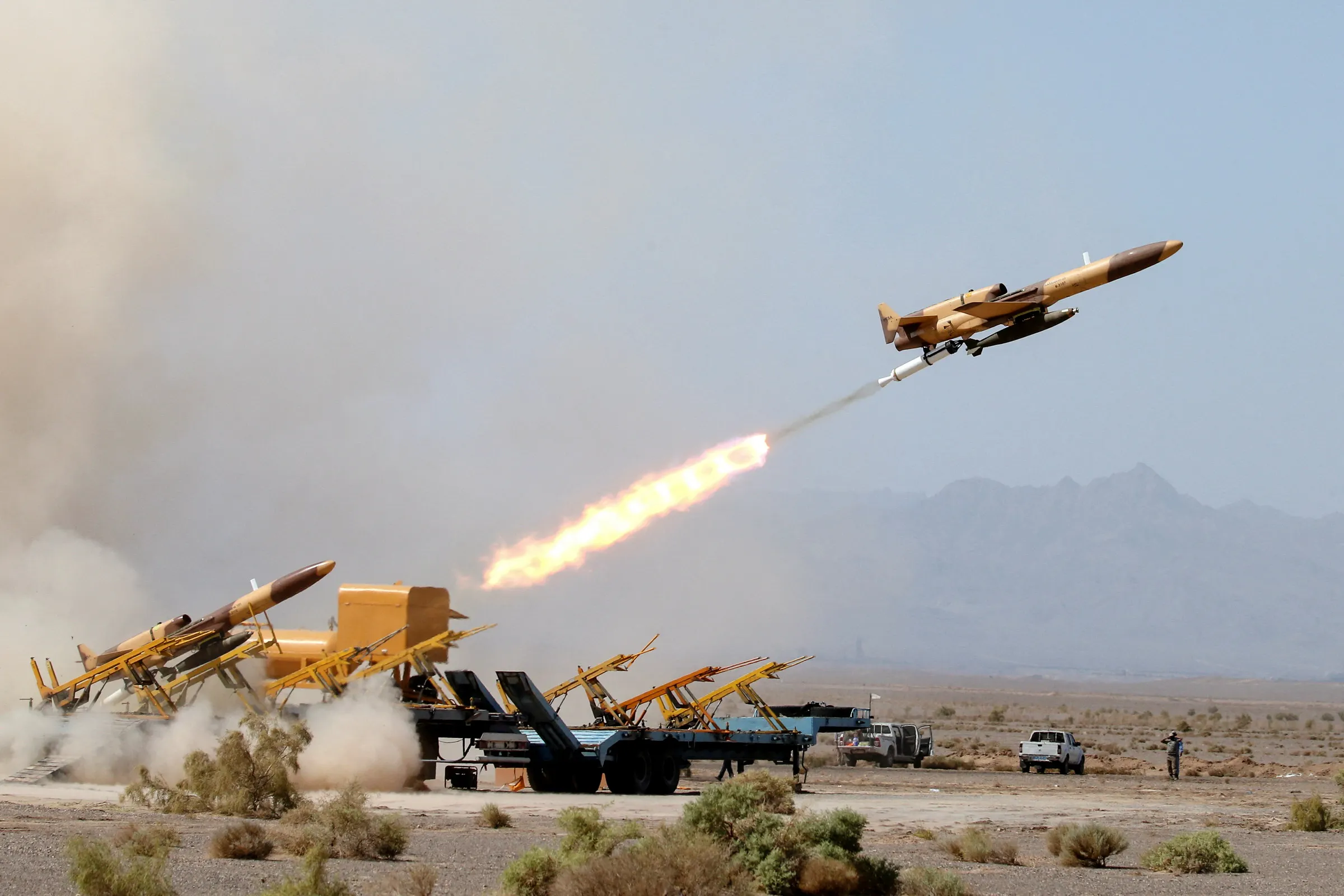
The UAE accuses Iran of renewed drone and missile attacks, involving at least 15 missiles and 4 drones targeting civilian infrastructure and commercial shipping. Key incidents included a drone strike on a major oil facility in Fujairah, which injured three Indian nationals, and an attack on an empty ADNOC tanker in the Strait of Hormuz. Following these strikes, global oil prices surged by over 5%, with Brent crude crossing the $115 mark. The attacks coincide with the launch of the U.S. military's "Project Freedom," an initiative aimed at escorting merchant vessels through the restricted waterway, further heightening the risk of a direct military confrontation between Washington and Tehran.
Escalation in the Strait of Hormuz: A Detailed Timeline of the May 4 Attacks
The events of May 4 began early in the afternoon when maritime tracking systems and regional security agencies reported unusual activity near the Strait of Hormuz. By 2:47 pm, the UAE Ministry of Foreign Affairs issued its first stern condemnation, revealing that two Iranian drones had targeted the *Barakah*, an empty crude oil tanker operated by the Abu Dhabi National Oil Company (ADNOC). While no injuries were reported in this initial maritime encounter, the intent was clear: a direct challenge to the freedom of navigation in one of the world's most critical energy chokepoints.
As the afternoon progressed, the theater of conflict expanded from the sea to the land. Residents in the eastern emirate of Fujairah reported hearing massive explosions. Local authorities soon confirmed that a drone had struck the Fujairah Oil Industry Zone (FOIZ), causing a significant fire at an oil storage facility. The blaze required an extensive response from civil defense teams and resulted in moderate injuries to three Indian expatriate workers. Fujairah, located outside the Strait of Hormuz, is the UAE's primary terminal for bypassing the strait via a cross-country pipeline, making it a high-value strategic target for those seeking to disrupt global oil supplies.
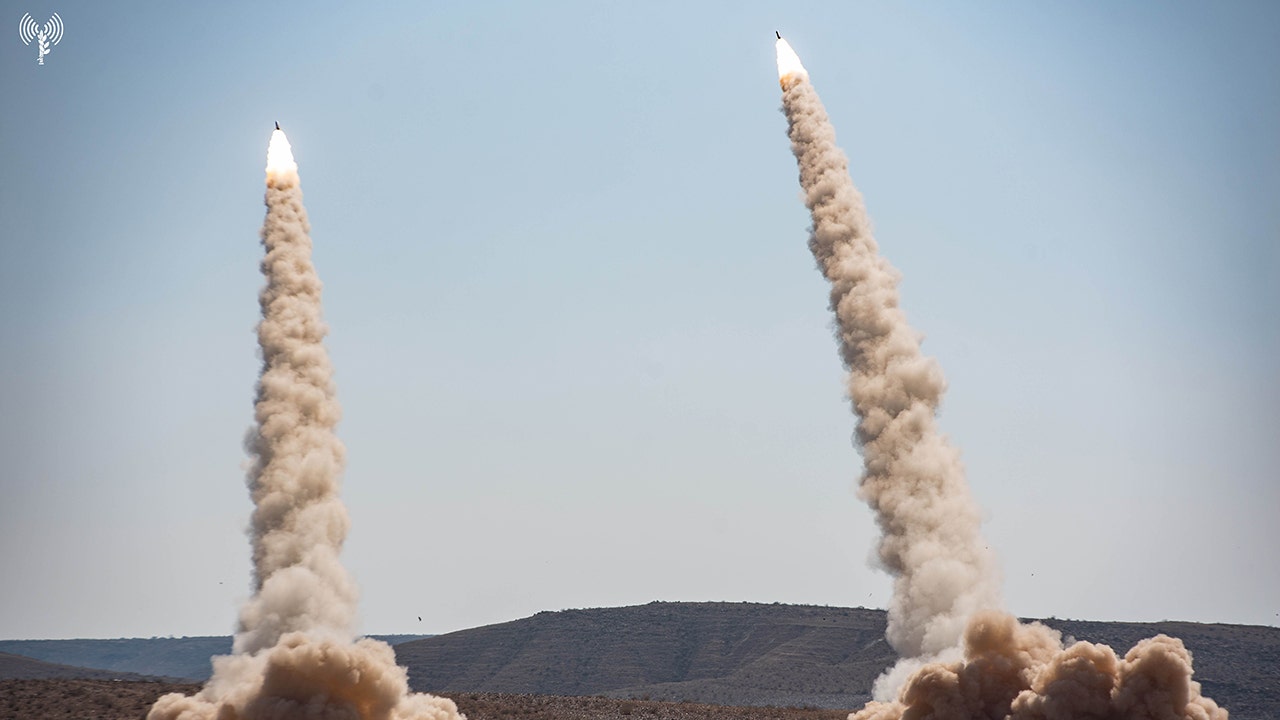
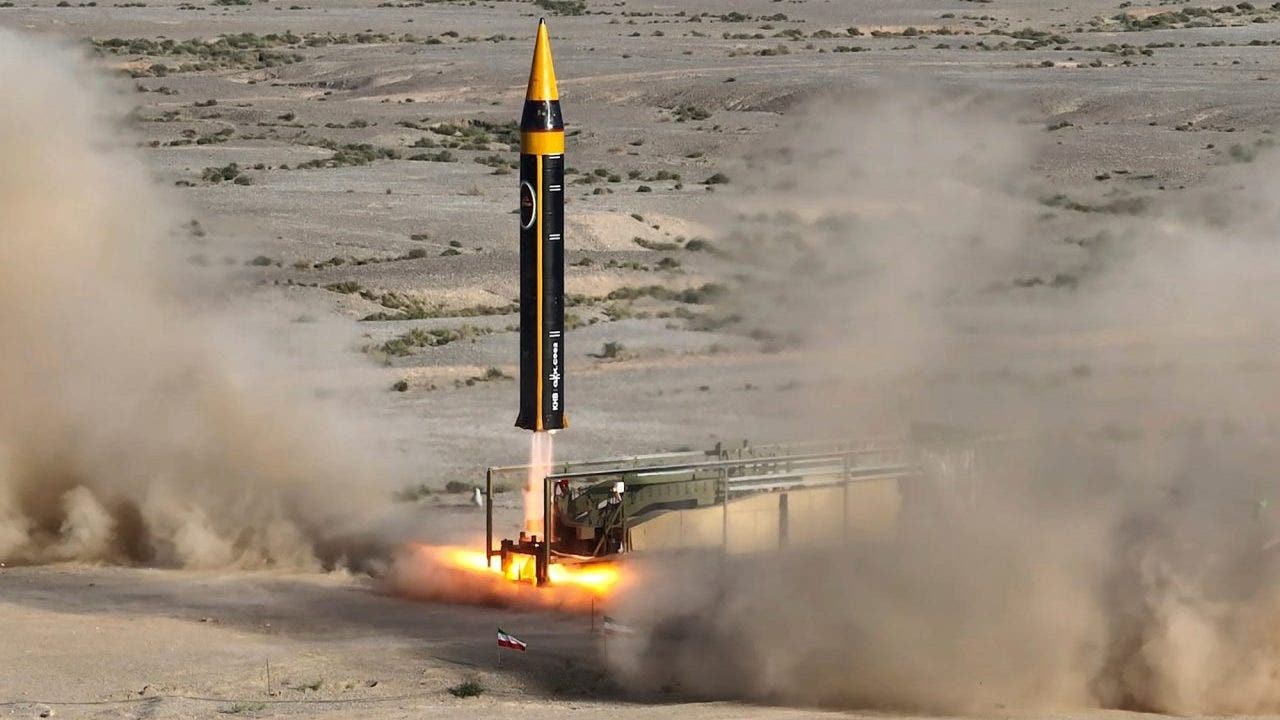
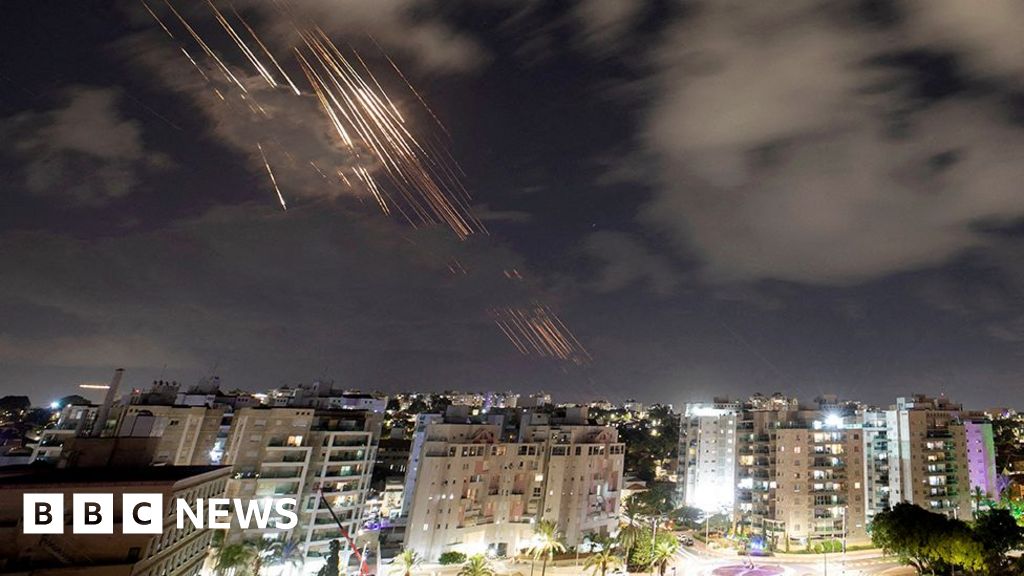
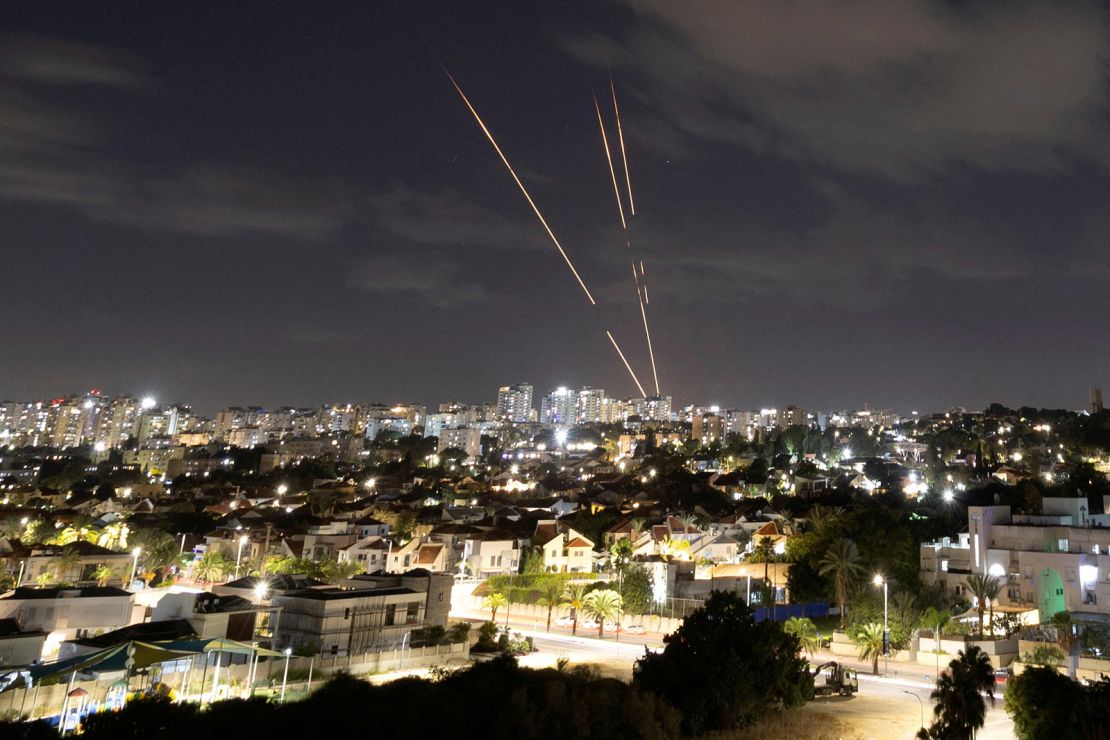
By late evening, the situation escalated into a full-scale aerial assault. The UAE Ministry of Defense reported that its air defenses detected 12 ballistic missiles, three cruise missiles, and four drones launched from Iranian territory. Emergency alerts were pushed to the mobile phones of millions of residents, instructing them to seek immediate shelter. For many in Dubai and Abu Dhabi, it was the first time since the April ceasefire that the reality of war had felt so immediate. The sounds of interceptions—loud booms echoing over the city skylines—confirmed that the UAE’s multi-layered defense shield, including the Patriot and potentially THAAD systems, was working at maximum capacity.
Targets and Impact: Fujairah Oil Port and ADNOC Tankers
The selection of targets by Iranian forces highlights a calculated strategy to hit the UAE's economic jugular. The Fujairah Oil Industry Zone is not just a storage hub; it is the cornerstone of the UAE's energy security strategy. By striking FOIZ, Iran has demonstrated its ability to reach targets beyond the immediate confines of the Persian Gulf, challenging the notion that the UAE's east coast is a safe alternative to the Strait of Hormuz. The fire at FOIZ, while eventually contained, served as a potent visual reminder of the vulnerability of global energy infrastructure to low-cost, high-precision drone technology.
The attack on the ADNOC tanker *Barakah* serves a different purpose. Even though the ship was empty, the psychological impact on the shipping industry is profound. Insurance premiums for vessels transiting the region have already skyrocketed, and many commercial operators are now refusing to enter the Gulf without military escort. This maritime pressure is a direct counter-response to the U.S.-led naval blockade on Iranian ports, creating what analysts are calling a "double blockade" that threatens to starve both regional economies and global markets of essential resources.
Furthermore, reports from the British military's United Kingdom Maritime Trade Operations (UKMTO) indicated that two additional cargo vessels were seen ablaze off the UAE coast during the height of the attacks. While the exact cause of these fires is still being investigated, the coincidence with the missile barrage suggests a coordinated effort to create chaos across the shipping lanes. The cumulative effect of these strikes is a near-total paralysis of traditional commercial traffic in the region, forcing ships to take longer, more expensive routes or remain anchored in safer waters near Oman.
The UAE's Defensive Response: Air Interceptions and Emergency Alerts
Despite the intensity of the barrage, the UAE's Ministry of Defense maintains that the majority of the threats were successfully neutralized. In a statement released on X (formerly Twitter), the Ministry asserted that its air defense systems "actively engaged with missiles and UAV threats," and that the sounds heard across the country were the results of these successful interceptions. The data provided by the UAE is staggering: since the broader conflict began earlier this year, Emirati air defenses have engaged over 549 ballistic missiles and 2,260 drones.
The domestic response to the attacks was swift and organized. For the first time in weeks, nationwide missile alerts were issued, causing temporary panic in high-density areas like Dubai Marina and downtown Abu Dhabi. Schools and universities across the emirates were immediately ordered to transition to online learning. The Sharjah Private Education Authority and Dubai's Knowledge and Human Development Authority (KHDA) both announced that educational institutions would remain remote for the remainder of the week to ensure the safety of students and staff. This move reflects the government's "safety-first" approach in the face of unpredictable aerial aggression.
The UAE has also reserved the right to respond to these attacks. The Ministry of Foreign Affairs described the strikes as a "dangerous escalation" and an "unacceptable violation" of national sovereignty. Diplomatic sources suggest that the UAE is working closely with its Western allies to coordinate a response that is "full and legitimate," though the nature of this response—whether military, economic, or diplomatic—remains to be seen. The UAE's position is complicated by its desire to maintain the April ceasefire while simultaneously proving that its "fragile glass house" (as described by Iranian state media) is actually reinforced by world-class defensive technology.
U.S. Military Intervention: Project Freedom and the Sinking of Iranian Boats
The renewed Iranian aggression appears to be a direct reaction to the U.S. military's launch of "Project Freedom." Announced by President Donald Trump, this initiative aims to break the Iranian stranglehold on the Strait of Hormuz by providing naval escorts to any commercial vessel seeking to transit the waterway. On Monday, Admiral Brad Cooper, commander of U.S. Central Command (CENTCOM), confirmed that the U.S. had successfully opened a shipping lane through the strait, cleared of Iranian mines.
The confrontation during Project Freedom's first day was violent. According to CENTCOM, U.S. Apache and Seahawk helicopters were forced to engage and sink six or seven Iranian small boats that were attempting to interfere with merchant ships under American protection. Admiral Cooper stated that "each and every" threat was defeated, and that U.S. commanders have the full authority to defend their units and the commercial ships they are escorting. This marks one of the few instances of direct, lethal kinetic engagement between U.S. and Iranian forces since the ceasefire began.
President Trump, speaking at a White House event, referred to the situation as a "mini war" but insisted that the U.S. would not back down. "Iranian efforts to block [the ships] will, unfortunately, have to be dealt with forcefully," Trump warned. The U.S. narrative frames Project Freedom as a humanitarian and economic necessity to rescue "neutral and innocent" ships that have been trapped in the Gulf for months. However, Tehran views this as a blatant violation of the ceasefire and an act of maritime aggression, leading to their vow to target any foreign military force entering the "smart control zone" they have declared in the strait.
| Reported Incident Type | Status / Outcome |
|---|---|
| Ballistic Missiles (12 Launched) | Majority Intercepted by UAE Air Defense |
| Cruise Missiles (3 Launched) | Two Intercepted; One fell into the sea |
| Drone Strike (Fujairah FOIZ) | Facility damaged; 3 Indian nationals injured |
| ADNOC Tanker Attack (Barakah) | Targeted by 2 drones; No injuries reported |
| IRGC Small Boats Engagement | 6-7 boats destroyed by U.S. Navy helicopters |
Economic Fallout: Global Oil Price Surge and Energy Security
The immediate consequence of the "UAE accuses Iran of renewed drone and missile attacks" headline was felt in the global financial markets. As news of the Fujairah fire and the tanker attacks spread, oil prices witnessed an explosive jump. Brent crude, the international benchmark, surged by 5.8% to reach $114.44 per barrel. Murban crude, the UAE’s flagship grade, also saw a significant increase, climbing 3.4%. These price hikes are a direct reflection of the market's fear that the world's most important energy artery is being permanently severed.
The Strait of Hormuz handles approximately 20% of the world’s total oil and liquefied natural gas (LNG) consumption. For energy-dependent nations in Europe and Asia, particularly South Korea and Japan, any prolonged disruption is catastrophic. South Korea has already reported an explosion on one of its ships anchored near the UAE, and the country's officials are under immense pressure to secure their energy supply lines. The "risk premium" on oil is no longer a theoretical concept; it is a tangible cost being passed on to consumers at gas stations and in utility bills worldwide.
Moreover, the attacks on Fujairah undermine the reliability of "bypass" routes. While the Abu Dhabi-Fujairah pipeline was designed to mitigate the risks of the Strait of Hormuz, the drone strikes prove that fixed infrastructure is just as vulnerable as moving tankers. This realization has led to a broader discussion among global leaders about the need for decentralized energy production and a more aggressive shift away from reliance on Middle Eastern hydrocarbons—a transition that, unfortunately, cannot happen overnight to solve the current crisis.
The Political Stance: Official Statements from Abu Dhabi and Tehran
The rhetoric following the attacks has been nothing short of inflammatory. Anwar Gargash, a senior advisor to the UAE President, stated that the attacks confirm the "ongoing Iranian threat" which cannot be ignored. The UAE’s official stance is that Iran is using the Strait of Hormuz as a "tool of economic coercion and blackmail," equating the actions of the Revolutionary Guard Corps (IRGC) to acts of piracy. This legal framing is intended to build an international consensus for further sanctions or collective military action against Tehran.
In contrast, Tehran has engaged in a mix of denial and defiance. An unnamed military official quoted on Iranian state TV claimed that Iran had "no plans to target the UAE," suggesting that the incidents might be "false flag" operations or the result of regional proxies acting independently. However, this was quickly contradicted by Maj. Gen. Ali Abdollahi, who warned that any foreign force approaching the strait would be targeted. Iranian Foreign Minister Abbas Araghchi criticized Project Freedom as a "quagmire" and called it "Project Deadlock," emphasizing that there is no military solution to the political crisis between the U.S. and Iran.
Adding to the tension, the IRGC has declared a new "smart control zone" in the Strait of Hormuz, stretching from Mount Mobarak in Iran to the south of Fujairah in the UAE. This effectively claims sovereign control over international waters and requires all vessels to coordinate directly with Iranian authorities for passage. This move has been rejected by the UAE, the U.S., and the United Nations, with UN spokesperson Stephane Dujarric expressing grave concern over the "return to kinetic activity" and stressing the absolute necessity of maintaining freedom of navigation.
Life Under Threat: Domestic Disruptions and the Shift to Online Learning
While the geopolitical battle rages, the residents of the UAE are dealing with the psychological and logistical impact of living in a conflict zone. The four missile alerts issued on Monday were the first since the April ceasefire, and they served as a harsh wake-up call. Social media was flooded with unverified videos of smoke rising over Dubai and the bright flashes of air defense missiles hitting their targets. Although no fatalities were reported in the cities, the sense of security that the UAE has spent decades building has been tested.
The decision to move schools online in Dubai and Sharjah is a significant indicator of the severity of the threat. Parents were notified late Monday night that students would stay home for the rest of the week. This disruption to daily life, coupled with the suspension of several commercial flights into Dubai International Airport (DXB) during the attacks, has a direct impact on the UAE’s reputation as a stable global hub for tourism and business. Some expatriates on social media have expressed growing concerns about the long-term viability of building a life in a region where missile threats are becoming a recurring reality.
Despite the fear, the UAE government has been praised for its transparency and the efficiency of its emergency response systems. The ability to push alerts to every mobile phone in the country within seconds and the high interception rate of the air defense systems have provided some level of comfort. However, as one resident in a Dubai skyscraper noted, "intercepting a missile over a city still means there is a missile heading for a city," and the hope for a return to true normalcy seems further away than ever.
Regional Implications: The Fragility of the April Ceasefire
The "UAE accuses Iran of renewed drone and missile attacks" developments suggest that the ceasefire brokered in early April is effectively dead. That truce was based on a mutual agreement to halt drone and missile strikes on Gulf nations in exchange for a reduction in U.S. and Israeli air strikes on Iranian targets. However, the ceasefire never addressed the core issue: the control of the Strait of Hormuz. With the U.S. now actively trying to force open the strait, the incentive for Iran to maintain the peace has vanished.
The situation in the UAE is also being watched closely by neighboring countries. Qatar has condemned the attack on the ADNOC tanker, while Oman reported that a residential building in the Bukha region near the strait was also targeted, resulting in two foreign workers being wounded. The conflict is no longer contained within the borders of the primary combatants; it is bleeding into neutral territories, forcing countries like Oman to reconsider their role as a mediator. The regional consensus for peace is fracturing, as states are forced to choose between aligning with the U.S.-led "Project Freedom" or succumbing to Iranian control of the waterways.
As the "mini war" continues, the risk of a miscalculation is extremely high. Whether it is a stray missile hitting a high-rise building or a U.S. destroyer sinking a major Iranian naval asset, any single incident could trigger a full-scale regional war that moves beyond drones and missiles to ground incursions and total economic collapse. The world remains on edge, watching the skies over the Persian Gulf for the next sign of escalation.
Frequently Asked Questions
- Is it safe to travel to the UAE right now? Authorities have stated the situation is under control, but schools have moved online and some flights were diverted during the attacks. Travelers should check with their airlines and stay updated on the latest security alerts from the UAE Ministry of Interior.
- Why is Iran targeting the UAE specifically? The UAE is a key American ally and hosts significant U.S. military assets. Additionally, its Fujairah port is a strategic alternative to the Strait of Hormuz, making it a primary target for those wishing to disrupt global oil flow.
- What is "Project Freedom"? Project Freedom is a U.S.-led military initiative announced by President Trump to provide naval escorts for commercial ships transiting the Strait of Hormuz, aiming to ensure the free flow of energy resources despite Iranian blockades.
- How are oil prices affected by these attacks? The uncertainty and direct attacks on tankers and storage facilities caused global oil prices to surge by over 5% in a single day, as traders fear a permanent disruption in the world's most vital oil transit route.
- What happened to the casualties in the Fujairah attack? Three Indian nationals suffered moderate injuries during the drone strike on the Fujairah Oil Industry Zone. They received immediate medical attention, and no deaths have been reported from that specific incident.
Conclusion
The announcement that the UAE accuses Iran of renewed drone and missile attacks marks a critical turning point in Middle Eastern geopolitics. The coordination of the strikes, targeting both maritime tankers and land-based oil infrastructure, demonstrates a sophisticated level of aggression designed to challenge the UAE's sovereignty and global energy stability. While the UAE’s defense systems have proven highly effective in intercepting the majority of these threats, the domestic and economic disruptions are profound. With U.S. forces now actively engaged in "Project Freedom" and sinking Iranian assets, the region is closer to a full-scale conflict than it has been in decades. The international community must now navigate a narrow path between upholding the freedom of navigation and preventing a catastrophic war that would have dire consequences for the global economy.
UAE accuses Iran of renewed drone and missile attacks
UAE accuses Iran of renewed drone and missile attacks Wallpapers
Collection of uae accuses iran of renewed drone and missile attacks wallpapers for your desktop and mobile devices.
Stunning Uae Accuses Iran Of Renewed Drone And Missile Attacks Picture in 4K
This gorgeous uae accuses iran of renewed drone and missile attacks photo offers a breathtaking view, making it a perfect choice for your next wallpaper.
Artistic Uae Accuses Iran Of Renewed Drone And Missile Attacks Moment Collection
This gorgeous uae accuses iran of renewed drone and missile attacks photo offers a breathtaking view, making it a perfect choice for your next wallpaper.

Beautiful Uae Accuses Iran Of Renewed Drone And Missile Attacks Design for Mobile
Transform your screen with this vivid uae accuses iran of renewed drone and missile attacks artwork, a true masterpiece of digital design.

Dynamic Uae Accuses Iran Of Renewed Drone And Missile Attacks Design Art
A captivating uae accuses iran of renewed drone and missile attacks scene that brings tranquility and beauty to any device.
Captivating Uae Accuses Iran Of Renewed Drone And Missile Attacks Background Concept
Immerse yourself in the stunning details of this beautiful uae accuses iran of renewed drone and missile attacks wallpaper, designed for a captivating visual experience.
Breathtaking Uae Accuses Iran Of Renewed Drone And Missile Attacks Moment in 4K
Explore this high-quality uae accuses iran of renewed drone and missile attacks image, perfect for enhancing your desktop or mobile wallpaper.
Mesmerizing Uae Accuses Iran Of Renewed Drone And Missile Attacks Background Art
Experience the crisp clarity of this stunning uae accuses iran of renewed drone and missile attacks image, available in high resolution for all your screens.
Beautiful Uae Accuses Iran Of Renewed Drone And Missile Attacks Design Photography
Discover an amazing uae accuses iran of renewed drone and missile attacks background image, ideal for personalizing your devices with vibrant colors and intricate designs.
Exquisite Uae Accuses Iran Of Renewed Drone And Missile Attacks Moment Concept
This gorgeous uae accuses iran of renewed drone and missile attacks photo offers a breathtaking view, making it a perfect choice for your next wallpaper.

Lush Uae Accuses Iran Of Renewed Drone And Missile Attacks Design in HD
Find inspiration with this unique uae accuses iran of renewed drone and missile attacks illustration, crafted to provide a fresh look for your background.
Vibrant Uae Accuses Iran Of Renewed Drone And Missile Attacks View in HD
Explore this high-quality uae accuses iran of renewed drone and missile attacks image, perfect for enhancing your desktop or mobile wallpaper.
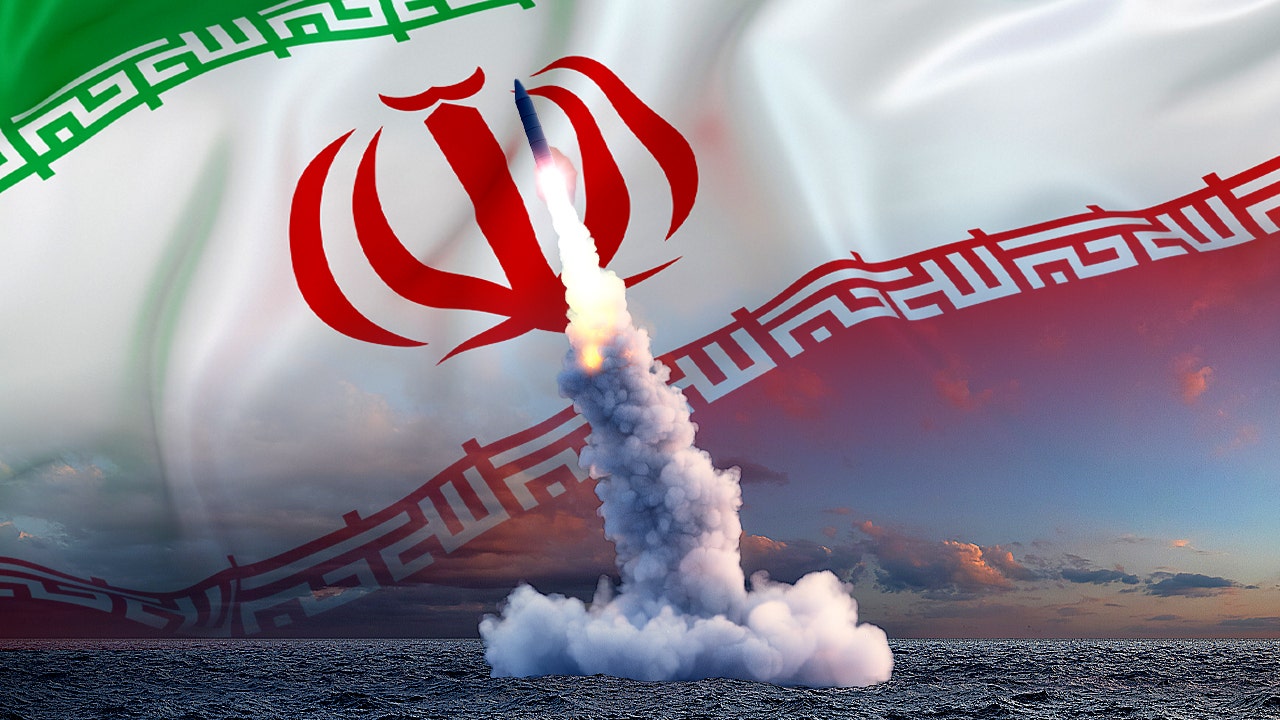
Spectacular Uae Accuses Iran Of Renewed Drone And Missile Attacks Capture Nature
Find inspiration with this unique uae accuses iran of renewed drone and missile attacks illustration, crafted to provide a fresh look for your background.
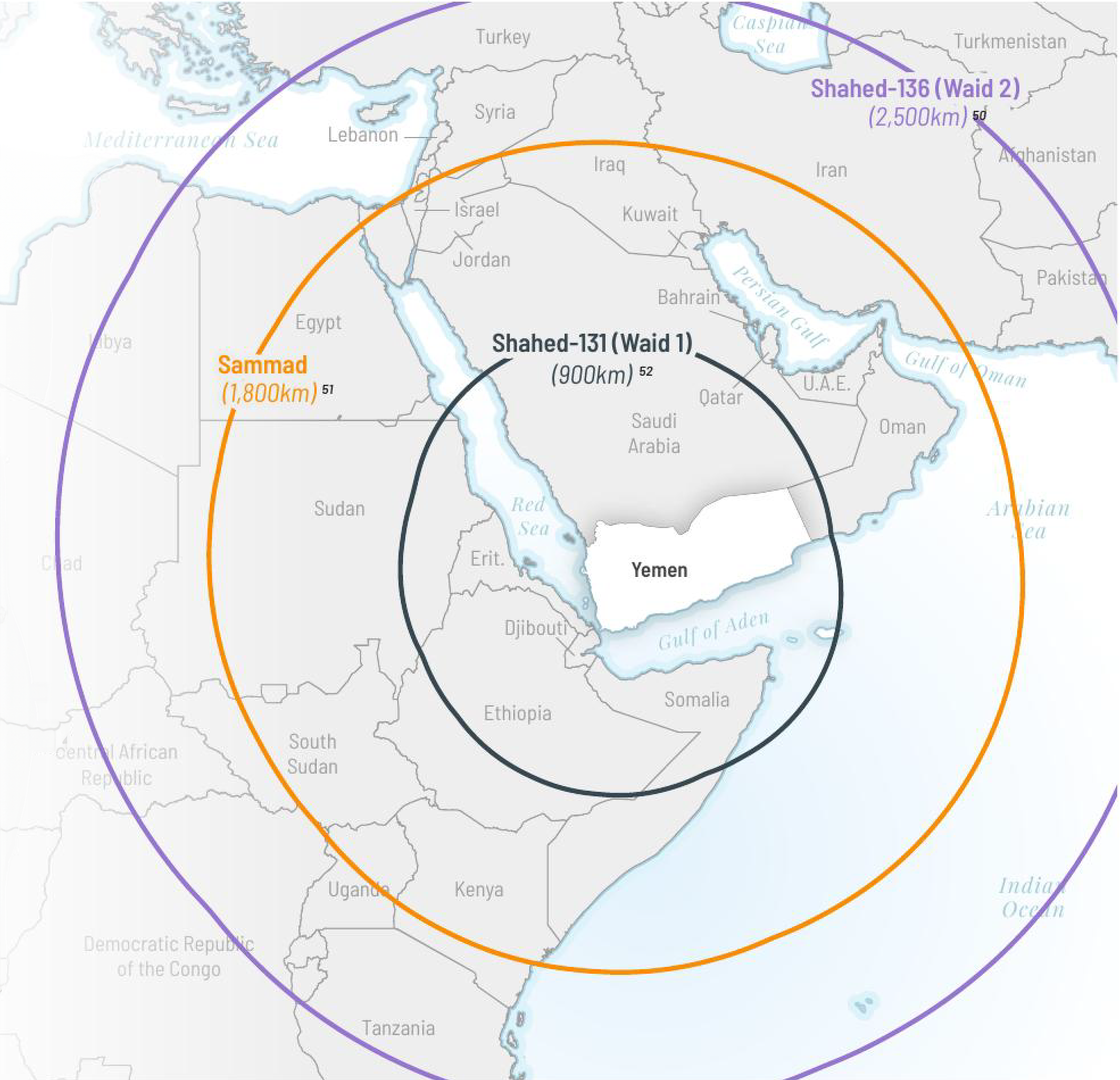
Exquisite Uae Accuses Iran Of Renewed Drone And Missile Attacks Background Digital Art
Find inspiration with this unique uae accuses iran of renewed drone and missile attacks illustration, crafted to provide a fresh look for your background.
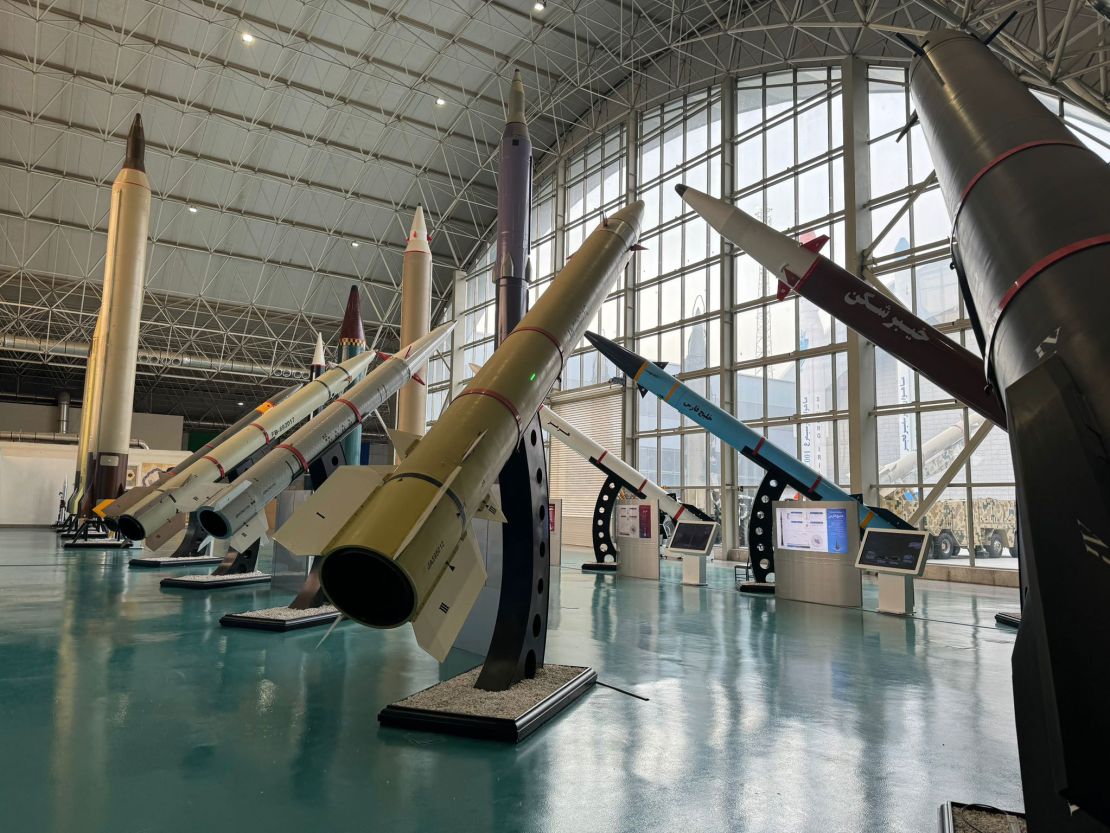
Crisp Uae Accuses Iran Of Renewed Drone And Missile Attacks Background for Your Screen
Find inspiration with this unique uae accuses iran of renewed drone and missile attacks illustration, crafted to provide a fresh look for your background.
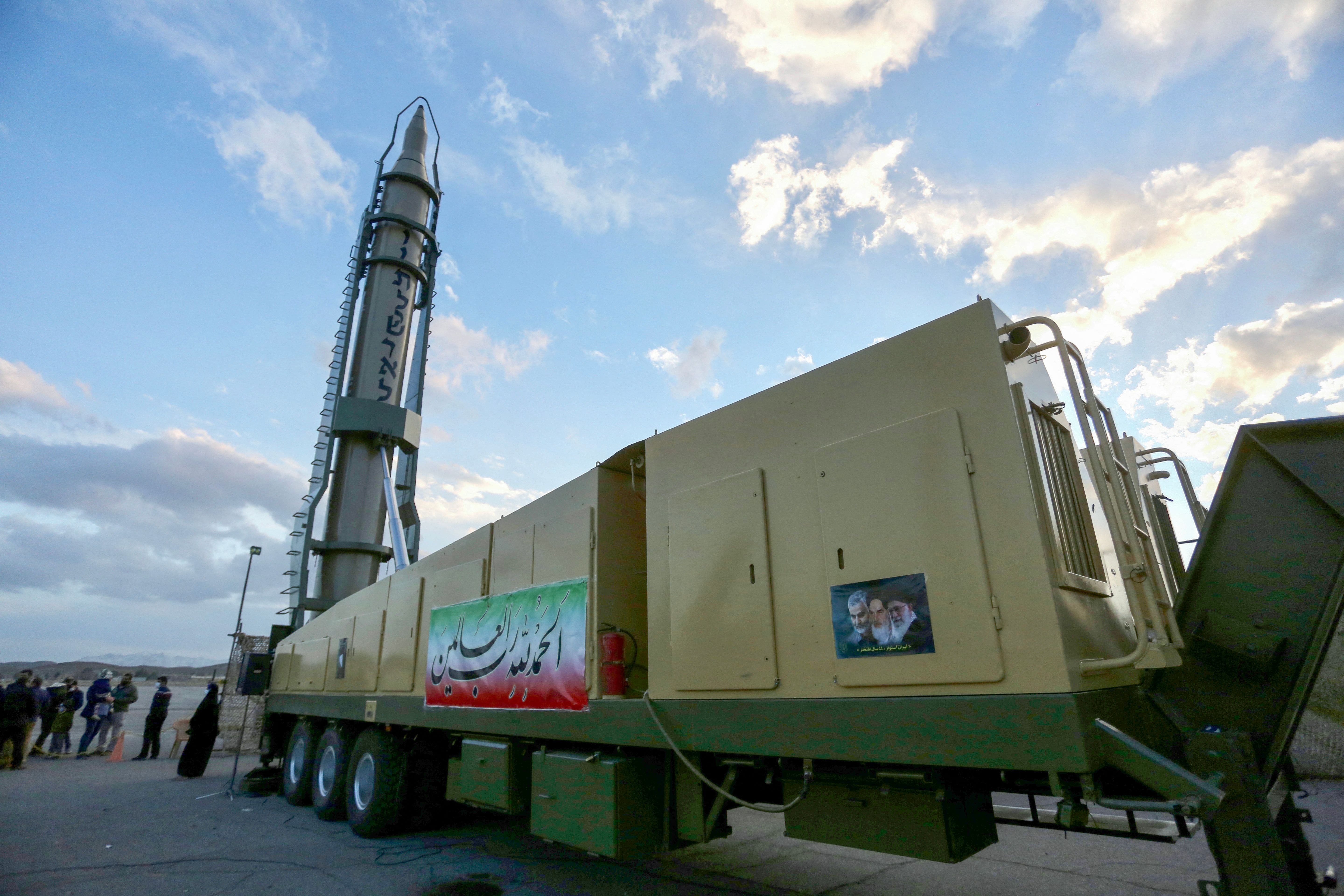
High-Quality Uae Accuses Iran Of Renewed Drone And Missile Attacks Wallpaper for Desktop
Transform your screen with this vivid uae accuses iran of renewed drone and missile attacks artwork, a true masterpiece of digital design.
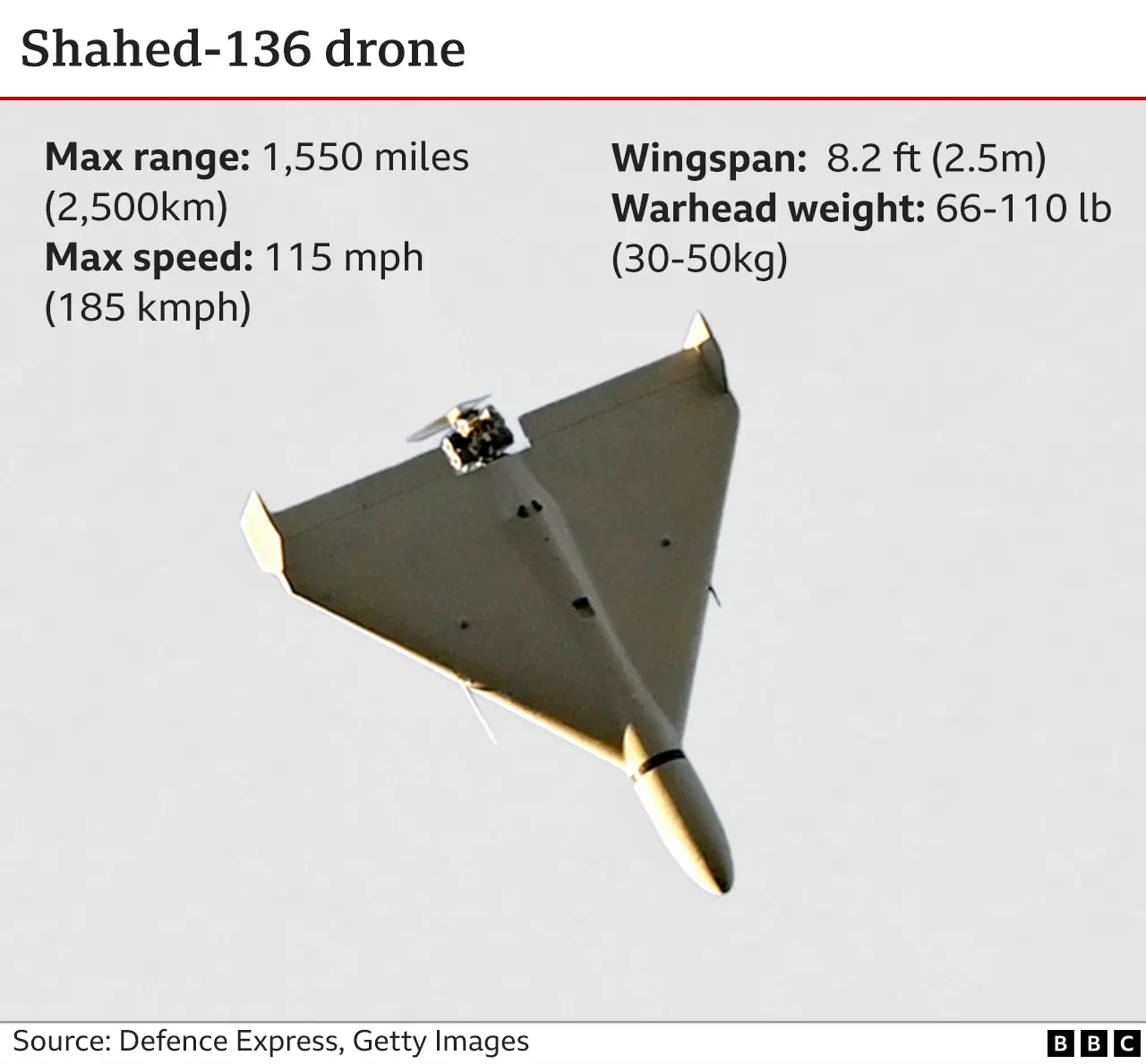
Gorgeous Uae Accuses Iran Of Renewed Drone And Missile Attacks Background Digital Art
Find inspiration with this unique uae accuses iran of renewed drone and missile attacks illustration, crafted to provide a fresh look for your background.
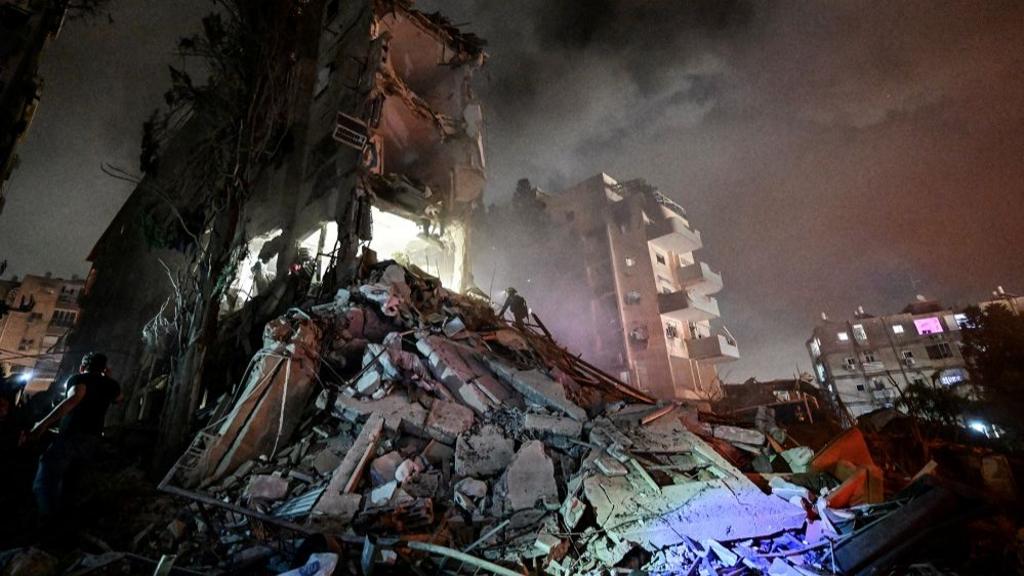
Dynamic Uae Accuses Iran Of Renewed Drone And Missile Attacks Capture Illustration
This gorgeous uae accuses iran of renewed drone and missile attacks photo offers a breathtaking view, making it a perfect choice for your next wallpaper.
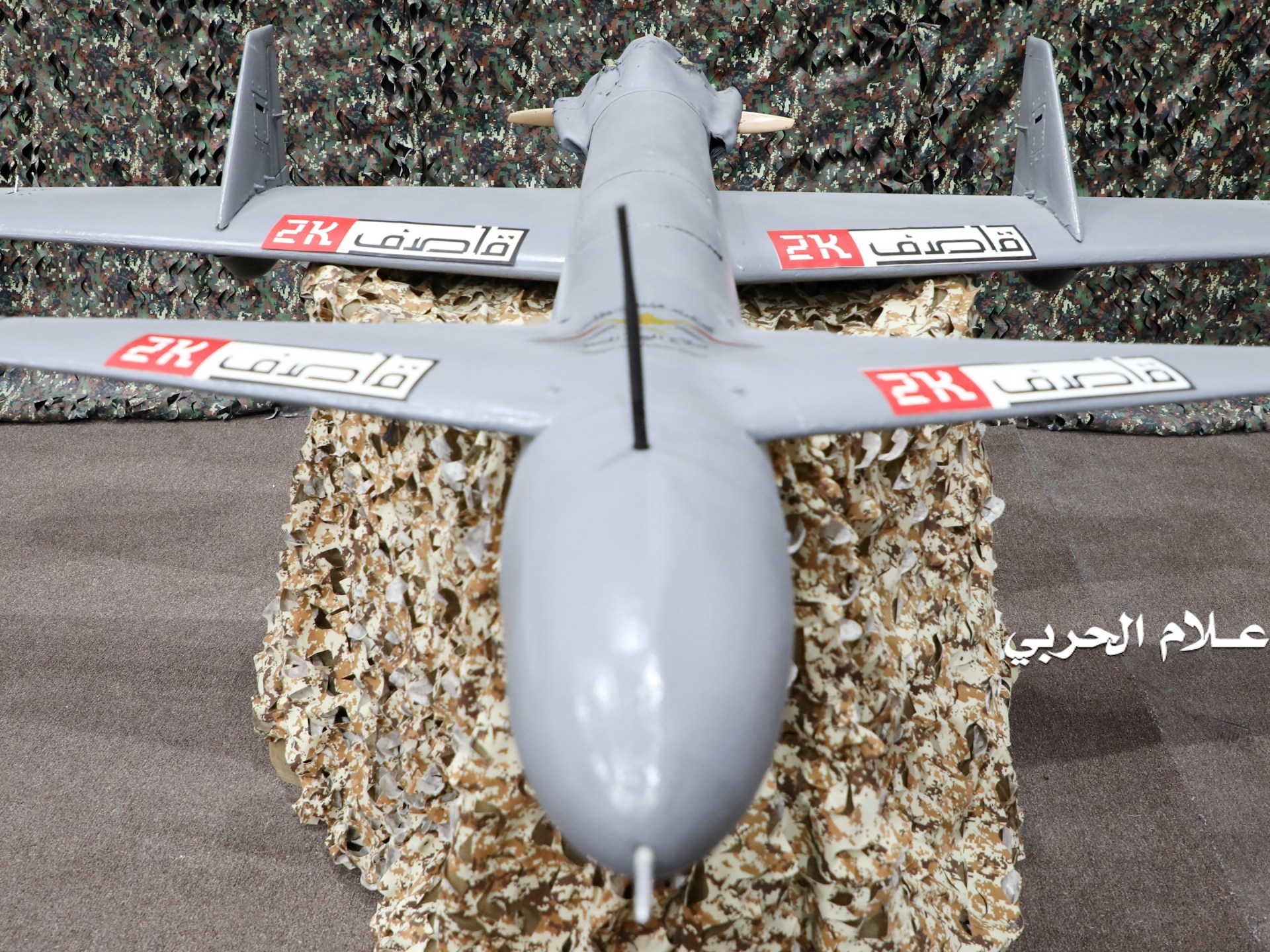
Exquisite Uae Accuses Iran Of Renewed Drone And Missile Attacks Abstract Digital Art
Find inspiration with this unique uae accuses iran of renewed drone and missile attacks illustration, crafted to provide a fresh look for your background.

Mesmerizing Uae Accuses Iran Of Renewed Drone And Missile Attacks Image Collection
Discover an amazing uae accuses iran of renewed drone and missile attacks background image, ideal for personalizing your devices with vibrant colors and intricate designs.

High-Quality Uae Accuses Iran Of Renewed Drone And Missile Attacks View Digital Art
Discover an amazing uae accuses iran of renewed drone and missile attacks background image, ideal for personalizing your devices with vibrant colors and intricate designs.
Download these uae accuses iran of renewed drone and missile attacks wallpapers for free and use them on your desktop or mobile devices.