US Stocks Steady as Traders Await Hormuz Progress: Markets Wrap
US Stocks Steady as Traders Await Hormuz Progress: Markets Wrap
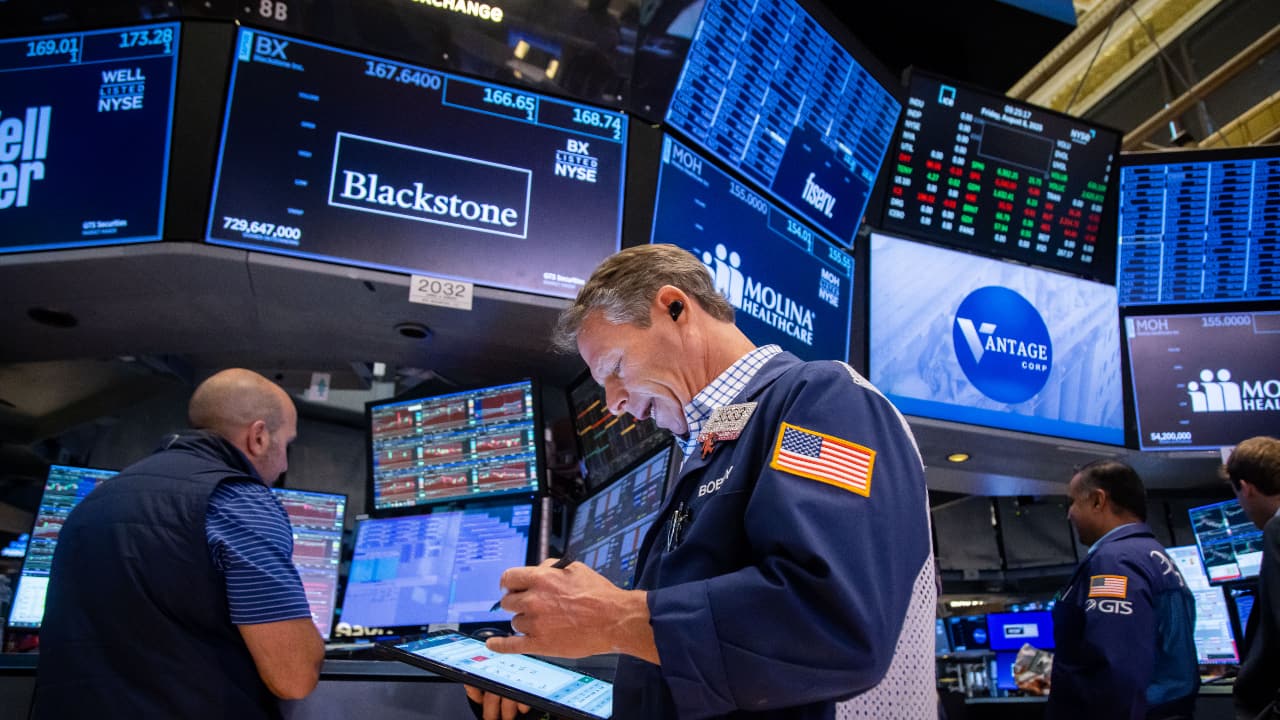
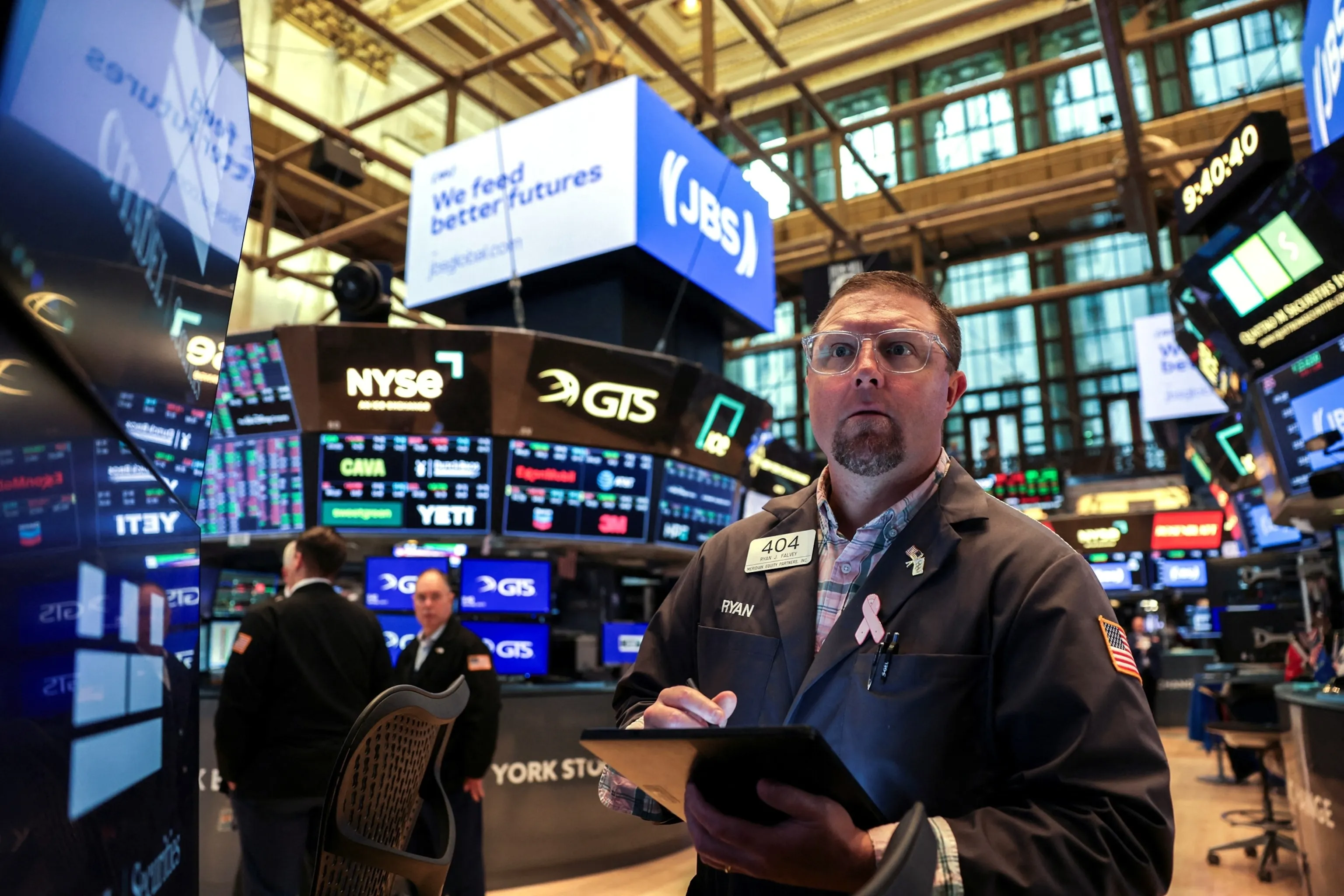
The global financial landscape is currently navigating a period of cautious optimism as US stocks hold steady, reflecting a market in wait-and-see mode. Investors are closely monitoring the geopolitical developments surrounding the Strait of Hormuz, a critical chokepoint for global energy supplies. As diplomatic efforts intensify to resolve the ongoing standoff, the S&P 500 and Nasdaq 100 have shown resilience, balancing the weight of high bond yields against the potential for a breakthrough in the Middle East. This market wrap explores the intricate relationship between energy security, inflationary pressures, and the performance of major indices as the world watches for signs of tangible progress toward a lasting peace deal.
US stocks steady as traders await Hormuz progress highlights a pivotal moment for global equities. Markets are currently pricing in a high probability of a diplomatic resolution, which has led to a stabilization of stock futures even as oil prices experience modest retreats. While the AI-driven tech rally has cooled slightly due to profit-taking, the broader market is finding support from sectors like healthcare and finance. The central focus remains the reopening of the Strait of Hormuz, where a successful deal could significantly lower energy costs and dampen inflation expectations, potentially altering the trajectory of central bank interest rate decisions in the coming months.
Geopolitical Tensions and the Impact on Global Energy Flows
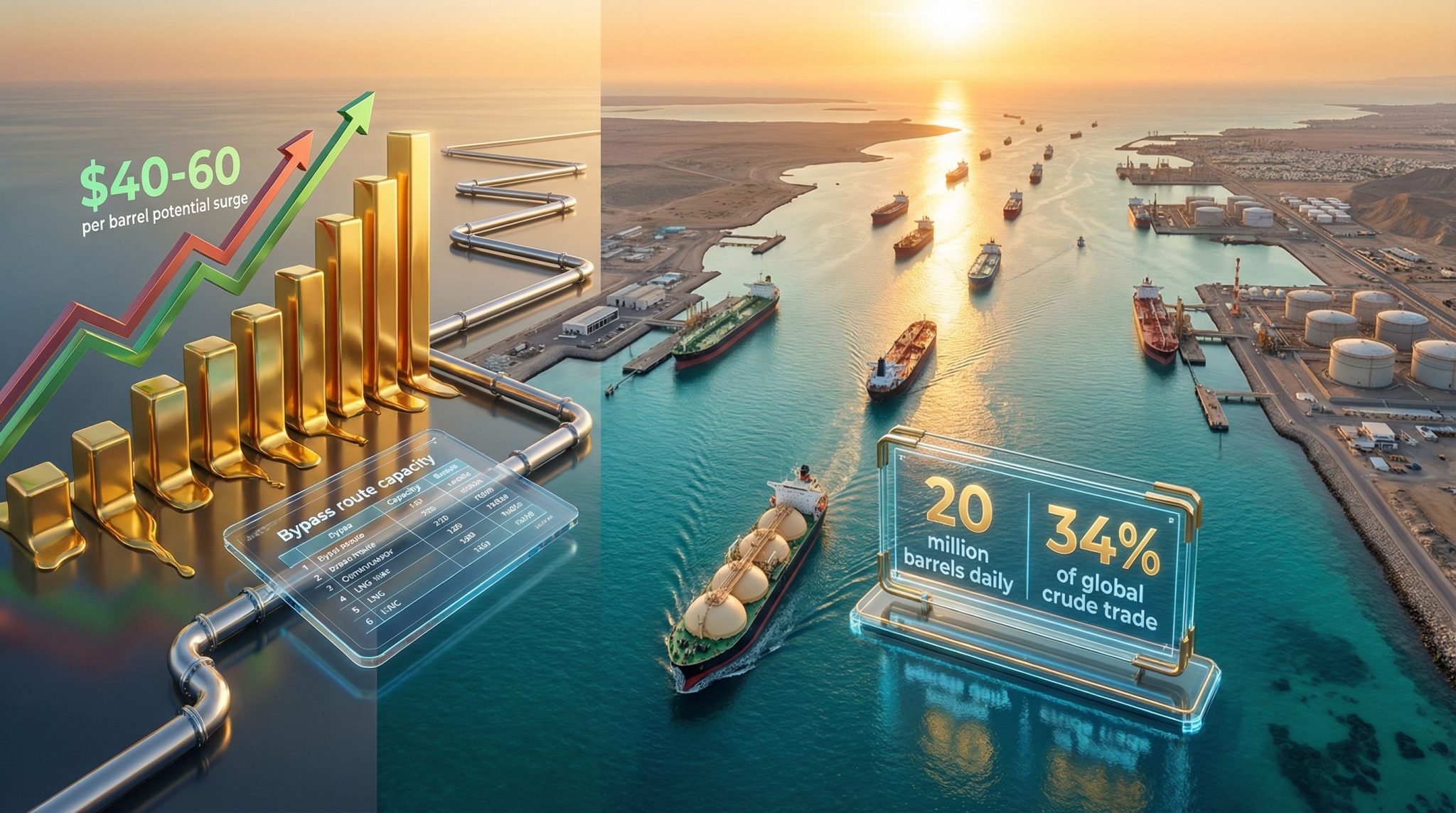
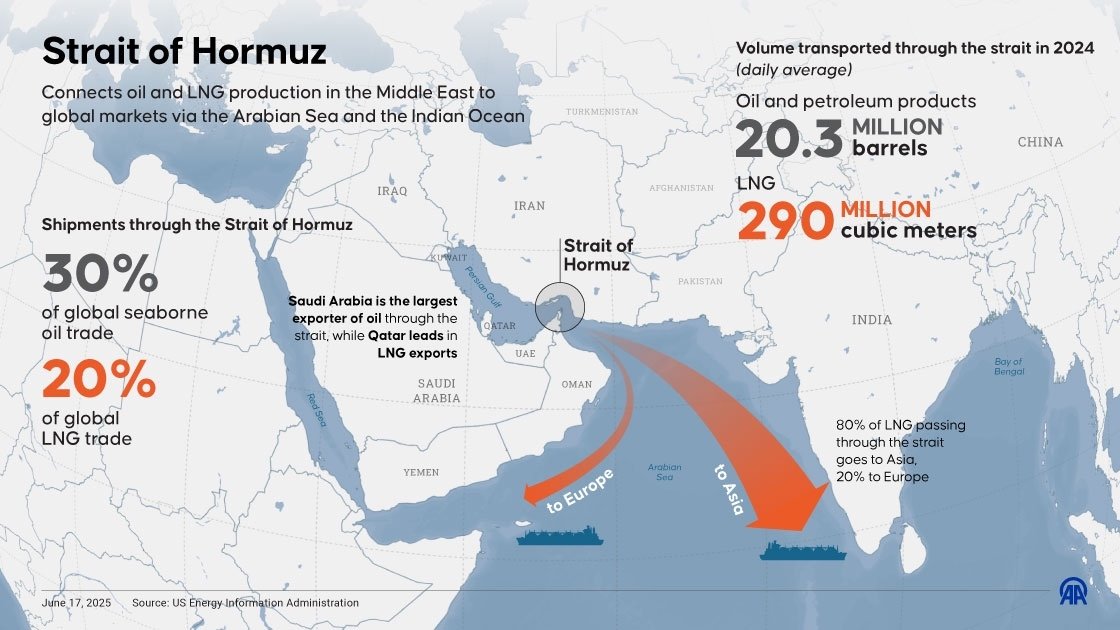
The Strait of Hormuz is arguably the most vital maritime transit point for the global energy trade. Approximately one-fifth of the world's oil and liquefied natural gas (LNG) passes through this narrow corridor. Consequently, any disruption to traffic in this area sends immediate shockwaves through financial markets. For the past several weeks, the strait has been effectively shut for the majority of commercial shipping due to the conflict involving the US and Iran. This closure has forced a rerouting of energy shipments, leading to increased freight costs, higher insurance premiums, and extended delivery times.
Traders are currently on high alert for clues regarding the status of peace talks. Reports suggest that Iran has signaled a willingness to accept an interim agreement to reopen the waterway in exchange for the lifting of US blockades on Iranian ports. However, sticking points remains, particularly regarding nuclear enrichment and uranium stockpiles. The market's stability suggests that investors are banking on a "de-escalation" scenario, where diplomatic off-ramps are prioritized over further military confrontation. Until a formal agreement is signed and physical transit through the strait resumes, volatility is expected to remain a structural feature of the energy and equity markets.
The Cooling AI Rally and Market Breadth
For much of early 2026, the primary driver of global equity gains was the explosive growth and investment in artificial intelligence. Tech giants like Nvidia and Alphabet saw parabolic performance as companies rushed to secure the hardware and cloud infrastructure necessary for the AI revolution. However, recent sessions have seen this rally take a breather. Analysts point to a combination of natural profit-taking and emerging doubts regarding the immediate monetization of AI technologies. This "cooling off" period is not necessarily seen as a bearish signal but rather a necessary consolidation after record-setting highs.
Interestingly, as the tech sector moves sideways, some market breadth is returning. Previously lagging sectors, such as healthcare and utilities, are beginning to catch up. This shift indicates a healthier market environment where gains are not concentrated in just a few "megacap" names. Investors are rotating into defensive sectors and value stocks, seeking shelter from the uncertainty of geopolitical tensions while still maintaining exposure to the broader economic growth. This diversification is providing a floor for indices like the S&P 500, preventing a more significant retreat despite the headwinds of higher bond yields.
Oil Price Fluctuations and Inflationary Concerns
The price of Brent crude has been a primary barometer for risk sentiment throughout this crisis. As hopes for a diplomatic solution fluctuate, so too does the cost of energy. Recently, Brent fell modestly toward the $110 a barrel mark following comments from US officials suggesting "very big discussions" with Iran were taking place. Despite this retreat, oil remains significantly above pre-war levels, keeping inflation concerns at the forefront of the economic discourse. Higher energy prices act as a tax on both consumers and corporations, squeezing profit margins and reducing discretionary spending.
Central banks are in a difficult position. The persistent threat of energy-driven inflation has forced a rethink of potential rate cuts. If the Strait of Hormuz remains closed through the summer, analysts warn that oil could spike well above $120, potentially triggering a global economic slowdown. Markets are currently pricing in a scenario where energy prices ease as geopolitical risks fade, but the margin for error is slim. The "sticky" nature of inflation, compounded by supply chain disruptions, means that even a resolution of the conflict may not immediately result in a return to the low-inflation environment seen in previous years.
The Role of US Treasuries and Central Bank Policy
Bond markets have been equally volatile, with the 10-year Treasury yield testing multi-year highs. Investors are grappling with the dual threats of geopolitical instability and a "higher for longer" interest rate environment. Comments from prominent banking leaders, including JPMorgan's Jamie Dimon, have warned that rates could climb further if the global economy shifts from a period of "savings glut" to one of capital scarcity. The yield curve remains a focal point for traders, as it reflects the market's long-term expectations for growth and inflation.
The transition at the Federal Reserve is also adding an element of uncertainty. With leadership changes on the horizon, investors are looking for any hints on how the "new" Fed will handle the current crisis. Will the focus remain solely on price stability, or will the risks to global growth prompt a more dovish stance? For now, the consensus is that the Fed will remain data-dependent, waiting for clear evidence that the energy shock has been contained before considering any pivot in monetary policy. This wait-and-see approach mirrors the behavior of equity traders, contributing to the current "steady" but cautious market state.
Corporate Performance Amidst Macro Uncertainty
Corporate earnings have provided a much-needed silver lining in an otherwise turbulent macro environment. Despite the geopolitical noise, many companies have reported strong revenue and profit growth, demonstrating resilience in the face of rising input costs. Retailers like Walmart have warned that fuel costs are impacting their bottom line, but strong consumer demand continues to support sales. In the tech sector, companies involved in cloud computing and enterprise software continue to see robust adoption of their products.
However, the market is becoming more discerning. Companies that fail to meet high expectations or provide cautious guidance are being punished severely by investors. This was evident in the recent drop in Seagate Technology shares following concerns about the company's ability to meet soaring demand for memory chips. As the earnings season progresses, the focus will likely shift from top-line growth to how effectively management teams are navigating the challenges of energy costs, supply chain logistics, and the evolving geopolitical landscape.
Navigating the Market: Strategies for Investors
In this environment of heightened uncertainty, financial advisors are emphasizing the importance of portfolio discipline. One recommended approach is the "phased approach" to investing excess cash. Rather than trying to time a single entry point during a fluid geopolitical crisis, dollar-cost averaging allows investors to build positions over time, mitigating the impact of sudden market swings. Rebalancing portfolios to align with individual risk tolerance is also crucial, especially as equity volatility can reveal shifts in one's personal comfort level with market drawdowns.
| Market Sentiment Factor | Current Status / Outlook |
|---|---|
| Strait of Hormuz Status | Effectively shut; traders awaiting diplomatic breakthrough. |
| Oil Prices (Brent Crude) | Volatile around $105-$110; sensitive to peace talk news. |
| Tech Sector Performance | Cooling after parabolic gains; shift toward value and defensive. |
| Central Bank Outlook | "Higher for longer" stance; rate cuts delayed by inflation risks. |
| Corporate Earnings | Generally strong, but with warnings about rising fuel costs. |
Diversification remains the best defense against localized shocks. While the energy and defense sectors may outperform during times of conflict, a well-diversified portfolio that includes healthcare, financials, and consumer staples can provide more consistent returns. Furthermore, the emergence of the "hydrogen economy" and the continued push for renewable energy sources are being viewed as long-term hedges against the volatility of traditional fossil fuel markets. Investors are increasingly looking beyond the immediate crisis toward the structural changes that will define the energy landscape of the future.
The Future of Global Trade and Energy Chokepoints
The current crisis has underscored the vulnerability of global trade routes. Beyond the Strait of Hormuz, other chokepoints like the Bab el-Mandeb and the Strait of Malacca are also critical to the movement of goods and energy. The disruption in the Middle East is prompting a strategic rethink among global powers and corporations. There is a growing emphasis on localized production, energy independence, and the development of alternative transit routes. For example, Europe is accelerating its shift toward LNG imports from the US and North Africa to reduce its reliance on Middle Eastern supplies.
The geopolitical map of energy is being redrawn. Countries with abundant renewable resources are positioning themselves as future exporters of "green hydrogen," which could eventually rival oil and gas in importance. This transition will not happen overnight, but the current volatility is serving as a catalyst for investment in cleaner, more secure energy systems. For traders, this means that understanding the "physical reality" of energy logistics—including tanker rates, inventory levels, and pipeline capacity—is now just as important as monitoring interest rate hikes and corporate balance sheets.
Conclusion
As the trading week continues, the mantra for the markets remains "steady but cautious." The fate of the US stock market is currently inextricably linked to the diplomatic efforts in the Middle East. A breakthrough regarding the Strait of Hormuz would likely trigger a significant "risk-on" rally, as energy prices would fall and the threat of an inflationary spike would diminish. Conversely, any breakdown in negotiations or an escalation of military activity would likely lead to renewed volatility and a test of recent support levels. For now, traders are content to wait, balanced between the optimism of strong earnings and the reality of a world still grappling with significant geopolitical friction.
Frequently Asked Questions (FAQ)
Q1: Why is the Strait of Hormuz so important to US stocks?
A: The Strait is a primary transit point for global oil and gas. A closure leads to higher energy prices, which fuels inflation and can lead to higher interest rates, both of which typically negatively impact stock valuations.
Q2: What caused the recent "cooling off" in tech stocks?
A: It is largely attributed to profit-taking after a period of extreme growth and emerging investor questions regarding the speed at which AI investments will translate into bottom-line profits.
Q3: How are oil prices currently affecting the market?
A: While oil has retreated slightly on news of peace talks, prices remain high enough to sustain inflation concerns, keeping pressure on central banks to maintain restrictive monetary policies.
Q4: What should investors do during this period of uncertainty?
A: Financial experts recommend maintaining a diversified portfolio, utilizing dollar-cost averaging for new investments, and ensuring that asset allocations are aligned with personal risk tolerance.
Q5: What happens to stocks if a peace deal is reached?
A: Historically, a resolution to geopolitical conflict leads to a "risk-on" sentiment, where investors move back into equities as the threat of energy shocks and extreme inflation recedes.
US Stocks Steady as Traders Await Hormuz Progress: Markets Wrap
US Stocks Steady as Traders Await Hormuz Progress: Markets Wrap Wallpapers
Collection of us stocks steady as traders await hormuz progress: markets wrap wallpapers for your desktop and mobile devices.
Mesmerizing Us Stocks Steady As Traders Await Hormuz Progress: Markets Wrap Image Illustration
Experience the crisp clarity of this stunning us stocks steady as traders await hormuz progress: markets wrap image, available in high resolution for all your screens.
Dynamic Us Stocks Steady As Traders Await Hormuz Progress: Markets Wrap Picture Art
Find inspiration with this unique us stocks steady as traders await hormuz progress: markets wrap illustration, crafted to provide a fresh look for your background.

Dynamic Us Stocks Steady As Traders Await Hormuz Progress: Markets Wrap Wallpaper for Your Screen
Find inspiration with this unique us stocks steady as traders await hormuz progress: markets wrap illustration, crafted to provide a fresh look for your background.
Crisp Us Stocks Steady As Traders Await Hormuz Progress: Markets Wrap Image for Your Screen
This gorgeous us stocks steady as traders await hormuz progress: markets wrap photo offers a breathtaking view, making it a perfect choice for your next wallpaper.

Mesmerizing Us Stocks Steady As Traders Await Hormuz Progress: Markets Wrap Image Collection
Transform your screen with this vivid us stocks steady as traders await hormuz progress: markets wrap artwork, a true masterpiece of digital design.
Breathtaking Us Stocks Steady As Traders Await Hormuz Progress: Markets Wrap Design Illustration
Experience the crisp clarity of this stunning us stocks steady as traders await hormuz progress: markets wrap image, available in high resolution for all your screens.
Stunning Us Stocks Steady As Traders Await Hormuz Progress: Markets Wrap Landscape Concept
Immerse yourself in the stunning details of this beautiful us stocks steady as traders await hormuz progress: markets wrap wallpaper, designed for a captivating visual experience.

Gorgeous Us Stocks Steady As Traders Await Hormuz Progress: Markets Wrap Abstract for Desktop
Immerse yourself in the stunning details of this beautiful us stocks steady as traders await hormuz progress: markets wrap wallpaper, designed for a captivating visual experience.
Detailed Us Stocks Steady As Traders Await Hormuz Progress: Markets Wrap Image for Desktop
Explore this high-quality us stocks steady as traders await hormuz progress: markets wrap image, perfect for enhancing your desktop or mobile wallpaper.

Amazing Us Stocks Steady As Traders Await Hormuz Progress: Markets Wrap Capture Digital Art
Transform your screen with this vivid us stocks steady as traders await hormuz progress: markets wrap artwork, a true masterpiece of digital design.

Spectacular Us Stocks Steady As Traders Await Hormuz Progress: Markets Wrap Abstract Digital Art
Immerse yourself in the stunning details of this beautiful us stocks steady as traders await hormuz progress: markets wrap wallpaper, designed for a captivating visual experience.
Serene Us Stocks Steady As Traders Await Hormuz Progress: Markets Wrap View Art
Explore this high-quality us stocks steady as traders await hormuz progress: markets wrap image, perfect for enhancing your desktop or mobile wallpaper.
Dynamic Us Stocks Steady As Traders Await Hormuz Progress: Markets Wrap Abstract Nature
A captivating us stocks steady as traders await hormuz progress: markets wrap scene that brings tranquility and beauty to any device.
Lush Us Stocks Steady As Traders Await Hormuz Progress: Markets Wrap Wallpaper in 4K
Find inspiration with this unique us stocks steady as traders await hormuz progress: markets wrap illustration, crafted to provide a fresh look for your background.

Amazing Us Stocks Steady As Traders Await Hormuz Progress: Markets Wrap Picture Collection
Experience the crisp clarity of this stunning us stocks steady as traders await hormuz progress: markets wrap image, available in high resolution for all your screens.
Breathtaking Us Stocks Steady As Traders Await Hormuz Progress: Markets Wrap Abstract Art
Discover an amazing us stocks steady as traders await hormuz progress: markets wrap background image, ideal for personalizing your devices with vibrant colors and intricate designs.

Artistic Us Stocks Steady As Traders Await Hormuz Progress: Markets Wrap Artwork in 4K
This gorgeous us stocks steady as traders await hormuz progress: markets wrap photo offers a breathtaking view, making it a perfect choice for your next wallpaper.
Spectacular Us Stocks Steady As Traders Await Hormuz Progress: Markets Wrap Photo Nature
Immerse yourself in the stunning details of this beautiful us stocks steady as traders await hormuz progress: markets wrap wallpaper, designed for a captivating visual experience.

Lush Us Stocks Steady As Traders Await Hormuz Progress: Markets Wrap View Art
This gorgeous us stocks steady as traders await hormuz progress: markets wrap photo offers a breathtaking view, making it a perfect choice for your next wallpaper.
Exquisite Us Stocks Steady As Traders Await Hormuz Progress: Markets Wrap Photo for Mobile
A captivating us stocks steady as traders await hormuz progress: markets wrap scene that brings tranquility and beauty to any device.
Download these us stocks steady as traders await hormuz progress: markets wrap wallpapers for free and use them on your desktop or mobile devices.