What Is Mycoplasma? A Comprehensive Guide to This Unique and Tiny Bacterium
What Is Mycoplasma? A Comprehensive Guide to This Unique and Tiny Bacterium
In the world of microbiology, few organisms are as fascinating—and as challenging for medical professionals—as Mycoplasma. If you have ever heard the term "walking pneumonia" or wondered why certain bacterial infections do not respond to common antibiotics like Penicillin, you have likely encountered the effects of Mycoplasma. This genus of bacteria represents a unique branch of life, characterized by their lack of a cell wall and their incredibly small size.
Understanding what Mycoplasma is, how it functions, and how it impacts human health is crucial for both patients and healthcare providers. In this article, we will delve deep into the biological characteristics, common species, symptoms, and treatment options for Mycoplasma infections, providing you with an expert-level overview of this resilient microorganism.
The Biological Uniqueness: What Makes Mycoplasma Different?
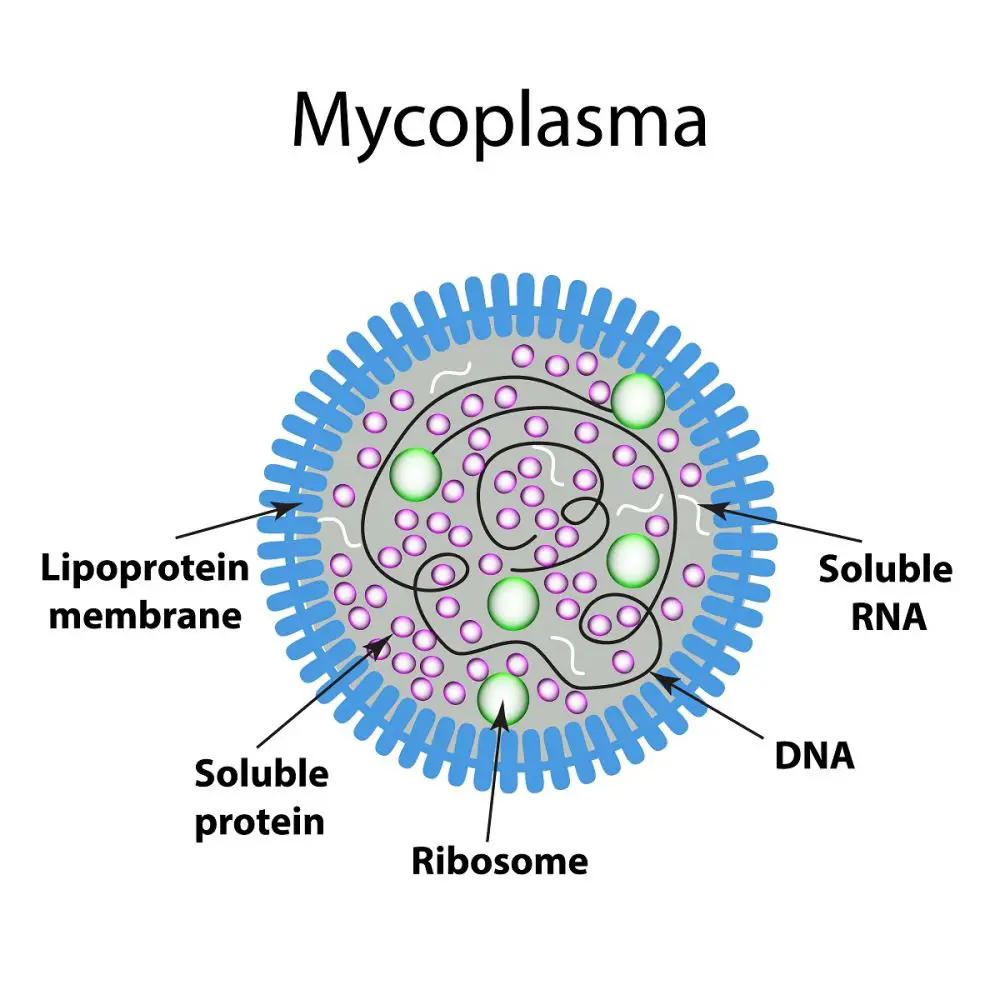
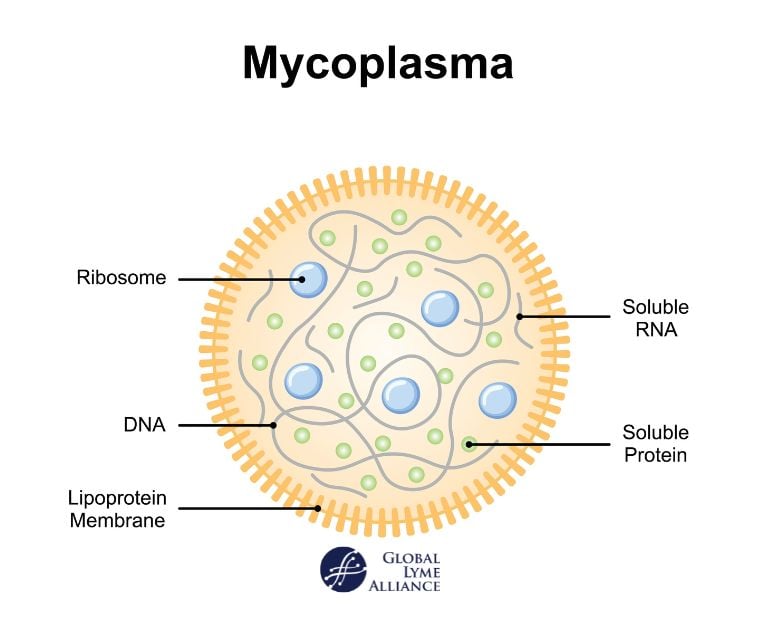
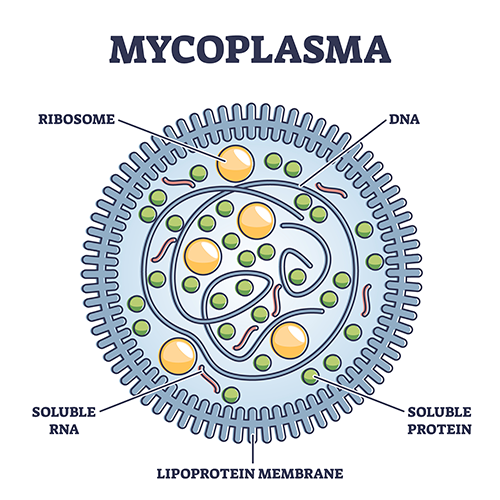
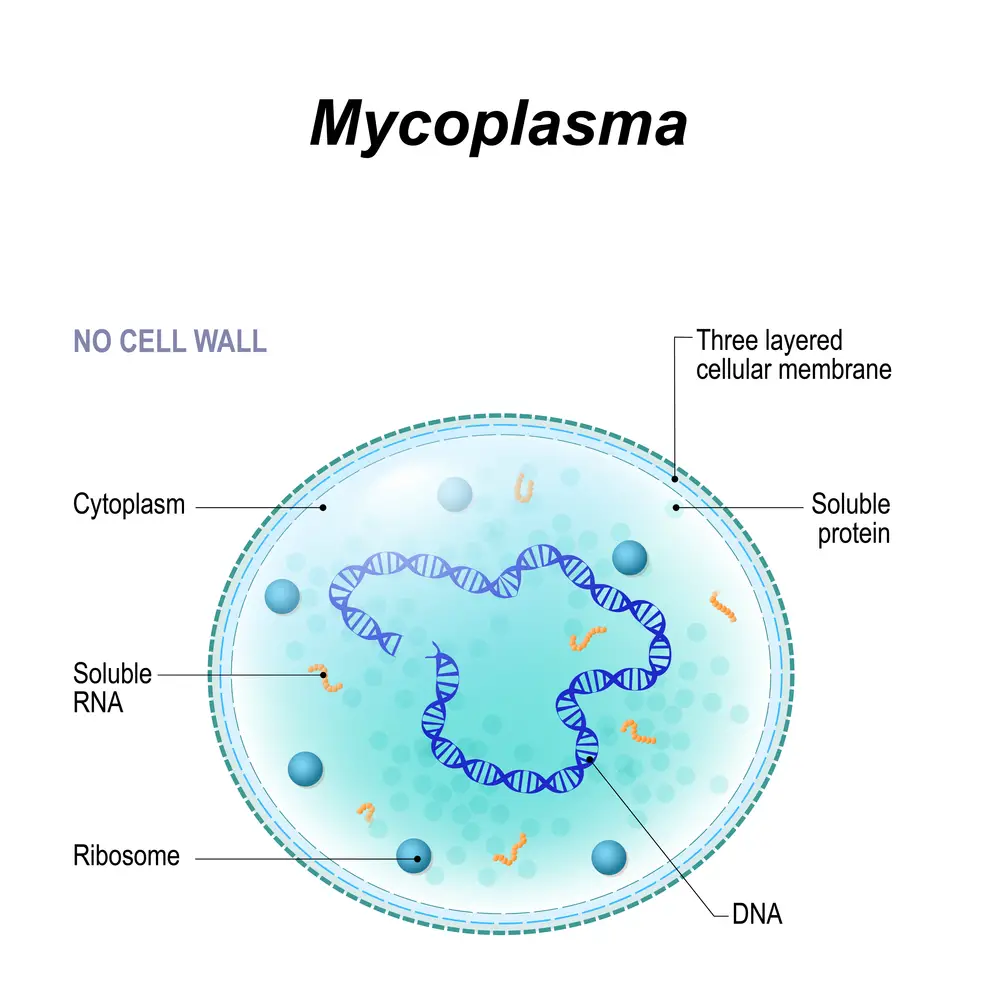
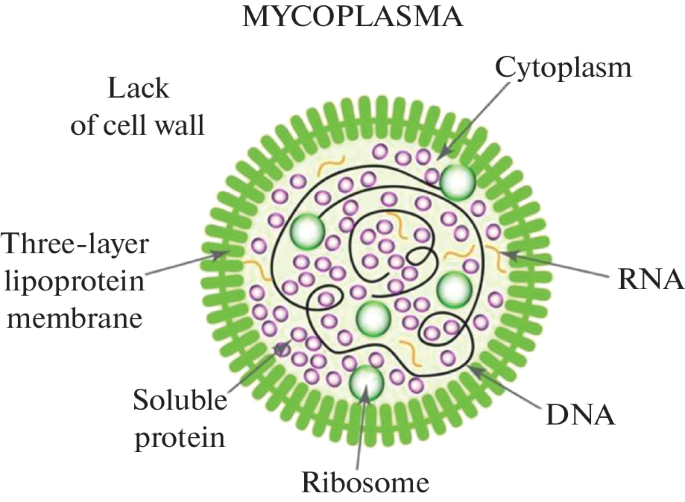
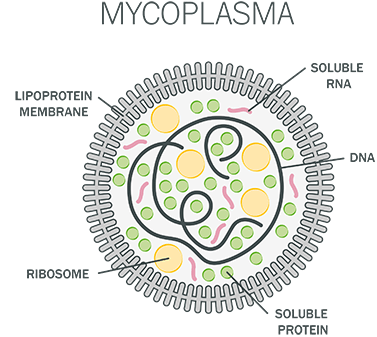
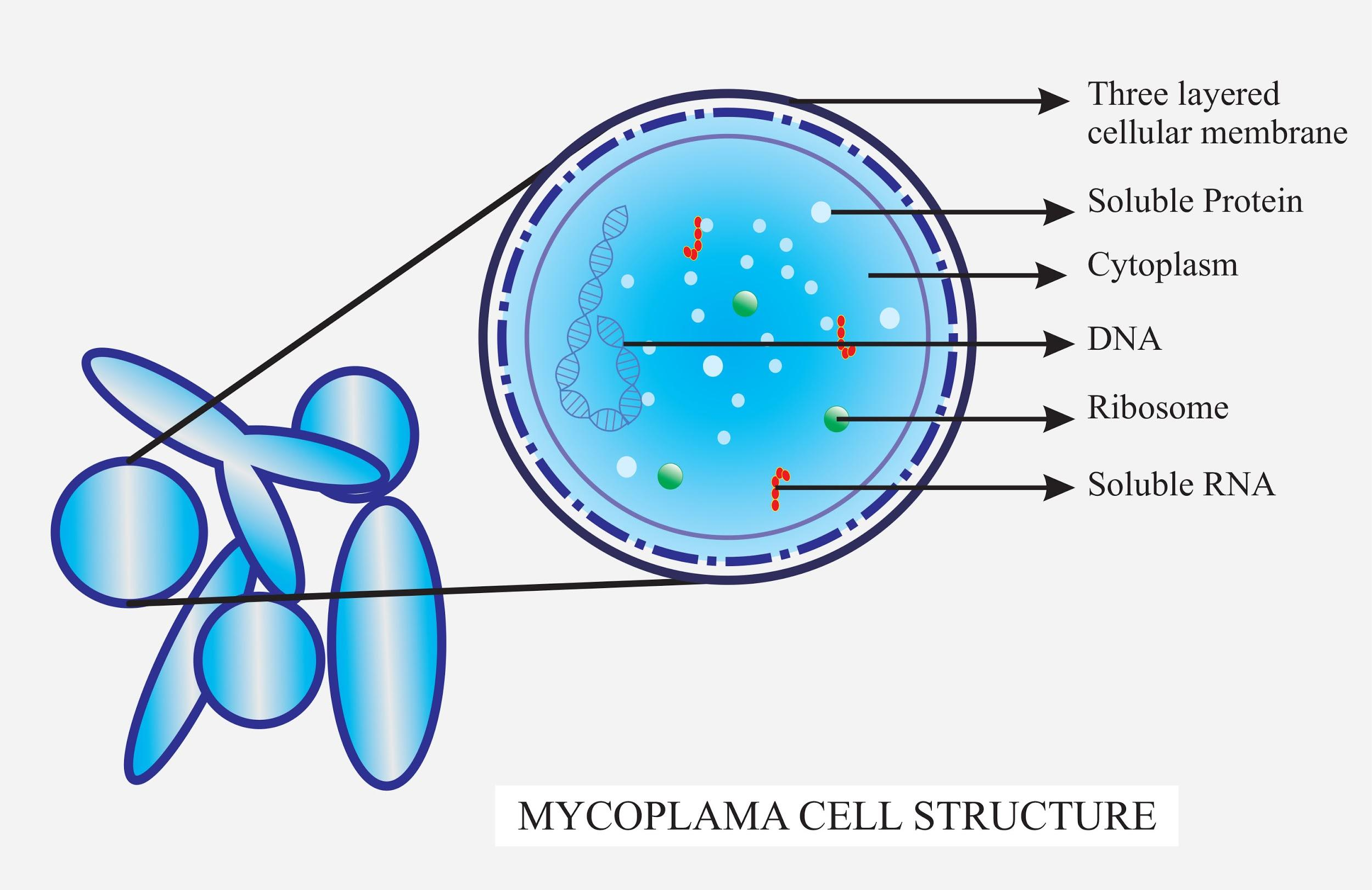
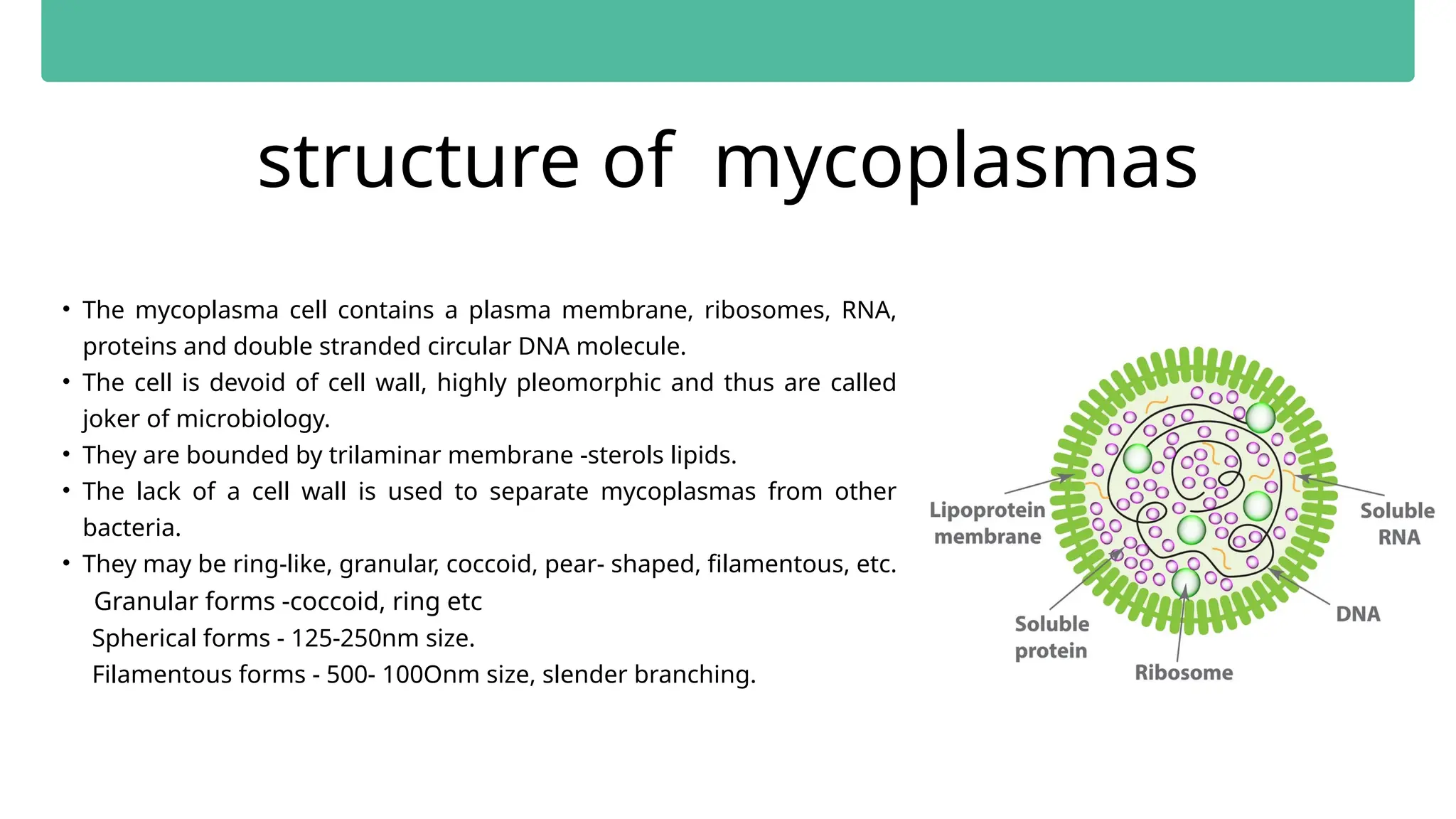
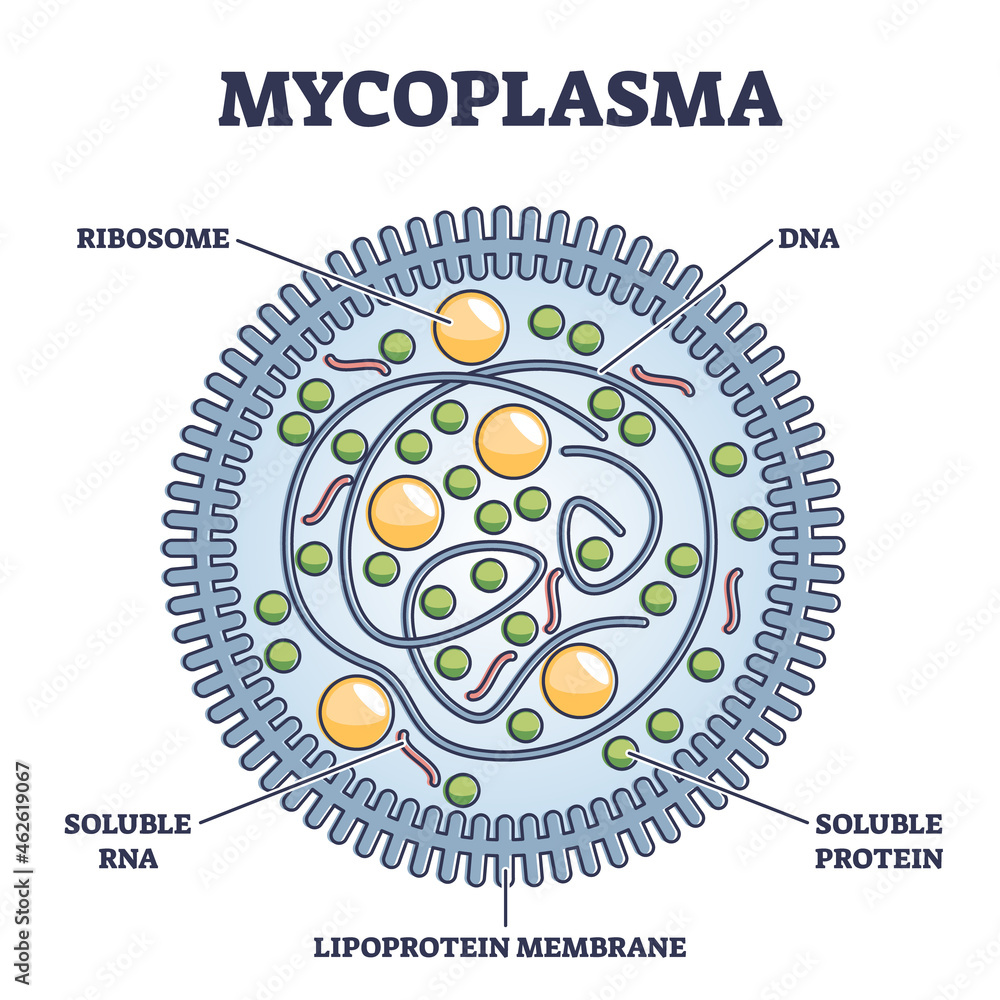
Mycoplasma is a genus of bacteria that belongs to the class Mollicutes. What sets them apart from the vast majority of other bacteria is a single, defining feature: they lack a cell wall. In traditional bacteriology, the cell wall is a rigid outer layer that provides structure and protection. However, Mycoplasma has evolved to survive without this structure, relying instead on a triple-layered cytoplasmic membrane containing sterols (like cholesterol), which they usually acquire from their host.
This lack of a cell wall has two major implications. First, it makes Mycoplasma pleomorphic, meaning they can change shape easily—from round to filamentous—allowing them to squeeze into tight spaces within the host body. Second, and perhaps most importantly for medicine, it makes them naturally resistant to beta-lactam antibiotics. Drugs like Penicillin and Cephalosporins work by targeting the synthesis of the bacterial cell wall. Since Mycoplasma has no wall to attack, these medications are completely ineffective against them.
Furthermore, Mycoplasma are the smallest free-living organisms discovered to date. They are so tiny (roughly 0.2 to 0.3 micrometers) that they were once mistaken for viruses. Their small genome size also means they have limited metabolic capabilities, making them highly dependent on their host environment for nutrients.
Common Species Affecting Human Health
While there are over 100 recognized species of Mycoplasma, only a few are known to cause significant illness in humans. These species are primarily classified based on the systems they infect: the respiratory tract or the urogenital tract.
1. Mycoplasma pneumoniae
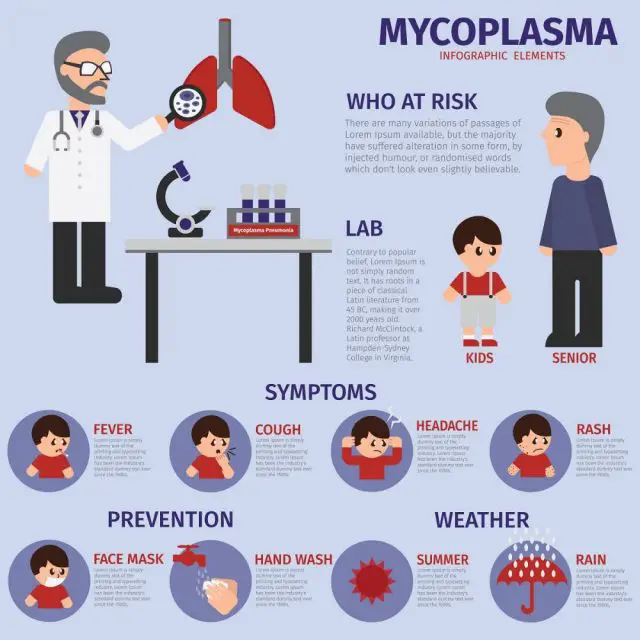
This is arguably the most well-known species. It is a leading cause of community-acquired pneumonia, particularly among children and young adults. It is famously associated with "walking pneumonia," a milder form of the disease where the patient may feel unwell but can still go about their daily activities. Despite being "mild," it can cause persistent, hacking coughs that last for weeks.
2. Mycoplasma genitalium
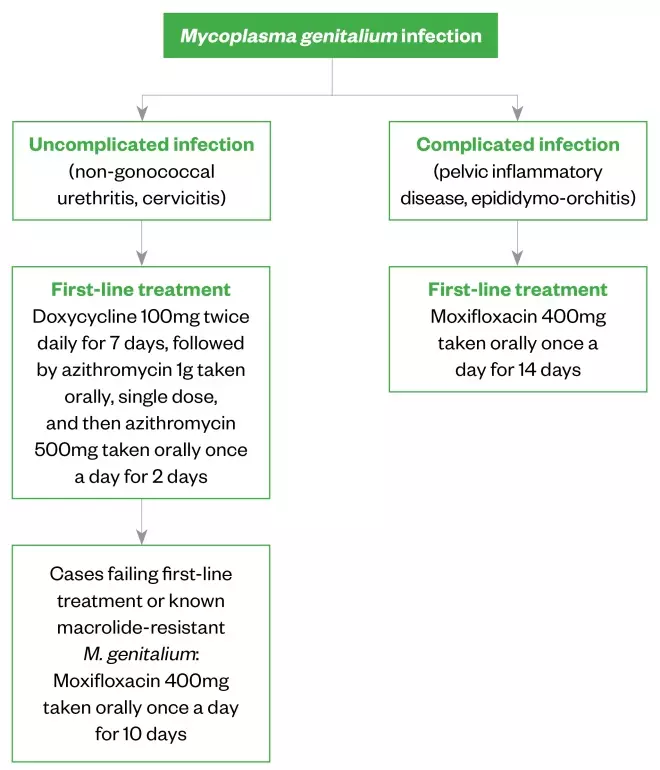
Discovered in the 1980s, this species is now recognized as an important sexually transmitted infection (STI). It can cause urethritis in men and cervicitis or pelvic inflammatory disease (PID) in women. It is notoriously difficult to diagnose because it grows very slowly in laboratory cultures.
3. Mycoplasma hominis and Ureaplasma
These species are often found as part of the normal flora in the urogenital tract of healthy individuals. However, they can become opportunistic pathogens, contributing to bacterial vaginosis, pregnancy complications, or neonatal infections if they spread to infants during birth.
| Feature/Aspect | Description |
|---|---|
| Cell Wall | Completely absent; naturally resistant to beta-lactam antibiotics. |
| Size | Smallest free-living organisms (approx. 0.2–0.3 µm). |
| Common Illness | Walking pneumonia, urethritis, and pelvic inflammatory disease. |
| Transmission | Respiratory droplets (coughing/sneezing) or sexual contact. |
| Staining Property | Do not take up Gram stain due to lack of cell wall. |
Symptoms: Recognizing a Mycoplasma Infection
Because Mycoplasma species target different areas of the body, the symptoms can vary wildly depending on the type of infection. However, a common thread is that symptoms often develop slowly over a period of one to three weeks.
Respiratory Symptoms (M. pneumoniae)
- Persistent Dry Cough: Often the most prominent symptom, which can become more severe at night.
- Low-grade Fever: Unlike the high fevers associated with typical bacterial pneumonia.
- Sore Throat and Headache: Early signs that often mimic a common cold or flu.
- Fatigue: A lingering sense of tiredness that can last for weeks after other symptoms fade.
- Chest Soreness: Resulting from prolonged coughing spells.
Urogenital Symptoms (M. genitalium)
- Painful Urination: A stinging or burning sensation during urination.
- Discharge: Unusual discharge from the penis or vagina.
- Pelvic Pain: In women, this may indicate that the infection has moved into the reproductive organs.
- Bleeding: Occasional spotting between periods or after intercourse.
Diagnosis and Treatment Challenges
Diagnosing Mycoplasma is notoriously difficult. Because these bacteria are so small and lack a cell wall, they cannot be seen under a standard light microscope using a Gram stain. Additionally, culturing Mycoplasma in a lab can take several weeks, which is impractical for immediate clinical decisions.
Today, doctors primarily rely on PCR (Polymerase Chain Reaction) tests, which detect the DNA of the bacteria. This method is fast and highly accurate. Serology (blood tests for antibodies) can also be used, though it is often less reliable in the early stages of infection.
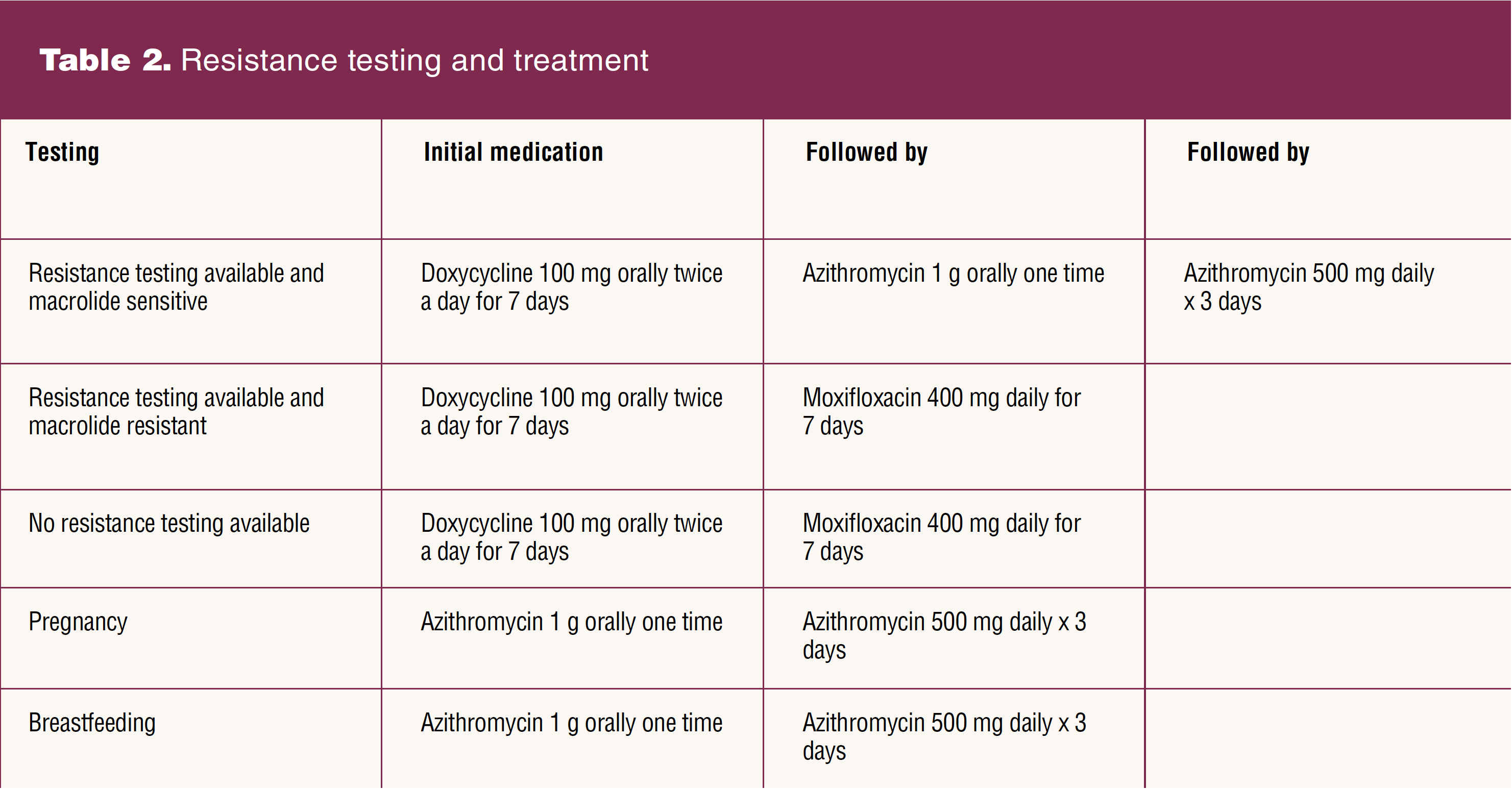
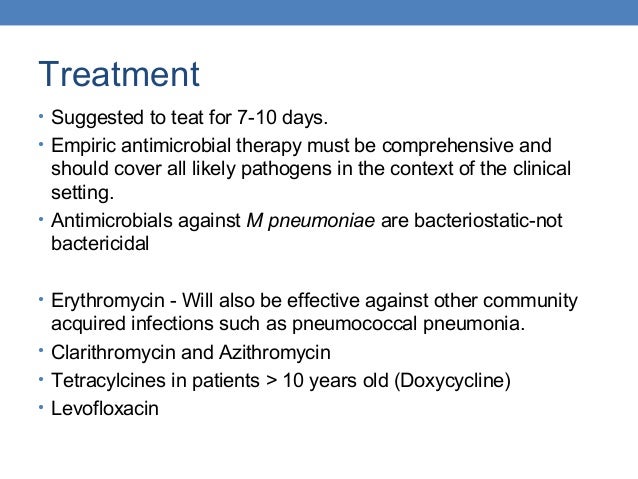
When it comes to treatment, the choice of antibiotic is critical. As mentioned, Penicillins are useless. Instead, physicians prescribe:
- Macrolides: Such as Azithromycin or Erythromycin (though resistance is increasing).
- Tetracyclines: Such as Doxycycline.
- Fluoroquinolones: Such as Levofloxacin or Moxifloxacin.
It is vital to complete the full course of antibiotics, even if symptoms improve, to ensure the bacteria are fully eradicated and to prevent the development of drug-resistant strains.
Prevention and Managing Transmission
Preventing Mycoplasma infections involves practicing good hygiene and responsible health habits. For respiratory Mycoplasma, this means frequent handwashing, covering your mouth when coughing, and avoiding close contact with infected individuals. Since M. pneumoniae spreads through respiratory droplets, it often outbreaks in crowded environments like schools, college dormitories, and military barracks.
For urogenital Mycoplasma, prevention focuses on safe sexual practices. Using condoms consistently and undergoing regular STI screenings can significantly reduce the risk of transmission. If you are diagnosed with a urogenital Mycoplasma infection, it is essential that your partner is also tested and treated to prevent "ping-pong" reinfection.
Frequently Asked Questions (FAQ)
1. Is Mycoplasma contagious?
Yes. Respiratory Mycoplasma is spread through airborne droplets when an infected person coughs or sneezes. Urogenital Mycoplasma is spread through sexual contact. However, it often requires prolonged close contact for transmission to occur.
2. How long does a Mycoplasma infection last?
Without treatment, respiratory symptoms can linger for several weeks or even months. With the correct antibiotics, most people begin to feel better within a few days, though a lingering cough may persist for some time.
3. Can Mycoplasma be cured without antibiotics?
In some cases, the body's immune system can eventually clear a mild respiratory Mycoplasma infection on its own. However, because it can lead to complications like severe pneumonia or ear infections, medical intervention is highly recommended.
4. Why didn't my Penicillin work for my cough?
If your cough is caused by Mycoplasma, Penicillin will not work because Mycoplasma lacks a cell wall—the target that Penicillin uses to kill bacteria. You likely need a different class of antibiotics like a Macrolide or Tetracycline.
Conclusion
Mycoplasma is a unique and resilient genus of bacteria that occupies a distinct niche in microbiology. Its lack of a cell wall not only makes it a biological curiosity but also a formidable opponent in clinical settings due to its natural resistance to common antibiotics. Whether it manifests as a persistent "walking pneumonia" or a quiet urogenital infection, understanding the nature of Mycoplasma is the first step toward effective diagnosis and recovery.
If you suspect you have a Mycoplasma infection, particularly if you have a cough that won't go away or unexplained urogenital symptoms, consult a healthcare professional. With modern diagnostic tools like PCR and the correct choice of antibiotics, Mycoplasma infections are highly manageable. Staying informed and practicing preventive measures remains the best defense against these tiny, wall-less invaders.
what is mycoplasma
what is mycoplasma Wallpapers
Collection of what is mycoplasma wallpapers for your desktop and mobile devices.

Gorgeous What Is Mycoplasma Image Concept
This gorgeous what is mycoplasma photo offers a breathtaking view, making it a perfect choice for your next wallpaper.
Artistic What Is Mycoplasma Photo Photography
A captivating what is mycoplasma scene that brings tranquility and beauty to any device.
Serene What Is Mycoplasma Photo Collection
Experience the crisp clarity of this stunning what is mycoplasma image, available in high resolution for all your screens.
Amazing What Is Mycoplasma Artwork Concept
Transform your screen with this vivid what is mycoplasma artwork, a true masterpiece of digital design.
Mesmerizing What Is Mycoplasma Capture Collection
Discover an amazing what is mycoplasma background image, ideal for personalizing your devices with vibrant colors and intricate designs.
Artistic What Is Mycoplasma Wallpaper in HD
This gorgeous what is mycoplasma photo offers a breathtaking view, making it a perfect choice for your next wallpaper.
Crisp What Is Mycoplasma Scene Art
A captivating what is mycoplasma scene that brings tranquility and beauty to any device.
Dynamic What Is Mycoplasma Landscape for Your Screen
This gorgeous what is mycoplasma photo offers a breathtaking view, making it a perfect choice for your next wallpaper.

High-Quality What Is Mycoplasma Artwork for Desktop
Explore this high-quality what is mycoplasma image, perfect for enhancing your desktop or mobile wallpaper.
Beautiful What Is Mycoplasma View Collection
Experience the crisp clarity of this stunning what is mycoplasma image, available in high resolution for all your screens.

Spectacular What Is Mycoplasma Abstract Concept
A captivating what is mycoplasma scene that brings tranquility and beauty to any device.
High-Quality What Is Mycoplasma Wallpaper Art
Explore this high-quality what is mycoplasma image, perfect for enhancing your desktop or mobile wallpaper.

Mesmerizing What Is Mycoplasma Scene in 4K
Transform your screen with this vivid what is mycoplasma artwork, a true masterpiece of digital design.

Captivating What Is Mycoplasma Artwork Photography
This gorgeous what is mycoplasma photo offers a breathtaking view, making it a perfect choice for your next wallpaper.
Beautiful What Is Mycoplasma Background Concept
Transform your screen with this vivid what is mycoplasma artwork, a true masterpiece of digital design.

Serene What Is Mycoplasma Photo Concept
Discover an amazing what is mycoplasma background image, ideal for personalizing your devices with vibrant colors and intricate designs.
Serene What Is Mycoplasma Scene for Desktop
Transform your screen with this vivid what is mycoplasma artwork, a true masterpiece of digital design.
Vivid What Is Mycoplasma Picture Art
Discover an amazing what is mycoplasma background image, ideal for personalizing your devices with vibrant colors and intricate designs.
Captivating What Is Mycoplasma Picture Concept
This gorgeous what is mycoplasma photo offers a breathtaking view, making it a perfect choice for your next wallpaper.

Crisp What Is Mycoplasma View for Mobile
Immerse yourself in the stunning details of this beautiful what is mycoplasma wallpaper, designed for a captivating visual experience.
Download these what is mycoplasma wallpapers for free and use them on your desktop or mobile devices.