A city’s push for facial recognition on public buses ignites debate over security and privacy
Surveillance vs. Safety: A City’s Push for Facial Recognition on Public Buses Ignites Intense Debate
In an era where the lines between science fiction and urban reality are increasingly blurred, a major metropolitan initiative has sparked a firestorm of controversy. The recent announcement regarding a city’s push for facial recognition on public buses has ignited a fierce debate over security and privacy, highlighting the growing tension between the promise of technological safety and the fundamental right to anonymity in public spaces. As municipalities worldwide look to "Smart City" solutions to solve age-old problems of crime and inefficiency, the integration of Artificial Intelligence (AI) and biometric surveillance into the daily commute represents a significant turning point in the evolution of modern society.
The Catalyst: Why Cities Are Turning to Biometric Surveillance
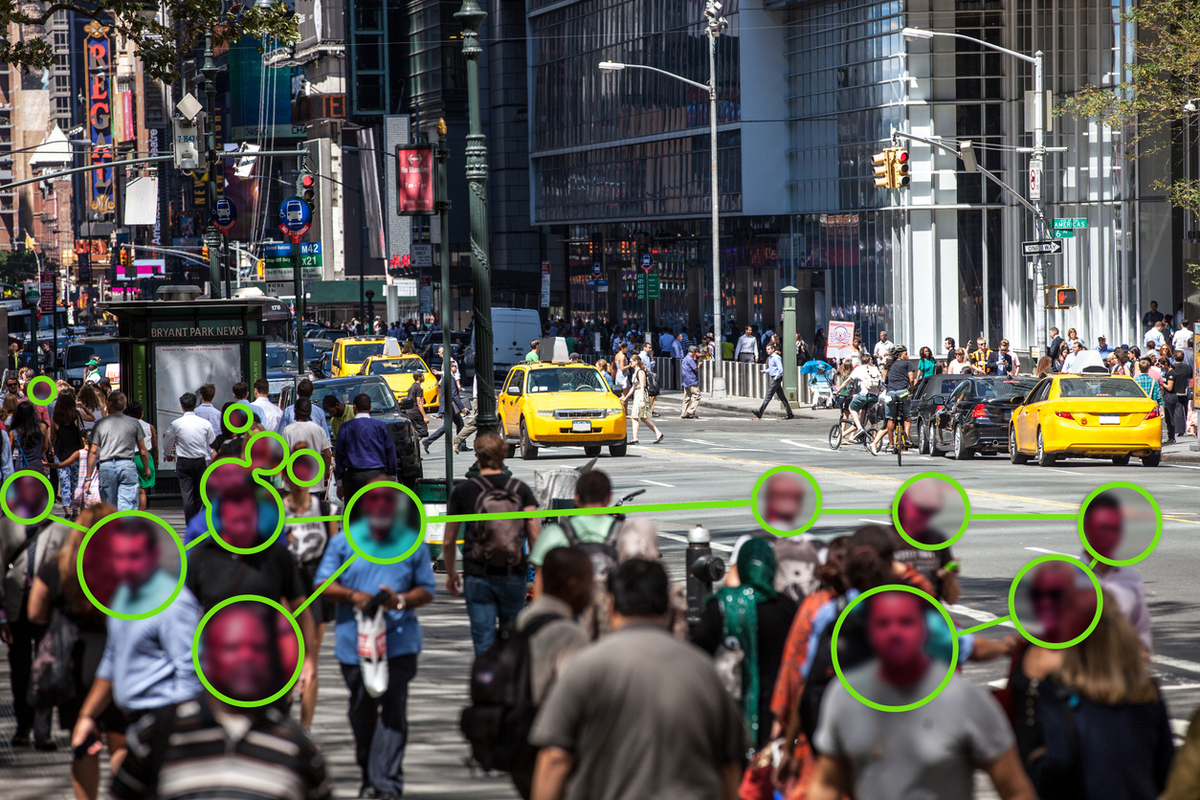
The push for Facial Recognition Technology (FRT) on public transit systems is rarely a spontaneous decision. It is usually born out of a desire to address systemic issues within urban infrastructure. Proponents of the technology, often including law enforcement agencies and transit authorities, argue that the benefits are multifaceted. Firstly, security is the primary driver. Public buses are often hotspots for petty crimes, harassment, and occasionally, more serious violent offenses. By implementing real-time facial recognition, authorities claim they can cross-reference passengers against databases of known offenders, missing persons, or individuals with outstanding warrants.
Beyond crime prevention, there is the argument for operational efficiency. Modern FRT can assist in "frictionless" fare collection, where a passenger’s face acts as their ticket, eliminating the need for physical cards or mobile apps. This could theoretically speed up boarding times and reduce the costs associated with maintaining traditional payment kiosks. Furthermore, in a post-pandemic world, transit agencies are looking for ways to monitor passenger density and ensure public health protocols are being followed without requiring physical intervention from drivers, who are often the targets of passenger frustration.
However, the rapid deployment of these systems often bypasses deep public consultation, leading to the current climate of skepticism. The question remains: is the trade-off of personal data for perceived safety a bargain the public is willing to make?
The Privacy Paradox: The Ethical Minefield of Mass Surveillance
Privacy advocates and civil liberties organizations have raised the alarm, suggesting that the implementation of facial recognition on public buses is a step toward an omnipresent surveillance state. The core of the argument lies in the "right to be left alone." When a citizen steps onto a bus, they have a reasonable expectation that their movement—while public—is not being tracked, logged, and stored in a permanent government database.
The concerns are not merely theoretical. There are several key ethical and technical risks associated with FRT:
- Algorithmic Bias: Multiple studies, including those by NIST (National Institute of Standards and Technology), have shown that facial recognition algorithms often suffer from demographic bias. They are frequently less accurate when identifying people of color, women, and the elderly, leading to a higher risk of "false positives" and wrongful detentions.
- Data Security: The storage of biometric data is a high-stakes endeavor. Unlike a password, you cannot change your face if a database is hacked. The potential for data breaches puts thousands of citizens at risk of identity theft or worse.
- Function Creep: What starts as a tool for "catching violent criminals" can easily expand into monitoring political protesters, tracking homeless individuals, or enforcing minor civil infractions, leading to a chilling effect on free speech and movement.
- Lack of Consent: Public transit is a necessity for many, especially those in lower-income brackets. Forcing passengers to choose between using a vital service and being subjected to biometric scanning is seen by many as coercive.
Technical Implementation: How It Works on the Move
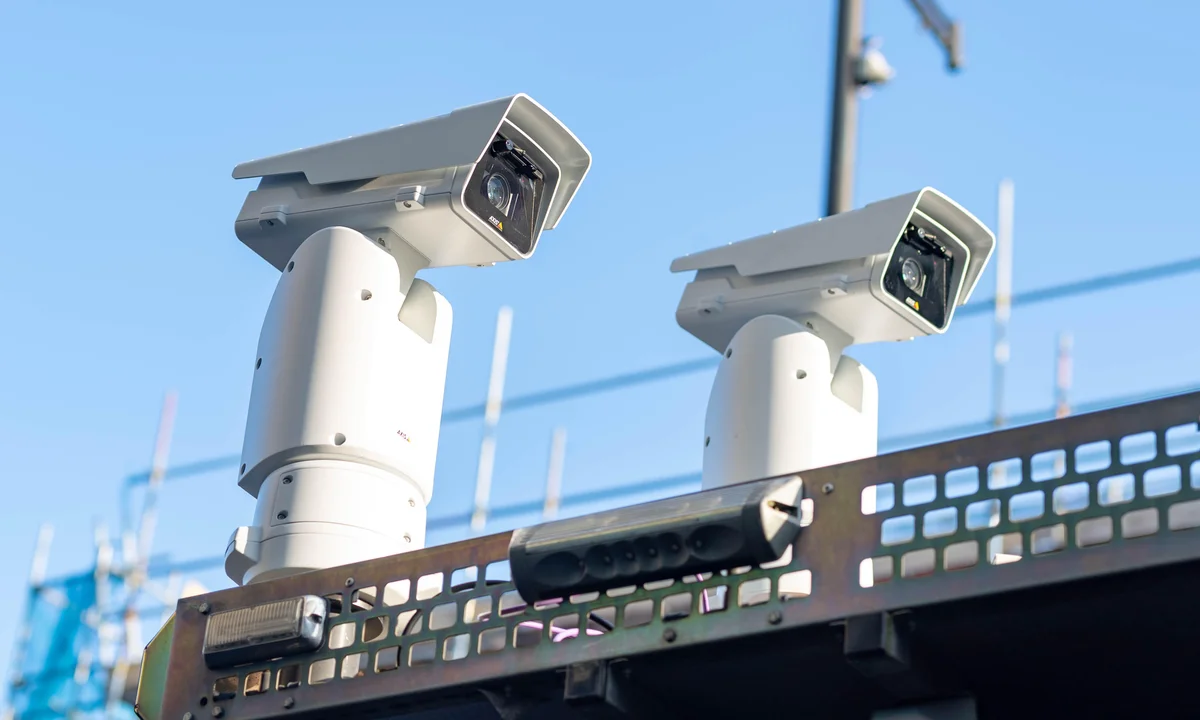
Implementing facial recognition on a moving vehicle presents unique engineering challenges compared to static environments like airport security checkpoints. Buses are subject to varying light conditions, vibrations, and high passenger turnover. The technology requires high-definition cameras equipped with infrared capabilities to function in low light, coupled with powerful edge computing or high-speed 5G connectivity to process data in real-time.
The software typically works by mapping "nodal points" on a human face, such as the distance between the eyes or the shape of the cheekbones. This creates a "faceprint," a mathematical code that is then compared to an existing gallery of images. In the context of a city bus, this process must happen in milliseconds. This level of sophistication requires significant investment, raising questions about whether these funds might be better spent on improving service frequency, vehicle maintenance, or driver salaries.
| Fitur/Aspek | Deskripsi |
|---|---|
| Real-time Identification | The ability to match faces against a watch list instantly as passengers board. |
| Automated Fare Payment | Biometric-based billing that eliminates the need for physical tickets or cards. |
| Passenger Analytics | Collecting data on demographics and peak usage times to optimize routes. |
| Crime Deterrence | The psychological impact of being watched to reduce incidents of vandalism and assault. |
| Bias Mitigation | Software updates designed to reduce errors across different ethnicities and genders. |
| Data Encryption | Security protocols meant to protect captured biometric data from unauthorized access. |
The Legal Landscape: Regulation vs. Innovation
The legal framework surrounding facial recognition is currently a patchwork of local, state, and national laws. In some regions, like the European Union, the GDPR (General Data Protection Regulation) provides strict guidelines on the processing of biometric data, requiring a "clear and present" need and often explicit consent. In the United States, however, there is no federal law specifically governing FRT, leading some cities like San Francisco and Portland to ban its use by government agencies entirely, while others embrace it with open arms.
Courts are increasingly being asked to weigh in on whether biometric surveillance constitutes a "search" under various constitutional protections. If a camera identifies a person on a bus, does that information belong to the state? How long can it be stored? If the data is shared with third-party vendors, what are the liability implications? These are the questions that lawyers and legislators are currently grappling with as the technology outpaces the law.
Public Sentiment and the Future of Urban Transit
Public opinion on the matter is deeply divided. Recent polls suggest that while many people support the use of facial recognition to find missing children or identify suspects in violent crimes, they are deeply uncomfortable with its use for routine surveillance. The "normalization" of being tracked is a major concern for sociologists, who argue that it alters the way people interact with their environment and each other.
For the "push" for facial recognition on buses to be successful and socially acceptable, experts suggest a middle ground is necessary. This includes:
- Transparency: Cities must be open about what software they are using and why.
- Data Minimization: Only collecting the data that is absolutely necessary and deleting it after a short period if no match is found.
- Independent Oversight: Establishing non-governmental bodies to audit the use of FRT and ensure it isn't being abused.
- Opt-Out Options: Providing ways for citizens to use public transit without being subjected to biometric scanning.
FAQ: Understanding Facial Recognition on Public Transport
1. Is facial recognition on buses already being used?
Yes, several cities in China, Russia, and some pilot programs in the UK and South America have already implemented various forms of facial recognition on public transport for security and payment purposes.
2. Can facial recognition see through masks or sunglasses?
Modern AI-driven facial recognition has become highly proficient at "partial face matching." Many systems can now identify individuals even if they are wearing masks, glasses, or hats by focusing on the periocular region (the area around the eyes).
3. What happens if the system makes a mistake?
This is one of the biggest concerns. A "false positive" could lead to a passenger being detained or questioned by police. Most transit authorities claim that a human must verify a match before any action is taken, but the risk of human error following a machine prompt remains high.
4. How is the data stored?
Data storage policies vary. Some cities claim to delete non-matching data within 24 hours, while others may store "anonymized" metadata for longer periods to analyze transit trends.
Conclusion: Striking the Balance
A city’s push for facial recognition on public buses is more than just a technological upgrade; it is a profound social experiment. As we move deeper into the 21st century, the debate over security and privacy will only intensify. Security is a fundamental human need, but so is the freedom to move through the world without being a data point in a government server.
The success of such programs will ultimately depend on trust. If transit authorities can prove that the technology is used ethically, accurately, and with strict oversight, it may become a standard feature of the modern city. However, if implemented opaquely and without regard for civil liberties, it risks alienating the very public it seeks to protect, turning the daily commute into a focal point of civil resistance. The eyes are watching—but the public is watching back.
A city’s push for facial recognition on public buses ignites debate over security and privacy
A city’s push for facial recognition on public buses ignites debate over security and privacy Wallpapers
Collection of a city’s push for facial recognition on public buses ignites debate over security and privacy wallpapers for your desktop and mobile devices.
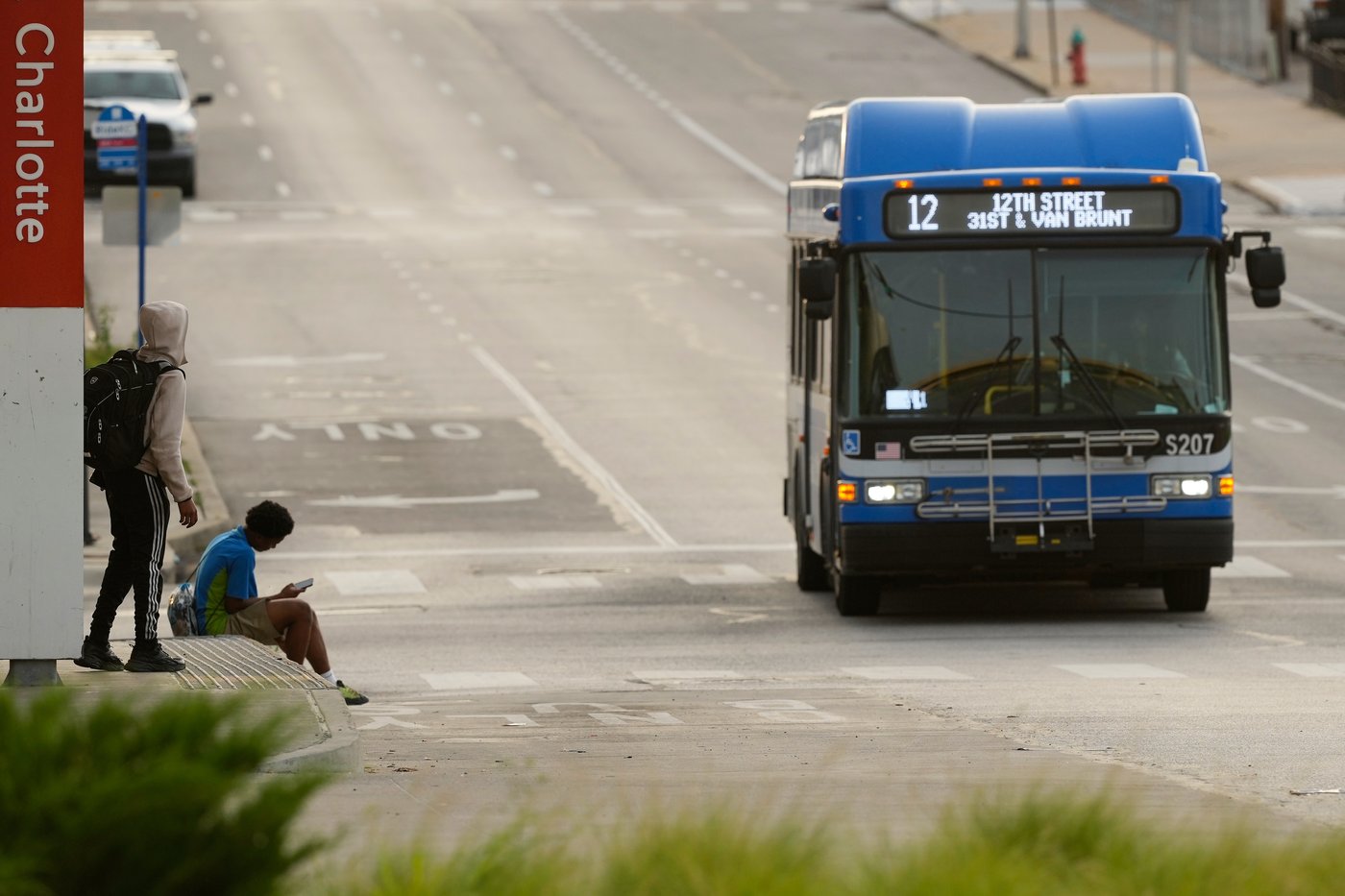
Spectacular A City’s Push For Facial Recognition On Public Buses Ignites Debate Over Security And Privacy Moment Concept
This gorgeous a city’s push for facial recognition on public buses ignites debate over security and privacy photo offers a breathtaking view, making it a perfect choice for your next wallpaper.

Serene A City’s Push For Facial Recognition On Public Buses Ignites Debate Over Security And Privacy View Photography
Experience the crisp clarity of this stunning a city’s push for facial recognition on public buses ignites debate over security and privacy image, available in high resolution for all your screens.
Detailed A City’s Push For Facial Recognition On Public Buses Ignites Debate Over Security And Privacy Abstract Digital Art
Explore this high-quality a city’s push for facial recognition on public buses ignites debate over security and privacy image, perfect for enhancing your desktop or mobile wallpaper.
Captivating A City’s Push For Facial Recognition On Public Buses Ignites Debate Over Security And Privacy Scene Art
Find inspiration with this unique a city’s push for facial recognition on public buses ignites debate over security and privacy illustration, crafted to provide a fresh look for your background.

Captivating A City’s Push For Facial Recognition On Public Buses Ignites Debate Over Security And Privacy Photo Concept
Find inspiration with this unique a city’s push for facial recognition on public buses ignites debate over security and privacy illustration, crafted to provide a fresh look for your background.

Beautiful A City’s Push For Facial Recognition On Public Buses Ignites Debate Over Security And Privacy View in HD
Transform your screen with this vivid a city’s push for facial recognition on public buses ignites debate over security and privacy artwork, a true masterpiece of digital design.

Artistic A City’s Push For Facial Recognition On Public Buses Ignites Debate Over Security And Privacy Scene Nature
This gorgeous a city’s push for facial recognition on public buses ignites debate over security and privacy photo offers a breathtaking view, making it a perfect choice for your next wallpaper.
Crisp A City’s Push For Facial Recognition On Public Buses Ignites Debate Over Security And Privacy Artwork for Your Screen
Immerse yourself in the stunning details of this beautiful a city’s push for facial recognition on public buses ignites debate over security and privacy wallpaper, designed for a captivating visual experience.

Vivid A City’s Push For Facial Recognition On Public Buses Ignites Debate Over Security And Privacy Landscape Nature
Explore this high-quality a city’s push for facial recognition on public buses ignites debate over security and privacy image, perfect for enhancing your desktop or mobile wallpaper.
Detailed A City’s Push For Facial Recognition On Public Buses Ignites Debate Over Security And Privacy Landscape for Desktop
Transform your screen with this vivid a city’s push for facial recognition on public buses ignites debate over security and privacy artwork, a true masterpiece of digital design.
Beautiful A City’s Push For Facial Recognition On Public Buses Ignites Debate Over Security And Privacy Wallpaper for Your Screen
Transform your screen with this vivid a city’s push for facial recognition on public buses ignites debate over security and privacy artwork, a true masterpiece of digital design.
Vibrant A City’s Push For Facial Recognition On Public Buses Ignites Debate Over Security And Privacy Background for Your Screen
Discover an amazing a city’s push for facial recognition on public buses ignites debate over security and privacy background image, ideal for personalizing your devices with vibrant colors and intricate designs.

Dynamic A City’s Push For Facial Recognition On Public Buses Ignites Debate Over Security And Privacy Scene Illustration
Immerse yourself in the stunning details of this beautiful a city’s push for facial recognition on public buses ignites debate over security and privacy wallpaper, designed for a captivating visual experience.
Vivid A City’s Push For Facial Recognition On Public Buses Ignites Debate Over Security And Privacy View for Desktop
Experience the crisp clarity of this stunning a city’s push for facial recognition on public buses ignites debate over security and privacy image, available in high resolution for all your screens.

Vivid A City’s Push For Facial Recognition On Public Buses Ignites Debate Over Security And Privacy Background Nature
Discover an amazing a city’s push for facial recognition on public buses ignites debate over security and privacy background image, ideal for personalizing your devices with vibrant colors and intricate designs.
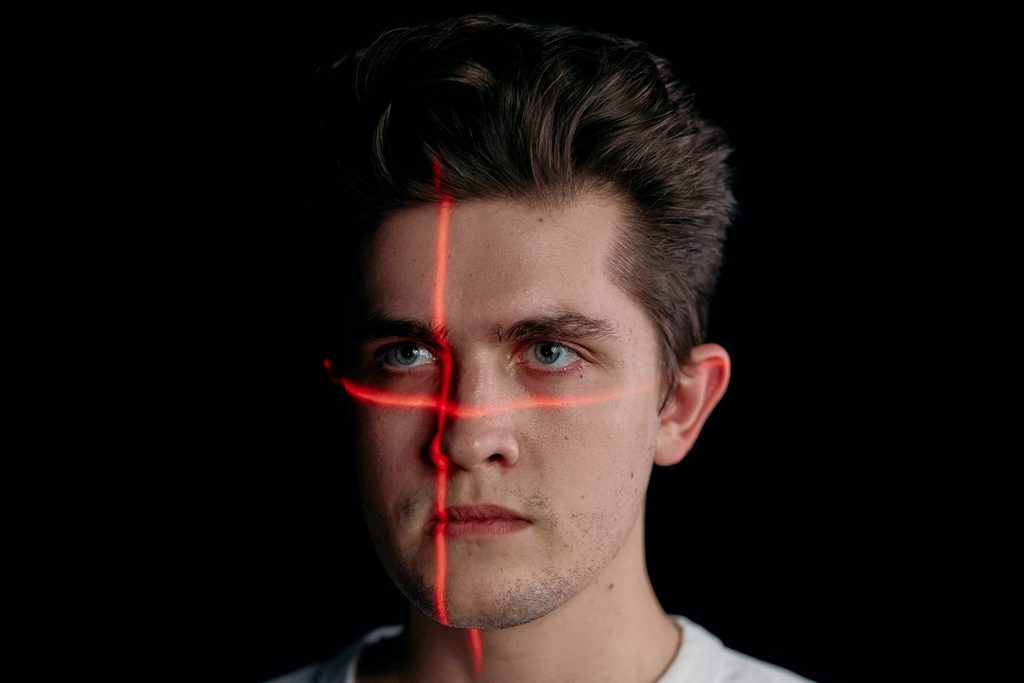
High-Quality A City’s Push For Facial Recognition On Public Buses Ignites Debate Over Security And Privacy View for Desktop
Explore this high-quality a city’s push for facial recognition on public buses ignites debate over security and privacy image, perfect for enhancing your desktop or mobile wallpaper.

Amazing A City’s Push For Facial Recognition On Public Buses Ignites Debate Over Security And Privacy Scene Nature
Explore this high-quality a city’s push for facial recognition on public buses ignites debate over security and privacy image, perfect for enhancing your desktop or mobile wallpaper.

Amazing A City’s Push For Facial Recognition On Public Buses Ignites Debate Over Security And Privacy Artwork in 4K
Explore this high-quality a city’s push for facial recognition on public buses ignites debate over security and privacy image, perfect for enhancing your desktop or mobile wallpaper.

Detailed A City’s Push For Facial Recognition On Public Buses Ignites Debate Over Security And Privacy Photo Collection
Explore this high-quality a city’s push for facial recognition on public buses ignites debate over security and privacy image, perfect for enhancing your desktop or mobile wallpaper.

Vivid A City’s Push For Facial Recognition On Public Buses Ignites Debate Over Security And Privacy Capture Photography
Experience the crisp clarity of this stunning a city’s push for facial recognition on public buses ignites debate over security and privacy image, available in high resolution for all your screens.
Download these a city’s push for facial recognition on public buses ignites debate over security and privacy wallpapers for free and use them on your desktop or mobile devices.