Canada’s strongest onshore earthquake hit B.C. in June 1946
Canada’s Strongest Onshore Earthquake: Reliving the 1946 Vancouver Island Seismic Event
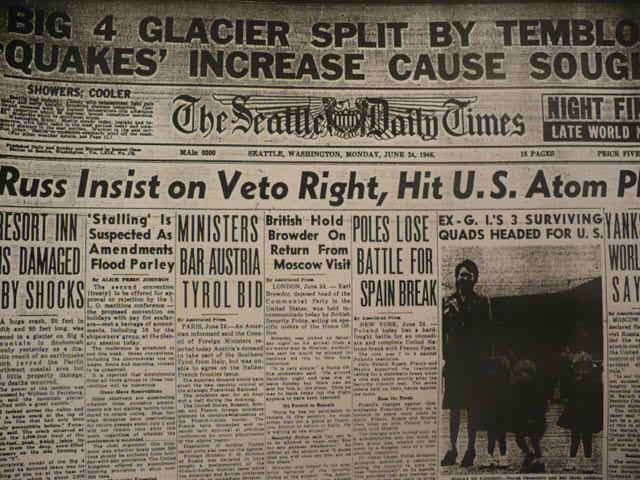
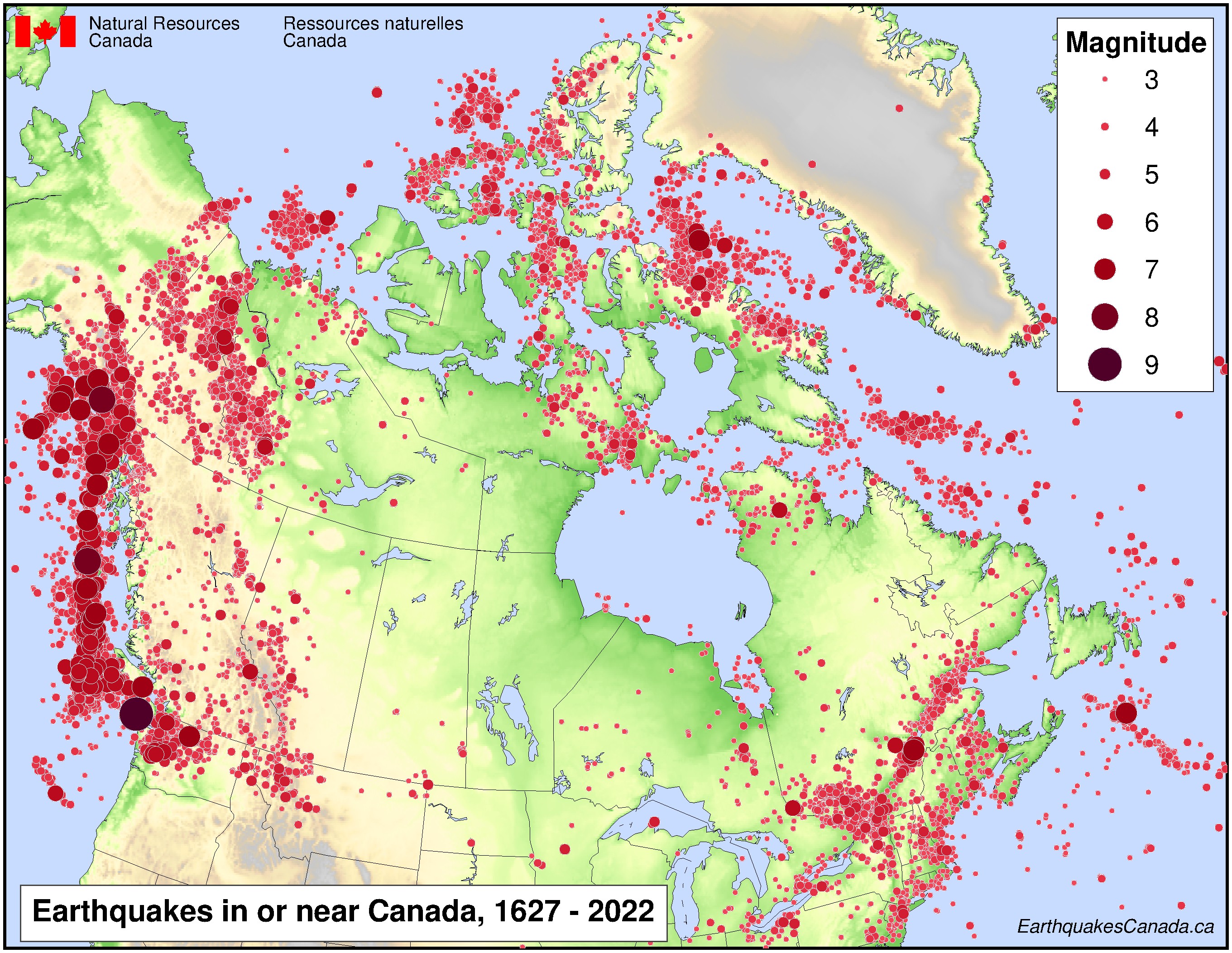
On a quiet Sunday morning in June 1946, the rugged landscape of British Columbia was forever changed by a geological phenomenon of unprecedented proportions. To this day, the 1946 Vancouver Island earthquake remains Canada’s strongest onshore earthquake, a powerful reminder of the volatile tectonic forces simmering beneath the Pacific Northwest. Registering a staggering magnitude of 7.3, the event sent shockwaves throughout the province, causing massive landslides, submarine shifts, and structural damage that reshaped modern seismic building codes. As we look back at this historic event through a contemporary lens, we explore the science, the stories, and the lingering threats that continue to define the seismic reality of Western Canada.
The Anatomy of the Magnitude 7.3 Shaker: What Happened on June 23, 1946?
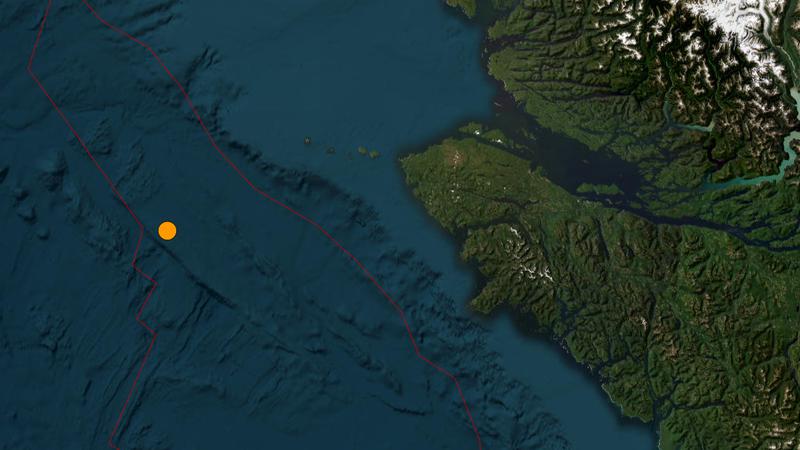
At exactly 10:13 a.m. PST on June 23, 1946, the ground beneath central Vancouver Island ruptured. The epicenter was located in the Forbidden Plateau area, just west of the communities of Courtenay and Campbell River. Unlike many of the massive earthquakes that occur off the coast in the Cascadia Subduction Zone, this was a crustal earthquake—meaning it occurred within the North American Plate rather than at the boundary where plates collide.
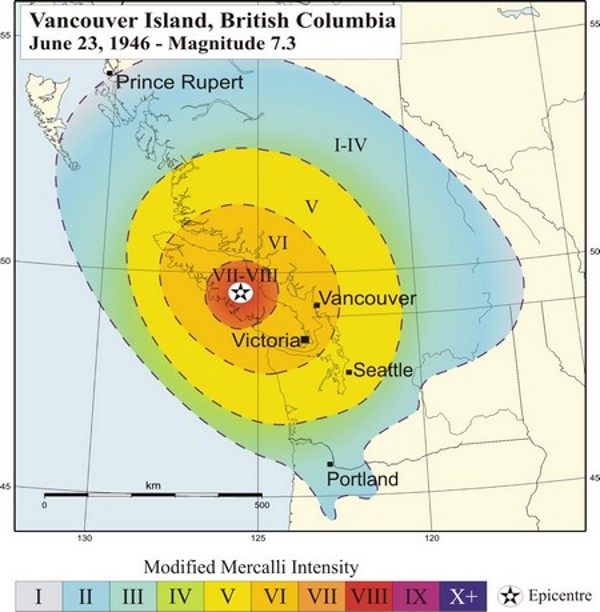
The intensity of the shaking was felt as far south as Portland, Oregon, and as far east as the Rocky Mountains. In Victoria and Vancouver, residents reported significant swaying of buildings, though the most severe destruction was localized to the central island. The 1946 event is unique because it was an "onshore" event, meaning its proximity to human settlements was much closer than the offshore "megathrust" events that typically dominate the regional news cycle.
Witnesses described the sensation as not just a side-to-side swaying, but a violent vertical jolt followed by prolonged rolling motions. In 1946, the infrastructure of British Columbia was not built to withstand such forces. Chimneys collapsed, windows shattered, and roads were torn apart by fissures. The sheer energy released was equivalent to several million tons of TNT, making it a definitive benchmark in Canadian seismology.
Geological Breakdown: The Faults Behind the Fury
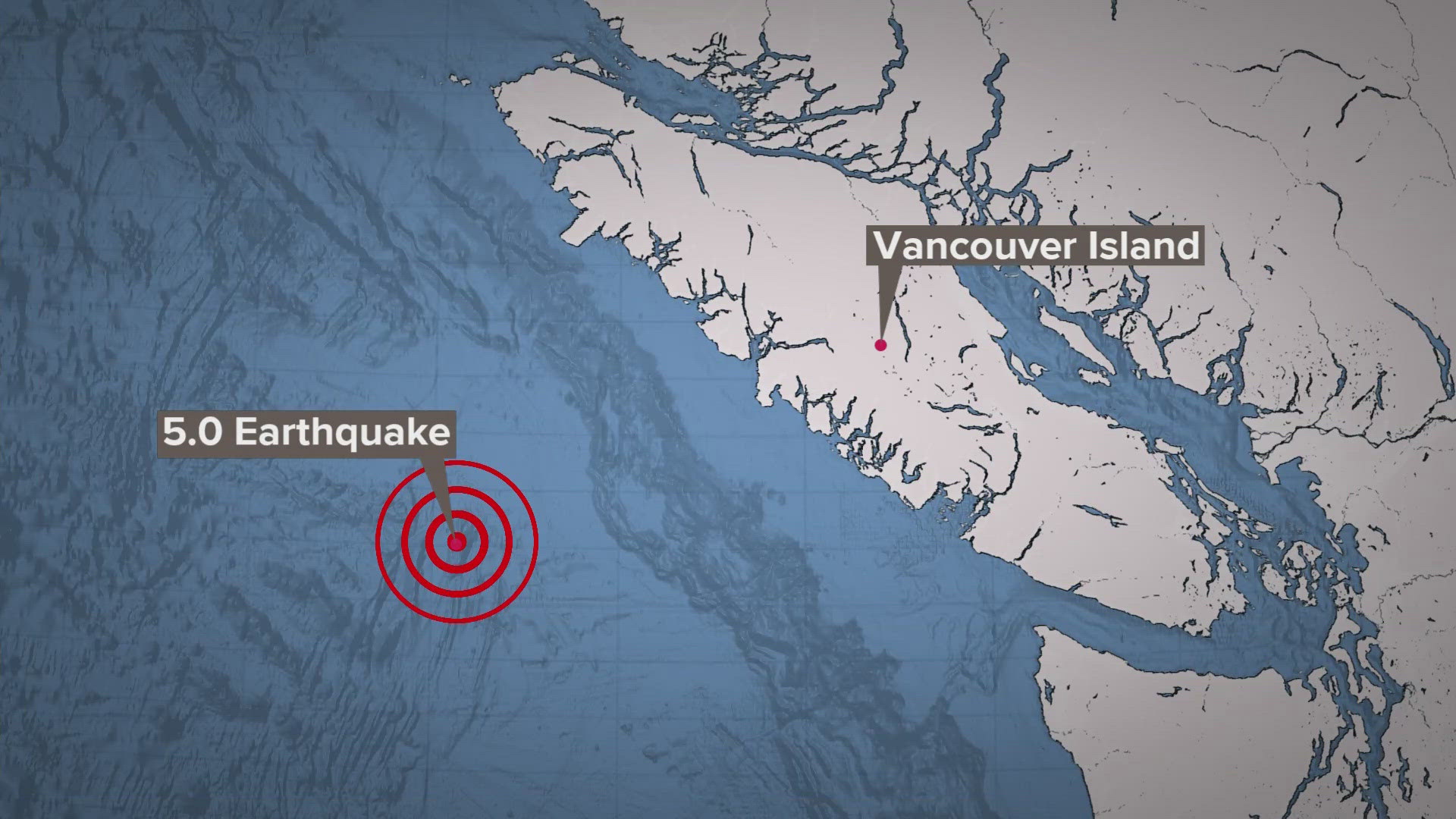
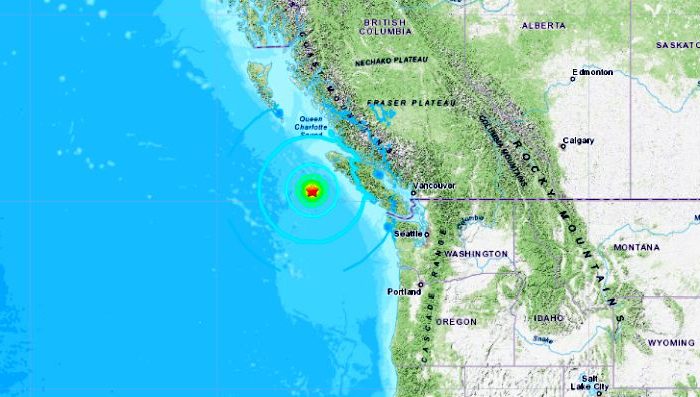
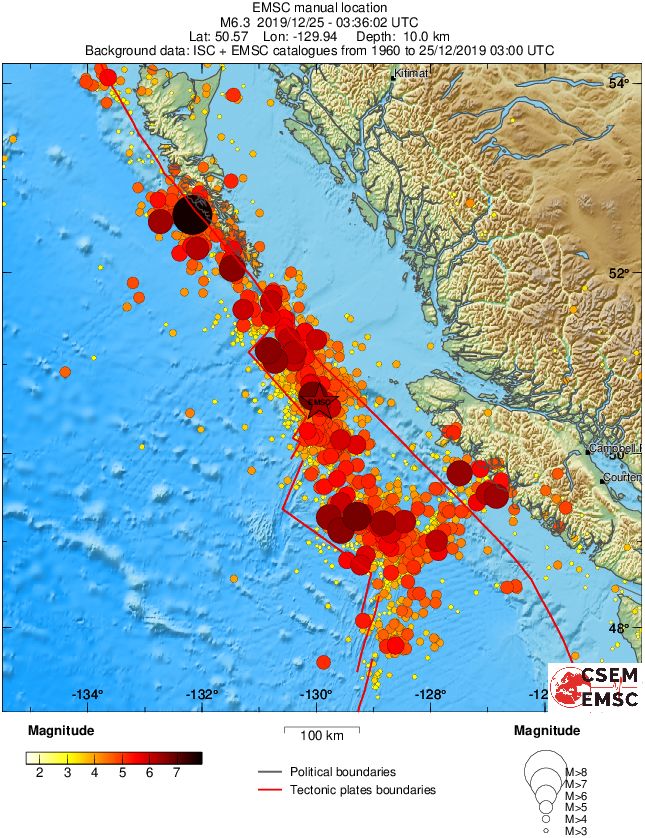
To understand why Canada’s strongest onshore earthquake hit B.C. in June 1946, one must look at the complex tectonic puzzle of the Pacific Northwest. Vancouver Island sits atop a high-stress zone where the Juan de Fuca Plate, the Explorer Plate, and the North American Plate interact. While most people fear the "Big One" (a subduction zone earthquake), the 1946 event proved that shallow crustal faults can be just as dangerous.
Seismologists believe the earthquake occurred on the Beaufort Range Fault. This fault line runs through the heart of the island. Crustal earthquakes like this one are typically shallower (about 15 to 30 kilometers deep) than subduction events, which means the seismic energy doesn't have much time to dissipate before reaching the surface. This resulted in extreme "Peak Ground Acceleration" (PGA) in towns like Union Bay and Comox.
The event also triggered secondary geological disasters. Over 300 landslides were recorded in the aftermath, many of which occurred in the mountainous terrain of the Forbidden Plateau. Perhaps most terrifying were the submarine landslides. The shaking caused massive amounts of sediment on the seafloor of the Strait of Georgia and various coastal inlets to slump, creating localized tsunamis that battered the coastline, despite the earthquake being located inland.
| Fitur/Aspek | Deskripsi |
|---|---|
| Date & Time | June 23, 1946, at 10:13 AM PST |
| Magnitude | 7.3 Mw (Moment Magnitude) |
| Epicenter Location | Forbidden Plateau, Central Vancouver Island |
| Type of Earthquake | Intraplate / Crustal Earthquake |
| Human Casualties | 2 confirmed deaths (1 drowning, 1 heart failure) |
| Secondary Effects | Landslides, Submarine Slumps, Local Tsunamis |
| Felt Area | From Prince Rupert to Portland, and east to the Alberta border |
Impact on Communities: Eyewitness Accounts and Destruction
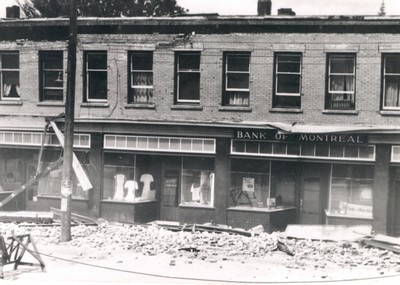
The human element of the 1946 earthquake provides a harrowing glimpse into the power of nature. In Campbell River, the local hotel nearly collapsed as the ground shifted beneath it. In Courtenay, the post office was severely damaged, and many brick buildings suffered structural failure. It is often cited as a miracle that the death toll remained at only two, considering the magnitude of the event.
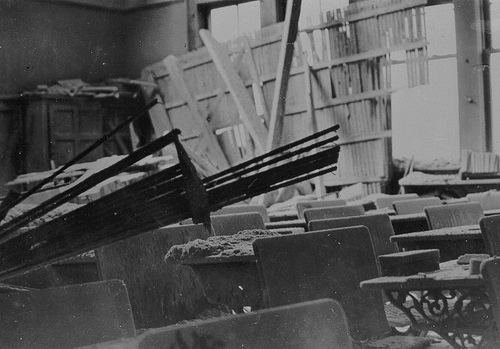
One death occurred when a small boat was swamped by a localized tsunami triggered by a submarine landslide in Deep Bay. The second death was attributed to a heart attack in Seattle, brought on by the stress of the shaking. Had the earthquake occurred on a weekday during school hours, the casualties might have been significantly higher, as many school chimneys and masonry walls collapsed.
Eyewitnesses in the logging camps of central Vancouver Island reported seeing the ground move in "waves" like the ocean. Trees were whipped back and forth so violently that their tops snapped off. In the Strait of Georgia, the lighthouse at Sisters Rocks was damaged, and cables on the ocean floor were severed due to the shifting earth. The 1946 event wasn't just a news headline; it was a traumatic shift in the provincial psyche that made "earthquake preparedness" a household term.
Lessons for the Future: How 1946 Changed B.C.’s Seismic Codes
Canada’s strongest onshore earthquake served as a massive wake-up call for engineers and urban planners. Before 1946, there was little consideration given to seismic resilience in Canadian architecture. The failure of unreinforced masonry (URM) during this quake led to a complete overhaul of the National Building Code of Canada (NBCC) in the subsequent decades.
Today, British Columbia has some of the most stringent earthquake regulations in the world. Modern schools and hospitals are now built with base isolators, reinforced steel frames, and flexible piping systems. We learned from 1946 that "onshore" quakes pose a unique threat because they are so close to our foundations. Current seismic upgrades in the Vancouver Island and Lower Mainland regions are direct descendants of the data gathered from the 1946 disaster.
Furthermore, the event highlighted the danger of liquefaction—a process where saturated soil loses its strength and acts like a liquid during intense shaking. This was observed in the sandy areas near the Oyster River and the Fraser River Delta. Modern developers now must conduct extensive geotechnical surveys to ensure that buildings aren't constructed on "liquefiable" soil without proper remediation.
Comparing the 1946 Event to Other Major Canadian Earthquakes
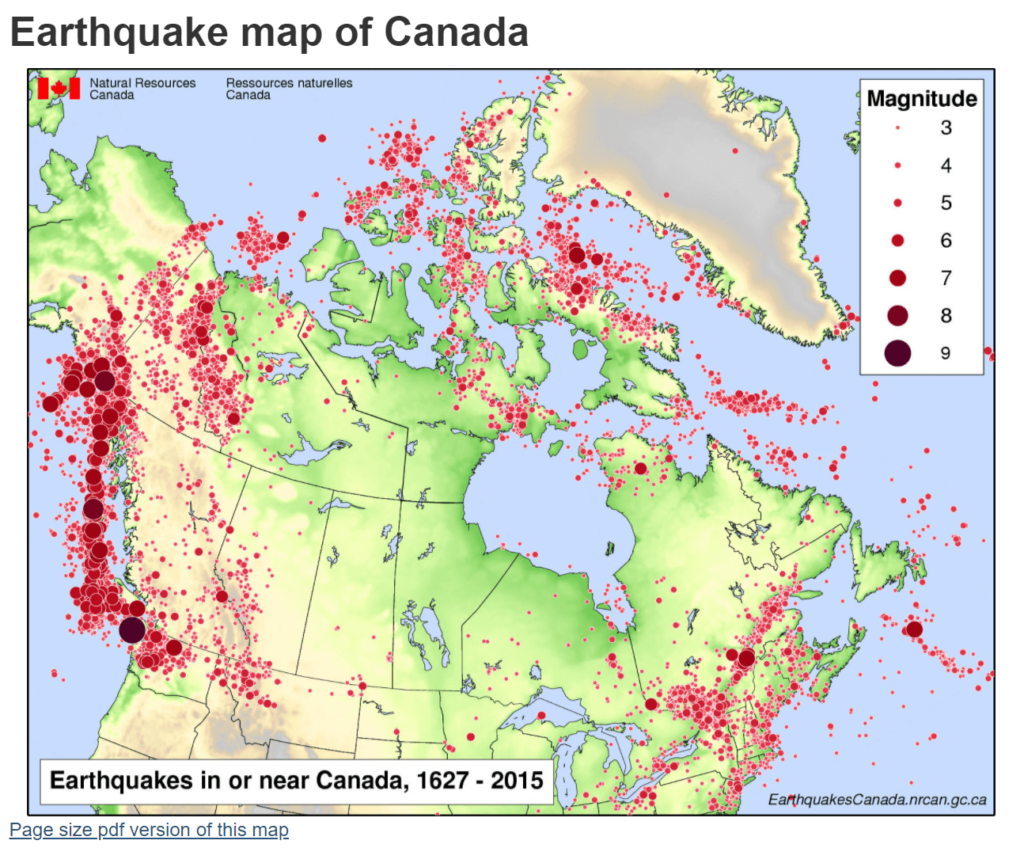
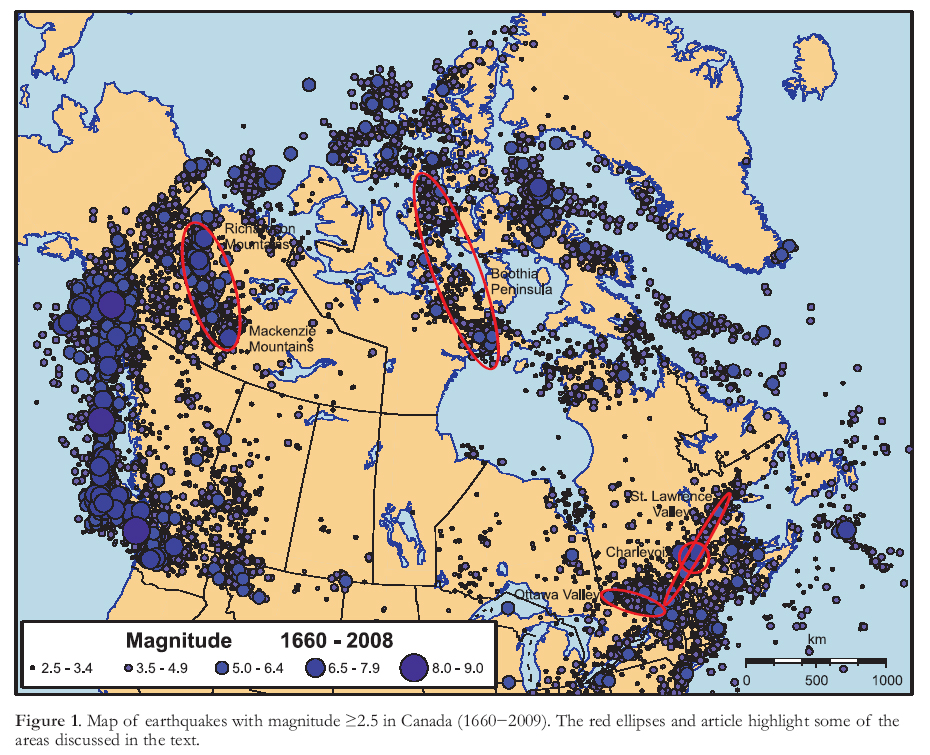
While the 1946 Vancouver Island earthquake holds the record for the strongest *onshore* quake, it is part of a larger history of Canadian seismic activity. To put it in perspective, we must compare it to other major events:
- The 1700 Cascadia Earthquake: Estimated at magnitude 9.0, this was a "megathrust" offshore event. It was exponentially more powerful than 1946 but occurred before modern records were kept.
- The 1949 Queen Charlotte Islands Earthquake: At magnitude 8.1, this is Canada's largest earthquake ever recorded. However, because it occurred along the Queen Charlotte Fault (a transform boundary) and was largely offshore, its impact on populated areas was less than the 1946 onshore event.
- The 2012 Haida Gwaii Earthquake: A magnitude 7.8 event that triggered a tsunami warning for the entire Pacific, reminding us that the northern coast remains highly active.
The 1946 quake remains the "benchmark" for onshore risk because it demonstrates what happens when a major fault ruptures directly beneath a developed region. It serves as the primary model for what a "crustal" disaster would look like if it were to strike closer to modern-day Victoria or Seattle.
Modern Monitoring and the "Big One"
In the decades since 1946, technology has transformed how we monitor the earth. The Geological Survey of Canada (GSC) now operates an extensive network of seismographs that can detect even the smallest tremors. This data helps scientists map the "stress" building up in the North American Plate.
Today, the conversation often shifts to the "Big One"—the predicted magnitude 9.0 megathrust earthquake. However, 1946 reminds us that we shouldn't ignore the smaller (but still devastating) crustal faults. An earthquake of magnitude 7.0 directly under Vancouver or Victoria would likely cause more localized damage than a magnitude 9.0 event 100 kilometers offshore. The 1946 earthquake is the "ghost of Christmas past" for B.C. urban centers, warning us of the power trapped in the crust beneath our feet.
The Role of Emergency Preparedness
Today, residents are encouraged to have "Grab-and-Go" bags and to participate in the "Great BC ShakeOut" drills. These initiatives exist because the 1946 event proved that when the earth moves, there is no time to plan; you must already be prepared. With the advent of Early Earthquake Warning (EEW) systems being installed across B.C., residents might soon get a few seconds of notice before the waves of a 1946-style quake arrive, allowing them to "Drop, Cover, and Hold On."
Frequently Asked Questions (FAQ)
1. Why was the 1946 earthquake called "onshore"?
It is referred to as "onshore" because its epicenter was located on the landmass of Vancouver Island, specifically in the Forbidden Plateau area, rather than off the coast in the ocean. This distinguishes it from subduction or transform-fault earthquakes that occur under the seabed.
2. How many people died in the 1946 Vancouver Island earthquake?
There were two confirmed deaths. One person drowned when their boat was swamped by a localized tsunami in Deep Bay, and another person died from a heart attack in Seattle attributed to the shock of the earthquake.
3. Could an earthquake like the 1946 event happen again?
Yes. Seismologists state that British Columbia is a high-risk zone for crustal earthquakes. While we cannot predict exactly when, the stress continues to build along various fault lines throughout Vancouver Island and the Lower Mainland.
4. Did the 1946 earthquake cause a tsunami?
Yes, but not a traditional ocean-crossing tsunami. It triggered "submarine landslides" in the Strait of Georgia and various inlets, which in turn created localized tsunami waves that flooded coastal areas and damaged docks.
Conclusion: The Legacy of a Sleeping Giant
Canada’s strongest onshore earthquake hit B.C. in June 1946, and its echoes still resonate through the halls of science and the foundations of our cities. It was an event that stripped away the illusion of geological stability in Western Canada, revealing a landscape defined by movement and transformation. The 7.3 magnitude tremor was more than just a historical footnote; it was a catalyst for change, forcing us to build better, prepare smarter, and respect the incredible power of the Earth.
As we continue to develop the infrastructure of British Columbia, the lessons of 1946 remain vital. We know that the crust beneath us is active, and we know that another significant event is a matter of "when," not "if." By remembering the day the Forbidden Plateau shook the province, we ensure that we are not caught off guard when the next great rupture occurs. The 1946 earthquake stands as a testament to human resilience and a permanent reminder of our place within a dynamic, ever-changing planet.
Canada’s strongest onshore earthquake hit B.C. in June 1946
Canada’s strongest onshore earthquake hit B.C. in June 1946 Wallpapers
Collection of canada’s strongest onshore earthquake hit b.c. in june 1946 wallpapers for your desktop and mobile devices.
Serene Canada’s Strongest Onshore Earthquake Hit B.c. In June 1946 Picture in 4K
Experience the crisp clarity of this stunning canada’s strongest onshore earthquake hit b.c. in june 1946 image, available in high resolution for all your screens.
High-Quality Canada’s Strongest Onshore Earthquake Hit B.c. In June 1946 Image Illustration
Explore this high-quality canada’s strongest onshore earthquake hit b.c. in june 1946 image, perfect for enhancing your desktop or mobile wallpaper.

Captivating Canada’s Strongest Onshore Earthquake Hit B.c. In June 1946 Landscape Collection
A captivating canada’s strongest onshore earthquake hit b.c. in june 1946 scene that brings tranquility and beauty to any device.

High-Quality Canada’s Strongest Onshore Earthquake Hit B.c. In June 1946 Moment Nature
Discover an amazing canada’s strongest onshore earthquake hit b.c. in june 1946 background image, ideal for personalizing your devices with vibrant colors and intricate designs.

Serene Canada’s Strongest Onshore Earthquake Hit B.c. In June 1946 Abstract Art
Discover an amazing canada’s strongest onshore earthquake hit b.c. in june 1946 background image, ideal for personalizing your devices with vibrant colors and intricate designs.
Serene Canada’s Strongest Onshore Earthquake Hit B.c. In June 1946 Landscape Art
Discover an amazing canada’s strongest onshore earthquake hit b.c. in june 1946 background image, ideal for personalizing your devices with vibrant colors and intricate designs.
Beautiful Canada’s Strongest Onshore Earthquake Hit B.c. In June 1946 Moment in 4K
Experience the crisp clarity of this stunning canada’s strongest onshore earthquake hit b.c. in june 1946 image, available in high resolution for all your screens.
Breathtaking Canada’s Strongest Onshore Earthquake Hit B.c. In June 1946 View Nature
Discover an amazing canada’s strongest onshore earthquake hit b.c. in june 1946 background image, ideal for personalizing your devices with vibrant colors and intricate designs.

Breathtaking Canada’s Strongest Onshore Earthquake Hit B.c. In June 1946 Wallpaper Nature
Explore this high-quality canada’s strongest onshore earthquake hit b.c. in june 1946 image, perfect for enhancing your desktop or mobile wallpaper.
High-Quality Canada’s Strongest Onshore Earthquake Hit B.c. In June 1946 Scene for Your Screen
Explore this high-quality canada’s strongest onshore earthquake hit b.c. in june 1946 image, perfect for enhancing your desktop or mobile wallpaper.
Spectacular Canada’s Strongest Onshore Earthquake Hit B.c. In June 1946 Picture Photography
A captivating canada’s strongest onshore earthquake hit b.c. in june 1946 scene that brings tranquility and beauty to any device.

Lush Canada’s Strongest Onshore Earthquake Hit B.c. In June 1946 Background Art
This gorgeous canada’s strongest onshore earthquake hit b.c. in june 1946 photo offers a breathtaking view, making it a perfect choice for your next wallpaper.
Spectacular Canada’s Strongest Onshore Earthquake Hit B.c. In June 1946 Background Photography
A captivating canada’s strongest onshore earthquake hit b.c. in june 1946 scene that brings tranquility and beauty to any device.
Mesmerizing Canada’s Strongest Onshore Earthquake Hit B.c. In June 1946 Picture for Desktop
Experience the crisp clarity of this stunning canada’s strongest onshore earthquake hit b.c. in june 1946 image, available in high resolution for all your screens.

Artistic Canada’s Strongest Onshore Earthquake Hit B.c. In June 1946 Picture Digital Art
Find inspiration with this unique canada’s strongest onshore earthquake hit b.c. in june 1946 illustration, crafted to provide a fresh look for your background.
Breathtaking Canada’s Strongest Onshore Earthquake Hit B.c. In June 1946 Scene Digital Art
Transform your screen with this vivid canada’s strongest onshore earthquake hit b.c. in june 1946 artwork, a true masterpiece of digital design.

High-Quality Canada’s Strongest Onshore Earthquake Hit B.c. In June 1946 Photo for Desktop
Transform your screen with this vivid canada’s strongest onshore earthquake hit b.c. in june 1946 artwork, a true masterpiece of digital design.
High-Quality Canada’s Strongest Onshore Earthquake Hit B.c. In June 1946 Moment in HD
Explore this high-quality canada’s strongest onshore earthquake hit b.c. in june 1946 image, perfect for enhancing your desktop or mobile wallpaper.
Captivating Canada’s Strongest Onshore Earthquake Hit B.c. In June 1946 Image Art
Find inspiration with this unique canada’s strongest onshore earthquake hit b.c. in june 1946 illustration, crafted to provide a fresh look for your background.

Stunning Canada’s Strongest Onshore Earthquake Hit B.c. In June 1946 Design Collection
A captivating canada’s strongest onshore earthquake hit b.c. in june 1946 scene that brings tranquility and beauty to any device.
Download these canada’s strongest onshore earthquake hit b.c. in june 1946 wallpapers for free and use them on your desktop or mobile devices.