China Vacancy Rate: Analyzing the Economic Impact of Empty Homes and Offices
China Vacancy Rate: Analyzing the Economic Impact of Empty Homes and Offices
The global economic landscape has been closely watching the shifts in the China vacancy rate, a metric that has become a critical barometer for the health of the world's second-largest economy. For decades, China’s growth was fueled by a relentless expansion in real estate and infrastructure. However, the tide has turned, leaving behind a surplus of residential units and commercial office spaces that are currently unoccupied. This phenomenon, often sensationalized as "ghost cities," carries deep implications for global markets, investor confidence, and China's domestic stability. In this comprehensive analysis, we explore the nuances of vacancy rates across different sectors, the underlying causes of this surplus, and what the future holds for the Chinese property market.
The Residential Paradox: Why Millions of Apartments Sit Empty
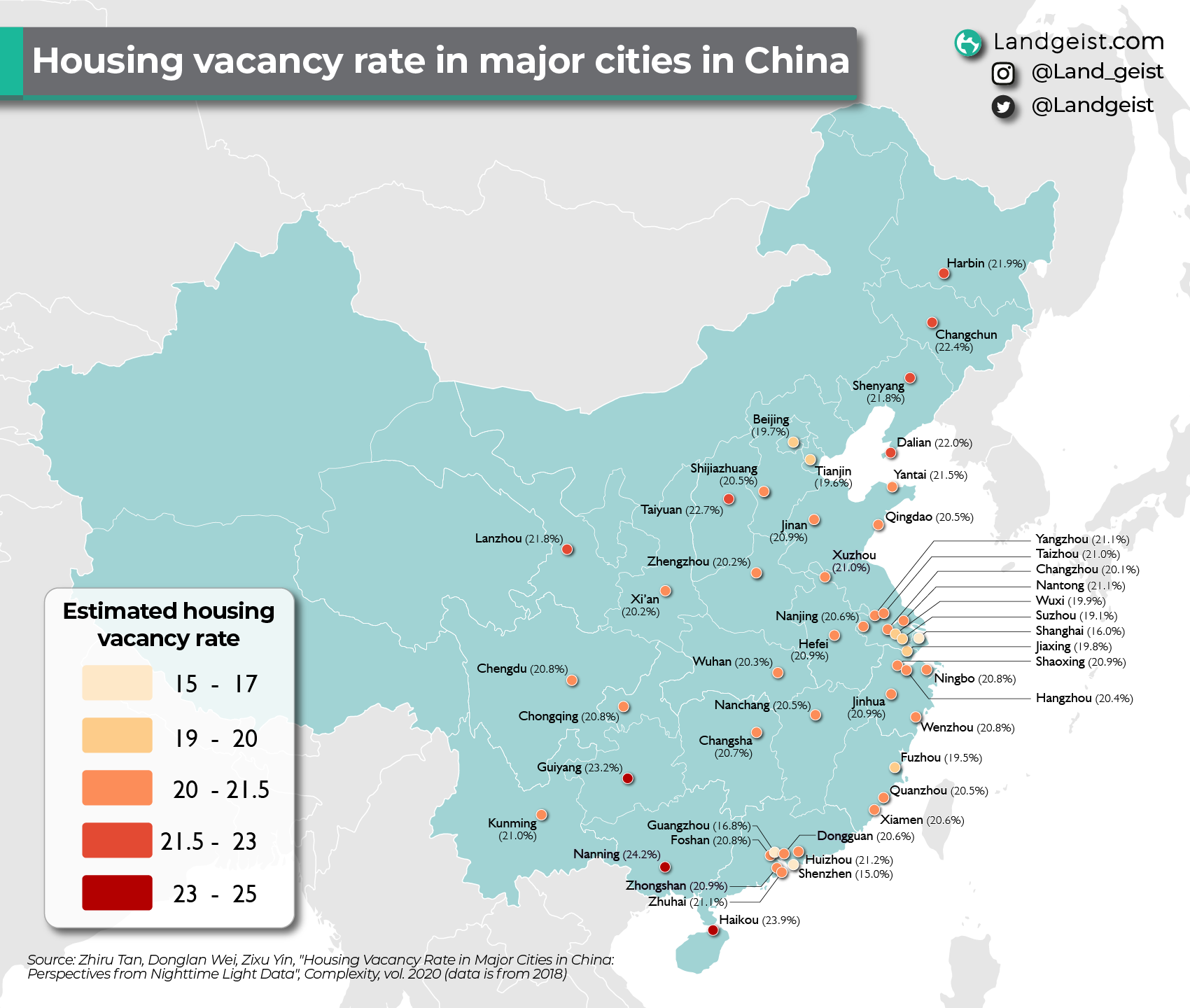
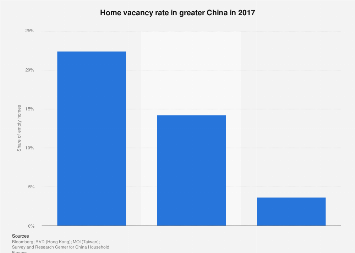
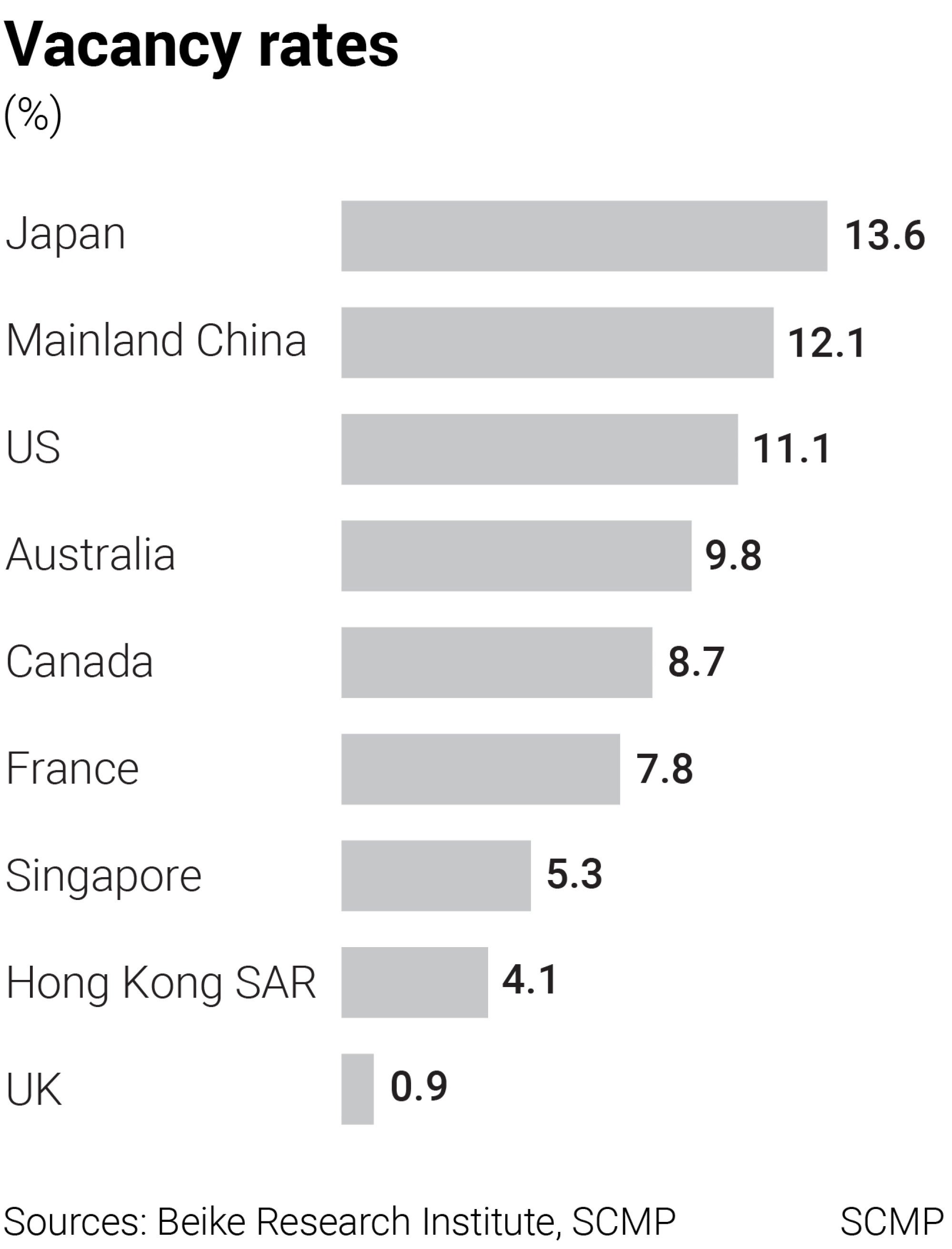
The residential sector is perhaps the most visible area of concern regarding the China vacancy rate. According to various estimates from economic research firms and former government officials, there are tens of millions of empty apartments across the country. While official government data on specific vacancy percentages can be difficult to obtain, independent studies suggest that the national residential vacancy rate in urban areas fluctuates between 12% and 15%. In smaller, lower-tier cities, this figure is often reported to be significantly higher.
The root of this problem lies in the speculative nature of the Chinese property market. For many Chinese citizens, real estate has historically been seen as the safest and most profitable investment vehicle, preferred over the volatile stock market. Developers, fueled by easy credit and a "build-it-and-they-will-come" mentality, over-leveraged themselves to meet this speculative demand. This resulted in a massive oversupply of housing in regions where population growth did not keep pace with construction. Today, these units stand as "frozen assets," contributing to a cooling economy as homeowners see their primary source of wealth stagnate or decline in value.
Commercial Office Vacancy: A Crisis in Tier 1 Cities
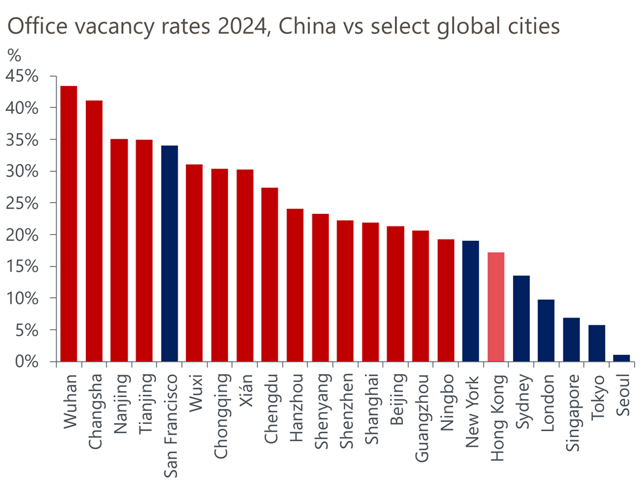
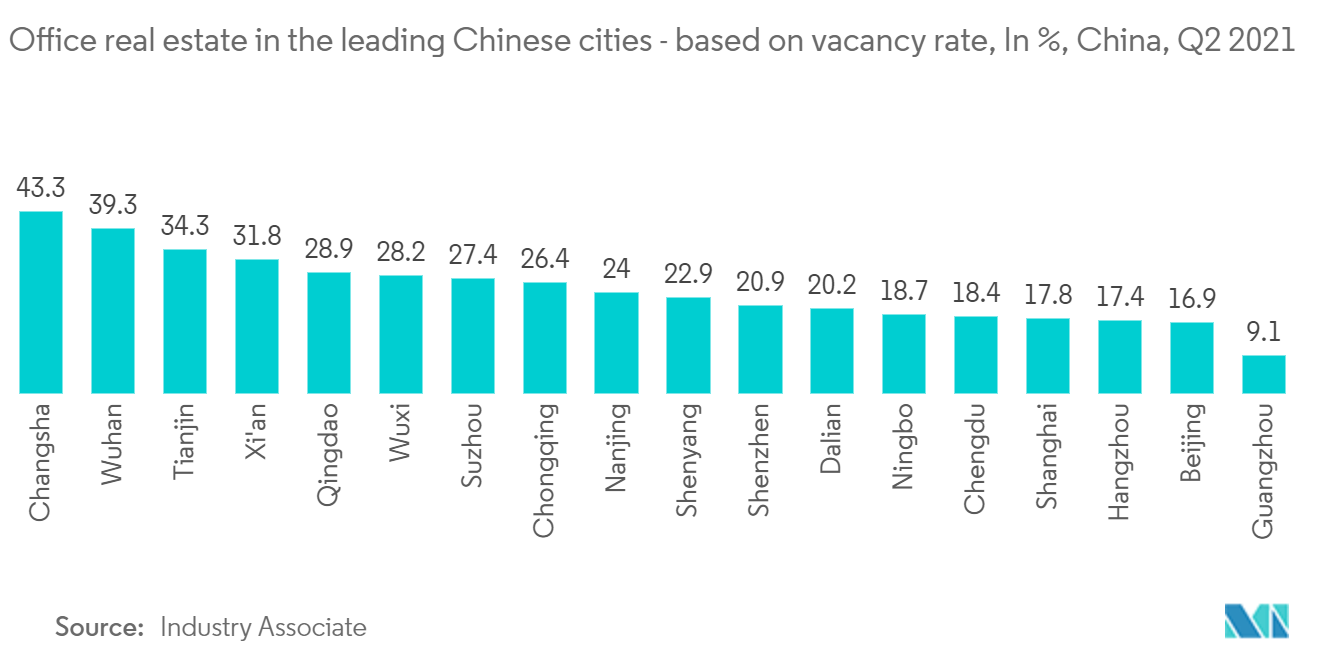
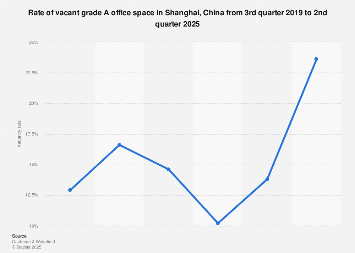
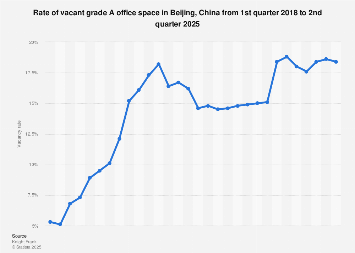
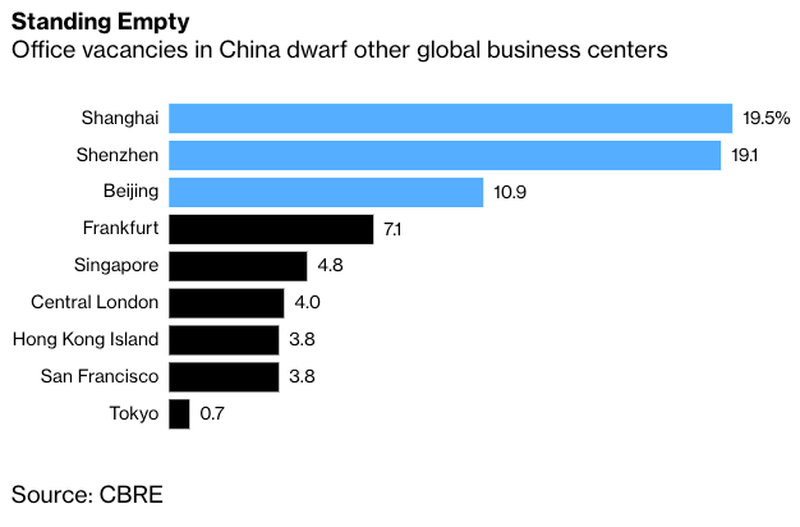
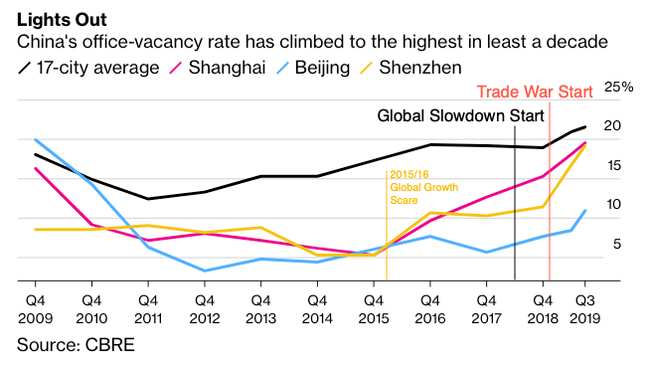
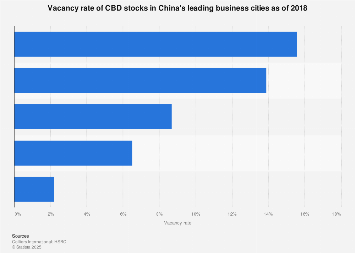
While the residential sector captures headlines, the commercial office market is facing its own set of unprecedented challenges. The China vacancy rate for Grade-A office space in major hubs like Beijing, Shanghai, Shenzhen, and Guangzhou reached record highs in late 2023 and early 2024. In Shenzhen, often dubbed China's Silicon Valley, office vacancy rates have climbed above 25% in certain districts.
Several factors have converged to create this commercial glut:
- The Tech Crackdown: Major technology firms, which were previously the primary drivers of office space absorption, scaled back their expansion plans following increased regulatory scrutiny.
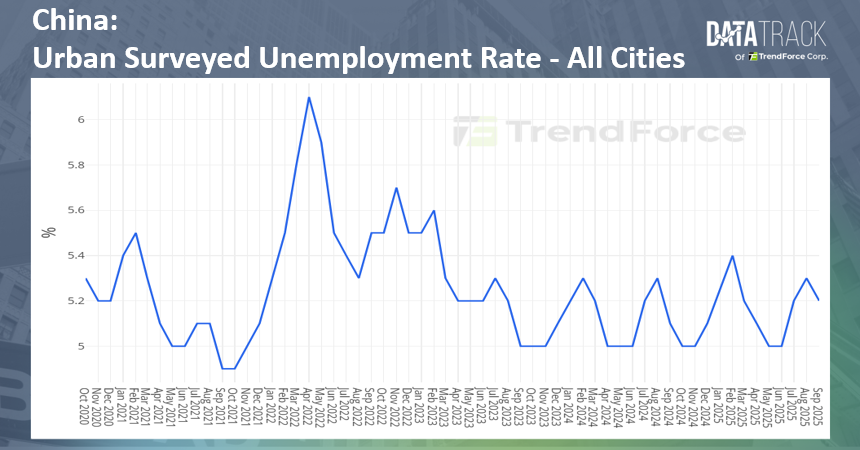
- Economic Slowdown: General domestic economic headwinds have led both local and multinational corporations to prioritize cost-cutting and downsizing over new lease agreements.
- Supply Overshoot: A massive wave of new office skyscraper completions, planned during more optimistic years, hit the market just as demand began to crater.
- Remote Work Trends: Much like the rest of the world, China is grappling with a shift toward flexible work arrangements, reducing the total square footage required by traditional businesses.
Understanding the Data: A Snapshot of the Market
To better understand the current state of the market, it is essential to look at the metrics that define the current surplus. The following table summarizes the key aspects of the vacancy crisis across different segments of the Chinese economy.
| Feature/Aspect | Description/Status (2024) |
|---|---|
| National Residential Vacancy | Estimated between 12% to 15% in major urban centers; higher in Tier 3 and 4 cities. |
| Grade-A Office Vacancy (Shenzhen) | Currently hovering around 26-28%, marking a multi-year high. |
| Primary Driver of Vacancy | Over-leverage by developers and speculative investment by middle-class households. |
| Government Response | Focus on "Inventory Absorption" and financial support for distressed developers. |
| Impact on GDP | Significant drag, as real estate and related sectors contribute up to 25% of China's GDP. |
The "Ghost City" Phenomenon and Regional Disparities
One cannot discuss the China vacancy rate without mentioning the famous "ghost cities." These are massive urban developments, complete with high-rise apartments, shopping malls, and public parks, that remain largely uninhabited years after completion. Famous examples like the Kangbashi District in Ordos or the Yujiapu Financial District in Tianjin serve as cautionary tales of central planning gone wrong.
However, it is vital to distinguish between different "tiers" of cities. Tier 1 cities like Shanghai and Beijing still maintain relatively high demand due to job opportunities and superior infrastructure, though even they are not immune to the current downturn. The real crisis is concentrated in Tier 3 and Tier 4 cities, where the population is shrinking or migrating toward the coast. In these regions, the vacancy rate isn't just a temporary market fluctuation; it represents a structural imbalance that may take decades to resolve, potentially leading to the permanent devaluation of millions of properties.
Policy Shifts: How Beijing is Attempting to Stabilize the Market
The Chinese government has recognized that the high vacancy rate poses a systemic risk to the financial system. For years, the "Three Red Lines" policy was used to deleverage the property sector, which unintentionally triggered a liquidity crisis among major developers like Evergrande and Country Garden. In response to the growing vacancy and the resulting economic drag, Beijing has pivoted toward a more supportive stance.
Current strategies include the "White List" mechanism, where local governments provide credit to specific viable projects to ensure they are completed and delivered to buyers. Furthermore, there have been discussions about the government purchasing unsold residential inventory to convert it into affordable social housing. While these measures aim to put a floor under the falling prices and reduce the vacancy rate, the scale of the inventory is so vast that government intervention may only offer a partial solution. The fundamental challenge remains: convincing a cautious public to return to a market where the "real estate myth" has been shattered.
The Impact on Global Investors and Supply Chains
The China vacancy rate is not merely a domestic issue. Because China is a primary consumer of global commodities—such as iron ore, copper, and cement—a slowdown in construction directly impacts the economies of Australia, Brazil, and several Southeast Asian nations. For global investors, the vacancy rate serves as a signal of reduced domestic consumption. If Chinese households are worried about their primary asset (their home) losing value, they are less likely to spend on luxury goods, automobiles, and travel, creating a ripple effect across the global retail and manufacturing sectors.
FAQ: Frequently Asked Questions
1. Why is the vacancy rate so high in China compared to other countries?
China's high vacancy rate is primarily due to a unique combination of speculative investment, where housing was treated as a store of value rather than a place to live, and a local government reliance on land sales for revenue, which encouraged over-development regardless of actual demand.
2. What are the "Ghost Cities" of China?
"Ghost Cities" are large-scale urban developments that were built in anticipation of future growth that never materialized. They often feature complete infrastructure but lack a sufficient population to sustain local businesses, leading to high vacancy rates in both residential and commercial buildings.
3. How does the office vacancy rate affect the Chinese economy?
A high office vacancy rate indicates a slowdown in business expansion and corporate confidence. It leads to lower rental yields for property owners, which can cause defaults on commercial loans and put additional pressure on the banking sector.
4. Will the China vacancy rate decrease in 2025?
Most analysts predict that the vacancy rate will remain elevated in the short term. While government interventions may help absorb some inventory, the massive supply of homes and offices currently under construction or completed will take several years of reduced supply and increased demand to normalize.
Conclusion: Navigating the New Normal
The China vacancy rate is more than just a statistic; it is a reflection of a profound transition in the Chinese economy. The era of high-speed, debt-fueled property growth has come to an end, giving way to a "new normal" characterized by inventory management and structural deleveraging. For the residential sector, the challenge lies in restoring homebuyer confidence and managing the social implications of declining wealth. In the commercial sector, landlords must adapt to a post-pandemic world where demand for traditional office space is no longer guaranteed.
In conclusion, while the vacancy crisis presents significant risks, it also offers China an opportunity to rebalance its economy toward consumption and high-tech manufacturing rather than just brick and mortar. For global stakeholders, staying informed about these vacancy trends is essential for navigating the complexities of the modern global market. The path to recovery will be long and requires careful policy navigation, but resolving the vacancy glut is the first step toward a more sustainable and stable Chinese economic future.
china vacancy rate
china vacancy rate Wallpapers
Collection of china vacancy rate wallpapers for your desktop and mobile devices.
Gorgeous China Vacancy Rate Image in 4K
Immerse yourself in the stunning details of this beautiful china vacancy rate wallpaper, designed for a captivating visual experience.
Breathtaking China Vacancy Rate Landscape in 4K
Transform your screen with this vivid china vacancy rate artwork, a true masterpiece of digital design.
Stunning China Vacancy Rate Artwork Illustration
Immerse yourself in the stunning details of this beautiful china vacancy rate wallpaper, designed for a captivating visual experience.
High-Quality China Vacancy Rate Image Art
Transform your screen with this vivid china vacancy rate artwork, a true masterpiece of digital design.
High-Quality China Vacancy Rate Capture for Your Screen
Transform your screen with this vivid china vacancy rate artwork, a true masterpiece of digital design.
Spectacular China Vacancy Rate Picture Collection
Immerse yourself in the stunning details of this beautiful china vacancy rate wallpaper, designed for a captivating visual experience.
Dynamic China Vacancy Rate Scene Art
Immerse yourself in the stunning details of this beautiful china vacancy rate wallpaper, designed for a captivating visual experience.

Stunning China Vacancy Rate Capture Art
Immerse yourself in the stunning details of this beautiful china vacancy rate wallpaper, designed for a captivating visual experience.
Detailed China Vacancy Rate Capture for Desktop
Discover an amazing china vacancy rate background image, ideal for personalizing your devices with vibrant colors and intricate designs.
Vibrant China Vacancy Rate Abstract for Your Screen
Explore this high-quality china vacancy rate image, perfect for enhancing your desktop or mobile wallpaper.

Dynamic China Vacancy Rate Capture in HD
Find inspiration with this unique china vacancy rate illustration, crafted to provide a fresh look for your background.
Gorgeous China Vacancy Rate Design Illustration
This gorgeous china vacancy rate photo offers a breathtaking view, making it a perfect choice for your next wallpaper.
Stunning China Vacancy Rate Scene in HD
Immerse yourself in the stunning details of this beautiful china vacancy rate wallpaper, designed for a captivating visual experience.

Vibrant China Vacancy Rate Landscape for Desktop
Experience the crisp clarity of this stunning china vacancy rate image, available in high resolution for all your screens.
Captivating China Vacancy Rate Image for Your Screen
A captivating china vacancy rate scene that brings tranquility and beauty to any device.

Amazing China Vacancy Rate Moment in HD
Explore this high-quality china vacancy rate image, perfect for enhancing your desktop or mobile wallpaper.

Serene China Vacancy Rate Scene in 4K
Explore this high-quality china vacancy rate image, perfect for enhancing your desktop or mobile wallpaper.
Artistic China Vacancy Rate Wallpaper Art
This gorgeous china vacancy rate photo offers a breathtaking view, making it a perfect choice for your next wallpaper.
Stunning China Vacancy Rate Landscape for Your Screen
Find inspiration with this unique china vacancy rate illustration, crafted to provide a fresh look for your background.
Exquisite China Vacancy Rate Moment Photography
Find inspiration with this unique china vacancy rate illustration, crafted to provide a fresh look for your background.
Download these china vacancy rate wallpapers for free and use them on your desktop or mobile devices.