Formula 1 agrees to engine design change after criticism
Formula 1 Agrees to Major Engine Design Changes Following Industry and Fan Criticism
The landscape of elite motorsport is shifting once again as Formula 1 officially agrees to pivotal engine design changes. Following months of intense debate, technical simulations, and vocal criticism from drivers, teams, and fans alike, the FIA and Formula One Management (FOM) have reached a consensus to refine the upcoming 2026 power unit regulations. This move aims to balance the sport's ambitious sustainability goals with the high-octane performance and "spectacle" that define the pinnacle of racing.
The 2026 regulations were initially designed to attract new manufacturers like Audi and Ford by focusing on increased electrification and 100% sustainable fuels. However, early simulations suggested potential "Frankenstein cars" that might need to downshift on straights to recharge batteries. These concerns triggered a wave of criticism, leading to the latest adjustments aimed at ensuring the cars remain fast, loud, and competitive.
The Evolution of the F1 Power Unit: Why Change Was Necessary
Since the introduction of the 1.6-liter V6 Turbo Hybrid era in 2014, Formula 1 has faced a constant tug-of-war between technical innovation and entertainment value. While the current power units are the most efficient thermal engines in existence, they have been criticized for their extreme complexity, high costs, and lack of auditory "soul."
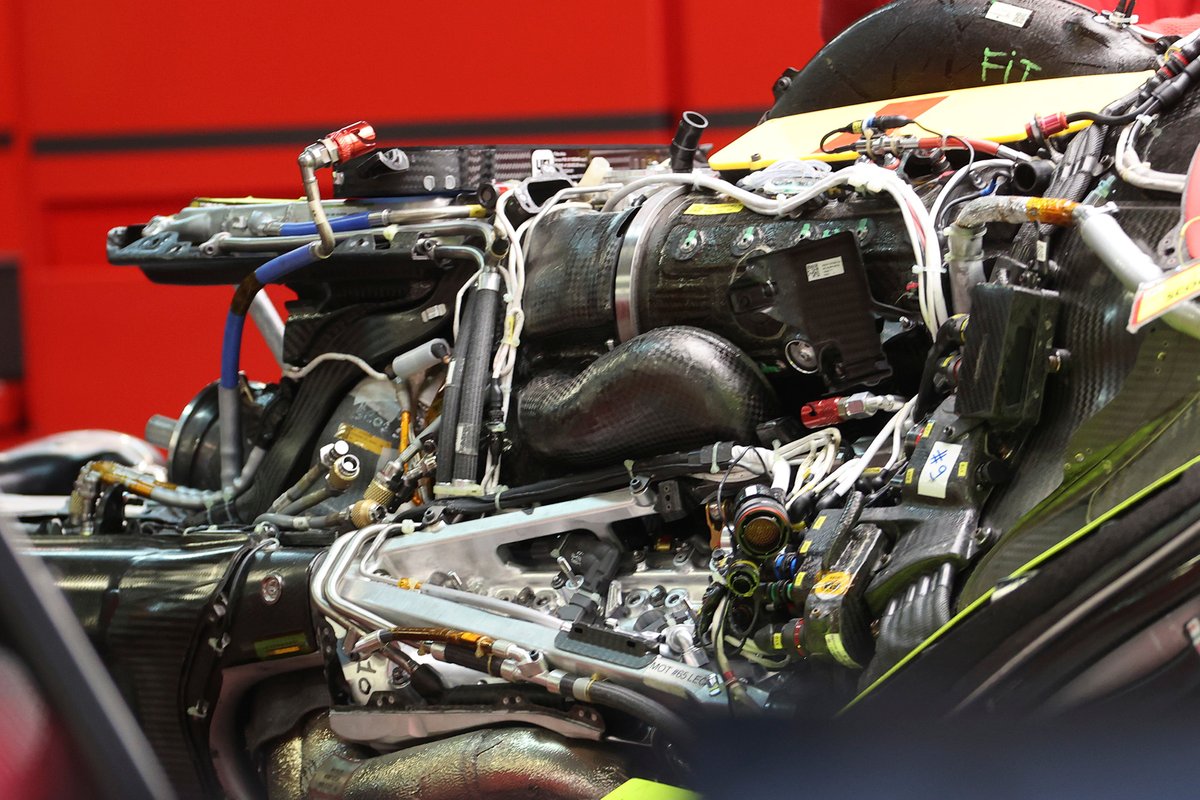
The upcoming 2026 overhaul was intended to simplify the engine by removing the MGU-H (Motor Generator Unit - Heat), a complex and expensive component that recovers energy from exhaust gases. In its place, the power output of the MGU-K (Motor Generator Unit - Kinetic) was slated to triple, creating a 50/50 split between internal combustion and electrical power. However, this radical shift raised red flags regarding weight and energy deployment, forcing the FIA to listen to the experts on the ground.
Addressing the "Battery Drainage" Problem
One of the primary criticisms voiced by reigning World Champion Max Verstappen and Red Bull Racing was the risk of "clipping"—where the battery runs out of energy before the end of a long straight. Initial simulations showed that without the MGU-H to provide a constant stream of energy, drivers might find themselves significantly slower at the end of a lap, potentially ruining the flow of legendary tracks like Monza or Spa-Francorchamps. The revised design changes focus on energy management software and aerodynamic tweaks to prevent this scenario.
Key Technical Adjustments in the 2026 Engine Design
The revised agreement focuses on several technical pillars. First, the Internal Combustion Engine (ICE) will see slight modifications to ensure it remains the primary driver of top-end speed. While the 500kW electrical target remains, the way that energy is recovered and deployed throughout a lap has been refined.
The FIA has also addressed the "Active Aerodynamics" component. Because the new engines will have less power from the ICE, the cars need to be significantly more efficient through the air. The new regulations will feature moveable front and rear wings—not just for DRS (Drag Reduction System), but to toggle between a "Z-mode" for high downforce in corners and an "X-mode" for low drag on straights.
| Feature/Aspect | Description of Change |
|---|---|
| MGU-H Removal | The complex Heat Recovery unit is eliminated to reduce costs and complexity. |
| MGU-K Output | Increased from 120kW to 350kW, providing roughly 470hp of electrical boost. |
| Sustainable Fuel | Mandatory transition to 100% drop-in sustainable fuels with zero net CO2. |
| Active Aerodynamics | Introduction of X-mode and Z-mode to compensate for energy deployment curves. |
| Weight Management | A target reduction of 30kg compared to current cars to improve agility. |
The Impact on New and Existing Manufacturers
The decision to tweak the engine design wasn't just about lap times; it was about the commercial viability of the sport. Audi’s entry into F1 as a full works team and Ford’s partnership with Red Bull Powertrains were predicated on these new regulations. Any major backtracking would have jeopardized these massive investments.
By finding a middle ground, the FIA has managed to keep the new entrants happy while addressing the concerns of stalwarts like Ferrari and Mercedes. Ferrari, in particular, has been vocal about maintaining the "DNA" of Formula 1, ensuring that the engine remains a central differentiator between teams rather than a spec part.
Sustainable Fuel: The Savior of the Internal Combustion Engine?
Formula 1 is positioning itself as a laboratory for the automotive industry. By committing to 100% sustainable fuels, F1 aims to prove that the internal combustion engine can be carbon neutral. This is a vital marketing tool for brands like Porsche and Honda, who are looking to keep ICE technology relevant in an increasingly electric world. The recent design changes ensure that these fuels can be utilized efficiently without sacrificing the roar of the engines that fans love.
Driver and Team Feedback: From Criticism to Cooperation
The criticism that led to these changes was led by some of the most influential figures in the paddock. Lewis Hamilton and Fernando Alonso both expressed concerns that the cars were becoming too heavy and "clunky." At nearly 800kg, modern F1 cars are significantly larger than their predecessors.
The updated 2026 plans include a "nimble car" concept. By narrowing the cars and reducing the wheelbase, the FIA hopes to offset the weight of the massive batteries required for the new power units. The agreement to change the engine's energy deployment maps directly addresses the drivers' fear that racing would become "artificial" or overly dependent on battery management rather than pure driving skill.
What This Means for the Fans: The Spectacle and the Sound
For the average fan, the technical jargon of MGU-K and thermal efficiency matters less than the quality of the racing. The agreed-upon changes are designed to ensure that wheel-to-wheel combat remains the priority. With the new active aero and energy deployment, we can expect to see more tactical battles, where drivers must choose exactly when to use their 350kW boost.
Furthermore, the FIA has promised to look into the "acoustic experience." While we won't return to the screaming V10s of the 2000s, the 2026 engines are expected to be louder than the current units due to higher flow rates and the removal of the MGU-H, which currently acts as a muffler in the exhaust system.
Future Outlook: A Transition Year in 2025
As we move toward the 2026 season, 2025 will serve as a crucial transition year. Teams are already splitting their resources between the current championship and the R&D required for the new engine era. The consensus reached this week provides the much-needed "rule stability" that engineers crave, allowing them to finalize designs and begin dyno testing with confidence.
FAQ: Understanding the F1 2026 Engine Changes
1. Why is Formula 1 changing its engine design again?
The changes are driven by three main goals: achieving net-zero carbon by 2030, reducing costs to attract new manufacturers, and improving the quality of racing by addressing current technical limitations.
2. Will the 2026 cars be slower than current cars?
Initial simulations suggested they might be slower on certain parts of the track, but the recent design adjustments and active aerodynamics are intended to ensure lap times remain comparable to the current generation of cars.
3. How will the new engines sound?
Engineers expect the 2026 engines to be louder and have a more aggressive tone than the current hybrids. This is largely due to the removal of the MGU-H and changes to the exhaust and fuel flow regulations.
4. What is "Active Aerodynamics"?
It refers to parts of the car (like wings) that move during a lap to reduce drag on straights and increase downforce in corners, helping to manage the new power unit's energy constraints.
Conclusion: A Balanced Future for Formula 1
The agreement to modify the 2026 Formula 1 engine design marks a significant moment of maturity for the sport. It proves that the governing bodies are willing to listen to the "boots on the ground"—the drivers and engineers—to prevent the sport from becoming too detached from its racing roots. By balancing the need for 100% sustainable fuels and massive electrical power with the requirements for speed, agility, and sound, F1 is setting itself up for a successful new era.
While the road to 2026 will undoubtedly feature more hurdles, the current consensus provides a solid foundation. Fans can look forward to cars that are more nimble, technologically advanced, and environmentally conscious, all while maintaining the fierce competitive spirit that makes Formula 1 the world's premier racing series. The "Frankenstein" fears have been put to rest, and in their place is a vision of a faster, greener, and louder future.
Formula 1 agrees to engine design change after criticism
Formula 1 agrees to engine design change after criticism Wallpapers
Collection of formula 1 agrees to engine design change after criticism wallpapers for your desktop and mobile devices.
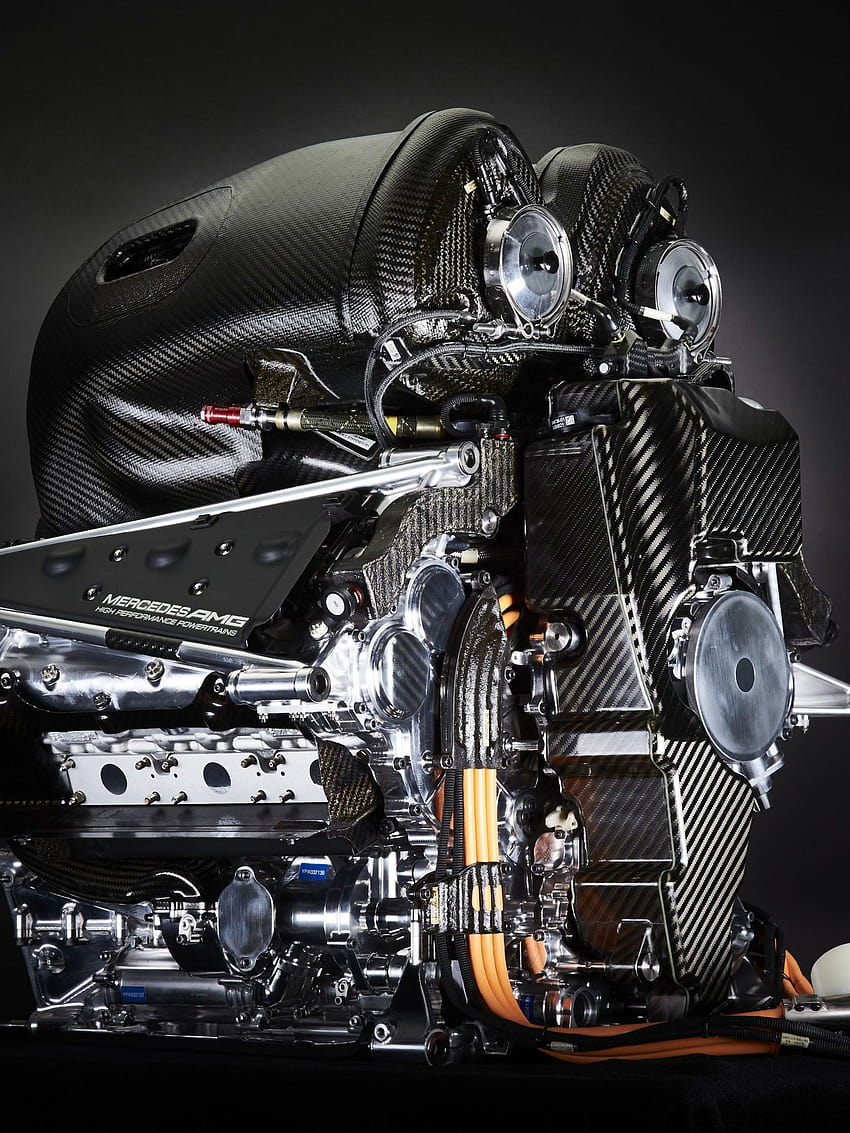
High-Quality Formula 1 Agrees To Engine Design Change After Criticism Photo Digital Art
Experience the crisp clarity of this stunning formula 1 agrees to engine design change after criticism image, available in high resolution for all your screens.

Vivid Formula 1 Agrees To Engine Design Change After Criticism Wallpaper Digital Art
Transform your screen with this vivid formula 1 agrees to engine design change after criticism artwork, a true masterpiece of digital design.
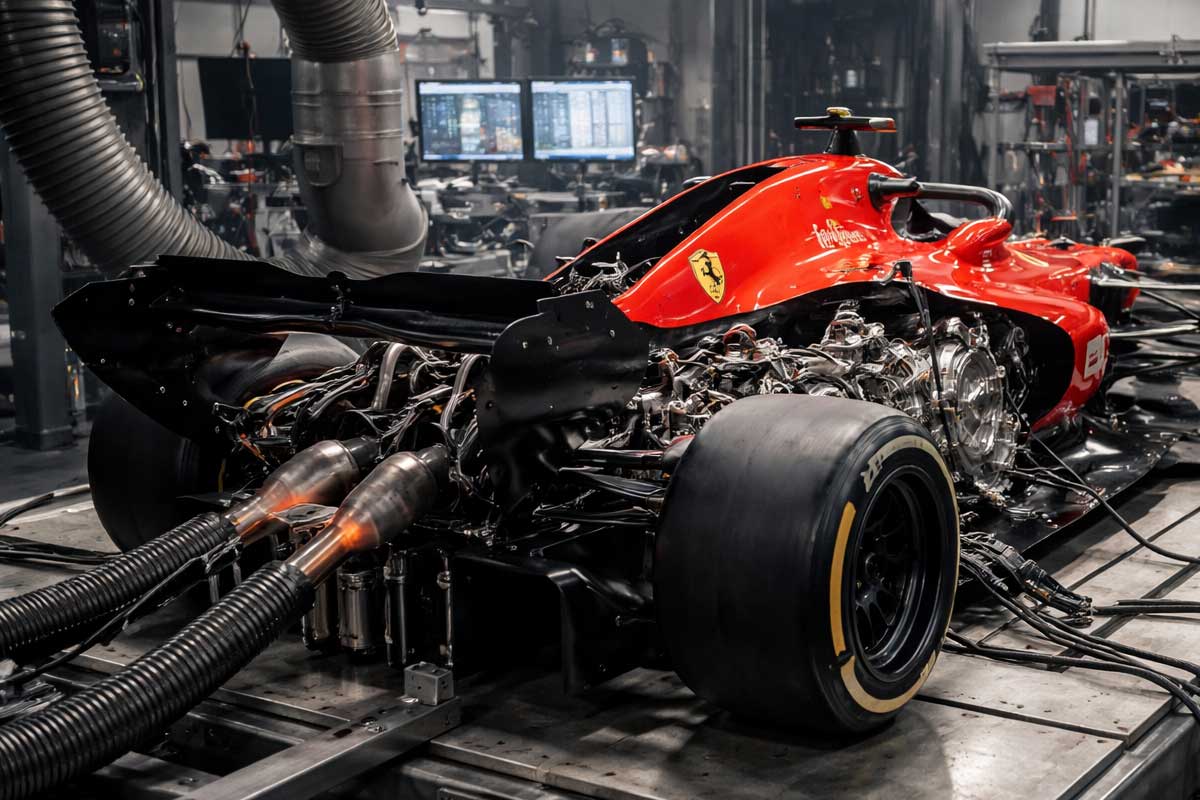
Mesmerizing Formula 1 Agrees To Engine Design Change After Criticism View Illustration
Experience the crisp clarity of this stunning formula 1 agrees to engine design change after criticism image, available in high resolution for all your screens.

Amazing Formula 1 Agrees To Engine Design Change After Criticism Abstract Illustration
Experience the crisp clarity of this stunning formula 1 agrees to engine design change after criticism image, available in high resolution for all your screens.
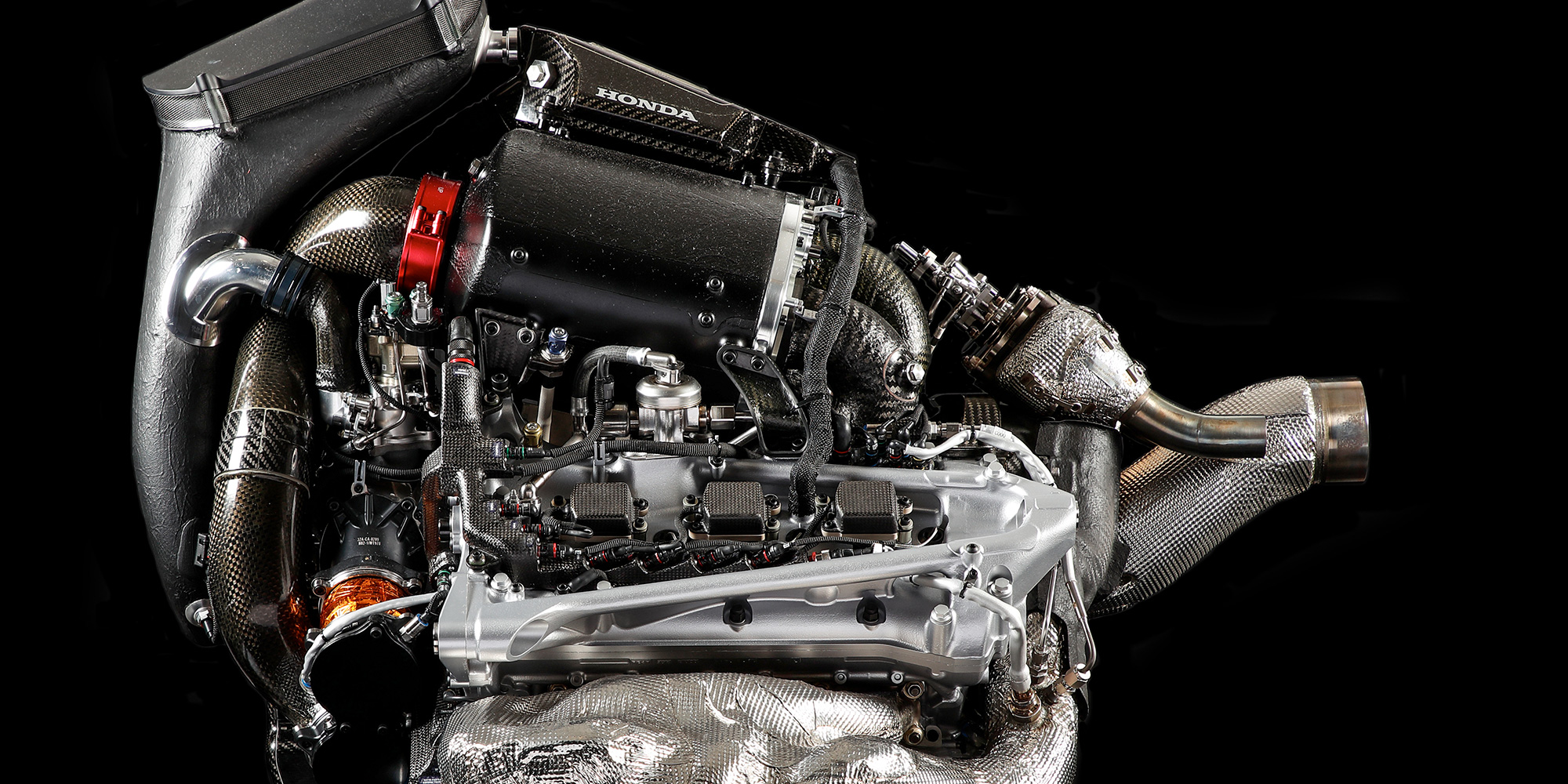
Exquisite Formula 1 Agrees To Engine Design Change After Criticism Background Art
A captivating formula 1 agrees to engine design change after criticism scene that brings tranquility and beauty to any device.
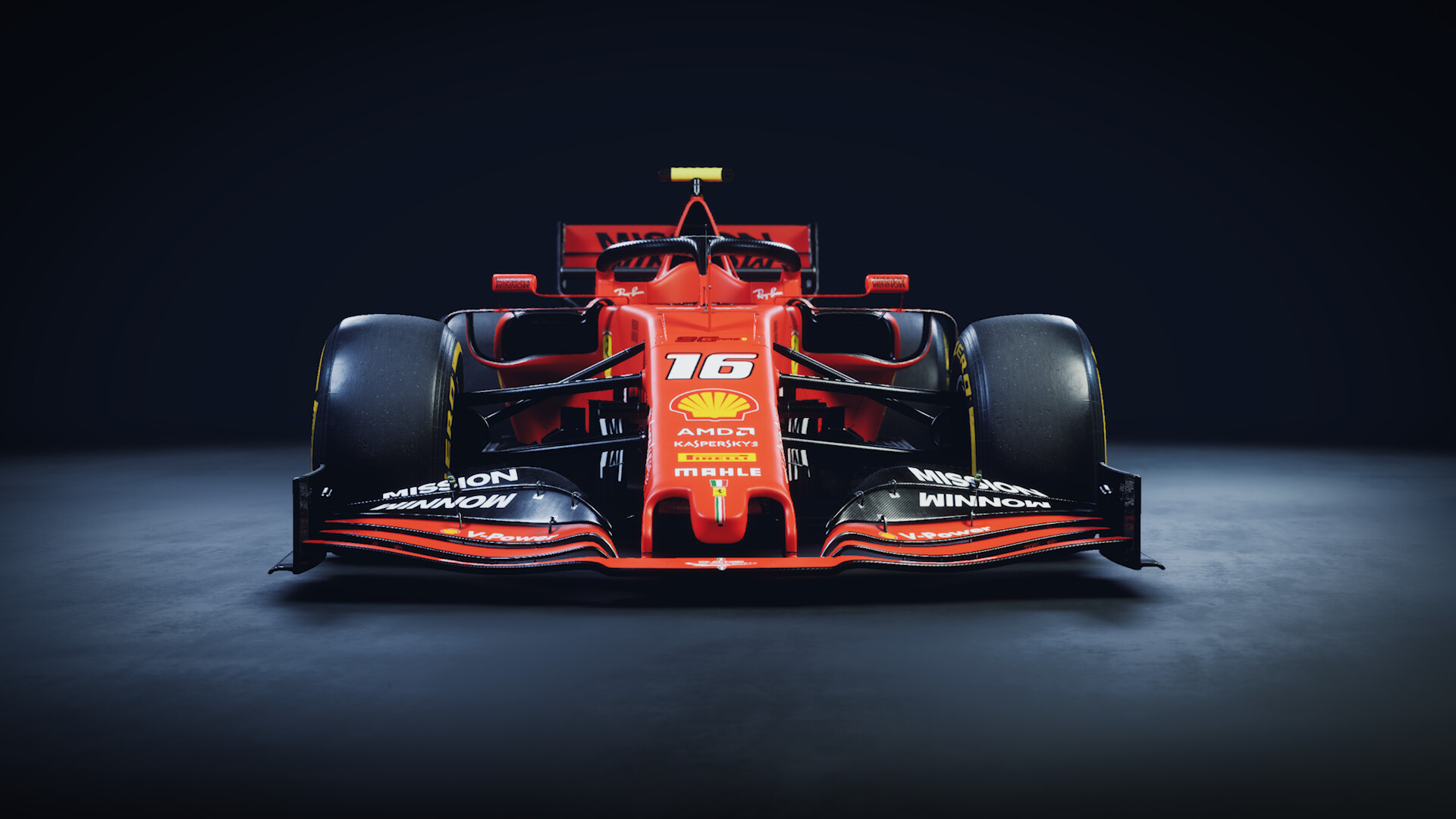
Lush Formula 1 Agrees To Engine Design Change After Criticism Artwork Illustration
A captivating formula 1 agrees to engine design change after criticism scene that brings tranquility and beauty to any device.

Serene Formula 1 Agrees To Engine Design Change After Criticism Moment Art
Transform your screen with this vivid formula 1 agrees to engine design change after criticism artwork, a true masterpiece of digital design.
Detailed Formula 1 Agrees To Engine Design Change After Criticism Picture Collection
Transform your screen with this vivid formula 1 agrees to engine design change after criticism artwork, a true masterpiece of digital design.
Dynamic Formula 1 Agrees To Engine Design Change After Criticism Photo Nature
This gorgeous formula 1 agrees to engine design change after criticism photo offers a breathtaking view, making it a perfect choice for your next wallpaper.
Detailed Formula 1 Agrees To Engine Design Change After Criticism Design Nature
Transform your screen with this vivid formula 1 agrees to engine design change after criticism artwork, a true masterpiece of digital design.
Gorgeous Formula 1 Agrees To Engine Design Change After Criticism Design Nature
Find inspiration with this unique formula 1 agrees to engine design change after criticism illustration, crafted to provide a fresh look for your background.
Vibrant Formula 1 Agrees To Engine Design Change After Criticism Picture for Your Screen
Explore this high-quality formula 1 agrees to engine design change after criticism image, perfect for enhancing your desktop or mobile wallpaper.
Exquisite Formula 1 Agrees To Engine Design Change After Criticism Photo for Mobile
Find inspiration with this unique formula 1 agrees to engine design change after criticism illustration, crafted to provide a fresh look for your background.
Artistic Formula 1 Agrees To Engine Design Change After Criticism Capture in 4K
Find inspiration with this unique formula 1 agrees to engine design change after criticism illustration, crafted to provide a fresh look for your background.

Detailed Formula 1 Agrees To Engine Design Change After Criticism Scene for Desktop
Discover an amazing formula 1 agrees to engine design change after criticism background image, ideal for personalizing your devices with vibrant colors and intricate designs.
Amazing Formula 1 Agrees To Engine Design Change After Criticism Background for Desktop
Transform your screen with this vivid formula 1 agrees to engine design change after criticism artwork, a true masterpiece of digital design.
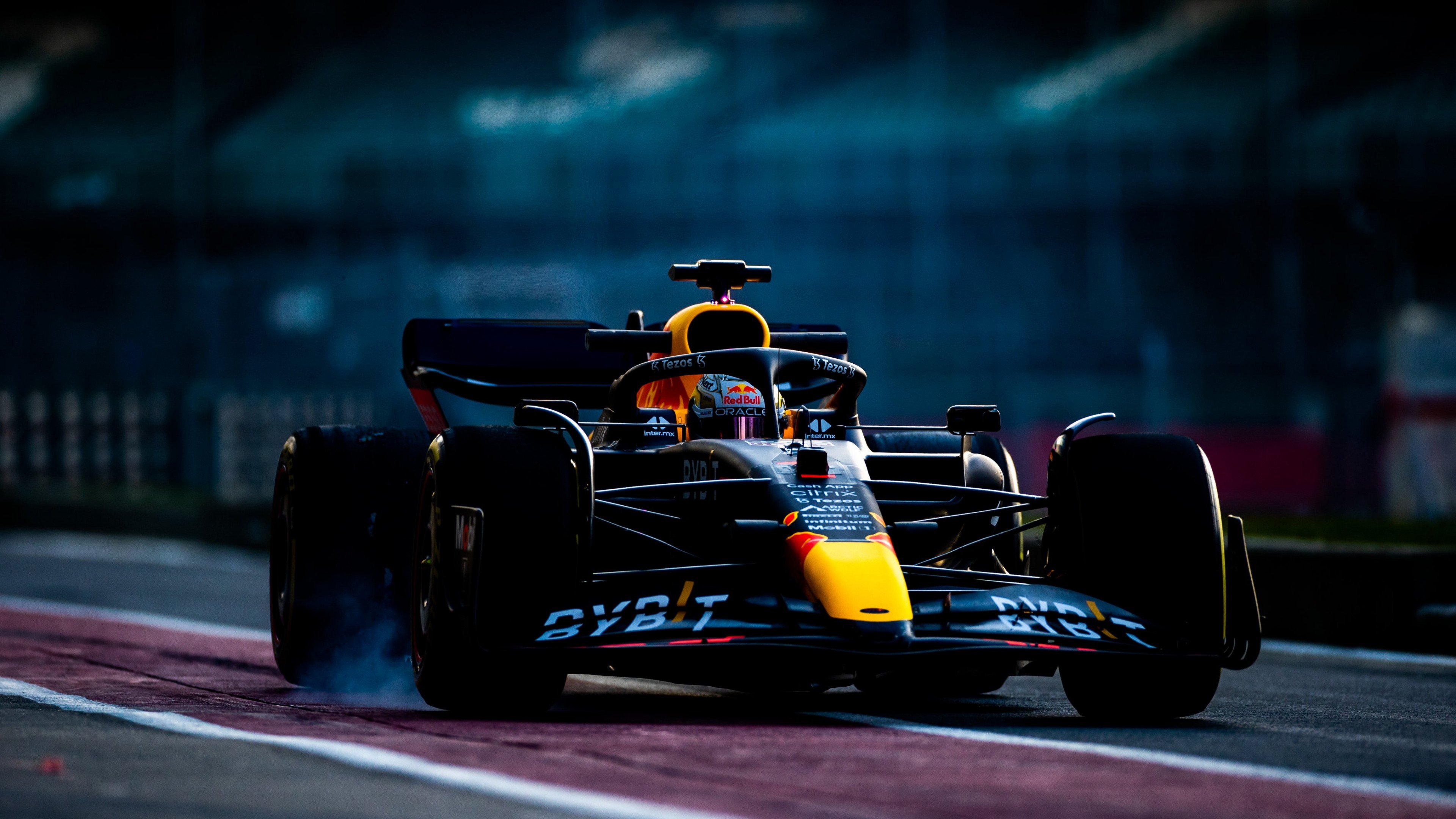
Dynamic Formula 1 Agrees To Engine Design Change After Criticism Photo Art
Find inspiration with this unique formula 1 agrees to engine design change after criticism illustration, crafted to provide a fresh look for your background.

Exquisite Formula 1 Agrees To Engine Design Change After Criticism Background Nature
Find inspiration with this unique formula 1 agrees to engine design change after criticism illustration, crafted to provide a fresh look for your background.
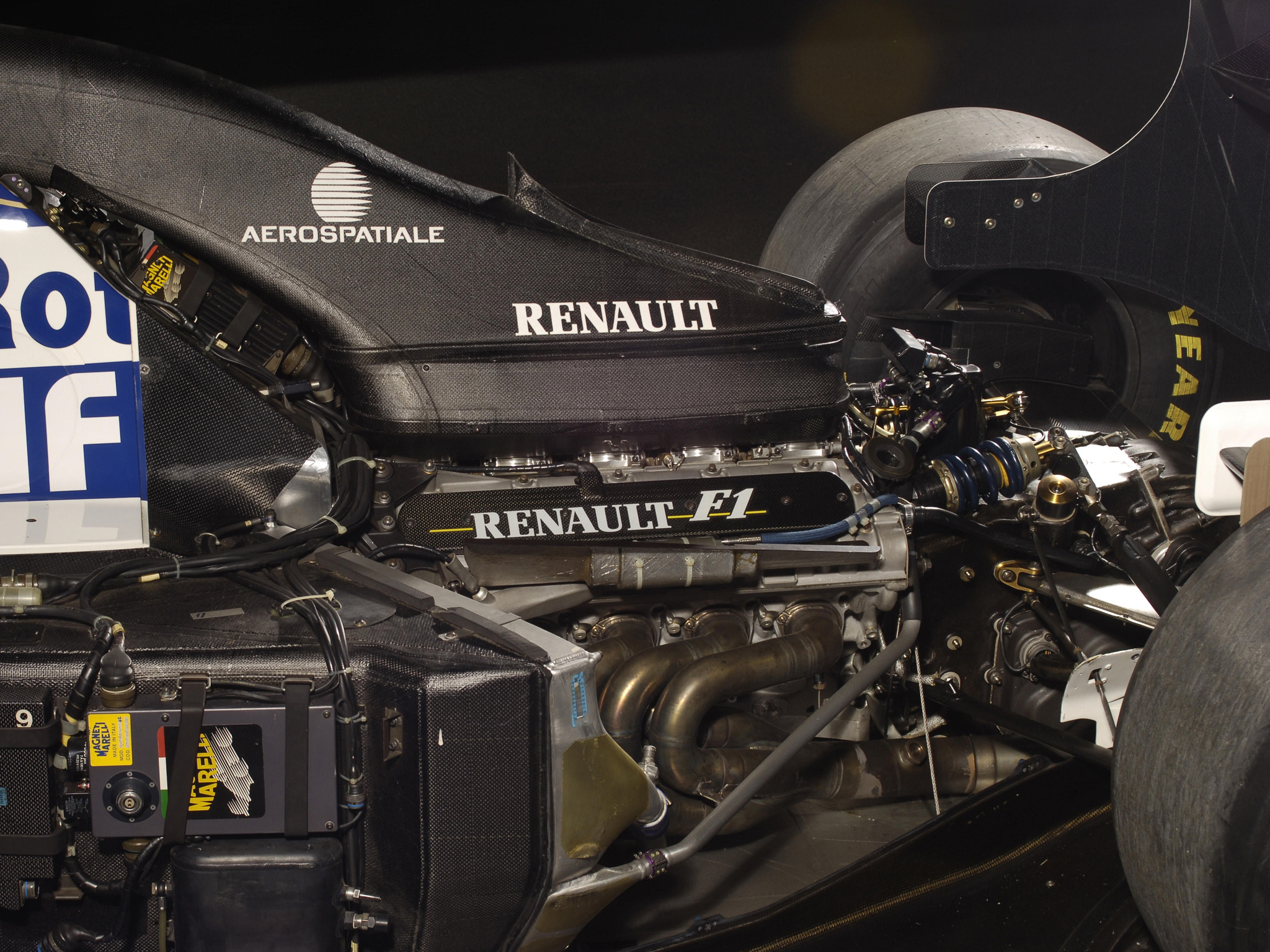
Serene Formula 1 Agrees To Engine Design Change After Criticism Landscape for Your Screen
Discover an amazing formula 1 agrees to engine design change after criticism background image, ideal for personalizing your devices with vibrant colors and intricate designs.
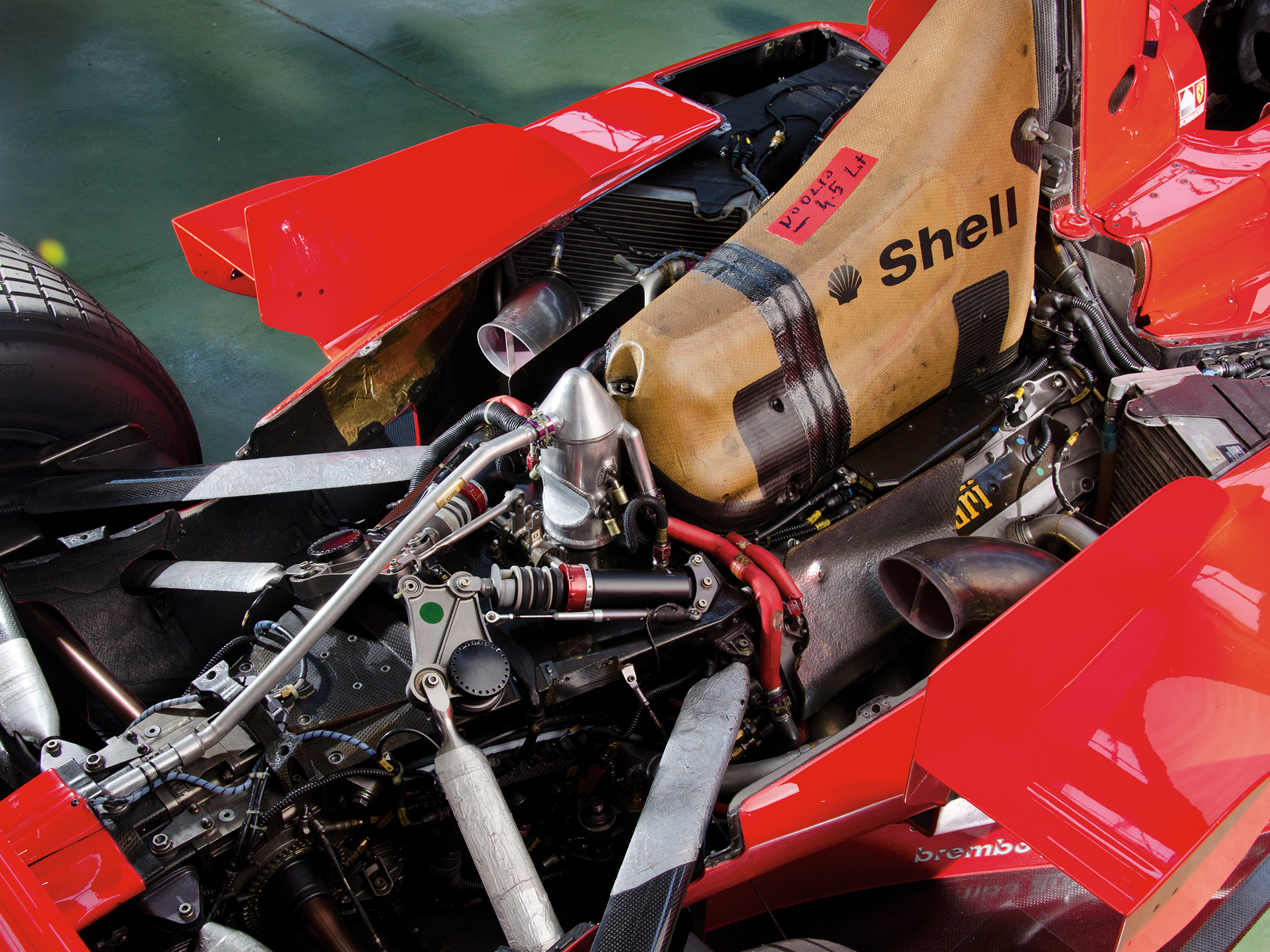
High-Quality Formula 1 Agrees To Engine Design Change After Criticism Scene Art
Transform your screen with this vivid formula 1 agrees to engine design change after criticism artwork, a true masterpiece of digital design.
Download these formula 1 agrees to engine design change after criticism wallpapers for free and use them on your desktop or mobile devices.