France confirms first Ebola case
France Confirms First Ebola Case: Public Health Response and Global Safety Measures
In a developing story that has captured the attention of global health authorities, France has officially confirmed its first case of the Ebola virus within its borders. The French Ministry of Social Affairs and Health issued an urgent statement early this morning, detailing the discovery of the virus in a patient currently being treated under strict isolation protocols. This announcement marks a significant moment for European public health, as the continent remains on high alert for zoonotic diseases and viral outbreaks that have the potential for international spread.
As news of the "France Ebola case" trends worldwide, health experts are emphasizing the importance of calm and adherence to established medical protocols. The patient, whose identity remains protected for privacy reasons, is reported to have recently returned from a region in Central Africa currently experiencing a localized flare-up of the Ebola Virus Disease (EVD). Upon showing symptoms consistent with the virus, the individual was immediately transported to a specialized high-security infectious disease unit in Paris.
Detailed Overview of the Confirmed Case in France
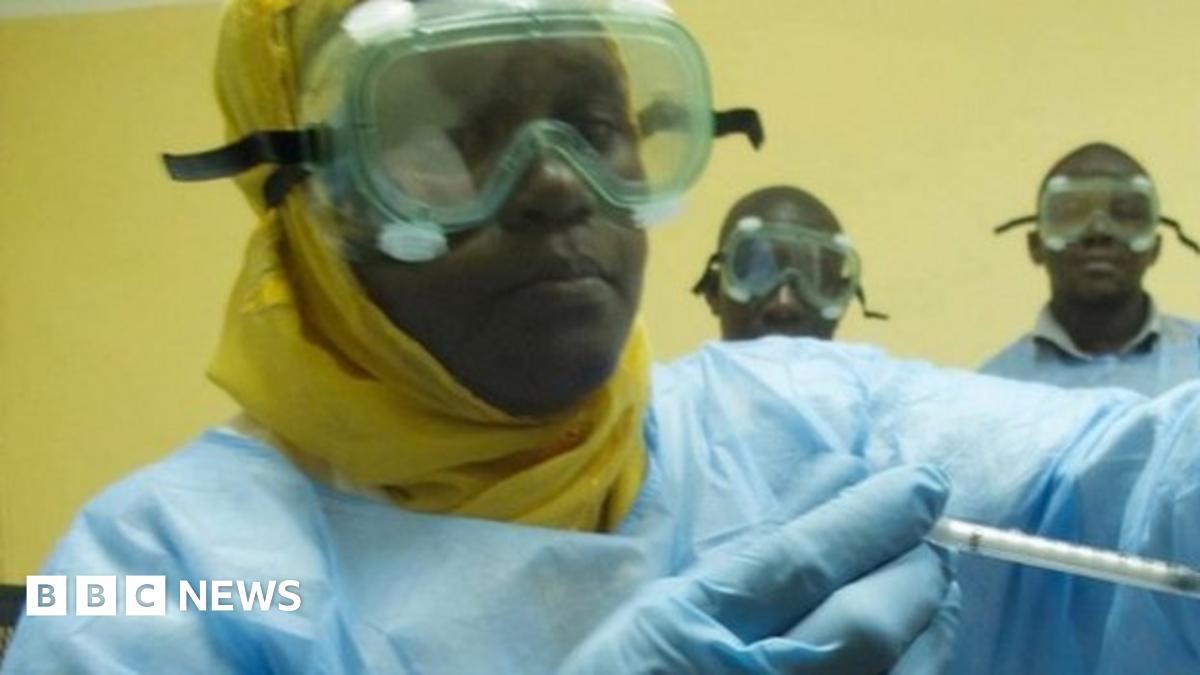
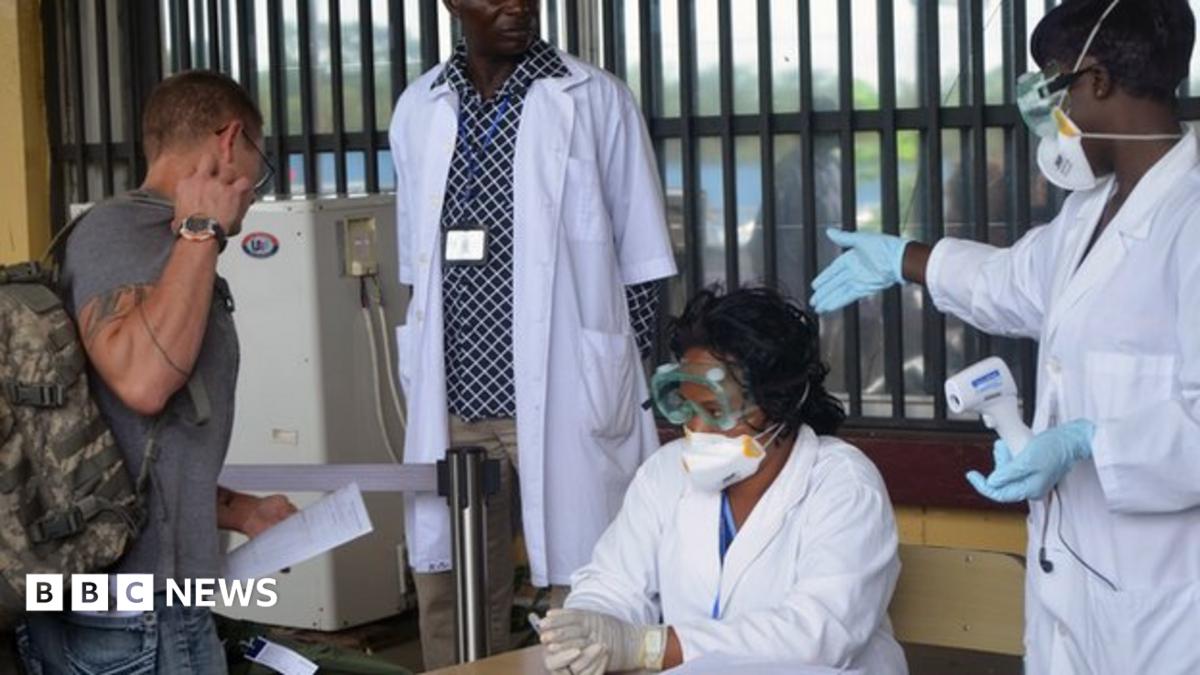
The confirmation came after rigorous testing conducted by the Institut Pasteur, which serves as a reference center for viral hemorrhagic fevers. According to the preliminary reports, the patient began exhibiting a high fever, muscle pain, and severe headaches—classic early indicators of an Ebola infection. Because the patient had a documented history of travel to an affected region, French medical staff were able to implement "Level 4" bio-containment measures before the diagnosis was even finalized.
Government officials have been quick to reassure the public that the risk of a widespread outbreak within France remains extremely low. The French healthcare system is renowned for its robust infrastructure and specialized training in managing highly infectious agents. Contact tracing is currently underway, with health investigators identifying every individual who may have come into close contact with the patient during their transit and arrival in the country.
What is Ebola Virus Disease (EVD)?
Ebola Virus Disease, formerly known as Ebola hemorrhagic fever, is a severe and often fatal illness in humans. The virus is transmitted to people from wild animals (such as fruit bats, porcupines, and non-human primates) and then spreads in the human population through direct contact with the blood, secretions, organs, or other bodily fluids of infected people, and with surfaces and materials (e.g., bedding, clothing) contaminated with these fluids.
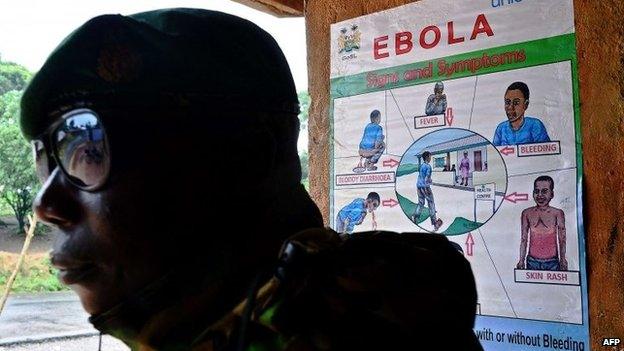
The incubation period—the interval from infection with the virus to the onset of symptoms—is 2 to 21 days. Humans are not infectious until they develop symptoms. The first symptoms are the sudden onset of fever, fatigue, muscle pain, headache, and sore throat. This is followed by vomiting, diarrhea, rash, symptoms of impaired kidney and liver function, and in some cases, both internal and external bleeding.
Transmission Dynamics and Risks
Understanding how Ebola spreads is crucial for preventing panic. Unlike the flu or COVID-19, Ebola is not known to be airborne. It requires direct contact with infected fluids. This means that the general public in France is at minimal risk unless they have had direct physical contact with the symptomatic patient or their immediate environment. The French health authorities have focused their efforts on the "ring vaccination" strategy and isolation to prevent any secondary transmission.
| Fitur/Aspek | Deskripsi |
|---|---|
| Virus Strain | Zaire ebolavirus (suspected) |
| Location of Isolation | Bichat–Claude Bernard Hospital, Paris |
| Patient Origin | Recently returned traveler from Central Africa |
| Public Risk Level | Very Low (contained environment) |
| Primary Symptoms | High fever, fatigue, and gastrointestinal distress |
| Government Response | Immediate quarantine and contact tracing initiated |
France's Public Health Preparedness and Response
France has one of the world’s most sophisticated medical response systems for infectious diseases. Following the massive West African Ebola outbreak of 2014-2016, the European Union significantly bolstered its "REACH" protocols for dealing with imported cases of viral fevers. The Bichat–Claude Bernard Hospital in Paris, where the patient is currently housed, features negative-pressure rooms and specialized air filtration systems designed specifically to prevent the escape of pathogens.
The Minister of Health stated in a televised address, "Our medical teams are trained for this exact scenario. We have the technology, the vaccines, and the isolation capabilities to ensure this remains a single, isolated case. There is no need for a change in daily routines for the citizens of France."
Vaccination and Treatment Breakthroughs
One of the reasons the medical community is more optimistic today than a decade ago is the availability of the Ervebo vaccine. This vaccine has been shown to be highly effective in preventing the spread of the Zaire strain of Ebola. Additionally, new monoclonal antibody treatments, such as Ebanga and Inmazeb, have significantly reduced the mortality rate for those already infected, provided the treatment begins early in the course of the disease.
Global Implications and Travel Advisories
The World Health Organization (WHO) has been notified of the case in France, as per the International Health Regulations. While no travel bans have been implemented, the WHO and the European Centre for Disease Prevention and Control (ECDC) are monitoring the situation closely. Travelers to and from regions in Africa known for Ebola activity are being advised to practice strict hygiene and monitor their health for 21 days upon arrival in Europe.
This case serves as a stark reminder of the interconnectedness of our modern world. A virus in a remote village can reach a major global capital in less than 24 hours via air travel. This necessitates ongoing investment in global health surveillance and support for healthcare systems in regions where these viruses are endemic.
A Brief History of Ebola Outbreaks
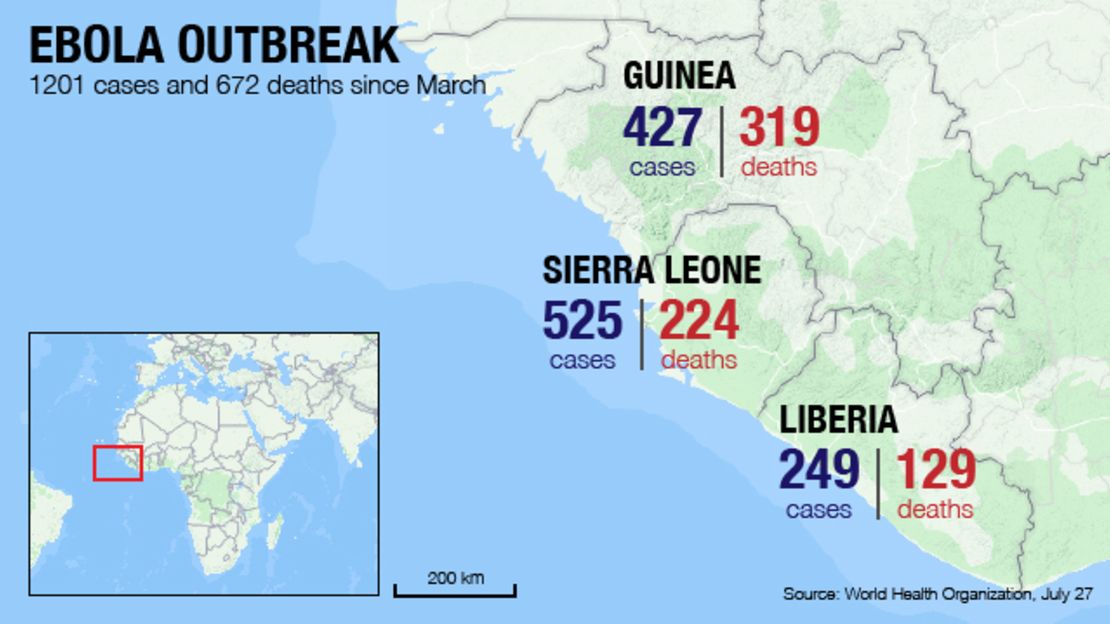
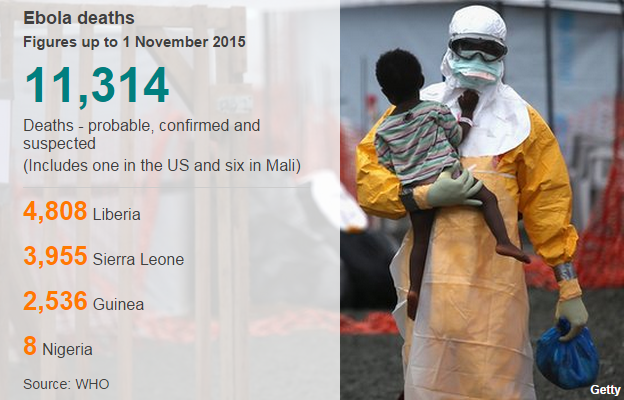
To understand the gravity of the current situation, it is helpful to look at the history of Ebola. First discovered in 1976 near the Ebola River in what is now the Democratic Republic of the Congo, the virus has caused periodic outbreaks. The most devastating was the 2014–2016 outbreak in West Africa, which resulted in over 11,000 deaths. Since then, the medical world has shifted from a reactive stance to a proactive one, developing rapid diagnostic tests and stockpiling vaccines.
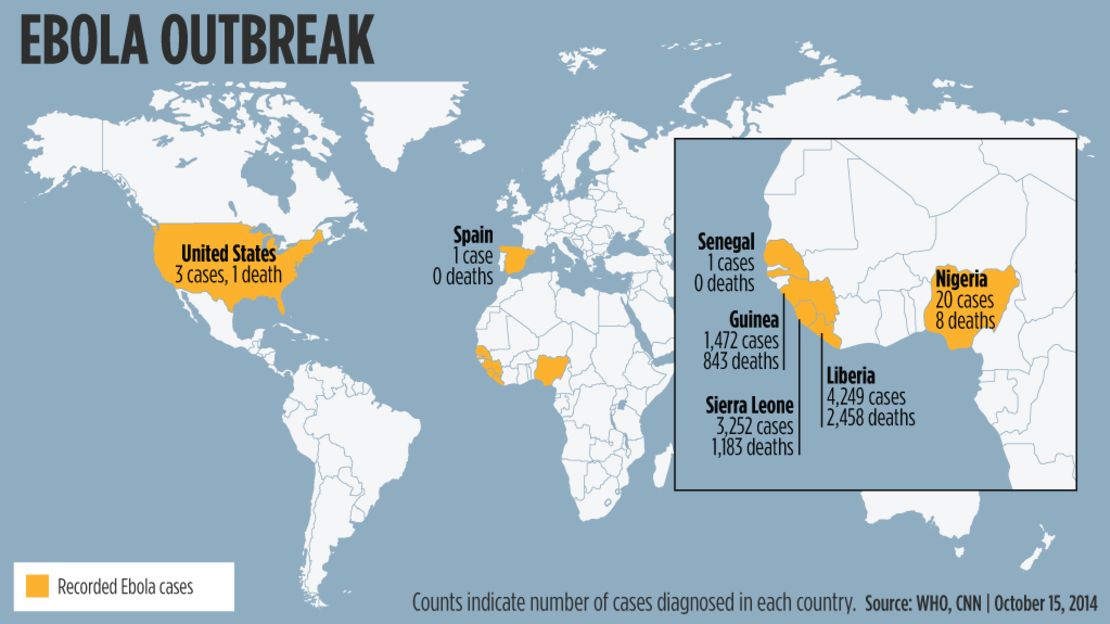
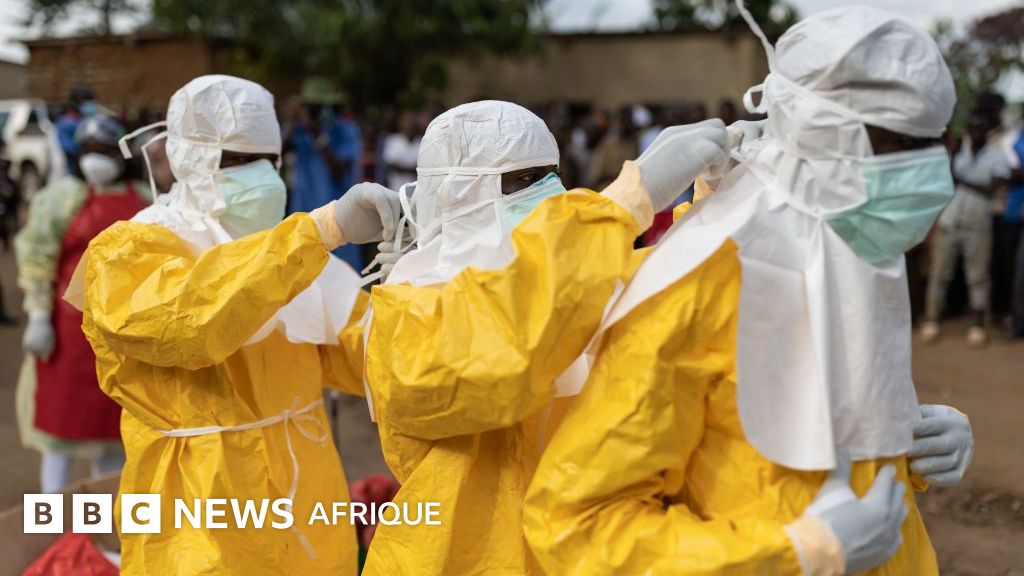
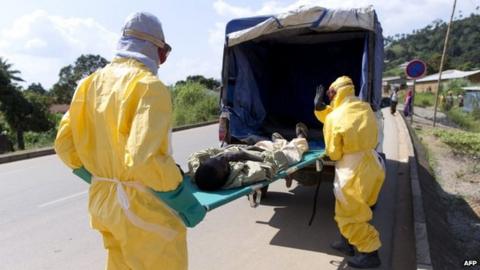
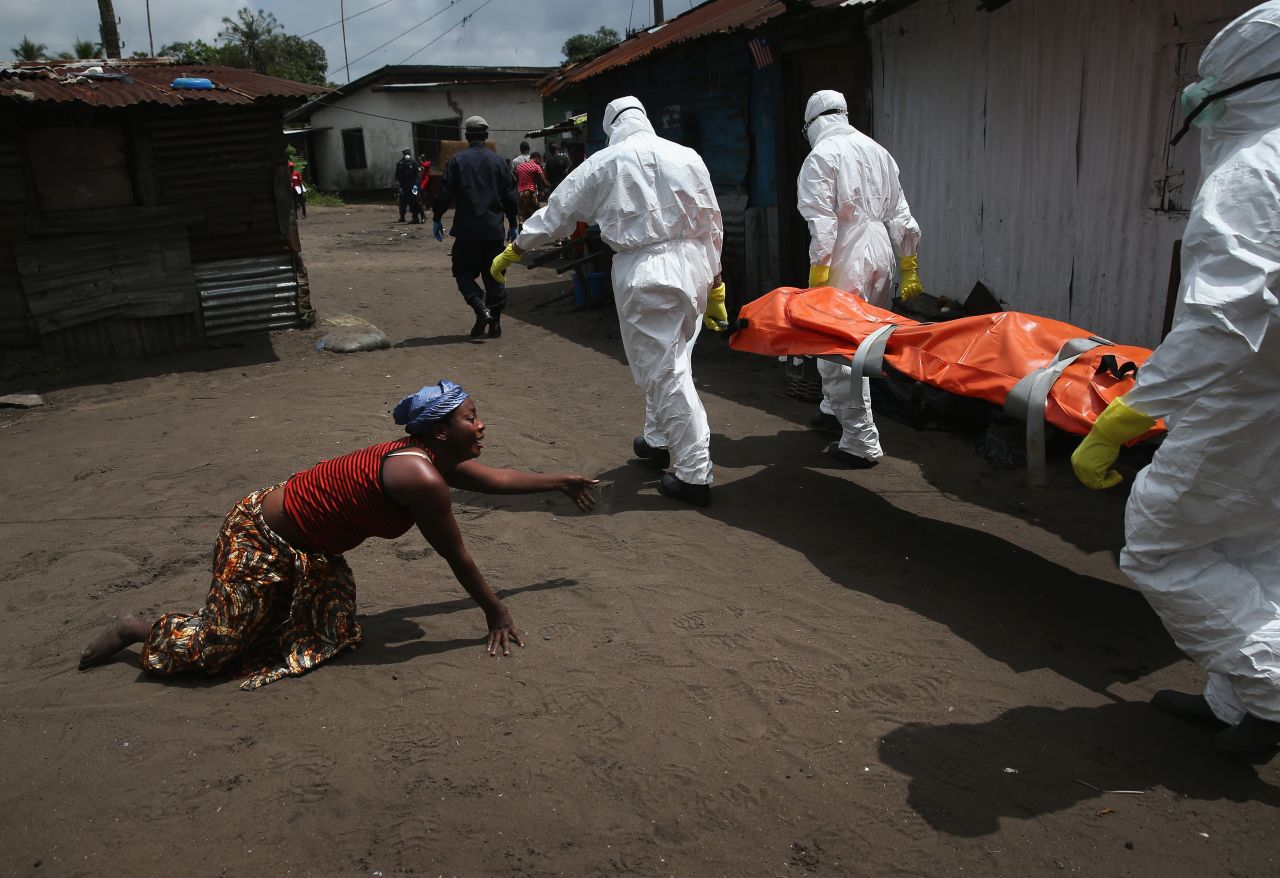
Previous "imported" cases in the US, UK, and Spain during the 2014 crisis showed that while the virus is deadly, it can be contained in high-resource settings through rigorous adherence to PPE (Personal Protective Equipment) and sterilization protocols.
Preventative Measures for the General Public
While the risk to the average person in France is minimal, health literacy is the best defense against panic. Health experts recommend the following:
- Practice Hand Hygiene: Regular handwashing with soap and water or alcohol-based sanitizers.
- Avoid Contact with Sick Individuals: If someone shows symptoms of high fever and has recently traveled to high-risk areas, contact emergency services immediately rather than visiting them.
- Stay Informed: Rely on official sources like the Ministry of Health or the WHO rather than social media rumors.
- Food Safety: In endemic regions, avoid the consumption of "bushmeat" and ensure all animal products are thoroughly cooked.
The Economic and Social Impact of a Single Case
The confirmation of an Ebola case often triggers a ripple effect through the economy, particularly in the tourism and transport sectors. Stocks for major European airlines may see slight fluctuations as investors weigh the potential for travel restrictions. However, history shows that if a case is successfully contained, the economic impact remains negligible. Socially, the challenge lies in preventing the stigmatization of travelers coming from Africa, emphasizing that the virus is a biological threat, not a geographic or racial one.
The Science of Viral Hemorrhagic Fevers
Ebola belongs to the Filoviridae family. Its structure is unique—a long, thread-like filament that invades the host's immune system by "hiding" within cells and then systematically breaking down the vascular system. This leads to the characteristic internal bleeding. Modern research is currently looking into how the virus persists in certain "sanctuary sites" in the body, such as the eyes or central nervous system, even after a patient has recovered from the initial acute phase.
Future Outlook: Is a Pandemic Likely?
The short answer from virologists is: No. Ebola’s high mortality rate and its mode of transmission (requiring direct contact with fluids) actually make it a "poor" candidate for a global pandemic compared to respiratory viruses like the flu. Because victims become incapacitated quickly, the window for them to move around and infect others is small. France’s quick response in isolating the patient further decreases any chance of a wider outbreak.
Conclusion
The confirmation of the first Ebola case in France is a serious medical event that requires vigilance, but it is not a cause for national panic. The French healthcare system has demonstrated its readiness by identifying, isolating, and treating the patient within hours of their symptomatic onset. As we move forward, the focus remains on contact tracing and ensuring the patient receives the best possible care with the latest medical advancements.
This incident reinforces the need for global cooperation in health. By supporting health initiatives in Africa and maintaining high-alert systems in Europe, we can manage these rare but dangerous pathogens. France is currently showing the world how a prepared nation handles a potential biological crisis: with transparency, expert medical intervention, and a focus on public safety.
Frequently Asked Questions (FAQ)
1. Is Ebola as contagious as COVID-19?
No. Ebola is not airborne. You cannot catch it by breathing the same air as an infected person. It requires direct contact with infected bodily fluids (blood, sweat, saliva, etc.).
2. Can I still travel to France?
Yes. There are currently no travel restrictions or warnings for France due to this single case. The situation is contained within a high-security hospital environment.
3. Is there a cure for Ebola?
While there is no "instant cure," recent developments in monoclonal antibody treatments have vastly improved survival rates. Early supportive care (rehydration and symptom management) also significantly increases the chances of recovery.
4. What should I do if I think I was exposed?
If you have recently traveled to a region with an active Ebola outbreak and develop a fever, do not go to a pharmacy or a standard clinic. Call the emergency health services line (such as 15 in France) and inform them of your travel history so they can arrange for safe transport.
Disclaimer: This article is based on trending news reports and general medical knowledge regarding Ebola Virus Disease. Always consult the official websites of the French Ministry of Health or the World Health Organization for the most up-to-date and specific instructions.
France confirms first Ebola case
France confirms first Ebola case Wallpapers
Collection of france confirms first ebola case wallpapers for your desktop and mobile devices.

Exquisite France Confirms First Ebola Case Wallpaper in HD
This gorgeous france confirms first ebola case photo offers a breathtaking view, making it a perfect choice for your next wallpaper.
Amazing France Confirms First Ebola Case View Art
Transform your screen with this vivid france confirms first ebola case artwork, a true masterpiece of digital design.
Beautiful France Confirms First Ebola Case Wallpaper Concept
Transform your screen with this vivid france confirms first ebola case artwork, a true masterpiece of digital design.
Detailed France Confirms First Ebola Case Photo Nature
Transform your screen with this vivid france confirms first ebola case artwork, a true masterpiece of digital design.
High-Quality France Confirms First Ebola Case View in HD
Explore this high-quality france confirms first ebola case image, perfect for enhancing your desktop or mobile wallpaper.
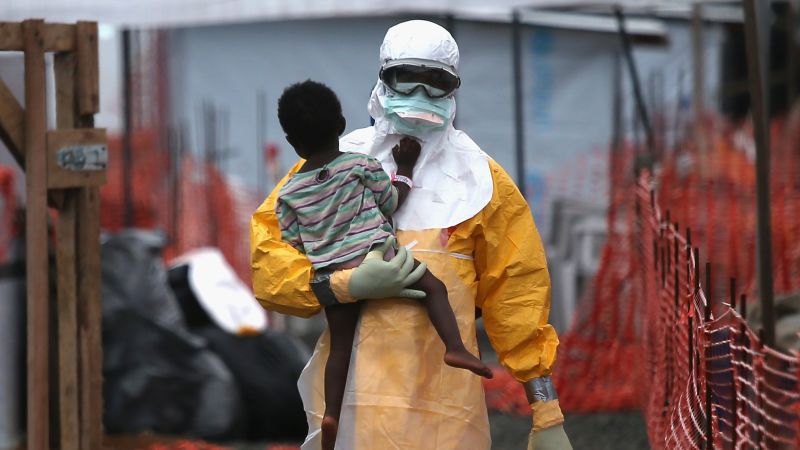
Vivid France Confirms First Ebola Case Artwork Photography
Explore this high-quality france confirms first ebola case image, perfect for enhancing your desktop or mobile wallpaper.
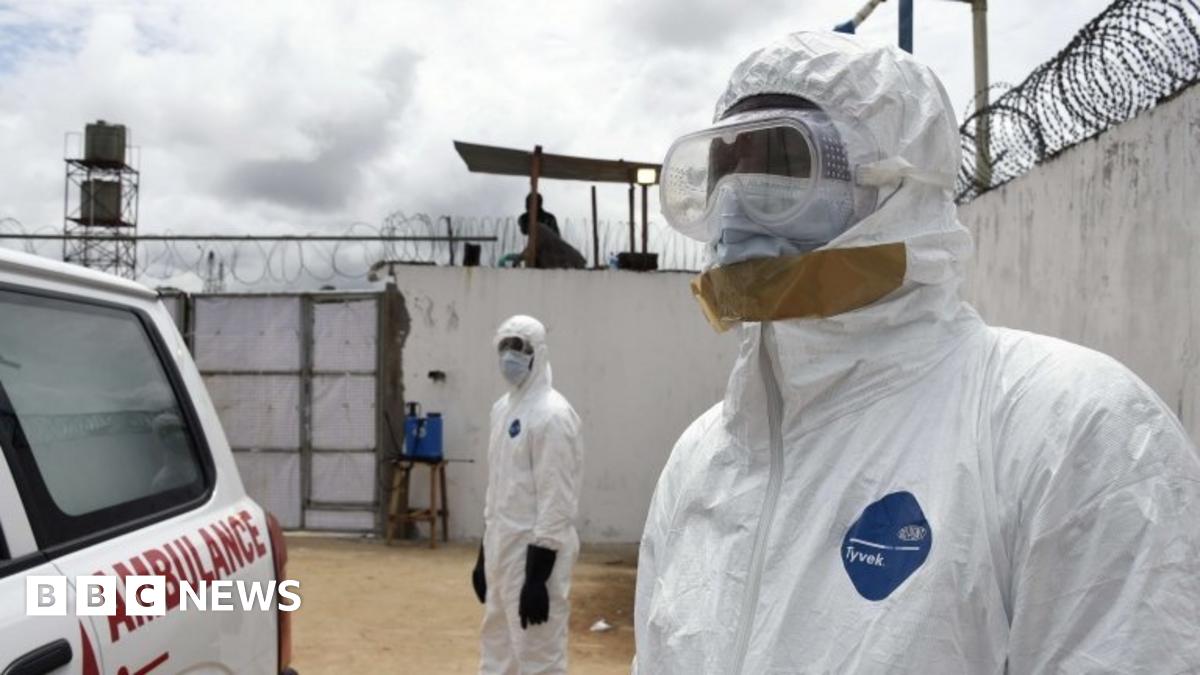
Breathtaking France Confirms First Ebola Case Abstract Illustration
Transform your screen with this vivid france confirms first ebola case artwork, a true masterpiece of digital design.
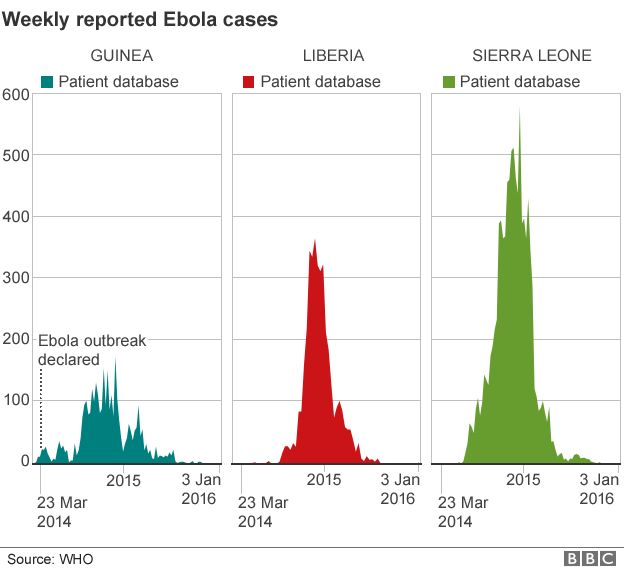
Vivid France Confirms First Ebola Case Picture Concept
Discover an amazing france confirms first ebola case background image, ideal for personalizing your devices with vibrant colors and intricate designs.
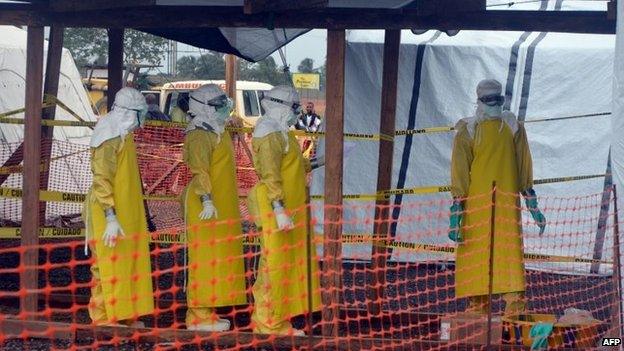
Vivid France Confirms First Ebola Case Artwork in 4K
Explore this high-quality france confirms first ebola case image, perfect for enhancing your desktop or mobile wallpaper.
Captivating France Confirms First Ebola Case Scene Illustration
This gorgeous france confirms first ebola case photo offers a breathtaking view, making it a perfect choice for your next wallpaper.

Gorgeous France Confirms First Ebola Case Picture Concept
Immerse yourself in the stunning details of this beautiful france confirms first ebola case wallpaper, designed for a captivating visual experience.

Beautiful France Confirms First Ebola Case Landscape for Mobile
Explore this high-quality france confirms first ebola case image, perfect for enhancing your desktop or mobile wallpaper.
Vivid France Confirms First Ebola Case Abstract Illustration
Transform your screen with this vivid france confirms first ebola case artwork, a true masterpiece of digital design.
Spectacular France Confirms First Ebola Case Landscape for Your Screen
A captivating france confirms first ebola case scene that brings tranquility and beauty to any device.
Mesmerizing France Confirms First Ebola Case Design Digital Art
Transform your screen with this vivid france confirms first ebola case artwork, a true masterpiece of digital design.

High-Quality France Confirms First Ebola Case Artwork Art
Transform your screen with this vivid france confirms first ebola case artwork, a true masterpiece of digital design.
Beautiful France Confirms First Ebola Case View for Your Screen
Transform your screen with this vivid france confirms first ebola case artwork, a true masterpiece of digital design.

Captivating France Confirms First Ebola Case Moment for Mobile
A captivating france confirms first ebola case scene that brings tranquility and beauty to any device.
High-Quality France Confirms First Ebola Case Scene Illustration
Explore this high-quality france confirms first ebola case image, perfect for enhancing your desktop or mobile wallpaper.
Dynamic France Confirms First Ebola Case View Illustration
Find inspiration with this unique france confirms first ebola case illustration, crafted to provide a fresh look for your background.
Download these france confirms first ebola case wallpapers for free and use them on your desktop or mobile devices.