Stop Treating South Africans Like Criminals for Demanding That the Law Be Enforced
Stop Treating South Africans Like Criminals for Demanding That the Law Be Enforced
In recent years, a troubling narrative has taken hold in South Africa—one that seeks to vilify ordinary citizens who voice their concerns about the breakdown of the rule of law. From issues regarding border security and illegal immigration to the proliferation of informal economies and rising crime rates, South Africans are increasingly standing up to demand that the laws already on the books be strictly and fairly enforced. However, instead of finding an ally in the state or the media, many of these voices are being met with labels like "xenophobic," "vigilante," or even "criminal." It is time to shift the conversation and recognize that the demand for law and order is not an act of aggression; it is a fundamental right of citizenship in a constitutional democracy.
The Growing Divide Between Citizen Concerns and State Action
The primary duty of any sovereign state is to protect its borders and ensure the safety and well-being of its citizens. In South Africa, this social contract appears to be fraying at the edges. For decades, the South African public has been remarkably patient, navigating the complexities of a post-apartheid landscape while dealing with high levels of inequality and unemployment. However, that patience is wearing thin as the lack of law enforcement becomes impossible to ignore.
When citizens point out that the Immigration Act is being flouted, or that building codes are being ignored in inner cities, they are often gaslighted by political elites. The frustration stems from a perceived double standard: law-abiding, tax-paying citizens are held to the highest standards of the law, while those who bypass legal channels—whether in business or residency—often do so with impunity. Demanding that the South African Police Service (SAPS) and the Department of Home Affairs do their jobs is not an act of criminality; it is an act of civic duty.
The Mislabeling of Civil Concerns: Law Enforcement vs. Xenophobia
One of the most effective ways to silence legitimate grievances in South Africa is to brand them as "xenophobic." While there is no doubt that violence against foreign nationals is unacceptable and must be condemned, it is intellectually dishonest to equate every demand for border control with hatred of foreigners. By conflating the two, the government and certain NGOs effectively shut down necessary debates about national security and economic stability.
The reality is that many South Africans living in townships and hijacked urban centers are the first to feel the impact of a lawless environment. When the state fails to regulate who enters the country and how businesses are operated, the burden falls on the poorest of the poor. These citizens are not demanding a "purge"; they are demanding a system where everyone—regardless of their country of origin—operates within the framework of the law. Treating these concerned residents like criminals or bigots only serves to push them further away from mainstream political discourse, potentially fueling the very radicalism the state claims to fear.
| Key Issue / Aspect | Description & Community Demand |
|---|---|
| Border Security | Demanding the effective functioning of the Border Management Authority (BMA) to stop illegal crossings. |
| Business Compliance | Ensuring all spaza shops and informal traders are registered and comply with health and safety regulations. |
| Documentation | Requiring Home Affairs to verify the status of all residents to ensure the integrity of the national population register. |
| Police Accountability | Calling for an end to bribery and corruption within the SAPS that allows criminals to evade justice. |
Immigration and the Economic Strain: A Legal Perspective
South Africa’s economic challenges are well-documented, with unemployment rates consistently among the highest in the world. In this context, the enforcement of labor laws and immigration quotas becomes a matter of survival for many. The law dictates that employers should prioritize local labor and follow specific procedures when hiring foreign nationals. When these laws are ignored, it creates a "race to the bottom" regarding wages and working conditions.
Furthermore, the strain on public infrastructure—clinics, schools, and housing—cannot be ignored. These services are planned based on census data and legal population statistics. When there is a massive influx of undocumented individuals, the system becomes overwhelmed, leading to a decline in the quality of service for everyone. Citizens who highlight these logistical realities are often accused of being "un-African," but the truth is that no country on earth can sustain an indefinite number of residents without a legal and documented framework. Demanding that the government uphold its own constitutional obligations to its citizens is a rational, legal stance.
The Role of Informal Economies and Public Health
Recent tragedies involving contaminated food products sold in unregulated informal shops have brought the issue of law enforcement back into the spotlight. For years, communities have asked for stricter inspections of spaza shops and small-scale wholesalers. When these requests were ignored, some groups took it upon themselves to "inspect" businesses—an act that was immediately labeled as vigilantism.
While the state is correct that citizens should not take the law into their own hands, the state must also acknowledge that its own failure to provide safety and regulation created the vacuum in the first place. If the health department and municipal authorities were consistently enforcing bylaws, there would be no reason for citizen-led "raids." The focus should not be on punishing the frustrated citizen, but on fixing the broken enforcement mechanisms that put public health at risk.
The Criminalization of Protest and Public Discourse
In many instances, when South Africans organize to protest the lack of law enforcement, they are met with a heavy-handed response from the police. There is a palpable irony in the fact that peaceful citizens demanding the arrest of actual criminals are often the ones who end up in the back of a police van. This "criminalization of concern" is a dangerous trend that stifles democratic participation.
Political leaders often use inflammatory language to describe these movements, suggesting they are a threat to democracy. On the contrary, a democracy is only as strong as its laws. When the law is applied selectively, or not at all, the democracy itself is in peril. The people of South Africa are not asking for a new set of rules; they are asking for the existing ones—the ones they voted for and the ones enshrined in the Constitution—to be respected by the government and everyone within the country’s borders.
Media Perception vs. Ground Reality
The role of the media in shaping this narrative cannot be overlooked. International and local news outlets often focus on the sensational aspects of community movements, highlighting the most extreme voices while ignoring the thousands of everyday mothers, fathers, and workers who are simply tired of living in fear. By framing the issue as "South Africans vs. Foreigners," the media overlooks the actual conflict: "Citizens vs. State Failure."
A professional and objective media should be investigating why the borders are porous, why Home Affairs is dysfunctional, and why the police are often seen as complicit in crime. Instead, by focusing on the "intolerance" of the people, they provide a shield for the government to hide behind. It is time for a more nuanced approach that centers on the rule of law as the primary solution to social friction.
FAQ: Understanding the Call for Law Enforcement
No, it is not illegal for citizens to request that the state perform its duties. However, citizens do not have the legal authority to force individuals to produce documentation themselves; that is the role of the SAPS and Home Affairs officials.
2. Why is the term 'xenophobia' often used in this context?The term is often used because some protests have unfortunately turned violent in the past. However, critics argue the label is now being used broadly to delegitimize any discussion regarding border security or the enforcement of immigration laws.
3. What can citizens do legally to ensure the law is enforced?Citizens can engage in peaceful protests, petition their local ward counselors, join community policing forums (CPFs), and use legal channels to report non-compliance in businesses or housing. The goal is to put pressure on the state to fulfill its mandate.
4. How does undocumented migration affect the South African economy?Undocumented migration can lead to an increase in the informal labor market, where workers are exploited for low wages, which in turn can depress wages for local citizens and reduce the tax base required for public services.
Conclusion: Restoring the Rule of Law
South Africans are not the villains in this story. They are a people who have endured much and are now asking for the most basic of democratic guarantees: the rule of law. To treat them as criminals for demanding that the state do its job is a reversal of justice that only serves to deepen the divisions in society. The government must stop deflecting blame and start addressing the systemic failures that have allowed lawlessness to flourish.
Enforcing the law is not an act of hate; it is an act of preservation. It preserves the economy, it preserves public health, and most importantly, it preserves the integrity of the South African state. If the government wants to end the rise of community-led "enforcement" movements, the solution is simple: they must enforce the law themselves. Until then, South Africans will continue to raise their voices, not out of malice, but out of a desperate need for a functional, safe, and lawful country for everyone who lives in it.
Stop Treating South Africans Like Criminals for Demanding That the Law Be Enforced
Stop Treating South Africans Like Criminals for Demanding That the Law Be Enforced Wallpapers
Collection of stop treating south africans like criminals for demanding that the law be enforced wallpapers for your desktop and mobile devices.
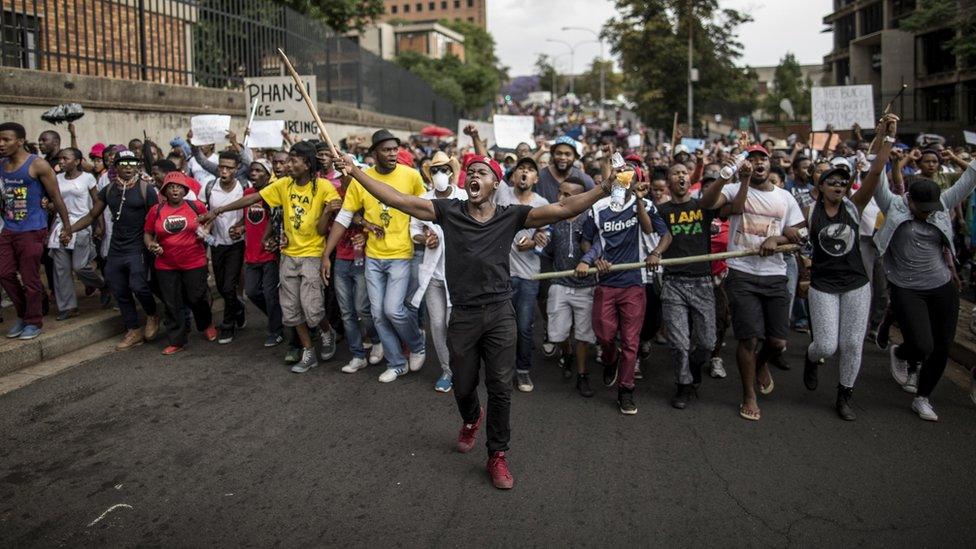
Exquisite Stop Treating South Africans Like Criminals For Demanding That The Law Be Enforced Artwork Digital Art
This gorgeous stop treating south africans like criminals for demanding that the law be enforced photo offers a breathtaking view, making it a perfect choice for your next wallpaper.
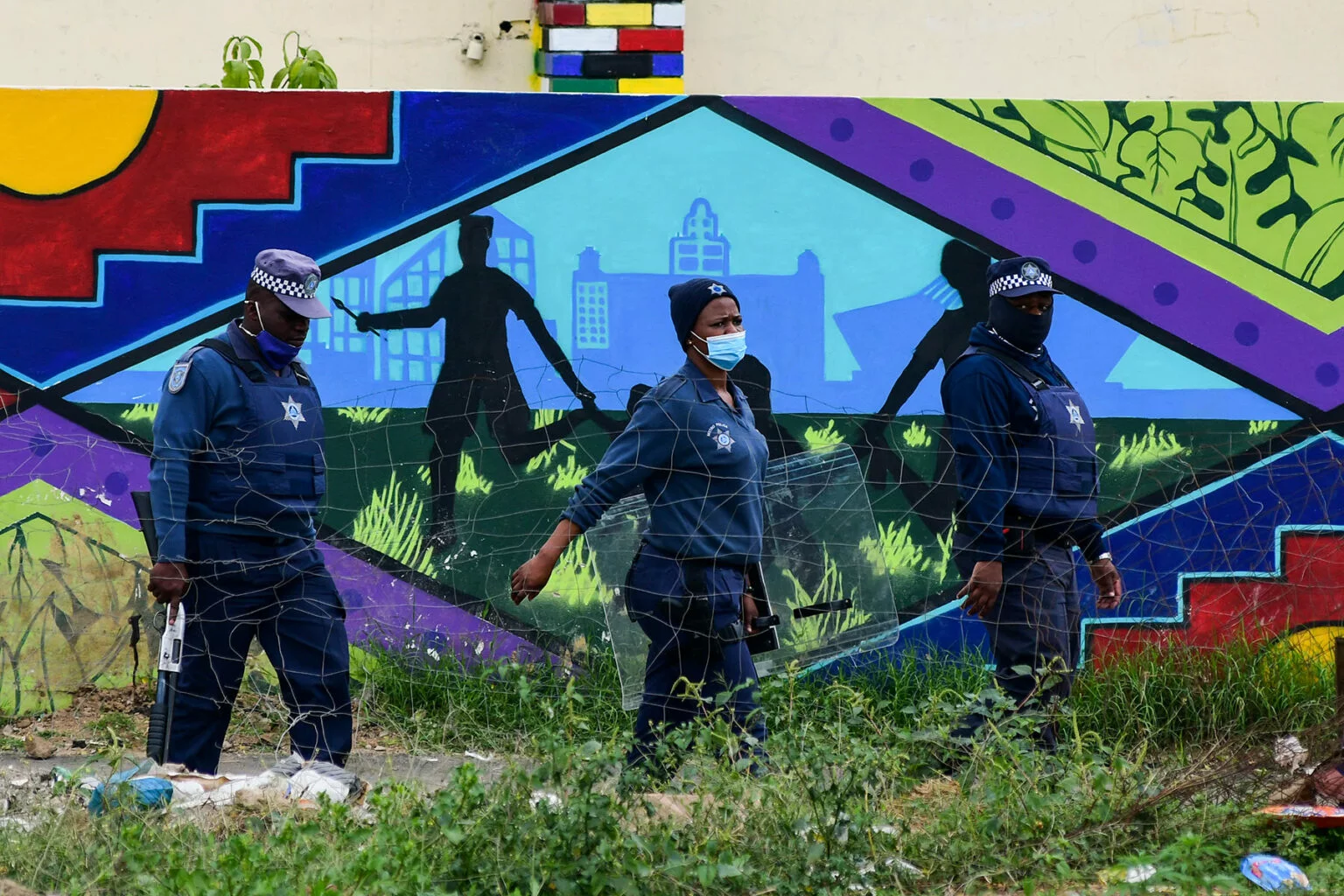
Vivid Stop Treating South Africans Like Criminals For Demanding That The Law Be Enforced Picture Photography
Explore this high-quality stop treating south africans like criminals for demanding that the law be enforced image, perfect for enhancing your desktop or mobile wallpaper.

Beautiful Stop Treating South Africans Like Criminals For Demanding That The Law Be Enforced Abstract Art
Transform your screen with this vivid stop treating south africans like criminals for demanding that the law be enforced artwork, a true masterpiece of digital design.
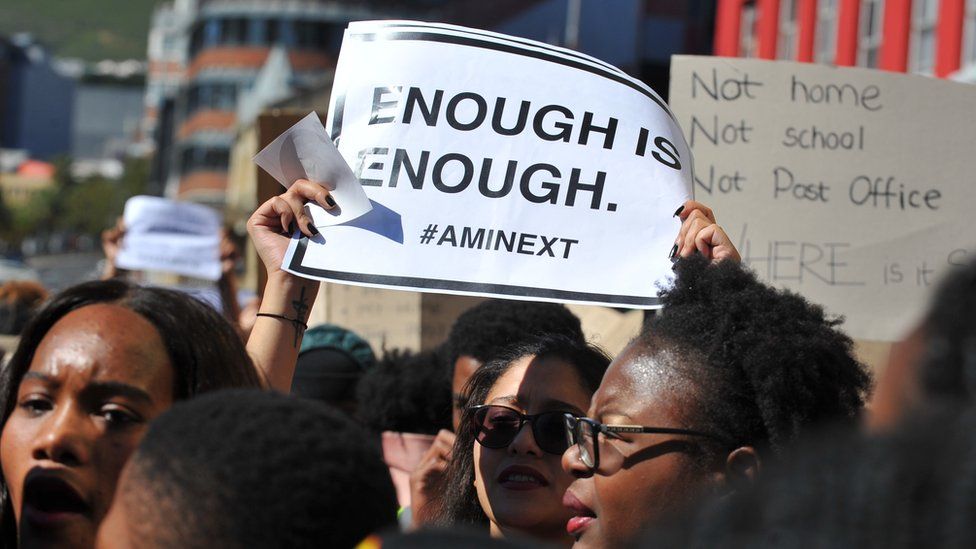
High-Quality Stop Treating South Africans Like Criminals For Demanding That The Law Be Enforced Scene in 4K
Discover an amazing stop treating south africans like criminals for demanding that the law be enforced background image, ideal for personalizing your devices with vibrant colors and intricate designs.

Amazing Stop Treating South Africans Like Criminals For Demanding That The Law Be Enforced Background Digital Art
Explore this high-quality stop treating south africans like criminals for demanding that the law be enforced image, perfect for enhancing your desktop or mobile wallpaper.
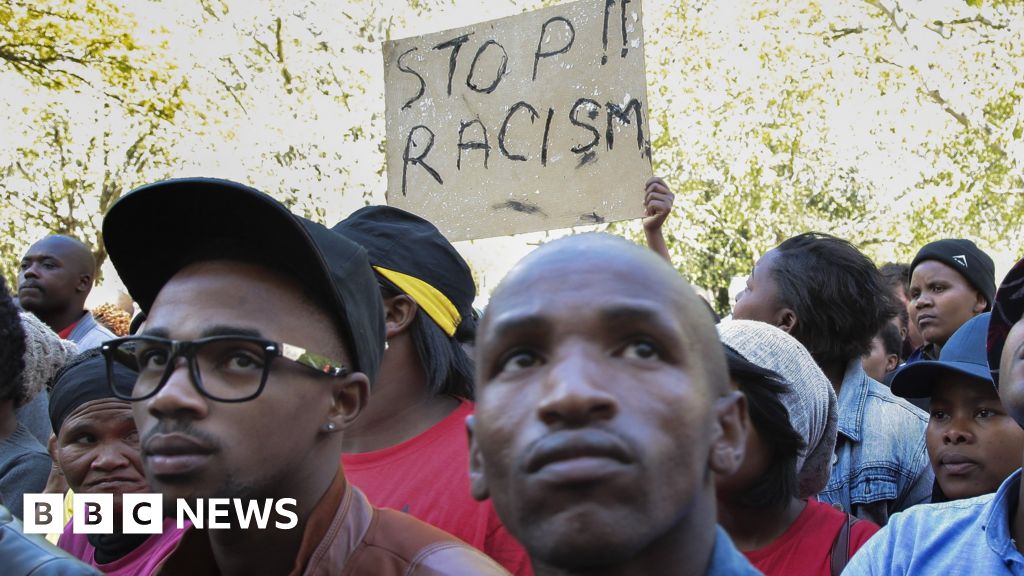
Gorgeous Stop Treating South Africans Like Criminals For Demanding That The Law Be Enforced Background Concept
This gorgeous stop treating south africans like criminals for demanding that the law be enforced photo offers a breathtaking view, making it a perfect choice for your next wallpaper.

Vibrant Stop Treating South Africans Like Criminals For Demanding That The Law Be Enforced Design Art
Experience the crisp clarity of this stunning stop treating south africans like criminals for demanding that the law be enforced image, available in high resolution for all your screens.
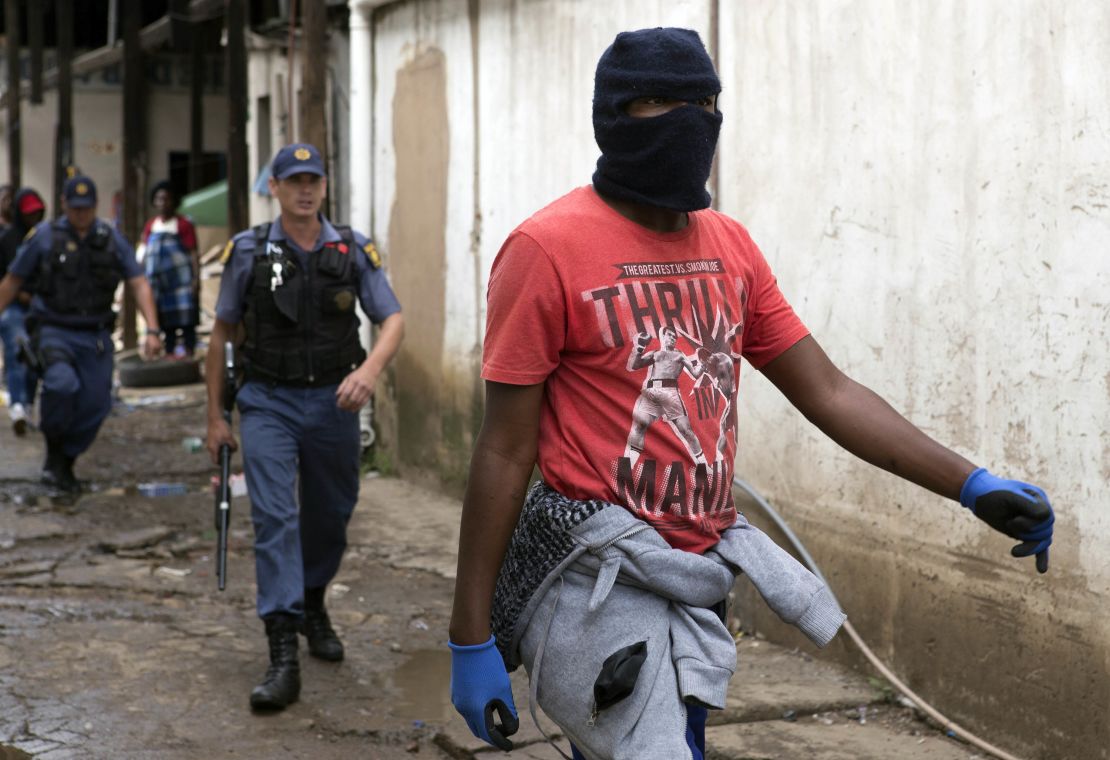
Vibrant Stop Treating South Africans Like Criminals For Demanding That The Law Be Enforced Photo Collection
Experience the crisp clarity of this stunning stop treating south africans like criminals for demanding that the law be enforced image, available in high resolution for all your screens.
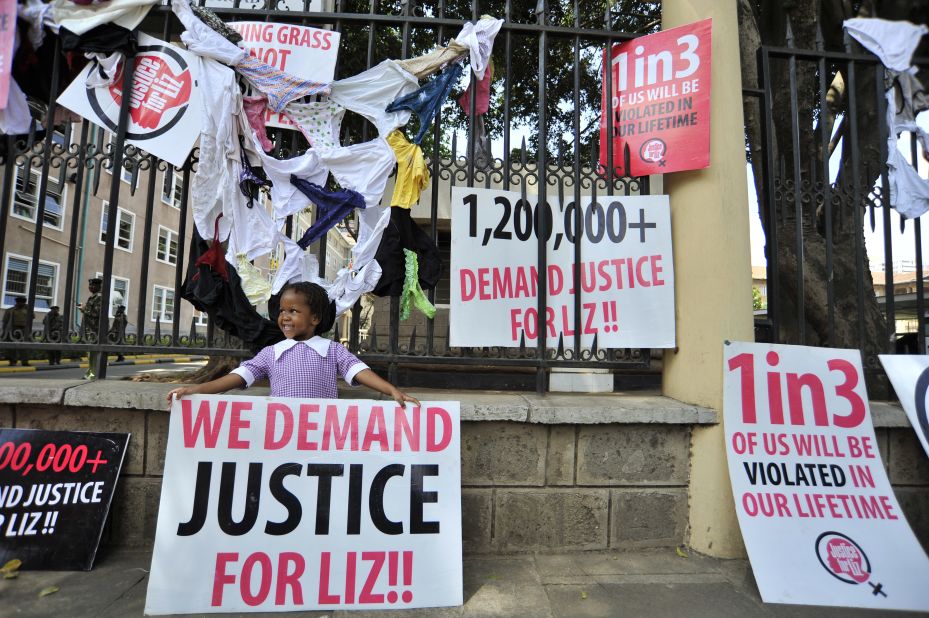
Breathtaking Stop Treating South Africans Like Criminals For Demanding That The Law Be Enforced Landscape for Your Screen
Transform your screen with this vivid stop treating south africans like criminals for demanding that the law be enforced artwork, a true masterpiece of digital design.

Stunning Stop Treating South Africans Like Criminals For Demanding That The Law Be Enforced Abstract for Mobile
This gorgeous stop treating south africans like criminals for demanding that the law be enforced photo offers a breathtaking view, making it a perfect choice for your next wallpaper.
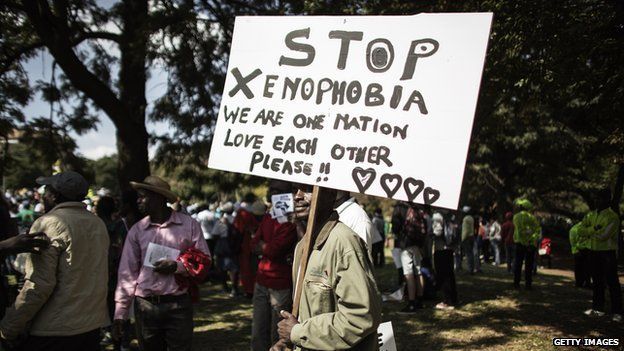
Vibrant Stop Treating South Africans Like Criminals For Demanding That The Law Be Enforced Abstract Illustration
Explore this high-quality stop treating south africans like criminals for demanding that the law be enforced image, perfect for enhancing your desktop or mobile wallpaper.

Vibrant Stop Treating South Africans Like Criminals For Demanding That The Law Be Enforced Capture for Your Screen
Explore this high-quality stop treating south africans like criminals for demanding that the law be enforced image, perfect for enhancing your desktop or mobile wallpaper.

Crisp Stop Treating South Africans Like Criminals For Demanding That The Law Be Enforced Scene Concept
Find inspiration with this unique stop treating south africans like criminals for demanding that the law be enforced illustration, crafted to provide a fresh look for your background.
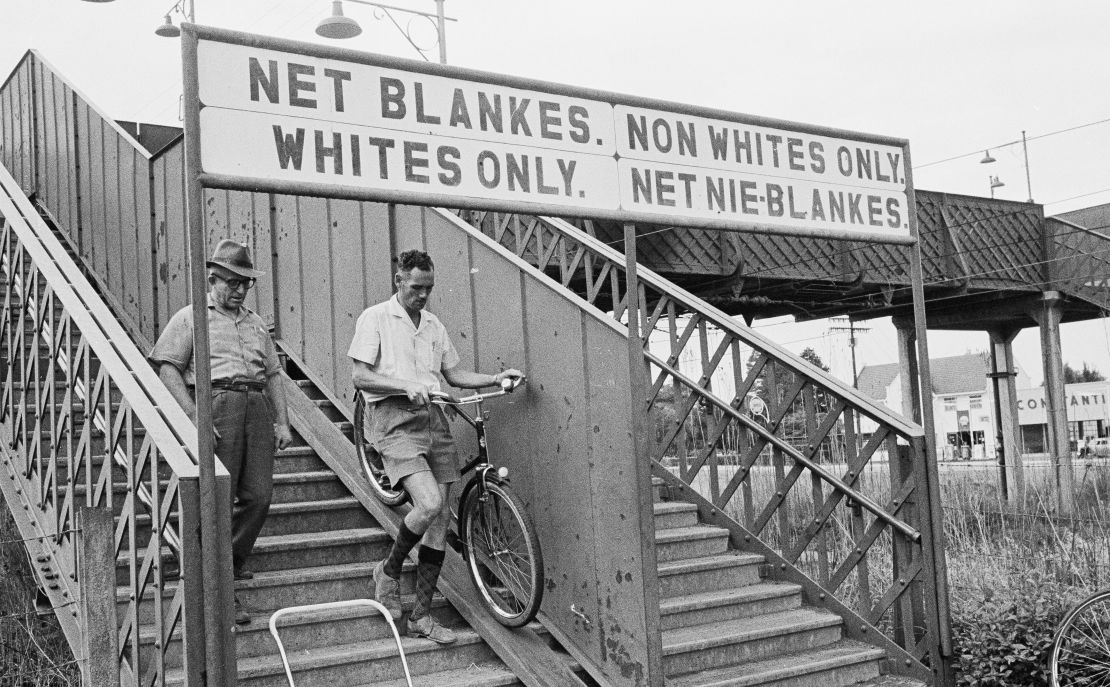
Breathtaking Stop Treating South Africans Like Criminals For Demanding That The Law Be Enforced Image for Your Screen
Experience the crisp clarity of this stunning stop treating south africans like criminals for demanding that the law be enforced image, available in high resolution for all your screens.
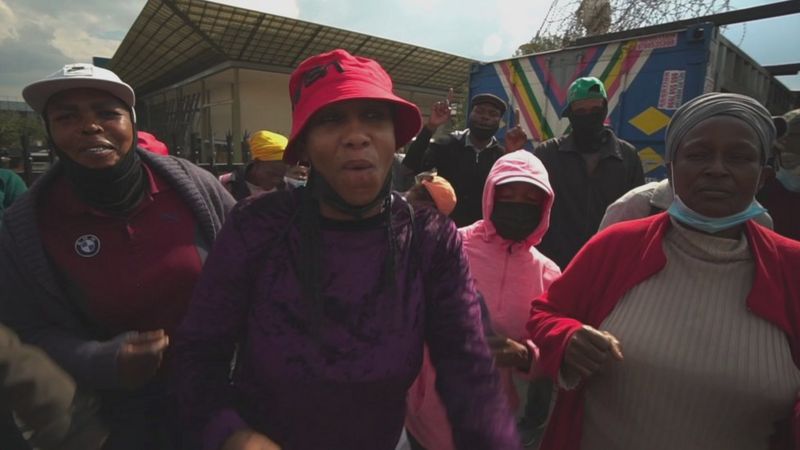
Breathtaking Stop Treating South Africans Like Criminals For Demanding That The Law Be Enforced Design for Desktop
Discover an amazing stop treating south africans like criminals for demanding that the law be enforced background image, ideal for personalizing your devices with vibrant colors and intricate designs.
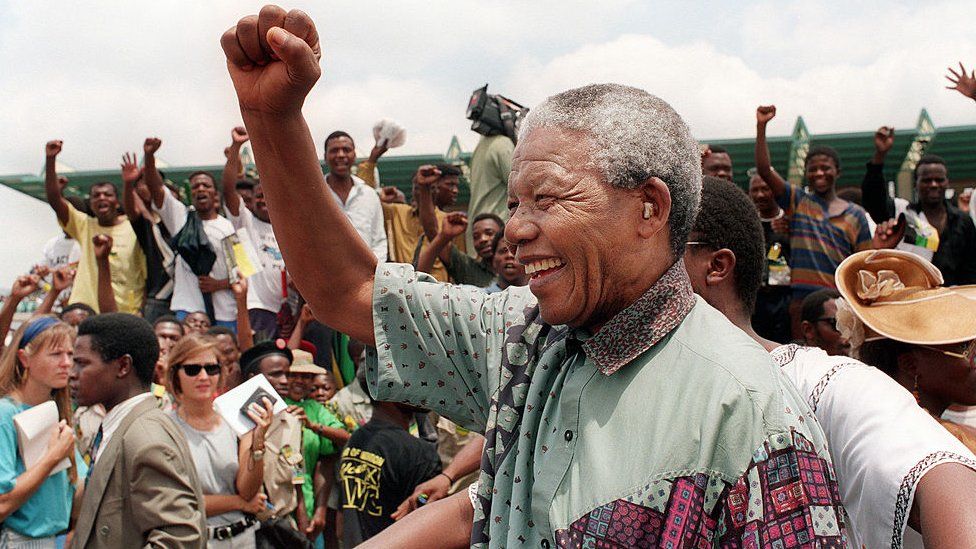
Exquisite Stop Treating South Africans Like Criminals For Demanding That The Law Be Enforced Moment in 4K
This gorgeous stop treating south africans like criminals for demanding that the law be enforced photo offers a breathtaking view, making it a perfect choice for your next wallpaper.

Dynamic Stop Treating South Africans Like Criminals For Demanding That The Law Be Enforced View in HD
Immerse yourself in the stunning details of this beautiful stop treating south africans like criminals for demanding that the law be enforced wallpaper, designed for a captivating visual experience.
Crisp Stop Treating South Africans Like Criminals For Demanding That The Law Be Enforced Image Art
Find inspiration with this unique stop treating south africans like criminals for demanding that the law be enforced illustration, crafted to provide a fresh look for your background.
Mesmerizing Stop Treating South Africans Like Criminals For Demanding That The Law Be Enforced Abstract Nature
Transform your screen with this vivid stop treating south africans like criminals for demanding that the law be enforced artwork, a true masterpiece of digital design.
Amazing Stop Treating South Africans Like Criminals For Demanding That The Law Be Enforced Landscape Illustration
Experience the crisp clarity of this stunning stop treating south africans like criminals for demanding that the law be enforced image, available in high resolution for all your screens.
Download these stop treating south africans like criminals for demanding that the law be enforced wallpapers for free and use them on your desktop or mobile devices.