Trump rejects Iranian reports of peace talk suspension
Trump Rejects Iranian Reports of Peace Talk Suspension: A Deep Dive into US-Iran Diplomatic Tensions
The geopolitical landscape of the Middle East has once again been thrust into the spotlight as former President Donald Trump officially rejected reports originating from Iranian state-affiliated media suggesting a formal suspension of peace talks or diplomatic backchannels. In a series of statements that have rippled through international diplomatic circles, the rejection highlights the ongoing "information war" between Washington’s alternative diplomatic structures and Tehran’s official narrative. As the world watches closely, the conflicting reports underscore a deep-seated mistrust that has defined US-Iran relations for decades, particularly during and after the Trump administration's "Maximum Pressure" campaign.
For observers of global politics, the denial is more than just a rebuttal of news; it is a strategic maneuver. By dismissing the notion that talks have reached a dead end, the Trump camp signals a continued willingness—or perhaps a calculated pressure tactic—to keep the door to negotiation ajar, albeit on strictly American terms. This development comes at a time when regional stability is precarious, with proxy conflicts and economic sanctions creating a volatile environment that affects global energy markets and international security alliances.
The Genesis of the Conflict: Conflicting Narratives and Media Warfare
The recent friction began when several Iranian news outlets, citing unnamed officials within the Foreign Ministry, suggested that any ongoing discussions regarding a return to a nuclear framework or a "grand bargain" had been indefinitely suspended. These reports claimed that the suspension was a direct result of American intransigence and a failure to provide guarantees regarding sanction relief. However, the swift rejection from Trump and his advisors suggests a different reality on the ground—or at least a different interpretation of the diplomatic climate.
The use of media to trial balloon policy positions is a common tactic in international relations. For Iran, claiming a suspension of talks serves to galvanize domestic support among hardliners who view negotiations with the "Great Satan" as a sign of weakness. Conversely, for Trump, rejecting these reports maintains his image as a master negotiator who is never truly "out" of a deal until he decides to walk away. This clash of narratives makes it difficult for international observers to discern the actual status of diplomatic efforts, leading to increased speculation in the global press.
Historical Context: The Legacy of "Maximum Pressure"
To understand why Trump’s rejection of these reports is so significant, one must look back at the trajectory of his administration's policy toward Iran. In 2018, the United States unilaterally withdrew from the Joint Comprehensive Plan of Action (JCPOA), commonly known as the Iran Nuclear Deal. Following this withdrawal, the Trump administration implemented the "Maximum Pressure" campaign, which involved some of the harshest economic sanctions in modern history.
The goal of this campaign was twofold: to cripple Iran’s ability to fund regional proxies and to force Tehran back to the negotiating table to sign a more comprehensive deal that included limits on its ballistic missile program and regional influence. While the sanctions severely impacted the Iranian economy, they also led to a period of heightened military tension, including the 2020 assassination of General Qasem Soleimani. The current rejection of "talk suspension" reports suggests that the spirit of this era—intense pressure combined with the stated desire for a "better deal"—remains at the core of the Trump-aligned approach to Iran.
| Key Feature/Aspect | Description and Significance |
|---|---|
| Status of Negotiations | Trump denies a formal halt, whereas Iranian reports suggest a total suspension due to lack of progress. |
| Economic Sanctions | Primary leverage used by the US; Iran demands full removal before committing to further peace talks. |
| Regional Influence | A major sticking point involving Iran's support for groups in Lebanon, Yemen, and Iraq. |
| Nuclear Enrichment | The core technical issue; Iran has increased enrichment levels since the US withdrawal from the JCPOA. |
| Diplomatic Strategy | Trump emphasizes "The Art of the Deal" through pressure; Iran emphasizes "Strategic Patience." |
The Role of Domestic Politics in Both Nations
The timing of these reports and their subsequent rejection cannot be divorced from the domestic political cycles in both the United States and Iran. In the US, the political discourse is heavily focused on foreign policy strength. For Donald Trump, maintaining a firm but open-ended stance on Iran is a key component of his platform. Admitting that talks have failed entirely could be perceived as a failure of his previous policies, whereas maintaining that talks are technically possible keeps the initiative in his court.
In Iran, the government faces significant internal pressure. The economy has suffered under years of sanctions, leading to inflation and civil unrest. The leadership in Tehran must balance the need for economic relief with the ideological necessity of resisting Western demands. By reporting a suspension of talks, the Iranian government may be trying to signal to its base that it will not be bullied, even as it continues to seek ways to bypass sanctions through eastern alliances with China and Russia.
The Impact on Regional Allies: Israel and the Gulf States
The rejection of the talk suspension also has profound implications for regional actors. Israel, a staunch critic of the original nuclear deal, has consistently advocated for a "credible military threat" alongside economic sanctions. Any hint that the US might be softening its stance or, conversely, that diplomacy has completely failed, triggers immediate reactions in Jerusalem. Israeli officials often view the "suspension" of talks as a window where Iran might accelerate its nuclear program toward "breakout" capacity.
Meanwhile, Gulf nations such as Saudi Arabia and the UAE have recently taken a more pragmatic approach, engaging in their own diplomatic de-escalation with Iran. However, they still rely on the US security umbrella. If Trump’s rejection of the reports indicates a more aggressive stance is forthcoming, it could complicate the delicate regional balancing act these nations are currently performing. They seek stability to foster their economic diversification goals, such as Saudi Arabia's "Vision 2030."
Geopolitical Implications of "No Deal" vs. "Stalled Deal"
There is a nuanced difference between a "stalled" negotiation and a "suspended" one. A suspension implies a formal end to current efforts, which often precedes a period of escalation. A stalled negotiation, as implied by Trump’s rejection, suggests that while no progress is being made, the framework for dialogue still exists. This distinction is vital for global markets, particularly the oil sector. The possibility of Iranian oil fully returning to the global market remains a significant "X-factor" for Brent and WTI crude prices.
Furthermore, the standoff affects the broader "New Cold War" dynamics. As Iran moves closer to the BRICS bloc and strengthens its military ties with Russia (notably through the provision of drones), the US-Iran relationship becomes a theater for larger systemic rivalries. If the US can successfully project that it has not given up on diplomacy, it maintains a degree of influence over European allies who are still desperate to salvage some form of nuclear oversight.
Cyber Warfare and the "Shadow War"
Beyond the headlines of peace talks lies a darker reality of constant engagement: cyber warfare. Both nations have been accused of launching sophisticated cyberattacks against each other’s infrastructure. From the Stuxnet virus years ago to more recent attacks on shipping and fuel distribution networks, the "peace talk" narrative often masks a state of low-intensity conflict. Trump’s rejection of the suspension reports could be seen as a way to keep the diplomatic cover active while these shadow operations continue to play out in the digital and maritime realms.
Conclusion: The Path Forward in a Climate of Uncertainty
The rejection by Donald Trump of Iranian reports regarding the suspension of peace talks serves as a stark reminder that in the world of high-stakes diplomacy, perception is often as important as reality. By refusing to accept the "suspension" narrative, the US (through its prominent political figures) keeps the pressure on Tehran, maintaining the "Maximum Pressure" ethos while leaving a theoretical path for future engagement. This strategy seeks to deny Iran the moral high ground of having "tried and failed" at diplomacy, instead placing the burden of the stalemate squarely back on Iranian shoulders.
As we move forward, the international community must navigate these conflicting signals. The core issues—nuclear proliferation, regional hegemony, and economic sanctions—remain unresolved. Whether this rejection leads to a genuine breakthrough or merely serves as a tactical pause in an ever-escalating rivalry remains to be seen. However, one thing is certain: the rhetoric of "peace talks" will continue to be used as a weapon in the ongoing struggle for influence in the Middle East.
Frequently Asked Questions (FAQ)
1. Why did Donald Trump reject the reports of a peace talk suspension?
Trump likely rejected these reports to maintain his position as a proactive negotiator and to prevent Iran from controlling the narrative of diplomatic failure. By denying a formal suspension, he keeps the pressure on Iran while maintaining that a "deal" is always possible under his specific conditions.
2. What was the "Maximum Pressure" campaign?
The "Maximum Pressure" campaign was a policy used by the Trump administration to exert extreme economic and diplomatic pressure on Iran. This included withdrawing from the JCPOA and re-imposing heavy sanctions to force Iran to negotiate a broader agreement covering its nuclear program, missile development, and regional activities.
3. How do these conflicting reports affect the price of oil?
Conflicting reports create volatility in the oil market. Speculation that talks are suspended can lead to fears of regional escalation or long-term exclusion of Iranian oil, which tends to drive prices up. Conversely, news of potential dialogue can stabilize or lower prices based on the hope of increased global supply.
4. What is the role of the JCPOA in the current situation?
The JCPOA (the 2015 Nuclear Deal) remains the primary point of contention. Iran wants the US to return to the original agreement and lift sanctions, while the Trump-aligned perspective is that the original deal was "fatally flawed" and a new, much stricter agreement is necessary.
The situation regarding US-Iran relations is rapidly evolving. Stay tuned for further updates as new intelligence and official statements become available.
Trump rejects Iranian reports of peace talk suspension
Trump rejects Iranian reports of peace talk suspension Wallpapers
Collection of trump rejects iranian reports of peace talk suspension wallpapers for your desktop and mobile devices.
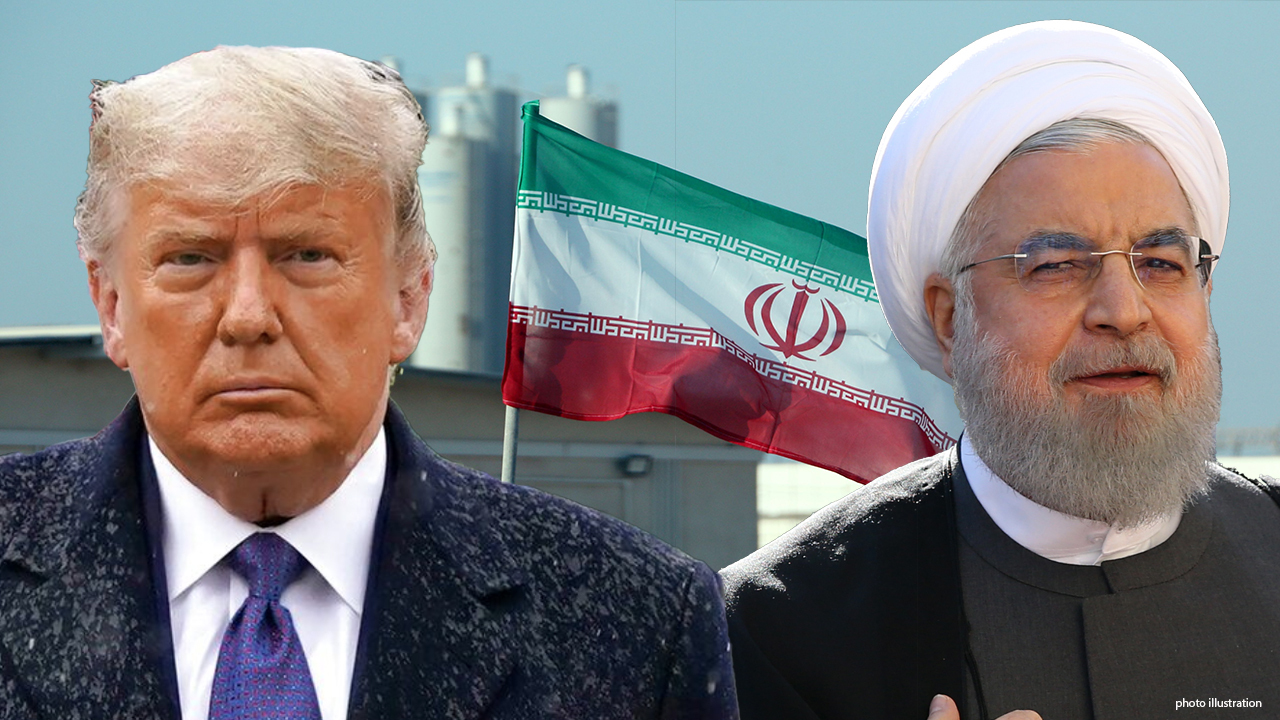
High-Quality Trump Rejects Iranian Reports Of Peace Talk Suspension Moment for Mobile
Explore this high-quality trump rejects iranian reports of peace talk suspension image, perfect for enhancing your desktop or mobile wallpaper.

Gorgeous Trump Rejects Iranian Reports Of Peace Talk Suspension Capture Collection
A captivating trump rejects iranian reports of peace talk suspension scene that brings tranquility and beauty to any device.

Amazing Trump Rejects Iranian Reports Of Peace Talk Suspension Photo Nature
Experience the crisp clarity of this stunning trump rejects iranian reports of peace talk suspension image, available in high resolution for all your screens.
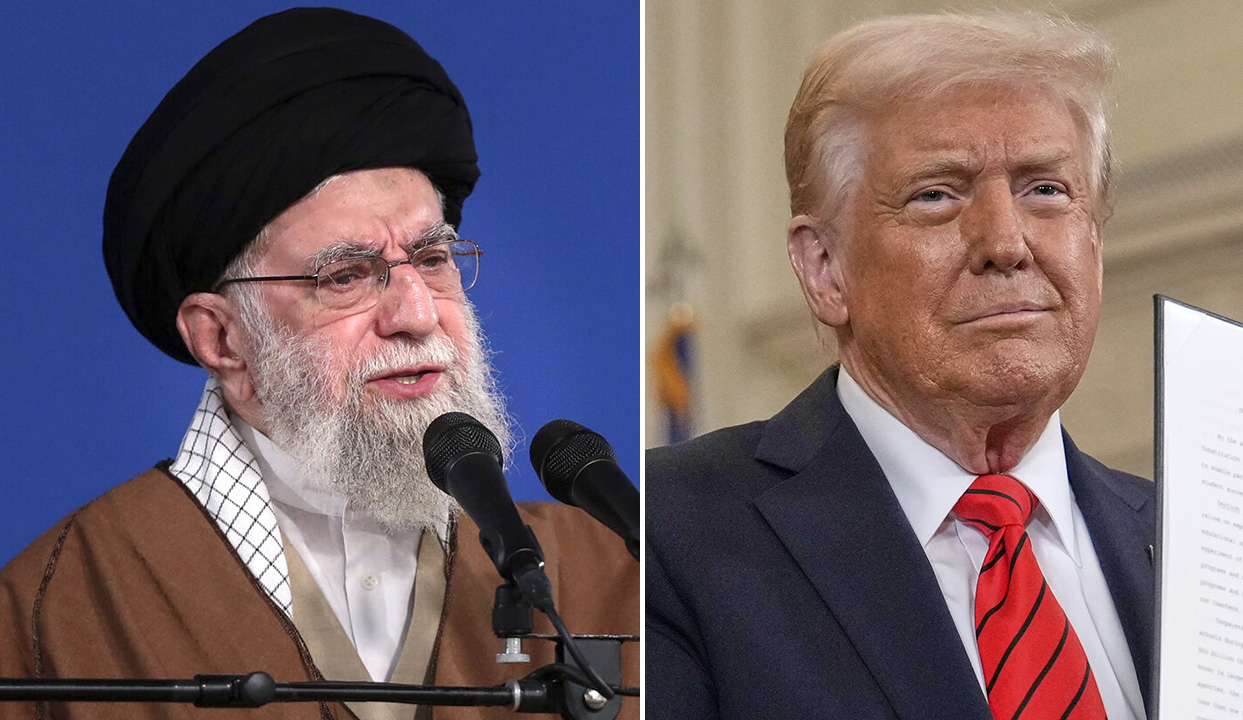
Mesmerizing Trump Rejects Iranian Reports Of Peace Talk Suspension Wallpaper Illustration
Experience the crisp clarity of this stunning trump rejects iranian reports of peace talk suspension image, available in high resolution for all your screens.
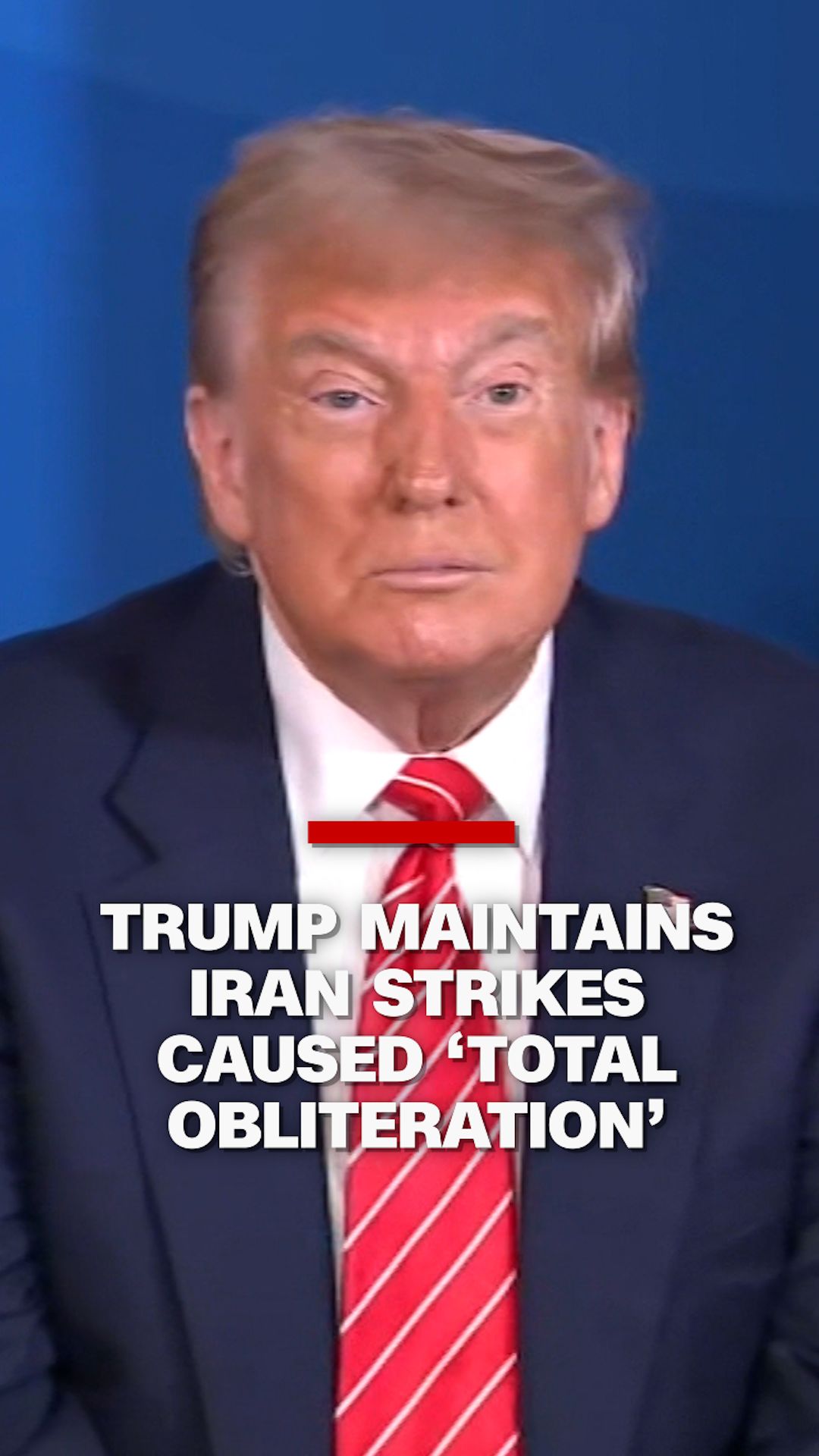
Mesmerizing Trump Rejects Iranian Reports Of Peace Talk Suspension Photo for Desktop
Discover an amazing trump rejects iranian reports of peace talk suspension background image, ideal for personalizing your devices with vibrant colors and intricate designs.
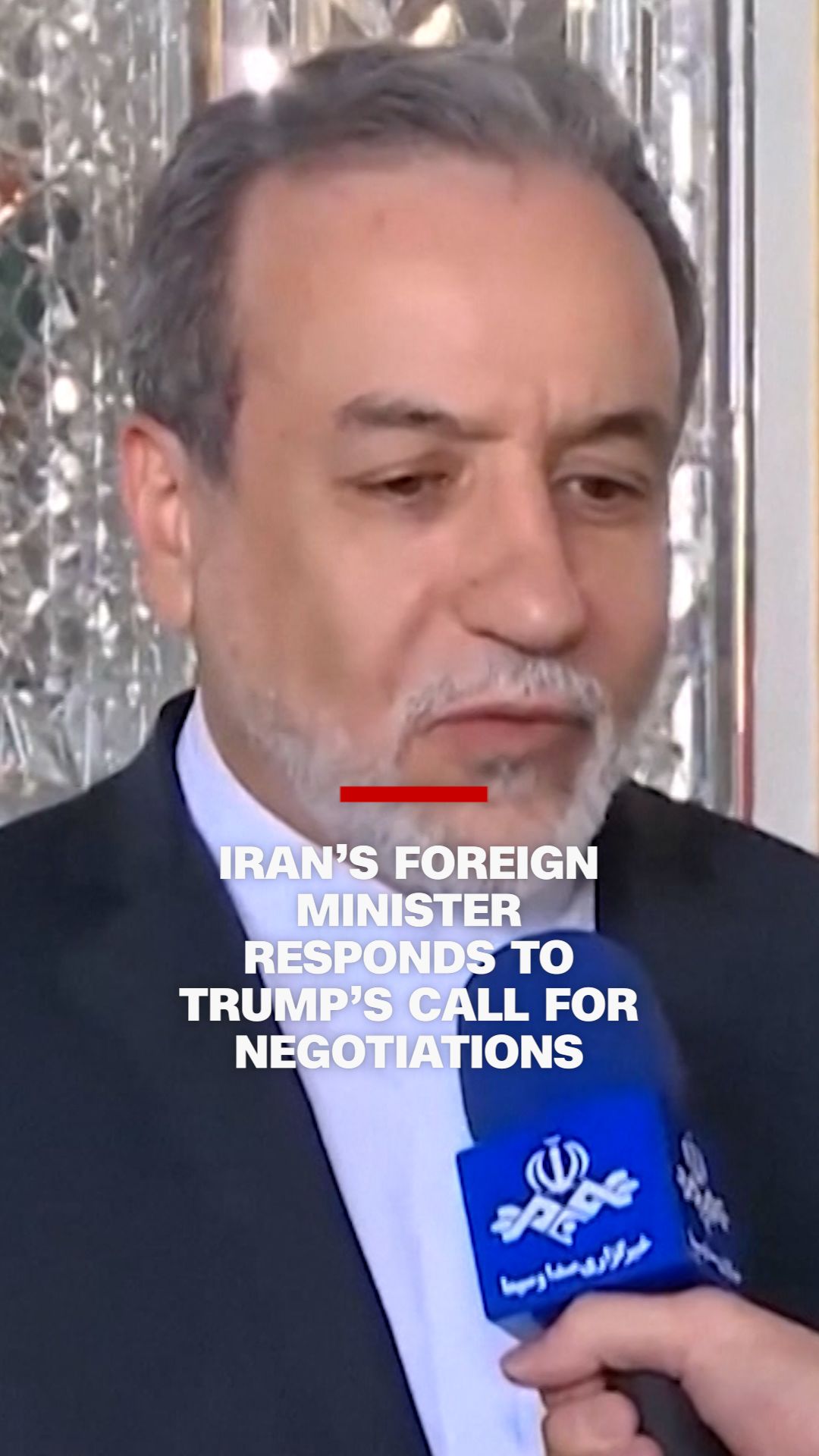
Beautiful Trump Rejects Iranian Reports Of Peace Talk Suspension Capture Art
Transform your screen with this vivid trump rejects iranian reports of peace talk suspension artwork, a true masterpiece of digital design.

Spectacular Trump Rejects Iranian Reports Of Peace Talk Suspension Image Digital Art
Immerse yourself in the stunning details of this beautiful trump rejects iranian reports of peace talk suspension wallpaper, designed for a captivating visual experience.
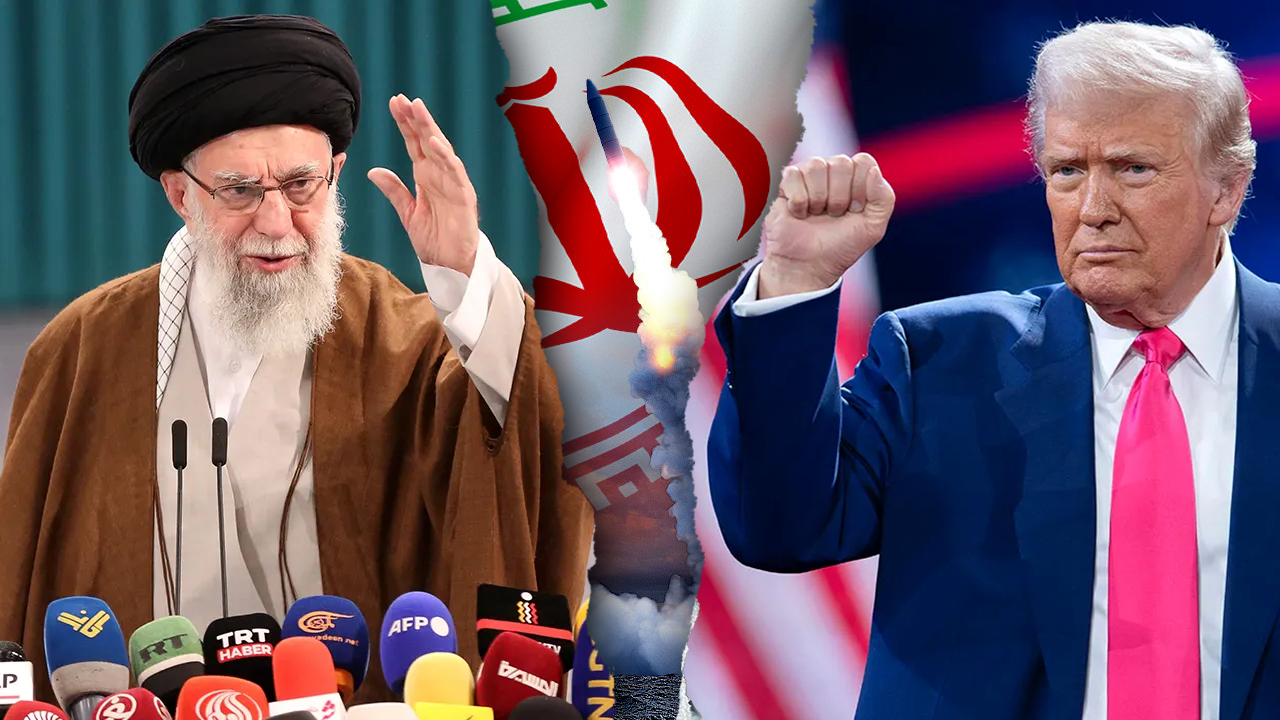
Lush Trump Rejects Iranian Reports Of Peace Talk Suspension Artwork Concept
Find inspiration with this unique trump rejects iranian reports of peace talk suspension illustration, crafted to provide a fresh look for your background.
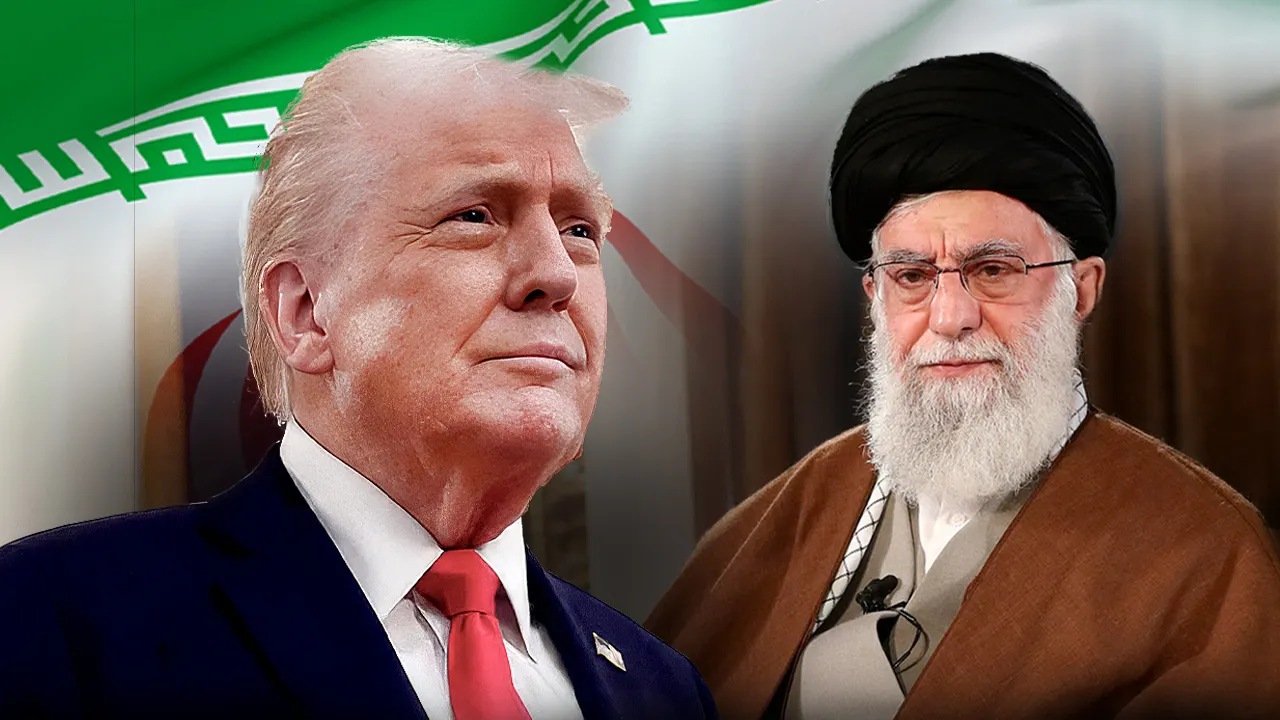
Beautiful Trump Rejects Iranian Reports Of Peace Talk Suspension Design Illustration
Discover an amazing trump rejects iranian reports of peace talk suspension background image, ideal for personalizing your devices with vibrant colors and intricate designs.
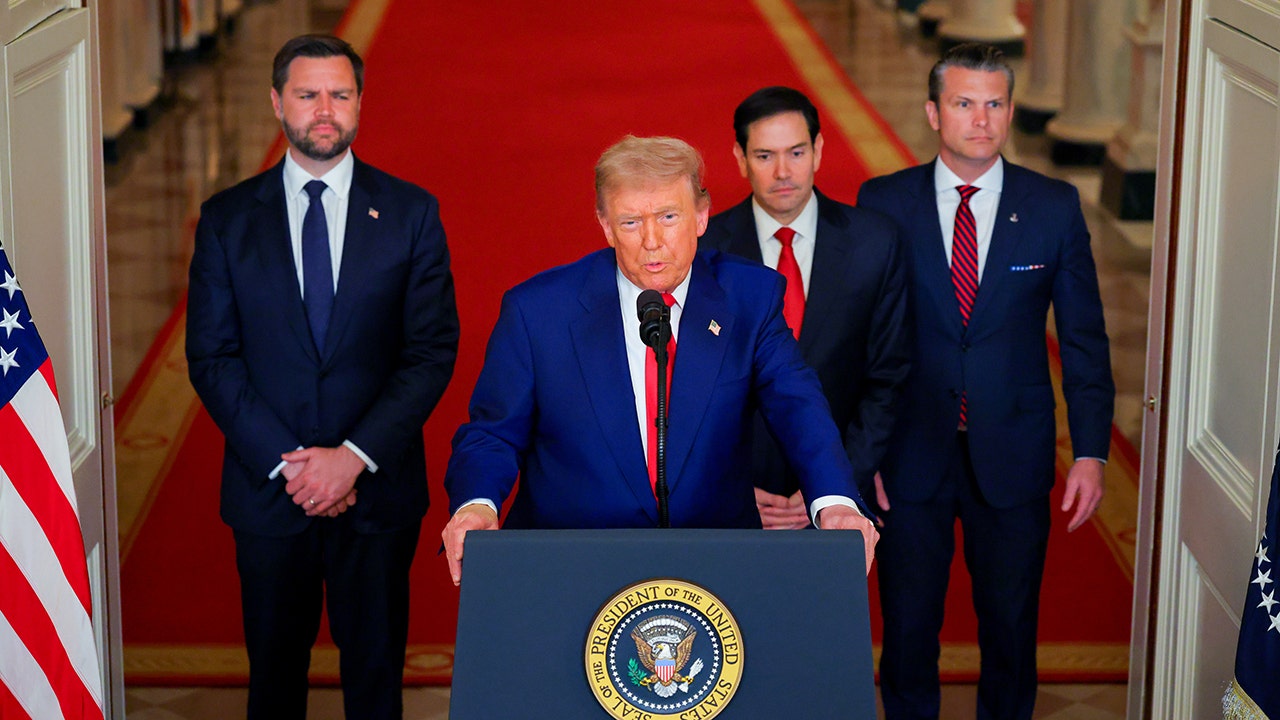
Serene Trump Rejects Iranian Reports Of Peace Talk Suspension Abstract for Your Screen
Experience the crisp clarity of this stunning trump rejects iranian reports of peace talk suspension image, available in high resolution for all your screens.

Serene Trump Rejects Iranian Reports Of Peace Talk Suspension Artwork in 4K
Experience the crisp clarity of this stunning trump rejects iranian reports of peace talk suspension image, available in high resolution for all your screens.

Breathtaking Trump Rejects Iranian Reports Of Peace Talk Suspension Image Collection
Discover an amazing trump rejects iranian reports of peace talk suspension background image, ideal for personalizing your devices with vibrant colors and intricate designs.
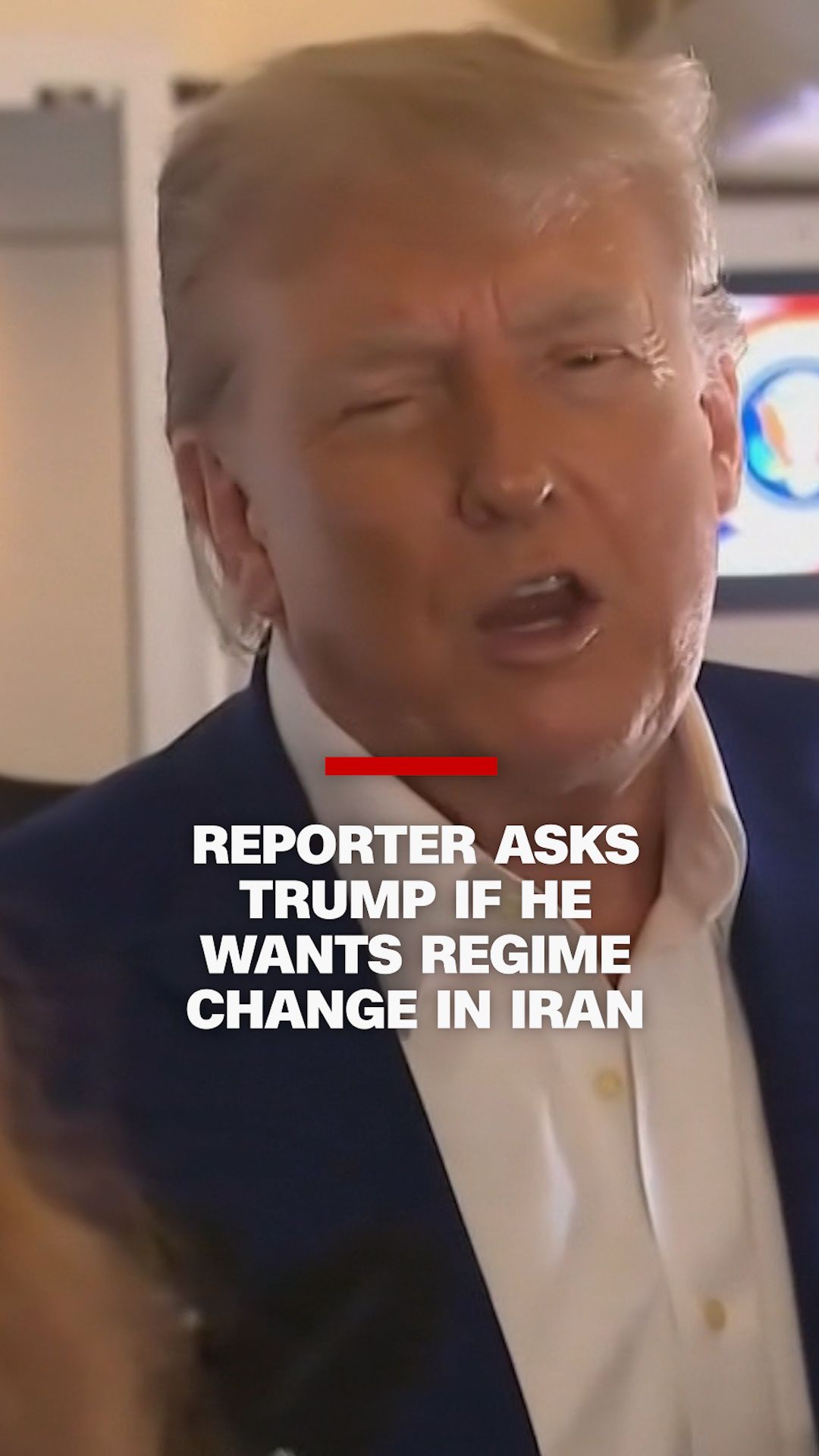
Serene Trump Rejects Iranian Reports Of Peace Talk Suspension Landscape Digital Art
Explore this high-quality trump rejects iranian reports of peace talk suspension image, perfect for enhancing your desktop or mobile wallpaper.
Spectacular Trump Rejects Iranian Reports Of Peace Talk Suspension Background Photography
Find inspiration with this unique trump rejects iranian reports of peace talk suspension illustration, crafted to provide a fresh look for your background.
Stunning Trump Rejects Iranian Reports Of Peace Talk Suspension Design Collection
This gorgeous trump rejects iranian reports of peace talk suspension photo offers a breathtaking view, making it a perfect choice for your next wallpaper.
Lush Trump Rejects Iranian Reports Of Peace Talk Suspension Picture Illustration
A captivating trump rejects iranian reports of peace talk suspension scene that brings tranquility and beauty to any device.
Mesmerizing Trump Rejects Iranian Reports Of Peace Talk Suspension Artwork for Mobile
Experience the crisp clarity of this stunning trump rejects iranian reports of peace talk suspension image, available in high resolution for all your screens.
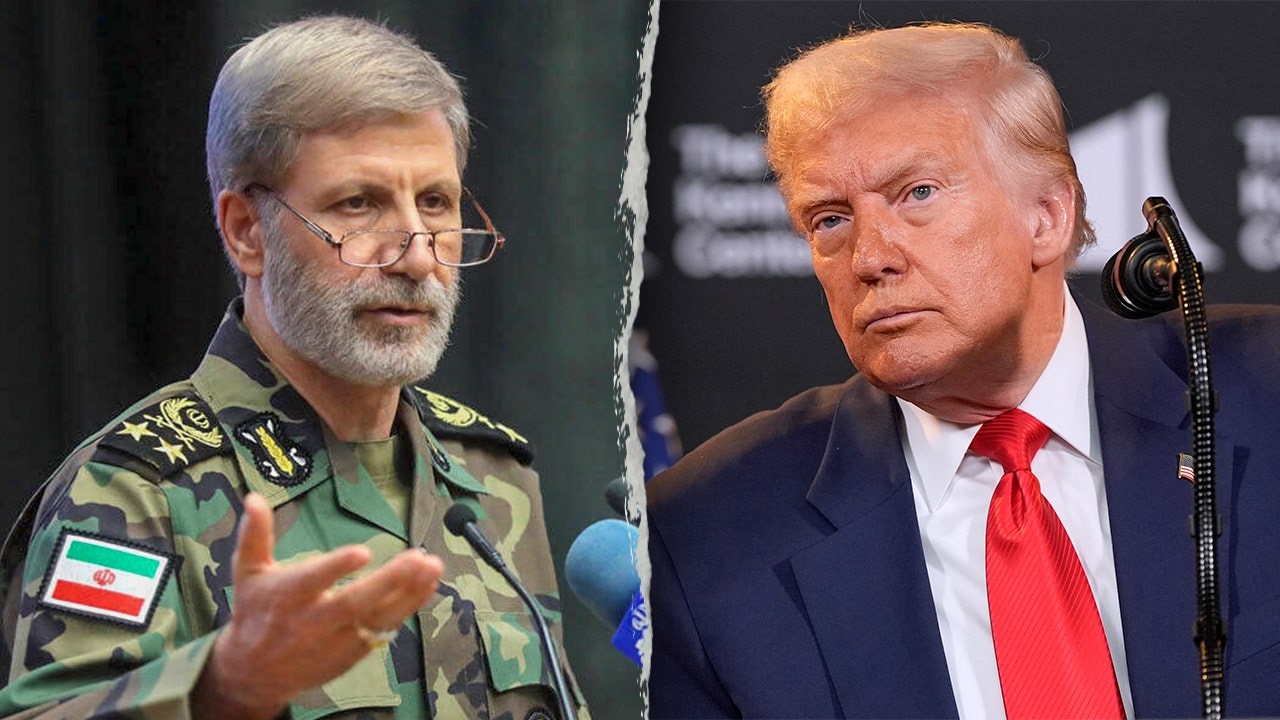
Captivating Trump Rejects Iranian Reports Of Peace Talk Suspension Picture Art
Immerse yourself in the stunning details of this beautiful trump rejects iranian reports of peace talk suspension wallpaper, designed for a captivating visual experience.

Dynamic Trump Rejects Iranian Reports Of Peace Talk Suspension Image Collection
This gorgeous trump rejects iranian reports of peace talk suspension photo offers a breathtaking view, making it a perfect choice for your next wallpaper.

Beautiful Trump Rejects Iranian Reports Of Peace Talk Suspension Photo Art
Transform your screen with this vivid trump rejects iranian reports of peace talk suspension artwork, a true masterpiece of digital design.
Download these trump rejects iranian reports of peace talk suspension wallpapers for free and use them on your desktop or mobile devices.