Understanding the China Employment Rate: Trends, Challenges, and Economic Outlook
Understanding the China Employment Rate: Trends, Challenges, and Economic Outlook
The China employment rate is a critical indicator not only for the world’s second-largest economy but for the global financial landscape. As a manufacturing powerhouse and a growing hub for technological innovation, China’s ability to maintain a stable labor market dictates consumer confidence, industrial output, and social stability. In recent years, the narrative surrounding Chinese employment has shifted from one of infinite growth to a more complex story involving demographic changes, regulatory shifts, and a post-pandemic recovery that has proven more "K-shaped" than many expected. This article provides a comprehensive deep dive into the current state of employment in China, the hurdles facing its workforce, and what the future holds for the "World’s Factory."
The Current Landscape of the China Employment Rate
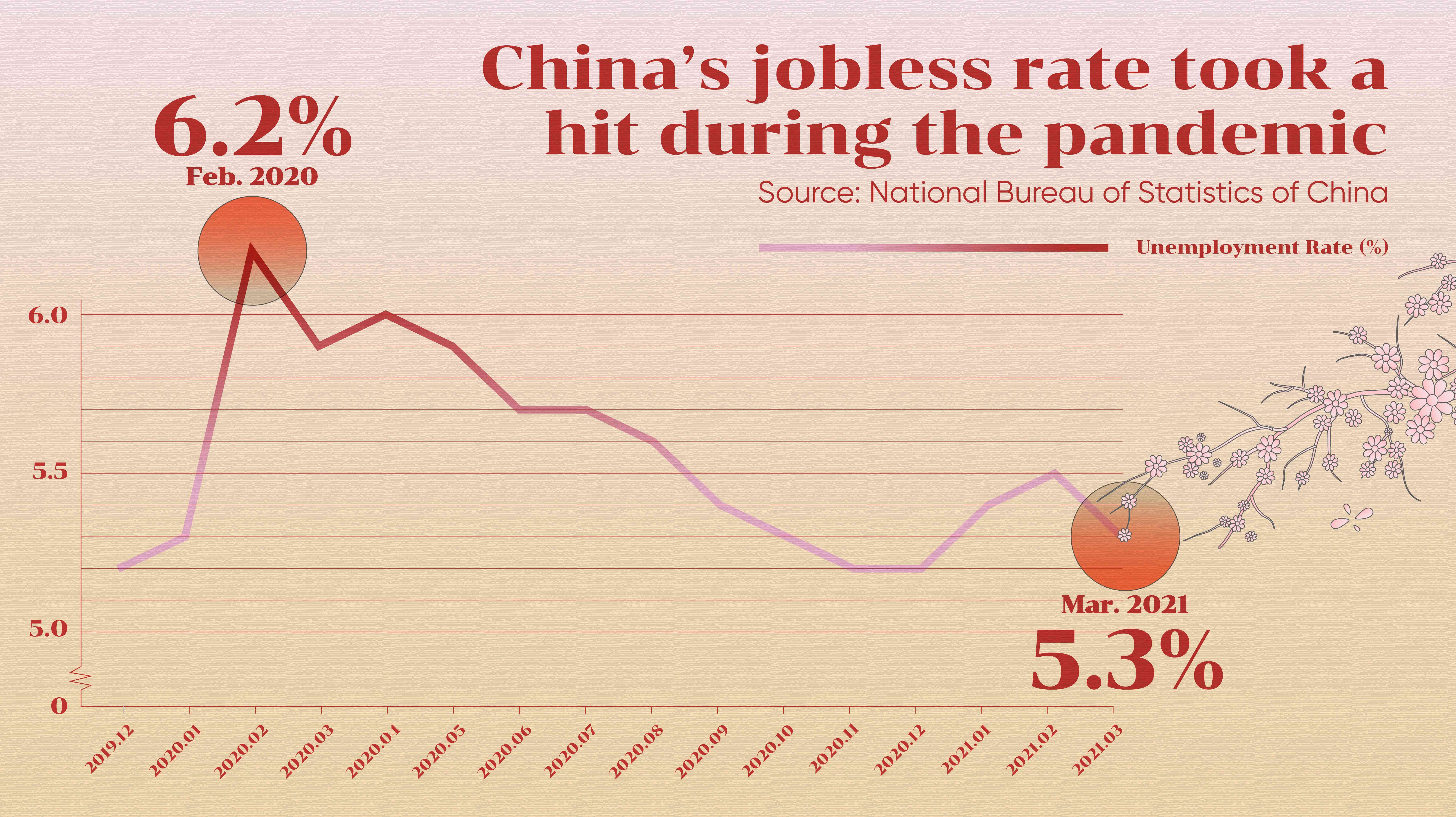
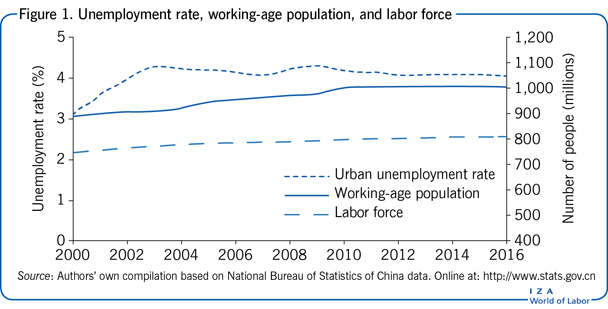
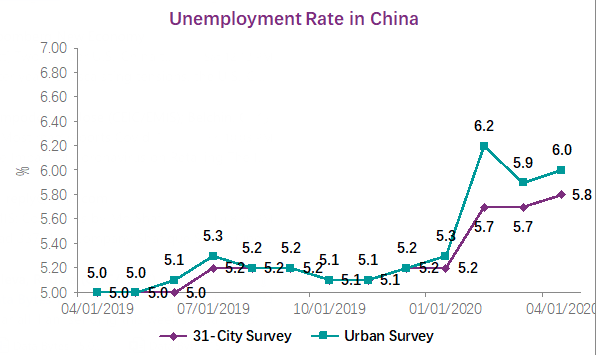
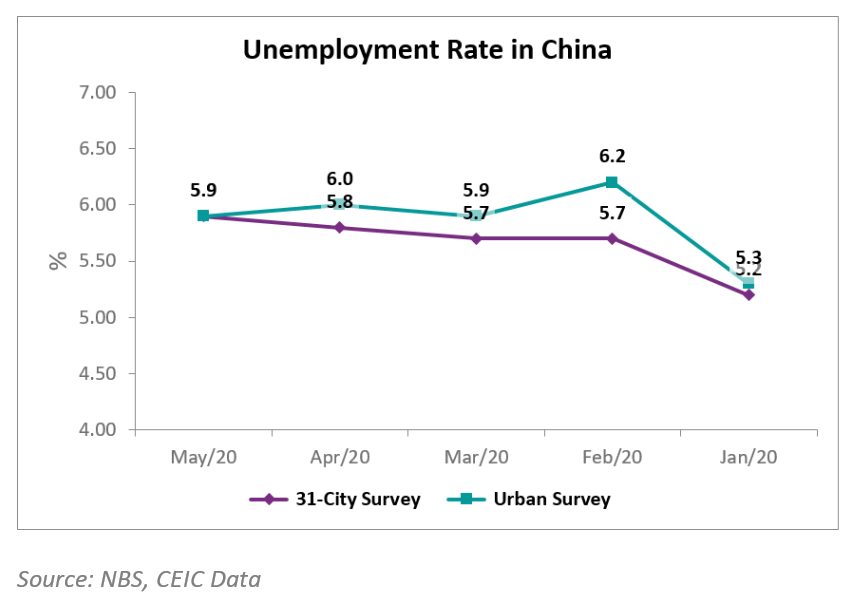
To understand the China employment rate, one must first look at the official metrics provided by the National Bureau of Statistics (NBS). China primarily utilizes the "Surveyed Urban Unemployment Rate" as its headline figure. Throughout 2023 and into 2024, this figure has generally hovered between 5.0% and 5.3%. While these numbers suggest a relatively stable environment on the surface, they often mask underlying structural disparities between different age groups and regions.
The Chinese government has set ambitious targets to create over 12 million new urban jobs annually. Achieving this goal is essential to accommodate the massive influx of college graduates entering the market every summer. However, the quality of these jobs and the "mismatch" between skills and market demand have become significant talking points for economists. While the manufacturing sector remains a massive employer, the service sector and high-tech industries are increasingly expected to carry the weight of job creation.
The Youth Unemployment Dilemma: A Structural Challenge
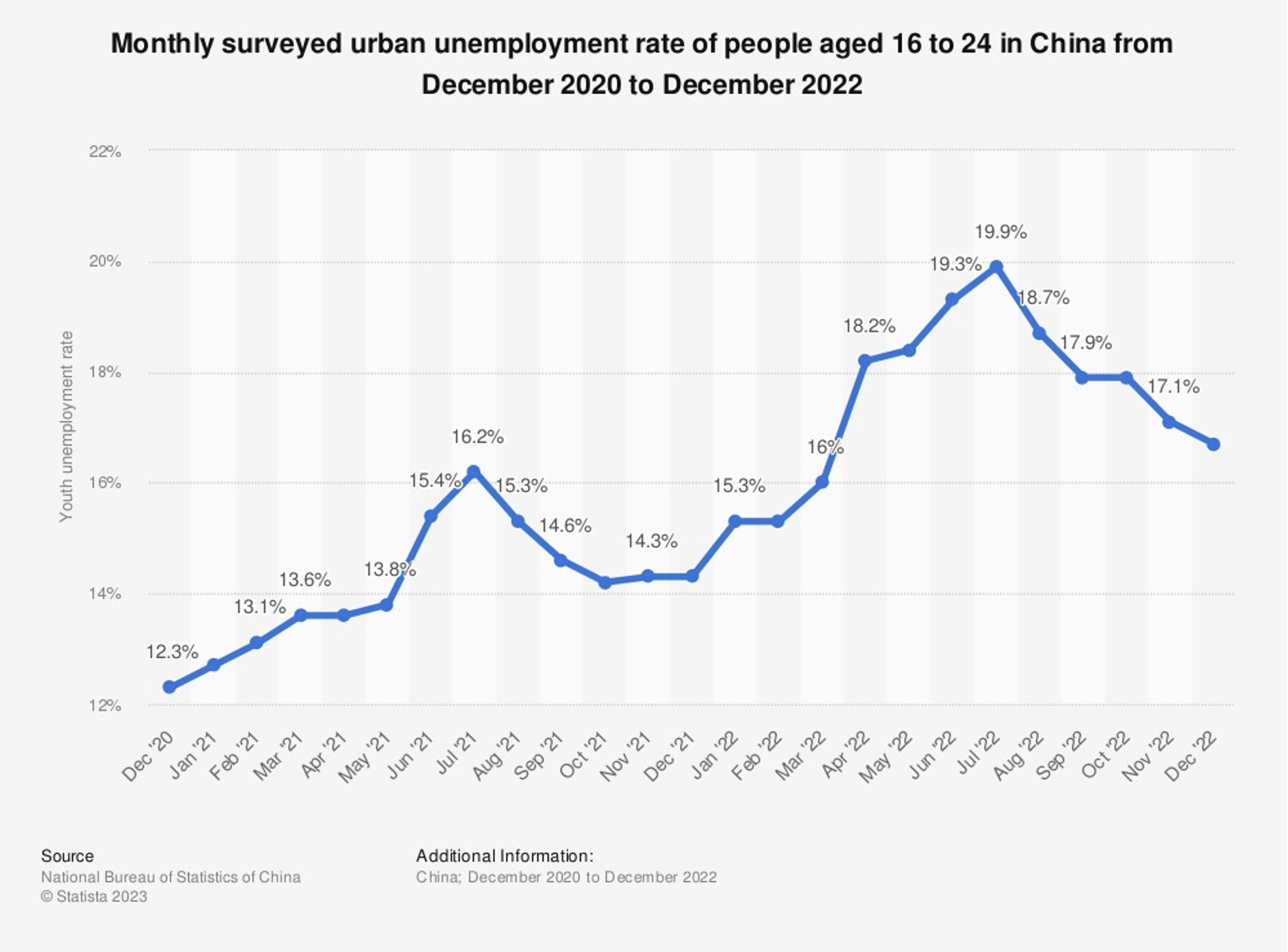
One of the most scrutinized aspects of the China employment rate in recent times has been the youth unemployment figure. In mid-2023, the unemployment rate for those aged 16 to 24 reached a record high of over 21%, prompting the NBS to temporarily suspend the publication of this data to "refine" their methodology. When the data resumed, excluding students from the statistics, the rate sat around 14-15%, which still highlights a significant struggle for young entrants.
The "mismatch" mentioned earlier is most evident here. China is producing more university graduates than ever—surpassing 11 million annually—but many of these graduates seek white-collar positions in tech, finance, or the civil service. Meanwhile, the manufacturing sector faces a chronic labor shortage for skilled blue-collar workers. This phenomenon has led to social trends such as "lying flat" (tang ping) and "let it rot" (bai lan), where young people opt out of the hyper-competitive "996" work culture (9 am to 9 pm, six days a week) due to perceived lack of upward mobility.
Sectoral Shifts: Where the Jobs Are Moving
The China employment rate is being reshaped by a transition from traditional industries to "New Quality Productive Forces." This is a strategic pivot by Beijing to move away from property-led growth toward high-end manufacturing and green energy.
- The Tech and Platform Economy: Despite regulatory crackdowns a few years ago, the "Gig Economy" remains a vital cushion for employment. Millions of workers rely on food delivery, ride-hailing, and live-stream e-commerce for their livelihoods.
- The "New Three" Industries: Electric vehicles (EVs), lithium-ion batteries, and solar products are the new engines of growth. These sectors are currently hiring aggressively, though they require specific technical skills that the general workforce may lack.
- The Decline of Real Estate: Historically, the property sector and related industries (construction, cement, steel) accounted for nearly 25-30% of China's GDP and a massive portion of its employment. With the ongoing property crisis, this sector is no longer the reliable job creator it once was.
Key Statistics and Data Overview
The following table provides a snapshot of the key metrics and aspects currently defining the China employment rate and labor market dynamics.
| Fitur/Aspek | Deskripsi |
|---|---|
| Average Surveyed Urban Unemployment | Maintains a steady range of 5.0% to 5.3% as of 2024. |
| Annual New Urban Job Target | Beijing aims to create approximately 12 million new jobs every year. |
| Youth Unemployment (16-24) | Adjusted methodology shows rates around 14-15%, excluding students. |
| Primary Growth Sectors | High-tech manufacturing, EV production, and Green Energy. |
| Labor Force Demographics | An aging population is leading to a shrinking total labor pool. |
| Migrant Worker Population | Over 290 million workers who are sensitive to manufacturing and construction shifts. |
The Role of Government Policy and Stimulus
The Chinese government has adopted an "Employment First" policy, recognizing that job stability is the bedrock of social harmony. To support the China employment rate, several measures have been implemented. These include subsidies for companies that hire fresh graduates, vocational training programs to bridge the skills gap, and low-interest loans for small and medium-sized enterprises (SMEs), which are responsible for 80% of urban employment.
Furthermore, there is a push to integrate the "Hukou" (household registration) system reforms. By making it easier for migrant workers to access social services in cities, the government hopes to encourage labor mobility and boost domestic consumption, which in turn creates more service-sector jobs.
The Impact of an Aging Population
While much of the focus is on unemployment, a long-term threat to the China employment rate is actually a labor shortage caused by demographics. China’s working-age population peaked in 2014 and has been declining ever since. This shift is driving up labor costs and forcing many low-end manufacturing jobs to migrate to Southeast Asia or India.
To combat this, China is investing heavily in automation and Artificial Intelligence (AI). The goal is to maintain industrial output with fewer workers. However, this transition creates a "double-edged sword": while it solves the labor shortage in factories, it risks displacing older, less-skilled workers who cannot easily transition into the digital economy.
Future Projections: What to Expect in 2025 and Beyond
Looking forward, the China employment rate will likely remain stable on paper, but the internal friction will persist. We can expect the government to continue its pivot toward "high-quality development," meaning the focus will shift from the quantity of jobs to the productivity and technological level of the workforce.
Economists predict that if China can successfully navigate the property sector's deleveraging and continue to lead in the green energy transition, the job market will find a new equilibrium. However, the pressure on youth employment will remain a "gray rhino"—a highly probable yet neglected threat—unless there is a fundamental shift in the education system to better align with the needs of the modern industrial complex.
Frequently Asked Questions (FAQ)
1. Why is the youth unemployment rate in China so high compared to the general rate?
The high youth unemployment is primarily due to a structural mismatch. There is a surplus of college graduates looking for office jobs and a deficit of workers for technical manufacturing. Additionally, the slowdown in the tech and education sectors (due to past regulations) has reduced the number of entry-level positions available for new graduates.
2. How does the Chinese government calculate the employment rate?
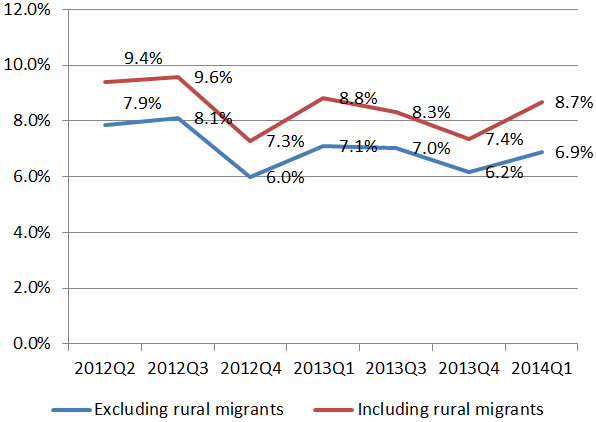
China uses a "Surveyed Urban Unemployment Rate" based on monthly surveys of households in urban areas. It does not typically include the rural population in its headline figures, which some critics argue can lead to an underestimation of the true unemployment level during economic downturns.
3. What is the "Employment First" policy?
The "Employment First" policy is a strategic framework where the Chinese government prioritizes job creation in its macroeconomic planning. This includes fiscal and monetary support for job-creating industries, vocational training, and incentives for entrepreneurship.
Conclusion
The China employment rate is a multifaceted metric that serves as a pulse check for the nation’s economic health. While the headline numbers suggest resilience, the underlying challenges of youth unemployment, a shrinking labor force, and the transition away from a property-centric economy present significant hurdles. For investors, policymakers, and global businesses, monitoring China’s labor market is essential for predicting global supply chain trends and consumer demand. As Beijing continues to push for technological self-reliance and green growth, the success of these initiatives will ultimately be measured by their ability to provide stable, high-quality livelihoods for its 1.4 billion citizens. The coming years will be a definitive test of whether China can evolve its workforce as quickly as it has evolved its infrastructure.
china employment rate
china employment rate Wallpapers
Collection of china employment rate wallpapers for your desktop and mobile devices.
Beautiful China Employment Rate Photo Concept
Explore this high-quality china employment rate image, perfect for enhancing your desktop or mobile wallpaper.

Breathtaking China Employment Rate Image Photography
Explore this high-quality china employment rate image, perfect for enhancing your desktop or mobile wallpaper.
Stunning China Employment Rate Wallpaper Concept
Find inspiration with this unique china employment rate illustration, crafted to provide a fresh look for your background.

Captivating China Employment Rate Design for Mobile
This gorgeous china employment rate photo offers a breathtaking view, making it a perfect choice for your next wallpaper.
Vivid China Employment Rate Artwork for Your Screen
Transform your screen with this vivid china employment rate artwork, a true masterpiece of digital design.

Captivating China Employment Rate Picture Collection
Find inspiration with this unique china employment rate illustration, crafted to provide a fresh look for your background.
Amazing China Employment Rate Background for Your Screen
Discover an amazing china employment rate background image, ideal for personalizing your devices with vibrant colors and intricate designs.
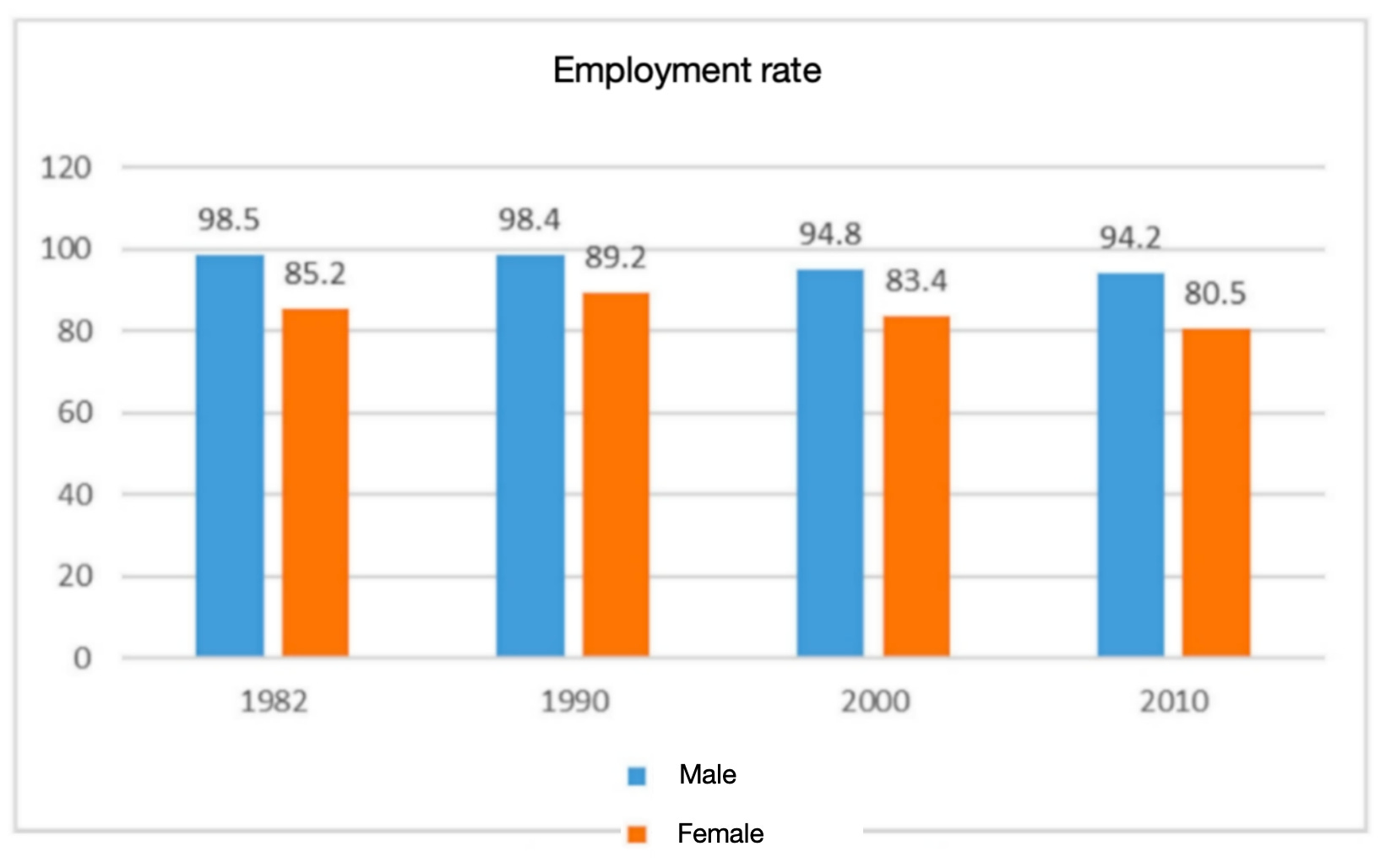
Captivating China Employment Rate Design Collection
A captivating china employment rate scene that brings tranquility and beauty to any device.
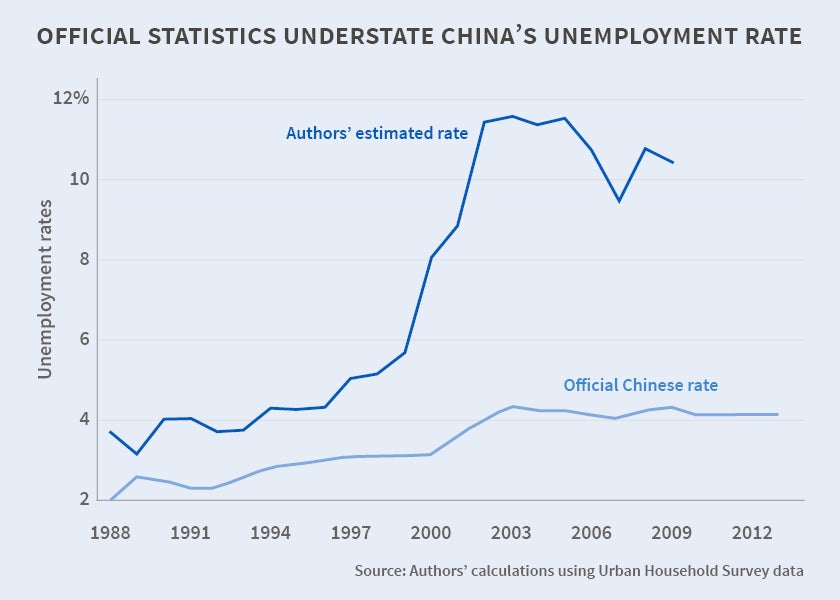
Vivid China Employment Rate Artwork Digital Art
Transform your screen with this vivid china employment rate artwork, a true masterpiece of digital design.
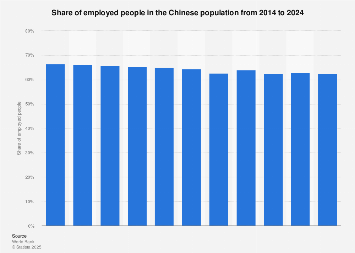
Detailed China Employment Rate View in 4K
Explore this high-quality china employment rate image, perfect for enhancing your desktop or mobile wallpaper.
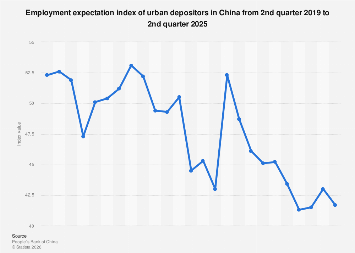
Dynamic China Employment Rate Artwork for Desktop
Find inspiration with this unique china employment rate illustration, crafted to provide a fresh look for your background.
Vibrant China Employment Rate Background Concept
Explore this high-quality china employment rate image, perfect for enhancing your desktop or mobile wallpaper.

Vivid China Employment Rate Scene for Mobile
Transform your screen with this vivid china employment rate artwork, a true masterpiece of digital design.
Exquisite China Employment Rate Background Art
This gorgeous china employment rate photo offers a breathtaking view, making it a perfect choice for your next wallpaper.
Beautiful China Employment Rate Image for Desktop
Explore this high-quality china employment rate image, perfect for enhancing your desktop or mobile wallpaper.

Crisp China Employment Rate Wallpaper Collection
A captivating china employment rate scene that brings tranquility and beauty to any device.
Serene China Employment Rate View Photography
Discover an amazing china employment rate background image, ideal for personalizing your devices with vibrant colors and intricate designs.

Serene China Employment Rate Capture for Your Screen
Discover an amazing china employment rate background image, ideal for personalizing your devices with vibrant colors and intricate designs.

High-Quality China Employment Rate Capture Illustration
Explore this high-quality china employment rate image, perfect for enhancing your desktop or mobile wallpaper.

Amazing China Employment Rate View Art
Explore this high-quality china employment rate image, perfect for enhancing your desktop or mobile wallpaper.
Download these china employment rate wallpapers for free and use them on your desktop or mobile devices.