Understanding China Employment Percentage: Trends, Challenges, and Economic Insights
Understanding China Employment Percentage: Trends, Challenges, and Economic Insights
The China employment percentage is a critical barometer for the global economy. As the world’s second-largest economy and a primary driver of global manufacturing and consumption, China's labor market health dictates international trade flows, supply chain stability, and investor confidence. Over the last decade, China has transitioned from a labor-intensive "world factory" to a sophisticated economy emphasizing high-tech manufacturing and services. However, this transition has brought both opportunities and structural challenges that influence the employment rate across various demographics. Understanding these percentages requires a deep dive into urban surveyed unemployment rates, labor force participation, and the shifts between agricultural and industrial sectors.
The Current State of China’s Labor Market
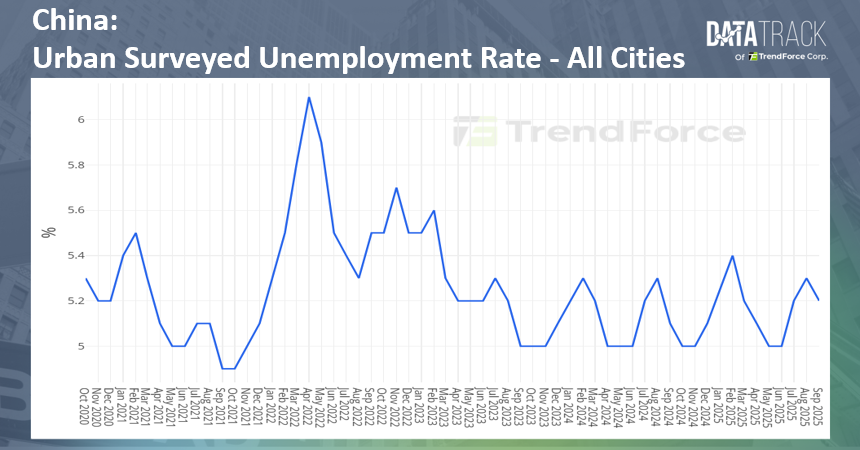
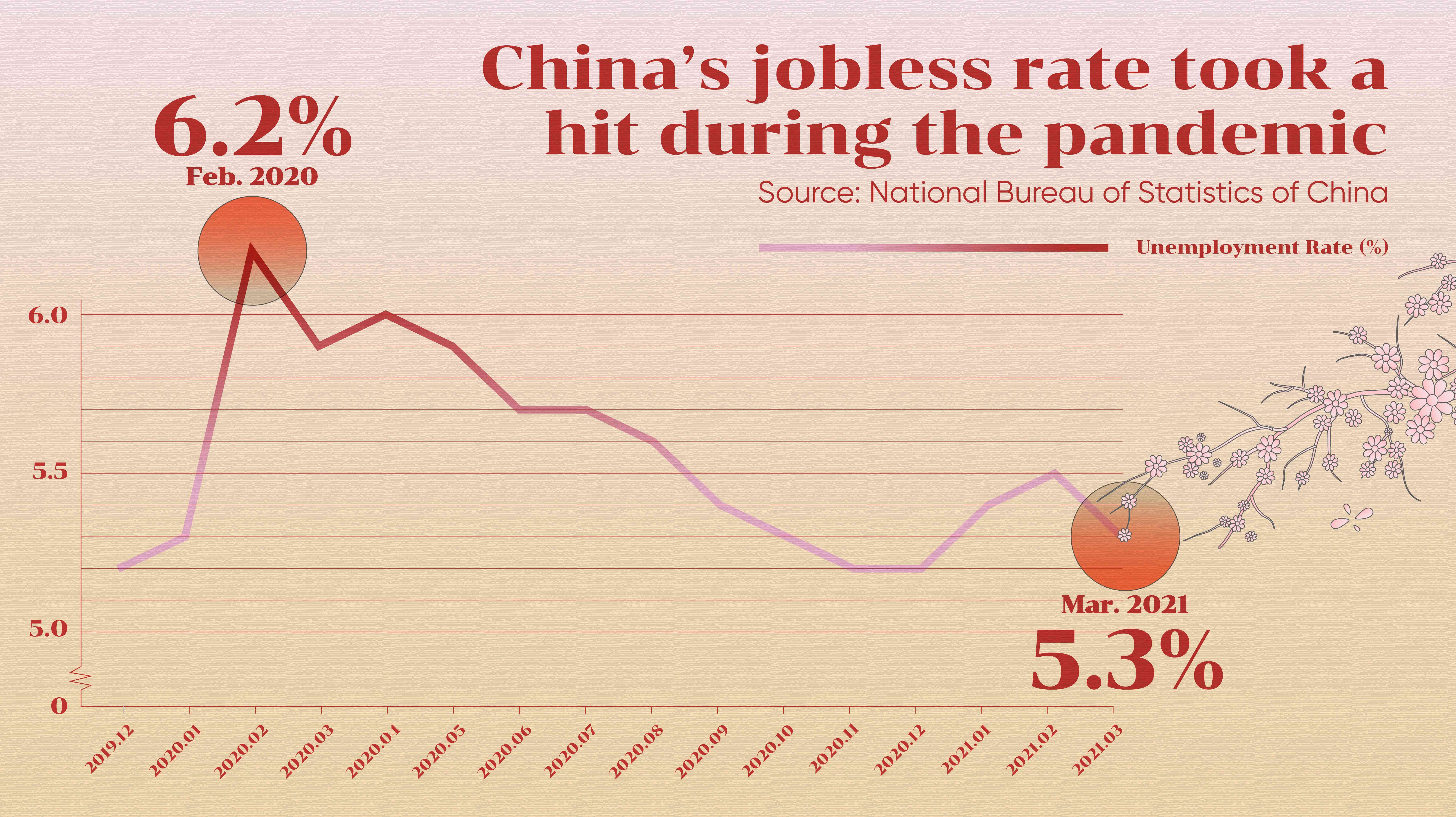
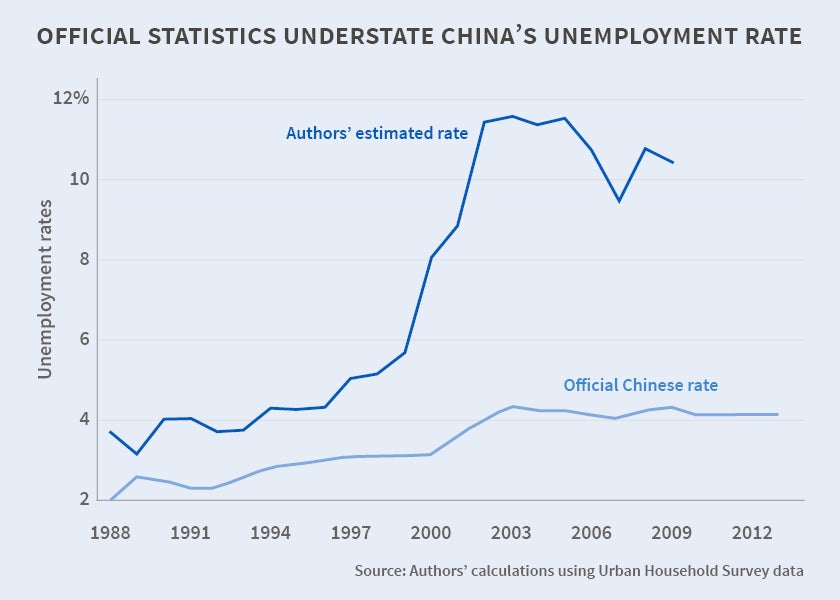
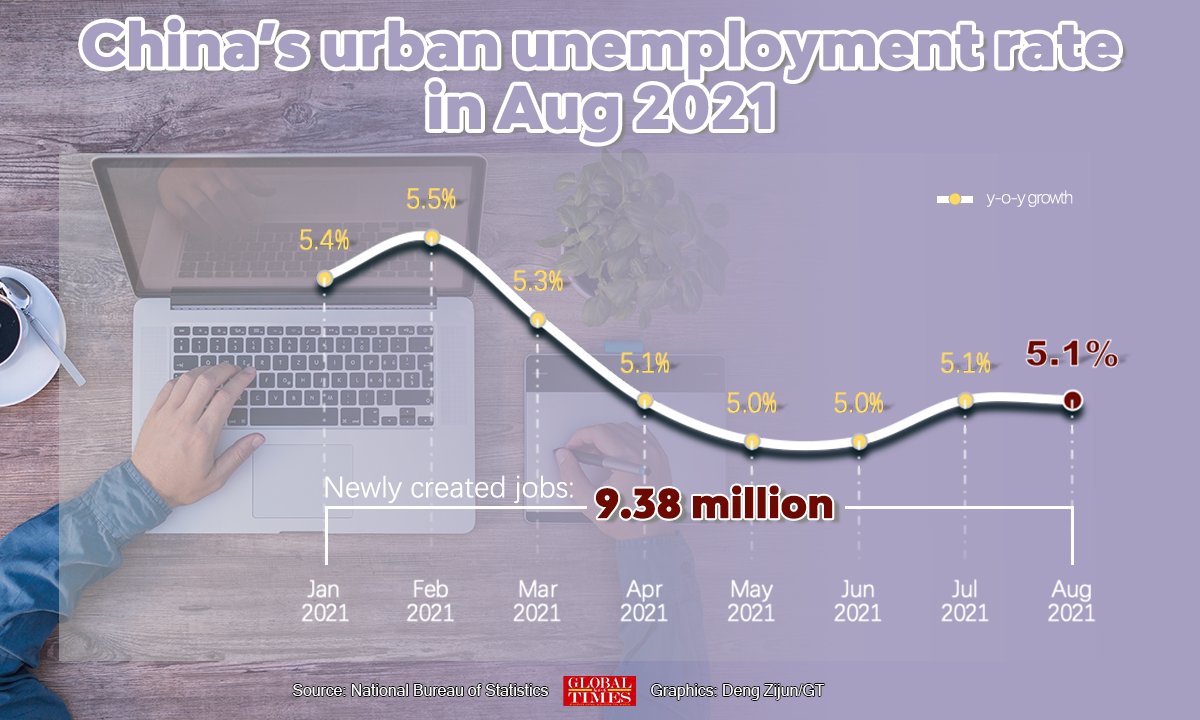
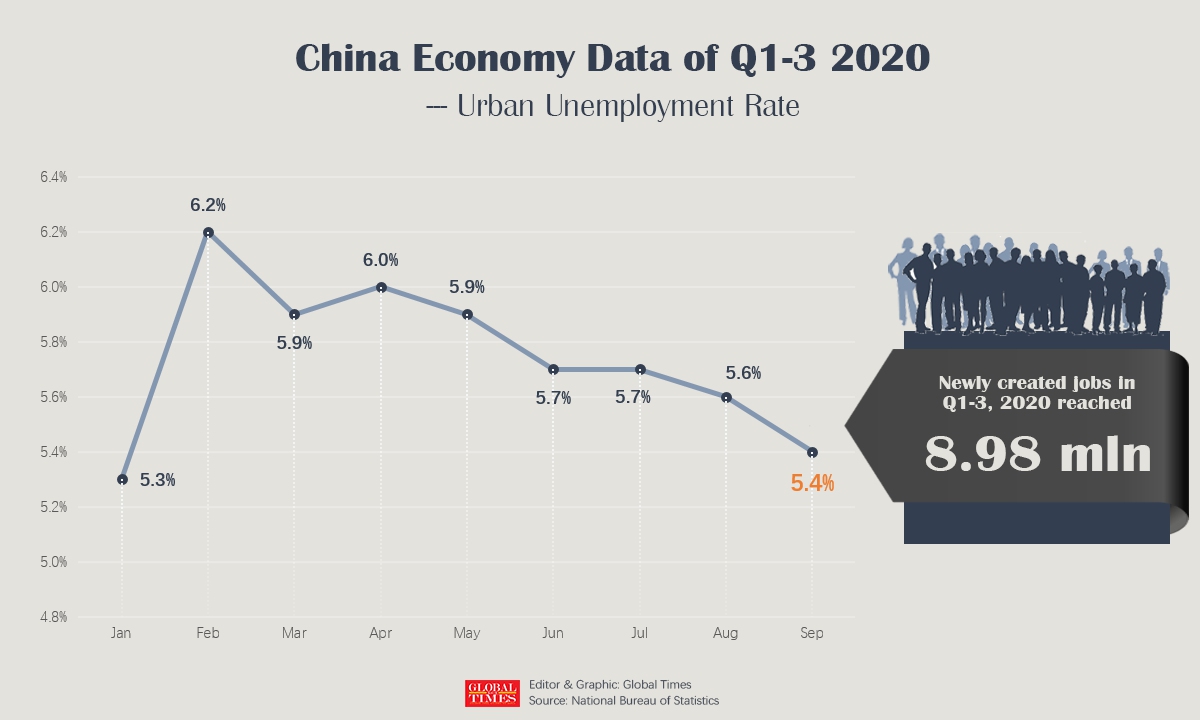
In recent years, the Chinese government has shifted its focus toward the "Surveyed Urban Unemployment Rate" as its primary metric for labor health. Historically, the registered unemployment rate was often criticized for being too stable and not reflecting the actual volatility of the market. Today, the China employment percentage typically hovers between 5.0% and 5.5% for the urban population. This stability is a key priority for Beijing, as employment is directly tied to social stability and the "common prosperity" initiative.
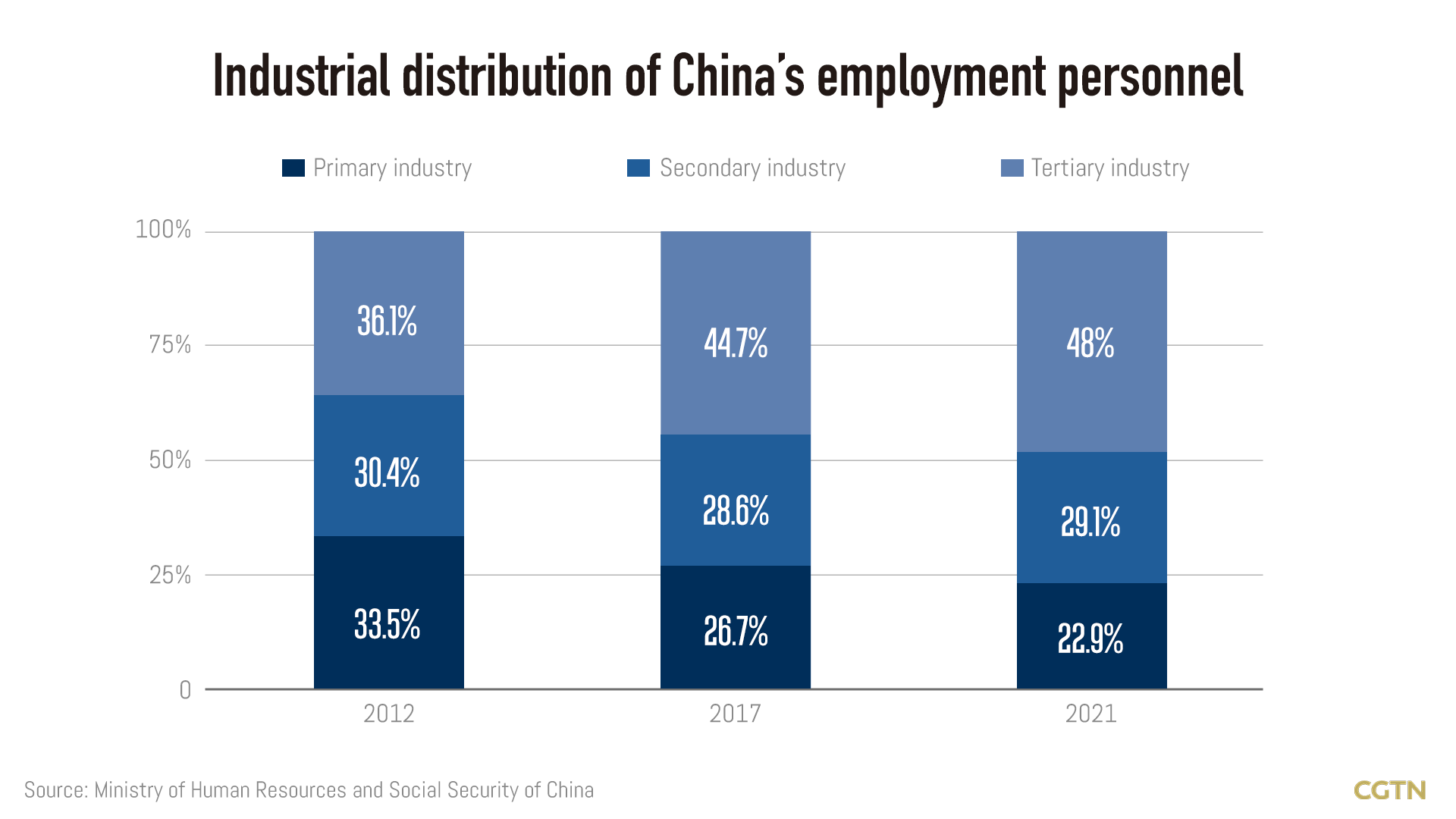
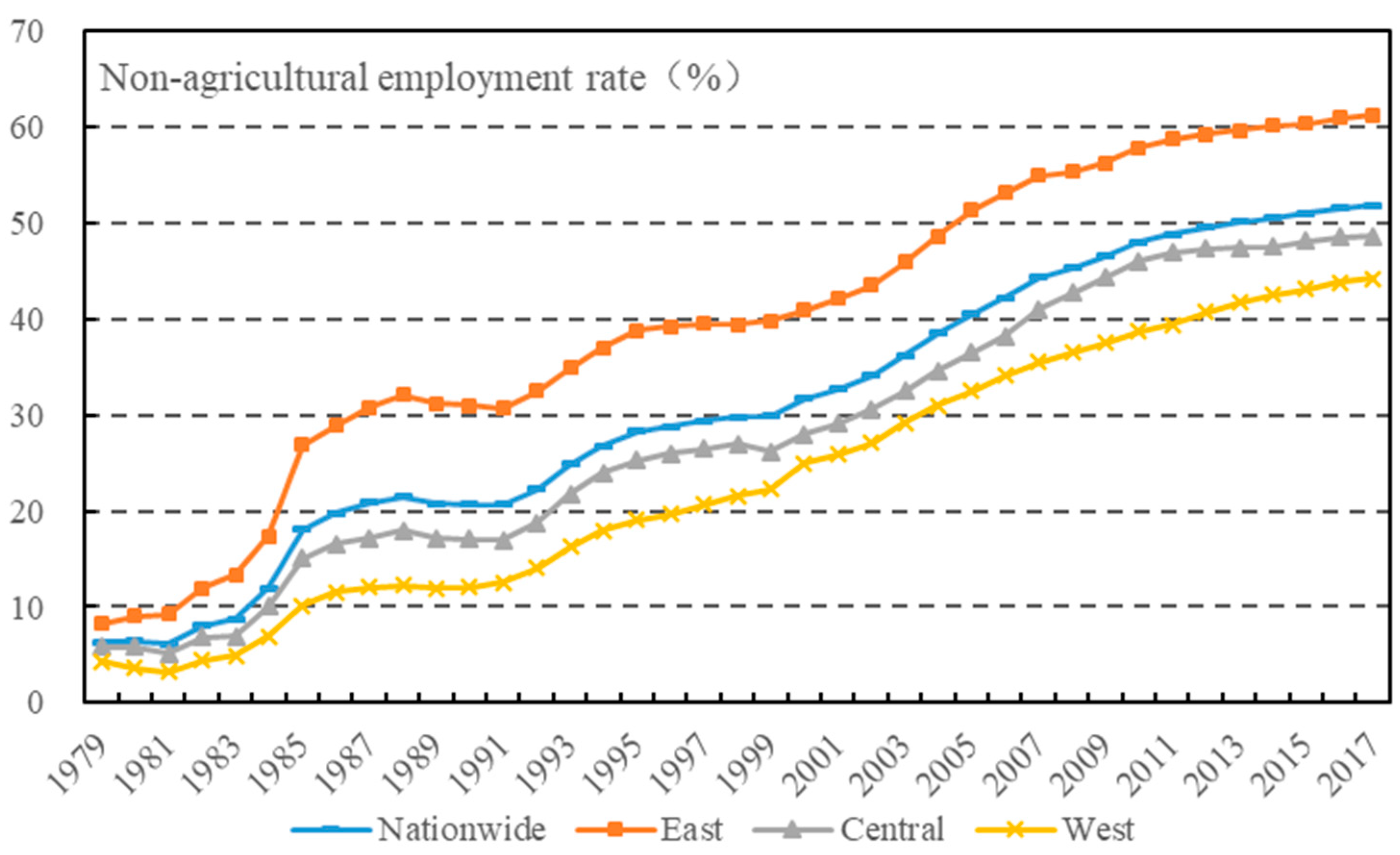
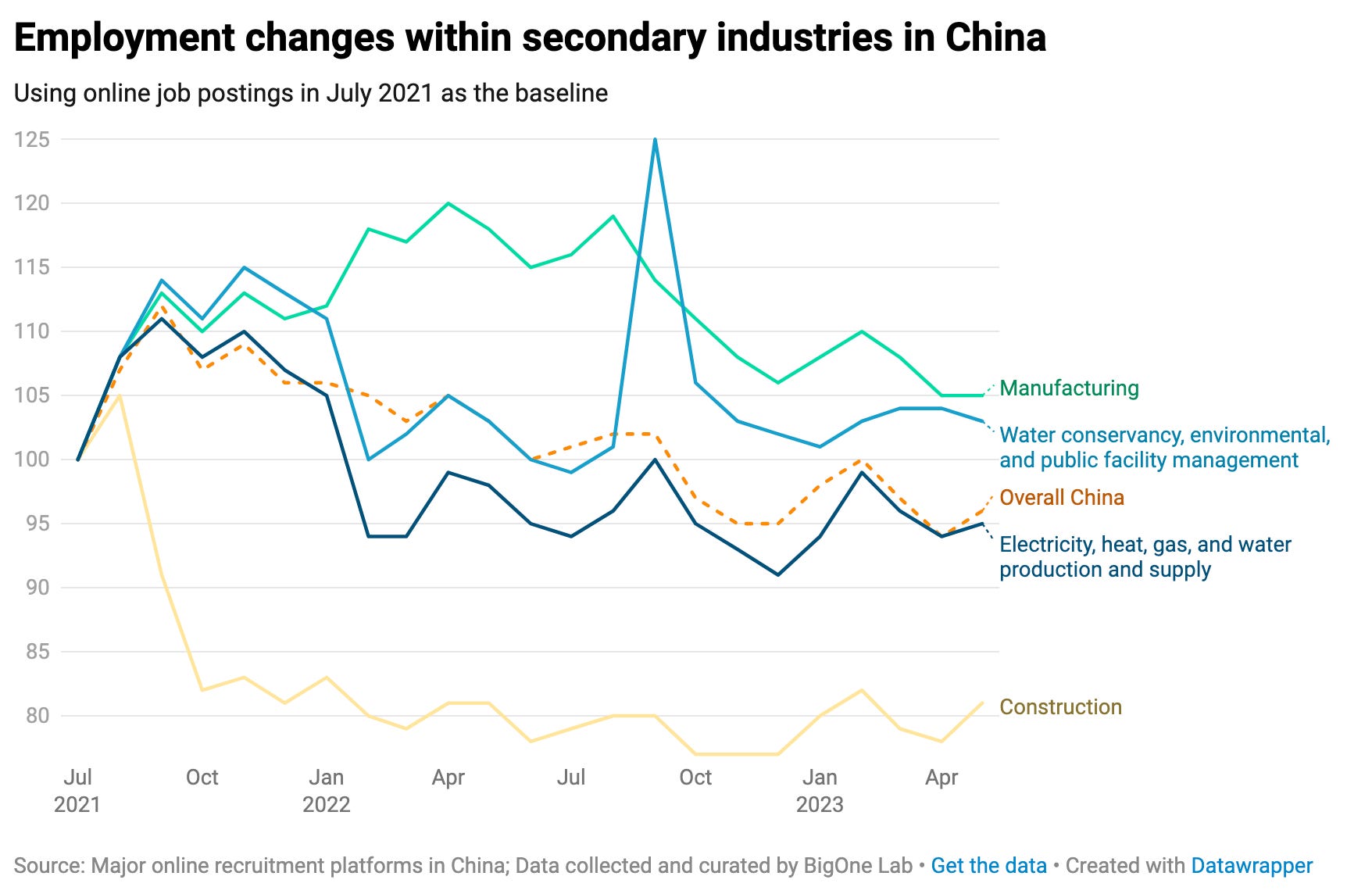
Despite the headline figures appearing stable, the composition of the workforce is changing. The tertiary sector (services) now accounts for the largest share of employment, surpassing both the secondary (manufacturing/construction) and primary (agriculture) sectors. This shift indicates a maturing economy but also necessitates a workforce with higher digital literacy and specialized skills. As the service sector expands, the demand for flexible work and gig economy roles has also surged, complicating how "employment" is traditionally measured.
Structural Shifts: From Agriculture to High-Tech Services
The long-term trend in China’s employment percentage is defined by urbanization. For decades, hundreds of millions of workers migrated from rural areas to cities. This "migrant worker" population is the backbone of China's infrastructure and export success. However, as the country moves up the value chain, the demand for low-skilled manual labor is decreasing in favor of automation and artificial intelligence.
Currently, the tertiary sector employs over 47% of the workforce, while the secondary sector sits at approximately 28%, and agriculture has dwindled to roughly 24%. This is a stark contrast to the 1990s when agriculture was the dominant employer. The "New Economy"—including e-commerce, fintech, and green energy—is now the primary engine for job creation. This structural shift is essential for China to escape the "middle-income trap," but it requires significant investment in vocational training and higher education to ensure the labor supply matches the evolving demand.
| Feature/Aspect | Description/Data Point |
|---|---|
| Average Urban Unemployment Rate | Maintained between 5.0% and 5.3% in recent fiscal periods. |
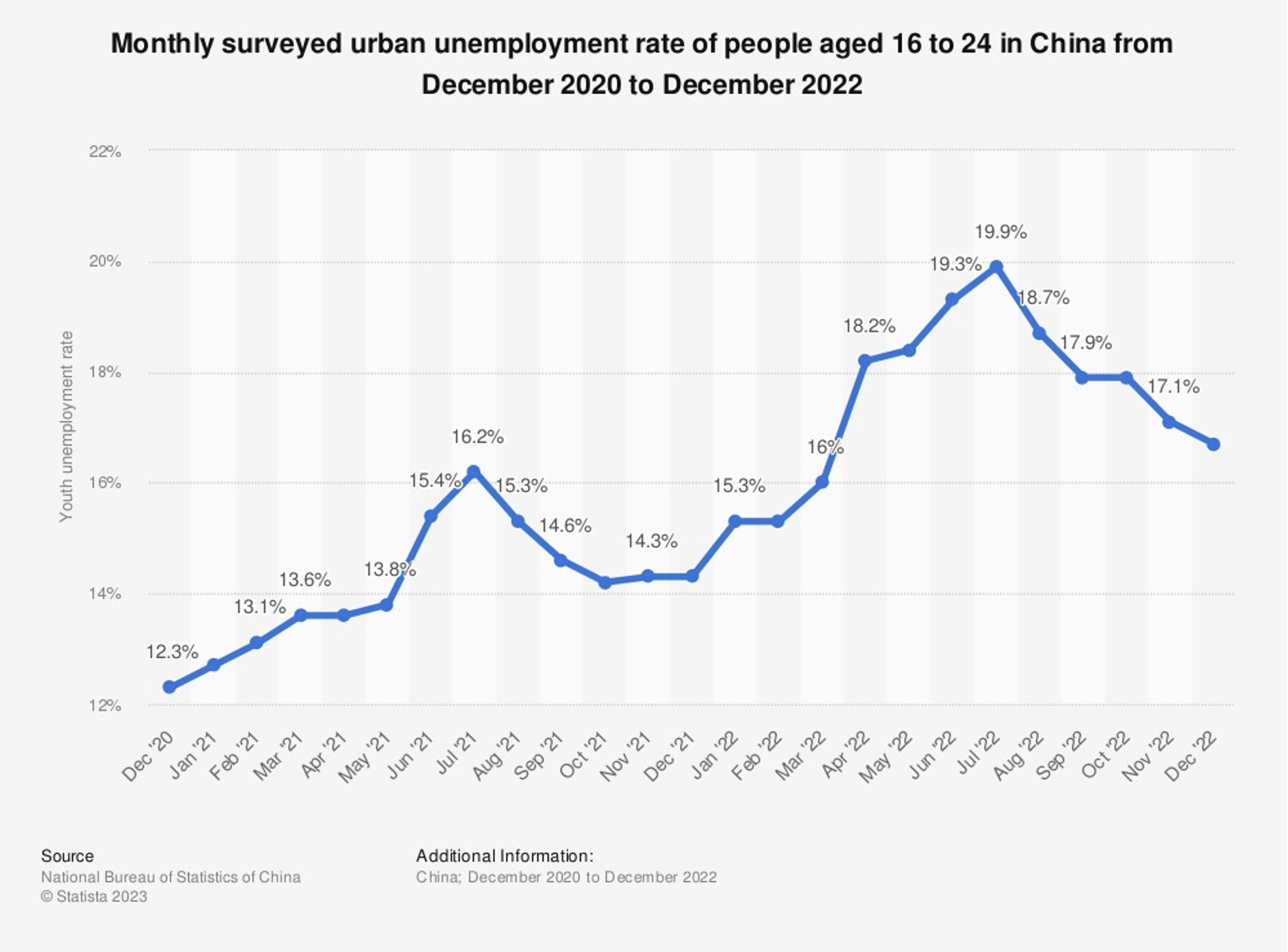
| Youth Unemployment (Ages 16-24) | Historically higher, peaking above 20% before statistical methodology adjustments. |
| Tertiary Sector Employment | The largest employer, covering nearly 48% of the total workforce. |
| Annual New Urban Jobs Target | The government typically aims for 11 to 12 million new urban jobs per year. |
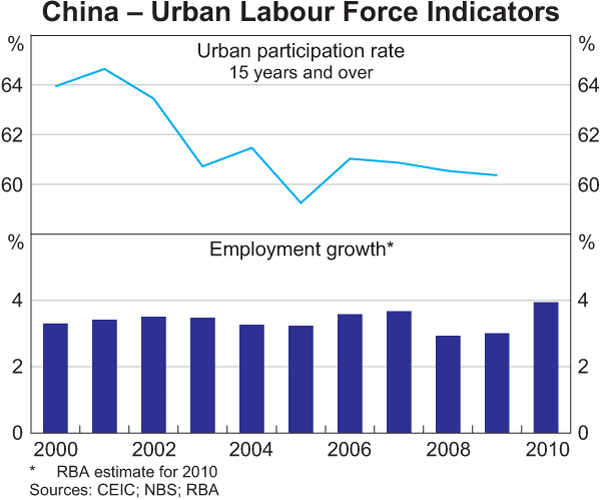
| Labor Force Participation | Gradually declining due to an aging population and longer educational periods. |
Key Challenges Facing the China Employment Percentage
While the overall percentage remains within a target range, there are underlying "pain points" that policymakers are rushing to address. The most notable are youth unemployment and the demographic crisis.
1. Youth Unemployment and Education Mismatch
In recent years, the youth unemployment rate (those aged 16 to 24) became a point of international concern. As a record number of college graduates—exceeding 11 million annually—enter the market, they often find a mismatch between their academic qualifications and the available jobs. Many graduates seek "white-collar" roles in tech or finance, while the current demand remains high in "blue-collar" advanced manufacturing. This phenomenon, often referred to as "labor mismatch," puts downward pressure on the China employment percentage for the younger generation.
2. The Impact of an Aging Population
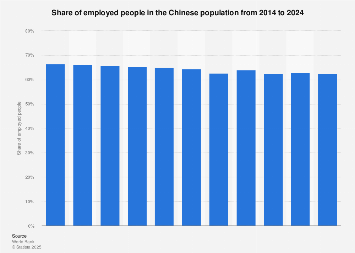
China is facing a demographic transition characterized by a shrinking working-age population. The total labor force reached its peak around 2014 and has been slowly declining since. While this might suggest a lower unemployment rate due to less competition, it actually creates a "labor shortage" in specific industries and increases the dependency ratio. To combat this, the government is exploring raising the retirement age and incentivizing automation to maintain productivity levels despite a smaller workforce.
The Role of Government Policy and "Employment First"
The Chinese government has elevated "Employment First" to a national strategic level. This means that fiscal and monetary policies are often judged by their ability to generate jobs rather than just GDP growth. To support the China employment percentage, the state provides subsidies for small and medium-sized enterprises (SMEs), which are responsible for over 80% of urban employment.
Furthermore, the government is heavily investing in "Vocational Education Reform" to bridge the gap between school and the factory floor. By encouraging students to enter technical colleges rather than traditional universities, the state hopes to provide the talent needed for the "Made in China 2025" initiative. Additionally, the expansion of the social safety net and unemployment insurance is designed to provide a buffer for those transitioning between roles in a rapidly changing digital economy.
Regional Disparities in Employment
It is important to note that the China employment percentage is not uniform across the country. Coastal provinces like Guangdong, Jiangsu, and Zhejiang act as economic powerhouses with high demand for both high-tech and manufacturing labor. In contrast, inland provinces and former industrial hubs in the Northeast (the "Rust Belt") often face higher unemployment rates as traditional coal and steel industries downsize.
Urbanization remains the primary tool for balancing these disparities. By relaxing the hukou (household registration) system in smaller and medium-sized cities, the government is making it easier for workers to move to where the jobs are. This internal migration is essential for maintaining a flexible labor market that can respond to regional economic shifts.
FAQ: Frequently Asked Questions
1. What is the current urban unemployment rate in China?
As of 2023-2024, the surveyed urban unemployment rate in China has generally fluctuated between 5.0% and 5.3%. The government consistently sets a target to keep this figure below 5.5% to ensure social and economic stability.
2. Why is youth unemployment higher than the national average?
Youth unemployment is higher due to a structural mismatch where the number of college graduates exceeds the current demand for high-end office jobs. Additionally, many young workers are opting out of traditional manufacturing roles, leading to a "wait-and-see" approach to employment.
3. How does the "Gig Economy" affect China's employment statistics?
The gig economy, including delivery drivers, ride-sharing, and live-streaming, provides jobs for an estimated 200 million people in China. While this lowers the unemployment rate, it introduces challenges regarding job security, social security benefits, and long-term career stability.
4. Is China's labor force shrinking?
Yes, due to an aging population and declining birth rates, China's working-age population (ages 15-64) is shrinking. This has led to rising wages in some sectors but also creates long-term challenges for labor-intensive industries.
Conclusion
The China employment percentage is a complex metric that reflects a nation in the midst of a profound economic transformation. While the headline unemployment rates suggest a stable environment, the underlying shifts—from manufacturing to services, from rural to urban, and from a young to an aging workforce—present significant hurdles. The government's "Employment First" strategy and its focus on vocational training and SME support are vital components in navigating these changes. For global observers and investors, monitoring the health of China's labor market is not just about counting jobs; it is about understanding how the world’s largest workforce adapts to the digital and technological demands of the 21st century. As China continues to balance growth with stability, its ability to maintain high employment levels will remain the cornerstone of its national development and global influence.
china employment percentage
china employment percentage Wallpapers
Collection of china employment percentage wallpapers for your desktop and mobile devices.
Detailed China Employment Percentage Capture for Desktop
Discover an amazing china employment percentage background image, ideal for personalizing your devices with vibrant colors and intricate designs.
Crisp China Employment Percentage Abstract in HD
Immerse yourself in the stunning details of this beautiful china employment percentage wallpaper, designed for a captivating visual experience.

Vibrant China Employment Percentage Moment Art
Transform your screen with this vivid china employment percentage artwork, a true masterpiece of digital design.
Beautiful China Employment Percentage Photo Concept
Explore this high-quality china employment percentage image, perfect for enhancing your desktop or mobile wallpaper.
Detailed China Employment Percentage View in 4K
Explore this high-quality china employment percentage image, perfect for enhancing your desktop or mobile wallpaper.

Captivating China Employment Percentage Picture Collection
Find inspiration with this unique china employment percentage illustration, crafted to provide a fresh look for your background.
Vivid China Employment Percentage Artwork Digital Art
Transform your screen with this vivid china employment percentage artwork, a true masterpiece of digital design.

Mesmerizing China Employment Percentage Design Illustration
Experience the crisp clarity of this stunning china employment percentage image, available in high resolution for all your screens.

Breathtaking China Employment Percentage Image Photography
Explore this high-quality china employment percentage image, perfect for enhancing your desktop or mobile wallpaper.
Vibrant China Employment Percentage View in HD
Experience the crisp clarity of this stunning china employment percentage image, available in high resolution for all your screens.
Lush China Employment Percentage Moment Art
This gorgeous china employment percentage photo offers a breathtaking view, making it a perfect choice for your next wallpaper.

Gorgeous China Employment Percentage View Illustration
This gorgeous china employment percentage photo offers a breathtaking view, making it a perfect choice for your next wallpaper.
Stunning China Employment Percentage Wallpaper Concept
Find inspiration with this unique china employment percentage illustration, crafted to provide a fresh look for your background.
x(1125).png "Spectacular China Employment Percentage Design for Desktop")
Spectacular China Employment Percentage Design for Desktop
A captivating china employment percentage scene that brings tranquility and beauty to any device.
Stunning China Employment Percentage Picture Art
Find inspiration with this unique china employment percentage illustration, crafted to provide a fresh look for your background.
Detailed China Employment Percentage Moment Collection
Explore this high-quality china employment percentage image, perfect for enhancing your desktop or mobile wallpaper.
Captivating China Employment Percentage Image Concept
This gorgeous china employment percentage photo offers a breathtaking view, making it a perfect choice for your next wallpaper.
Crisp China Employment Percentage Design in HD
A captivating china employment percentage scene that brings tranquility and beauty to any device.
Amazing China Employment Percentage Background for Your Screen
Discover an amazing china employment percentage background image, ideal for personalizing your devices with vibrant colors and intricate designs.

Lush China Employment Percentage Photo for Mobile
This gorgeous china employment percentage photo offers a breathtaking view, making it a perfect choice for your next wallpaper.
Download these china employment percentage wallpapers for free and use them on your desktop or mobile devices.