What to know about the summer solstice — the longest, brightest day of the year
What to Know About the Summer Solstice — The Longest, Brightest Day of the Year
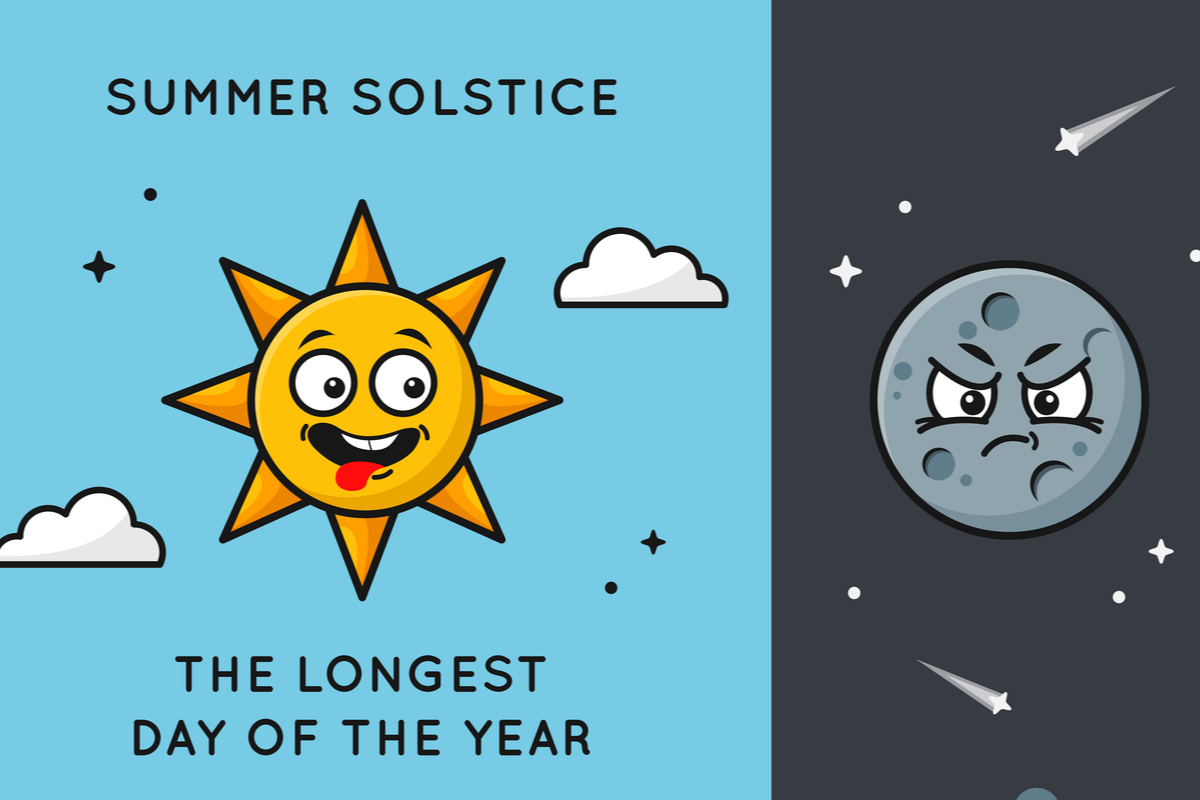
As the Earth reaches a pivotal point in its annual orbit around the sun, millions of people across the Northern Hemisphere prepare for a phenomenon that has captivated humanity for millennia. The summer solstice is more than just a calendar date; it is an astronomical milestone, a cultural cornerstone, and a moment of profound connection between our planet and its star. Known as the longest, brightest day of the year, the summer solstice represents the official commencement of the astronomical summer, bringing with it extended daylight hours and a spiritual sense of renewal. In this comprehensive guide, we delve into everything you need to know about the summer solstice, from the complex physics of Earth’s tilt to the ancient traditions that still thrive today.
The Science Behind the Solstice: Why It Happens
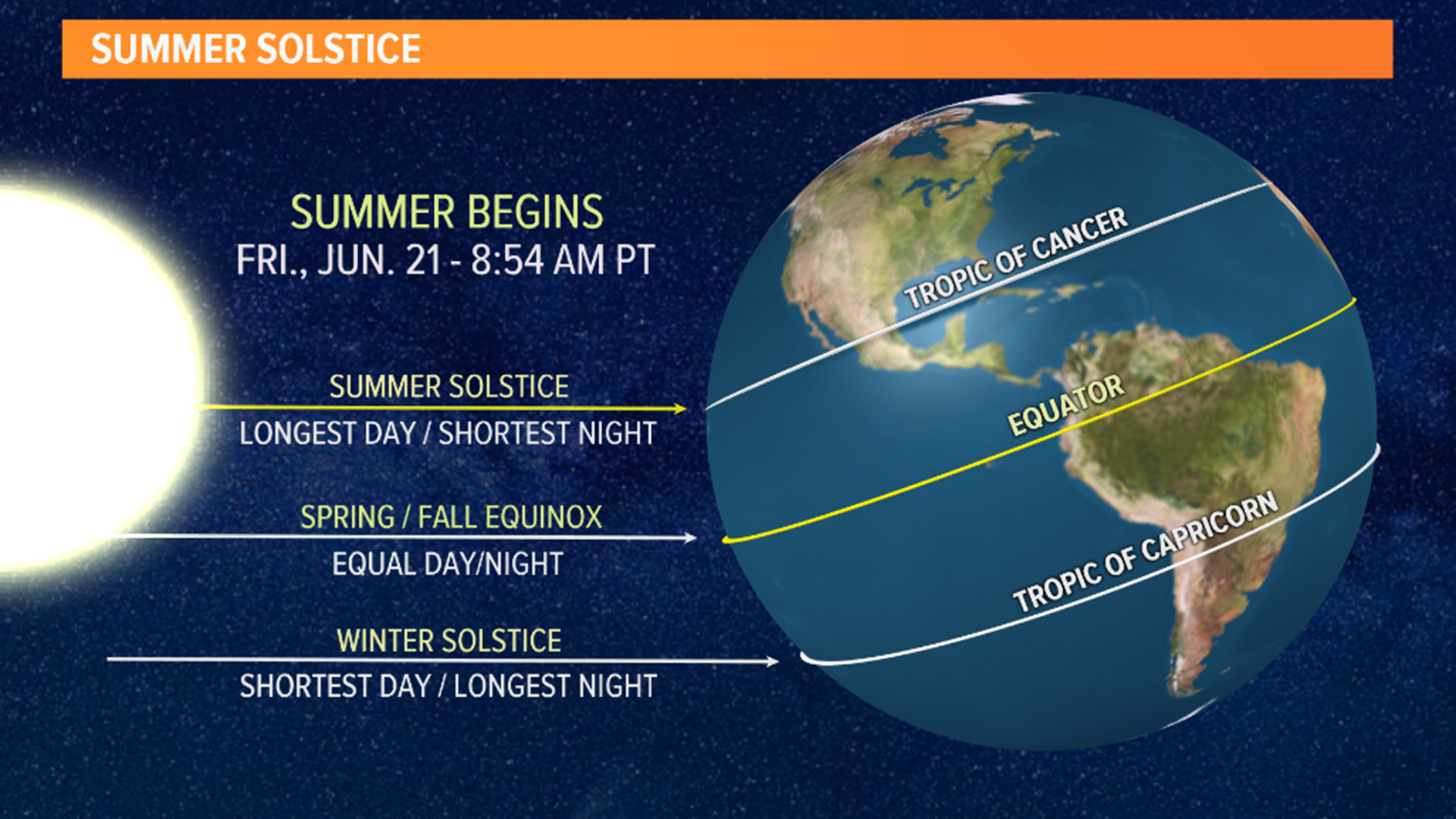
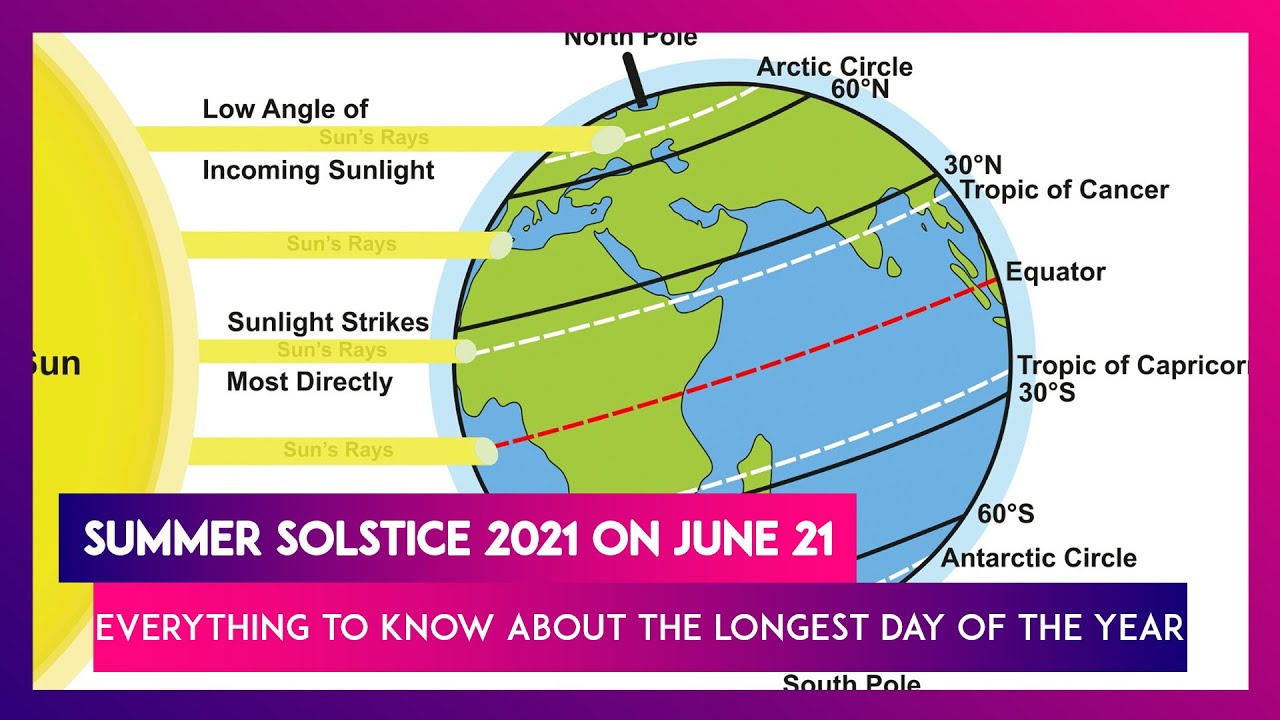
The term "solstice" is derived from the Latin words sol (sun) and sistere (to stand still). During the solstice, the sun appears to reach its highest or lowest point in the sky and then "stands still" before reversing its direction. This occurs because the Earth does not orbit the sun in a perfectly upright position. Instead, our planet is tilted on its axis at an angle of approximately 23.5 degrees.
During the June solstice, the Northern Hemisphere is tilted most directly toward the sun. This orientation allows the sun to reach its northernmost point in the sky, positioned directly over the Tropic of Cancer. As a result, regions in the Northern Hemisphere experience their greatest amount of daylight. Conversely, the Southern Hemisphere is tilted away from the sun, marking their winter solstice—the shortest day of the year.
The Arctic Circle and the Midnight Sun
The effects of the solstice are most dramatic as you move further north. Within the Arctic Circle, the sun does not set at all during the summer solstice. This phenomenon, known as the "Midnight Sun," occurs because the Earth's tilt keeps the region continuously exposed to sunlight even as the planet rotates. Places like Tromsø, Norway, and Fairbanks, Alaska, experience weeks of perpetual daylight, which significantly impacts local ecosystems and human circadian rhythms.
The Timing: When Does the Summer Solstice Occur?
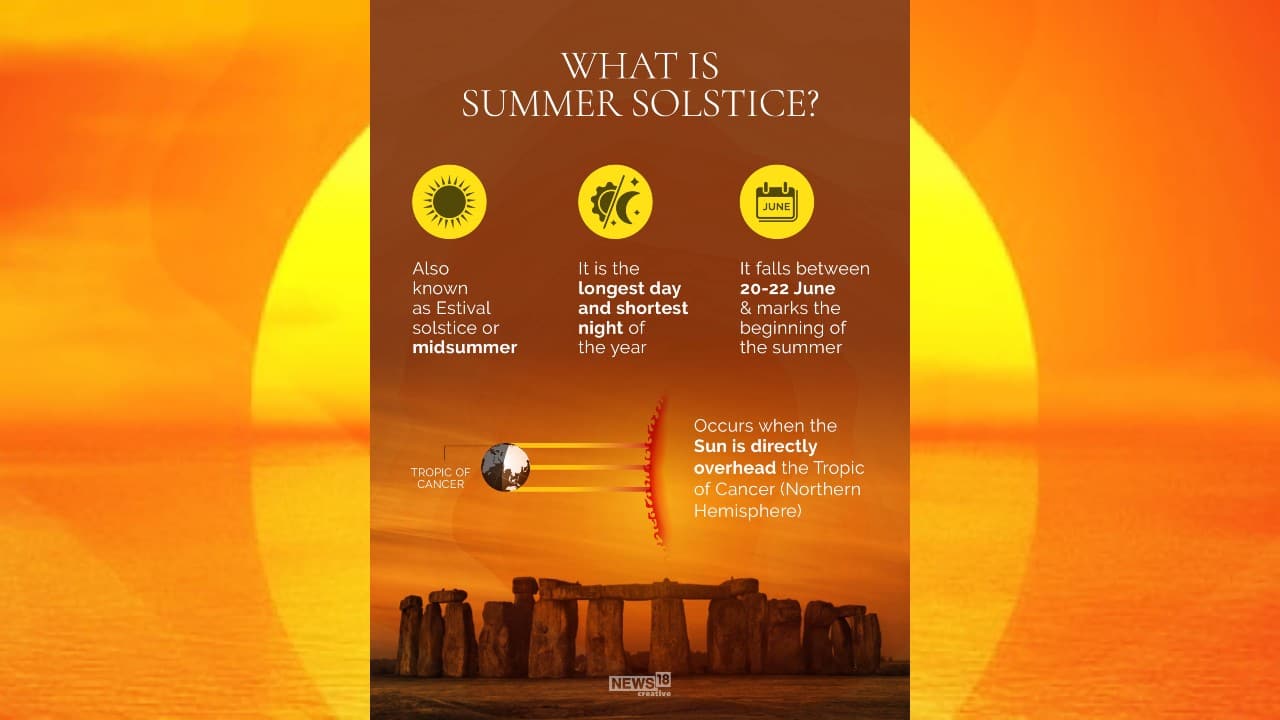
The summer solstice does not happen on the same day every year, though it typically falls between June 20 and June 22. The variation is due to the discrepancy between the Gregorian calendar year (365 days) and the solar year (approximately 365.242199 days). To account for this, leap years are used, which causes the specific timing of the solstice to shift.
In 2024, the summer solstice occurs on Thursday, June 20, at 4:51 PM EDT. This marks the earliest summer solstice in over 200 years (specifically since 1796). For those tracking the "longest day," this is the moment when the North Pole is at its maximum tilt toward the sun, providing the maximum possible duration of sunlight for the year.
| Fitur/Aspek | Deskripsi |
|---|---|
| Astronomical Definition | The moment the North Pole is tilted most directly toward the sun (23.5°). |
| Typical Dates | June 20, 21, or 22 in the Northern Hemisphere. |
| Solar Position | Sun is directly overhead at the Tropic of Cancer (23.5°N latitude). |
| Daylight Duration | The longest day of the year; 24 hours of sun at the Arctic Circle. |
| Southern Hemisphere | Conversely, it is the Winter Solstice (shortest day) for the South. |
Cultural and Historical Significance: Ancient Traditions
For thousands of years, humans have recognized the summer solstice as a significant event. Many ancient civilizations built monuments to track the sun’s movement and celebrate the peak of the light.
Stonehenge and the Solar Alignment
Perhaps the most famous monument associated with the solstice is Stonehenge in Wiltshire, England. On the morning of the summer solstice, the sun rises behind the Heel Stone and its first rays shine directly into the heart of the stone circle. Thousands of modern-day pagans, druids, and tourists still gather at this UNESCO World Heritage site to witness the sunrise, continuing a tradition that dates back nearly 5,000 years.
Midsummer Festivals in Scandinavia
In Northern Europe, particularly in Sweden, Midsommar is one of the most important holidays of the year. Historically, the solstice was a time to celebrate fertility and the triumph of light over darkness. Traditions include raising maypoles, dancing to folk music, and wearing flower crowns. It is a time for communal feasts and a deep appreciation for the brief but intense Nordic summer.
Ancient Egypt and the Nile
For the ancient Egyptians, the summer solstice heralded the rising of the star Sirius and the subsequent annual flooding of the Nile River. This flood was crucial for agriculture, making the solstice a symbol of life-giving water and abundance. The Great Pyramids were also aligned such that the sun sets exactly between two of the pyramids when viewed from the Sphinx on the solstice.
Common Myths: Why the Solstice Isn't the Hottest Day
A common misconception is that the summer solstice is the hottest day of the year. While it is the day when the Northern Hemisphere receives the most direct solar radiation, the hottest temperatures usually arrive in July or August. This phenomenon is known as "seasonal lag."
Think of it like heating an oven or a large pot of water. Even after you turn the heat to the highest setting, it takes time for the water to boil. Similarly, the Earth’s oceans and landmasses absorb the intense solar energy of the solstice but take several weeks to release that heat back into the atmosphere. Consequently, the peak of summer heat occurs well after the longest day has passed.
The "Standing Still" Illusion
Another myth is that the sun actually stops moving. In reality, the "standing still" refers to the sun's declination—the angle at which it appears in the sky relative to the celestial equator. For a few days before and after the solstice, the sun’s path appears to stay at the same height, giving the illusion of a pause before it begins its slow descent toward the autumn equinox.
Modern Relevance: Climate Change and the Solstice
In the 21st century, the summer solstice is increasingly viewed through the lens of environmental science. As global temperatures rise, the traditional markers of summer are shifting. While the astronomical date of the solstice remains constant based on Earth's orbit, the biological and meteorological "starts" to summer are occurring earlier. Scientists use the solstice as a benchmark to measure changes in ice melt in the Arctic and shifts in migratory patterns for wildlife.
Furthermore, the solstice has become a focal point for renewable energy awareness. As the day with the most potential for solar power generation, it serves as a reminder of the sun's vast energy and the potential for a transition to sustainable power sources. Many green energy initiatives hold "Solar Day" events on the solstice to highlight the efficiency of photovoltaic technology.
FAQs About the Summer Solstice
1. Does the summer solstice happen at the same time everywhere?
The solstice is a specific moment in time that occurs simultaneously for everyone on Earth. However, due to time zones, the local clock time will vary. For some, it might occur in the morning, while for others, it may happen at night or even on the following calendar day.
2. Why is it called the "first day of summer" if it's already been hot?
There are two ways to define seasons: meteorological and astronomical. Meteorologists define summer as the three warmest months (June, July, and August in the North). Astronomers define it based on the Earth’s tilt, with the solstice marking the official astronomical start.
3. Is the day exactly 24 hours long on the solstice?
While a standard day is 24 hours, the duration of daylight varies. On the solstice, the sun stays above the horizon for the longest period of the year. In New York, this is about 15 hours; in London, about 16.5 hours; and at the North Pole, the sun doesn't set at all.
4. How does the solstice affect my mood or health?
Increased exposure to sunlight boosts Vitamin D production and can improve mood by increasing serotonin levels. However, the lack of darkness can disrupt sleep patterns (circadian rhythms) for those living in high latitudes, leading to what some call "summer insomnia."
Conclusion
The summer solstice is a magnificent reminder of our planet's place in the cosmos. It is a day where science, history, and culture converge under the peak of the golden sun. Whether you are celebrating at Stonehenge, enjoying a late-evening barbecue, or simply appreciating the extra hours of light, the solstice invites us to pause and reflect on the cycles of nature. As the longest and brightest day of the year, it marks the zenith of the sun's journey—a moment of maximum light before the slow, graceful turn back toward the shadows of winter. Embrace the warmth, utilize the energy, and enjoy every minute of this extraordinary astronomical event.
What to know about the summer solstice — the longest, brightest day of the year
What to know about the summer solstice — the longest, brightest day of the year Wallpapers
Collection of what to know about the summer solstice — the longest, brightest day of the year wallpapers for your desktop and mobile devices.

Stunning What To Know About The Summer Solstice — The Longest, Brightest Day Of The Year Wallpaper for Desktop
Find inspiration with this unique what to know about the summer solstice — the longest, brightest day of the year illustration, crafted to provide a fresh look for your background.

Dynamic What To Know About The Summer Solstice — The Longest, Brightest Day Of The Year Moment Photography
Find inspiration with this unique what to know about the summer solstice — the longest, brightest day of the year illustration, crafted to provide a fresh look for your background.

Dynamic What To Know About The Summer Solstice — The Longest, Brightest Day Of The Year Landscape for Desktop
Find inspiration with this unique what to know about the summer solstice — the longest, brightest day of the year illustration, crafted to provide a fresh look for your background.

Exquisite What To Know About The Summer Solstice — The Longest, Brightest Day Of The Year Wallpaper Art
A captivating what to know about the summer solstice — the longest, brightest day of the year scene that brings tranquility and beauty to any device.
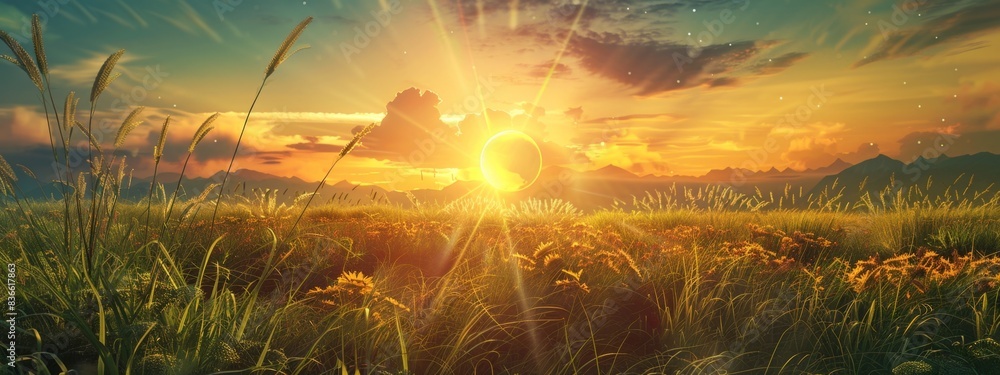
Detailed What To Know About The Summer Solstice — The Longest, Brightest Day Of The Year Wallpaper Digital Art
Transform your screen with this vivid what to know about the summer solstice — the longest, brightest day of the year artwork, a true masterpiece of digital design.

Crisp What To Know About The Summer Solstice — The Longest, Brightest Day Of The Year Moment in HD
A captivating what to know about the summer solstice — the longest, brightest day of the year scene that brings tranquility and beauty to any device.

Vivid What To Know About The Summer Solstice — The Longest, Brightest Day Of The Year Moment for Your Screen
Explore this high-quality what to know about the summer solstice — the longest, brightest day of the year image, perfect for enhancing your desktop or mobile wallpaper.

Spectacular What To Know About The Summer Solstice — The Longest, Brightest Day Of The Year Wallpaper Nature
Immerse yourself in the stunning details of this beautiful what to know about the summer solstice — the longest, brightest day of the year wallpaper, designed for a captivating visual experience.

Crisp What To Know About The Summer Solstice — The Longest, Brightest Day Of The Year Abstract for Your Screen
This gorgeous what to know about the summer solstice — the longest, brightest day of the year photo offers a breathtaking view, making it a perfect choice for your next wallpaper.

Exquisite What To Know About The Summer Solstice — The Longest, Brightest Day Of The Year Picture Nature
This gorgeous what to know about the summer solstice — the longest, brightest day of the year photo offers a breathtaking view, making it a perfect choice for your next wallpaper.

Mesmerizing What To Know About The Summer Solstice — The Longest, Brightest Day Of The Year Capture in HD
Experience the crisp clarity of this stunning what to know about the summer solstice — the longest, brightest day of the year image, available in high resolution for all your screens.
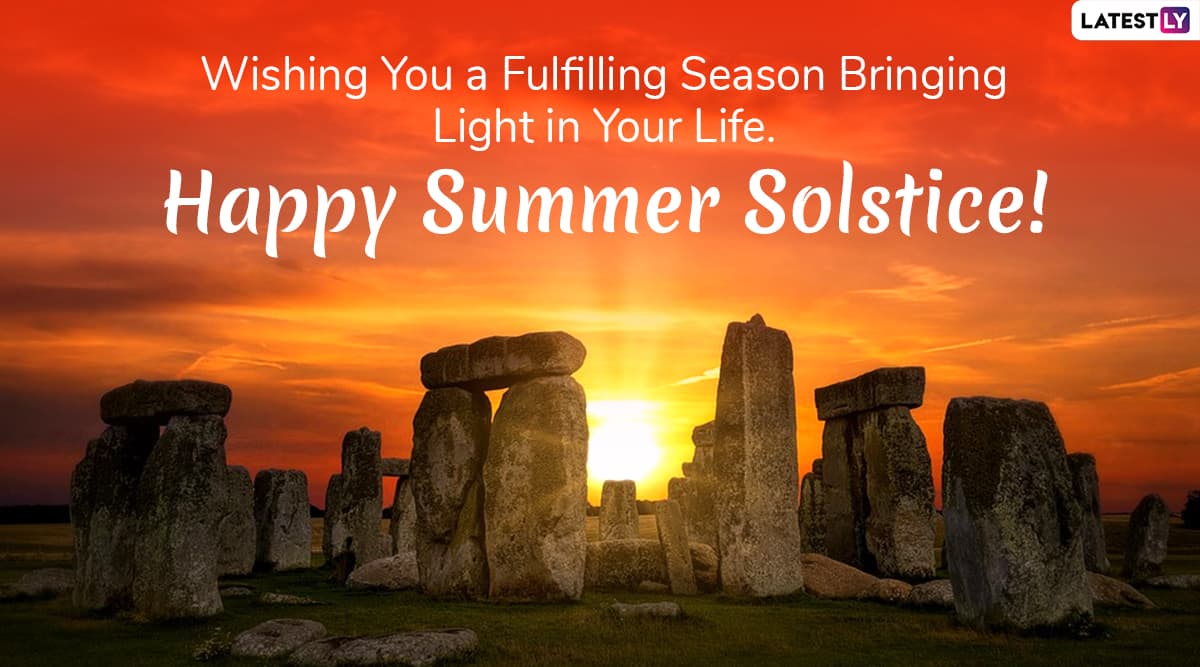
Mesmerizing What To Know About The Summer Solstice — The Longest, Brightest Day Of The Year Image Concept
Discover an amazing what to know about the summer solstice — the longest, brightest day of the year background image, ideal for personalizing your devices with vibrant colors and intricate designs.
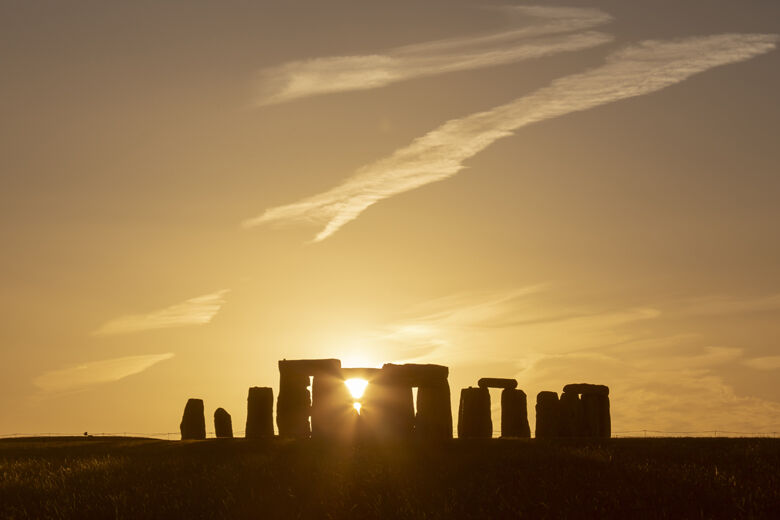
High-Quality What To Know About The Summer Solstice — The Longest, Brightest Day Of The Year Moment Concept
Transform your screen with this vivid what to know about the summer solstice — the longest, brightest day of the year artwork, a true masterpiece of digital design.
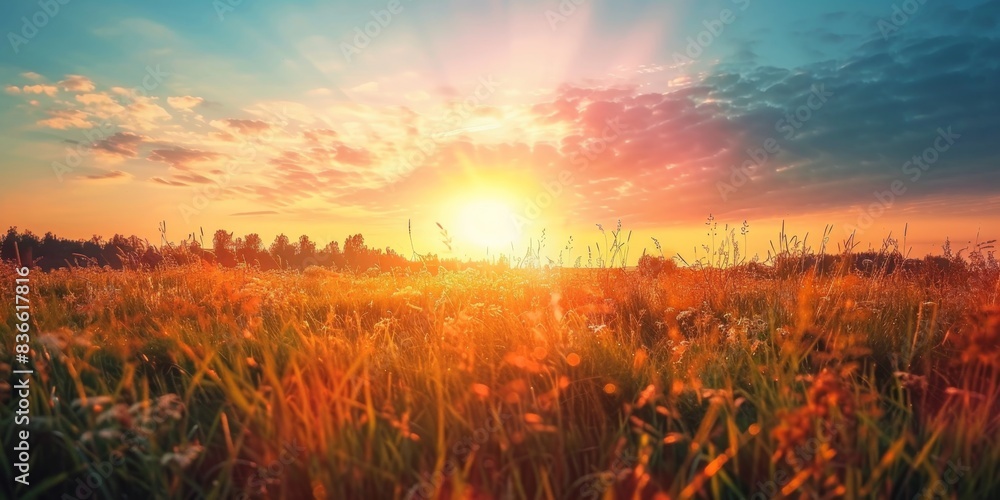
Vivid What To Know About The Summer Solstice — The Longest, Brightest Day Of The Year Moment for Desktop
Discover an amazing what to know about the summer solstice — the longest, brightest day of the year background image, ideal for personalizing your devices with vibrant colors and intricate designs.
 "Gorgeous What To Know About The Summer Solstice — The Longest, Brightest Day Of The Year Capture Photography")
Gorgeous What To Know About The Summer Solstice — The Longest, Brightest Day Of The Year Capture Photography
This gorgeous what to know about the summer solstice — the longest, brightest day of the year photo offers a breathtaking view, making it a perfect choice for your next wallpaper.

Mesmerizing What To Know About The Summer Solstice — The Longest, Brightest Day Of The Year Wallpaper for Desktop
Experience the crisp clarity of this stunning what to know about the summer solstice — the longest, brightest day of the year image, available in high resolution for all your screens.
Serene What To Know About The Summer Solstice — The Longest, Brightest Day Of The Year Picture Digital Art
Explore this high-quality what to know about the summer solstice — the longest, brightest day of the year image, perfect for enhancing your desktop or mobile wallpaper.
Vivid What To Know About The Summer Solstice — The Longest, Brightest Day Of The Year Artwork Digital Art
Transform your screen with this vivid what to know about the summer solstice — the longest, brightest day of the year artwork, a true masterpiece of digital design.
Vivid What To Know About The Summer Solstice — The Longest, Brightest Day Of The Year Image Nature
Transform your screen with this vivid what to know about the summer solstice — the longest, brightest day of the year artwork, a true masterpiece of digital design.
Artistic What To Know About The Summer Solstice — The Longest, Brightest Day Of The Year View Art
A captivating what to know about the summer solstice — the longest, brightest day of the year scene that brings tranquility and beauty to any device.
Download these what to know about the summer solstice — the longest, brightest day of the year wallpapers for free and use them on your desktop or mobile devices.