Ex-Fed adviser gets 3 years in prison in China secrets case
Ex-Fed Adviser Sentenced to 3 Years in Prison Over China Secrets Case: A Deep Dive into Economic Espionage
In a landmark ruling that underscores the growing tensions between the United States and China over intellectual property and economic security, a former adviser to the Federal Reserve has been sentenced to three years in federal prison. The case, which has sent shockwaves through the financial and academic communities, highlights the rigorous efforts by the U.S. Department of Justice to curb the unauthorized transfer of sensitive information to foreign entities. This sentencing marks a pivotal moment in the ongoing "China Initiative," a program designed to counter economic espionage and the theft of trade secrets that threaten American national interests.
The defendant, whose expertise in economic policy and central banking made him a valuable asset to both the Federal Reserve and international academic circles, was found guilty of several charges related to the concealment of his ties to Chinese state-sponsored programs. The case revolves around the misappropriation of proprietary information and the failure to disclose conflicts of interest that could potentially compromise the integrity of the U.S. financial system. As global powers compete for dominance in the 21st-century economy, this case serves as a stark reminder of the legal and professional consequences awaiting those who navigate the murky waters of international intellectual exchange without full transparency.
The Anatomy of the Case: From Federal Reserve to Federal Prison
The investigation into the former adviser began several years ago when federal agents flagged suspicious patterns of travel and financial transactions linked to overseas accounts. According to court documents, the individual utilized his high-level access within the Federal Reserve system to gather internal reports, analytical models, and strategic forecasts. While some of this information was not classified in a traditional military sense, it constituted "trade secrets" and "proprietary economic data" that provide a competitive edge in global markets.
Prosecutors argued that the defendant was recruited by a Chinese recruitment program, often referred to as the "Thousand Talents Plan." These programs are designed to attract experts from Western institutions to share their knowledge and data with Chinese state entities. In exchange, the defendant allegedly received substantial research grants, luxury travel, and professional accolades—all while failing to report these affiliations to his primary employer, the Federal Reserve Bank. This lack of disclosure is the crux of the legal violation, as it bypasses the ethical and security frameworks intended to prevent foreign influence within the U.S. central bank.
The Scale of Information Misappropriation
During the trial, the prosecution presented evidence showing that the defendant had downloaded thousands of sensitive files onto unauthorized personal storage devices. These files included confidential analyses regarding global interest rate projections, internal assessments of China's economic stability, and the Fed's tactical response plans to various global financial crises. The government contended that such information, in the hands of a foreign government, could be used to manipulate markets or gain an unfair advantage in bilateral trade negotiations.
The defense, conversely, argued that the adviser’s actions were born out of a commitment to international academic collaboration rather than a desire to harm the United States. They maintained that the information shared was largely academic in nature and that the failure to disclose affiliations was a bureaucratic oversight rather than a criminal conspiracy. However, the judge ultimately found the volume of data and the clandestine nature of the communications to be indicative of criminal intent, leading to the three-year custodial sentence.
Understanding the Strategic Importance of the Federal Reserve
To understand why this case is so significant, one must look at the role of the Federal Reserve (the Fed). As the central bank of the United States, the Fed is responsible for setting monetary policy, supervising banking institutions, and maintaining financial stability. The data it generates is among the most sensitive economic information in the world. Even a small leak regarding future interest rate hikes or shifts in currency reserves can move trillions of dollars in global markets within seconds.
The vulnerability of the Fed to foreign intelligence operations is a matter of profound national security. If an adviser with deep access to the Fed’s internal logic is secretly working for a foreign power, the potential for economic sabotage is immense. This case illustrates that "secrets" in the modern age aren't just about troop movements or nuclear codes; they are about the algorithms and data points that drive the global economy.
The Role of Chinese Recruitment Programs
A recurring theme in this and similar cases is the influence of Chinese talent programs. The U.S. government has increasingly viewed these initiatives as vehicles for economic espionage. While China describes them as legitimate efforts to foster global innovation, the FBI has warned that they often encourage participants to misappropriate research funded by the U.S. government. In the case of the ex-Fed adviser, his participation in these programs provided the motive and the mechanism for the illegal transfer of data.
| Key Aspect | Detailed Description |
|---|---|
| Defendant's Role | Former adviser and economic researcher within the Federal Reserve system. |
| Primary Charges | Theft of trade secrets, wire fraud, and making false statements to federal investigators. |
| Sentencing Details | 36 months (3 years) in federal prison, followed by supervised release and a significant fine. |
| Entity of Concern | Chinese state-sponsored recruitment programs and research institutions. |
| Type of Secrets | Proprietary economic forecasting models and internal Federal Reserve policy discussions. |
Broader Implications for US-China Relations and Scientific Collaboration
The sentencing of the ex-Fed adviser occurs against a backdrop of deteriorating relations between Washington and Beijing. For years, the U.S. has accused China of a systemic campaign to steal American technology and intellectual property. This case is a tangible victory for U.S. law enforcement, but it also raises difficult questions about the future of international scientific and economic cooperation.
Many in the academic community worry that the "China Initiative" and similar crackdowns may lead to a "chilling effect," where researchers are afraid to collaborate with foreign peers for fear of being targeted by the FBI. There is a delicate balance between protecting national security and fostering the open exchange of ideas that has historically driven American innovation. Critics of the government's approach argue that over-policing academic ties could lead to a "brain drain," as talented researchers seek more hospitable environments outside the United States.
The Evolution of Economic Espionage Laws
This case also highlights the evolution of the Economic Espionage Act of 1996. Originally designed to protect manufacturers and tech giants, the act is increasingly being applied to the financial sector and academia. The definition of a "trade secret" has expanded to include economic models and data sets that were previously considered "soft" intellectual property. This expansion reflects the reality of the digital age, where data is the most valuable commodity.
Legal experts suggest that the three-year sentence given to the ex-Fed adviser is intended to serve as a deterrent. By imposing a prison term rather than just a fine or professional debarment, the court is signaling that the theft of economic secrets will be treated with the same severity as traditional espionage. This sets a precedent for future cases involving high-ranking officials in financial and regulatory institutions.
National Security vs. Global Economic Interdependence
The core conflict in the China secrets case is the tension between national security and the reality of a globalized economy. The Federal Reserve does not operate in a vacuum; it interacts with central banks around the world, including the People's Bank of China. Professionals in this field are often encouraged to build international networks. However, the ex-Fed adviser's case proves that there is a fine line between professional networking and illegal information sharing.
For organizations like the Federal Reserve, the challenge is to implement security protocols that are robust enough to stop bad actors without being so restrictive that they stifle the expertise needed to manage a complex economy. Since the discovery of this breach, the Fed has reportedly tightened its internal cybersecurity measures and revised its disclosure requirements for employees with foreign affiliations. These changes are part of a broader trend across U.S. government agencies to vet personnel more stringently.
Technological Tools in Investigations
Modern economic espionage cases are built on digital footprints. In the sentencing of the ex-Fed adviser, forensic analysis of emails, cloud storage access logs, and encrypted messaging apps played a crucial role. Federal investigators are now using advanced AI and pattern-recognition software to identify potential "insider threats" before sensitive data leaves the building. This "tech-on-tech" battle is the new frontline of national defense.
FAQ: Frequently Asked Questions
Q1: Why did the ex-Fed adviser receive three years in prison specifically?
A: The sentencing was based on federal guidelines that take into account the value of the stolen information, the duration of the criminal activity, and the level of trust the individual held within the government. While the prosecution sought a longer term, the judge settled on 36 months to balance the severity of the crime with the defendant's lack of a prior criminal record.
Q2: What is the "China Initiative" mentioned in the case?
A: The China Initiative was a Department of Justice program started in 2018 to combat economic espionage and trade secret theft by Chinese agents. While the formal name has been retired due to concerns about racial profiling, the underlying focus on protecting U.S. intellectual property remains a top priority for federal law enforcement.
Q3: How does this impact the average citizen?
A: Economic espionage can lead to the loss of American jobs, the erosion of technological advantages, and potentially higher costs for consumers if domestic companies lose their competitive edge. In the case of the Federal Reserve, protecting economic data helps ensure the stability of the U.S. dollar and the overall economy, which affects everything from mortgage rates to the price of groceries.
Q4: Can researchers still collaborate with international colleagues?
A: Yes, international collaboration remains legal and encouraged. However, the key is full transparency. Researchers must disclose all foreign funding, affiliations, and resources to their primary employers and federal grant-making agencies to avoid legal repercussions.
Conclusion: Lessons Learned from the Sentencing
The sentencing of the former Federal Reserve adviser to three years in prison serves as a sobering conclusion to a saga of deception and economic risk. It underscores the reality that the battlefield of the 21st century is as much about data and economic models as it is about physical borders. For the United States, the case highlights the need for vigilance within its most prestigious institutions. For the international community, it serves as a warning that the "theft of secrets" is a crime with severe personal and geopolitical consequences.
As we move forward, the intersection of finance, technology, and national security will only become more complex. This case will likely be cited for years to come as a definitive example of the U.S. government's resolve to protect its economic sovereignty. It also places a heavy burden on individuals in positions of public trust to maintain the highest standards of integrity. In the end, the integrity of our financial systems depends not just on policies and algorithms, but on the honesty of the people who manage them. The message from the court is clear: silence regarding foreign affiliations is no longer just an ethical lapse—it is a federal crime.
The ripple effects of this verdict will continue to influence how the Federal Reserve, and other central banks globally, manage their internal security. It also marks a new chapter in the U.S.-China economic relationship, one where trust is scarce and verification is paramount. As the digital economy grows, so too will the efforts to protect its secrets, ensuring that this case is but one chapter in a much larger story of global competition and the rule of law.
Ex-Fed adviser gets 3 years in prison in China secrets case
Ex-Fed adviser gets 3 years in prison in China secrets case Wallpapers
Collection of ex-fed adviser gets 3 years in prison in china secrets case wallpapers for your desktop and mobile devices.
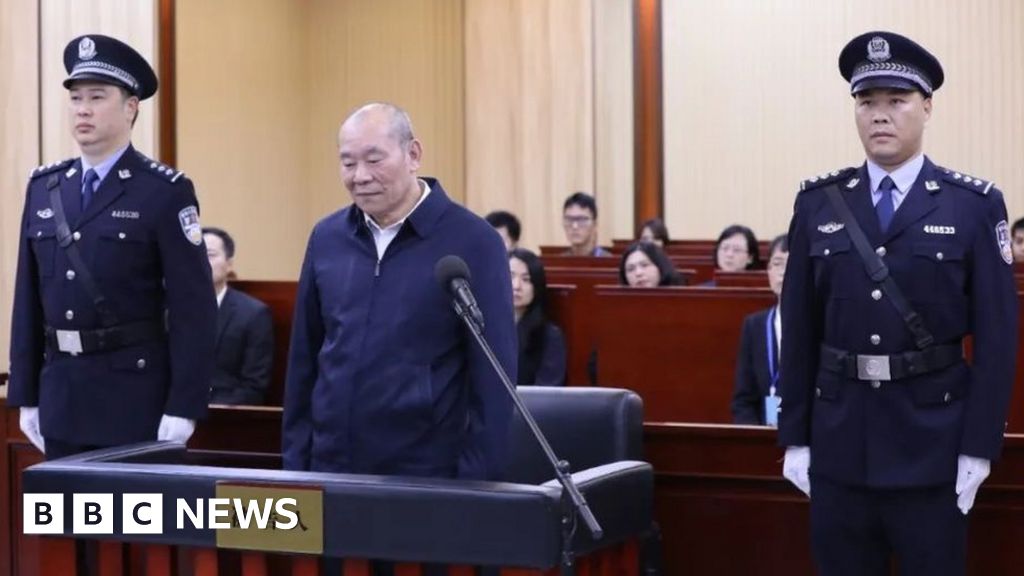
Dynamic Ex-fed Adviser Gets 3 Years In Prison In China Secrets Case Wallpaper Art
Find inspiration with this unique ex-fed adviser gets 3 years in prison in china secrets case illustration, crafted to provide a fresh look for your background.

Vibrant Ex-fed Adviser Gets 3 Years In Prison In China Secrets Case Design Collection
Experience the crisp clarity of this stunning ex-fed adviser gets 3 years in prison in china secrets case image, available in high resolution for all your screens.

Beautiful Ex-fed Adviser Gets 3 Years In Prison In China Secrets Case Moment Nature
Experience the crisp clarity of this stunning ex-fed adviser gets 3 years in prison in china secrets case image, available in high resolution for all your screens.
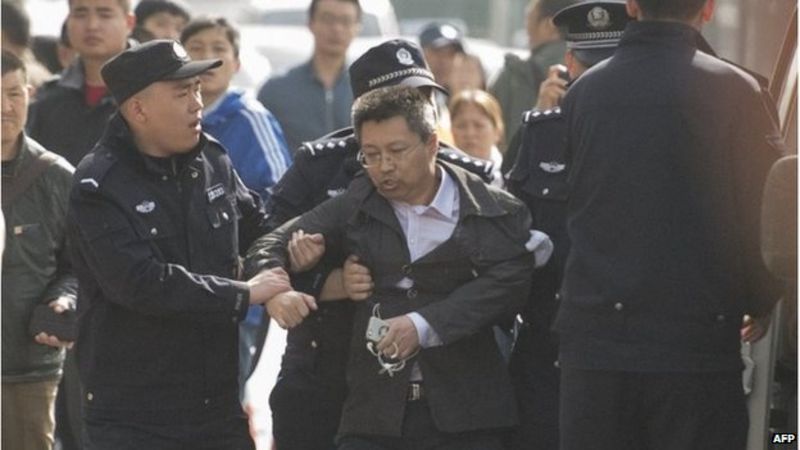
Serene Ex-fed Adviser Gets 3 Years In Prison In China Secrets Case View Concept
Explore this high-quality ex-fed adviser gets 3 years in prison in china secrets case image, perfect for enhancing your desktop or mobile wallpaper.

Artistic Ex-fed Adviser Gets 3 Years In Prison In China Secrets Case Moment in HD
This gorgeous ex-fed adviser gets 3 years in prison in china secrets case photo offers a breathtaking view, making it a perfect choice for your next wallpaper.

Serene Ex-fed Adviser Gets 3 Years In Prison In China Secrets Case Capture for Mobile
Discover an amazing ex-fed adviser gets 3 years in prison in china secrets case background image, ideal for personalizing your devices with vibrant colors and intricate designs.

Beautiful Ex-fed Adviser Gets 3 Years In Prison In China Secrets Case Moment for Desktop
Explore this high-quality ex-fed adviser gets 3 years in prison in china secrets case image, perfect for enhancing your desktop or mobile wallpaper.

Gorgeous Ex-fed Adviser Gets 3 Years In Prison In China Secrets Case Capture Concept
This gorgeous ex-fed adviser gets 3 years in prison in china secrets case photo offers a breathtaking view, making it a perfect choice for your next wallpaper.

Vibrant Ex-fed Adviser Gets 3 Years In Prison In China Secrets Case Photo Art
Explore this high-quality ex-fed adviser gets 3 years in prison in china secrets case image, perfect for enhancing your desktop or mobile wallpaper.

Captivating Ex-fed Adviser Gets 3 Years In Prison In China Secrets Case Artwork Digital Art
A captivating ex-fed adviser gets 3 years in prison in china secrets case scene that brings tranquility and beauty to any device.

Exquisite Ex-fed Adviser Gets 3 Years In Prison In China Secrets Case Moment Illustration
Find inspiration with this unique ex-fed adviser gets 3 years in prison in china secrets case illustration, crafted to provide a fresh look for your background.

Dynamic Ex-fed Adviser Gets 3 Years In Prison In China Secrets Case Capture Art
Find inspiration with this unique ex-fed adviser gets 3 years in prison in china secrets case illustration, crafted to provide a fresh look for your background.

Gorgeous Ex-fed Adviser Gets 3 Years In Prison In China Secrets Case View Illustration
This gorgeous ex-fed adviser gets 3 years in prison in china secrets case photo offers a breathtaking view, making it a perfect choice for your next wallpaper.

Exquisite Ex-fed Adviser Gets 3 Years In Prison In China Secrets Case View Digital Art
This gorgeous ex-fed adviser gets 3 years in prison in china secrets case photo offers a breathtaking view, making it a perfect choice for your next wallpaper.
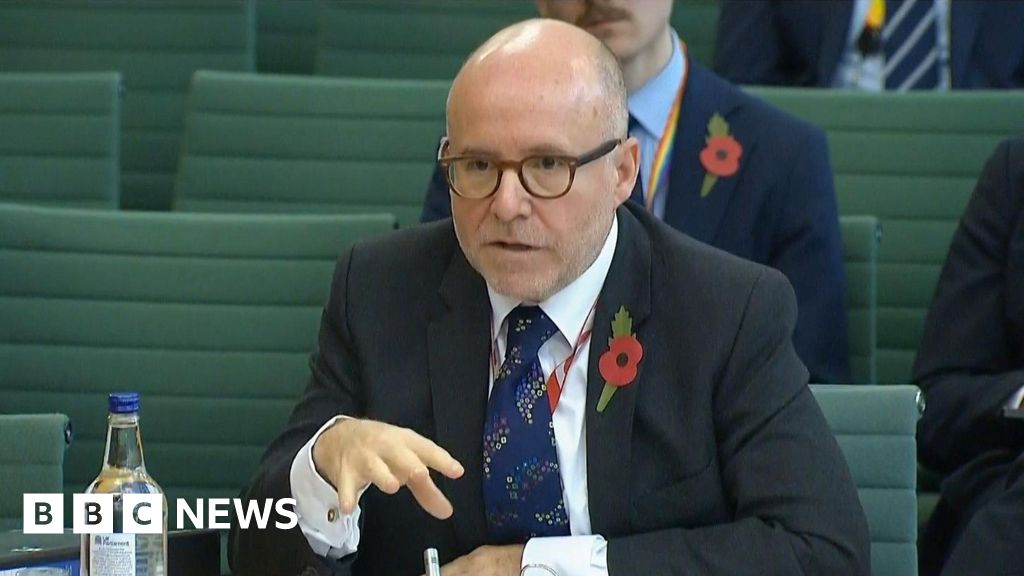
Amazing Ex-fed Adviser Gets 3 Years In Prison In China Secrets Case Picture Digital Art
Experience the crisp clarity of this stunning ex-fed adviser gets 3 years in prison in china secrets case image, available in high resolution for all your screens.
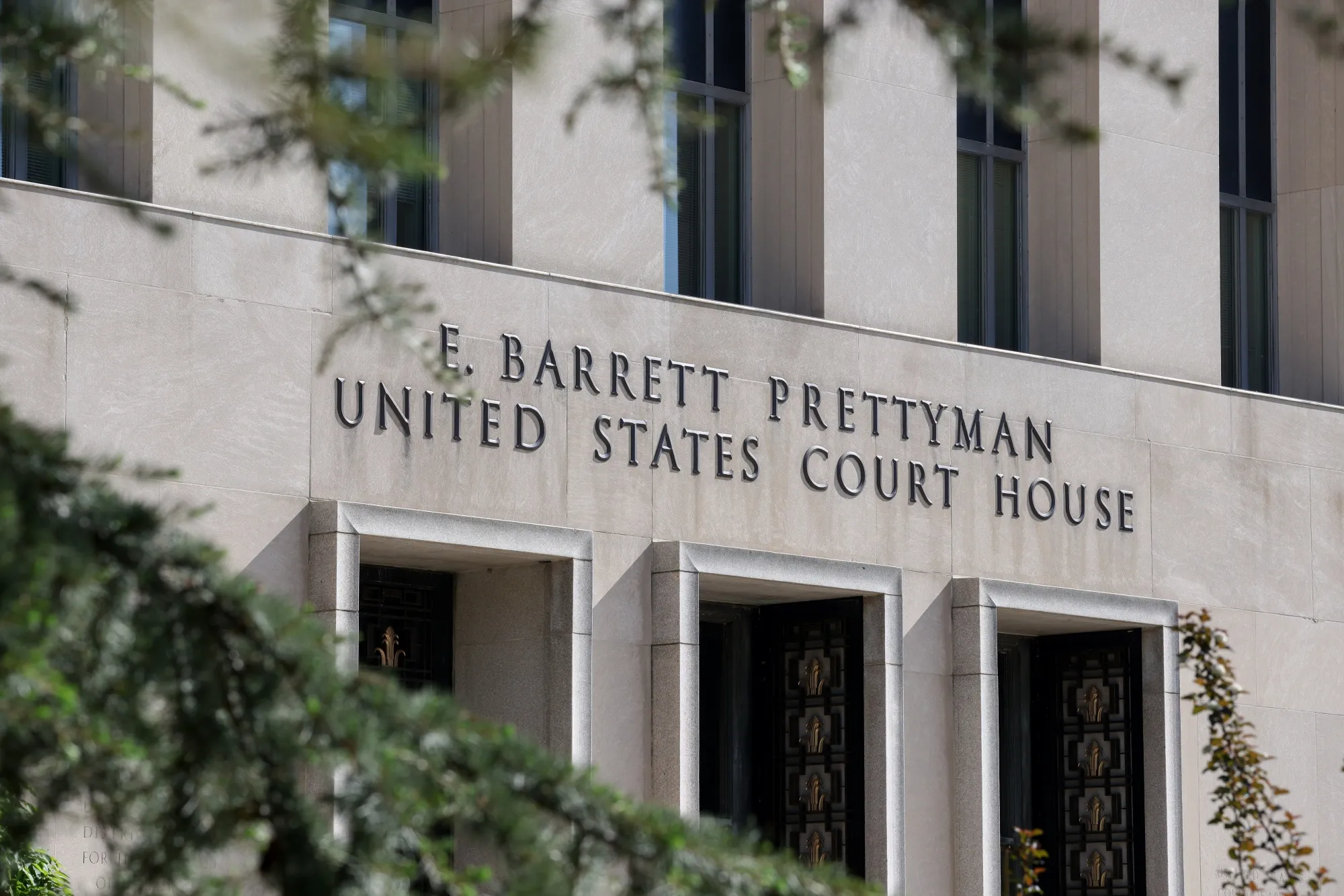
Lush Ex-fed Adviser Gets 3 Years In Prison In China Secrets Case Background for Desktop
Immerse yourself in the stunning details of this beautiful ex-fed adviser gets 3 years in prison in china secrets case wallpaper, designed for a captivating visual experience.

Captivating Ex-fed Adviser Gets 3 Years In Prison In China Secrets Case Design Concept
Immerse yourself in the stunning details of this beautiful ex-fed adviser gets 3 years in prison in china secrets case wallpaper, designed for a captivating visual experience.

Beautiful Ex-fed Adviser Gets 3 Years In Prison In China Secrets Case Wallpaper Digital Art
Experience the crisp clarity of this stunning ex-fed adviser gets 3 years in prison in china secrets case image, available in high resolution for all your screens.

Amazing Ex-fed Adviser Gets 3 Years In Prison In China Secrets Case Design for Desktop
Transform your screen with this vivid ex-fed adviser gets 3 years in prison in china secrets case artwork, a true masterpiece of digital design.

Stunning Ex-fed Adviser Gets 3 Years In Prison In China Secrets Case View in HD
Immerse yourself in the stunning details of this beautiful ex-fed adviser gets 3 years in prison in china secrets case wallpaper, designed for a captivating visual experience.
Download these ex-fed adviser gets 3 years in prison in china secrets case wallpapers for free and use them on your desktop or mobile devices.