US Housing Costs Rise Further Out of Reach Ahead of Midterms
US Housing Costs Rise Further Out of Reach Ahead of Midterms: An Economic and Political Crisis
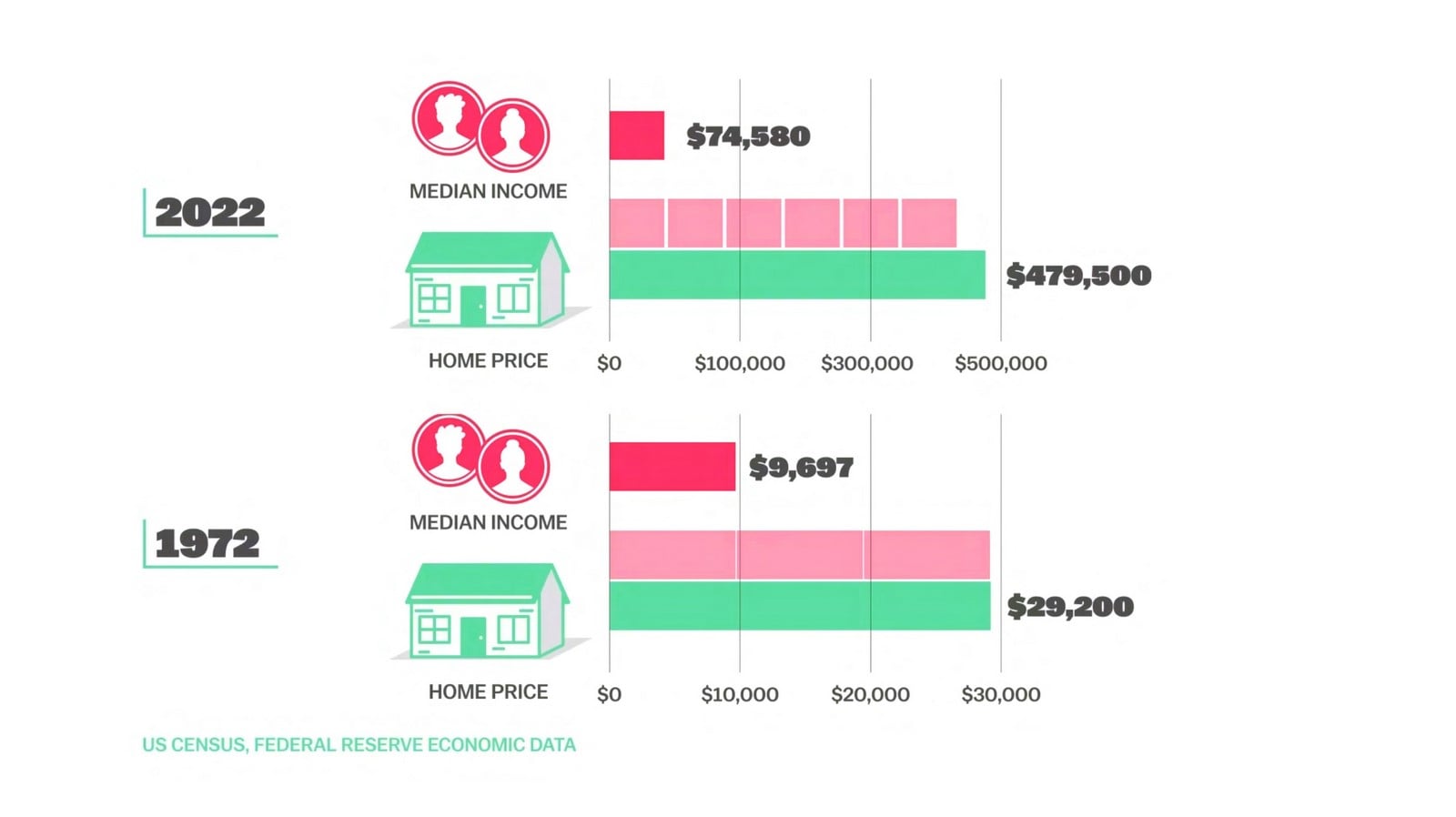
The American Dream of homeownership is increasingly becoming a distant memory for millions of citizens as US housing costs rise further out of reach ahead of the midterms. In an era defined by economic volatility, the housing market has emerged as one of the most contentious and influential issues on the political stage. From the soaring heights of the Sun Belt to the cramped corridors of the Northeast, the narrative is the same: prices are up, inventory is down, and the average worker is being priced out of the communities they serve. As voters prepare to head to the polls, the "kitchen table" issue of housing affordability is no longer just a financial concern—it is a primary driver of voter sentiment and a potential decider of the nation’s political future.
The convergence of high mortgage rates, persistent inflation, and a chronic shortage of housing units has created a "perfect storm" for the American real estate market. For many, the cost of shelter is the single largest monthly expense, and when that cost skyrockets, it ripples through every other aspect of the economy. As candidates from both sides of the aisle scramble to offer solutions, the reality on the ground remains stark. Prospective buyers are watching their purchasing power evaporate, while renters are seeing their disposable income swallowed by double-digit increases in monthly lease payments. This article explores the multifaceted crisis of housing affordability and what it means for the upcoming elections.
The Current Landscape: Soaring Mortgage Rates and Dwindling Inventory
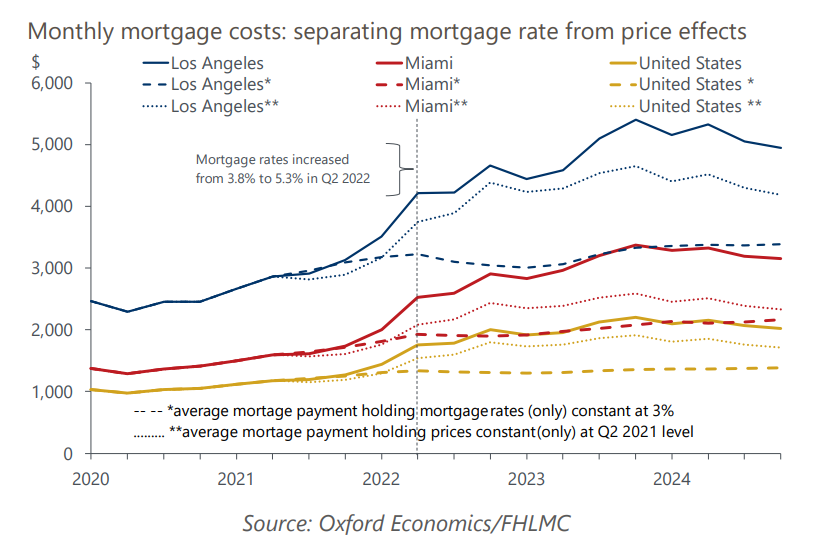
To understand why US housing costs have risen further out of reach, one must look at the dual pressure of interest rates and supply. For nearly a decade, the US enjoyed historically low interest rates, which fueled a home-buying frenzy and allowed prices to climb steadily. However, the Federal Reserve's aggressive campaign to combat inflation has pushed mortgage rates to levels not seen in over twenty years. A 30-year fixed-rate mortgage that hovered around 3% just a few years ago has now surged past 7%, effectively doubling the interest portion of a monthly payment for new buyers.
This rise in rates has created what economists call the "lock-in effect." Current homeowners, many of whom are sitting on mortgages with interest rates below 4%, are understandably reluctant to sell. Moving to a new home would mean trading a low-cost debt for a much more expensive one. Consequently, the inventory of "previously owned" homes—the traditional entry point for most buyers—has dried up. With fewer homes on the market, the prices of the remaining units remain artificially high, even as demand begins to cool due to high borrowing costs.
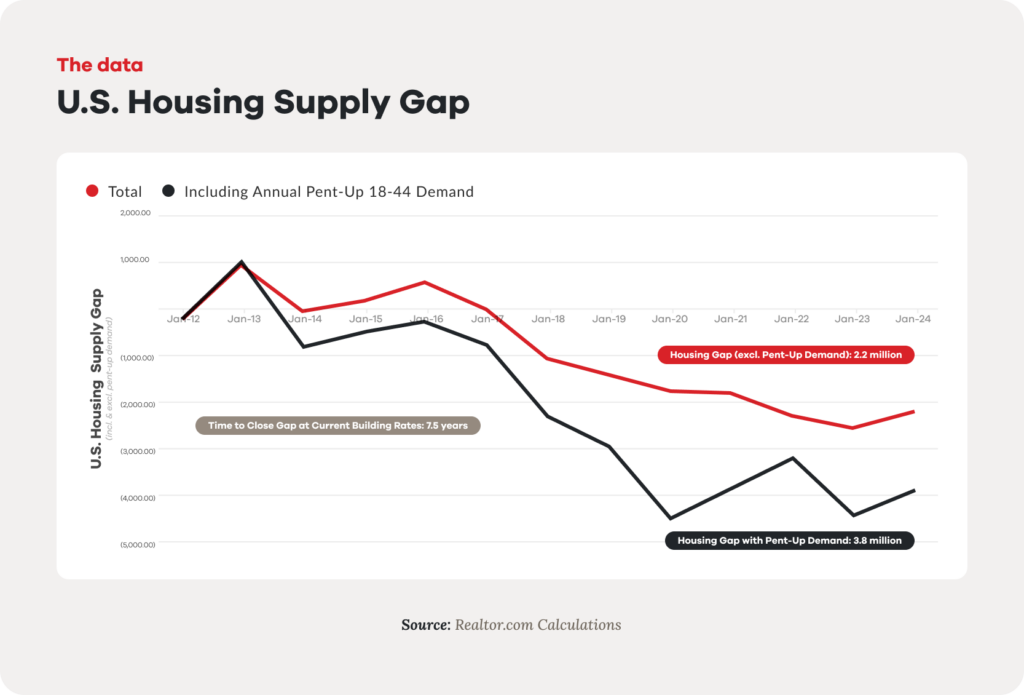
The supply side of the equation is equally grim. Decades of underbuilding, combined with zoning restrictions and rising costs for labor and materials, have left the US with a housing deficit estimated at millions of units. While new construction is underway in some regions, it often targets the luxury market, leaving a massive void in the "attainable" or "starter home" category. This lack of supply ensures that even as the economy fluctuates, housing prices have a high floor, preventing any significant "crash" that might otherwise bring relief to frustrated buyers.
| Fitur/Aspek | Deskripsi |
|---|---|
| Median Home Price Trend | Continued upward trajectory with a 5-10% year-over-year increase in many urban hubs. |
| Mortgage Rate Impact | 7%+ rates have reduced the average buyer's purchasing power by nearly 30% since 2021. |
| Inventory Levels | Remaining at historic lows due to the "lock-in effect" and construction delays. |
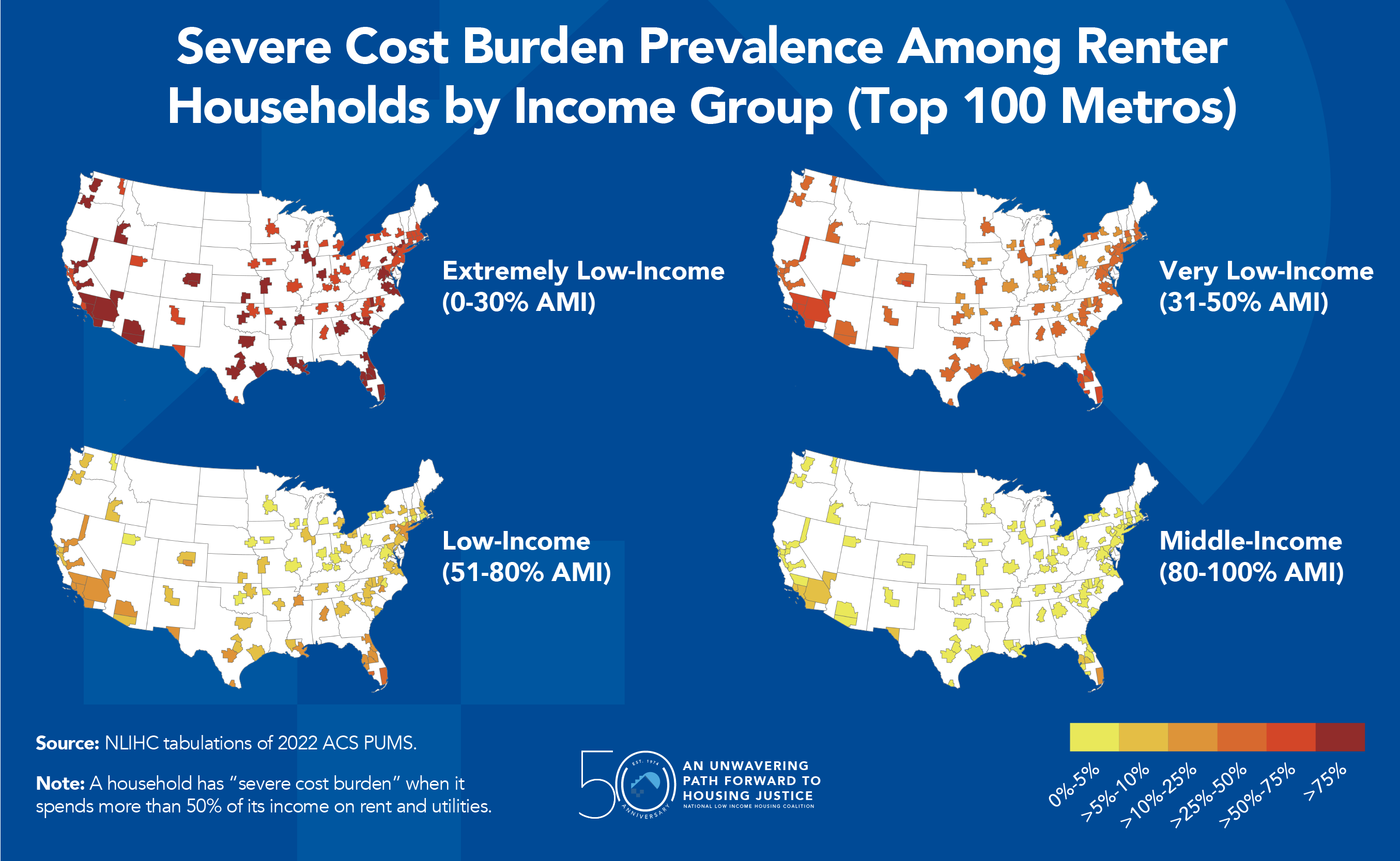
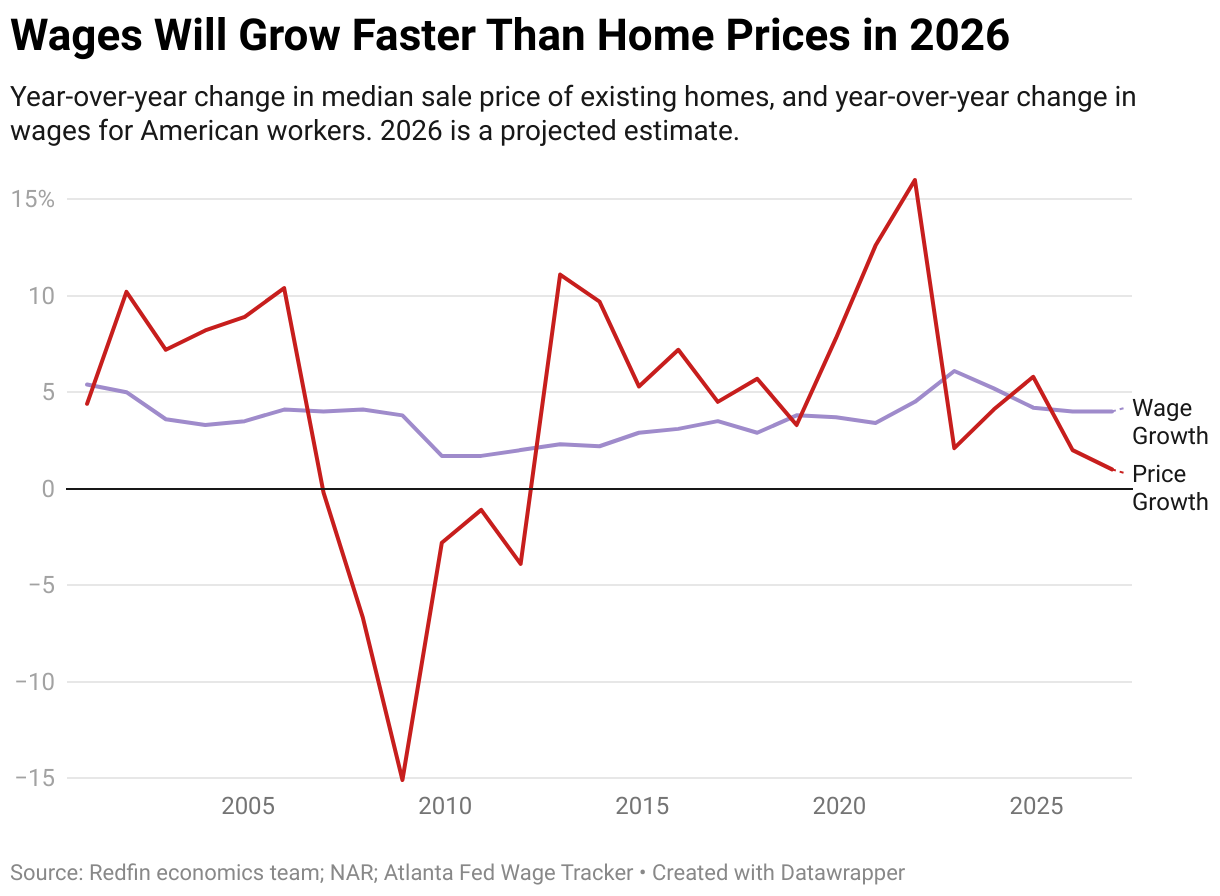
| Rental Market Pressure | Rent growth outpacing wage growth, leading to increased rates of housing insecurity. |
| Political Impact | Housing has become a top-tier issue for voters, trailing only general inflation and jobs. |
Why Affordability is the Deciding Factor in the Upcoming Midterms
In political terms, housing is a "bread-and-butter" issue that transcends ideological divides. Whether a voter identifies as progressive or conservative, the ability to afford a roof over their head is a fundamental necessity. As we approach the midterms, the inability of the current administration and Congress to significantly lower housing costs has become a primary point of attack for the opposition. Voters are increasingly viewing their financial well-being through the lens of their monthly housing payment.
For the incumbent party, the challenge is defending an economy that, on paper, shows strong job growth and a robust stock market, but fails to deliver affordable housing. For the opposition, the strategy is to link the rising costs of housing directly to government spending and regulatory policies. This dynamic is particularly potent in "swing states" like Arizona, Nevada, and Georgia, where home prices have seen some of the highest increases in the country. In these regions, the "housing squeeze" is not just a statistic—it is a lived reality for the suburban families and young professionals who often decide election outcomes.
Furthermore, the housing crisis is exacerbating the wealth gap between generations. Baby Boomers, many of whom own their homes outright or have significant equity, are largely insulated from the crisis. In contrast, Millennials and Gen Z are finding it nearly impossible to enter the market. This generational divide is shaping political platforms, with younger voters demanding more aggressive government intervention, such as rent control or federal subsidies for first-time buyers, while older voters remain concerned about property values and neighborhood character.
The Renters' Burden: How High Rents Are Shaping Election Demographics
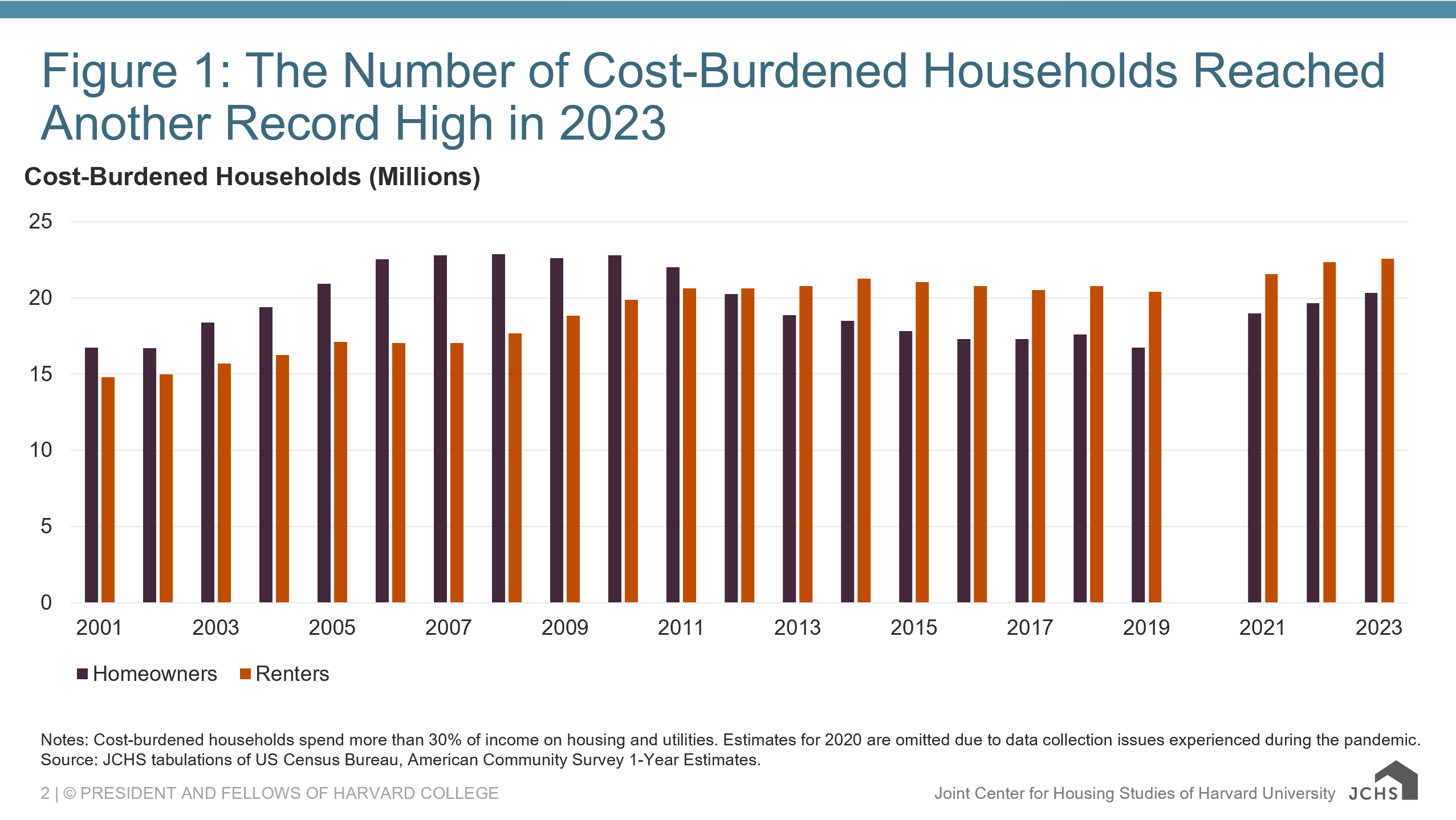
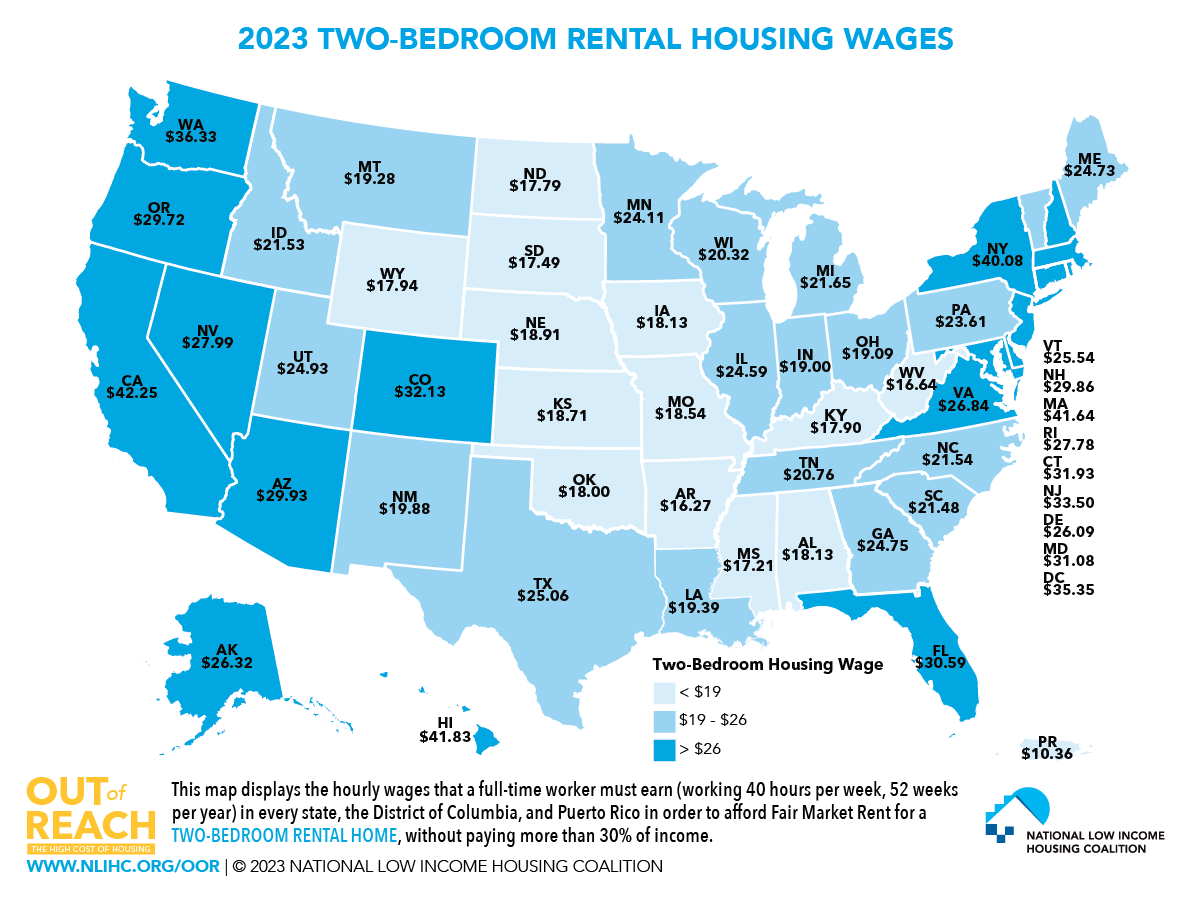
While much of the media attention focuses on homebuying, the rental market is equally distressed. For many Americans, renting is not a choice but a necessity born of the inability to save for a down payment. However, as US housing costs rise, rents are following suit. In many metropolitan areas, the portion of income spent on rent has exceeded the recommended 30%, with "rent-burdened" households spending upwards of 50% of their take-home pay on shelter.
This pressure on renters has significant political implications. Renters tend to be younger, more diverse, and more mobile than homeowners—demographics that are crucial for certain political coalitions. When these voters feel economically squeezed, their turnout and enthusiasm can fluctuate wildly. In the lead-up to the midterms, candidates are increasingly focusing on "renters' rights," proposing policies like limits on corporate ownership of single-family homes and federal protections against "junk fees" in lease agreements.
The rise of institutional investors in the housing market has also become a lightning rod for political debate. Large private equity firms and hedge funds have purchased hundreds of thousands of single-family homes across the US, converting them into permanent rentals. Critics argue that this practice reduces the supply of homes available for individual families and drives up prices. This "corporatization" of housing is a narrative that resonates deeply with voters who feel they are being outbid by faceless corporations, making it a powerful campaign theme.
Policy Proposals: Can Either Party Solve the Housing Crisis?
As the midterms approach, both parties have unveiled plans to address the housing shortage, though their approaches differ fundamentally. The Democratic platform generally emphasizes increasing supply through federal grants, expanding the Low-Income Housing Tax Credit (LIHTC), and providing direct assistance to first-time homebuyers. There is also a push for "YIMBY" (Yes In My Backyard) policies that encourage local governments to reform zoning laws to allow for higher-density housing.
On the Republican side, the focus is typically on deregulation and fiscal restraint. Many GOP candidates argue that excessive environmental regulations, high land-use taxes, and inflationary government spending are the primary drivers of housing costs. Their solutions often involve cutting red tape to make it easier and cheaper for developers to build, as well as addressing the broader inflationary trends that they say are caused by federal deficit spending. They argue that by cooling the overall economy and reducing the regulatory burden, the market will naturally correct itself.
However, the reality is that housing is largely a local issue. Zoning, building permits, and property taxes are controlled at the municipal and county levels. This creates a disconnect between federal campaign promises and the actual levers of power. Despite this, voters often hold the President and Congress responsible for the national economic climate, meaning that the "blame game" over housing costs will continue to dominate the airwaves until Election Day.
The Federal Reserve’s Impact on Homebuying Power
No discussion of housing costs is complete without addressing the role of the Federal Reserve. By raising the federal funds rate to combat inflation, the Fed has indirectly pushed mortgage rates to their highest levels in a generation. While this was intended to cool an overheated economy, it has had a disproportionate impact on the housing market. For a family looking at a $400,000 home, the difference between a 3% and a 7% mortgage rate is roughly $1,000 per month in interest alone.
This "interest rate shock" has effectively frozen the market. Even if a buyer finds a home they like, the cost of financing it may be prohibitive. The Fed is in a difficult position: if they lower rates too soon, inflation could reignite; if they keep them high for too long, they risk a deep recession and a complete collapse in housing activity. As the midterms loom, the Fed's decisions are under intense scrutiny from politicians who want to see a "soft landing" before voters head to the polls.
Supply Chain and Labor Shortages in Construction
Even if the demand side were to cool, the supply side faces structural hurdles. The construction industry has been plagued by labor shortages for years, a problem exacerbated by the pandemic and changing demographics. There simply aren't enough skilled tradespeople—plumbers, electricians, and carpenters—to meet the demand for new homes. This labor scarcity drives up wages, which in turn drives up the price of the finished home.
Additionally, while the global supply chain has largely recovered from the disruptions of 2020-2022, the cost of building materials remains elevated compared to pre-pandemic levels. Lumber, steel, and concrete prices are volatile, making it difficult for developers to budget for long-term projects. When you combine high labor costs, expensive materials, and high interest rates for construction loans, it becomes clear why "affordable" new housing is so difficult to produce in the current environment.
Regional Hotspots: Where the Housing Squeeze is Tightest
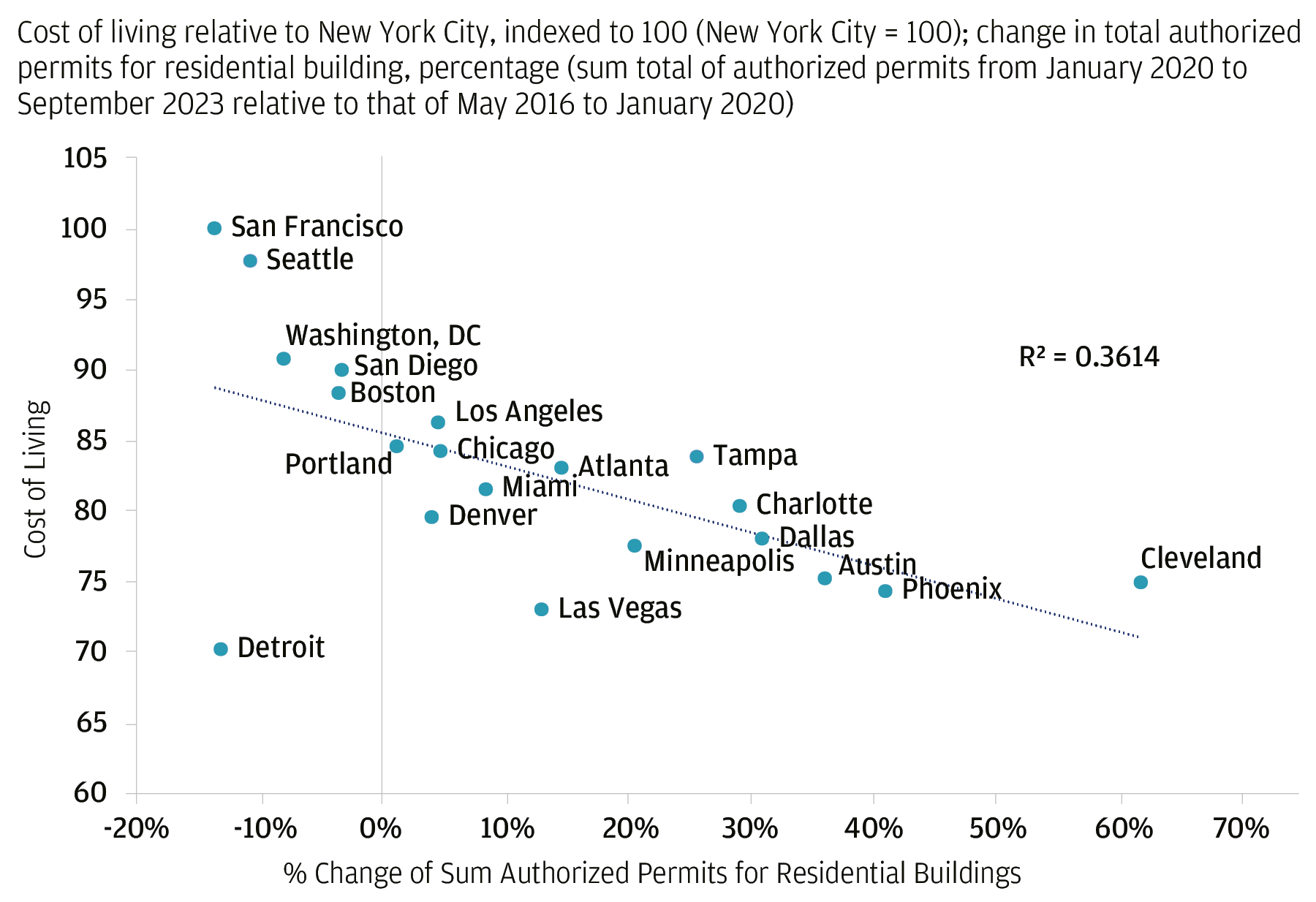
The housing crisis is not felt equally across the United States. While some Midwestern cities remain relatively affordable, other regions are seeing astronomical price growth. The "Sun Belt"—states like Florida, Texas, and Tennessee—has seen a massive influx of residents fleeing high-cost coastal states like California and New York. This migration has put immense pressure on local housing markets that were not prepared for such a rapid increase in population.
In cities like Austin, Nashville, and Phoenix, home prices have outpaced local wage growth by a significant margin. Long-time residents are finding themselves priced out of their own neighborhoods as "remote workers" with high salaries from Silicon Valley or Wall Street move in. This geographic shift is also changing the political map, as the influx of new residents brings different political leanings to traditionally conservative or moderate areas. The housing crisis is thus a catalyst for both economic hardship and political realignment.
FAQ Section
Frequently Asked Questions
1. Why are US housing costs rising so fast right now?
A combination of high mortgage rates, a severe shortage of available homes (inventory), and institutional investors buying up properties has driven prices to record highs. Additionally, inflation has increased the cost of building new homes.
2. How do housing costs affect the midterm elections?
Housing is a top concern for voters because it is often their largest expense. High costs can lead to voter dissatisfaction with the party in power, as people feel the "American Dream" is becoming unattainable under the current administration.
3. Will housing prices drop after the midterms?
Most economists do not expect a significant drop in prices because the underlying supply shortage still exists. However, if the Federal Reserve begins to cut interest rates in 2025, we might see more activity in the market, though this could also lead to even higher prices due to increased demand.
4. What is the "lock-in effect" in the housing market?
The "lock-in effect" refers to homeowners who have very low mortgage rates (e.g., 2% or 3%) and refuse to sell their homes because they would have to take on a new mortgage at a much higher rate (e.g., 7%). This keeps inventory low and prices high.
Conclusion
As US housing costs rise further out of reach ahead of the midterms, the stakes for the American public could not be higher. What was once a localized issue in cities like San Francisco and New York has now become a national crisis affecting every corner of the country. For the first time in generations, a significant portion of the population feels that homeownership—the traditional cornerstone of middle-class stability—is no longer a realistic goal. This collective anxiety is a powerful political force that candidates ignore at their peril.
The solution to the housing crisis will require a multi-pronged approach that includes zoning reform, incentives for new construction, and a stabilization of the broader macro-economy. However, these changes take time, and time is a luxury that many voters do not have. As the ballots are cast, the "housing vote" will likely be a reflection of the deep frustration felt by millions of Americans who are simply looking for a place to call home at a price they can afford. Regardless of the election's outcome, the housing market will remain a defining challenge for the US economy for years to come.
US Housing Costs Rise Further Out of Reach Ahead of Midterms
US Housing Costs Rise Further Out of Reach Ahead of Midterms Wallpapers
Collection of us housing costs rise further out of reach ahead of midterms wallpapers for your desktop and mobile devices.
Breathtaking Us Housing Costs Rise Further Out Of Reach Ahead Of Midterms View Photography
Explore this high-quality us housing costs rise further out of reach ahead of midterms image, perfect for enhancing your desktop or mobile wallpaper.

Exquisite Us Housing Costs Rise Further Out Of Reach Ahead Of Midterms Landscape for Desktop
This gorgeous us housing costs rise further out of reach ahead of midterms photo offers a breathtaking view, making it a perfect choice for your next wallpaper.

Exquisite Us Housing Costs Rise Further Out Of Reach Ahead Of Midterms Wallpaper Digital Art
Immerse yourself in the stunning details of this beautiful us housing costs rise further out of reach ahead of midterms wallpaper, designed for a captivating visual experience.
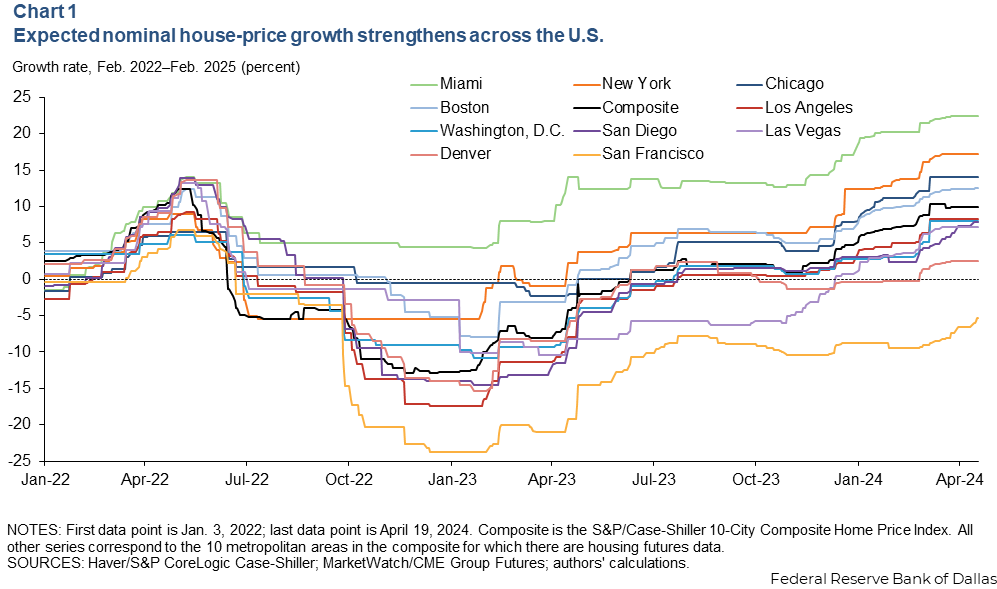
Vivid Us Housing Costs Rise Further Out Of Reach Ahead Of Midterms Background Photography
Experience the crisp clarity of this stunning us housing costs rise further out of reach ahead of midterms image, available in high resolution for all your screens.
Vibrant Us Housing Costs Rise Further Out Of Reach Ahead Of Midterms Design Digital Art
Discover an amazing us housing costs rise further out of reach ahead of midterms background image, ideal for personalizing your devices with vibrant colors and intricate designs.
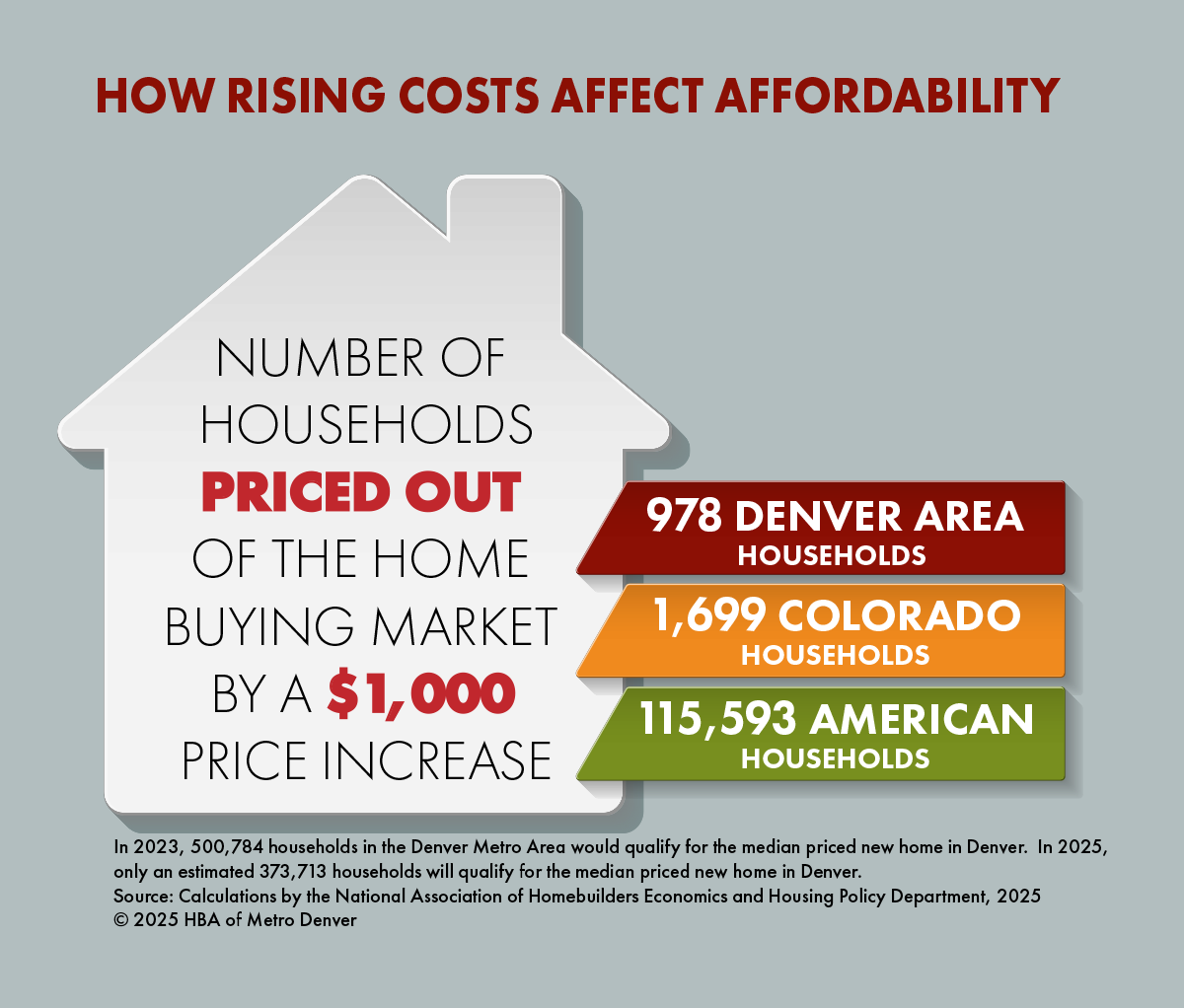
Artistic Us Housing Costs Rise Further Out Of Reach Ahead Of Midterms Wallpaper for Desktop
A captivating us housing costs rise further out of reach ahead of midterms scene that brings tranquility and beauty to any device.
Stunning Us Housing Costs Rise Further Out Of Reach Ahead Of Midterms Design Nature
A captivating us housing costs rise further out of reach ahead of midterms scene that brings tranquility and beauty to any device.
Breathtaking Us Housing Costs Rise Further Out Of Reach Ahead Of Midterms Moment Art
Discover an amazing us housing costs rise further out of reach ahead of midterms background image, ideal for personalizing your devices with vibrant colors and intricate designs.

Stunning Us Housing Costs Rise Further Out Of Reach Ahead Of Midterms Artwork Concept
Immerse yourself in the stunning details of this beautiful us housing costs rise further out of reach ahead of midterms wallpaper, designed for a captivating visual experience.
Lush Us Housing Costs Rise Further Out Of Reach Ahead Of Midterms Design Collection
Find inspiration with this unique us housing costs rise further out of reach ahead of midterms illustration, crafted to provide a fresh look for your background.
Detailed Us Housing Costs Rise Further Out Of Reach Ahead Of Midterms Picture in HD
Transform your screen with this vivid us housing costs rise further out of reach ahead of midterms artwork, a true masterpiece of digital design.

Stunning Us Housing Costs Rise Further Out Of Reach Ahead Of Midterms Image in HD
Find inspiration with this unique us housing costs rise further out of reach ahead of midterms illustration, crafted to provide a fresh look for your background.
Breathtaking Us Housing Costs Rise Further Out Of Reach Ahead Of Midterms Picture for Your Screen
Explore this high-quality us housing costs rise further out of reach ahead of midterms image, perfect for enhancing your desktop or mobile wallpaper.

High-Quality Us Housing Costs Rise Further Out Of Reach Ahead Of Midterms Capture Nature
Discover an amazing us housing costs rise further out of reach ahead of midterms background image, ideal for personalizing your devices with vibrant colors and intricate designs.

Beautiful Us Housing Costs Rise Further Out Of Reach Ahead Of Midterms Abstract in HD
Explore this high-quality us housing costs rise further out of reach ahead of midterms image, perfect for enhancing your desktop or mobile wallpaper.
Gorgeous Us Housing Costs Rise Further Out Of Reach Ahead Of Midterms Background in HD
This gorgeous us housing costs rise further out of reach ahead of midterms photo offers a breathtaking view, making it a perfect choice for your next wallpaper.
Spectacular Us Housing Costs Rise Further Out Of Reach Ahead Of Midterms Scene for Desktop
This gorgeous us housing costs rise further out of reach ahead of midterms photo offers a breathtaking view, making it a perfect choice for your next wallpaper.

Spectacular Us Housing Costs Rise Further Out Of Reach Ahead Of Midterms Scene Digital Art
Find inspiration with this unique us housing costs rise further out of reach ahead of midterms illustration, crafted to provide a fresh look for your background.
Lush Us Housing Costs Rise Further Out Of Reach Ahead Of Midterms Artwork for Mobile
A captivating us housing costs rise further out of reach ahead of midterms scene that brings tranquility and beauty to any device.

Beautiful Us Housing Costs Rise Further Out Of Reach Ahead Of Midterms Photo Concept
Explore this high-quality us housing costs rise further out of reach ahead of midterms image, perfect for enhancing your desktop or mobile wallpaper.
Download these us housing costs rise further out of reach ahead of midterms wallpapers for free and use them on your desktop or mobile devices.