What Is The Difference Between Speculation And Hedging In Trading
Speculation vs. Hedging: Understanding the Core Differences in Trading Strategies
In the fast-paced world of financial markets, two terms frequently surface: speculation and hedging. While both involve taking positions in assets such as stocks, commodities, or currencies, their objectives, risk profiles, and underlying philosophies are worlds apart. For any investor or trader, distinguishing between these two concepts is not just a matter of semantics—it is a fundamental requirement for effective portfolio management and capital preservation.
Speculation is often associated with high-stakes gambling, whereas hedging is frequently viewed as a form of financial insurance. However, both play critical roles in providing market liquidity and price discovery. This article delves deep into the mechanics of both strategies, highlighting the key differences and helping you determine which approach aligns with your financial goals.
What is Speculation in Trading?
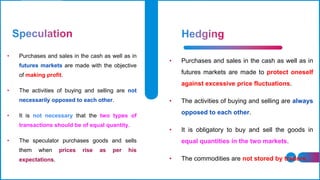
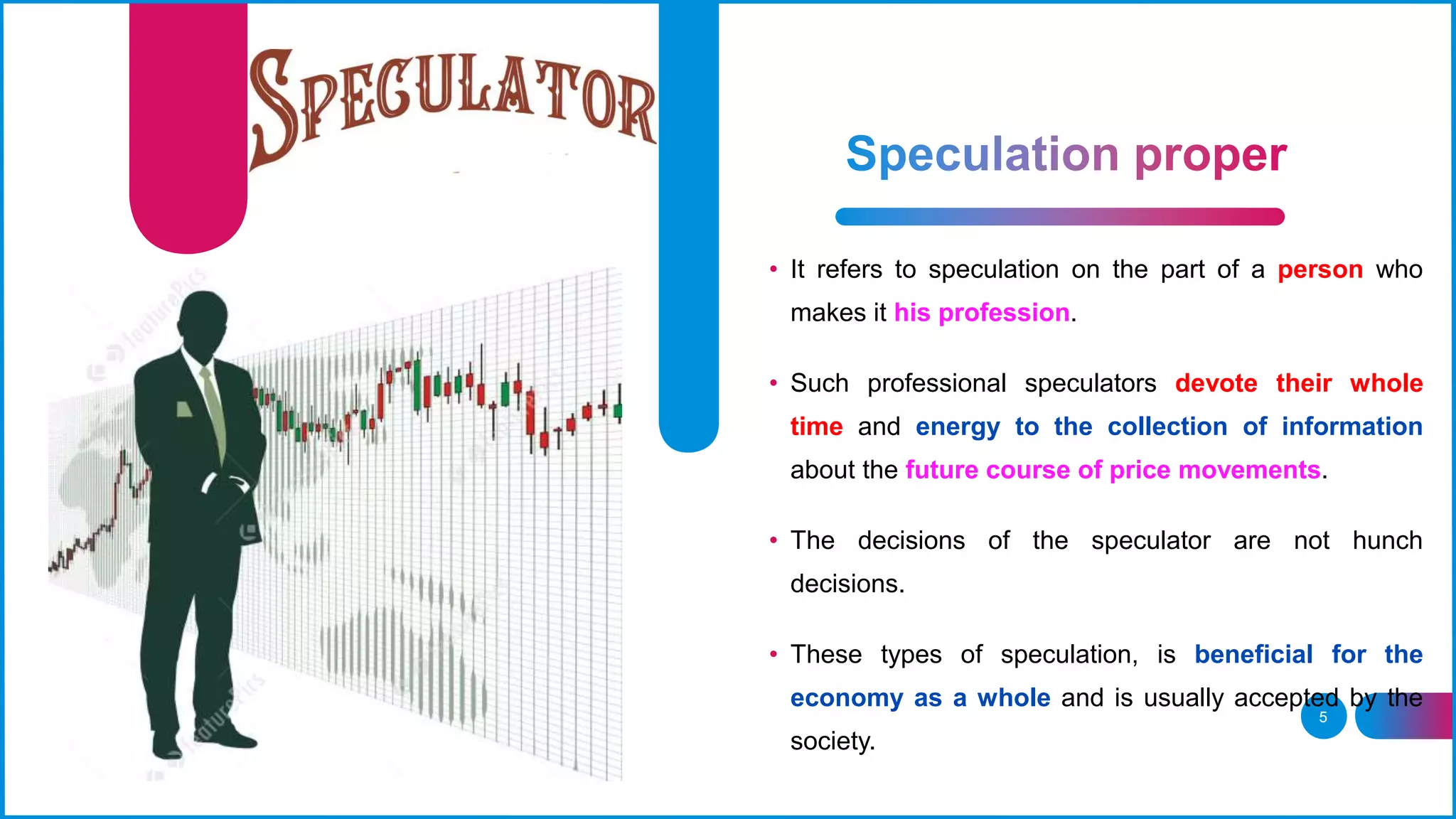
Speculation is the act of conducting a financial transaction that has a substantial risk of losing value but also holds the expectation of a significant gain. Speculators are primarily interested in price fluctuations. They buy assets when they believe the price will rise and sell them when they believe the price will fall, often within a short time frame.
Speculators do not necessarily have a pre-existing interest in the underlying asset. For instance, a speculator trading crude oil futures has no intention of taking physical delivery of the oil. Their goal is purely to profit from the volatility of the market. Because they take on significant risks that others wish to avoid, speculators are vital to the market; they provide the liquidity that allows other participants to enter and exit positions easily.
The Profile of a Speculator
- Risk Appetite: Very high. Speculators are comfortable with the possibility of losing their entire investment in pursuit of outsized returns.
- Analysis Style: They often rely heavily on technical analysis, chart patterns, and market sentiment, though some also use fundamental analysis to spot undervalued or overvalued assets.
- Time Horizon: Typically short to medium-term, ranging from minutes (scalping) to weeks (swing trading).
What is Hedging in Trading?
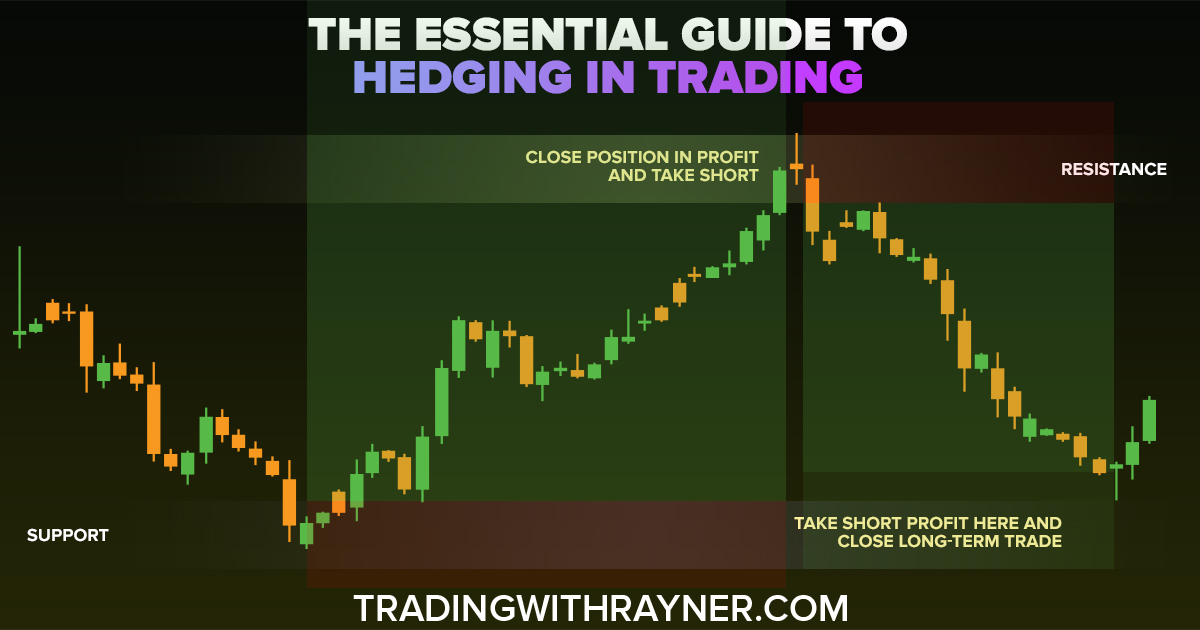
Hedging is a risk management strategy used to offset potential losses in an investment by taking an opposite position in a related asset. If speculation is about seeking profit from uncertainty, hedging is about neutralizing it. The primary goal of a hedger is not to make a profit from the hedge itself, but to protect an existing position or business operation from adverse price movements.
Think of hedging like an insurance policy. When you buy homeowners' insurance, you aren't hoping for your house to burn down so you can make a profit; you are paying a premium to ensure that if a disaster occurs, your financial loss is mitigated. Similarly, in trading, a hedge limits the downside risk at the cost of some potential upside.
The Profile of a Hedger
- Risk Appetite: Low to moderate. Hedgers are looking to stabilize their financial outcomes and reduce volatility.
- Analysis Style: They focus on their exposure to specific market risks (e.g., currency fluctuations, interest rate changes, or raw material price spikes).
- Common Participants: Corporations, farmers, and long-term institutional investors.
Key Differences Between Speculation and Hedging
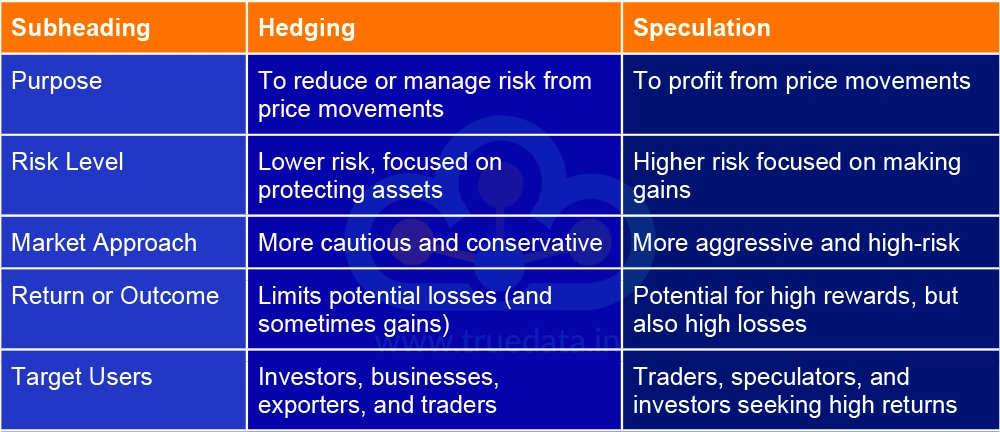
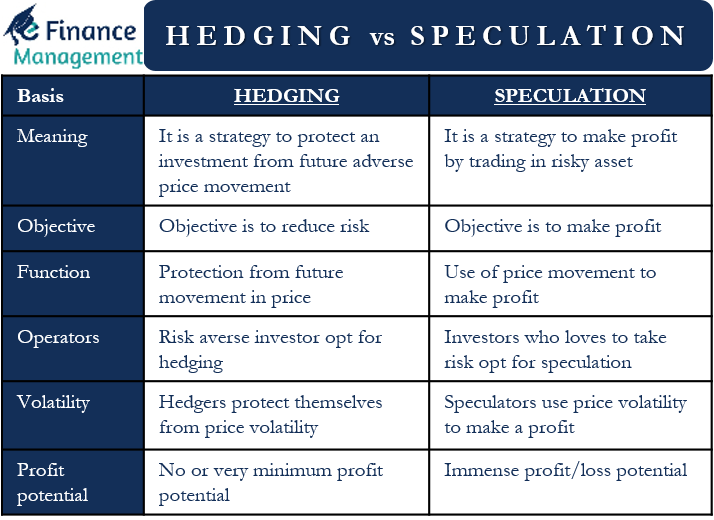
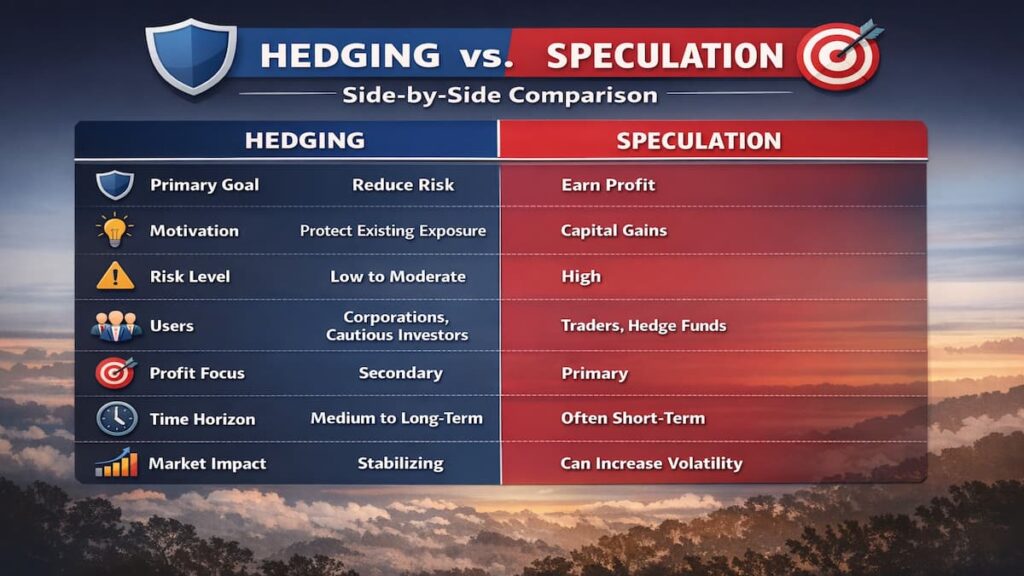
To better understand how these two strategies compare, we must look at several core dimensions, including their primary objective, the level of risk involved, and the market conditions in which they thrive.
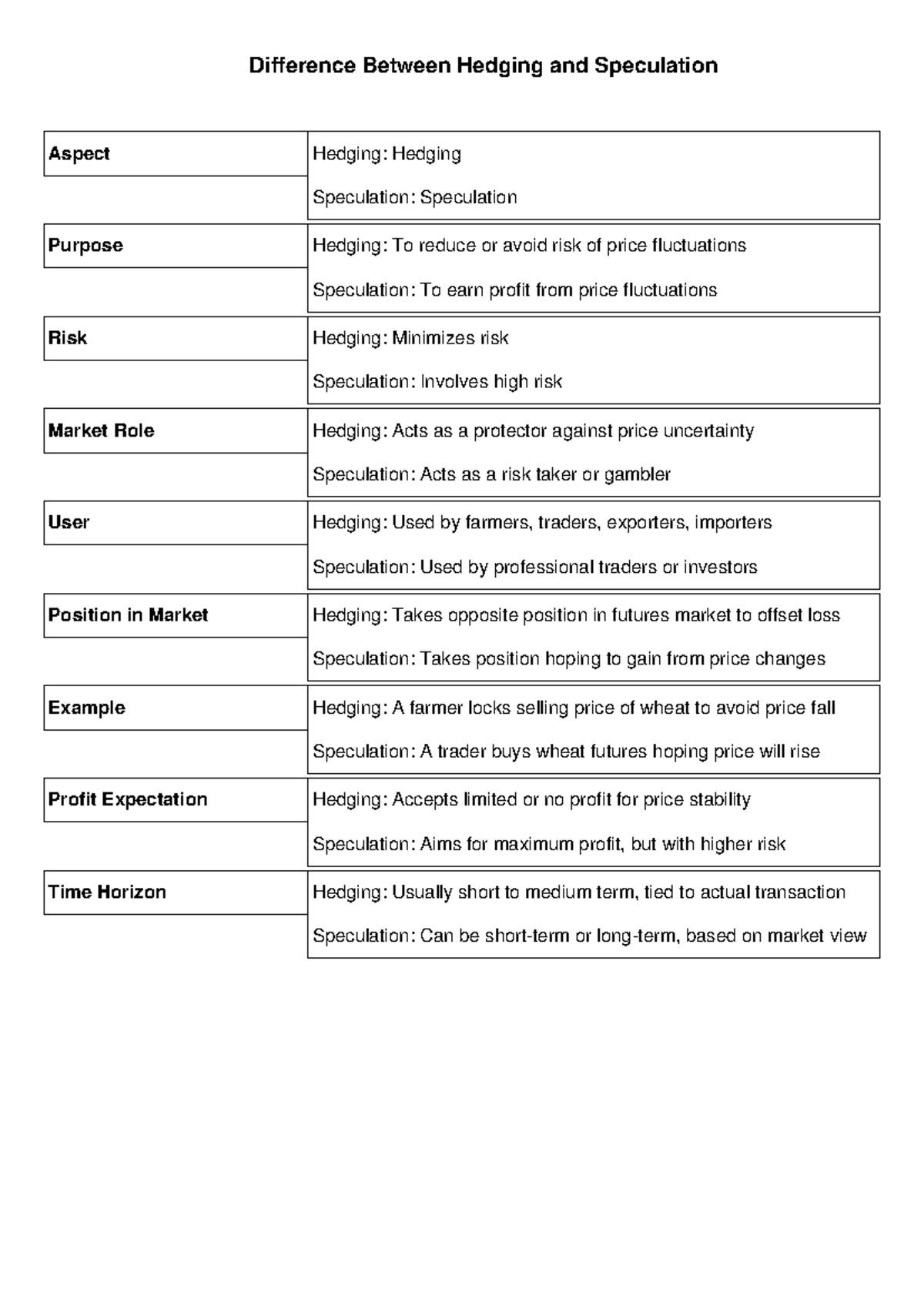
| Feature/Aspect | Description |
|---|---|
| Primary Objective | Speculation aims for maximum profit from price changes; Hedging aims for risk reduction and protection. |
| Risk Level | Speculation involves high risk; Hedging involves low to moderate risk as it offsets existing exposure. |
| Market Position | Speculators take new risks; Hedgers use the market to get rid of existing risks. |
| Required Capital | Speculators often use high leverage to amplify gains; Hedgers use capital to protect their core assets. |
| Motivation | Speculators are motivated by greed/profit; Hedgers are motivated by fear of loss/stability. |
Common Financial Instruments Used
Both speculators and hedgers use many of the same financial instruments, though they use them in very different ways. Derivatives are the most common tools for both groups.
1. Futures Contracts
In speculation, a trader might buy a gold futures contract because they believe gold prices will rise. If the price goes up, they sell the contract for a profit. In hedging, a jewelry manufacturer might buy a gold futures contract to "lock in" the price of gold they need for next year's production, protecting themselves against a potential price surge.
2. Options
Options provide the right, but not the obligation, to buy or sell an asset. Speculators use options to bet on market direction with limited downside (the premium paid). Hedgers use "Put" options to protect their stock portfolios; if the market crashes, the gain on the Put option offsets the loss in their stock holdings.
3. Forex (Foreign Exchange)
The Forex market is the largest arena for both activities. Speculators trade currency pairs like EUR/USD to profit from pips. Conversely, an international corporation like Apple might hedge by selling Euros and buying Dollars to ensure that their European sales revenue isn't devalued by a weakening Euro.
Real-World Examples of Speculation and Hedging
To clarify the distinction, let’s look at two hypothetical scenarios:
Scenario A (The Speculator): John notices that a major tech company is about to release a revolutionary product. He buys "Call" options on the company's stock, hoping the price will double. John has no previous interest in this stock; he is simply looking for a quick profit based on his prediction. If the product fails, John loses his entire premium.
Scenario B (The Hedger): Sarah owns 1,000 shares of a tech company that she plans to hold for ten years. However, she is worried that an upcoming election might cause short-term market volatility. She buys "Put" options on the same stock. If the stock price drops, the profit from her Put options will cover the losses on her shares. She has successfully "hedged" her position.
Frequently Asked Questions (FAQ)
1. Is speculation the same as gambling?
While both involve risk and uncertainty, speculation is based on market analysis, economic data, and logical reasoning. Gambling usually relies on pure chance or "the house edge." Speculators provide a necessary service by adding liquidity to the markets.
2. Can a hedge actually lose money?
Yes. The hedge itself can lose money if the market moves in a way that benefits your primary position. For example, if you buy insurance for your portfolio and the market goes up, your "insurance" (the hedge) expires worthless. However, your primary portfolio gained value, so the hedge served its purpose of providing peace of mind.
3. Which is better for a beginner: speculation or hedging?
For most beginners, learning to hedge and manage risk is more important than learning to speculate. Speculation requires deep market knowledge and a high tolerance for loss. Beginners should focus on protecting their capital before trying to achieve aggressive growth.
Conclusion
The difference between speculation and hedging lies in the intent of the trader. Speculators are the risk-takers of the financial world, seeking to profit from the very volatility that others fear. Hedgers, on the other hand, are the risk-avoiders, using financial markets to create stability and predictability for their investments or business operations.
Neither strategy is inherently "better" than the other; they are simply different tools for different jobs. A healthy financial market requires both: speculators to provide liquidity and hedgers to manage real-world economic risks. By understanding these concepts, you can better navigate the complexities of trading and build a strategy that aligns with your specific risk tolerance and financial objectives. Whether you are looking to grow your wealth through calculated risks or protect what you’ve already earned, knowing when to speculate and when to hedge is a hallmark of a sophisticated trader.
what is the difference between speculation and hedging in trading
what is the difference between speculation and hedging in trading Wallpapers
Collection of what is the difference between speculation and hedging in trading wallpapers for your desktop and mobile devices.

Exquisite What Is The Difference Between Speculation And Hedging In Trading Abstract Art
A captivating what is the difference between speculation and hedging in trading scene that brings tranquility and beauty to any device.
Mesmerizing What Is The Difference Between Speculation And Hedging In Trading Landscape Photography
Experience the crisp clarity of this stunning what is the difference between speculation and hedging in trading image, available in high resolution for all your screens.
Crisp What Is The Difference Between Speculation And Hedging In Trading Moment for Your Screen
Find inspiration with this unique what is the difference between speculation and hedging in trading illustration, crafted to provide a fresh look for your background.
Exquisite What Is The Difference Between Speculation And Hedging In Trading View Nature
Find inspiration with this unique what is the difference between speculation and hedging in trading illustration, crafted to provide a fresh look for your background.
Spectacular What Is The Difference Between Speculation And Hedging In Trading Moment for Desktop
A captivating what is the difference between speculation and hedging in trading scene that brings tranquility and beauty to any device.
Vibrant What Is The Difference Between Speculation And Hedging In Trading Background Nature
Discover an amazing what is the difference between speculation and hedging in trading background image, ideal for personalizing your devices with vibrant colors and intricate designs.
Stunning What Is The Difference Between Speculation And Hedging In Trading Landscape Collection
A captivating what is the difference between speculation and hedging in trading scene that brings tranquility and beauty to any device.

Gorgeous What Is The Difference Between Speculation And Hedging In Trading Artwork for Desktop
Immerse yourself in the stunning details of this beautiful what is the difference between speculation and hedging in trading wallpaper, designed for a captivating visual experience.

Exquisite What Is The Difference Between Speculation And Hedging In Trading Background for Your Screen
A captivating what is the difference between speculation and hedging in trading scene that brings tranquility and beauty to any device.
Dynamic What Is The Difference Between Speculation And Hedging In Trading Scene for Your Screen
Find inspiration with this unique what is the difference between speculation and hedging in trading illustration, crafted to provide a fresh look for your background.
Spectacular What Is The Difference Between Speculation And Hedging In Trading Moment Nature
This gorgeous what is the difference between speculation and hedging in trading photo offers a breathtaking view, making it a perfect choice for your next wallpaper.

Breathtaking What Is The Difference Between Speculation And Hedging In Trading Photo for Desktop
Experience the crisp clarity of this stunning what is the difference between speculation and hedging in trading image, available in high resolution for all your screens.
Dynamic What Is The Difference Between Speculation And Hedging In Trading Background for Your Screen
Immerse yourself in the stunning details of this beautiful what is the difference between speculation and hedging in trading wallpaper, designed for a captivating visual experience.

Breathtaking What Is The Difference Between Speculation And Hedging In Trading Image for Your Screen
Experience the crisp clarity of this stunning what is the difference between speculation and hedging in trading image, available in high resolution for all your screens.

High-Quality What Is The Difference Between Speculation And Hedging In Trading Capture Digital Art
Discover an amazing what is the difference between speculation and hedging in trading background image, ideal for personalizing your devices with vibrant colors and intricate designs.
Dynamic What Is The Difference Between Speculation And Hedging In Trading Background Photography
This gorgeous what is the difference between speculation and hedging in trading photo offers a breathtaking view, making it a perfect choice for your next wallpaper.
Beautiful What Is The Difference Between Speculation And Hedging In Trading Design for Desktop
Explore this high-quality what is the difference between speculation and hedging in trading image, perfect for enhancing your desktop or mobile wallpaper.
Breathtaking What Is The Difference Between Speculation And Hedging In Trading Artwork for Your Screen
Experience the crisp clarity of this stunning what is the difference between speculation and hedging in trading image, available in high resolution for all your screens.
Crisp What Is The Difference Between Speculation And Hedging In Trading Landscape Collection
This gorgeous what is the difference between speculation and hedging in trading photo offers a breathtaking view, making it a perfect choice for your next wallpaper.
Mesmerizing What Is The Difference Between Speculation And Hedging In Trading Background for Your Screen
Experience the crisp clarity of this stunning what is the difference between speculation and hedging in trading image, available in high resolution for all your screens.
Download these what is the difference between speculation and hedging in trading wallpapers for free and use them on your desktop or mobile devices.