What Is Hedging In Corporate Finance
Understanding What Is Hedging In Corporate Finance: A Strategic Guide to Risk Management
In the volatile world of global markets, uncertainty is the only constant. For corporations operating across borders or relying on fluctuating raw material prices, a sudden shift in exchange rates or interest levels can wipe out annual profit margins in an instant. This is where the concept of hedging in corporate finance becomes essential. Far from being a speculative gamble, hedging is a sophisticated defensive strategy designed to protect a company’s bottom line from the unpredictable nature of financial markets.
At its core, hedging is akin to an insurance policy. Just as a homeowner pays a premium to protect against fire or theft, a corporation uses financial instruments to offset the risk of adverse price movements. By understanding what hedging is and how to implement it effectively, CFOs and financial managers can ensure cash flow stability, maintain competitive pricing, and provide shareholders with the predictability they crave. This article explores the intricate mechanisms of corporate hedging, the instruments used, and why it is a cornerstone of modern financial strategy.
The Fundamental Philosophy of Corporate Hedging
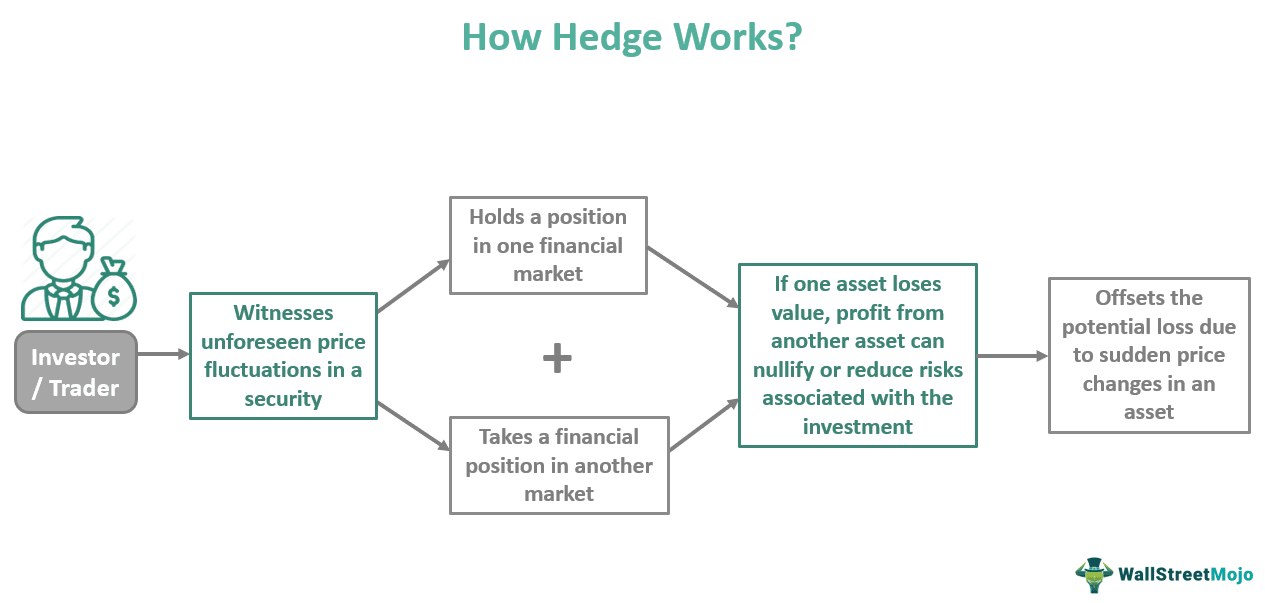
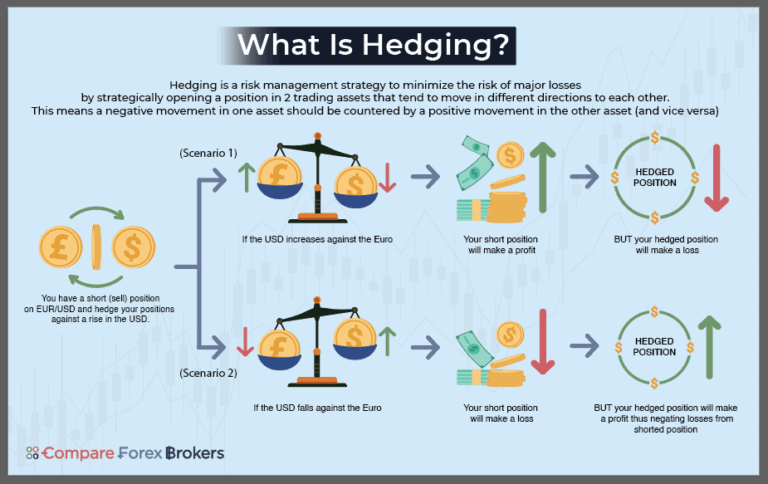
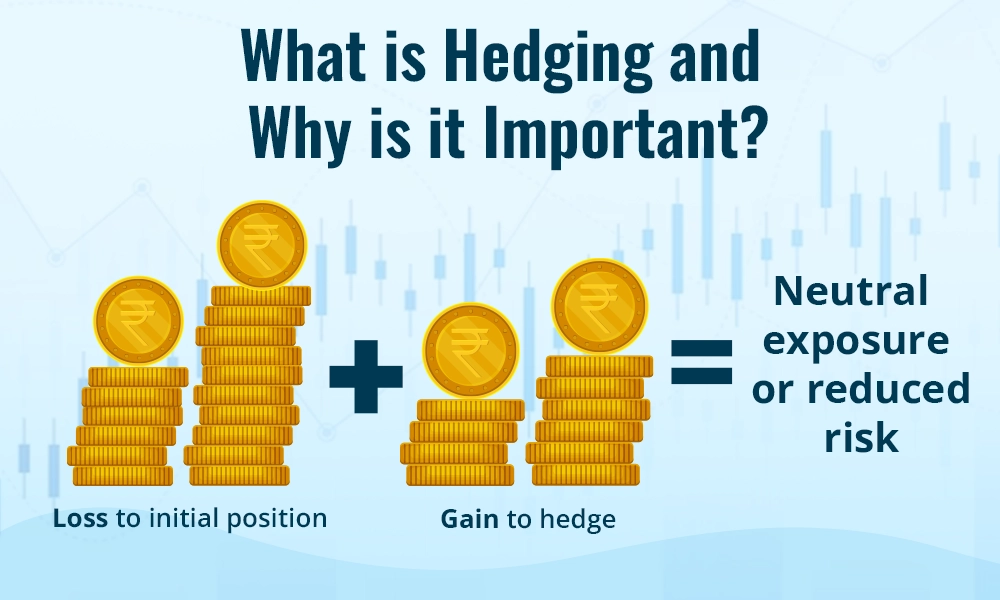
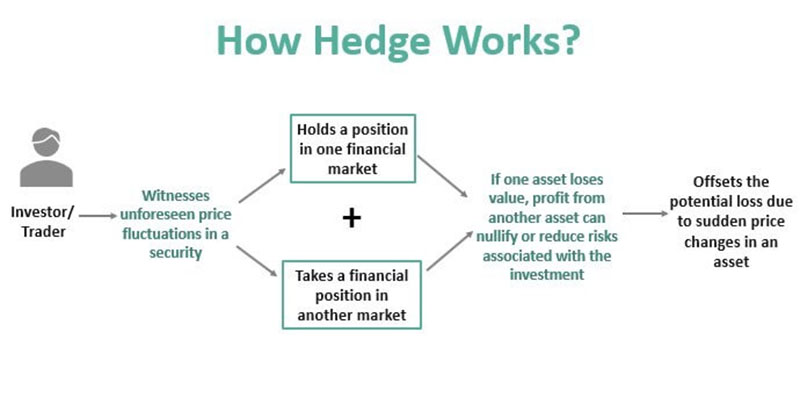
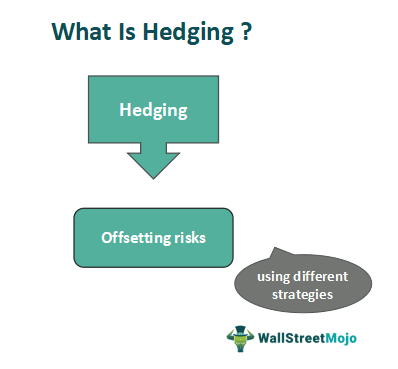
To truly grasp what is hedging in corporate finance, one must understand the difference between speculation and risk mitigation. Speculators enter the market to profit from price changes; hedgers enter the market to protect themselves from them. In corporate finance, hedging involves taking an offsetting position in a related security or financial instrument to balance out any potential losses in the primary business operation.
For example, if an airline expects fuel prices to rise, it might enter into a contract to buy fuel at a fixed price in the future. If prices do indeed rise, the "loss" the airline pays at the pump is offset by the "gain" from their contract. If prices fall, the airline pays more for the contract than the current market rate, but they benefit from cheaper fuel at the pump. In both scenarios, the airline has achieved certainty, which allows for more accurate budgeting and long-term planning.
Key Financial Risks Managed Through Hedging
Corporations face a variety of external financial threats. Effective hedging strategies typically target three primary areas of risk:
1. Foreign Exchange (FX) Risk
In an era of globalization, many companies earn revenue in one currency while paying expenses in another. Volatility in the forex market can significantly impact reported earnings. Companies use hedging to manage transaction risk (the risk that the exchange rate will change before a transaction is settled) and translation risk (the risk that the value of foreign assets will decrease when converted back to the home currency on financial statements).
2. Interest Rate Risk
Businesses often carry significant debt. If a company has a variable-rate loan, a sudden hike in central bank interest rates could lead to a massive increase in interest expenses. Hedging allows these firms to effectively "lock in" a fixed interest rate, ensuring that their debt servicing costs remain manageable regardless of what happens in the broader economy.
3. Commodity Price Risk
From manufacturing to food production, many industries are at the mercy of raw material costs. Whether it is copper, wheat, oil, or gold, price fluctuations can disrupt production schedules and erode margins. Hedging through futures or forward contracts allows these companies to stabilize their input costs.
Common Hedging Instruments in Corporate Finance
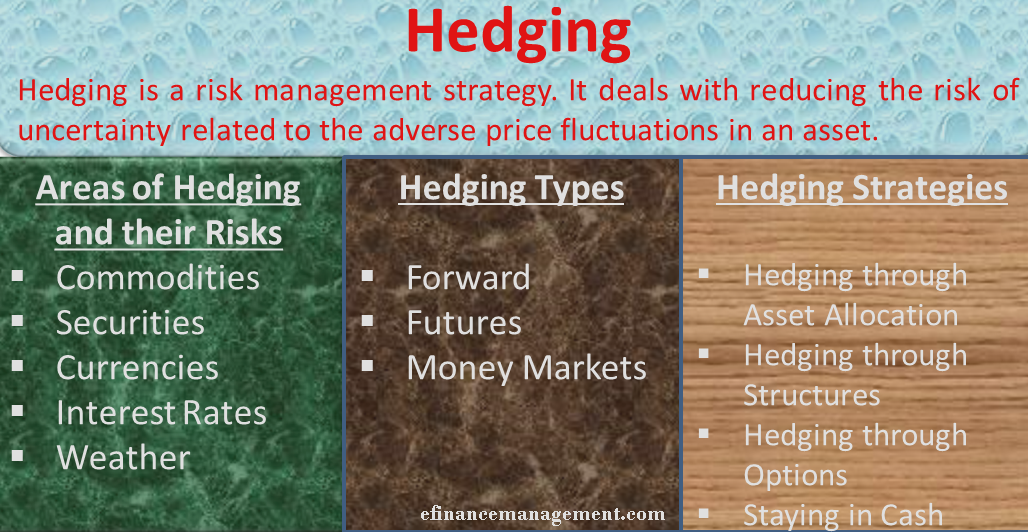
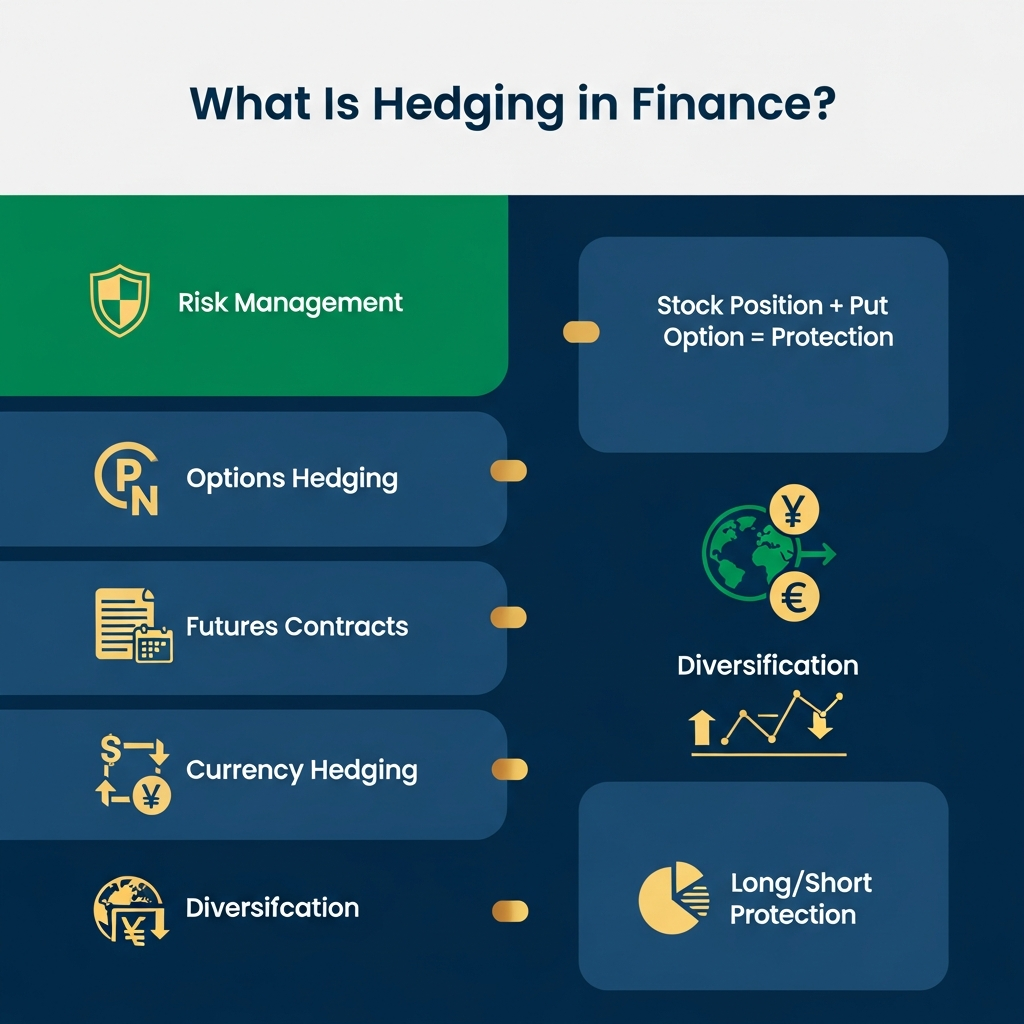
To execute a hedging strategy, corporations utilize several derivative instruments. These are financial contracts whose value is "derived" from an underlying asset.
| Hedging Instrument | Description & Application |
|---|---|
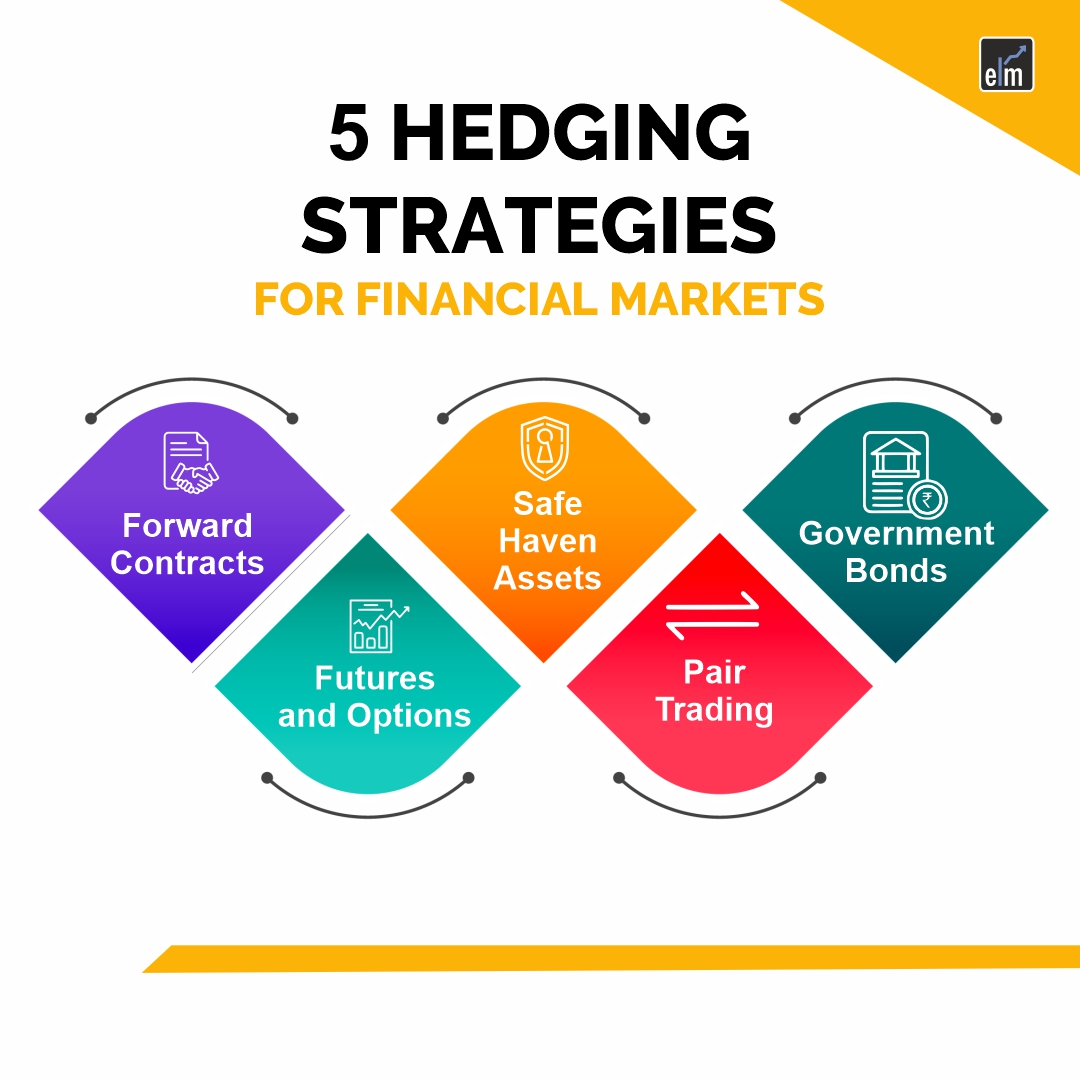
| Forward Contracts | A customized, private agreement to buy or sell an asset at a specified price on a future date. Commonly used for foreign exchange. |
| Futures Contracts | Standardized contracts traded on public exchanges. They function like forwards but are more liquid and regulated. |
| Options | Contracts that give the holder the right, but not the obligation, to buy (call) or sell (put) an asset. Offers more flexibility than futures. |
| Swaps | A contract where two parties exchange cash flows or liabilities. Most common are interest rate swaps (fixed for floating). |
| Natural Hedging | An operational strategy where a company matches its revenues and expenses in the same currency to reduce FX exposure organically. |
The Benefits and Limitations of Hedging
While the primary goal of hedging is risk reduction, the benefits extend into strategic corporate advantages. Firstly, it provides cash flow predictability. When management knows exactly what their costs and revenues will be, they can make more confident decisions regarding capital expenditures, R&D investments, and hiring. Secondly, it can lower a company's cost of capital. Lenders and investors often view "hedged" companies as lower risk, which can lead to better credit ratings and lower interest rates on debt.
However, hedging is not without its drawbacks. There are transaction costs associated with purchasing derivatives, such as premiums for options or brokerage fees for futures. Furthermore, there is the opportunity cost. If a company hedges against falling prices and prices actually rise, they miss out on the potential gains because they are locked into a lower price. Finally, improper hedging can lead to "over-hedging," where a company takes on more derivative positions than necessary, inadvertently creating new financial risks.
Implementing a Hedging Strategy: Best Practices
For a corporation to successfully implement hedging, it must follow a structured approach. It begins with risk identification—quantifying exactly how much exposure the company has to specific market variables. Once the risk is identified, the board of directors typically sets a hedging policy, defining what percentage of the risk should be covered and which instruments are permissible.
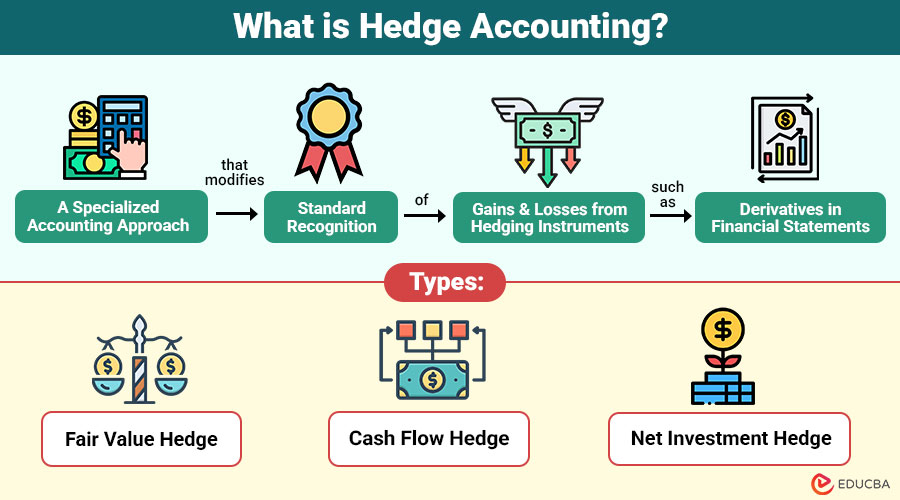
Modern corporate finance departments often use specialized software to monitor their "hedge effectiveness." Under accounting standards like IFRS 9 or GAAP, companies must prove that their hedge is actually offsetting the intended risk to qualify for specific "hedge accounting" treatment. This prevents the company's income statement from appearing overly volatile due to the changing fair value of the derivatives themselves.
Frequently Asked Questions (FAQ)
1. Is hedging the same as gambling or speculation?
No. Speculation involves taking on risk in the hope of making a profit. Hedging is the exact opposite; it involves using financial instruments to reduce or eliminate an existing risk that is already present in the business operations.
2. Can a company "over-hedge"?
Yes. Over-hedging occurs when a company enters into a hedge for an amount greater than the underlying exposure. This can turn a protective strategy into a speculative one, potentially leading to losses if the market moves in an unexpected direction.
3. Does hedging guarantee that a company won't lose money?
Hedging protects against specific financial market risks (like currency or interest rates), but it does not protect against poor business management, falling demand for products, or operational failures. It is a tool for financial stability, not a guarantee of total profitability.
4. What is a "Natural Hedge" in corporate finance?
A natural hedge occurs when a company's normal operating procedures reduce its risk. For example, a US company that manufactures goods in Europe and also sells those goods in Europe has a natural hedge because its expenses (wages/rent) and revenues are both in Euros, reducing its exposure to Euro-USD fluctuations.
Conclusion
Understanding what is hedging in corporate finance is vital for any business leader looking to navigate the complexities of the modern economy. It is a disciplined, mathematical approach to ensuring that a company's survival is not left to the whims of the market. By effectively utilizing forwards, futures, options, and swaps, a corporation can insulate itself from the shocks of currency devaluations, rising interest rates, and commodity price spikes.
Ultimately, the goal of hedging is to create a "smoother" financial journey. While it involves costs and requires deep expertise, the peace of mind and financial stability it provides are invaluable. In an interconnected global market, hedging is no longer an optional luxury—it is a strategic necessity for sustainable corporate growth and long-term shareholder value.
What Is Hedging In Corporate Finance
What Is Hedging In Corporate Finance Wallpapers
Collection of what is hedging in corporate finance wallpapers for your desktop and mobile devices.
Beautiful What Is Hedging In Corporate Finance Capture Digital Art
Discover an amazing what is hedging in corporate finance background image, ideal for personalizing your devices with vibrant colors and intricate designs.
Spectacular What Is Hedging In Corporate Finance Picture in HD
A captivating what is hedging in corporate finance scene that brings tranquility and beauty to any device.
Exquisite What Is Hedging In Corporate Finance Artwork in 4K
Find inspiration with this unique what is hedging in corporate finance illustration, crafted to provide a fresh look for your background.
Captivating What Is Hedging In Corporate Finance Moment in 4K
Find inspiration with this unique what is hedging in corporate finance illustration, crafted to provide a fresh look for your background.

Crisp What Is Hedging In Corporate Finance Background for Mobile
Immerse yourself in the stunning details of this beautiful what is hedging in corporate finance wallpaper, designed for a captivating visual experience.

Mesmerizing What Is Hedging In Corporate Finance Abstract Art
Discover an amazing what is hedging in corporate finance background image, ideal for personalizing your devices with vibrant colors and intricate designs.
Detailed What Is Hedging In Corporate Finance Photo Digital Art
Transform your screen with this vivid what is hedging in corporate finance artwork, a true masterpiece of digital design.
Vivid What Is Hedging In Corporate Finance Artwork Illustration
Experience the crisp clarity of this stunning what is hedging in corporate finance image, available in high resolution for all your screens.

Crisp What Is Hedging In Corporate Finance Photo Collection
This gorgeous what is hedging in corporate finance photo offers a breathtaking view, making it a perfect choice for your next wallpaper.
Vibrant What Is Hedging In Corporate Finance View Illustration
Transform your screen with this vivid what is hedging in corporate finance artwork, a true masterpiece of digital design.
Captivating What Is Hedging In Corporate Finance View in HD
Find inspiration with this unique what is hedging in corporate finance illustration, crafted to provide a fresh look for your background.
Gorgeous What Is Hedging In Corporate Finance Photo for Desktop
Immerse yourself in the stunning details of this beautiful what is hedging in corporate finance wallpaper, designed for a captivating visual experience.

Beautiful What Is Hedging In Corporate Finance Capture Concept
Experience the crisp clarity of this stunning what is hedging in corporate finance image, available in high resolution for all your screens.
Exquisite What Is Hedging In Corporate Finance Scene for Mobile
Find inspiration with this unique what is hedging in corporate finance illustration, crafted to provide a fresh look for your background.

Detailed What Is Hedging In Corporate Finance Image Concept
Explore this high-quality what is hedging in corporate finance image, perfect for enhancing your desktop or mobile wallpaper.

Lush What Is Hedging In Corporate Finance Picture Nature
Find inspiration with this unique what is hedging in corporate finance illustration, crafted to provide a fresh look for your background.

Beautiful What Is Hedging In Corporate Finance Design in HD
Experience the crisp clarity of this stunning what is hedging in corporate finance image, available in high resolution for all your screens.

Artistic What Is Hedging In Corporate Finance Design for Desktop
This gorgeous what is hedging in corporate finance photo offers a breathtaking view, making it a perfect choice for your next wallpaper.
Artistic What Is Hedging In Corporate Finance Landscape in 4K
Find inspiration with this unique what is hedging in corporate finance illustration, crafted to provide a fresh look for your background.

Vivid What Is Hedging In Corporate Finance Moment in HD
Discover an amazing what is hedging in corporate finance background image, ideal for personalizing your devices with vibrant colors and intricate designs.
Download these what is hedging in corporate finance wallpapers for free and use them on your desktop or mobile devices.