What Is Hedging In Finance In Simple Terms
What Is Hedging In Finance In Simple Terms? A Comprehensive Guide for Beginners
In the world of finance, the word "risk" is often seen as a double-edged sword. While risk is necessary to achieve significant returns, it can also lead to devastating losses if not managed correctly. This is where the concept of hedging comes into play. If you have ever purchased insurance for your car, your home, or your health, you already understand the basic logic behind hedging. In financial markets, hedging serves as an insurance policy for your investments.
But how does it work in practice? Why do professional traders and large corporations spend millions of dollars on hedging strategies? In this article, we will break down what hedging is in finance in simple terms, explore common strategies, and help you understand how it can protect your portfolio from market volatility.
Understanding the Basics: What Is Hedging?
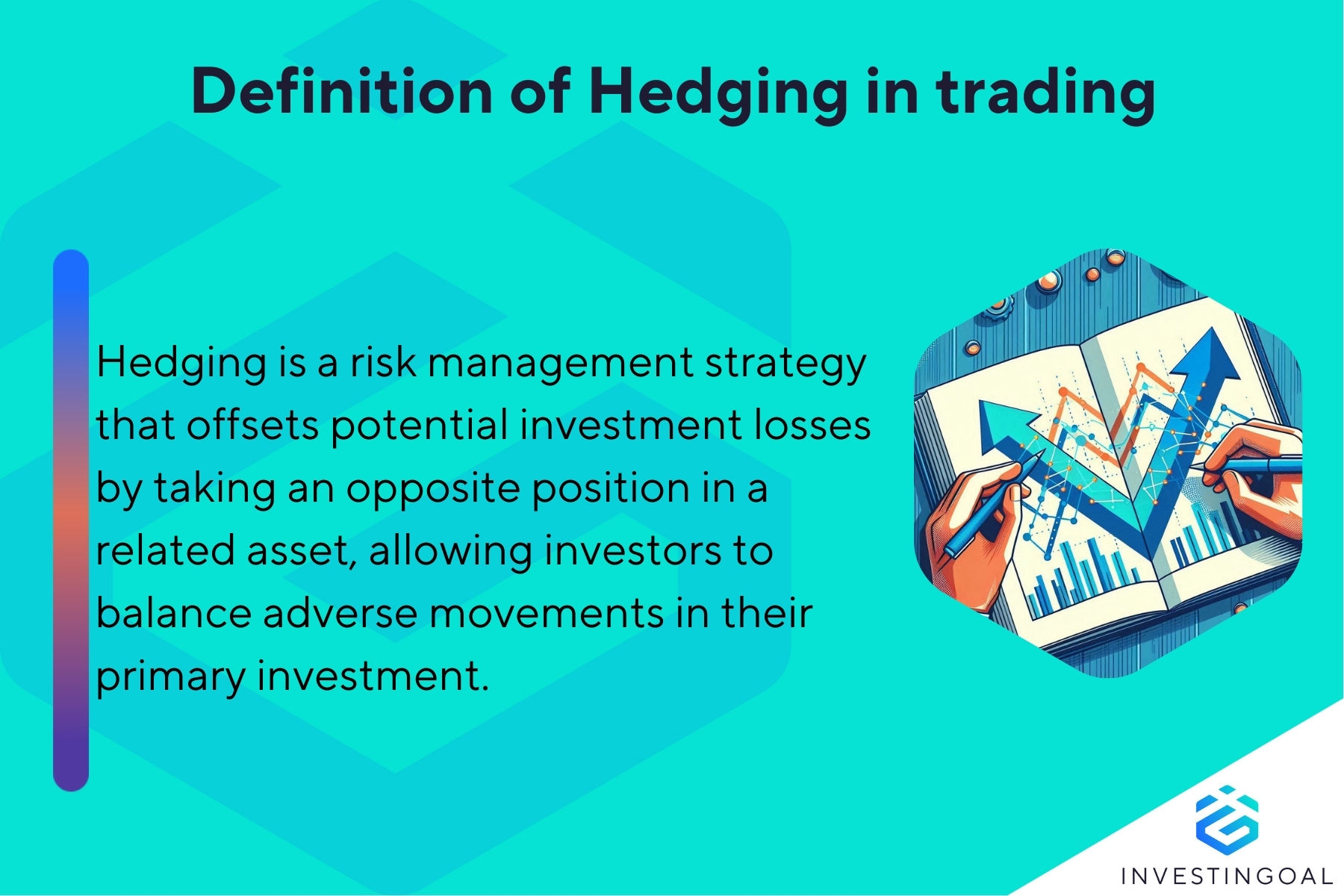
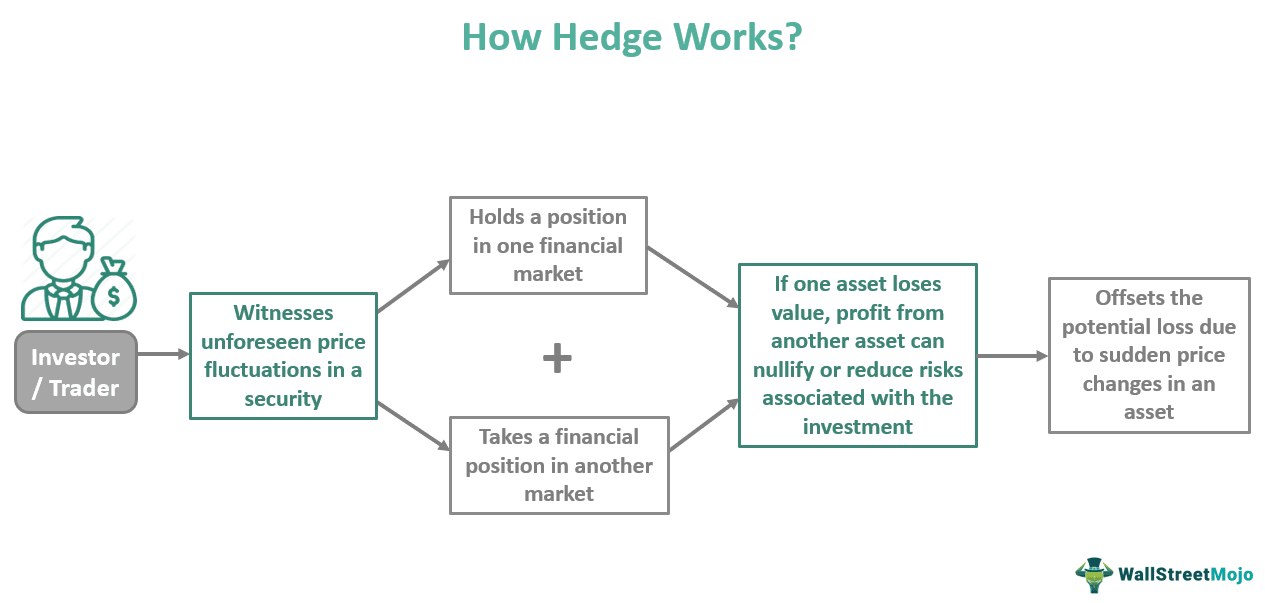
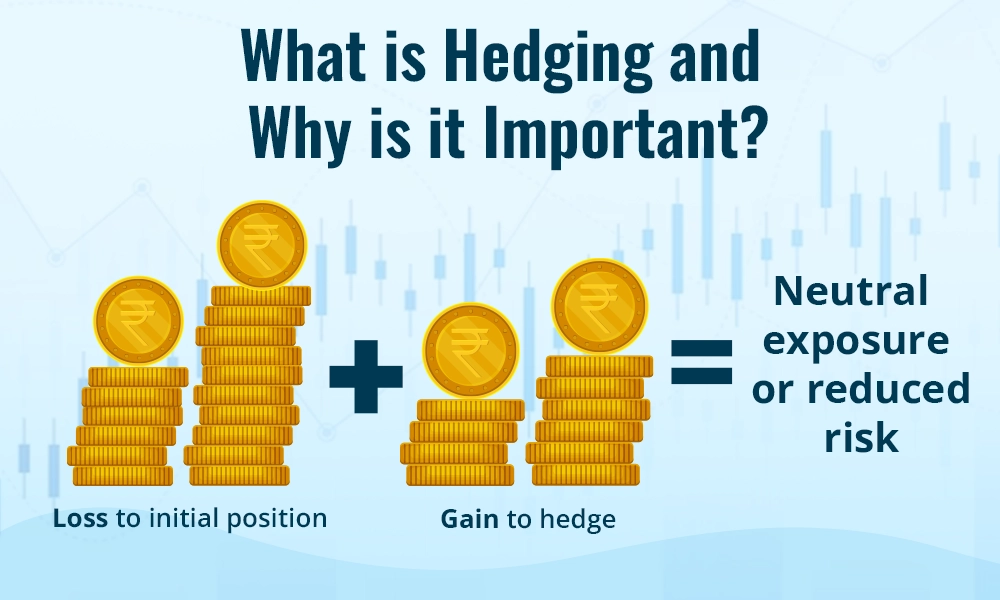
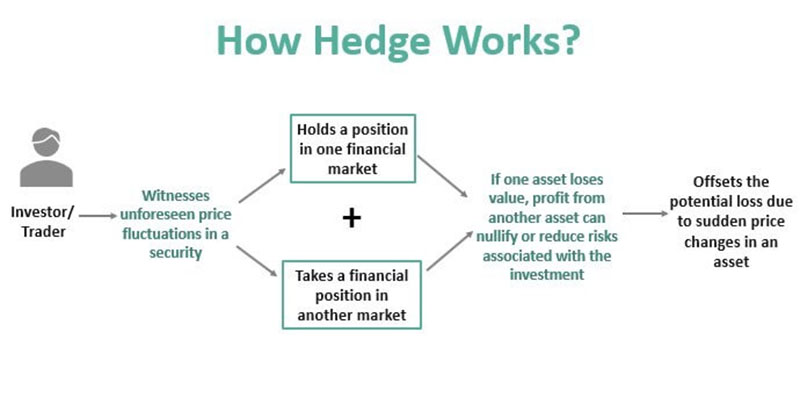
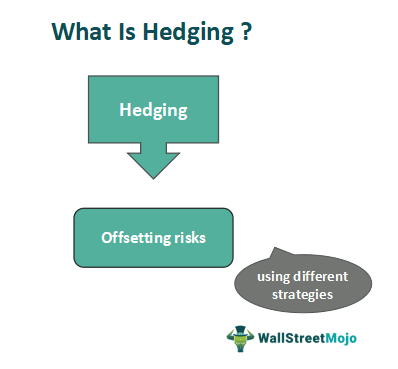
At its core, hedging is a risk management strategy used to offset potential losses in an investment by taking an opposite position in a related asset. The primary goal of hedging is not necessarily to make money, but to limit the impact of adverse price movements. It is a defensive maneuver designed to provide a "safety net" for your financial assets.
Imagine you own a house in an area prone to floods. To protect yourself financially, you pay a monthly premium for flood insurance. If a flood occurs, the insurance payout covers your losses. If no flood occurs, you lose the premium money, but you gain peace of mind. In finance, the "insurance premium" is the cost of the hedging instrument, and the "flood" is a market crash or a sudden drop in asset value.
Hedging is common among both individual investors and large-scale institutions. Whether it's a farmer protecting the price of their crops or a multinational corporation protecting itself against currency fluctuations, hedging is a fundamental pillar of modern finance.
How Hedging Works: The Mechanics of Protection
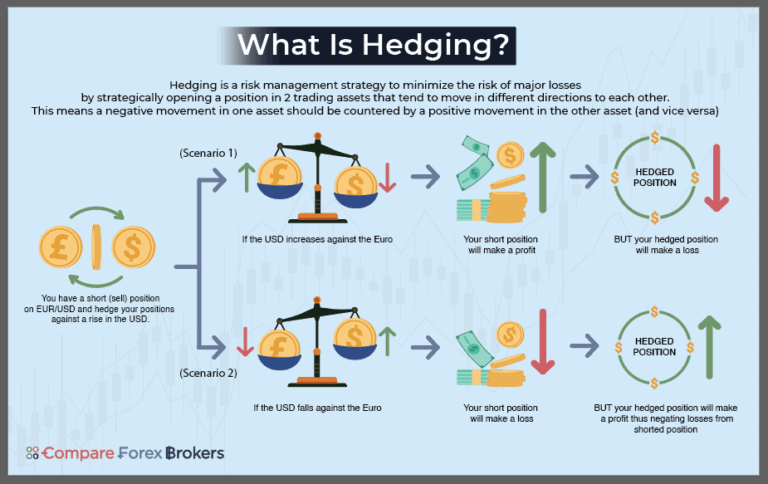
To understand how hedging works, you must understand the concept of negative correlation. Hedging involves holding two positions that move in opposite directions. When one goes down, the other goes up, effectively balancing the total value of your portfolio.
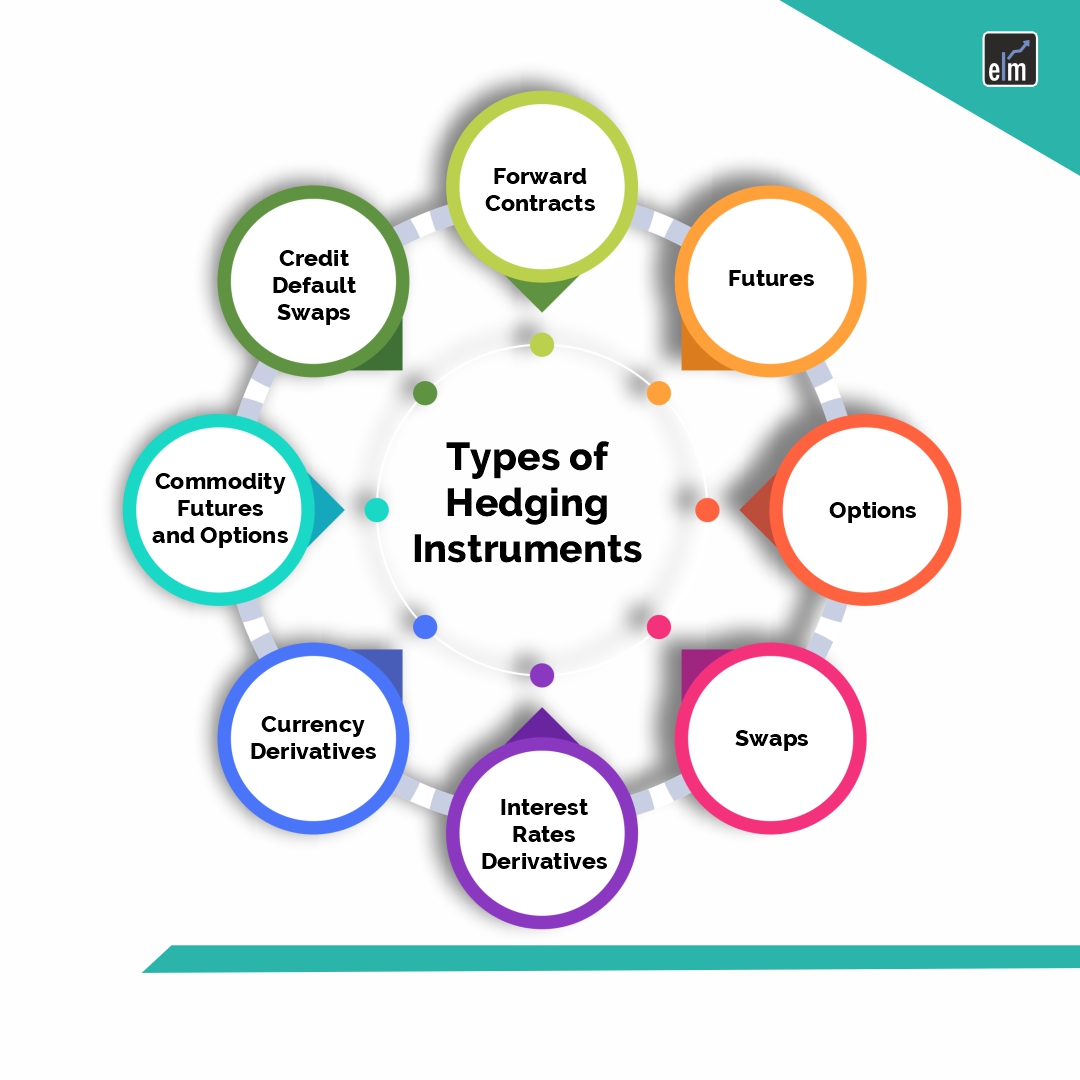
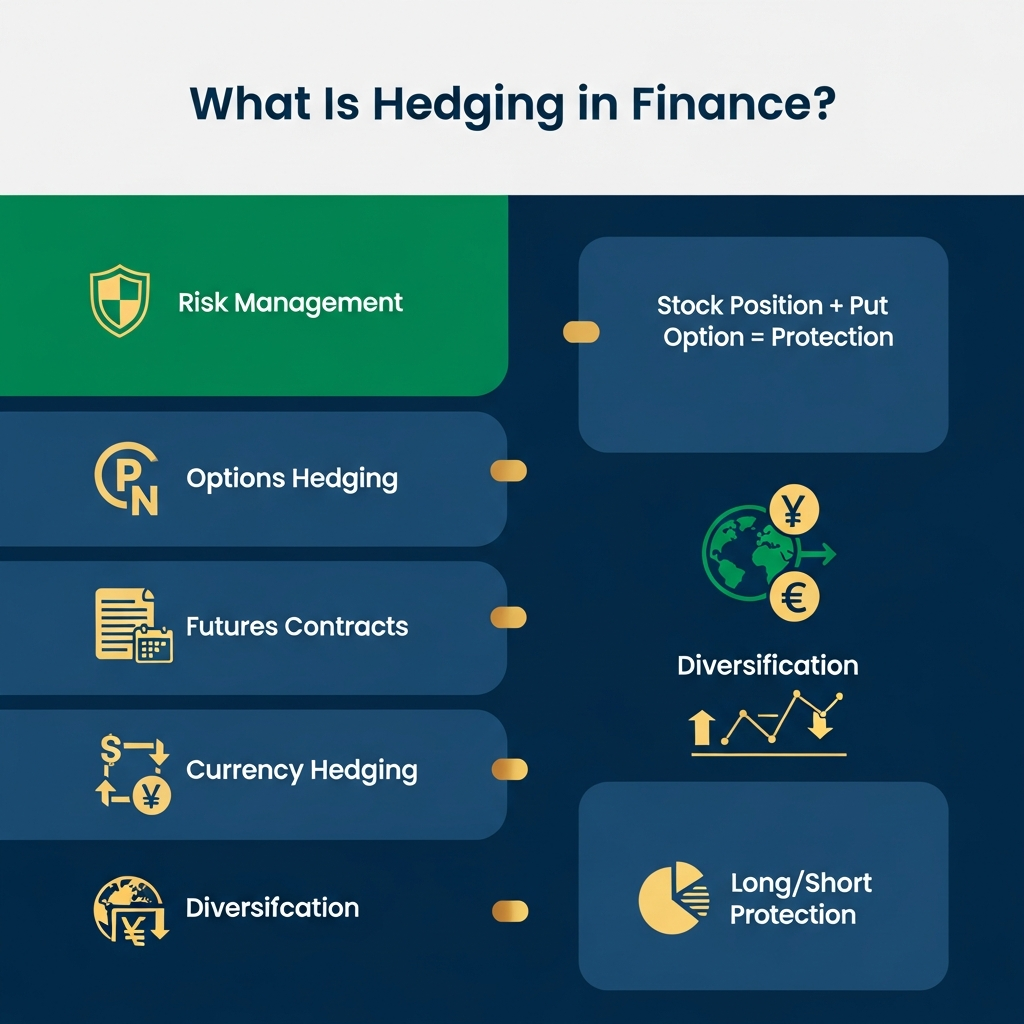
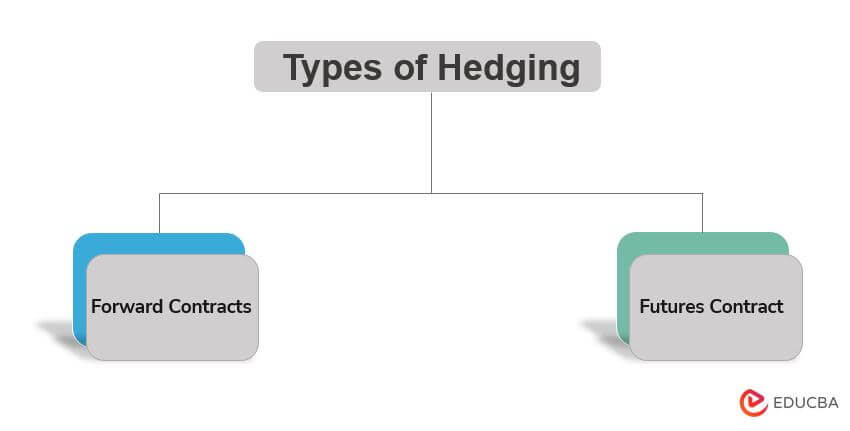
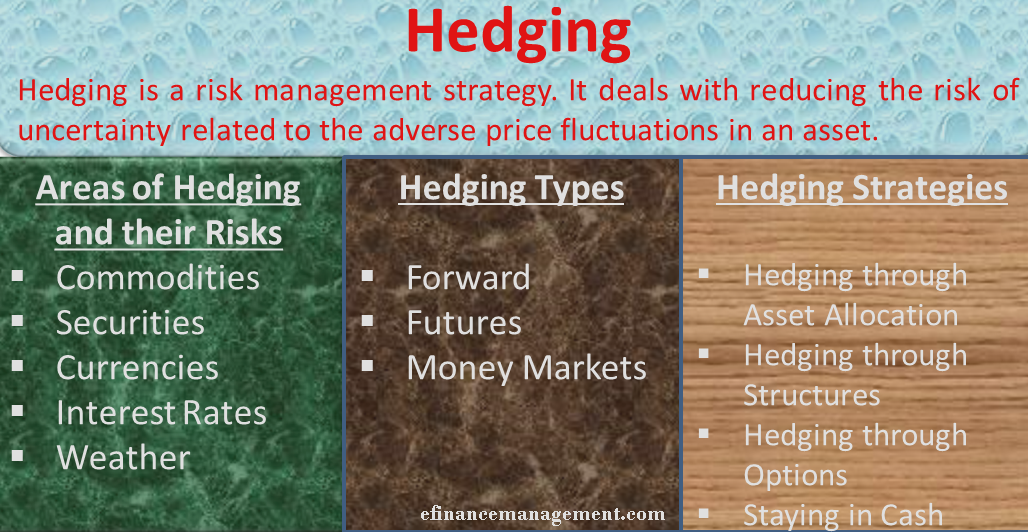
Most hedging is done using derivatives. These are financial contracts whose value is derived from an underlying asset, such as a stock, a bond, a commodity, or a currency. The most common derivatives used for hedging include:
- Options: A contract that gives you the right (but not the obligation) to buy or sell an asset at a specific price within a certain timeframe.
- Futures: An agreement to buy or sell an asset at a predetermined price at a specific date in the future.
- Swaps: Contracts where two parties exchange cash flows or liabilities from different financial instruments.
By using these tools, an investor can lock in a price today to protect themselves from price changes tomorrow. This predictability is vital for businesses that need to budget for the future without worrying about the volatility of the stock market or commodity prices.
| Fitur/Aspek | Deskripsi |
|---|---|
| Primary Objective | To reduce or eliminate the risk of financial loss in an existing investment. |
| Core Mechanism | Taking an offsetting position in a related security or derivative. |
| Common Tools | Options, Futures, Forward contracts, and Diversification. |
| Cost Involvement | Usually involves a "premium" or transaction cost, which can reduce total profit. |
| Resulting Profile | Lower risk, but also potentially lower maximum profit compared to an unhedged position. |
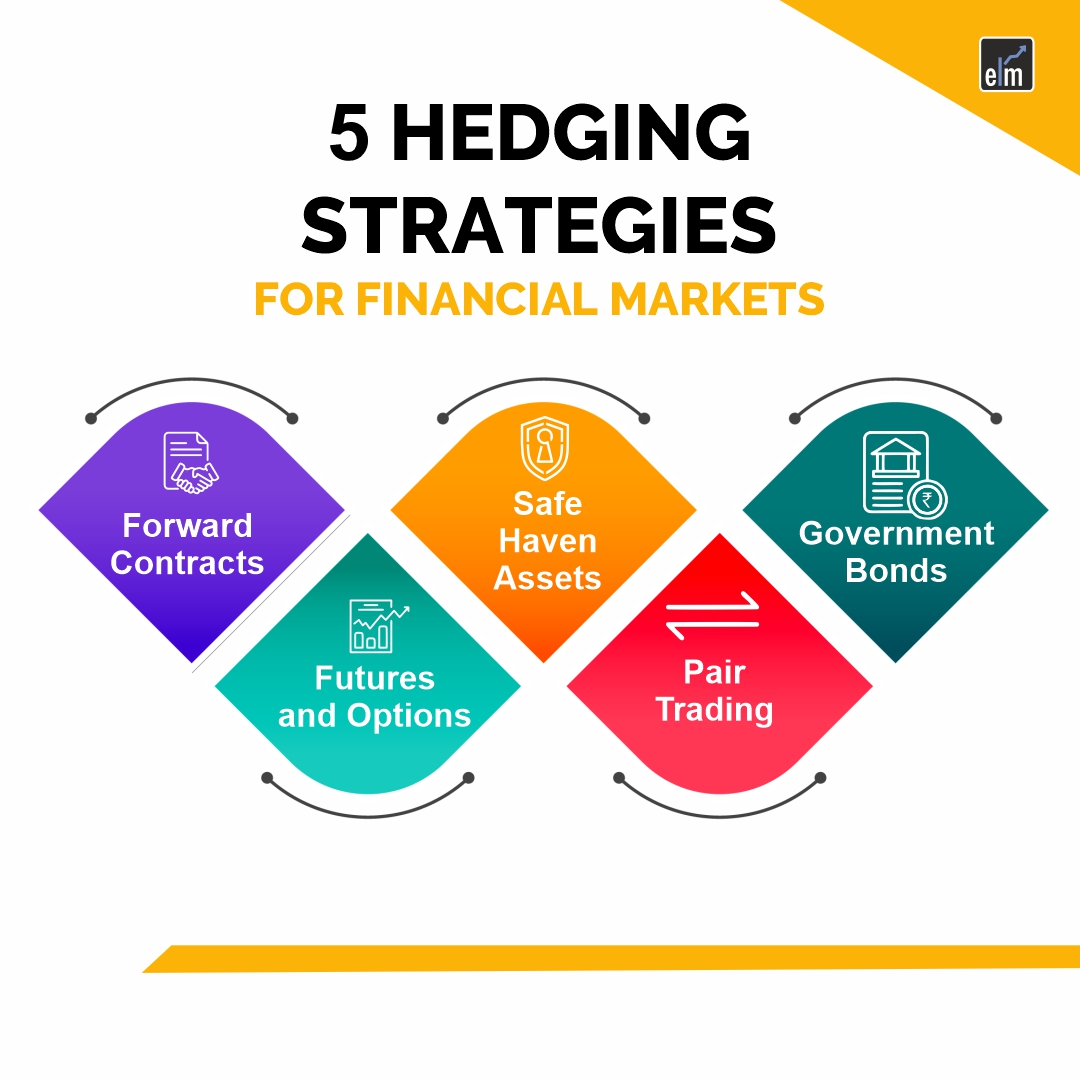
Common Hedging Strategies for Investors
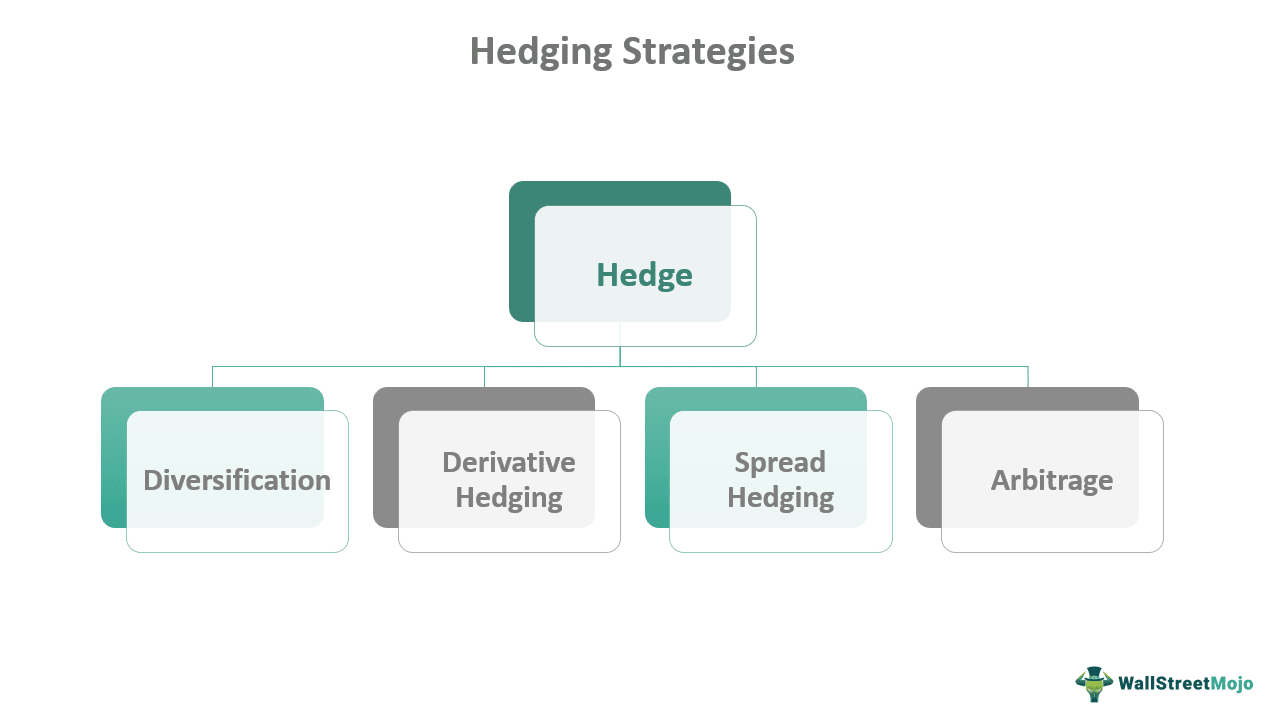
There is no one-size-fits-all approach to hedging. Depending on the type of asset and the specific risk involved, different strategies are employed. Here are the most common ways investors hedge their bets:
1. Diversification
While often discussed as a separate concept, diversification is the simplest form of hedging. By spreading your money across different asset classes (stocks, bonds, real estate, gold), you ensure that a downturn in one sector won't wipe out your entire portfolio. For example, when the stock market is volatile, gold prices often rise, acting as a natural hedge.
2. Put Options
A "Put Option" is perhaps the most direct way to hedge a stock investment. If you own 100 shares of Company X and you are worried the price might drop, you can buy a put option. This option gives you the right to sell your shares at a specific price (the strike price). If the stock price crashes below that level, your option gains value, offsetting the loss on your actual shares.
3. Short Selling
Short selling involves borrowing an asset and selling it, with the intention of buying it back later at a lower price. If an investor has a large portfolio of stocks, they might "short" a market index (like the S&P 500). If the overall market drops, the profit from the short position helps cover the losses in their long-term stock holdings.
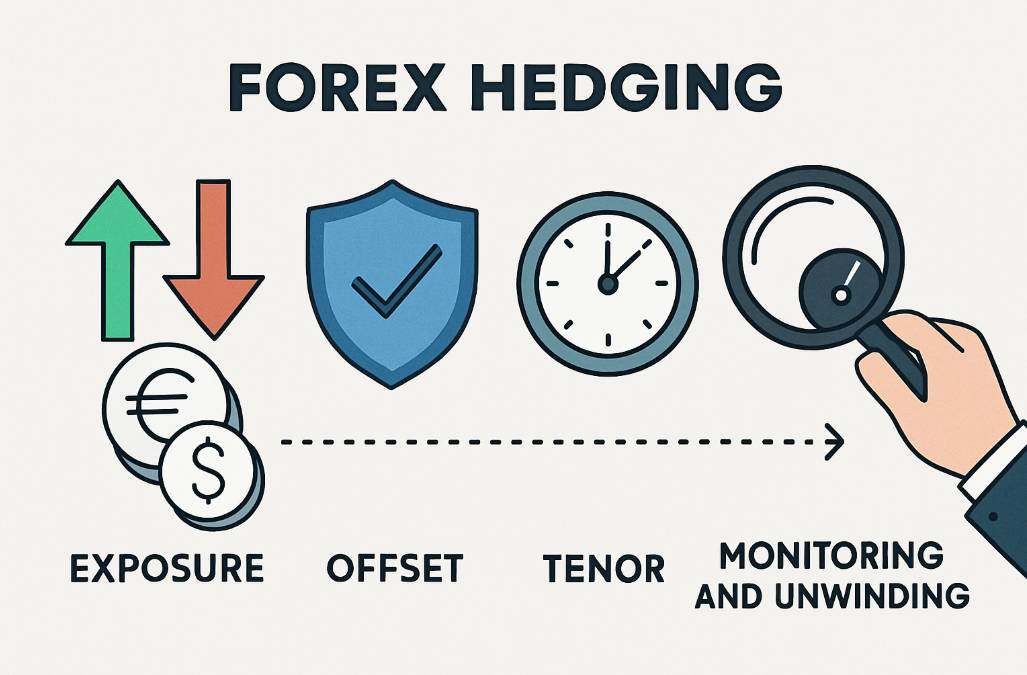
4. Currency Hedging
Companies that operate internationally are exposed to currency risk. If a U.S. company expects to receive payment in Euros in six months, they might worry that the Euro will weaken against the Dollar. To hedge this, they enter a forward contract to lock in the current exchange rate, ensuring they receive a predictable amount of USD regardless of market shifts.
Real-World Examples of Hedging
To truly grasp "what is hedging in finance in simple terms," it helps to look at how famous industries use it. One of the most prominent examples is the airline industry. Fuel is one of the highest expenses for any airline. If oil prices skyrocket, an airline’s profits could vanish overnight.
To prevent this, airlines use fuel hedging. They enter into futures contracts to buy jet fuel at a fixed price for the next year. If oil prices go up, the airline is protected because they are still paying the lower, locked-in price. However, if oil prices drop significantly, the airline might end up paying more than the current market price, which is the "cost" of the hedge.
Another example is a cereal manufacturer. They need massive amounts of corn and wheat. To avoid the risk of a bad harvest driving up prices, they hedge by buying commodity futures. This allows them to keep the price of their cereal stable for consumers, even if the weather affects crop yields.
The Pros and Cons: Is Hedging Always a Good Idea?
While hedging sounds like the perfect solution for any investor, it does come with trade-offs. The most significant disadvantage is the cost. Hedging is not free. Whether you are paying for an option premium or paying commissions on futures, these costs eat into your overall returns.
Furthermore, hedging can limit your upside. If you hedge against a price drop and the market actually goes up significantly, your hedge might lose value or prevent you from realizing the full gains of the rally. Professional investors often say that "hedging is for people who want to sleep at night," implying that it is a tool for stability, not for maximum wealth accumulation.
Advantages:
- Protects against market crashes and "black swan" events.
- Provides financial predictability for businesses.
- Reduces the emotional stress of investing.
- Allows investors to stay in the market during volatile periods.
Disadvantages:
- Transaction costs and premiums can be expensive.
- Requires technical knowledge of derivatives.
- Can lead to lower profits if the market moves in your favor.
Frequently Asked Questions (FAQ)
1. Is hedging the same as speculating?
No. Speculating is taking a risk in hopes of a high return. Hedging is the opposite; it is taking a position to reduce an existing risk. While speculators want volatility to make a profit, hedgers want stability to protect their assets.
2. Can individual retail investors hedge?
Yes! While individual investors may not use complex swaps, they can easily use diversification, buy "protective puts" on their stocks, or invest in inverse ETFs that gain value when the market falls.
3. Does hedging guarantee I won't lose money?
No. Hedging is rarely a perfect science. A hedge might only cover a portion of your losses, or the asset you use to hedge may not behave exactly as expected (this is known as "basis risk"). It reduces risk but does not eliminate it entirely.
Conclusion
In summary, hedging in finance is a strategic tool used to manage risk and protect investments from the unpredictable nature of the markets. By understanding what hedging is in simple terms—essentially an insurance policy for your money—you can make more informed decisions about how to safeguard your financial future.
Whether you are a casual investor looking to diversify your 401(k) or a business owner trying to stabilize your supply costs, hedging provides a layer of security that allows for long-term growth without the constant fear of a market downturn. While it comes with costs and requires a bit of strategy, the peace of mind and protection it offers are often well worth the price. Remember, the goal of hedging isn't to get rich quick; it's to ensure you don't get poor suddenly.
What Is Hedging In Finance In Simple Terms
What Is Hedging In Finance In Simple Terms Wallpapers
Collection of what is hedging in finance in simple terms wallpapers for your desktop and mobile devices.
Spectacular What Is Hedging In Finance In Simple Terms Scene for Desktop
A captivating what is hedging in finance in simple terms scene that brings tranquility and beauty to any device.
Beautiful What Is Hedging In Finance In Simple Terms Capture Digital Art
Discover an amazing what is hedging in finance in simple terms background image, ideal for personalizing your devices with vibrant colors and intricate designs.
Captivating What Is Hedging In Finance In Simple Terms Moment in 4K
Find inspiration with this unique what is hedging in finance in simple terms illustration, crafted to provide a fresh look for your background.
Amazing What Is Hedging In Finance In Simple Terms Image in 4K
Experience the crisp clarity of this stunning what is hedging in finance in simple terms image, available in high resolution for all your screens.

Crisp What Is Hedging In Finance In Simple Terms Background for Mobile
Immerse yourself in the stunning details of this beautiful what is hedging in finance in simple terms wallpaper, designed for a captivating visual experience.
Serene What Is Hedging In Finance In Simple Terms Capture Photography
Discover an amazing what is hedging in finance in simple terms background image, ideal for personalizing your devices with vibrant colors and intricate designs.
.webp "Vivid What Is Hedging In Finance In Simple Terms Design in 4K")
Vivid What Is Hedging In Finance In Simple Terms Design in 4K
Explore this high-quality what is hedging in finance in simple terms image, perfect for enhancing your desktop or mobile wallpaper.
Spectacular What Is Hedging In Finance In Simple Terms Picture in HD
A captivating what is hedging in finance in simple terms scene that brings tranquility and beauty to any device.

Vibrant What Is Hedging In Finance In Simple Terms Design in HD
Transform your screen with this vivid what is hedging in finance in simple terms artwork, a true masterpiece of digital design.
Artistic What Is Hedging In Finance In Simple Terms Landscape in 4K
Find inspiration with this unique what is hedging in finance in simple terms illustration, crafted to provide a fresh look for your background.
Detailed What Is Hedging In Finance In Simple Terms Photo Digital Art
Transform your screen with this vivid what is hedging in finance in simple terms artwork, a true masterpiece of digital design.
Stunning What Is Hedging In Finance In Simple Terms Scene for Mobile
This gorgeous what is hedging in finance in simple terms photo offers a breathtaking view, making it a perfect choice for your next wallpaper.
Vivid What Is Hedging In Finance In Simple Terms Artwork Illustration
Experience the crisp clarity of this stunning what is hedging in finance in simple terms image, available in high resolution for all your screens.
Captivating What Is Hedging In Finance In Simple Terms Moment in 4K
A captivating what is hedging in finance in simple terms scene that brings tranquility and beauty to any device.
Captivating What Is Hedging In Finance In Simple Terms View in HD
Find inspiration with this unique what is hedging in finance in simple terms illustration, crafted to provide a fresh look for your background.
Vibrant What Is Hedging In Finance In Simple Terms View Illustration
Transform your screen with this vivid what is hedging in finance in simple terms artwork, a true masterpiece of digital design.

High-Quality What Is Hedging In Finance In Simple Terms Picture Digital Art
Experience the crisp clarity of this stunning what is hedging in finance in simple terms image, available in high resolution for all your screens.

Breathtaking What Is Hedging In Finance In Simple Terms Scene Nature
Transform your screen with this vivid what is hedging in finance in simple terms artwork, a true masterpiece of digital design.
High-Quality What Is Hedging In Finance In Simple Terms Design for Desktop
Transform your screen with this vivid what is hedging in finance in simple terms artwork, a true masterpiece of digital design.

Artistic What Is Hedging In Finance In Simple Terms Wallpaper Art
This gorgeous what is hedging in finance in simple terms photo offers a breathtaking view, making it a perfect choice for your next wallpaper.
Download these what is hedging in finance in simple terms wallpapers for free and use them on your desktop or mobile devices.