What Is Hedging In Trading Example
What Is Hedging In Trading? A Comprehensive Guide with Practical Examples
In the high-stakes world of financial markets, volatility is the only constant. Whether you are a seasoned institutional investor or a retail trader just starting your journey, the concept of risk management is paramount. One of the most effective strategies used to mitigate financial losses is known as hedging. But what is hedging in trading, and how can you apply it to your portfolio? This article provides an in-depth exploration of the mechanics, strategies, and real-world examples to help you master this essential financial tool.
Understanding the Basics: What Is Hedging?
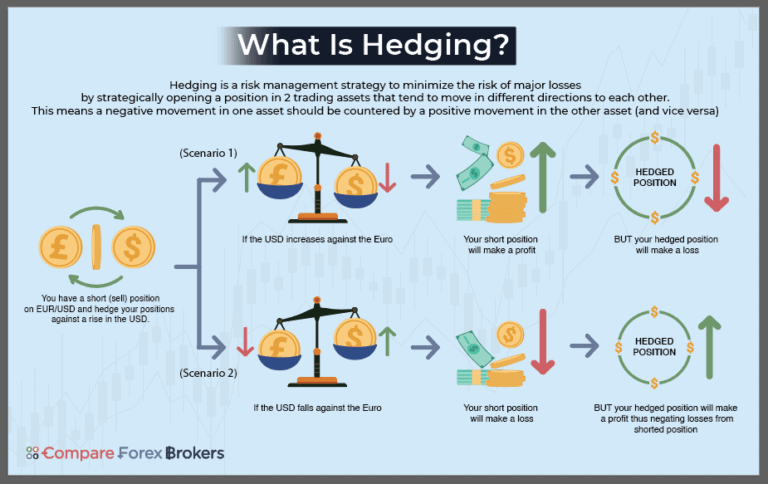
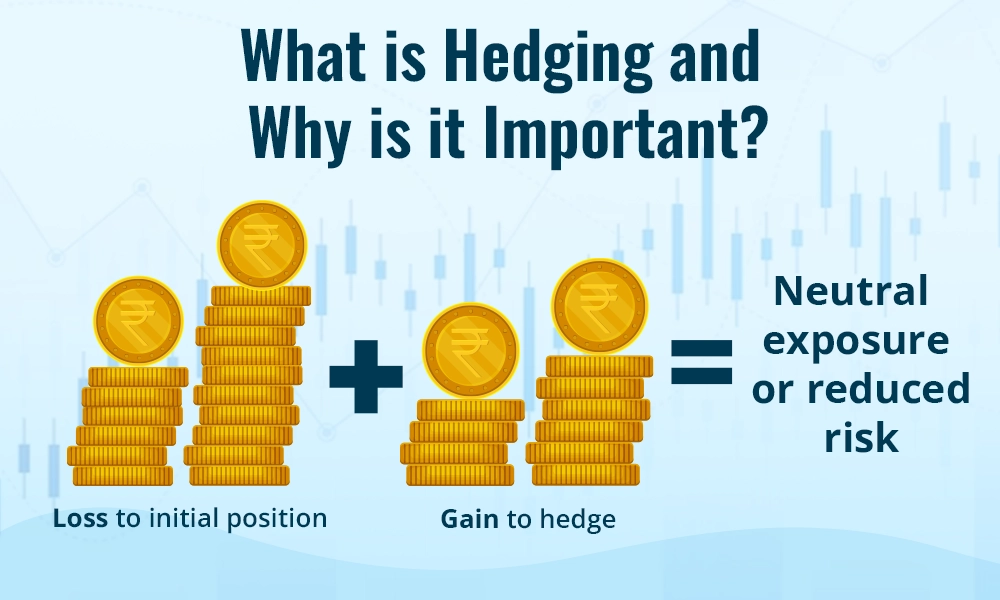
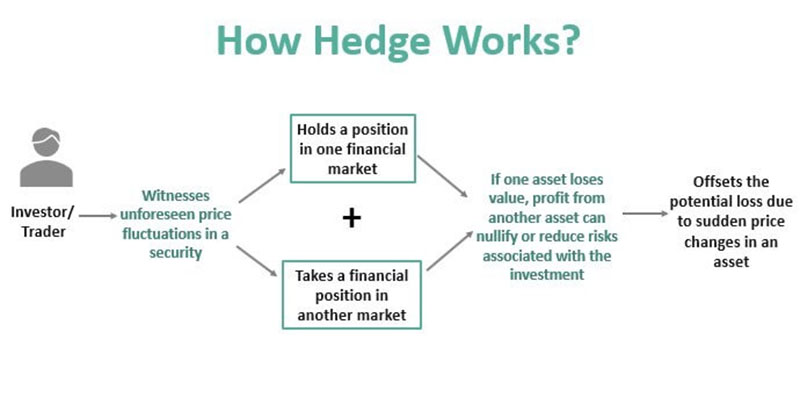
At its core, hedging is a risk management strategy used to offset potential losses in an investment by taking an opposite position in a related asset. Think of it as an insurance policy for your portfolio. When you buy home insurance, you are hedging against the risk of fire or theft. You hope you never have to use it, but the premium you pay provides peace of mind and financial protection if disaster strikes.
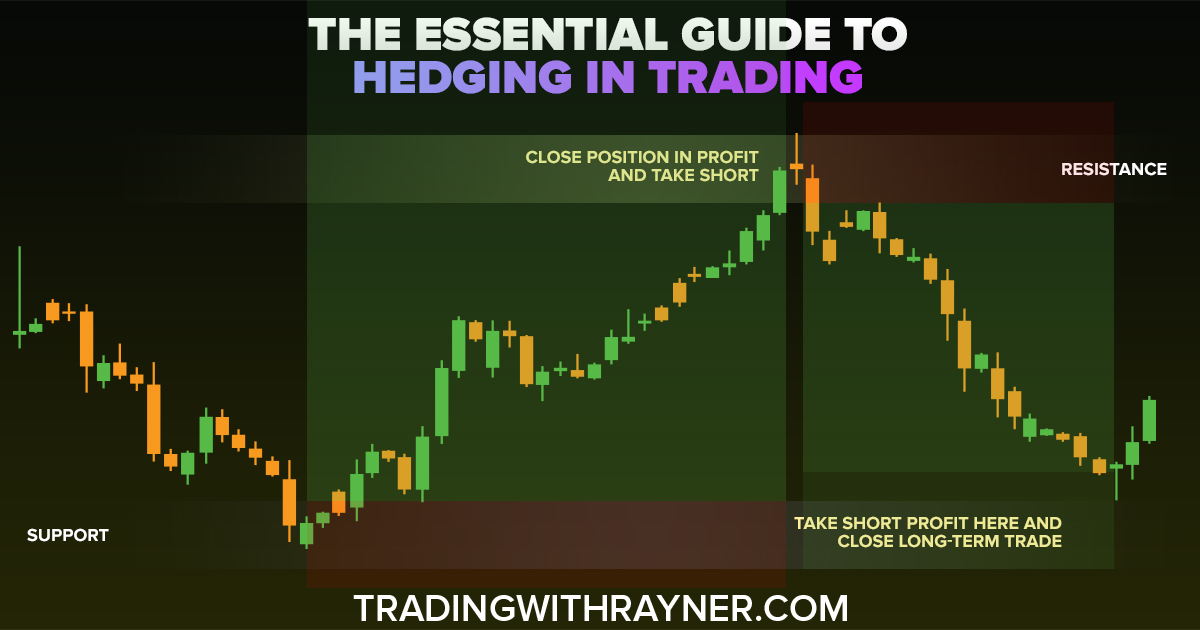
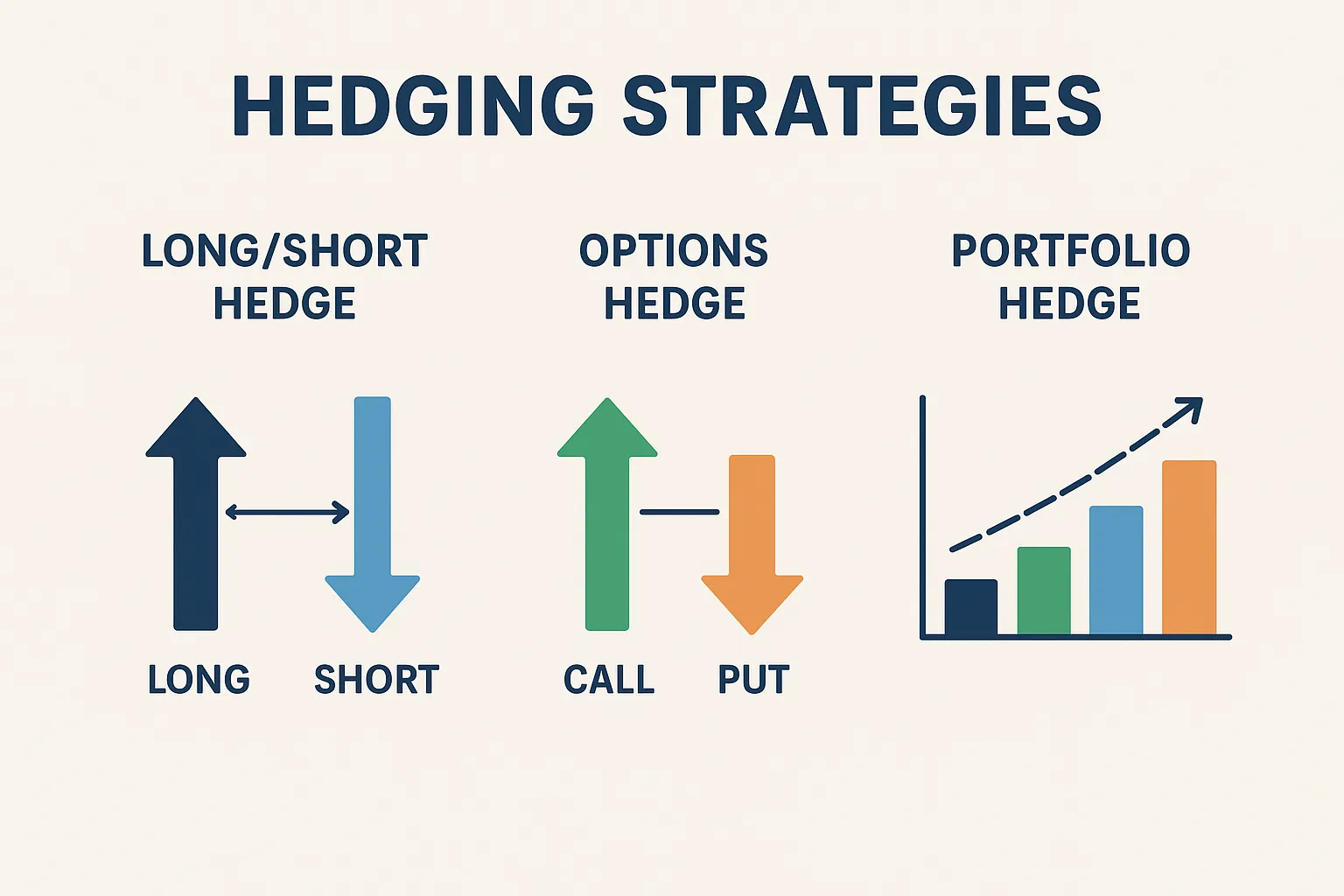
In trading, a hedge is not meant to make you a massive profit; rather, its primary purpose is to limit the downside. Professional traders use derivatives—such as options, futures, and swaps—to create a "buffer." If the primary investment loses value, the hedge gains value, thereby neutralizing the overall impact on the trader's capital. While hedging reduces risk, it also typically limits potential gains, as the cost of the hedge (the premium or transaction fee) must be deducted from the total return.
How Hedging Works: The Mechanics of Risk Offset
To understand hedging, you must understand the relationship between two correlated assets. Most hedges involve the use of derivatives. A derivative is a financial contract whose value is derived from an underlying asset, such as a stock, commodity, or currency.
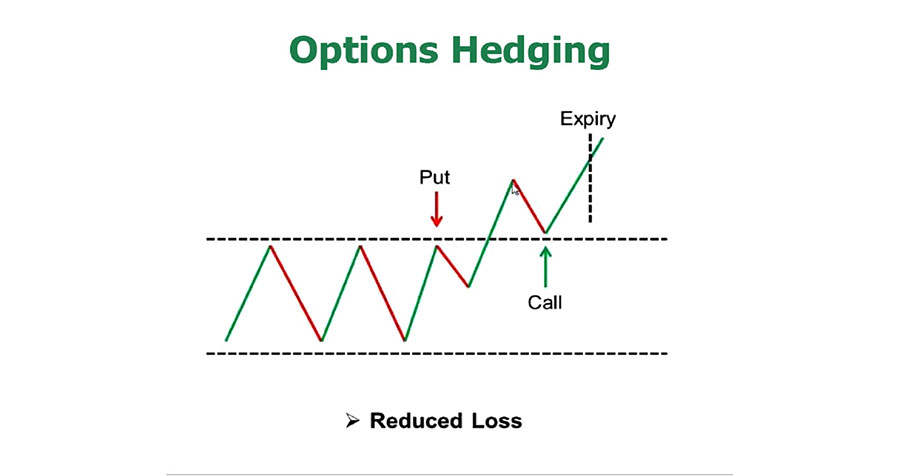
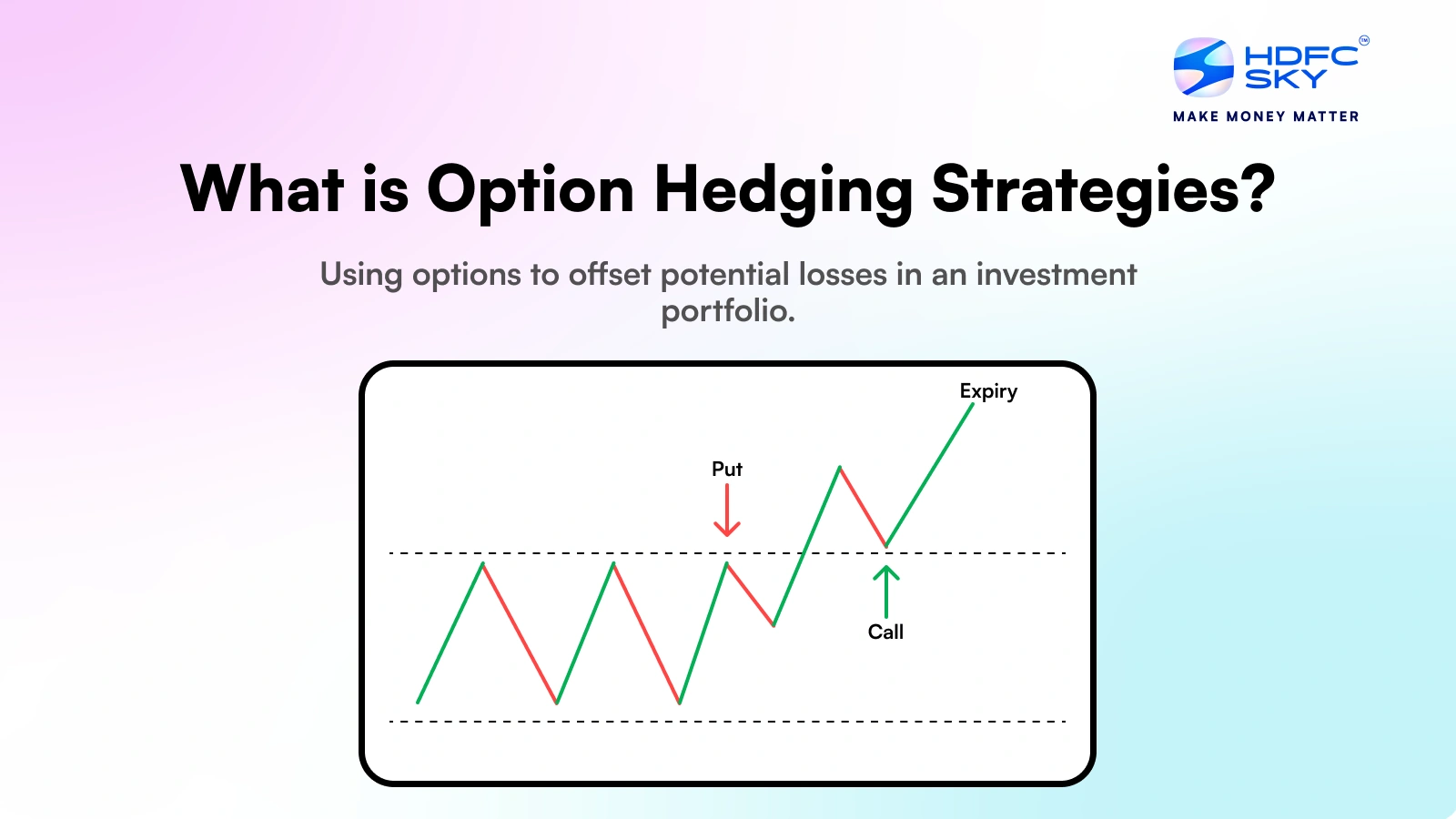
The most common way to hedge is through a perfect hedge, which completely eliminates risk. However, in practice, most traders achieve a partial hedge. For example, if you own 100 shares of a tech company and you fear a market downturn, you might buy a "put option." This option gives you the right to sell your shares at a specific price, even if the market price crashes. If the stock drops, the gain in your put option offsets the loss in your stock value.
Key Hedging Features at a Glance
| Feature/Aspect | Description |
|---|---|
| Primary Objective | To minimize or offset the risk of adverse price movements in an asset. |
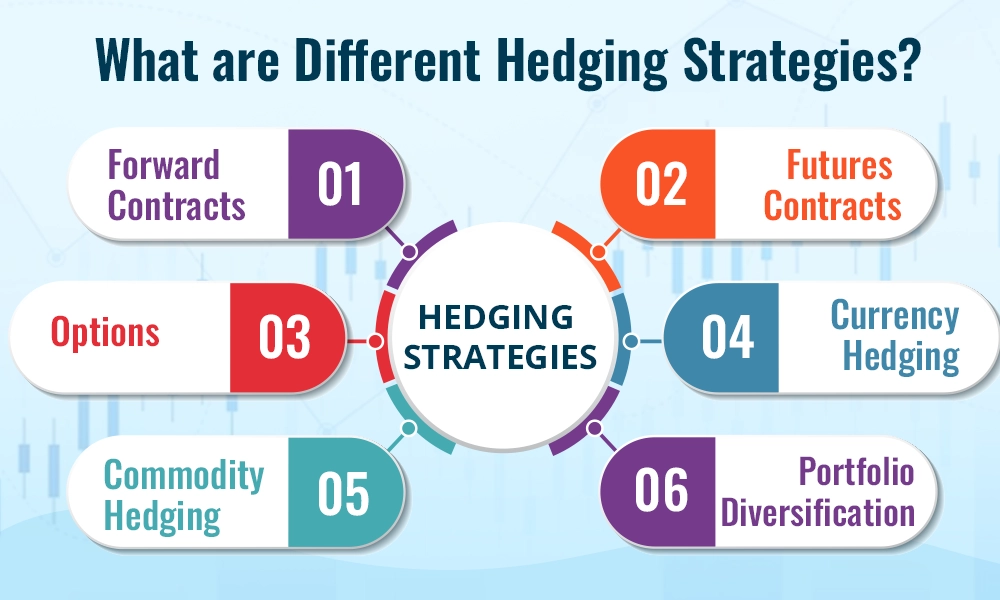
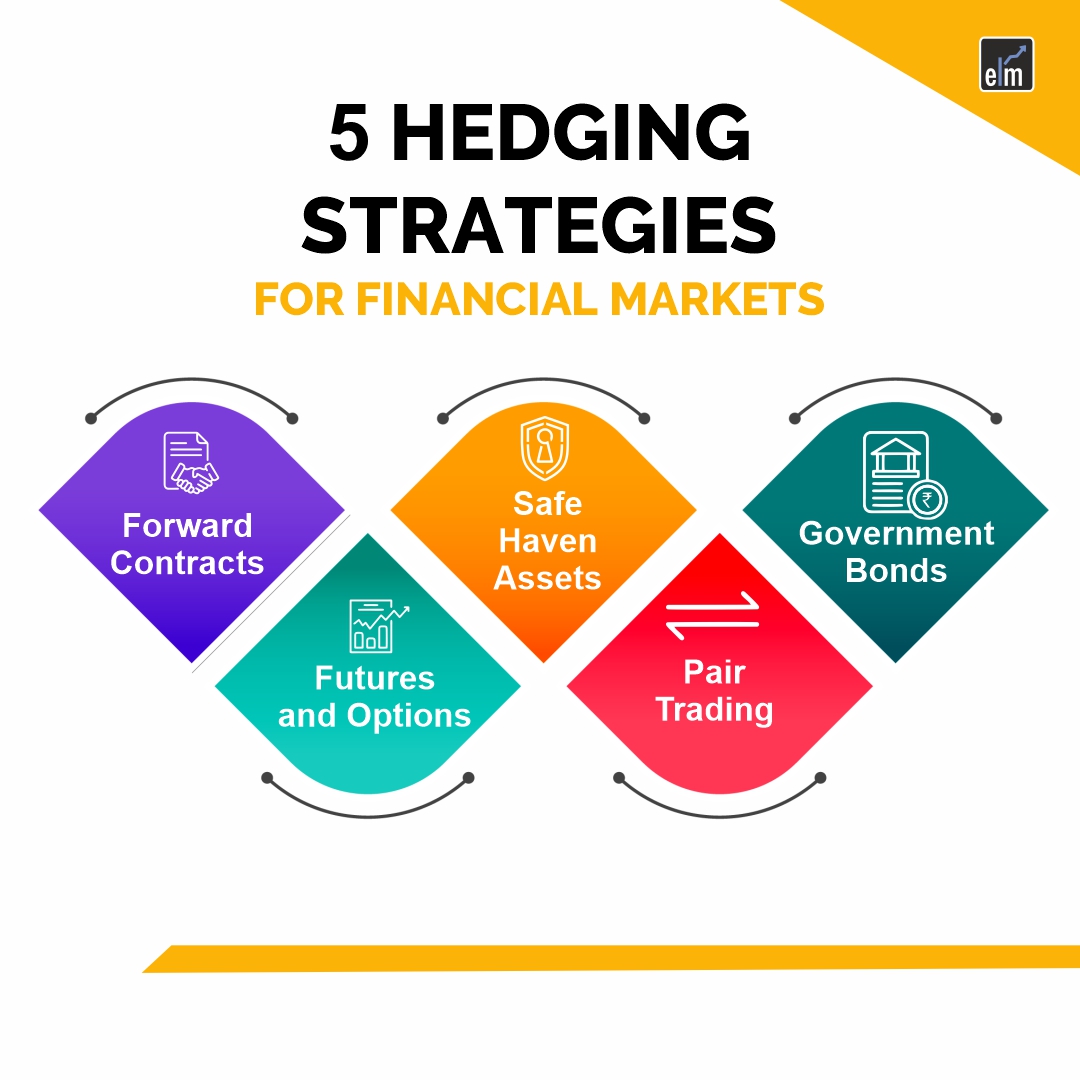
| Common Instruments | Options, Futures, Forward Contracts, and Short Selling. |
| Cost Factor | Hedging involves costs such as premiums, commissions, and spreads. |
| Risk-Reward Trade-off | Reduces downside risk but also limits potential upside profit. |
| Duration | Often temporary, lasting only as long as the perceived risk exists. |
What Is Hedging In Trading Example: 3 Real-World Scenarios
To truly grasp the concept, let’s look at specific examples across different asset classes. These scenarios illustrate how various traders use hedging to survive volatile market conditions.
1. The Stock Market Example (Put Options)
Imagine you own $10,000 worth of shares in "Company A." You believe the company has great long-term potential, but you are worried that an upcoming earnings report might cause a short-term price drop. To protect yourself, you buy a "Put Option" with a strike price near the current market value. If Company A’s stock price plummets 20% after the earnings report, your shares lose $2,000 in value. However, the value of your Put Option will increase significantly, allowing you to sell the shares at the higher strike price or sell the option for a profit. This profit offsets the $2,000 loss on your shares.
2. The Commodity Example (Futures Contracts)
Consider a commercial airline company. Their biggest expense is jet fuel, which is tied to oil prices. If oil prices spike, the airline's profits will evaporate. To hedge this risk, the airline enters into a Futures Contract to buy fuel at a fixed price six months from now. If the price of oil doubles, the airline is protected because they have locked in a lower price. Conversely, if oil prices drop, the airline still has to pay the higher contract price, but they benefit from cheaper fuel in the general market. Here, the hedge provides budget certainty.
3. The Forex Example (Currency Hedging)
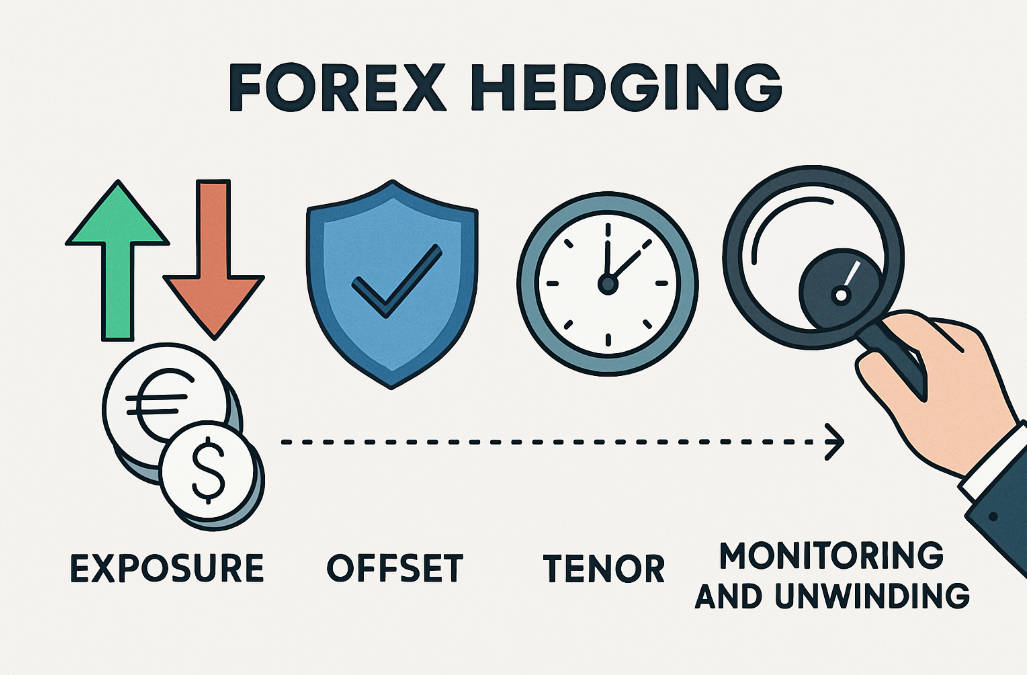
An American company exports goods to Europe and expects to receive a payment of €1,000,000 in three months. If the Euro weakens against the US Dollar during those three months, the company will receive fewer Dollars than expected. To mitigate this, the company enters a Forward Contract to sell €1,000,000 at the current exchange rate. Regardless of how much the Euro fluctuates, the company is guaranteed a specific amount of US Dollars, protecting their profit margins from currency volatility.
Popular Hedging Strategies Used by Professionals
While the examples above are straightforward, professional traders often employ more complex strategies to fine-tune their risk exposure. Here are some of the most widely used methods:
- Diversification: While not a direct hedge in the derivative sense, holding assets that are not correlated (e.g., stocks and gold) acts as a natural hedge. When one falls, the other often stays stable or rises.
- Pairs Trading: This involves taking a long position in one stock and a short position in another stock within the same industry. For example, being long on Pepsi and short on Coca-Cola. You are betting on the relative performance of the two, neutralizing the risk of the overall soft-drink market crashing.
- Delta Hedging: A complex strategy used by options traders to reduce the risk associated with price movements in the underlying asset by constantly adjusting the ratio of the hedge.
- Cross-Hedging: Hedging a position in one asset using a different but related asset. An example would be hedging a position in jet fuel using crude oil futures because jet fuel futures might be less liquid.
The Advantages and Disadvantages of Hedging
Is hedging always the right move? Not necessarily. Like any financial strategy, it comes with a set of pros and cons that traders must weigh carefully.
The Pros:
- Capital Preservation: The primary benefit is protecting your account balance during market crashes or "black swan" events.
- Reduced Volatility: Hedging smoothes out the equity curve of your portfolio, leading to a less stressful trading experience.
- Strategic Flexibility: It allows you to stay in a long-term position that you believe in, even during temporary periods of high risk.
The Cons:
- Cost: Hedging isn't free. Whether it's the premium for an option or the spread on a futures contract, these costs eat into your net profit.
- Complexity: Improperly executed hedges can lead to "over-hedging" or "under-hedging," potentially increasing risk rather than decreasing it.
- Limited Gains: If the market moves in your favor, your hedge will lose money, capping your total profit potential.
Hedging vs. Speculation: What's the Difference?
It is common to confuse hedging with speculation, as both often use the same instruments (like options and futures). However, the intent is diametrically opposed. A speculator takes on risk in hopes of making a profit from price movements. A hedger seeks to transfer risk to someone else (often the speculator) to protect an existing position.
For example, if you buy Bitcoin because you think the price will go up, you are speculating. If you already own Bitcoin and you sell a Bitcoin futures contract to protect your gains against a potential drop, you are hedging. Understanding this distinction is vital for maintaining a disciplined trading plan.
Frequently Asked Questions (FAQ)
1. Is hedging legal in all types of trading?
While hedging is a standard practice in most global markets (Stocks, Forex, Commodities), some specific regulations exist. For example, the "No Hedging Rule" (FIFO) by the NFA in the United States prevents Forex traders from holding simultaneous long and short positions on the same currency pair in the same account. However, traders can still hedge using different accounts or different instruments.
2. Can retail traders hedge with a small budget?
Yes. With the advent of "micro" and "mini" contracts in futures and the availability of fractional shares and low-cost options, retail traders can implement hedging strategies with relatively small amounts of capital. However, one must always account for transaction fees.
3. Does hedging guarantee I won't lose money?
No. Hedging is designed to limit losses, not necessarily eliminate them. A hedge can fail if the correlation between the two assets breaks down or if the cost of the hedge exceeds the protection it provides. It is a tool for risk reduction, not a "no-loss" guarantee.
Conclusion
In conclusion, understanding "what is hedging in trading example" is a fundamental step toward becoming a professional and resilient trader. By utilizing tools like options, futures, and strategic diversification, you can protect your portfolio from the unpredictable swings of the financial markets. While hedging involves costs and may limit your maximum profit, the protection it offers during times of crisis is invaluable. As the saying goes in finance: "It's not about how much you make, but how much you keep." Start small, understand the instruments you are using, and integrate hedging into your broader risk management framework to ensure long-term success in your trading career.
What Is Hedging In Trading Example
What Is Hedging In Trading Example Wallpapers
Collection of what is hedging in trading example wallpapers for your desktop and mobile devices.
Beautiful What Is Hedging In Trading Example Design for Desktop
Explore this high-quality what is hedging in trading example image, perfect for enhancing your desktop or mobile wallpaper.
Captivating What Is Hedging In Trading Example Moment in 4K
Find inspiration with this unique what is hedging in trading example illustration, crafted to provide a fresh look for your background.
Serene What Is Hedging In Trading Example Capture Photography
Discover an amazing what is hedging in trading example background image, ideal for personalizing your devices with vibrant colors and intricate designs.
Beautiful What Is Hedging In Trading Example Photo Collection
Experience the crisp clarity of this stunning what is hedging in trading example image, available in high resolution for all your screens.
Mesmerizing What Is Hedging In Trading Example Photo Art
Experience the crisp clarity of this stunning what is hedging in trading example image, available in high resolution for all your screens.

Crisp What Is Hedging In Trading Example Photo Collection
This gorgeous what is hedging in trading example photo offers a breathtaking view, making it a perfect choice for your next wallpaper.
Amazing What Is Hedging In Trading Example Landscape Art
Explore this high-quality what is hedging in trading example image, perfect for enhancing your desktop or mobile wallpaper.

Stunning What Is Hedging In Trading Example Capture in HD
Find inspiration with this unique what is hedging in trading example illustration, crafted to provide a fresh look for your background.
Beautiful What Is Hedging In Trading Example Capture Digital Art
Discover an amazing what is hedging in trading example background image, ideal for personalizing your devices with vibrant colors and intricate designs.

Detailed What Is Hedging In Trading Example Image Collection
Transform your screen with this vivid what is hedging in trading example artwork, a true masterpiece of digital design.
Detailed What Is Hedging In Trading Example Photo Digital Art
Transform your screen with this vivid what is hedging in trading example artwork, a true masterpiece of digital design.

Stunning What Is Hedging In Trading Example Background for Mobile
This gorgeous what is hedging in trading example photo offers a breathtaking view, making it a perfect choice for your next wallpaper.

Stunning What Is Hedging In Trading Example Scene for Your Screen
Immerse yourself in the stunning details of this beautiful what is hedging in trading example wallpaper, designed for a captivating visual experience.
Spectacular What Is Hedging In Trading Example Abstract Collection
This gorgeous what is hedging in trading example photo offers a breathtaking view, making it a perfect choice for your next wallpaper.

Vivid What Is Hedging In Trading Example Landscape Nature
Transform your screen with this vivid what is hedging in trading example artwork, a true masterpiece of digital design.
Captivating What Is Hedging In Trading Example Wallpaper Concept
Immerse yourself in the stunning details of this beautiful what is hedging in trading example wallpaper, designed for a captivating visual experience.
Vibrant What Is Hedging In Trading Example Artwork Nature
Discover an amazing what is hedging in trading example background image, ideal for personalizing your devices with vibrant colors and intricate designs.
Beautiful What Is Hedging In Trading Example Photo Nature
Experience the crisp clarity of this stunning what is hedging in trading example image, available in high resolution for all your screens.
Vivid What Is Hedging In Trading Example Artwork Illustration
Experience the crisp clarity of this stunning what is hedging in trading example image, available in high resolution for all your screens.

Gorgeous What Is Hedging In Trading Example Artwork Photography
This gorgeous what is hedging in trading example photo offers a breathtaking view, making it a perfect choice for your next wallpaper.
Download these what is hedging in trading example wallpapers for free and use them on your desktop or mobile devices.